
What should I look for when booking a luxury African safari?
When booking a luxury African safari, look beyond the room and compare the quality of guiding, wildlife location,…
Read article

Travel Guide
Ethiopia is one of Africa's most fascinating countries. Its history stretches back thousands of years. Its landscapes range from immense highland plateaus and volcanic terrain to forests, lakes and deep valleys. Its cultural traditions are distinctive,…
Ethiopia is one of Africa’s most fascinating countries.
Its history stretches back thousands of years. Its landscapes range from immense highland plateaus and volcanic terrain to forests, lakes and deep valleys. Its cultural traditions are distinctive, its cuisine is unlike anything found elsewhere on the continent, and its archaeological and religious heritage makes it one of Africa’s most rewarding destinations for travellers interested in far more than conventional wildlife safaris.
That richness creates understandable interest among independent travellers. It also creates an important question: Is Ethiopia safe for solo female travelers? There is no responsible one-word answer. Personal experiences matter, but current regional security conditions matter more. A traveller may have spent several weeks in Addis Ababa without experiencing serious problems and genuinely describe the journey as rewarding. At the same time, conditions in another region of Ethiopia may be unsuitable for leisure travel.
That distinction is especially important in 2026.
As of 27 August 2026, the U.S. Department of State rates Ethiopia Level 3: Reconsider Travel, citing risks including unrest, crime, kidnapping, terrorism, landmines, communications disruptions and exit bans. It designates a number of specific regions and border areas as “Do Not Travel.” The UK Foreign, Commonwealth & Development Office likewise advises against all travel or all but essential travel to parts of Ethiopia and warns that restrictions can change quickly.
Therefore, anyone considering solo travel in Ethiopia, particularly a woman travelling independently, needs to make decisions based on the specific route rather than assuming the entire country has one uniform level of risk. This guide combines the type of practical perspective that experienced independent travellers such as Stephanie Parker have shared with essential current safety considerations for travellers planning Ethiopia today.
This is the most important point to understand.
Ethiopia is enormous. Conditions in one city or region can be completely different from conditions several hundred kilometres away. A traveller spending several days in Addis Ababa faces different considerations from someone travelling through Amhara, Tigray, the Somali border region or remote parts of Oromia. This makes broad statements such as “Ethiopia is safe” or “Ethiopia is unsafe” potentially misleading. The better question is: Is the exact place I want to visit considered suitable for travel at the time I intend to go?
That question should guide every Ethiopia itinerary.
Travellers researching Ethiopia should be especially careful about relying on older travel blogs.
A person’s excellent trip several years ago does not prove a route is appropriate today. As of late August 2026, official U.S. advice recommends reconsidering travel to Ethiopia overall and says not to travel to several regions, including Tigray and Amhara, along with specified areas of Afar, Gambella, Benishangul-Gumuz, Oromia and several border regions. The UK government similarly identifies substantial regional restrictions and notes that Ethiopian authorities may introduce travel restrictions at short notice. Civilian flights to and from Tigray had also been suspended from 29 January 2026 according to the UK travel advisory current at the time of writing.
These warnings should not be dismissed simply because another traveller reports having felt safe somewhere. Personal experience and official risk assessment answer different questions. A traveller might genuinely have experienced no crime or harassment. Government advice considers broader issues such as armed conflict, kidnapping, terrorism and the ability to provide consular support. Both forms of information can be useful, but neither should be confused with the other.
Experienced solo traveller Stephanie Parker has written and spoken about travelling independently in Ethiopia.
Her perspective reflects something many adventurous travellers discover: Ethiopia can be intensely rewarding, culturally fascinating and welcoming, but it is not necessarily an effortless destination for independent travel. Solo travel requires confidence. Transport can be complicated. Language differences can create misunderstandings. A woman travelling independently may attract curiosity simply because solo female travel is less common in some communities. There may be persistent attention. There may also be occasions when a guide or locally arranged transport makes far more sense than attempting to navigate unfamiliar areas alone.
This distinction is important. Being an experienced solo traveller does not mean refusing local assistance. Good independent travel is about making intelligent decisions.
For many visitors, Addis Ababa is the first point of contact with Ethiopia.
The capital is a large, busy African city with modern hotels, restaurants, shopping centres, traditional markets, museums and international institutions. Travellers should use normal big-city precautions. Petty theft can occur. Phones and wallets should not be displayed carelessly in crowded environments. Walking alone late at night in unfamiliar or poorly lit areas is not advisable. Transportation should be arranged carefully, particularly after dark. Accommodation should ideally be selected in a location that reduces unnecessary nighttime travel.
One of the advantages of Addis Ababa is that visitors have access to a much wider range of established hotels, guides and transport providers than in remote regions. However, travellers should still monitor developments because political demonstrations and security conditions can change.
Many international visitors stay in or around Bole, partly because of its proximity to Addis Ababa Bole International Airport.
The area contains numerous hotels, restaurants and services used by international travellers. That convenience can make it a practical base. Yet “touristy” does not mean “risk-free.” Travellers should protect valuables and remain alert. Avoid displaying expensive jewellery. Use ATMs located in secure environments. Take particular care with smartphones in crowded streets. Arrange trusted transportation instead of accepting random offers from unknown drivers, especially after dark.
Some travellers assume that hiring a guide means they are no longer travelling independently. This is unnecessarily restrictive. A guide can dramatically improve an Ethiopia journey. Good local guides explain history, language, religious customs and regional traditions. They can help arrange transportation. They know which roads are practical. They can interpret rapidly changing local conditions. For a solo woman, a reliable local guide can also reduce unwanted attention and make certain logistical situations easier.
Using professional support is therefore not a failure of independent travel. It can be one of the smartest decisions a traveller makes.
If arranging a private tour, research the operator carefully. Do not judge a company only by price. Consider: Recent reviews Detailed itinerary information Clear inclusions Guide qualifications Vehicle condition Emergency procedures Knowledge of current regional restrictions Communication quality before booking A professional operator should not pressure travellers into visiting an area subject to serious security warnings simply because the company wants to preserve a booking. Safety should come before commercial interest.
Ethiopia is culturally diverse. Social expectations vary between urban and rural areas and between different communities. Solo female travellers may receive more attention than they are accustomed to. This does not automatically mean danger. Curiosity can be benign. However, persistent or intrusive attention should not be tolerated simply because it is described as cultural. A woman should feel free to end an uncomfortable conversation, enter a hotel or restaurant, change transport or seek assistance.
Maintaining clear boundaries is important.
There is no single dress code for the entire country. Addis Ababa is cosmopolitan, while rural and religious communities may be more conservative. Modest clothing is usually the most practical choice. This can mean covering shoulders and avoiding excessively revealing outfits when visiting religious sites or conservative communities. When entering Ethiopian Orthodox churches and monasteries, additional dress expectations may apply. A lightweight scarf is extremely useful. It can serve as an extra covering for religious visits, protect against sun and provide warmth in the Ethiopian highlands.
Solo women may occasionally experience comments, staring or persistent attempts at conversation. The experience varies greatly. Some women travel for weeks with very little unwanted attention. Others find constant interaction tiring. The safest approach is to distinguish between friendly curiosity and behaviour that crosses personal boundaries. If someone becomes persistent: Move toward a busy public area. Enter a hotel, restaurant or shop. Contact your guide or accommodation. Avoid escalating arguments with strangers.
Do not allow politeness to override your instincts. A woman is never obligated to continue an interaction simply to avoid appearing rude.
This advice applies in many destinations around the world, but it is particularly useful for travellers unfamiliar with Ethiopian cities. Road lighting can vary. Pavements may be uneven. Traffic can be unpredictable. An area that feels straightforward during the day may be difficult to navigate after dark. Use arranged transport at night wherever practical. Your hotel can normally help organise a driver or recommend a reliable service.
Transport deserves more attention than many travellers give it. Even when security conditions are acceptable, road safety in Ethiopia can present practical risks. Driving standards, livestock, pedestrians, road conditions and long distances can make overland journeys tiring. Avoid unnecessary nighttime road travel. A professional driver familiar with local conditions is particularly valuable outside Addis Ababa. In remote areas, journey times should be planned conservatively. Trying to fit too many destinations into a short trip can lead to excessive driving.
Ethiopia has historically had an extensive domestic flight network, which can substantially reduce overland travel times. However, routes can be affected by security restrictions. Current advice should therefore be checked close to travel. Do not assume that a domestic flight displayed in an old itinerary or blog remains operational. As noted in current UK travel advice, authorities may impose restrictions at short notice.
Anyone planning an Ethiopia tour should research each region individually. This cannot be overstated. Travelling to Addis Ababa is not equivalent to travelling to Amhara. Travelling to a recognised tourism destination accessible under current conditions is not equivalent to travelling near an international border affected by security concerns. The U.S. advisory current in August 2026 identifies areas of particularly high risk in several regions and along borders with Somalia, Sudan, South Sudan, Kenya and Eritrea.
Routes should be designed around current conditions.
Tigray contains extraordinary historical and cultural attractions. However, past tourism popularity should not be confused with current accessibility. As of the current U.S. advisory, Tigray is listed among the areas where travellers should not travel because of armed conflict, unrest and crime. This illustrates why old Ethiopia itineraries require careful updating. A blog written before conflict or travel restrictions may describe a route that is no longer appropriate.
Amhara contains some of Ethiopia’s most internationally famous historic destinations. These have traditionally included places such as Gondar and Lalibela. However, historic importance does not override safety concerns. As of August 2026, the U.S. Department of State lists Amhara as Do Not Travel due to armed conflict, unrest, kidnapping and crime. Travellers should therefore verify current official guidance rather than building itineraries around previous tourism patterns.
Oromia is Ethiopia’s largest region and surrounds Addis Ababa. Conditions are not identical throughout it. The current U.S. advisory identifies many parts of Oromia where travellers should not go, while exceptions include Bishoftu and Bale Mountains National Park under that advisory. This is another example of why destination-specific research matters. Never assume that a statement about one part of a large region applies to every part.
International border regions deserve particular caution. Current U.S. travel guidance identifies significant risks around several Ethiopian borders, including areas near Somalia, Sudan, South Sudan, Kenya and Eritrea. Leisure travellers generally have little reason to approach unstable border areas unless they are part of a specifically researched and currently permitted route.
Political demonstrations can develop with little notice. A gathering that begins peacefully can change. Foreign visitors should avoid protests and political crowds. Do not remain nearby simply to photograph them. Monitor local news. Follow guidance from your accommodation, operator and relevant authorities. If transportation routes are affected, be flexible.
Communication disruptions are another factor travellers should consider. The U.S. advisory specifically includes communications disruptions among the risks affecting Ethiopia. A sensible traveller therefore does not depend entirely on cloud-based documents and constant mobile data. Keep key information available offline. Store copies of: Passport Visa Travel insurance Hotel reservations Emergency contacts Flight information Operator contacts This simple preparation can be invaluable if internet service becomes unreliable.
Carry your passport only when necessary. Your accommodation may provide a secure place for the original. Keep digital copies and a separate paper copy. The U.S. travel guidance recommends carrying a copy of passport and visa while leaving originals safely stored when appropriate. Always ensure that your visa and entry documents meet current requirements before departure.
Comprehensive travel insurance is particularly important for Ethiopia. Insurance should ideally include: Medical treatment Emergency evacuation Trip cancellation Trip interruption Appropriate coverage for your planned activities Travellers must also verify that their policy remains valid in destinations subject to government travel warnings. Some insurance policies restrict or invalidate coverage if the traveller knowingly enters an area against official advice. Read the policy carefully. The U.S. Department of State specifically recommends travel insurance and advises travellers to check evacuation, medical and cancellation coverage.
Medical facilities vary substantially between Addis Ababa and remote areas. Travellers should consult a qualified travel-health professional before departure. Required and recommended vaccinations depend on personal circumstances, itinerary and origin. Carry essential prescription medication in original packaging. Bring more than the minimum quantity needed if appropriate. Avoid relying on the assumption that an exact medication will be available locally. Good health planning is especially important when visiting remote destinations.
Ethiopian cuisine is one of the highlights of travelling in the country. Injera, lentils, vegetables, meat dishes and richly seasoned sauces create an extraordinary culinary tradition. However, travellers unfamiliar with local water conditions should take reasonable precautions. Drink reliably treated or bottled water where appropriate. Choose restaurants with good hygiene standards. Be careful with food that appears to have been stored poorly. A minor stomach problem can become a major inconvenience when travelling long distances.
One of the most rewarding aspects of Ethiopia travel is its coffee culture. Ethiopia is widely recognised as coffee’s ancestral homeland. Traditional coffee ceremonies transform drinking coffee into a social ritual. For solo travellers, cultural experiences such as coffee ceremonies can provide meaningful opportunities to interact with local people in a structured, welcoming setting. This is one reason Ethiopia often leaves such a deep impression on travellers despite its logistical challenges.
Safety concerns should be discussed honestly without reducing Ethiopia to its current difficulties. The country possesses extraordinary cultural and natural heritage. Its archaeological sites illuminate some of Africa’s oldest civilisations. Orthodox Christian traditions have produced remarkable churches and monasteries. Muslim heritage is equally important in several regions. The landscapes are dramatic. Ethiopian food is outstanding. Coffee culture is deeply embedded in everyday life. The country also supports unusual wildlife, including species found nowhere else.
For travellers able to follow a route that is appropriate under current conditions, Ethiopia can still provide a memorable experience.
Ethiopia is not usually the first destination people associate with an African safari, yet its wildlife is fascinating. The country is particularly important for endemic species. These include animals associated with the Ethiopian highlands and specialised ecosystems. Birders are especially interested in Ethiopia because of the country’s remarkable avifauna. The Bale Mountains have traditionally been one of the most important wildlife destinations. Travellers should always verify current accessibility before planning.
One of Ethiopia’s most celebrated animals is the Ethiopian wolf. This rare canid is strongly associated with high-altitude habitats. Seeing one in the wild is a completely different experience from observing lions or elephants on a traditional savannah safari. It demonstrates how diverse African wildlife tourism can be. Ethiopia’s natural history complements rather than copies the classic safari experiences of Kenya, Tanzania or Uganda.
Travellers should understand that Ethiopia is not simply another version of Kenya or Tanzania. Its strongest tourism appeal lies in culture, history, landscapes, endemic wildlife and unusual experiences. A traveller wanting large concentrations of classic African animals may prefer Kenya, Tanzania, Uganda, Botswana or South Africa. A traveller fascinated by ancient history, Christianity, Islam, indigenous cultures, highland ecosystems and archaeology may find Ethiopia particularly compelling. This difference helps set realistic expectations.
When conditions and flight schedules allow, Ethiopia can be combined with other East African destinations. Addis Ababa has historically been one of Africa’s most important aviation hubs. Travellers interested in wildlife might combine Ethiopia with: Uganda gorilla trekking Rwanda gorilla trekking Kenya safaris Tanzania safaris Such combinations create an extraordinary contrast between Ethiopia’s cultural heritage and classic East African wildlife experiences.
This is an important lesson from experienced solo travellers. Travel independently where it makes sense. Use a guide when expertise improves the experience. Arrange trusted transportation when it improves safety. Join a group excursion when a remote destination is difficult to access independently. A rigid commitment to doing absolutely everything alone can create unnecessary risks. True independence is having the freedom to make sensible choices.
Before travelling, make sure you: Check current government travel advisories. Research every region on your itinerary. Choose established accommodation. Arrange airport transfers where appropriate. Avoid unnecessary night travel. Keep valuables discreet. Carry offline copies of important documents. Buy comprehensive travel insurance. Stay in contact with someone at home. Use reputable guides and drivers. Avoid demonstrations and political gatherings. Remain flexible if local conditions change. These precautions cannot eliminate every risk.
They can, however, substantially improve preparedness.
Ethiopia may not be the easiest destination for someone taking her first international solo trip. The country can require patience, flexibility and cultural awareness. Current security concerns add another layer of complexity. A traveller new to Africa may feel more comfortable beginning with a destination that has a well-developed independent tourism infrastructure and then visiting Ethiopia later. Experienced travellers may feel more comfortable adapting to changing circumstances. That is not a judgement on courage.
Travel experience genuinely affects how well people respond to unfamiliar logistical challenges.
Safety advice can become excessively complicated. One principle remains simple: If something feels wrong, leave. You do not need proof that a person has bad
Flexibility is one of the most important safety skills in independent travel.
The best answer is neither an enthusiastic “yes” nor an absolute “no.” Ethiopia travel safety depends heavily on where you intend to go, when you travel and how you organise the journey. Personal accounts from experienced travellers such as Stephanie Parker demonstrate why Ethiopia continues to fascinate adventurous women. Hospitality can be memorable. The culture is extraordinary. The history is unlike anywhere else in Africa. The landscapes can be magnificent.
But personal enthusiasm should never replace current risk assessment. In September 2026, significant official travel warnings remain in effect for Ethiopia, and several regions are specifically listed as places travellers should not visit. For a solo female traveler in Ethiopia, good planning therefore means more than booking a flight and choosing hotels. Check the exact route. Monitor official advice. Use reputable local professionals. Avoid restricted or unstable regions. Arrange safe transportation.
Maintain communication. Carry appropriate insurance. And be prepared to change your itinerary if circumstances require it. Solo travel should be adventurous. It should not depend on ignoring credible warnings. Approached with that distinction in mind, travellers can make much more informed decisions about whether Ethiopia fits their plans and which parts of the country are appropriate to consider at the time of travel.

Get quick answers to the most common questions. If you still have questions, our safari experts are here to help.
Conditions vary substantially by region. As of 27 August 2026, the U.S. Department of State classifies Ethiopia as Level 3: Reconsider Travel and lists several regions as “Do Not Travel.” Travellers should examine current official advice for every destination on their itinerary.
Solo women do travel in Ethiopia, and personal experiences vary widely. However, current regional security concerns mean that route selection, trusted transport, reputable accommodation and up-to-date travel advice are particularly important.
Addis Ababa is a major city visited by international travellers, but standard city precautions remain necessary. Travellers should be aware of petty crime, avoid isolated areas after dark and use reliable transport.
Walking alone after dark in unfamiliar parts of the city is generally not advisable. Arranging reputable transportation is usually a safer option.
A guide can be extremely valuable, particularly outside Addis Ababa or for cultural and nature excursions. Professional guides help with logistics, interpretation and local information.
The U.S. advisory current as of August 2026 categorises Amhara as Do Not Travel because of armed conflict, unrest, kidnapping and crime.
Travellers should not assume normal tourism access. Current U.S. advice says not to travel to Tigray, and UK advice notes that civilian flights to and from the region had been suspended from 29 January 2026. Conditions can change, so official advice must be checked immediately before making plans.
Comprehensive insurance is strongly recommended. Travellers should verify that their policy covers their exact itinerary, particularly when official government travel warnings apply.
Yes. Ethiopia can potentially be combined with Kenya, Tanzania, Uganda or Rwanda, allowing travellers to pair Ethiopia’s cultural and historical attractions with wildlife safaris or gorilla trekking.
It can be challenging for inexperienced solo travellers. Those with limited independent travel experience may prefer travelling with a reputable operator or guide.
Our safari experts are here to help you plan your safari. Get personalized advice, the latest information and a free, no-obligation quote.
We typically reply within a few hours.

Share This Article
When booking a luxury African safari, look beyond the room and compare the quality of guiding, wildlife location,…
Read article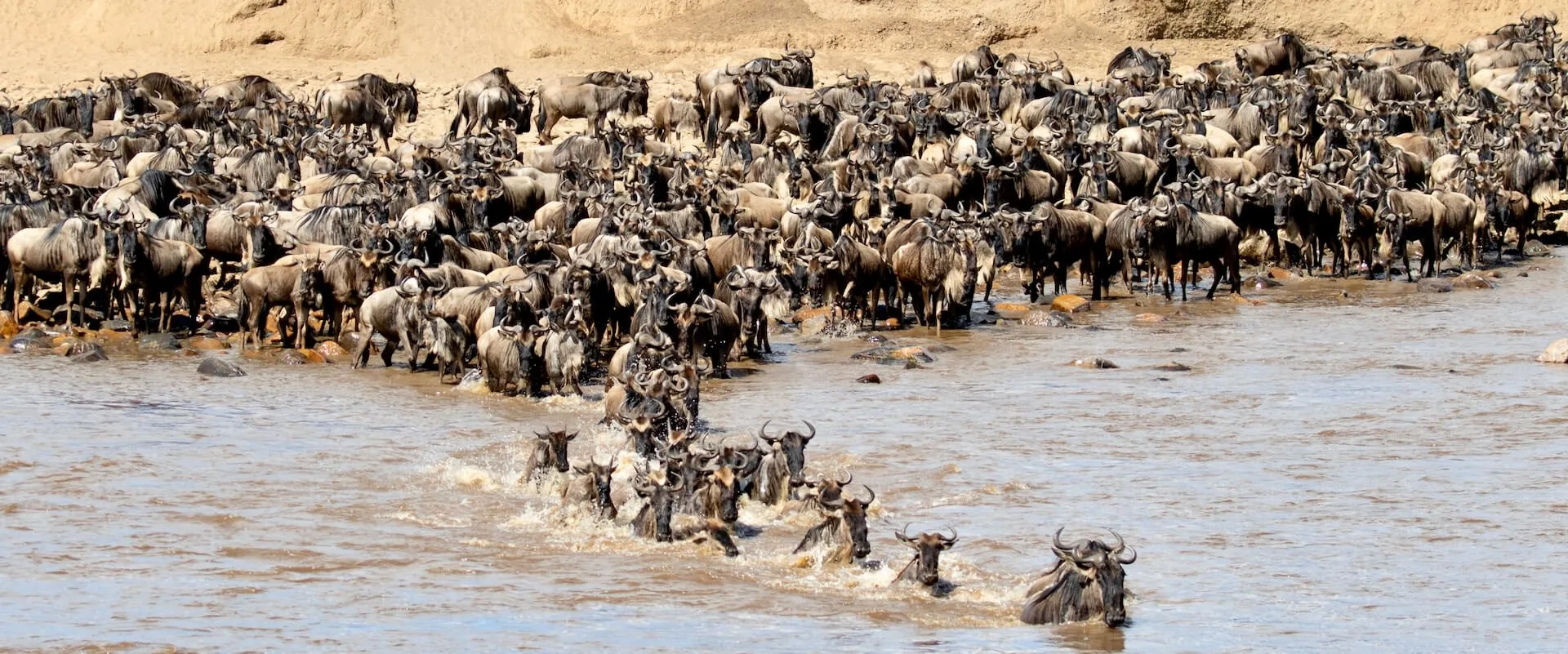
The Great Migration in Africa happens all year because the herds continuously circulate through the Serengeti–Mara ecosystem in…
Read article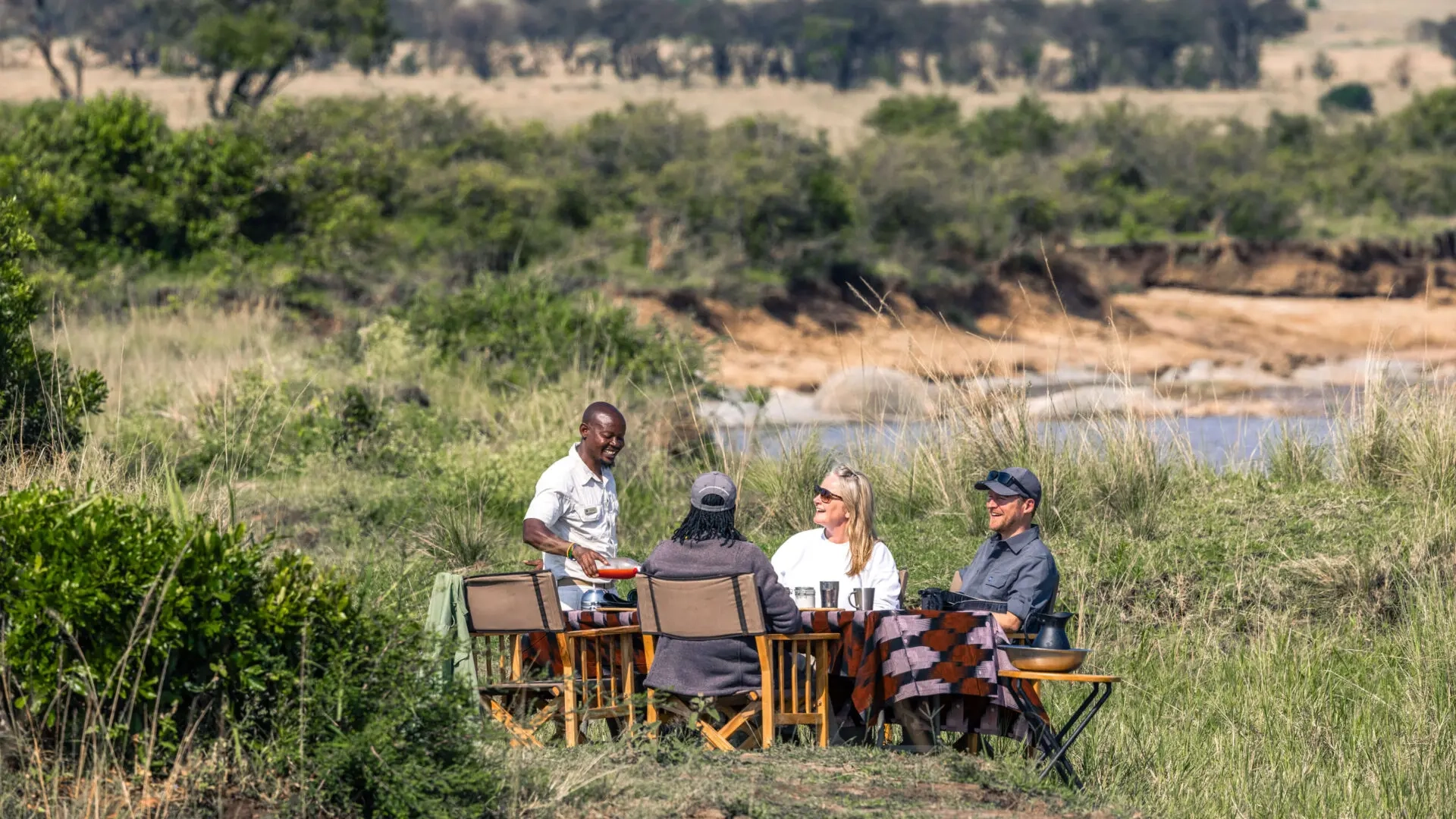
Definitive answer: A picnic lunch on safari is a packed or catered midday meal eaten at an approved…
Read article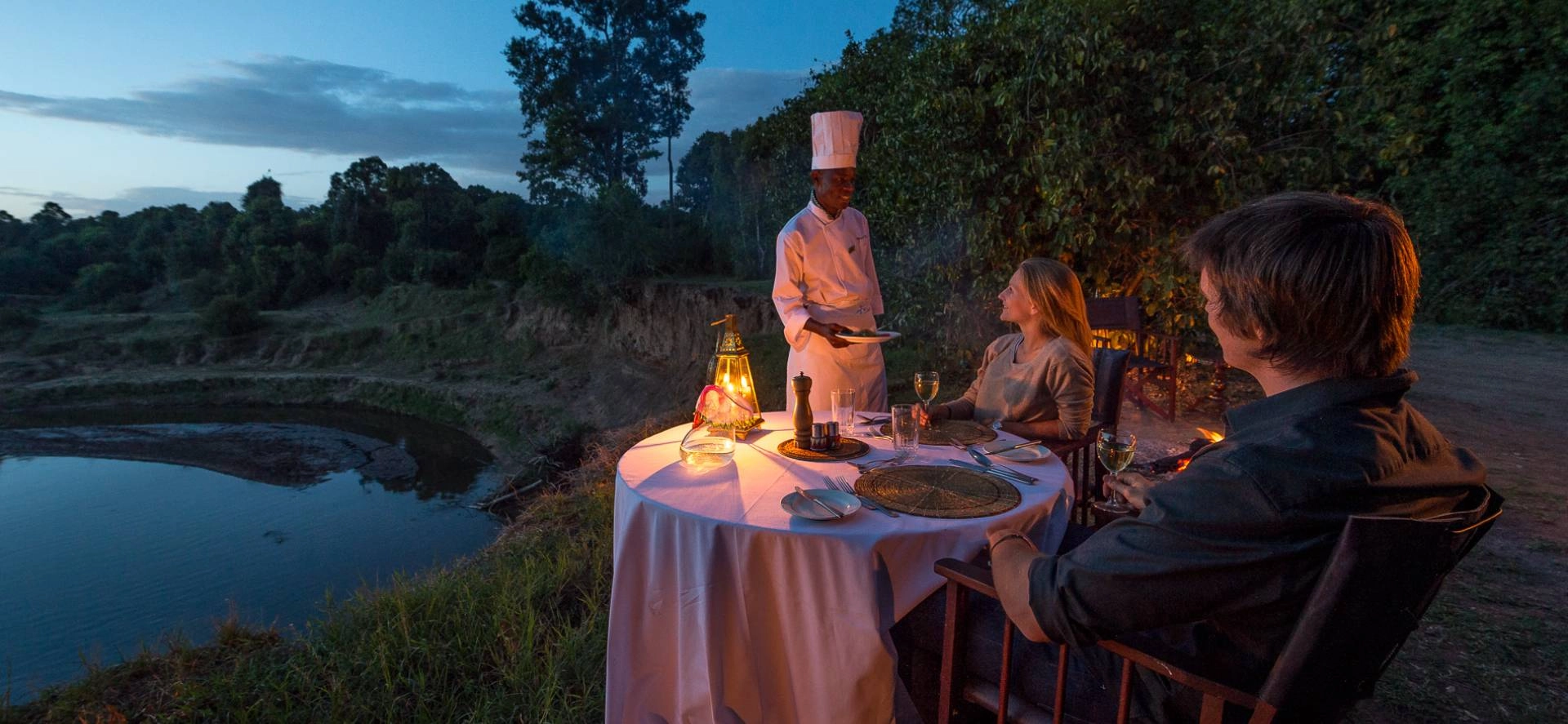
Definitive answer: A bush dinner is an outdoor evening meal arranged in a safe safari setting away from…
Read articleLet us take you closer to the wildlife, people and places that make Africa extraordinary.
Plan Your Safari Today