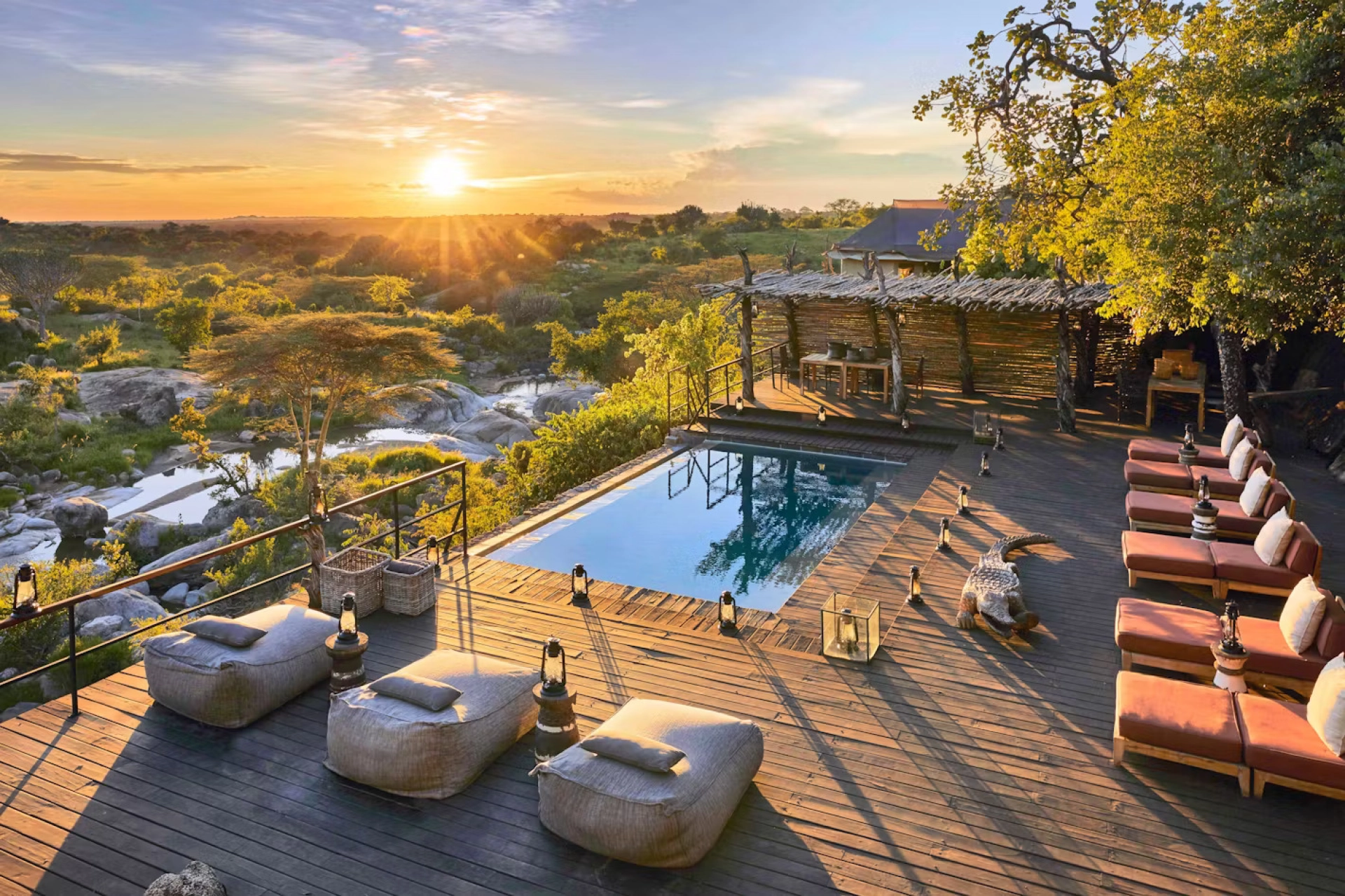
What should I look for when booking a luxury African safari?
When booking a luxury African safari, look beyond the room and compare the quality of guiding, wildlife location,…
Read article

Travel Guide
Traveling from Entebbe to Mgahinga Gorilla National Park is one of the most important logistics decisions for travelers planning gorilla trekking, golden monkey tracking, volcano hiking or a wider southwestern Uganda safari. Mgahinga sits in the…
Traveling from Entebbe to Mgahinga Gorilla National Park is one of the most important logistics decisions for travelers planning gorilla trekking, golden monkey tracking, volcano hiking or a wider southwestern Uganda safari. Mgahinga sits in the far southwest of Uganda, close to the borders with Rwanda and the Democratic Republic of Congo, while Entebbe is Uganda’s main international aviation gateway. The two points are separated by a considerable distance, and how you choose to travel affects the pace, cost and character of your safari.
For most travelers, there are three practical ways to travel from Entebbe to Mgahinga: by road, by domestic flight combined with a road transfer, or as part of a multi-day safari route that includes destinations such as Lake Mburo National Park, Queen Elizabeth National Park, Bwindi Impenetrable National Park or Lake Bunyonyi. Each option has advantages, and there is no single best choice for everyone.
A traveler with only three or four days in Uganda may prefer to fly south and minimize transfer time. A traveler with a week or more may enjoy the road journey because it passes through changing landscapes and can be combined with other safari destinations. Families, older travelers, photographers and budget travelers may also have different priorities.
This detailed guide explains the Entebbe to Mgahinga distance, travel time, road route, domestic flight options, transfer logistics, overnight stops, safari combinations, packing considerations, timing advice and frequently asked questions. It is designed to help travelers plan a realistic and comfortable journey to one of Uganda’s most scenic primate destinations.
Mgahinga Gorilla National Park is located in Kisoro District in southwestern Uganda. It forms part of the larger Virunga conservation landscape, which extends across Uganda, Rwanda and the Democratic Republic of Congo. The park protects the Ugandan slopes of three volcanic mountains: Mount Muhabura, Mount Gahinga and Mount Sabyinyo. It is one of Uganda’s two mountain gorilla destinations and is also particularly famous for golden monkey tracking. Mgahinga is smaller than Bwindi, but its dramatic volcanic scenery gives it a distinctive character. Activities include gorilla trekking, golden monkey tracking, golden monkey habituation, volcano hiking, birding and cultural experiences.
Most travelers stay in or around Kisoro or at lodges closer to the park entrance, depending on the activity scheduled for the following morning.
Entebbe lies on the northern shore of Lake Victoria and is home to Entebbe International Airport, Uganda’s primary international gateway. Many travelers begin and end their Uganda safari in Entebbe rather than Kampala because of the airport location. Entebbe has hotels, guesthouses, restaurants, botanical gardens, Lake Victoria activities and convenient access to the airport. If your international flight lands late, it is usually sensible to spend the night in Entebbe before beginning the long journey to southwestern Uganda the next morning.
The exact driving distance varies according to the route and road conditions, but Entebbe to Mgahinga Gorilla National Park is a long overland journey. Travelers should think in terms of a full travel day rather than simply the number of kilometers. Road journeys in Uganda can take longer than expected because of traffic, roadworks, towns, mountain roads, weather and stops along the way. A professionally planned safari transfer usually allows enough time for meal breaks, fuel stops and occasional scenic pauses without making the journey unnecessarily rushed.
A direct road transfer commonly takes roughly 9 to 11 hours, depending on traffic, route, weather and exact lodge location. Travel times should always be treated as approximate. Departing Entebbe very early helps avoid some traffic and gives you a better chance of reaching Kisoro before dark. Travelers should not plan gorilla trekking on the same day as a long road transfer from Entebbe. Gorilla trekking begins early in the morning, so you must arrive in the Mgahinga area the previous day.
The most common route travels southwest through central and western Uganda. A typical routing may pass through or near: Entebbe – Kampala/Expressway corridor – Masaka – Mbarara – Ntungamo – Kabale – Kisoro – Mgahinga Gorilla National Park. Exact routing can vary according to road conditions and safari design. The journey is long but scenic, especially once you reach southwestern Uganda. The landscape changes gradually from the Lake Victoria basin and central agricultural areas to rolling hills, cattle country and finally the steep highlands of Kigezi and Kisoro.
Road travel is the most common option for travelers on a budget or midrange Uganda safari. The advantages include flexibility, lower cost compared with flying, the ability to stop along the route and the possibility of combining Mgahinga with other destinations. A private safari vehicle is usually more comfortable than public transport because the driver can control the pace, handle luggage and take you directly to your lodge. For international travelers, using a professional safari transfer is especially valuable because the final section through the southwestern highlands can be unfamiliar and road conditions may change.
Yes, particularly if your itinerary is long enough. The journey is not simply dead transfer time. It reveals a large part of Uganda’s countryside and demonstrates how dramatically landscapes change across the country. Travelers see towns, farms, markets, cattle country, rolling hills and mountainous terrain. For first-time visitors, this gives a much stronger sense of Uganda than flying directly south.
However, if you dislike long drives or have limited time, a domestic flight is a better choice.
Travelers wanting to save time can fly from Entebbe to an airstrip serving southwestern Uganda, typically Kisoro Airstrip, depending on current airline schedules and operating conditions. From Kisoro, a road transfer continues to your lodge or Mgahinga Gorilla National Park. Domestic flights can significantly reduce total travel time, although the complete journey still includes: airport check-in, flight time, luggage handling and a road transfer at the destination.
Flight schedules may be limited and can vary by season. Travelers should confirm current schedules before designing the itinerary.
Flying is especially suitable for: short Uganda safaris, luxury travelers, honeymooners, older travelers, families with limited tolerance for long drives, business travelers with restricted holiday time and travelers combining Uganda with other East African countries. A fly-in safari also allows more time for actual activities. Instead of spending most of one day on the road, you may arrive in the southwest early enough to relax, enjoy lodge views or take a short optional activity.
Kisoro is the main town and transport hub near Mgahinga. The road transfer from Kisoro Airstrip to Mgahinga Gorilla National Park is much shorter than the long drive from Entebbe. Travel time depends on your exact lodge and the park entrance being used. Your safari operator should coordinate the vehicle to meet the flight. This transfer should be booked in advance rather than arranged at the last minute.
Small safari aircraft often have stricter luggage limits than international airlines. Travelers should expect: lower baggage allowances, preference for soft-sided bags and possible restrictions on large hard-shell suitcases. Exact rules vary by airline. If your international luggage exceeds the domestic allowance, ask your safari operator about storage or repacking before the flight. Photographers should also discuss camera equipment in advance because heavy lenses can affect total baggage weight.
The best option depends on your priorities.
You want to save money, enjoy seeing the countryside, have enough time and are combining Mgahinga with other Uganda destinations.
You have limited days, value comfort, dislike long drives or want to maximize time in the park. Neither option is universally superior. A well-designed safari may even combine the two, for example driving south through several parks and flying back from Kisoro to Entebbe at the end.
One of the best ways to break the long road journey is to combine it with Lake Mburo National Park. Lake Mburo lies in western Uganda and can be incorporated between Entebbe and the southwest. This creates a more relaxed itinerary and adds a different ecosystem before the primate experience. Activities may include: game drives, walking safaris, boat trips, birding and horseback riding at selected locations. A journey could be structured as Entebbe to Lake Mburo, overnight near the park, then continue to Mgahinga the following day. This is much more comfortable than trying to cover the entire route in one day.
Travelers with more time can build a larger Uganda safari. Instead of traveling directly to Mgahinga, you can first visit Queen Elizabeth National Park. Queen Elizabeth offers lions, elephants, buffaloes, antelopes, leopards and the famous Kazinga Channel boat safari. From there, continue south through Ishasha toward Bwindi or Kisoro. This route creates a powerful contrast between savannah wildlife and mountain gorilla trekking.
Bwindi Impenetrable National Park and Mgahinga are both mountain gorilla destinations, but they are different in landscape and trekking structure. Travelers can include both parks if they want two gorilla treks, or combine a gorilla trek in one park with golden monkey tracking in the other. The road connection between sectors depends on the exact lodge and route. If you are planning both parks, accommodation selection matters because some Bwindi sectors are much closer to Kisoro and Mgahinga than others.
Lake Bunyonyi is a popular relaxation stop in southwestern Uganda. The lake is known for steep green hills, islands and peaceful scenery. Some travelers choose to spend a night at Lake Bunyonyi before continuing to Kisoro. This can break up the road journey and create a slower itinerary.
However, it adds time and is most suitable for travelers with at least several days available.
Kabale is a major town in southwestern Uganda and often forms part of the road route toward Kisoro. The road from Kabale to Kisoro passes through dramatic highland scenery. This section is particularly beautiful but can involve winding roads and slower driving. Travelers prone to motion sickness may want to carry appropriate medication.
For a direct road transfer, an early departure is strongly recommended. Leaving around 6:00 to 7:00 AM is common on private safaris, although exact timing depends on your itinerary. An early start gives your driver more flexibility for traffic, lunch stops and unexpected delays. It also reduces the chance of completing the final mountainous roads after dark.
It is generally better not to plan the full journey at night. The route is long, and night driving can be tiring. Visibility is also reduced on rural and mountain roads. If your international flight lands late, overnight in Entebbe and begin the journey the next morning. This is more comfortable and safer.
Technically yes, if your flight arrives very early and you are prepared for a long day. However, this is rarely the most comfortable plan after an overnight international journey. Jet lag and fatigue can make a 9- to 11-hour transfer feel much longer. An Entebbe overnight is usually recommended unless your travel schedule is very tight.
If your main purpose is gorilla trekking in Mgahinga, you must reach the park area the day before the trek. Gorilla trekking starts early with a briefing. Do not design an itinerary that depends on arriving from Entebbe on the same morning. Ideally, sleep near the park entrance or within practical driving distance. Your lodge location should be coordinated with your permit and trekking plan.
Gorilla trekking in Uganda requires a valid permit issued through the relevant authorities. Permit availability can be limited, especially in peak travel periods. Your safari operator can help secure the permit as part of the booking process. The permit is tied to a specific date. Because of this, transport from Entebbe should be planned carefully to avoid arriving late.
Mgahinga is one of the best destinations in Uganda for golden monkey tracking. Golden monkeys live in the bamboo forests of the Virunga Mountains. Travelers may choose golden monkey tracking as a separate activity or combine it with gorilla trekking. The activity also begins early, so travelers should stay in the Mgahinga area the night before.
Mgahinga protects three volcanic peaks. Travelers can hike Mount Sabyinyo, Mount Gahinga or Mount Muhabura, depending on current park arrangements and personal fitness. These hikes are physically demanding. You should arrive in the area at least one day before the climb so you can rest after the long transfer from Entebbe.
Mgahinga is an excellent birding destination. The park’s montane and bamboo habitats support species that are difficult to find elsewhere in Uganda. Birders may combine Mgahinga with Bwindi, Lake Bunyonyi, Queen Elizabeth National Park and Mabamba Wetland near Entebbe. This creates an excellent Uganda birding and primate itinerary.
A reliable safari vehicle is recommended. A 4×4 safari vehicle provides comfort and flexibility, particularly when approaching rural lodges or traveling during wet conditions. Road quality on the main route may be good in many sections, but access roads can vary. Your safari operator should select the correct vehicle for the route and season.
Road conditions can change because of rainfall, roadworks and maintenance. Main highways are generally easier than smaller lodge access roads. The southwestern highlands can experience heavy rain. Allow realistic travel time and avoid planning extremely tight connections.
There are several towns along the route where drivers can stop for fuel, food and restrooms. A private safari itinerary normally includes a lunch stop. Travelers should carry drinking water and a few snacks. Do not expect frequent luxury roadside facilities.
Lunch is usually taken in a major town along the route. The exact stop depends on departure time and traffic. Some safari packages include lunch. Others allow travelers to pay directly. If you have dietary restrictions, inform your operator in advance.
Keep a small day bag inside the vehicle. Useful items include: water, snacks, sunscreen, sunglasses, light jacket, camera, phone charger, personal medication and travel documents. Your main luggage can remain in the rear compartment. For the final approach to Mgahinga, a light layer may be useful because the highlands are cooler than Entebbe.
Mgahinga is mountainous and can be cool, especially in the morning and evening. Rain is possible throughout the year. Pack: waterproof jacket, warm layer, hiking shoes and long trousers for trekking. Do not assume that Uganda is hot everywhere simply because it lies on the equator. Altitude makes the southwest much cooler than lower-lying areas.
Mgahinga can be visited year-round. Road travel is possible in every season, although heavy rain can affect some access roads and mountain trekking conditions. The drier periods are often popular for gorilla trekking and hiking. However, permits and accommodation may also be more competitive. Travelers should choose dates based on overall safari goals rather than road conditions alone.
Rain should not automatically discourage travel. Uganda’s rainy seasons are not usually defined by nonstop rain all day. Showers can be intense but localized. Road journeys may take longer, and walking conditions in the park can be muddy. A good 4×4 vehicle and proper trekking gear are important.
Families should consider whether young children will tolerate a full-day road journey. Breaking the trip with Lake Mburo can make the itinerary easier.
A domestic flight is another good option. Families should also remember that gorilla trekking has a minimum age requirement, so not every child can participate. Alternative activities can be arranged for younger travelers.
Older travelers can absolutely visit Mgahinga, but comfort matters. A fly-in itinerary may reduce fatigue. If traveling by road, consider breaking the journey overnight. For gorilla trekking, porter support and careful route planning can make the experience more manageable. Discuss mobility needs openly with your safari operator.
Honeymooners often prefer either a private road safari with high-quality lodges or a fly-in itinerary. A slower route can combine Lake Mburo, Queen Elizabeth, Bwindi and Mgahinga. This creates a romantic journey with varied landscapes and wildlife. Luxury travelers may fly one direction and drive the other.
Budget travelers usually choose road transport. The most efficient option is often a private or small-group safari vehicle shared across the itinerary. Public buses can reach Kisoro, but they are less convenient for international safari travelers with trekking permits and fixed schedules. Once in Kisoro, you still need transport to Mgahinga. A professionally arranged road safari simplifies the entire journey.
There is no simple direct tourist bus from Entebbe Airport to the park entrance. Independent travelers may combine transport through Kampala and Kisoro. This can be cheaper, but it requires more time, local knowledge and flexibility. For travelers with a fixed gorilla permit, private transport is usually more reliable.
Experienced travelers can self-drive, but the route is long. You need confidence driving in Uganda, understanding local road conditions and navigating mountain roads. A 4×4 is advisable. International visitors should ensure they have the correct driving documentation and insurance. For most first-time travelers, a driver-guide is easier.
A private Uganda safari driver-guide is the most common arrangement. The guide handles navigation, stops and timing. They also provide interpretation along the route and remain with you for the wider safari. This is particularly useful when combining several national parks.
A popular compromise is to fly one direction and travel by road the other. For example: fly from Entebbe to Kisoro at the beginning, then drive north through Bwindi, Queen Elizabeth and Lake Mburo before returning to Entebbe. This reduces one long transfer while preserving the overland safari experience. The reverse route also works.
Mgahinga is close to Rwanda. Travelers can combine southwestern Uganda with Volcanoes National Park, Kigali and Akagera National Park. Cross-border travel requires valid passports and appropriate visas or entry permissions. Border procedures can change. Your operator should confirm current requirements before travel.
The Virunga region also borders the Democratic Republic of Congo. Cross-border travel depends heavily on current security and border conditions. Travelers should not assume that routes are always open. Always follow current official travel advice and safari operator guidance.
Accommodation ranges from budget guesthouses to comfortable lodges and higher-end properties. Some travelers stay in Kisoro, while others prefer lodges closer to the park. The best choice depends on: activity start time, budget, transport and desired level of comfort. For early trekking, staying closer to the park can reduce morning transfer time.
For one gorilla trek, a minimum of two nights in the area is sensible: arrive the day before, trek the next morning, then depart after the activity or stay another night. If adding golden monkey tracking or volcano hiking, allow three or four nights. A longer stay makes the experience much less rushed.
Early departure from Entebbe. Drive through western Uganda with lunch en route. Continue through Kabale and Kisoro to the Mgahinga area.
Morning briefing and gorilla trek. Relax at the lodge after the experience.
Depart early for the long road journey back. This itinerary is possible but involves a great deal of driving.
Fly south and transfer to your lodge.
Complete the Mgahinga gorilla trek.
Enjoy a second primate activity.
Transfer to Kisoro Airstrip and fly north. This is more comfortable for travelers with limited time.
A longer route could combine: Entebbe – Lake Mburo – Bwindi – Mgahinga – Lake Bunyonyi – Entebbe. This creates a varied southwestern Uganda journey with wildlife, primates and scenic highlands.
The journey from Entebbe to Mgahinga Gorilla National Park is long, but it is also one of the most rewarding transitions on a Uganda safari. Road travel provides scenery, flexibility and strong value. Flying saves time and reduces fatigue. The best solution depends on your schedule and budget. For most first-time travelers with enough days, a road safari that combines Mgahinga with Lake Mburo, Queen Elizabeth or Bwindi offers the richest experience. For short luxury trips, a flight to Kisoro is often the better choice.
Adventure in the Wild Safaris can arrange Entebbe to Mgahinga transfers, fly-in gorilla safaris, private road safaris, Mgahinga gorilla trekking, golden monkey tracking, Bwindi combinations and Uganda-Rwanda itineraries according to your travel dates and preferred accommodation category.
Get quick answers to the most common questions. If you still have questions, our safari experts are here to help.
It is a long southwestern Uganda journey, normally taking most of a full day by road.
Commonly around 9 to 11 hours, depending on route, traffic and stops.
You can fly to Kisoro Airstrip on suitable domestic schedules and continue by road.
It is long but manageable in a good safari vehicle. The mountain section near Kisoro is winding.
No. You should arrive in the Mgahinga area the previous day.
For short trips, older travelers and anyone who dislikes long drives, flying can be very worthwhile.
Yes. This is a popular and logical combination.
Yes. Kisoro and Mgahinga are close to the Rwanda border, making cross-border itineraries practical when entry requirements are met.
Our safari experts are here to help you plan your safari. Get personalized advice, the latest information and a free, no-obligation quote.
We typically reply within a few hours.

Share This Article
When booking a luxury African safari, look beyond the room and compare the quality of guiding, wildlife location,…
Read article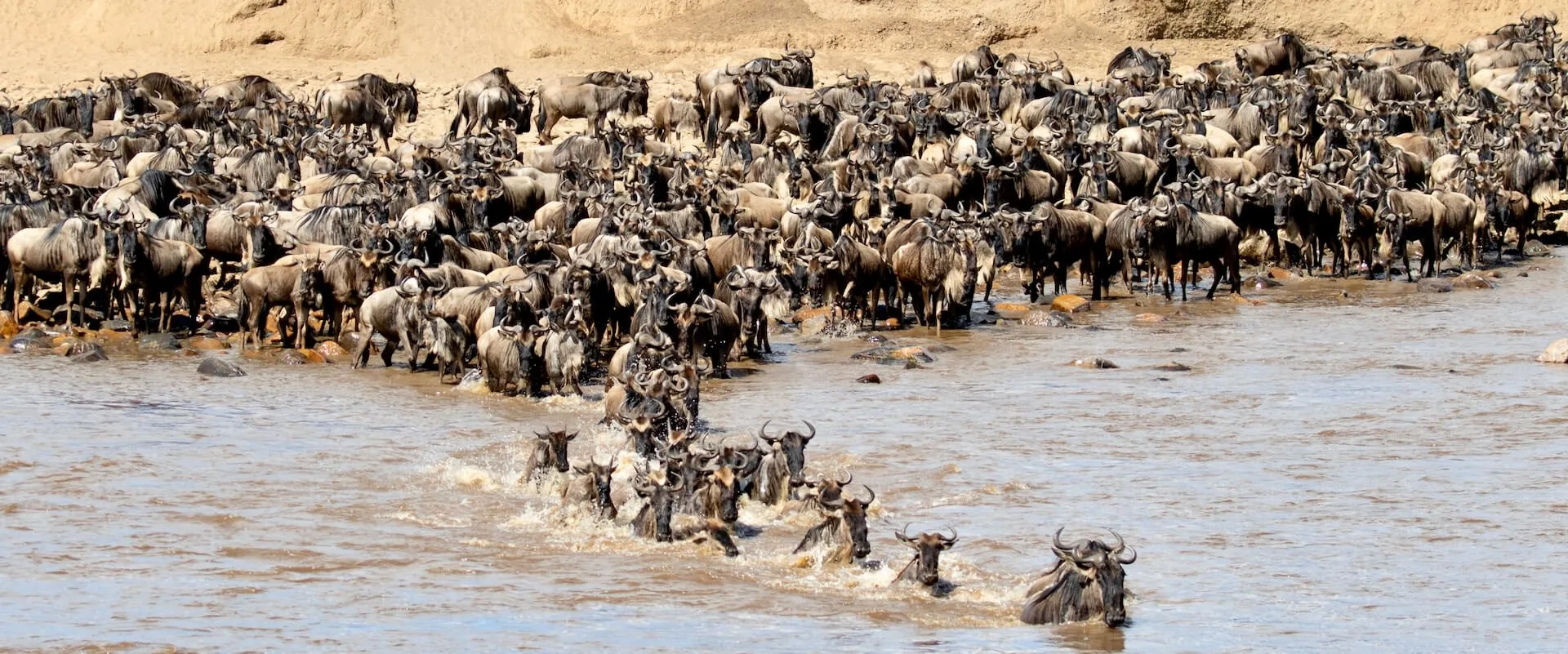
The Great Migration in Africa happens all year because the herds continuously circulate through the Serengeti–Mara ecosystem in…
Read article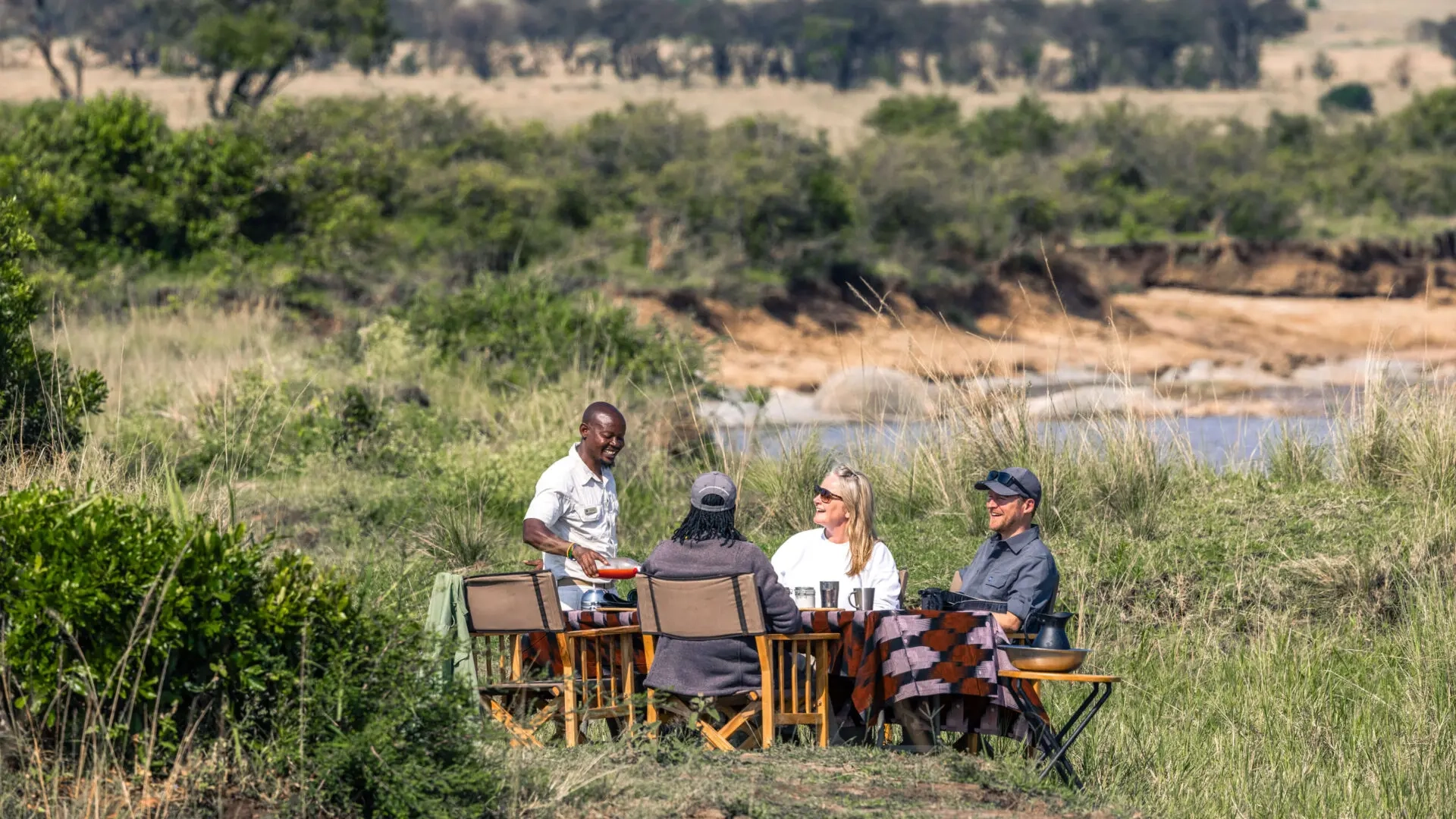
Definitive answer: A picnic lunch on safari is a packed or catered midday meal eaten at an approved…
Read article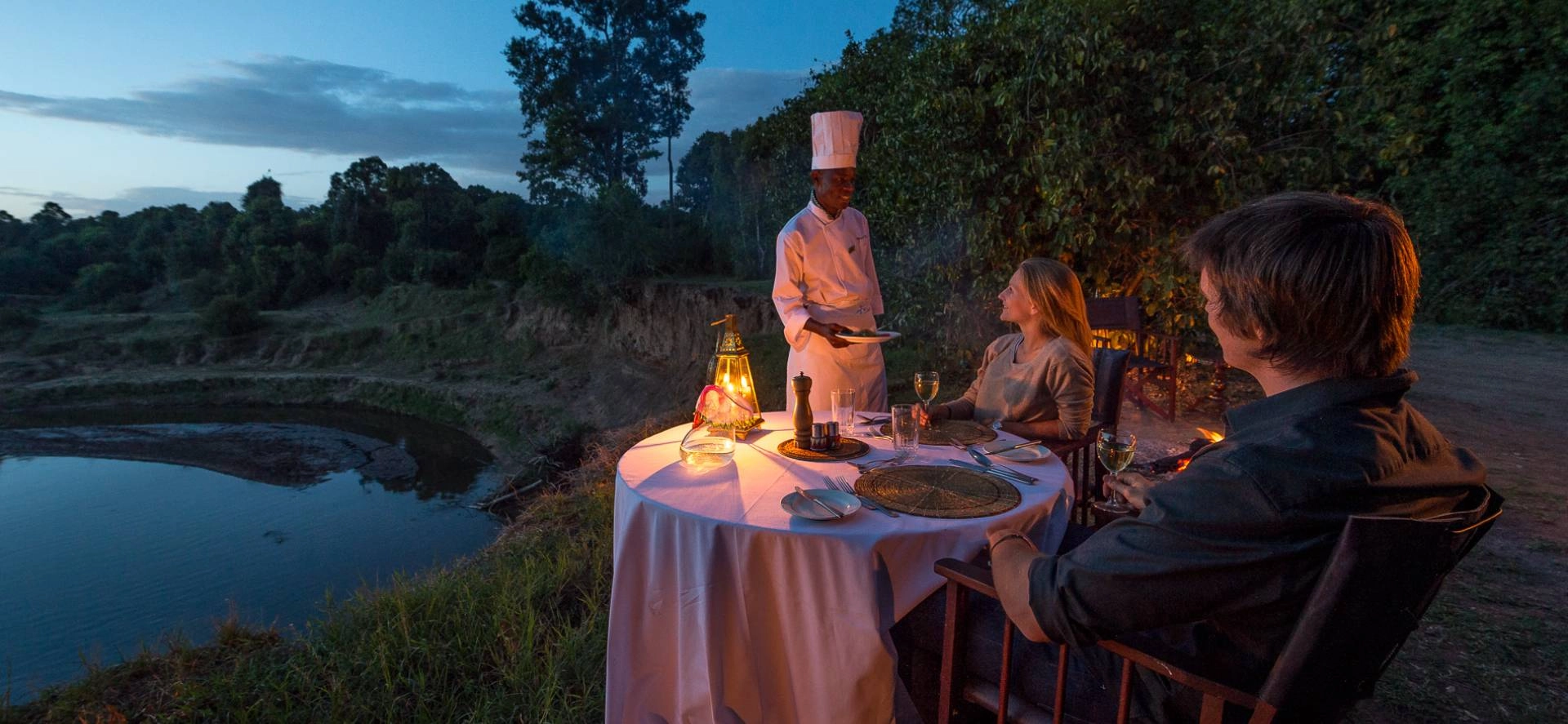
Definitive answer: A bush dinner is an outdoor evening meal arranged in a safe safari setting away from…
Read articleLet us take you closer to the wildlife, people and places that make Africa extraordinary.
Plan Your Safari Today