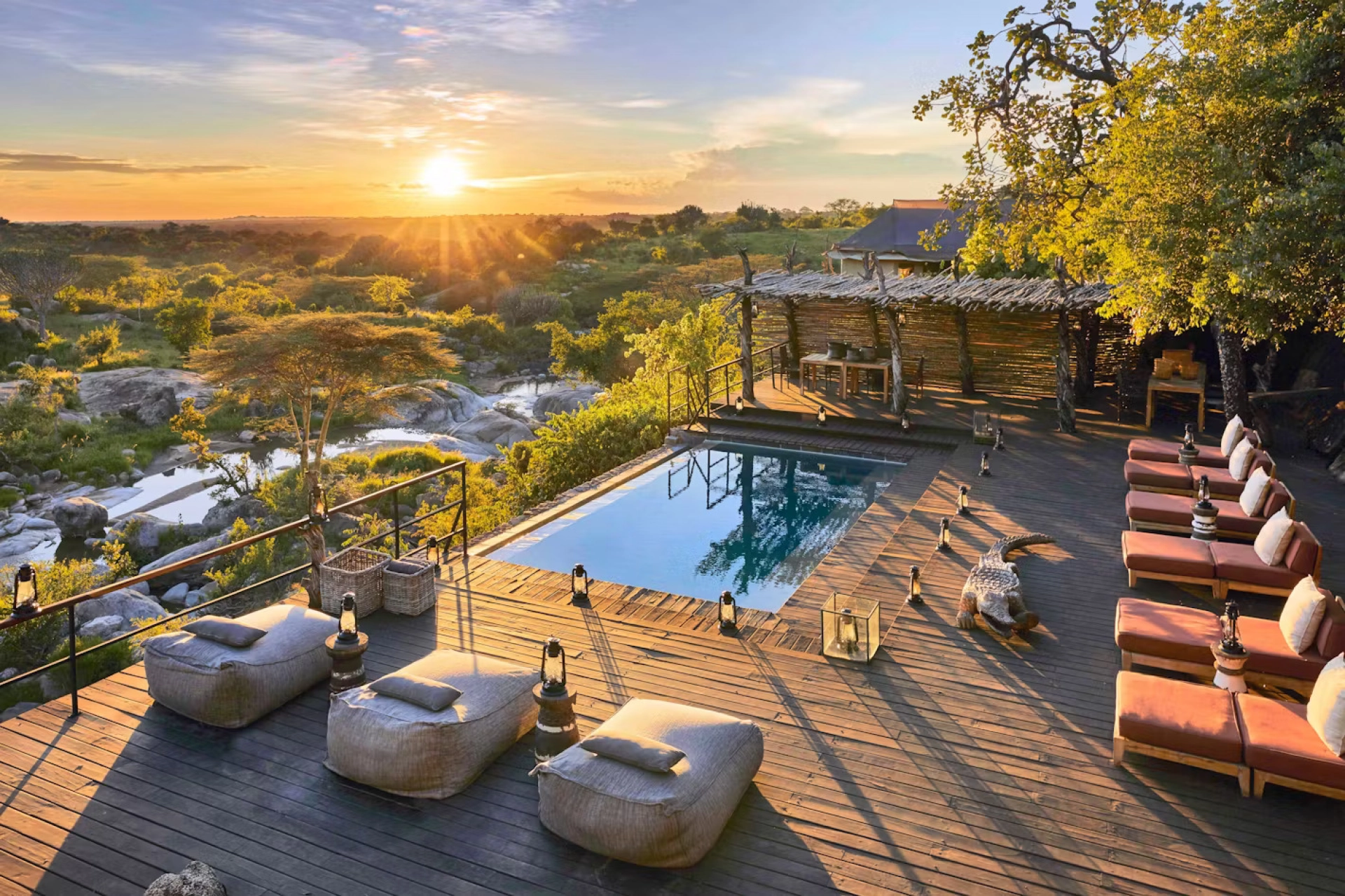
What should I look for when booking a luxury African safari?
When booking a luxury African safari, look beyond the room and compare the quality of guiding, wildlife location,…
Read article

Travel Guide
Taking a gap year in Africa can sound like a dream reserved for travellers with enormous budgets. Safari is often marketed through photographs of private plunge pools, charter aircraft, champagne breakfasts and luxury tented suites costing…
Taking a gap year in Africa can sound like a dream reserved for travellers with enormous budgets. Safari is often marketed through photographs of private plunge pools, charter aircraft, champagne breakfasts and luxury tented suites costing more per night than many students expect to spend in an entire week. That version of safari exists, but it is not the only way to experience Africa.
A carefully planned gap year Africa safari can combine wildlife, backpacking, volunteering, cultural experiences, beaches and independent travel without requiring luxury-level spending. The key is understanding where safari money actually goes, which costs can be shared, which experiences are worth protecting in the budget and where flexibility can dramatically reduce the total price. For students and young travellers, the objective should not simply be to find the cheapest possible safari. Extremely cheap travel can involve compromises in vehicle safety, guide quality, accommodation, park access, staff treatment and itinerary realism.
The better goal is affordable African safari travel: spending intelligently so that money goes toward the experiences that matter while unnecessary luxury is removed. This might mean camping instead of staying in a luxury lodge. It might mean joining a small group rather than booking a private vehicle. It might mean travelling overland rather than flying between every national park.
It could mean spending seven days in two excellent wildlife areas instead of racing through six destinations. For travellers dreaming of mountain gorillas, it may mean saving money on accommodation so that a gorilla trekking permit remains affordable. For those interested in the Great Migration, it may mean travelling during a less expensive period rather than insisting on the most heavily marketed peak dates. Africa rewards flexible travellers.
And gap-year travellers often have one enormous advantage over conventional holidaymakers: time.
A gap year is fundamentally different from a two-week annual holiday. Time becomes more abundant while money is often more limited. This reverses the usual safari equation. Luxury travellers may spend heavily to save time through internal flights and private transfers. Gap-year travellers can often spend time to save money. They can take longer road journeys. They can join scheduled departures. They can remain in one destination until a good-value option becomes available.
They can travel outside peak periods. This flexibility makes Africa particularly interesting. The continent offers wildlife, mountains, tropical forests, deserts, coastlines, historic cities and extraordinary cultural diversity. A traveller can spend several months moving through different regions and still experience only a fraction of what Africa offers.
There is no single answer because safari costs vary enormously by country, season, accommodation level, transport style and activities. A camping safari can cost far less than a fly-in lodge safari. A group tour divides vehicle and guide costs among several travellers. A private safari for one person requires that individual to absorb costs that would otherwise be shared.
National park and conservation fees can represent a significant fixed expense. Special permits such as gorilla trekking also affect the budget substantially. The important lesson is that African safari cost cannot be judged by accommodation alone. A cheap hotel does not automatically create a cheap safari. Transport, fuel, guide services and park access remain necessary.
A backpacker can travel between African cities using public transport, sleep in hostels and eat local food at relatively low cost. Inside major wildlife areas, the economics change. You need suitable transport. Park fees apply. A trained guide may be necessary or highly advisable. Accommodation around remote protected areas can cost more because supplies must be transported long distances. Wildlife tourism also helps fund conservation. This is why students should separate their overall Africa backpacking budget from the safari portion.
You may travel cheaply for several weeks and then deliberately allocate more money to a five-day wildlife safari. That can be much more realistic than expecting every safari day to cost the same as a hostel day.
Imagine two tours. One costs considerably less but includes only one short game drive, uses accommodation far from the park and excludes major entrance fees. The other costs more but includes full wildlife days, park fees and accommodation close to the safari area. The cheaper headline price may actually provide worse value. Students should therefore compare cost per meaningful safari day, not simply the total package price. Ask what is included. How many game drives are there? How long are the transfers?
Are park fees included? Is the vehicle shared? Are meals included? Are permits included? Does “five-day safari” contain five safari days or two transfer days, two wildlife days and a departure morning? These questions matter enormously.
A group safari in Africa is often the most practical option for students. Vehicle costs are divided. Guide costs are divided. Fuel is shared. Some accommodation arrangements become more economical. The result can be substantially lower per-person pricing than a private trip. Group travel also suits the social nature of a gap year. You meet travellers from different countries. Long drives become conversations. Meals become social. Friendships can continue beyond the safari. For solo travellers, group departures are especially valuable because they reduce the single traveller safari cost.
Not all group safaris are the same. A small group might contain four to eight travellers using a safari vehicle. A large overland tour may use a truck carrying many more passengers across several countries. Small groups generally provide a more intimate wildlife experience. Large overland tours can be highly economical and social. The right choice depends on priorities. If wildlife photography is your main goal, a smaller vehicle may justify the higher cost. If your goal is a long, social journey through several countries, an Africa overland tour may be ideal.
Overland travel has been associated with young African travellers for decades. The basic idea is simple: a group travels by road through multiple destinations using a specialised vehicle, often combining camping, hostels or budget accommodation. Overland travel can dramatically reduce the logistical complexity of a long African journey. Transport is organised. Many meals may be included. Border crossings are coordinated. National parks and activities are incorporated into a larger route. The trade-off is flexibility.
You travel according to the group’s schedule. There may be long road days. Accommodation can be simple. But for students who enjoy social travel, the experience can be excellent.
Camping is one of the classic ways to reduce accommodation costs while remaining close to wildlife areas. A budget camping safari in Africa does not necessarily mean unsafe or chaotic travel. Professional safari camps can be organised carefully with tents, meals and staff. The comfort level varies enormously. At the simplest end, travellers may participate in setting up camp. At the more comfortable end, tents may already be prepared. Camping also creates atmosphere. You hear the wilderness.
You spend evenings outdoors. The safari feels less separated from the environment. For many young travellers, this is a benefit rather than a sacrifice.
Not every student wants to sleep in a tent. Budget lodges, guesthouses and simple permanent camps provide an alternative. A budget lodge safari can offer beds, private or shared bathrooms and basic meals without luxury pricing. Location matters. A cheap lodge two hours from the park gate may reduce actual safari time. Always compare accommodation cost with transfer time. Sometimes paying slightly more for a better location creates much better value.
Uganda is one of the most interesting countries for a gap-year safari because it combines primates, savannah wildlife, adventure activities and cultural travel. A traveller can trek mountain gorillas in Bwindi, search for chimpanzees, explore Queen Elizabeth National Park, visit Murchison Falls and spend time around the Nile. The country also provides opportunities for backpacker-style travel outside the organised safari sections. This combination makes Uganda budget safaris especially attractive to students who want more than conventional Big Five game drives.
Mountain gorilla trekking is not a cheap activity because the permit itself represents a substantial fixed cost. However, the overall safari can still be structured economically. Students can use budget accommodation. They can join group transport. They can reduce unnecessary lodge upgrades. They can choose a shorter gorilla-focused itinerary. The key is to protect the permit budget first. If seeing mountain gorillas is your lifelong dream, do not spend so much on luxury accommodation elsewhere that the trek becomes unaffordable.
A budget gorilla trekking safari in Uganda can prioritise the experience rather than luxury.
Depending on the route and current border/logistical conditions, shorter gorilla itineraries can reduce total trip cost. Travellers should compare starting and ending points carefully. The cheapest route is not always the geographically shortest route because permits, transport and accommodation all affect pricing. A reputable operator can compare options. Gap-year travellers with flexible dates may also have more opportunities to join an existing departure and share costs.
Chimpanzee trekking adds another extraordinary primate experience. Uganda has several chimpanzee destinations, with Kibale National Park being the best known internationally. Budget travellers should compare permit costs, route efficiency and how the chimpanzee trek fits with other destinations. If your safari already passes Queen Elizabeth National Park and Bwindi, the route should be designed to minimise unnecessary backtracking.
Transport efficiency saves money.
Queen Elizabeth National Park can fit naturally into a budget Uganda circuit. Game drives and the Kazinga Channel boat safari provide contrasting wildlife experiences. Combining Queen Elizabeth with Bwindi creates an efficient route because travellers can move between savannah and gorilla habitats within southwestern Uganda. For students, this can provide greater experience diversity without requiring expensive regional flights.
Murchison Falls combines game viewing with the Nile and the dramatic falls landscape. The destination can form part of a longer Uganda road safari. Road transport keeps the journey more affordable than extensive flying. However, students should avoid overloading the itinerary. Uganda is larger than it appears on a map. Long road transfers consume both fuel and time. A cheaper itinerary is often one that visits fewer regions efficiently.
Rwanda is compact, organised and easy to combine with Uganda. Its famous mountain gorilla experience is generally positioned differently in price from Uganda’s, so budget-conscious travellers should compare the overall cost carefully. However, Rwanda offers much more than gorillas. Kigali, Akagera National Park, Lake Kivu and cultural experiences can form part of a broader trip.
For a gap-year traveller crossing East Africa, Rwanda can fit naturally between Uganda and Tanzania or other regional destinations depending on the route.
Kenya is one of the classic safari destinations and has a mature tourism infrastructure. The Masai Mara is the obvious attraction, but students should also consider destinations such as Amboseli, Lake Nakuru, Samburu or other regions according to route and budget. Joining a scheduled group departure can make Kenya substantially more affordable. Budget camping and simple lodges are widely associated with group safari routes.
The challenge is avoiding itineraries that attempt to visit too many parks too quickly.
The Masai Mara can be visited without staying in ultra-luxury camps. Budget camps and group departures can reduce accommodation and vehicle costs. However, location is important. A very inexpensive camp located far from productive wildlife areas may require long daily transfers. Students should compare where the camp is situated relative to the reserve or conservancy being visited. A cheap Masai Mara safari that wastes hours driving to wildlife each morning may be false economy.
The Great Migration attracts enormous demand. Peak periods can increase accommodation pressure and pricing. Gap-year travellers with flexible schedules should consider whether seeing a specific river-crossing period is essential. The wider Mara-Serengeti ecosystem provides excellent wildlife beyond the most heavily marketed weeks. Travelling outside the highest-demand period can reduce costs while still producing an outstanding safari.
Tanzania contains some of Africa’s most famous wildlife destinations: Serengeti National Park, Ngorongoro Conservation Area, Tarangire and others. The challenge for students is cost. Park fees, vehicle costs and long distances can make the northern circuit expensive. Group camping safaris are therefore particularly important. Sharing a vehicle among several travellers can dramatically reduce the per-person cost.
A budget Serengeti safari usually involves compromises in accommodation rather than wildlife access. You may camp or use simpler lodges. You may travel in a shared vehicle. But the plains, predators and wildlife remain the same. This is one of safari’s great equalising realities. The lion does not care whether you slept in a $100 room or a $1,000 suite. Both travellers may watch the same sunrise. The difference is comfort and service, not ownership of the wildlife.
Ngorongoro is expensive relative to some safari areas because of access and vehicle-related costs. But it can still be incorporated into a shared northern-circuit safari. Students should compare whether every famous park is necessary. A shorter route combining two or three strong destinations may provide better value than trying to include every name in the guidebook.
Zanzibar is a popular extension after Tanzania safari travel. For gap-year travellers, it provides opportunities ranging from inexpensive guesthouses to luxury resorts. You do not need an all-inclusive beachfront hotel to enjoy the island. Budget accommodation, local restaurants and public or shared transport options can reduce costs substantially. Stone Town adds history and culture, while different coastal areas provide beach time. A Tanzania safari and Zanzibar trip can therefore work across a surprisingly wide range of budgets.
South Africa is one of the most flexible countries for budget-conscious wildlife travel because it has extensive infrastructure. Travellers can combine hostels, road travel and wildlife experiences. Kruger National Park is particularly interesting because different travel styles are possible. Independent travellers may find self-drive options attractive where appropriate and legal. Others can join guided budget safaris. South Africa also provides cities, beaches, hiking and road trips, making it suitable for a longer gap-year journey.
A budget Kruger safari can be structured very differently from a luxury private-reserve experience. Travellers can stay in simpler accommodation and focus spending on park access and game viewing. Guided drives can be added selectively. This flexibility makes Kruger one of the easiest major safari destinations to integrate into a broader backpacking trip.
Namibia’s deserts, dramatic road-trip landscapes and wildlife make it highly appealing to adventurous young travellers. Distances are large, so transport planning matters. Group overland tours can simplify logistics. Independent road trips may suit experienced travellers who understand driving conditions and rental requirements. Etosha National Park provides a major wildlife component, while the Namib Desert and Atlantic coast add landscape diversity.
Botswana is often associated with high-value, low-volume tourism and premium safari pricing. The famous Okavango Delta can indeed be expensive, particularly for fly-in luxury camps. However, budget and overland approaches exist. Camping, shared transport and carefully selected activities can make Botswana accessible to some gap-year travellers. The experience may still cost more than budget travel in neighbouring countries, so students need to allocate funds realistically.
Zambia can be an excellent destination for travellers interested in walking safaris and less mainstream safari routes. South Luangwa is particularly famous. Budget options vary by season and location, and transport logistics require planning. Combining Zambia with Victoria Falls and overland routes through southern Africa can work well for long-term travellers.
Malawi is frequently included in longer overland routes because Lake Malawi provides a relaxed contrast with safari travel. Budget accommodation and backpacker infrastructure in selected areas can make it attractive to young travellers. A long Africa journey benefits from these slower periods. You do not need to be on safari every day. Resting beside a lake for several days can protect both the budget and your energy.
Victoria Falls is a major stop on southern African gap-year routes. Accommodation ranges across price levels. Adventure activities can quickly increase spending, so students should decide which are genuine priorities. The waterfall itself is the main attraction.
You do not need to purchase every optional activity. Budget discipline means choosing experiences
Mozambique can provide beautiful coastal experiences for travellers combining safari and beach. Transport and logistics vary by region. For gap-year travellers, the country can offer a more independent travel atmosphere than resort-focused island destinations. Research current transport, safety and entry conditions before travelling.
One of the smartest strategies is combining independent travel with organised safari segments. Backpack independently between cities and coastal destinations. Then join a professional safari when entering complex wildlife areas. This avoids paying a tour operator to manage every day of a three-month trip while still protecting quality where expertise matters most. A hybrid Africa gap-year itinerary often provides the best balance of freedom and security.
Independent travel can work well in cities, established backpacker destinations and routes with reliable public transport. It allows flexibility and can reduce costs. You choose accommodation. You decide how long to stay. You eat according to your budget. But independence should not become an ideology. Sometimes paying for organised transport saves enormous time and difficulty. The cheapest method is not always the smartest.
Inside wildlife regions, organised travel often becomes valuable. Guides understand animal behaviour. Safari vehicles provide appropriate viewing. Park logistics are handled. Permits are organised. Routes are planned. For gorilla trekking safaris, permits and transport need careful coordination. For multi-day wildlife safaris, an operator can simplify accommodation, meals, park fees and game drives. Gap-year travellers can therefore be independent without trying to do everything alone.
Solo safari travel can be expensive because vehicle and guide costs are not automatically shared. Joining a group departure is the most obvious solution. Flexibility helps. If you can travel across several possible dates, an operator may be able to place you on a departure already containing other guests. This can reduce costs substantially. Solo travellers should ask specifically about shared safari departures rather than assuming the published private rate is the only option.
If several gap-year friends want to safari together, costs can become much more manageable. Four people sharing a vehicle may achieve a strong balance between affordability and comfort. The group effectively creates its own small private safari. This provides flexibility while dividing transport expenses. However, agree on budget and expectations before booking. One traveller wanting luxury and another wanting basic camping can create conflict.
Seasonal flexibility is one of the greatest financial advantages gap-year travellers possess. Peak months attract high demand. Accommodation may be expensive. Vehicles and permits can sell out. Travelling during shoulder season in Africa can produce lower accommodation costs in some destinations while still providing excellent wildlife. Green-season travel can be particularly beautiful. Vegetation is lush. Birdlife can be outstanding. Storms create dramatic photography. The exact seasonal pattern varies by country, so do not apply one weather calendar to the entire continent.
European and North American holiday calendars strongly influence African tourism demand. Students are not necessarily constrained by school holidays once they begin a gap year. Use that freedom. May, June, September, October or other months may work exceptionally well depending on destination. Research the specific ecosystem rather than assuming peak summer is automatically best.
This sounds contradictory, but it is one of the strongest budget principles. A traveller staying four nights in one place can spend less than someone changing destinations every day. Every transfer costs money. Fuel costs money. Flights cost money. New park fees may apply. Constant movement also creates fatigue. Slow travel in Africa protects both money and experience quality.
A gap year does not require travelling from Cape Town to Cairo. Trying to maximise country count can destroy the budget. Choose regions. East Africa might become one trip. Southern Africa another. West Africa could be a completely separate journey. Africa is enormous. Focusing on fewer countries often produces deeper experiences.
Write down your non-negotiable experiences first. Mountain gorillas? Serengeti? Scuba diving? Victoria Falls? Okavango? Kilimanjaro? These activities have very different cost structures. Protect money for the experiences that matter most, then make cheaper choices elsewhere. If gorilla trekking is your dream, sleep in hostels for several nights before the safari. If diving matters more than luxury accommodation, prioritise diving. A budget is a statement of priorities.
Food spending varies widely. Safari packages often include meals because lodges are remote and there may be no alternative restaurants. Outside safari areas, local restaurants can be much cheaper than international tourist establishments. Gap-year travellers can save substantially by eating locally. However, food hygiene and drinking-water safety remain important. Do not take unnecessary health risks to save a tiny amount.
Safe hydration is essential. The appropriate water arrangements vary by destination and operator. Many safari companies provide treated or bottled drinking water during organised trips. Independent travellers should follow local guidance and use safe water sources. Reusable bottles can reduce plastic waste where reliable refill systems exist.
Young travellers frequently focus on hostel prices while underestimating transport. Africa is huge. A map can make two parks look close when the road journey takes most of a day. Domestic flights save time but can be expensive. Private transfers are convenient but costly. Public transport can be cheap but slow. Plan the route geographically. Avoid zigzagging. A well-designed itinerary can save hundreds of dollars simply by moving logically.
International airfare can represent one of the largest gap-year expenses. Flexible dates can help. Open-jaw tickets—arriving in one city and departing from another—may save the cost and time of returning to the original arrival point. For example, a multi-country East African journey may not need to end where it began. Compare total route cost rather than flight price alone. A slightly more expensive international ticket can save an expensive regional transfer.
Regional flights can be useful when they eliminate extremely long road journeys. But gap-year travellers should use them selectively.
Flying every segment destroys the budget. Road travel provides cultural context and saves money. The best approach is often mixed. Drive where the journey adds value. Fly where the road transfer would consume an unreasonable amount of time.
Visa requirements vary by nationality and can change. Students travelling through several countries should budget for visas and border-related expenses before departure. Use official government information whenever possible. Do not rely entirely on an old travel blog. A route that looks cheap can become more expensive once several visa fees are added.
Gap-year travel can involve trekking, safari vehicles, hiking, diving, rafting and long-distance transport. Travel insurance should match the planned activities. Read exclusions. Do not assume every policy covers high-altitude trekking, adventure sports or remote medical evacuation. The cheapest insurance policy is useless if it excludes the activity that causes the claim.
Visit a qualified travel-health professional before departure. Vaccination and malaria recommendations depend on destination, itinerary, medical history and current guidance. A long multi-country journey may involve different health considerations from a two-week holiday. Carry necessary personal medications and documentation. Budget for health preparation before spending everything on activities.
Volunteering is one of the most popular gap-year ideas and one of the areas requiring the greatest ethical care. Good volunteer programmes can support legitimate organisations. Poor programmes can exploit communities, create dependency or place unqualified foreigners into roles they should never perform. Be particularly cautious with programmes involving children. Short-term orphanage volunteering has attracted serious ethical criticism because of risks to child welfare. Young travellers should not assume that paying to volunteer automatically creates positive impact.
Ask what problem the organisation is solving. Why are international volunteers needed? What qualifications are required? Where does the programme fee go? Who manages the project locally? Would the work be better performed by a paid local professional? What safeguarding policies exist? If the organisation cannot answer these questions clearly, reconsider. Responsible volunteering begins with humility.
Wildlife conservation programmes can appeal strongly to safari travellers. Some legitimate programmes involve data collection, habitat work or support activities under professional supervision. But avoid projects that use captive wildlife interactions as a substitute for conservation. Petting, walking with or handling wild predators should trigger careful scrutiny. Conservation should benefit wildlife rather than create entertainment from animals.
A student should not expect to perform veterinary procedures or handle dangerous wildlife simply because they paid a programme fee. Professional conservation work requires training. Responsible programmes define volunteer roles realistically. You may assist with data entry, habitat maintenance, observations or logistical work. That can still be valuable. The purpose is to contribute, not to collect dramatic photographs.
Students interested in ecology, conservation, anthropology or development may find structured academic field programmes more appropriate than generic volunteering. These programmes can combine travel with education. Field courses may include wildlife surveys, community research or conservation learning. Although they can be expensive, the educational value may justify the cost if the programme is reputable.
Travellers sometimes imagine they can arrive in Africa and work casually at a safari lodge to fund the trip. Immigration and employment laws apply. Tourism jobs may require work permits and local qualifications. Do not assume that informal work is legal simply because accommodation is offered in exchange. Research regulations carefully. Volunteering can also fall under immigration rules.
African countries do not all have the same working-holiday arrangements available in countries such as Australia or New Zealand. Nationality matters. Students should verify legal options before building a budget around expected employment. Plan financially as though you may not be able to earn money during the journey unless you have confirmed legal work rights.
Africa is not one uniform risk environment. Safety conditions vary between countries, cities and regions. The correct approach is neither panic nor carelessness. Use reputable transport. Follow local guidance. Avoid displaying valuables unnecessarily. Understand neighbourhood conditions. Keep copies of important documents. Use professional guides in wildlife areas. Check current official travel advisories before departure. Most importantly, recognise that safari wildlife requires specific behaviour. Never leave a vehicle where prohibited. Do not approach animals for photographs. Follow camp instructions at night.
Young travellers accustomed to social media may underestimate the danger of wildlife encounters. An elephant is not a photo prop. A hippo is not harmless because it looks slow. A buffalo deserves distance. A lion beside a safari vehicle is still wild. Never pressure a guide to break rules for a photograph. Responsible safari behaviour protects both travellers and animals.
Gap-year travel can be social, and alcohol may be available at camps and hostels. But early safari mornings, heat, dehydration and wildlife environments require judgement. Do not become intoxicated in situations where guides need guests to follow safety instructions. A great night should not destroy the following day’s safari—or create danger.
Long-term travellers should keep secure digital copies of passports, insurance documents, visas and important booking confirmations. Physical copies can also be useful. Do not keep every bank card and all cash in the same place. A lost bag should not end the entire journey.
Use multiple payment methods. Understand international bank charges. Notify banks where necessary. Keep emergency funds separate from daily spending. Do not carry enormous amounts of cash simply to avoid card fees. Safari operators may have specific payment requirements, so confirm these before departure.
Do not assume every park offers student rates. Where discounts exist, eligibility rules may be strict and require recognised documentation. International student cards are not automatically accepted everywhere. Never build the budget around an assumed discount until it has been confirmed.
A gap-year traveller should maintain an emergency reserve that is not part of the normal daily budget. The appropriate amount depends on route and insurance. It should be sufficient to handle unexpected accommodation, transport changes, replacement documents or other urgent needs. Do not spend the emergency fund because the final week contains an attractive optional excursion.
You do not need expensive designer safari clothing. Neutral, practical clothes are sufficient for most trips. Comfort matters more than fashion. Good walking footwear becomes important for trekking and hiking. Layers help with temperature changes. Sun protection matters. A lightweight rain layer is useful in relevant climates.
Buy specialised equipment only when the activity genuinely requires it.
You do not need to dress entirely in khaki simply to sit in a safari vehicle. For walking and wildlife activities, neutral colours can be practical. For gorilla trekking, durable clothing suitable for vegetation and potentially muddy conditions matters more than looking fashionable. Avoid packing an entire new wardrobe because social media suggests safari requires one.
Modern smartphones can produce excellent travel photographs. Students should not feel pressured to purchase expensive professional cameras. If wildlife photography is a serious passion, a camera with suitable reach can be valuable. But equipment adds cost, weight and security concerns. Sometimes renting equipment for the safari portion is more economical than purchasing it.
Binoculars can transform wildlife viewing. They are especially useful for birds and distant animals. If the safari vehicle provides shared binoculars, excellent. If not, a reasonably priced personal pair may deliver more value than many fashionable travel accessories.
Gap-year travellers frequently overpack. Moving through buses, safari vehicles, airports and hostels with enormous hard-shell suitcases becomes exhausting. Soft-sided practical luggage is often easier, particularly when light aircraft are involved. Always check baggage restrictions for any scheduled or charter flights.
Long-term travel does not require carrying months of clothing. Laundry services are widely available, though prices vary. Handwashing some items can reduce costs. Pack for approximately a week rather than an entire season. This reduces luggage and makes transport easier.
Connectivity varies. Cities and major tourism areas may have good mobile coverage, while remote safari camps may have limited service. A gap year is long enough that communication matters. Research local SIM or eSIM options where appropriate. But also accept that some wilderness experiences are better without constant connectivity.
Gap-year culture can create pressure to document everything. Do not turn the journey into a performance. You do not need photographs proving that every day was extraordinary. Travel includes boring bus rides, laundry, rain, delays and days when nothing goes according to plan. These moments are part of long-term travel. The safari becomes more meaningful when you stop comparing it with someone else’s edited feed.
Long-distance travel has environmental costs. Travellers can reduce some impacts by staying longer, taking fewer unnecessary flights and supporting conservation-focused tourism. Reusable bottles, responsible waste management and choosing ethical wildlife experiences also matter. No safari is impact-free. The goal is to travel consciously rather than pretending otherwise.
Spend money locally where practical. Use local guides. Eat at locally owned restaurants. Purchase crafts from artisans. Stay at locally connected accommodation. Tip appropriately according to local guidance. A gap-year budget may be limited, but responsible spending can still direct tourism income toward communities.
Bargaining is normal in some markets. But do not become obsessed with winning. A small amount of money may mean little to your total trip budget while mattering considerably to the seller. Negotiate respectfully. The objective is a fair transaction, not a victory.
Budget travel and responsible travel can coexist. Students do not need to feel guilty because they cannot afford luxury. Camping, hostels and group transport can be perfectly legitimate tourism models. The ethical question is whether workers, communities and wildlife are treated responsibly. A cheap room is not inherently unethical. An exploitative business model is.
A one-month East African journey can focus on a small number of countries rather than attempting the entire region. A traveller might begin in Uganda, allocate several days to a shared wildlife and primate safari, continue through Rwanda and then travel toward Tanzania or Kenya depending on priorities. The safari portion should be booked carefully. The backpacking portions can remain more flexible. This creates a balance between structure and independence.
With two months, the traveller can slow down considerably. Uganda can receive two or three weeks. Rwanda can be explored without rushing. Kenya or Tanzania can then become the major savannah safari component. A coastal extension provides rest. The advantage is that travel days no longer feel wasted. You have time.
A southern Africa journey can combine South Africa, Namibia, Botswana, Zambia and Zimbabwe depending on budget and current logistics. Overland tours can simplify sections of this route. Independent travel can be used elsewhere. Kruger, Etosha, the Okavango region, South Luangwa and Victoria Falls provide enormous wildlife and landscape variety. But visiting all of them is not mandatory. Choose according to money and time.
East Africa is particularly strong for gorillas, chimpanzees, the Serengeti-Mara ecosystem and classic savannah safari. Southern Africa provides strong overland routes, deserts, Victoria Falls, Kruger, Botswana and Zambia. Neither is universally cheaper. Cost depends on itinerary style. Students dreaming of primates should lean toward Uganda and Rwanda. Those interested in long overland journeys may find southern Africa especially attractive.
If the gap year lasts many months and the budget allows it, yes. But avoid flying repeatedly between regions. Complete one geographic route before moving to another. This reduces transport costs and creates a more coherent journey.
You do not need to spend three months continuously on safari. Wildlife tourism is expensive. A smarter gap-year structure may include several concentrated safari experiences separated by cheaper independent travel. For example, spend five days on a Uganda safari, travel independently for two weeks, join another group safari in Kenya or Tanzania, then continue to the coast.
This protects the budget while preserving major experiences.
Three days can work when the wildlife area is geographically close to the starting point. But be careful. If day one is entirely transport and day three is mostly departure, you effectively purchased one safari day. Short trips need especially efficient geography.
Five days often provides an excellent balance for budget travellers. You can visit one or two major areas without excessive transfer time. A five-day Uganda safari can combine selected primate and wildlife experiences depending on route. A five-day Kenya or Tanzania safari can focus on a compact circuit.
Seven days provides much greater depth. The cost rises, but the experience often improves disproportionately because transfer days become a smaller percentage of the trip. For students who have saved specifically for wildlife, one strong seven-day safari may be better than several rushed mini-safaris.
Gap-year travellers often value spontaneity. That works for hostels and some transport. It is less reliable for limited wildlife permits and peak-season safari accommodation. If gorilla trekking is essential, book the permit well in advance. If you need a specific Great Migration period, plan earlier. If dates and destinations are flexible, last-minute group opportunities may occasionally work. Know which parts require commitment and which can remain open.
Before paying a safari deposit, understand the booking terms. How much is required? When is the balance due?
Which components are non-refundable? What happens if you change dates? Are permits subject to separate rules? Read the cancellation policy. A student budget has less room to absorb losses, so these details matter.
Extremely low prices should be investigated carefully. Verify the operator. Read independent reviews. Check company identity and contact details. Ask for a detailed itinerary and inclusions. Be cautious if someone pressures you to send money immediately without proper documentation. A legitimate safari has real costs. If a price appears impossible, there may be a reason.
When comparing quotes, create a simple table. List safari days, parks, accommodation, meals, vehicle type, group size, park fees, permits, transfers and exclusions. Then compare. A $1,000 safari and a $1,400 safari may not be competing products at all. One may exclude hundreds of dollars in mandatory fees. The real safari price is what you will actually spend to complete the itinerary.
Yes, particularly when several friends travel together. Four students sharing one private vehicle can sometimes achieve a surprisingly reasonable per-person cost. Private travel provides flexibility. You choose departure times. You can spend longer at sightings. You can adapt the route. Always request both group and private pricing when travelling with friends. The difference may be smaller than expected.
Couples can share accommodation and transport, which reduces some costs. A private safari may become more realistic than for a solo traveller. Budget and mid-range lodges can provide comfortable rooms without luxury pricing. Couples should decide whether privacy or social group travel matters more.
Many women travel independently through Africa successfully. Planning and situational awareness remain important. Use reputable accommodation and transport. Research destinations. Avoid arriving in unfamiliar places extremely late where possible. Share key travel details with trusted contacts. For safari sections, joining a reputable group can provide both social connection and logistical simplicity.
Laws and social attitudes regarding LGBTQ+ people vary substantially across African countries and can change. Travellers should research current destination-specific legal information and official travel advice before departure. Do not assume the social environment in one African country applies to another. Safety planning should be based on current information rather than generalisations.
Not every gap-year safari requires a full year away. Students can apply the same principles to summer breaks or post-graduation travel. A four-to-six-week journey is enough to combine independent travel with one or two serious safari experiences. The key is resisting the temptation to visit too many countries.
Post-university travel often provides slightly greater financial flexibility. Travellers may have savings from part-time work and a clearer sense of their interests. This can be an excellent moment for a longer Africa journey before entering full-time employment. A safari can become one major component rather than the entire trip.
Travel can build independence, adaptability and intercultural awareness, but students should avoid exaggerating its professional value. Simply travelling does not automatically become work experience. Structured language learning, research, legitimate volunteering or field courses may provide more concrete educational benefits. The strongest gap year balances exploration with personal goals.
A gap year produces enormous amounts of information and emotion. After several months, places can blur together. Writing regularly preserves details that photographs miss. Record conversations. Write down animal sightings. Note foods you tried. Describe difficult travel days. Years later, these entries may become more valuable than social-media posts.
Even basic greetings can transform interactions. East and southern Africa contain many languages, so no traveller can learn them all. But learning simple phrases in widely spoken local languages demonstrates effort and respect. Language also helps break the tourist bubble.
One of the greatest privileges of gap-year travel is not having every day scheduled. Leave gaps. Rest. Read. Do laundry. Talk to people. Change plans. A year filled with continuous activities becomes exhausting and expensive. Empty days protect the budget and prevent travel burnout.
After several consecutive weeks of early mornings and game drives, even elephants can begin feeling strangely normal. This is not ingratitude. It is sensory fatigue. Break safari experiences apart. Spend time in cities, mountains or on the coast. Then return to wildlife with renewed attention.
There is no prize for visiting twenty countries. There is no requirement to bungee jump, climb Kilimanjaro, trek gorillas and see the Great Migration in the same trip. Choose what matters to you. A student fascinated by birds may prefer spending two weeks in Uganda. A surfer may allocate more time to the coast. A photographer may save for a longer safari. The best gap year is personal.
At Adventure in the Wild Safaris, we can help gap-year travellers design the organised safari portions of a longer African journey without forcing the entire trip into a luxury format.
For students, solo backpackers and young travellers, this may involve shared safari departures, budget accommodation, efficient road routes and carefully selected wildlife experiences. In Uganda, a budget journey can focus on gorilla trekking, chimpanzees and selected national parks. In Rwanda, routes can be connected efficiently with Uganda. In Kenya and Tanzania, shared safari arrangements can help reduce vehicle costs.
Longer journeys can combine East African wildlife with beaches, cities and independent travel. The objective is not to make safari unrealistically cheap. National parks, professional guides, vehicles, fuel, conservation and permits have genuine costs. Instead, the objective is to spend intelligently. Share what can be shared. Use budget accommodation where comfort is not your priority. Travel overland when the journey makes sense. Fly only when the time saving justifies the expense.
Visit fewer parks and experience them properly. Travel outside peak periods when possible. Protect the budget for the experiences you genuinely care about. And remember that luxury is not what makes a safari extraordinary. A student sleeping in a simple tent can wake before sunrise, climb into a shared safari vehicle and watch the same herd of elephants crossing the same golden landscape as a traveller paying ten times more at a luxury lodge nearby.
A mountain gorilla does not know what your hotel cost. A lion does not inspect your bank balance. The Serengeti sunrise is not reserved for wealthy travellers. Africa’s greatest experiences belong to the landscape itself. With enough planning, flexibility and realistic budgeting, a gap year Africa safari can give students access to those experiences while leaving enough money and time to discover everything that exists beyond the national parks.

Share This Article
When booking a luxury African safari, look beyond the room and compare the quality of guiding, wildlife location,…
Read article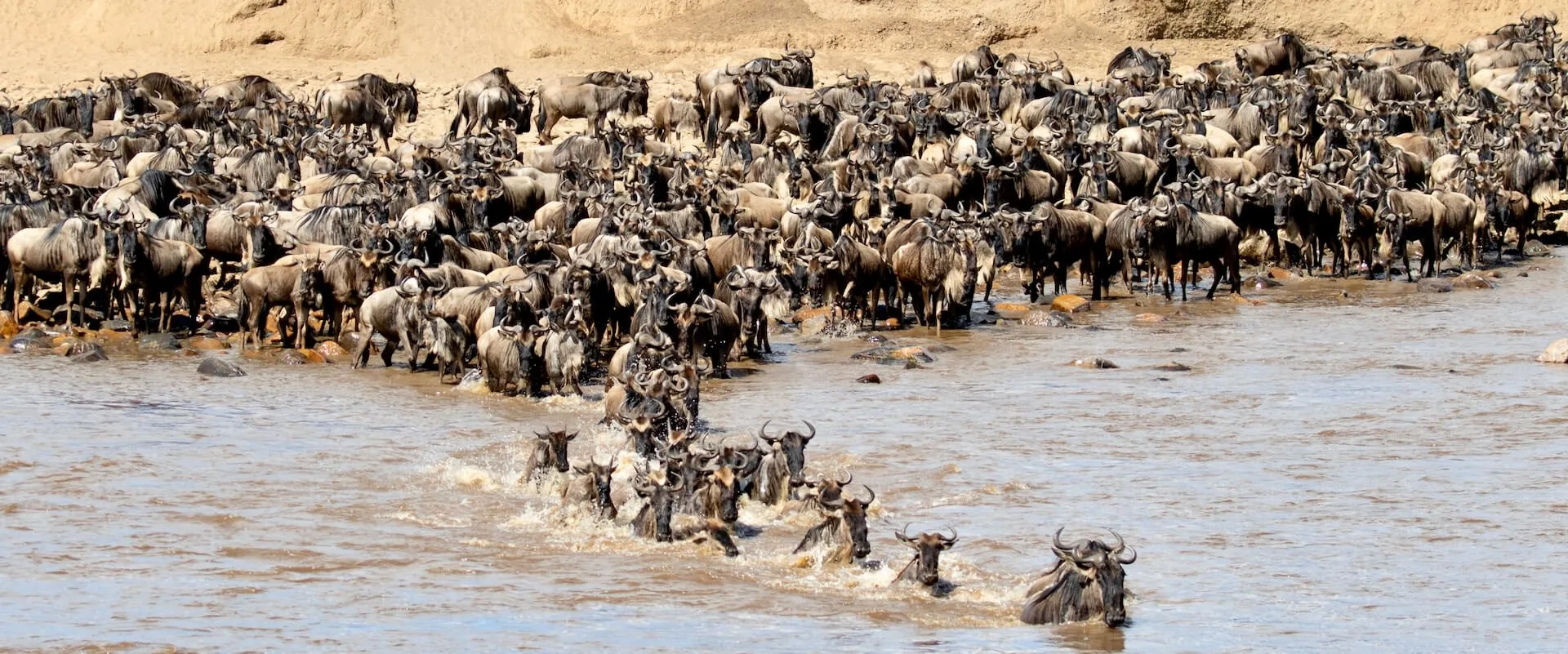
The Great Migration in Africa happens all year because the herds continuously circulate through the Serengeti–Mara ecosystem in…
Read article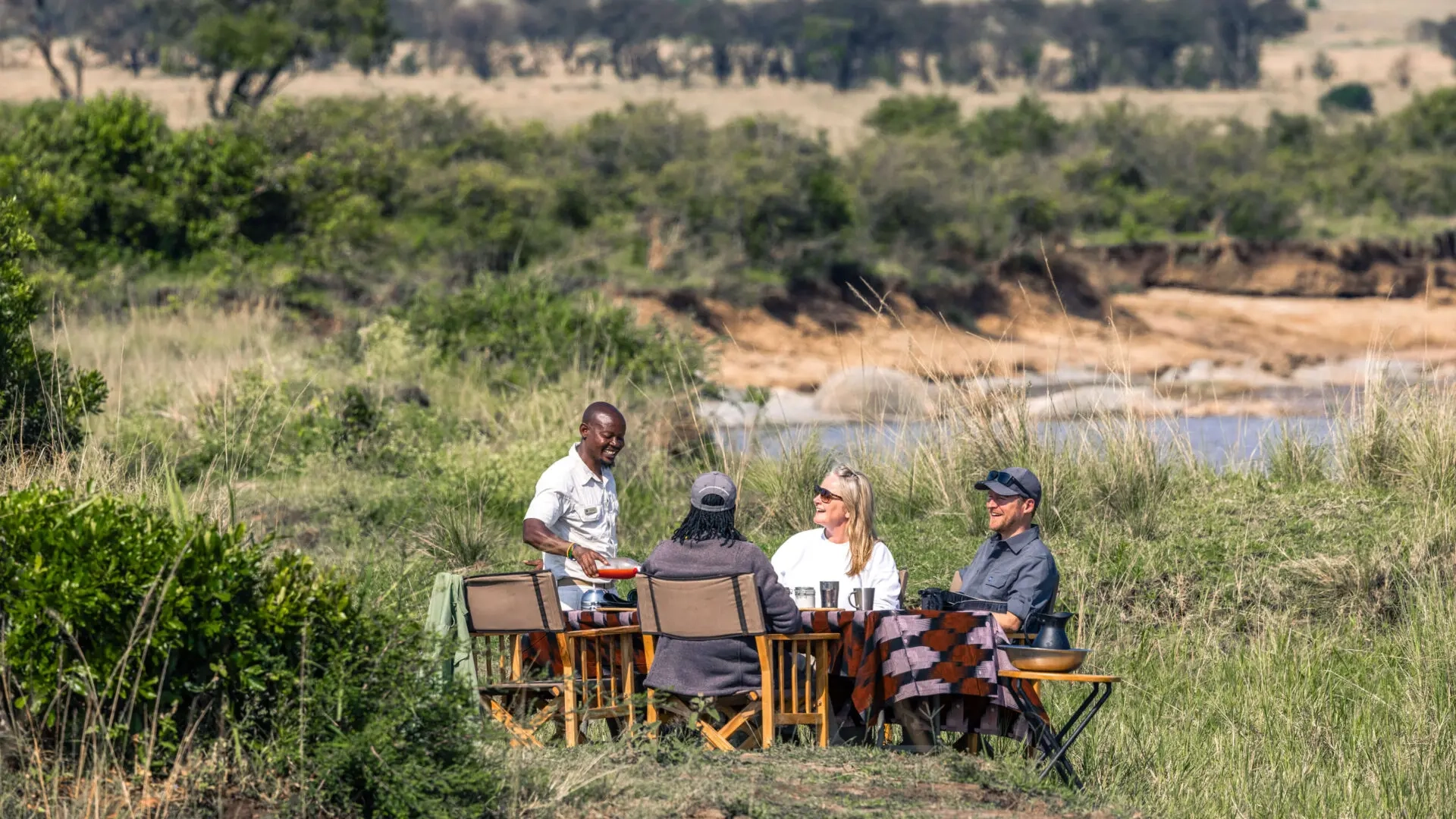
Definitive answer: A picnic lunch on safari is a packed or catered midday meal eaten at an approved…
Read article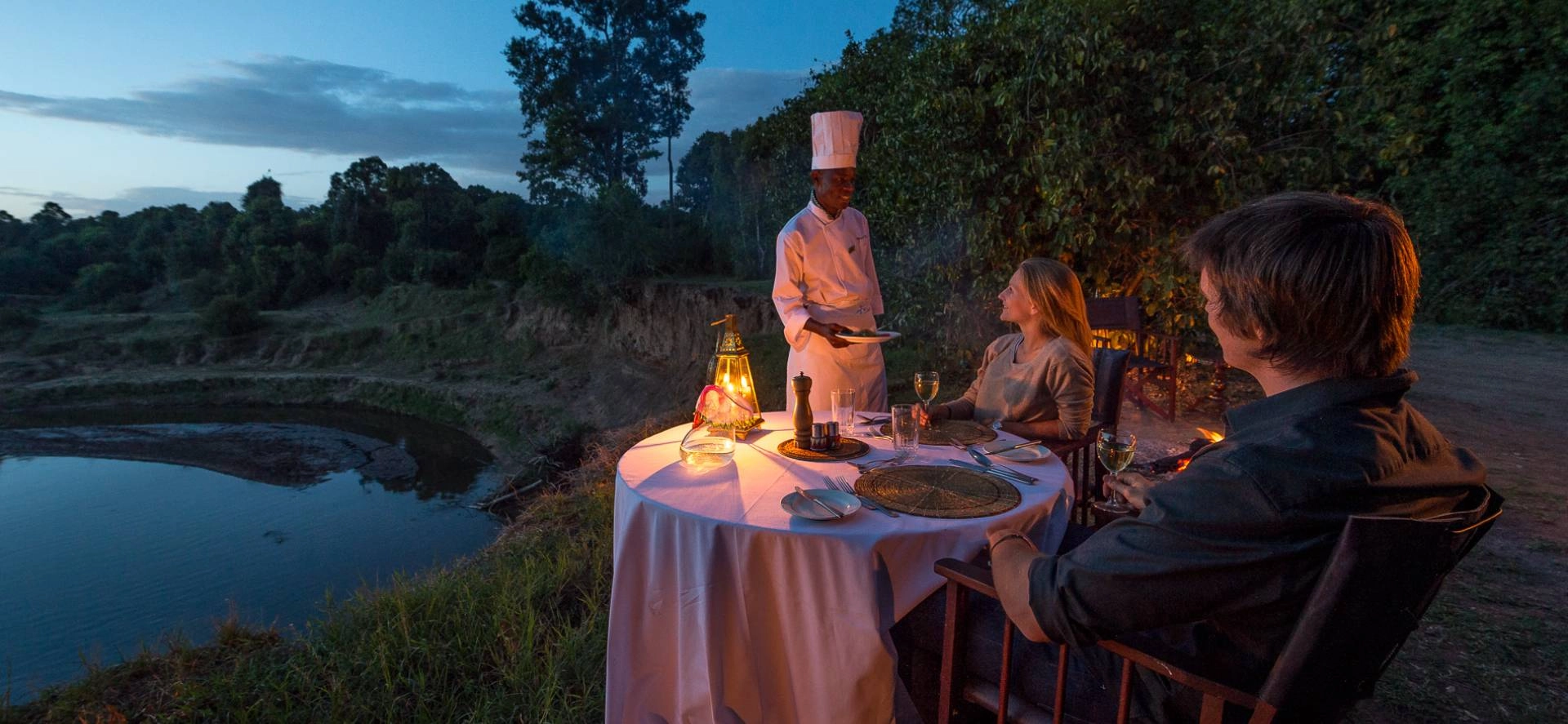
Definitive answer: A bush dinner is an outdoor evening meal arranged in a safe safari setting away from…
Read articleLet us take you closer to the wildlife, people and places that make Africa extraordinary.
Plan Your Safari Today