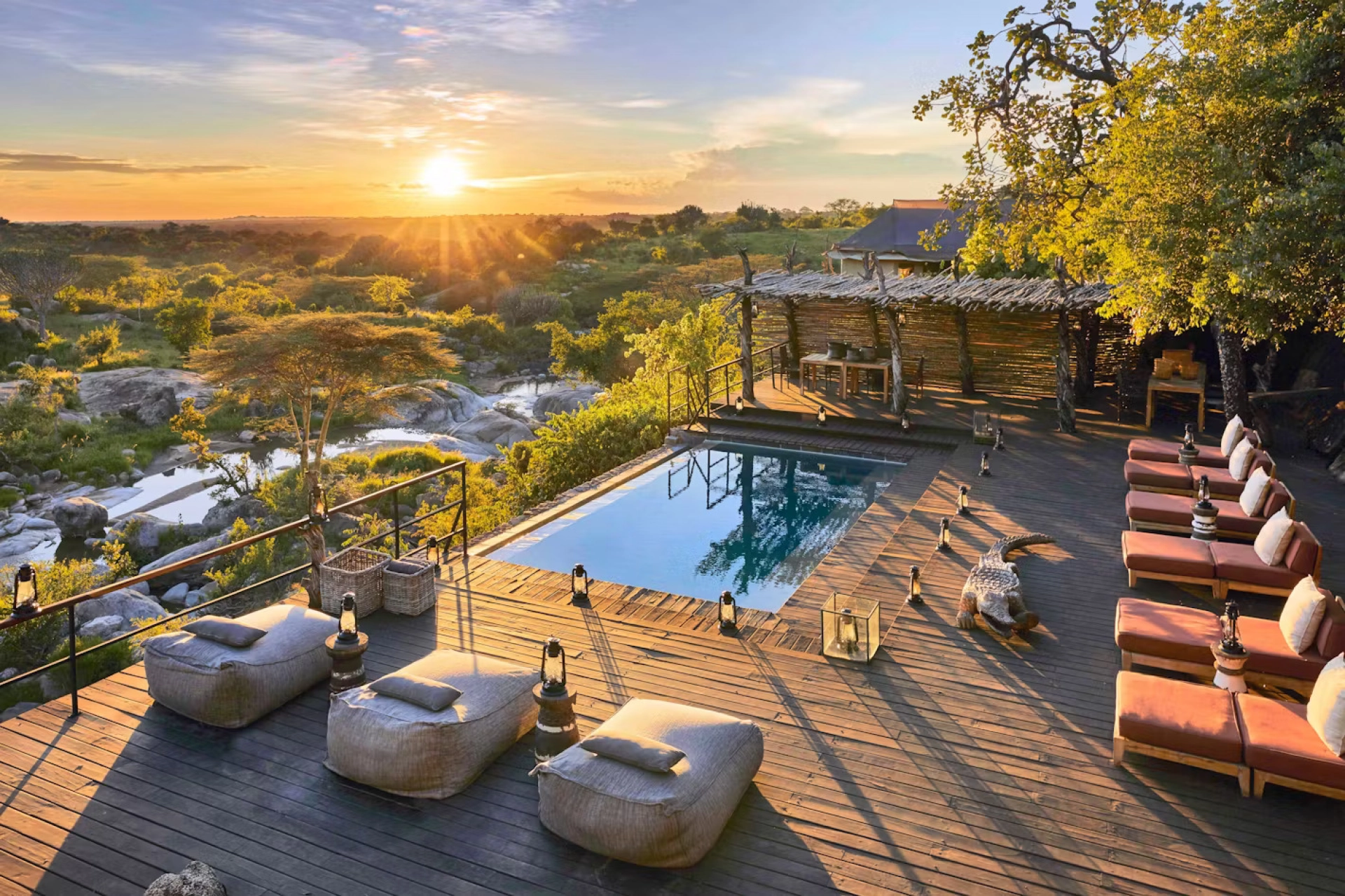
What should I look for when booking a luxury African safari?
When booking a luxury African safari, look beyond the room and compare the quality of guiding, wildlife location,…
Read article

Travel Guide
An African safari is sometimes presented as an endurance activity. Travelers imagine waking before dawn every morning, climbing into a rugged four-wheel-drive vehicle, spending eight or ten hours bouncing along rough tracks, returning to camp after…
An African safari is sometimes presented as an endurance activity. Travelers imagine waking before dawn every morning, climbing into a rugged four-wheel-drive vehicle, spending eight or ten hours bouncing along rough tracks, returning to camp after dark and repeating the same schedule the following day. For some wildlife enthusiasts, that intensive style is exciting. It is not, however, the only way to experience Kenya.
A carefully designed senior-friendly Kenya safari can be slower, more comfortable and considerably more varied. Wildlife drives can remain an important part of the journey without dominating every waking hour. Boat trips, scenic viewpoints, leisurely birdwatching, cultural experiences, private conservancy activities, photography from lodge terraces, short nature walks and scenic flights can all create meaningful encounters without requiring strenuous physical effort.
For older travelers, the objective should not be to reduce the safari into a watered-down version of what younger visitors experience. The objective is to design the trip intelligently. A traveler in their sixties, seventies or eighties may have more patience, curiosity and appreciation for wildlife than someone half their age. What may need to change is the pace, vehicle configuration, accommodation location and daily schedule. Kenya is exceptionally well suited to this approach.
The country combines world-famous wildlife areas such as the Masai Mara National Reserve, Amboseli National Park, Samburu National Reserve and the Great Rift Valley with comfortable lodges, private conservancies, air connections and a wide range of activities beyond conventional game drives. A senior safari can therefore remain adventurous without becoming exhausting.
Kenya has one of Africa’s longest-established safari industries. This matters because older travelers often benefit from mature tourism infrastructure. There is a broad choice of accommodation, from straightforward lodges to sophisticated luxury camps. Many major safari regions can be reached by scheduled or charter flights, reducing long road transfers. Private vehicles can be arranged. Itineraries can combine wildlife with slower days around lakes or highland properties. Most importantly, Kenya offers enormous environmental variety.
A traveler can watch elephants beneath Mount Kilimanjaro in Amboseli, photograph big cats in the Masai Mara, take a boat onto Lake Naivasha, observe unusual northern wildlife in Samburu and spend time in Nairobi without crossing an international border. That variety allows the safari to be designed around the traveler rather than forcing the traveler to adapt to one rigid activity.
Safari suitability is determined more by individual mobility and health than chronological age. An active 78-year-old may comfortably manage experiences that challenge a sedentary traveler in their fifties. Conversely, someone with limited knee mobility may need additional assistance getting into a high safari vehicle despite being relatively young. This is why phrases such as safari for over 60s or safari for over 70s should be treated as planning categories rather than physical definitions.
A good safari planner asks practical questions. Can the traveler climb several vehicle steps? Can they walk comfortably over uneven ground? Would they prefer a room close to the main lodge? Do they require regular bathroom access? Are there dietary requirements? Would they rather fly between parks than spend five hours driving? Does the traveler use a walking stick or mobility aid? These details are far more useful than age alone.
For many senior travelers, one of the most valuable upgrades is a private safari vehicle in Kenya. A shared game drive operates according to group consensus. One guest may want to remain with a sleeping leopard for an hour. Another may urgently need a bathroom. Someone else may want to return to camp. A private vehicle removes much of this pressure. The guide can shorten the morning if the traveler becomes tired. A game drive can begin slightly later.
The group can return to camp for lunch. Photographers can remain longer at selected sightings. Travelers with back discomfort can request more frequent pauses. The benefit is not simply privacy. It is control over the pace.
Spending more hours inside a vehicle does not automatically produce a better wildlife experience. A well-planned three-hour morning game drive followed by breakfast, rest and another afternoon drive may be far more enjoyable than remaining in the vehicle from sunrise until sunset. Wildlife is often particularly active during cooler morning and late-afternoon periods. Midday can therefore be used for relaxation.
A senior traveler can return to the lodge, have lunch, sleep, read, watch birds or simply enjoy the landscape. By late afternoon, energy has returned. This rhythm can transform safari from an endurance test into a holiday.
The Masai Mara National Reserve is one of Kenya’s most famous wildlife destinations and remains an excellent choice for older travelers. Its open landscapes provide strong visibility. Lions, elephants, giraffes, buffaloes, cheetahs, hyenas and numerous antelope species inhabit the wider ecosystem. During appropriate seasonal periods, the broader Mara–Serengeti ecosystem also hosts migration activity. But seniors do not need to visit during the busiest migration weeks to enjoy the Mara. Resident wildlife makes the region rewarding throughout much of the year. Traveling outside the most heavily demanded periods can actually improve the experience for visitors who value a quieter pace.
Private and community conservancies around the wider Mara ecosystem can be particularly attractive for senior travelers. Depending on the conservancy, visitor numbers may be more tightly controlled than in heavily visited public areas. Activities can also differ according to local rules. The quieter lodge environment can suit travelers seeking an intimate safari. The important point is to choose accommodation according to wildlife access and daily logistics rather than simply selecting the most luxurious room.
The road journey between Nairobi and the Mara can be long and, depending on routing and conditions, tiring. Older travelers with a larger budget may prefer a fly-in Masai Mara safari. A light aircraft reduces hours on the road and transforms the transfer into part of the adventure. From above, travelers begin understanding the scale of the Kenyan landscape.
After landing at a local airstrip, a lodge vehicle completes the final transfer. Light-aircraft travel does involve baggage restrictions and boarding considerations, so travelers with mobility limitations should discuss these in advance.
Amboseli National Park works beautifully for a senior safari. The park is particularly famous for elephants and its relationship with Mount Kilimanjaro, which rises across the border in Tanzania. When the mountain is clear, wildlife beneath its enormous profile creates some of East Africa’s most recognizable landscapes. Amboseli’s appeal extends beyond photography. Elephant families provide fascinating behavioral viewing. Rather than racing between species, travelers can spend time observing social interaction. Older visitors often appreciate this slower approach. Watching one herd carefully can reveal far more than collecting ten rushed sightings.
Birdwatching is one of the most underrated gentle safari activities in Kenya. It requires relatively little physical exertion but dramatically expands what travelers notice. A conventional safari may appear quiet when no lions or elephants are visible. A birder sees constant activity. Raptors circle above plains. Bee-eaters perch on branches. Hornbills move through woodland. Waterbirds gather around wetlands. Weavers construct nests. Vultures reveal ecological stories taking place beyond immediate view. Birding also works beautifully from lodge grounds. A senior traveler does not always need to enter a vehicle to have a wildlife experience.
A Lake Naivasha boat safari provides one of the strongest alternatives to a conventional game drive. The lake’s freshwater environment supports hippos and rich birdlife. Boat excursions allow travelers to experience wildlife from a completely different perspective. The movement is generally gentler than driving over rough safari tracks, although boarding and water conditions need to be considered for individual mobility.
A good operator should assist travelers entering and leaving the boat. Life jackets and appropriate safety procedures should be standard. For photographers, water-level perspectives create excellent opportunities.
After several days of vehicle game drives, being on water can feel transformative. The engine slows. The horizon changes. Birds become more noticeable. Hippos surface. Fishermen may be visible in appropriate areas. The safari stops feeling like a search for the next big mammal and becomes a broader environmental experience. For seniors who enjoy nature but do not want every day to involve rough roads, this diversity is extremely valuable.
The Lake Naivasha region is also associated with walking experiences in suitable areas. For travelers capable of walking comfortably, a gentle guided nature walk can provide a refreshing contrast to game drives. The objective is not strenuous hiking. A short, well-paced walk can allow visitors to notice tracks, plants, smaller wildlife and landscape details that disappear when viewed from a vehicle.
Walking suitability depends on individual mobility and local conditions. There is no reason to force an activity simply because it appears on an itinerary.
Northern Kenya introduces a completely different environment. Samburu National Reserve and the surrounding ecosystem are drier, more rugged and visually distinct from the Mara. The region is famous for wildlife adapted to northern environments. Travelers may encounter species less commonly emphasized on the southern safari circuit. For experienced senior safari travelers who have already visited the Mara, Samburu can provide a fresh perspective on Kenya.
One advantage of Kenya is that dramatic scenery does not always require long hikes. Views unfold from safari vehicles, lodge terraces, escarpments and aircraft. Older travelers can experience enormous landscapes without climbing mountains. This is important because adventure should not be defined exclusively by physical difficulty. Watching dawn spread across an African plain can be adventurous. Flying over the Mara can be adventurous. Sitting quietly as elephants approach a waterhole can be adventurous. The emotional intensity of safari does not depend on physical exhaustion.
A scenic flight in Kenya can be one of the best premium activities for senior travelers. Flying reduces road time while providing an aerial understanding of the landscape. The experience can be especially useful when connecting distant safari regions.
Travelers with limited mobility should ask about aircraft type, boarding steps and luggage arrangements. Once those practical details are resolved, flying can make a complex safari significantly easier.
A hot-air balloon safari over the Masai Mara is often considered a bucket-list experience. From above, travelers see wildlife tracks, rivers and plains in ways impossible from the ground. However, ballooning is not automatically suitable for every senior traveler. Passengers typically need to follow specific boarding, landing and safety procedures. Landings can occasionally be firm. Anyone with significant back, hip, knee or mobility problems should discuss suitability with the balloon operator and their healthcare professional where appropriate. For a fit senior traveler, however, the experience can be extraordinary.
Kenya’s cultural diversity can add depth to a safari. A responsible cultural visit should involve genuine interaction and respect rather than treating local people as photographic attractions. Senior travelers often have the advantage of patience. Instead of rushing through a community for twenty minutes, they may enjoy conversations about livelihoods, conservation, history and contemporary life.
Good cultural tourism should benefit host communities and allow them to control how experiences are presented.
Many safari travelers treat Nairobi only as an arrival and departure point. For senior travelers, allowing a comfortable night or two in Nairobi can improve the entire trip. It reduces the pressure of landing after a long international flight and immediately beginning a long road transfer. The city also offers attractions that can be incorporated according to interest and current operating conditions.
More importantly, the extra night provides recovery time. Jet lag becomes easier. Luggage problems can be resolved. Travelers begin safari rested rather than exhausted.
Nairobi is associated with opportunities to learn about giraffe conservation. These experiences can be relatively gentle physically and work well before or after a wildlife circuit. Travelers should choose reputable conservation-focused facilities and follow animal-interaction rules carefully. The purpose should be education rather than forcing wildlife into photographs.
A Kenya safari and beach holiday can be especially attractive to senior travelers. After early safari mornings, the Indian Ocean coast provides a slower final chapter. Destinations such as Diani or Watamu can add several days of rest. The transition from wildlife to beach reduces the temptation to make the safari portion itself excessively leisurely.
Travelers can enjoy active mornings knowing complete relaxation comes later.
One of the biggest itinerary mistakes is changing hotels every night. Packing becomes tiring. Check-in procedures repeat. Luggage moves constantly. Travel days replace wildlife days. A senior-friendly itinerary should generally use longer stays in fewer safari destinations. Three nights in a strong wildlife area often provides more value than one night each in three parks. The traveler begins learning the landscape. Guides understand preferences. There is enough time for rest. A poor-weather afternoon does not ruin the entire destination.
Kenya is larger than many visitors imagine. Safari maps can make parks look close together when road journeys are substantial. Senior travelers should evaluate each transfer carefully. Would a flight meaningfully improve comfort? Could one park be removed? Can an overnight stop break the journey? Would spending an extra night in one excellent area be better than adding another distant reserve? These questions frequently produce a better itinerary.
Vehicle comfort matters enormously. Ask about seat configuration. Ask whether everyone has a window. Ask about suspension. Ask how easily passengers enter the vehicle. Ask whether there is a step or assistance available. Ask whether the roof opens. A vehicle that is perfectly acceptable for a 25-year-old may be uncomfortable for someone with knee or hip limitations. The correct vehicle can transform the safari.
Rough tracks are part of safari. Travelers with back problems should discuss this before departure. A cushion or lumbar support may help. Shorter drives can be arranged.
Sitting near the front of the passenger compartment may reduce some movement depending on vehicle design. The guide should know when a traveler requires a gentler pace. There is no prize for enduring unnecessary discomfort.
This is an important topic that safari marketing rarely discusses. Game drives take place in wilderness where toilet access can be limited. Senior travelers who require more frequent bathroom breaks should tell the guide privately. Routes can often be planned around appropriate facilities. Long transfers can include scheduled stops. Clear communication removes anxiety.
Travelers should carry essential medication in hand luggage rather than checked baggage. Bring sufficient supply for the entire journey plus a reasonable reserve in case flights are delayed. Medication requiring refrigeration or special storage should be discussed with accommodation providers in advance. Keep prescriptions or medical documentation where appropriate. Do not assume a remote safari lodge can easily replace a specialized medication.
Comprehensive insurance becomes especially important when safari involves expensive reservations and travel through remote areas. Policies should be reviewed for emergency medical treatment, evacuation and pre-existing-condition provisions where relevant. Older travelers should compare coverage carefully rather than selecting the cheapest policy automatically. Safari operators can help with logistics, but medical insurance decisions should be made with qualified professionals.
Malaria risk varies by Kenyan destination, altitude and season. Travelers should seek current professional medical guidance rather than relying on generic internet advice. The same applies to vaccinations and changing health-entry requirements. Older travelers may have existing medications or medical considerations that influence recommendations. Begin health preparation well before departure.
Dehydration can develop quietly on safari. The air may feel cool during an early morning drive, but sun and wind still contribute to fluid loss. Drink water regularly. Do not wait until you feel intensely thirsty. Travelers who
Kenya’s equatorial sun can be powerful. A wide-brimmed hat, sunscreen, sunglasses and lightweight long sleeves are valuable. Cloudy weather does not eliminate UV exposure. Older skin may be particularly vulnerable to sun damage. Sun protection should become part of the daily safari routine.
Travelers using hearing aids should carry spare batteries or charging equipment. Safari is an intensely auditory experience. Guides identify birds by calls. Lions roar at night. Hyenas vocalize. Elephants communicate subtly. Tell the guide if hearing limitations make it difficult to follow explanations from the rear seats. A private vehicle can make communication significantly easier.
Binoculars can greatly improve safari for travelers whose eyesight makes distant animals difficult to distinguish. The guide may have binoculars, but personal equipment is preferable. Choose something light enough to hold comfortably. Photography does not require professional equipment. A smartphone can capture landscapes and nearby animals surprisingly well.
Kenyan safari lodges commonly accommodate a range of dietary requirements when notified in advance. Senior travelers with diabetes, food allergies, low-sodium requirements or other dietary needs should communicate them clearly before arrival. Do not wait until reaching a remote camp to explain an important restriction.
Not all safari camps are equally accessible. Some have long sandy paths. Others sit on steep hills. Some tented rooms require steps. Others have relatively level access. A beautiful lodge can become frustrating if the room is far from the dining area. Ask specifically for rooms near common areas where mobility is limited. The best room is not always the one with the most dramatic view.
The word “tent” can create unnecessary concern. Many safari tented camps have permanent floors, full beds, en-suite bathrooms and substantial furnishings. They are not equivalent to recreational camping. However, pathways may be uneven and wildlife may move through unfenced areas. Guests often require escorts after dark.
Senior travelers should understand the specific camp layout rather than rejecting tented accommodation automatically.
Traditional lodges can provide particularly easy access. Solid buildings, central dining areas and sometimes more conventional room layouts may appeal to travelers who prioritize convenience. The choice between lodge and tented camp should reflect comfort preferences, not assumptions about which is more authentic.
Where permitted and offered, night drives reveal a different side of African wildlife. They can be excellent gentle activities because physical exertion is minimal. However, late hours and cooler temperatures may not suit everyone. A traveler who wakes at 5:30 every morning may prefer dinner and bed to another two-hour excursion. Safari should remain enjoyable.
Some of the best wildlife experiences require no game drive. A well-positioned lodge overlooking water or open habitat can provide hours of observation. Elephants may approach. Birds gather. Antelopes move through the landscape. For seniors, selecting accommodation with meaningful wildlife viewing from common areas can dramatically improve the trip. Rest time no longer feels like missing safari.
The concept of slow safari deserves more attention. Instead of measuring success by the number of parks visited, measure it by the quality of observation. Stay longer. Drive shorter distances. Return to promising areas. Learn individual animal behavior. Watch birds. Speak with guides. Enjoy the lodge. Let the landscape become familiar. This approach often produces a deeper safari for travelers of every age.
Photography fits slow safari perfectly. A photographer does not necessarily want twenty different animals in an hour. They may prefer spending forty minutes waiting for an elephant to move into better light. A private vehicle allows this patience. Older travelers who enjoy photography can therefore build an itinerary around fewer destinations and longer observations.
Kenya is excellent for multigenerational family safaris. Grandparents can travel with adult children and grandchildren. The challenge is designing a pace that works for everyone. Children may become restless. Grandparents may want more rest. Parents may want maximum wildlife. A private vehicle and multi-night stays help reconcile these differences. Some mornings, grandparents can remain at the lodge while younger family members take a longer drive. Everyone reconnects at lunch.
Older solo travelers can enjoy Kenya comfortably with the right planning. Joining scheduled lodge game drives provides social interaction. Private transfers reduce logistical stress. A reputable operator can coordinate airport assistance, accommodations and park connections. The primary financial issue is single-room supplements. These should be discussed clearly when comparing quotes.
For couples, a private safari creates flexibility. One partner may be a passionate photographer while the other prefers shorter drives. One may want to sleep late. The itinerary can accommodate both. A slower Kenya journey can also incorporate anniversary celebrations or a beach extension.
Travel in one’s eighties is possible for many people, but planning becomes highly individual. Avoid making assumptions. Some 80-year-olds remain extremely active. Others require significant mobility assistance. Flight connections, vehicle entry, walking distances, medical access and room placement should all be reviewed. The safari should be designed around actual capability.
Comfort matters more than safari fashion. Bring lightweight layers. Include a warm layer for cool early mornings. Use supportive shoes. Pack sun protection.
Carry medication in hand luggage. Bring a small day bag that is easy to manage. A lightweight rain layer is useful. Avoid oversized suitcases when light-aircraft flights are included.
Kenya is a year-round destination, but different seasons offer different advantages. Dry periods often make wildlife easier to locate and reduce muddy-road concerns. Green seasons provide beautiful landscapes, excellent birding and sometimes lower visitor pressure. Peak migration periods can be exciting but busy. Senior travelers who dislike crowds may prefer shoulder periods. The best time depends on wildlife priorities, budget and tolerance for heat or rain.
Absolutely. The migration is observed primarily from safari vehicles. The issue is not physical difficulty but crowding and schedule. Travelers focused on river crossings may spend long periods waiting. A senior traveler who dislikes sitting for extended periods may prefer a broader Mara wildlife safari rather than making one crossing the entire objective. The migration should enrich the safari, not dominate it.
Fit older travelers can combine Kenya with gorilla trekking in Uganda. This creates one of East Africa’s most rewarding journeys. However, gorilla trekking is physically more demanding than a vehicle safari. Trails can be steep, muddy and uneven. Trek duration is unpredictable. Travelers should assess fitness realistically. Hiring a porter can significantly improve comfort. Those who prefer gentle activities can enjoy an extraordinary Kenya safari without adding trekking.
One of the most important principles in senior travel is that every activity is optional. Do not take a balloon flight because it appears on a “must-do” list if your back makes the landing unsuitable. Do not complete a long nature walk because other guests are doing it. Do not remain on a game drive after becoming exhausted.
The purpose is not proving physical capability. The purpose is experiencing Africa.
Yes. Kenya offers excellent wildlife, mature tourism infrastructure, fly-in safari options, comfortable lodges and activities that can be adapted to different mobility levels.
No. Many travelers in their seventies enjoy African safaris. Suitability depends on individual health, mobility and itinerary design rather than age alone.
Potentially, yes. Vehicle access, accommodation layout, medical requirements and travel pace should be evaluated individually.
They can be bumpy, but private vehicles, shorter drives and appropriate seating can significantly improve comfort.
Yes. Scheduled and charter light-aircraft connections serve several major safari regions.
Yes. The Mara provides excellent wildlife and a broad range of accommodation, including fly-in options.
Depending on destination and physical ability, possibilities include boat safaris, birdwatching, cultural visits, scenic flights, gentle nature walks, photography and lodge-based wildlife viewing.
Yes. Boat excursions and relaxed lakeside accommodation can provide a useful contrast to conventional safari driving.
Traditional Kenyan wildlife safaris are largely vehicle based. Walking requirements depend on lodge design and optional activities.
A private safari is often worthwhile because it allows complete control over game-drive duration, stops and daily pace.
Age alone is not necessarily the deciding factor, but mobility and medical conditions may affect suitability. Check directly with the balloon operator.
Yes. Kenya’s Indian Ocean coast creates an excellent relaxing extension after safari.
A genuinely senior-friendly African safari should not simply place older travelers on a standard itinerary and expect them to keep up. It should be designed differently from the beginning. At Adventure in the Wild Safaris, a Kenya itinerary can be structured around comfortable road transfers or fly-in connections, private game drives, carefully selected accommodation and longer stays in fewer destinations. Travelers can combine the Masai Mara, Amboseli, Lake Naivasha, Samburu, Nairobi and the Kenya coast according to time and interests. Those wanting a broader East African journey can also combine Kenya with Uganda gorilla trekking, Rwanda, or a Tanzania safari, provided the pace remains appropriate.
A safari does not need to be physically punishing to be adventurous. Adventure can mean opening the curtains at dawn and finding giraffes beyond your room. It can mean watching elephants beneath Kilimanjaro. It can mean drifting across Lake Naivasha while fish eagles call overhead.
It can mean seeing a leopard after waiting patiently for forty minutes. It can mean sharing a game drive with grandchildren. It can mean taking your first journey to Africa at seventy-five after thinking about it for forty years. The best Kenya safari for senior travelers is not the itinerary containing the greatest number of parks.
It is the one that allows enough time to notice where you are. Drive less. Stay longer. Rest without guilt. Use a private vehicle when flexibility matters. Fly when a long road transfer would add exhaustion rather than experience. Choose accommodation for accessibility as carefully as you choose it for scenery. And remember that slowing down does not reduce adventure. In Kenya, slowing down often reveals more of it.

Share This Article
When booking a luxury African safari, look beyond the room and compare the quality of guiding, wildlife location,…
Read article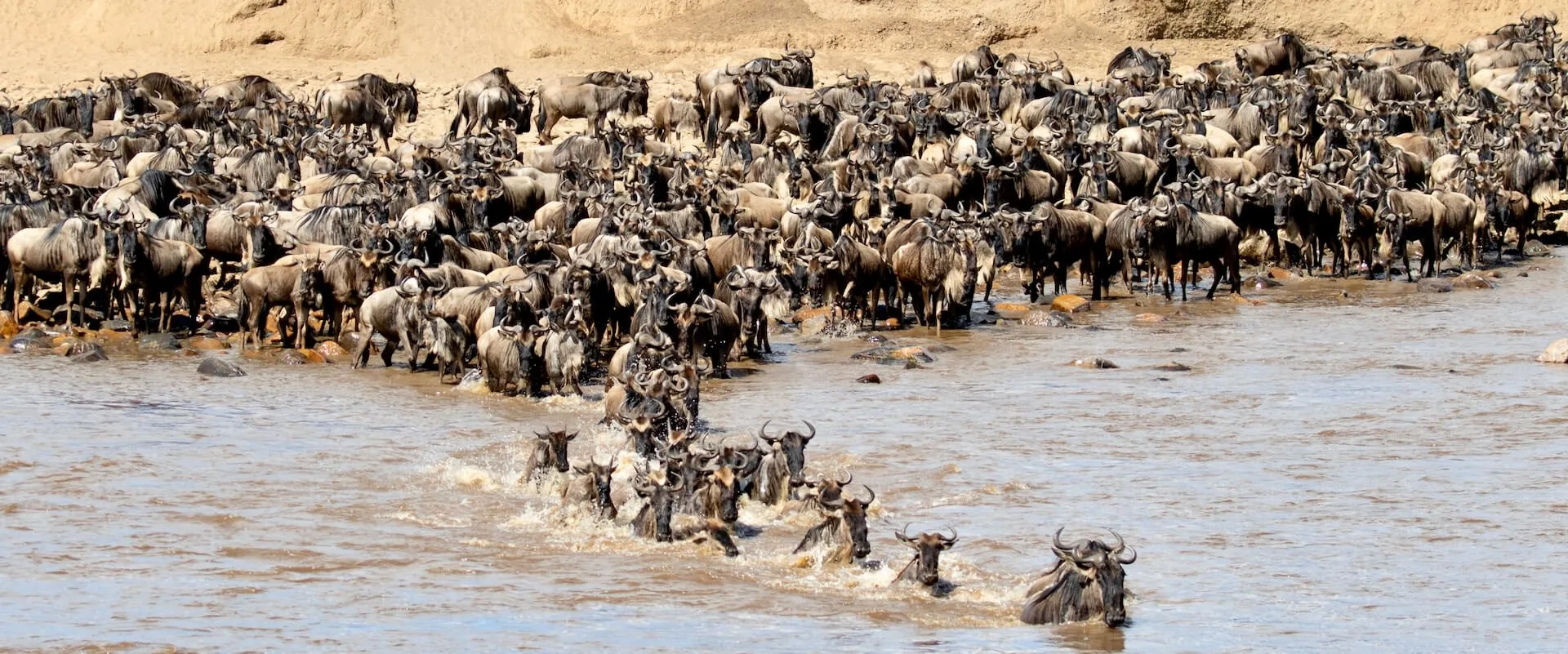
The Great Migration in Africa happens all year because the herds continuously circulate through the Serengeti–Mara ecosystem in…
Read article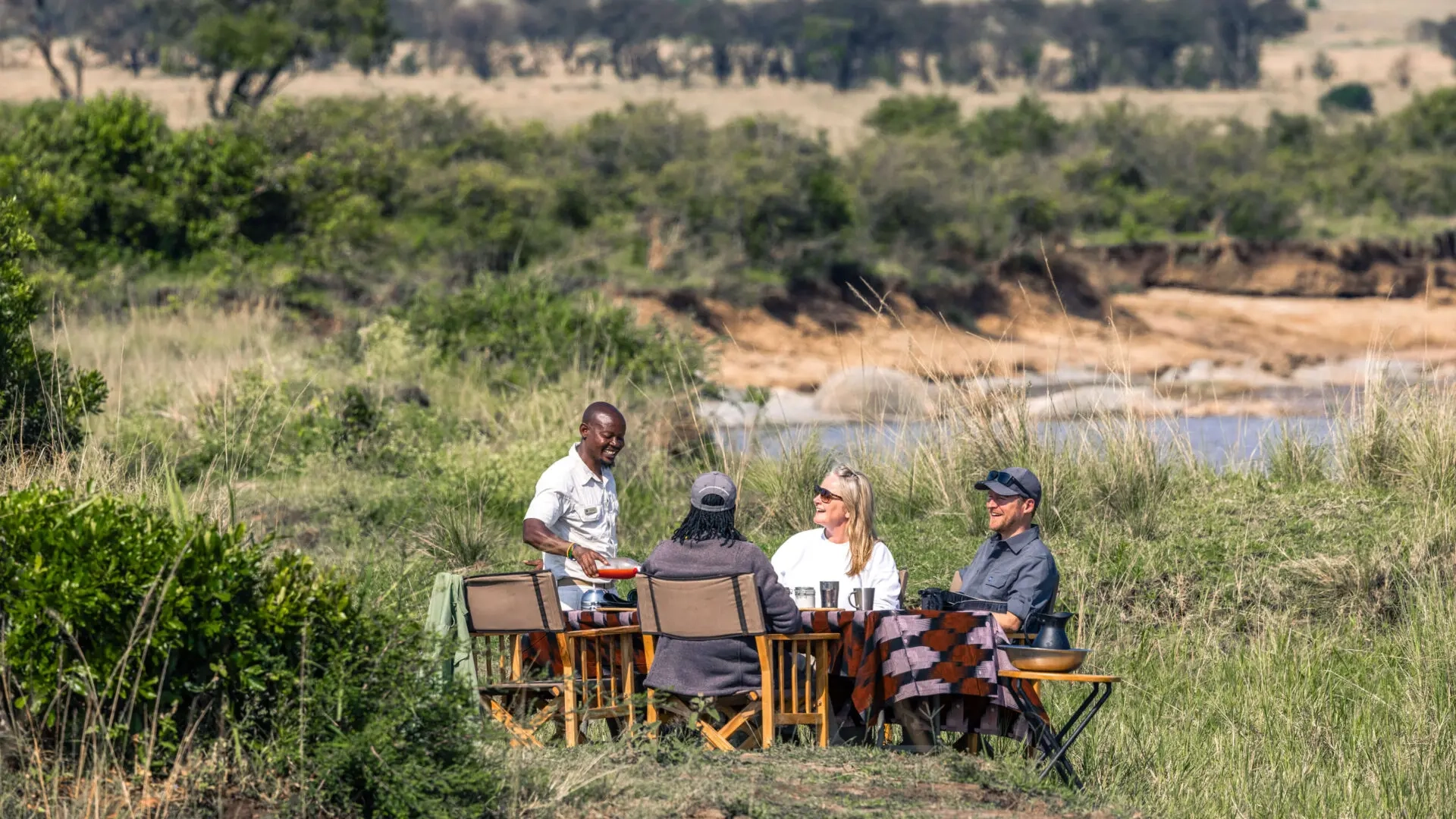
Definitive answer: A picnic lunch on safari is a packed or catered midday meal eaten at an approved…
Read article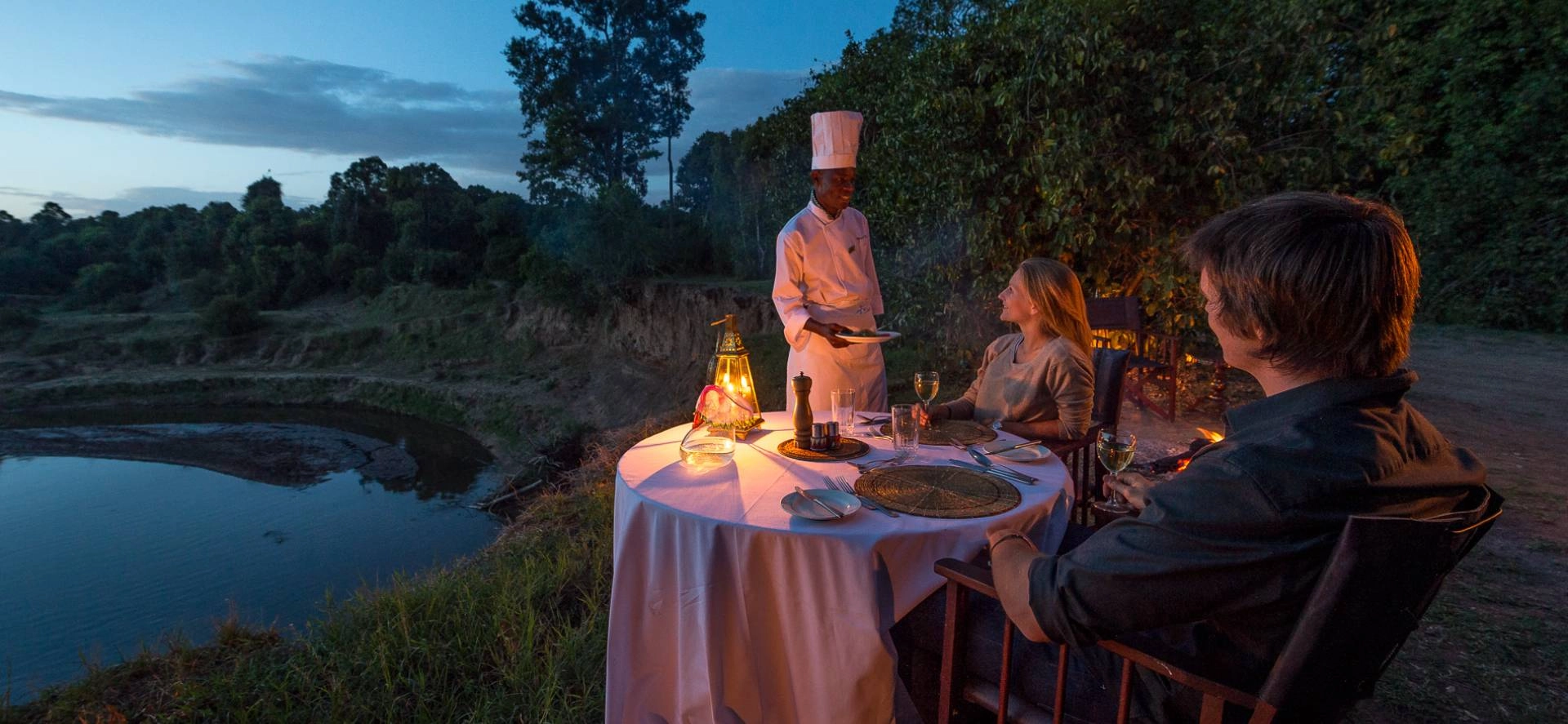
Definitive answer: A bush dinner is an outdoor evening meal arranged in a safe safari setting away from…
Read articleLet us take you closer to the wildlife, people and places that make Africa extraordinary.
Plan Your Safari Today