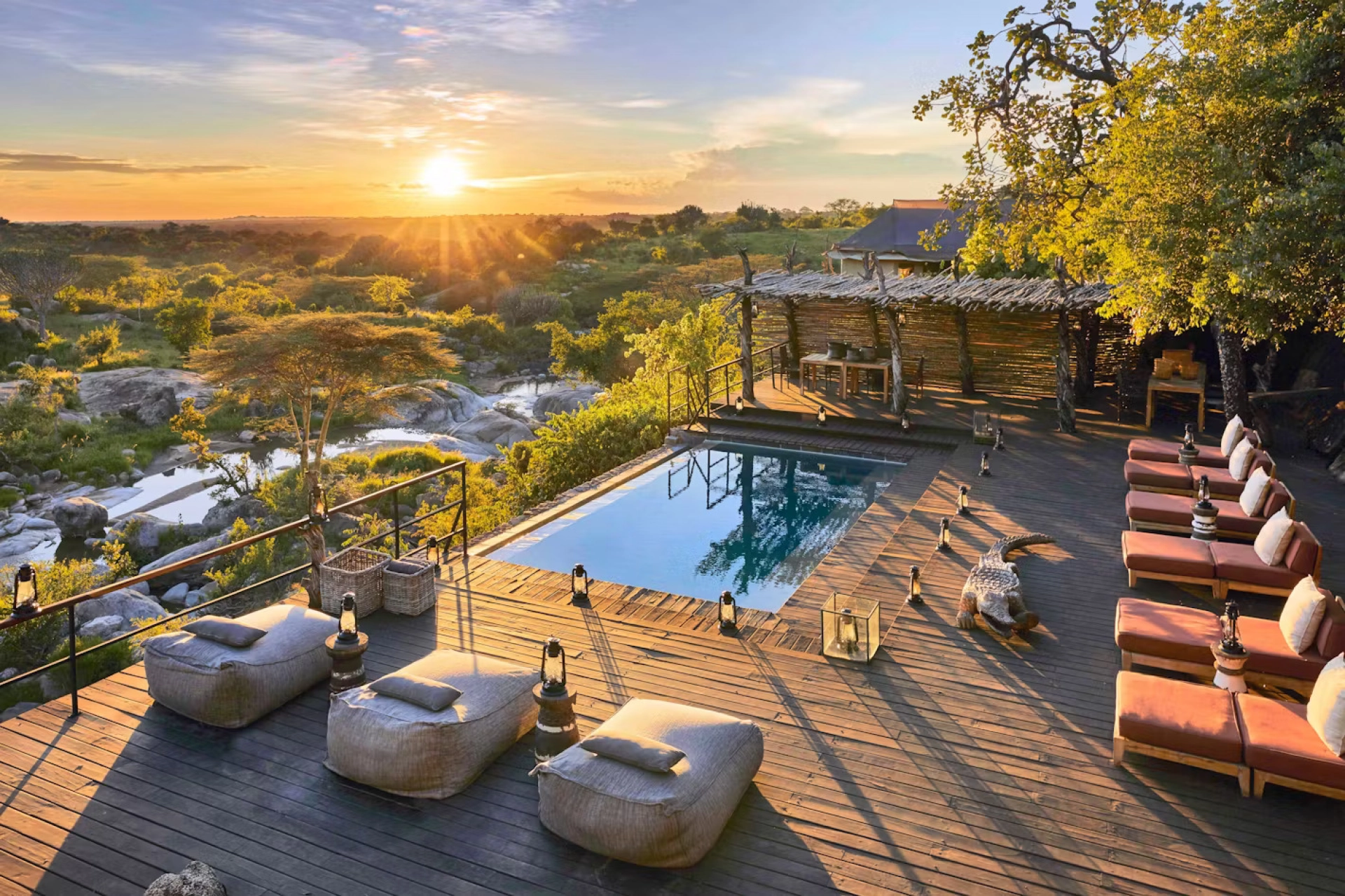
What should I look for when booking a luxury African safari?
When booking a luxury African safari, look beyond the room and compare the quality of guiding, wildlife location,…
Read article

Africa Travel Guide
Few wildlife experiences create as much anticipation as gorilla trekking in Africa. You walk into a mountain forest with experienced trackers and rangers. The trail may rise sharply through thick vegetation. Rain can turn the ground…
Few wildlife experiences create as much anticipation as gorilla trekking in Africa. You walk into a mountain forest with experienced trackers and rangers. The trail may rise sharply through thick vegetation. Rain can turn the ground muddy. Hours may pass without seeing a gorilla. Then the guide stops. Voices become quiet. Branches move ahead. A huge black shape becomes visible through the leaves. Suddenly you are standing within metres of a wild mountain gorilla family.
A silverback may be resting nearby. Juveniles climb through branches. A mother holds an infant close to her body. Some gorillas barely acknowledge the humans watching them. It is one of Africa’s most intimate wildlife encounters. It is also an experience surrounded by questions. Where is the best place to see gorillas in Africa? How much is a gorilla permit? Is gorilla trekking better in Uganda or Rwanda? How difficult is the hike?
How old do you need to be? Can you touch a gorilla? What happens if you are sick? When should you book? Is DRC gorilla trekking available? This detailed gorilla safari quick guide to gorilla trekking in Africa answers the most important questions for travellers planning a trip in 2026 and 2027.
For conventional mountain-gorilla tourism, the two main destinations currently available are: Uganda and Rwanda. Mountain gorillas occur naturally only in a small area of East-Central Africa. They live in: Bwindi Impenetrable National Park in Uganda and the Virunga mountain ecosystem, spanning: Mgahinga Gorilla National Park in Uganda Volcanoes National Park in Rwanda and Virunga National Park in the Democratic Republic of the Congo. However, tourism availability differs substantially. In 2026, the reliable destinations for planning a mountain-gorilla trek are Uganda and Rwanda.
Virunga National Park currently states that its gorilla and Nyiragongo tourism activities are closed until further notice. Therefore, older guides comparing Uganda, Rwanda and DRC as three equally available gorilla destinations need updating.
Uganda offers gorilla trekking in two national parks: Bwindi Impenetrable National Park and Mgahinga Gorilla National Park. Uganda Wildlife Authority confirms both locations as official gorilla-tracking destinations. Bwindi is the larger and more frequently visited gorilla destination. It contains four principal trekking sectors: Buhoma Ruhija Rushaga and Nkuringo. Each sector has its own park entrance, accommodation options, gorilla families and access routes. This is extremely important when planning a Bwindi gorilla safari because a lodge in the wrong sector can leave you several hours away from your assigned trekking point.
Mgahinga Gorilla National Park lies in southwestern Uganda’s Virunga Mountains, close to Rwanda and DRC. It is much smaller than Bwindi and combines mountain gorilla trekking with: golden monkey trekking Mount Sabyinyo hiking Mount Gahinga hiking and Mount Muhabura climbing. For travellers who want both gorillas and volcano trekking, Mgahinga can be an excellent choice. Uganda Wildlife Authority notes that the park forms part of the wider Virunga Conservation Area across Uganda, Rwanda and DRC.
Rwanda’s mountain gorillas are visited in Volcanoes National Park, northwest of Kigali. The park is part of the same Virunga mountain ecosystem as Uganda’s Mgahinga. One of Rwanda’s major advantages is access. Travellers can drive from Kigali to Volcanoes National Park in only a few hours, making short Rwanda gorilla safari packages practical. This means a traveller with very limited time can potentially arrive in Kigali, travel to the Musanze area, trek gorillas and return to Kigali within a compact itinerary.
Historically, yes. Virunga National Park was one of Africa’s major mountain-gorilla destinations. However, travellers should not plan a standard Virunga gorilla holiday in 2026. The park’s official tourism site currently states that gorilla and Nyiragongo treks are closed until further notice. In addition, major government advisories currently warn against travel to eastern DRC, including North Kivu. For current safari planning, choose Uganda or Rwanda.
Uganda has introduced an especially important pricing development in 2026. The Uganda Wildlife Authority’s standard international gorilla tracking permit remains US$800 for foreign non-residents. However, UWA introduced discounted low-season permits for April, May and November, priced at US$600 for foreign non-residents and US$500 for foreign residents. The low-season system took immediate effect in 2026. This creates a major opportunity for travellers considering a budget Uganda gorilla safari. The normal standard permit remains: Foreign non-resident: US$800 while eligible low-season travel in April, May and November can currently provide the reduced rate. Always confirm availability before designing a budget around the discount.
Uganda Wildlife Authority has also announced tariff changes effective 1 January 2027. The standard foreign non-resident gorilla tracking permit remains US$800 under the announced structure. The Gorilla Habituation Experience, however, rises from the previous US$1,500 foreign-non-resident rate to US$1,800 from 1 January 2027. This distinction matters for travellers comparing trekking with habituation.
Rwanda’s standard gorilla permit costs US$1,500 per person per trek for international visitors. The official Visit Rwanda tourism site confirms the US$1,500 price and a minimum trekking age of 15. That makes Rwanda significantly more expensive than Uganda at permit level. For two international travellers, permit cost alone is therefore: Uganda standard permits: US$1,600 total versus Rwanda standard permits: US$3,000 total. The difference can significantly affect a couple’s overall gorilla safari cost.
Rwanda positions Volcanoes National Park gorilla trekking as a high-value, lower-volume tourism experience. The permit structure also contributes to conservation and community programmes. For travellers, the premium price is partly offset by extremely convenient access from Kigali and a strong range of high-end lodges around the park. Whether that convenience is worth the difference depends on the individual itinerary.
Neither is universally better. Choose Uganda gorilla trekking when you prioritise: lower permit cost, more gorilla sectors, the Gorilla Habituation Experience, longer Uganda wildlife combinations, or access to both Bwindi and Mgahinga. Choose Rwanda gorilla trekking when you prioritise: short transfer time from Kigali, a compact itinerary, luxury accommodation, or combining gorillas with Akagera National Park. Many travellers enter through Kigali and trek gorillas in Uganda, combining Rwanda’s airport convenience with Uganda’s lower permit cost.
It can be. A Kigali to Bwindi gorilla safari may substantially reduce road-transfer time compared with driving from Entebbe to southwestern Uganda. The traveller flies into Rwanda, crosses the official Uganda border and continues to Bwindi or Mgahinga. This works particularly well for: 2-day gorilla safaris 3-day gorilla safaris and short Uganda trips. However, border arrangements should always be confirmed before travel.
A gorilla permit is the official authorisation allowing one visitor to join a specific gorilla-tracking activity on a particular date. It is not simply a national-park entrance ticket. The permit funds a tightly controlled wildlife-tourism system involving: rangers, trackers, conservation, habitat protection, community programmes, and tourism management. In Uganda, the gorilla permit includes the guide fee and park entrance for the day under UWA’s published tariff structure.
Yes.
Permits are limited. Peak travel months can sell out far in advance. This is particularly important during: June, July, August, September, December, and holiday periods. Travellers with fixed flights should secure permits before finalising non-refundable lodge arrangements.
Uganda introduced another major change in March 2026. UWA suspended the previous seven-day unpaid reservation window. From 1 March 2026, operators can secure permits only through full payment at the time of booking, rather than holding them temporarily without payment. This means travellers should be ready to confirm quickly when suitable permits are found. Availability is not secure until payment has been completed.
Yes. This is standard practice. A reputable Uganda gorilla safari company or Rwanda gorilla tour operator can check availability, purchase the permit and incorporate it into the overall itinerary. This is particularly useful in Uganda because the trekking sector determines where you should stay. The operator can coordinate: permit, sector, hotel, vehicle, guide, and transfer route.
The minimum age is 15 years in both Uganda and Rwanda. Uganda Wildlife Authority’s management guidelines specify a minimum age of 15 for gorilla tracking and viewing. Rwanda’s official tourism site gives the same minimum age. Families should not assume exceptions will be available. Plan alternative activities for younger children.
There are several reasons. Children may have more difficulty following instructions consistently. Trekking can be physically demanding. Gorillas are vulnerable to human disease. Young visitors may react unpredictably if a gorilla approaches. The age rule protects both visitors and gorillas.
A standard gorilla trek provides up to one hour of viewing time once the assigned gorilla family has been located. Uganda Wildlife Authority states that standard trekking grants one hour with a habituated gorilla family. The hike to reach them can take considerably longer.
The total experience varies dramatically. Uganda Wildlife Authority notes that the trekking activity may last roughly two to seven hours, depending on where gorillas are located and the terrain. Some groups find gorillas relatively quickly. Others hike for several hours. Never schedule an important flight shortly after the trek. Treat the whole day as dedicated to gorilla tracking.
The Gorilla Habituation Experience in Uganda is different from standard trekking. It allows visitors to spend substantially more time around a gorilla group undergoing the habituation process. Uganda’s management guidelines allow up to four hours of viewing for habituation experiences, compared with one hour for normal tracking. The activity is offered in Bwindi. It is particularly attractive to: wildlife photographers, gorilla enthusiasts, repeat visitors, and travellers who want more observation time.
For the current 2026 tariff period, Uganda’s foreign non-resident habituation permit has been US$1,500. UWA has announced an increase to US$1,800 for foreign non-residents from 1 January 2027. Travellers considering habituation should therefore pay close attention to their travel year.
For a traveller who simply wants to see mountain gorillas once, normal trekking provides an extraordinary experience. For photographers or serious primate enthusiasts, four hours can completely change the experience. You have more time to observe: feeding, grooming, juvenile play, silverback behaviour, family relationships, and movement through the forest. It is expensive, but for the right traveller it can be worth the additional cost.
Difficulty varies enormously. A trek may involve: steep hills, mud, thick vegetation, roots, streams, humidity, and altitude. The gorillas move freely, so today’s easy trek does not guarantee tomorrow’s trek will be easy. This uncertainty is unavoidable.
You do not need to be an athlete. Moderate fitness helps substantially. Prepare by walking regularly before travel. Include hills or stairs where possible. The biggest challenge is often endurance on uneven ground rather than speed.
Yes. People in their sixties, seventies and beyond regularly participate successfully. Age alone is not the main issue. Mobility, cardiovascular health and comfort on uneven terrain matter more. Discuss any medical concerns with a health professional.
You can tell park staff and your tour operator about mobility limitations.
Rangers may try to allocate trekkers appropriately based on known gorilla locations. However, no gorilla group can be guaranteed easy. The animals move. An “easy” group can travel farther overnight.
Porters are among the best-value additions to a gorilla trek. A porter can: carry your backpack, help on steep slopes, provide balance on slippery sections, and reduce fatigue. Hiring one also puts money directly into the local community. Even fit travellers should consider using a porter.
Yes. Fitness is not the only reason. A porter allows you to focus on the forest rather than protecting camera equipment while climbing. They can help when terrain becomes muddy. And employment linked to gorilla tourism strengthens local support for conservation.
Wear practical forest clothing. Important items include: waterproof hiking boots long trousers long-sleeved shirt rain jacket gardening or trekking gloves hat and long socks. Avoid fashionable clothing that cannot handle mud. Gorilla trekking is not a clean activity.
Gloves protect your hands when grabbing vegetation for balance. Some plants can irritate skin. Stinging nettles occur in mountain-gorilla habitat. Simple gardening gloves can be extremely useful.
Many trekkers do. This can reduce exposure to insects and vegetation entering trouser legs. It is not glamorous. It is practical.
Carry as little as necessary. Useful items include: water, packed lunch if supplied, camera, spare battery, rain protection, insect repellent, sunscreen, and essential medication. Let a porter carry the bag where possible.
Yes. Photography is one of the great joys of gorilla trekking tours. However, flash photography is prohibited. Uganda’s tracking rules specifically prohibit flash use around gorillas. Know your camera before arriving. A once-in-a-lifetime gorilla encounter is not the ideal time to learn basic settings.
You usually do not need an enormous safari telephoto. A flexible mid-range zoom is often more useful because gorillas may be relatively close and forest vegetation restricts sightlines. Fast lenses perform well in low light. Bring protection from rain and humidity.
Yes. Modern phones can produce excellent gorilla images and video. A phone also allows you to spend more time watching the gorillas instead of constantly adjusting camera settings.
No. Turn automatic flash off before reaching the gorilla family.
Visitors are instructed to maintain a prescribed distance from gorillas. Rwanda currently encourages trekkers to maintain physical distance and wear masks around gorilla families. Uganda’s management rules similarly require controlled distancing and ranger supervision. However, gorillas do not know the rule. A juvenile may approach. A silverback may walk past. If that happens, remain calm and follow ranger instructions rather than moving closer deliberately.
No. Do not touch gorillas. Even when an animal moves close, the visitor should not initiate contact. Physical contact creates disease risk and may provoke an unpredictable reaction.
Habituated mountain gorillas are accustomed to controlled human visits. That does not mean they are tame. A silverback may display. Gorillas may vocalise. They may move suddenly. The correct response is to listen to your ranger. Do not run. Do not attempt to assert dominance. Do not imitate aggressive movements for a photograph.
When conducted through official tourism systems, gorilla trekking is a highly controlled wildlife experience.
Groups travel with trained park staff. Trekkers receive briefings. Habituated gorilla families are monitored. Most visits occur without serious incident. The more common challenges are: slipping, fatigue, dehydration, rain, and difficult terrain.
You should not trek if you have a contagious illness that could threaten gorillas. Mountain gorillas are vulnerable to human respiratory infections. Be honest with park staff. The conservation value of protecting an entire gorilla family is more important than one individual’s holiday schedule.
Mask policies can vary by destination and current health guidance. Rwanda’s official tourism information currently encourages wearing a face mask at all times during the gorilla encounter. Follow the instructions given at the trekking briefing even if they differ from something you read online earlier.
Gorilla trekking is possible year-round in Uganda and Rwanda. The commonly preferred drier periods are generally: June to September and December to February. Trails can be less muddy. Photography conditions may be easier. However, rainforest weather remains unpredictable. It can rain even during a drier month.
Absolutely. Rain does not make gorillas disappear. Forest scenery can be spectacularly lush. Visitor numbers may be lower. And Uganda’s new low-season permit system makes April, May and November gorilla trekking particularly interesting for price-conscious travellers. For eligible foreign non-residents, UWA’s discounted low-season permit is US$600, compared with the normal US$800 standard rate. This changes the economics of a budget gorilla safari in Uganda.
November is wetter, but it now has a major financial advantage in Uganda because it falls within UWA’s announced low-season permit period. If saving money matters more than maximising the probability of dry trails, November can offer excellent value. Bring proper waterproof equipment.
The minimum trip length depends on arrival point. From Kigali, short 2-day Uganda gorilla safaris can be practical for some Bwindi/Mgahinga routes. A 3-day gorilla safari is more comfortable. From Entebbe, three days is the conventional minimum for an overland Bwindi trip. Four or five days allows additional activities and less rushed transfers.
From Kigali, extremely early logistical combinations have sometimes been sold as one-day treks. They are tiring and vulnerable to border, road and timing delays. An overnight near the park is far preferable. Gorilla trekking should be experienced, not merely completed.
For Uganda, consider: 3 days for gorillas only, 5–7 days for gorillas plus chimpanzees or Queen Elizabeth National Park, 8–12 days for a broader Uganda primate and wildlife safari. A longer trip dramatically improves value because international flights and permits are already substantial fixed costs.
One of Uganda’s greatest advantages is the ease of combining gorilla trekking and chimpanzee trekking. A classic route includes: Kibale National Park Queen Elizabeth National Park and Bwindi Impenetrable National Park. This provides: chimpanzees, savanna wildlife, boat safari, and mountain gorillas within one country.
Mountain-gorilla habitat is forested. It is not a traditional savanna Big Five destination. Travellers wanting gorillas plus lions, elephants and other large mammals should combine trekking with: Queen Elizabeth National Park Murchison Falls National Park Akagera National Park or East African destinations such as Masai Mara and Serengeti.
This is one of the most natural combinations. Depending on the route, travellers move between Bwindi and Queen Elizabeth National Park, where activities can include: game drives Kazinga Channel boat safari and searches for the famous tree-climbing lions of Ishasha. The contrast between rainforest and savanna makes the journey far more diverse.
A Uganda primate safari can combine the world’s most famous great-ape experiences. In Kibale, visitors trek habituated chimpanzees. In Bwindi or Mgahinga, they trek mountain gorillas. The behaviour is remarkably different. Chimpanzees are often energetic, vocal and mobile. Gorillas frequently appear calmer and more sedentary. Both are unforgettable.
Rwanda offers an equivalent multi-ecosystem combination.
Trek gorillas in Volcanoes National Park, then drive east to Akagera National Park for a Big Five safari. This is an excellent option for travellers who want a complete Rwanda itinerary without crossing an international border.
Both Rwanda and Uganda offer golden monkey trekking in the Virunga Mountains. Golden monkeys are energetic, colourful primates associated with bamboo forests. The activity is an excellent second-day experience after gorilla trekking.
The permit is only one component. A gorilla safari cost normally includes: gorilla permit, vehicle, fuel, driver-guide, accommodation, meals, park-related fees, border or airport transfers, and operator logistics. Rwanda’s higher permit price makes its baseline cost significantly greater. Uganda usually offers stronger value for travellers with moderate budgets.
The cheapest responsible strategy is usually not to search for suspiciously discounted permits. Instead: travel in Uganda, use comfortable budget accommodation, share transport where possible, and consider UWA’s official low-season permit dates. The official discount is safer than any unofficial “cheap permit.”
At the opposite end, both countries offer exceptional luxury. Rwanda has some of Africa’s most exclusive luxury gorilla lodges near Volcanoes National Park. Uganda has high-end forest lodges in Buhoma, Nkuringo and other sectors. Luxury does not change the gorilla-viewing time. A US$2,000-per-night lodge guest and a budget-lodge guest generally follow the same national-park gorilla rules. The difference is accommodation and service surrounding the trek.
For many travellers, yes. The experience itself is extraordinary. Rwanda also offers easy access from Kigali and a sophisticated luxury tourism infrastructure. But travellers whose main priority is seeing mountain gorillas rather than visiting Rwanda specifically may find Uganda’s US$800 standard permit better value. The difference becomes substantial for couples and families.
For wildlife enthusiasts, it is often the highlight of an entire African journey. Uganda provides: multiple trekking sectors, two gorilla national parks, competitive permits, habituation, and exceptional combinations with chimpanzees and safari wildlife. This makes Uganda gorilla trekking tours among Africa’s strongest wildlife itineraries.
Group sizes are tightly regulated. Uganda’s management guidelines specify limits for standard gorilla groups, helping reduce disturbance and protect the animals. The result is a much more intimate wildlife experience than crowded safari sightings.
Yes. Permit revenue helps finance: gorilla monitoring, ranger operations, habitat protection, tourism management, and community programmes. Uganda Wildlife Authority states that revenue from gorilla tracking contributes directly to surrounding communities as part of its broader revenue-sharing model. Rwanda likewise says gorilla-permit revenue supports community and conservation programmes.
People live immediately beside gorilla habitat. If local communities receive no benefit from conservation, protecting forests becomes much harder. Tourism employment can include: porters, guides, lodge staff, drivers, craft producers, farmers, and community-tour providers. The long-term survival of mountain gorillas depends partly on maintaining a positive relationship between protected areas and neighbouring communities.
Yes. Some travellers purchase permits on two consecutive days. This can be worthwhile because every trek is different. You may visit a different family. Weather changes. Light changes. Behaviour changes. For serious photographers, two treks significantly increase the range of possible images.
Another option is trekking once in Uganda and once in Rwanda. This gives travellers direct experience of both ecosystems and tourism systems. A route might include: Kigali Volcanoes National Park Mgahinga and Bwindi. This works particularly well for dedicated primate enthusiasts.
Habituated gorilla groups are monitored regularly by trackers and rangers, so successful sightings are extremely common. However, wildlife can never ethically be advertised as a mathematical guarantee. The trekking system is designed to maximise the probability of locating the assigned family while allowing gorillas to remain wild.
It can be a strong conservation tool when managed carefully.
Tourism generates revenue that gives governments and communities financial reasons to preserve forest habitat and protect gorillas. But tourism also carries risks: disease transmission, disturbance, habituation effects, and environmental pressure. This is why group size, time limits, distance rules and health procedures matter. Responsible travellers should see restrictions as part of the conservation experience rather than inconvenience.
Keep your voice low near gorillas. Follow ranger instructions. Do not eat beside them. Do not litter. Do not use flash. Do not imitate calls unless specifically directed by a ranger. Do not touch animals. Avoid sudden movements. And remember that the forest is their home, not a studio.
Tipping is customary but should remain voluntary. Your safari operator can provide current guidance because recommended amounts change. Carry smaller cash denominations. Porters should be tipped directly.
In Uganda, the local currency is the Ugandan shilling. In Rwanda, it is the Rwandan franc. Tourism prices are often quoted in U.S. dollars. Carry clean, current notes where cash USD payments are expected because older or damaged bills may sometimes be refused.
Visa requirements depend on nationality and route. Travellers combining Uganda, Rwanda and Kenya may investigate the current East Africa Tourist Visa rules where applicable. Always verify eligibility shortly before travel because immigration policies can change.
Yes, this is a common safari pattern using official border posts. The Kigali to Bwindi gorilla safari remains one of the most efficient ways to reach southwestern Uganda. Current border conditions should always be confirmed before departure.
Older articles often promote Virunga as the cheaper alternative. That comparison is not currently useful because Virunga’s gorilla trekking is closed until further notice, and eastern DRC remains under serious government travel warnings. Do not choose a gorilla destination solely on historical permit pricing.
Choose standard trekking if: it is your first gorilla experience, budget matters, one hour feels sufficient, or you are combining gorillas with many other safari activities. Choose habituation if: gorillas are the central reason for travel, you are a serious photographer, you want prolonged observation, or you have already done a normal trek.
Gorilla trekking tends to feel quiet and intimate once the family is found. Chimpanzee trekking can be louder, faster and more unpredictable because chimps frequently move through the canopy and communicate vocally. Doing both provides a fascinating comparison between two of our closest primate relatives.
Mountain gorillas are the focus of tourism in Uganda and Rwanda. Other African countries protect western and eastern lowland gorilla populations. Those experiences involve different ecosystems and travel logistics. Do not assume all gorilla tourism is interchangeable. For most first-time visitors, mountain gorilla trekking in Uganda or Rwanda is the most established option.
Day 1: Pick up from Kigali and transfer across the Rwanda–Uganda border toward Bwindi Impenetrable National Park or the Lake Bunyonyi/Kisoro region, depending on your permit sector. Day 2: Complete mountain gorilla trekking, spending up to one hour with the assigned habituated family after locating it. Day 3: Return to Kigali for onward travel. This is one of the simplest short gorilla itineraries.
A longer itinerary might combine: Day 1: Kigali to Bwindi. Day 2: Gorilla trekking. Day 3: Transfer to Queen Elizabeth National Park through the Ishasha region. Day 4: Game drive and Kazinga Channel boat safari. Day 5: Continue toward Entebbe or another destination. This creates a much broader Uganda experience.
A particularly strong route combines: Kibale National Park chimpanzee trekking Queen Elizabeth National Park and Bwindi gorilla trekking. The itinerary brings together tropical forest, savanna and two great-ape experiences. For first-time visitors to Uganda, it is one of the best ways to understand why the country is such a strong African primate safari destination.
Gorilla trekking looks simple when reduced to a photograph. A traveller sits near a silverback. The forest is green. The moment appears effortless. But that hour with gorillas is supported by an extraordinary system of conservation. Trackers begin work early. Rangers monitor families. Porters assist visitors. Communities live beside protected forests. Permits finance conservation. Researchers monitor gorilla health. Tour operators coordinate transport and accommodation. And strict rules limit the impact each visitor has on the animals.
Understanding that system makes the experience more meaningful. For 2026 and 2027 travellers, the most important practical points are straightforward: Uganda and Rwanda are the principal mountain-gorilla destinations currently available for normal safari tourism. A Rwanda permit remains US$1,500. Uganda’s standard foreign-non-resident permit is US$800, while discounted US$600 low-season permits apply in April, May and November under the new 2026 system. Uganda has eliminated the former seven-day unpaid permit hold, meaning operators must secure permits with full payment.
The minimum trekking age is 15 years. A standard trek gives you up to an hour with the gorillas after finding them. And Virunga gorilla trekking in DRC remains closed until further notice. Everything else depends on the journey you want. Choose Rwanda gorilla trekking for exceptional convenience from Kigali and a strong luxury-lodge network. Choose Uganda gorilla trekking for greater value, more route diversity, the Gorilla Habituation Experience, and outstanding combinations with chimpanzee trekking, Queen Elizabeth National Park, Murchison Falls, Lake Mburo and broader Uganda wildlife safaris.
Or combine Rwanda and Uganda. Fly into Kigali. Visit Volcanoes National Park. Cross into Uganda. Trek in Bwindi Impenetrable National Park. Search for golden monkeys in Mgahinga Gorilla National Park. Continue to chimpanzees in Kibale National Park. Then complete the journey with a traditional Uganda wildlife safari. For travellers who care deeply about primates, very few journeys in Africa can equal it.
Adventure in the Wild Safaris arranges private and customised Uganda gorilla safaris, Rwanda gorilla trekking tours, Kigali to Bwindi gorilla safaris, gorilla habituation experiences, chimpanzee trekking safaris, golden monkey trekking, Uganda–Rwanda combined safaris, family gorilla tours, luxury gorilla safaris, budget gorilla trekking tours and longer East Africa wildlife safaris.
Get quick answers to the most common questions about gorilla trekking in Africa. If you still have questions, our safari experts are here to help.
Uganda and Rwanda are the principal mountain-gorilla tourism destinations currently open for conventional safari planning.
The normal foreign non-resident rate is US$800, with UWA currently offering a US$600 low-season rate in April, May and November.
US$1,500 per person per trek for the standard international rate.
For 2026, the foreign non-resident rate has been US$1,500. UWA has announced US$1,800 from 1 January 2027.
Virunga currently says gorilla treks are closed until further notice.
15 years in Uganda and Rwanda.
Up to one hour on standard trekking once the group is found. Uganda’s habituation experience allows substantially longer observation.
Anywhere from relatively easy to highly demanding depending on weather, terrain and the gorillas’ location.
Yes. Porters make the trek easier and their employment helps spread tourism benefits into surrounding communities.
No.
No.
You should tell park authorities if you are ill because respiratory infections can threaten gorillas.
Uganda is significantly cheaper at standard permit level.
Rwanda’s Volcanoes National Park is particularly easy to access from Kigali. Southwestern Uganda is also conveniently reached from Kigali via official border crossings.
As soon as your travel dates are reasonably firm, especially for peak-season travel.
Our safari experts are here to help you plan your gorilla trekking adventure. Get personalized advice, the latest information and a free, no-obligation quote.
We typically reply within a few hours.
“Gorilla trekking is more than a safari — it’s a powerful reminder of our shared humanity and the importance of protecting our natural world.”
— Adventure in the wild Safaris

Share This Article
When booking a luxury African safari, look beyond the room and compare the quality of guiding, wildlife location,…
Read article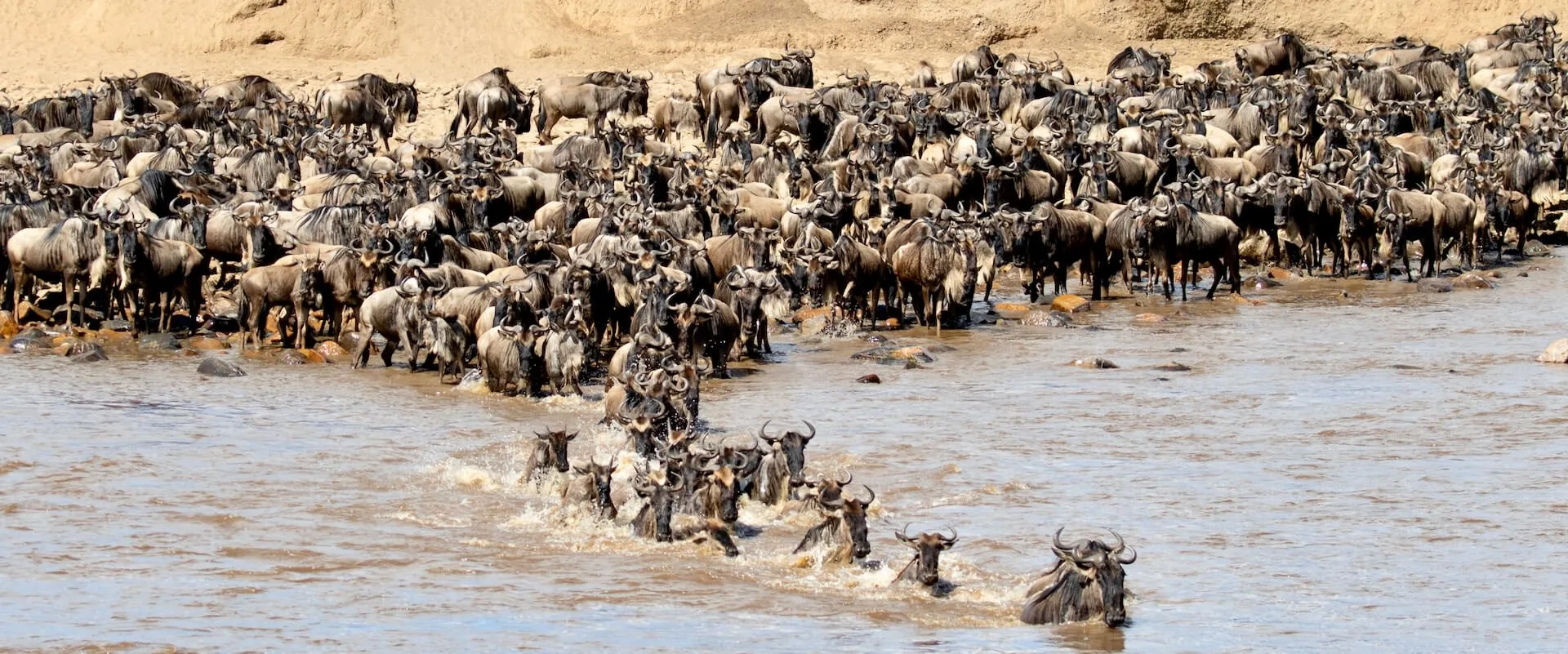
The Great Migration in Africa happens all year because the herds continuously circulate through the Serengeti–Mara ecosystem in…
Read article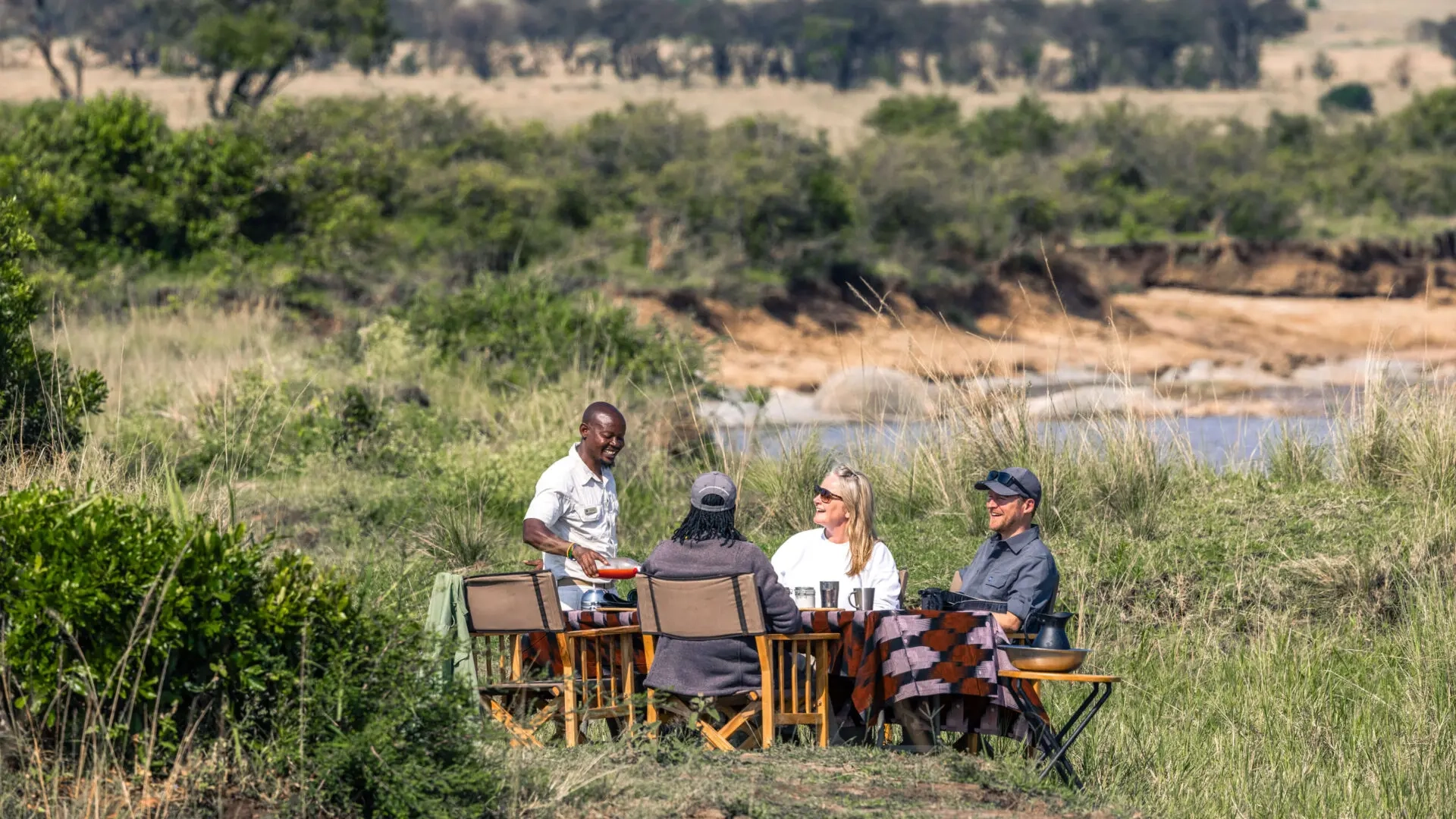
Definitive answer: A picnic lunch on safari is a packed or catered midday meal eaten at an approved…
Read article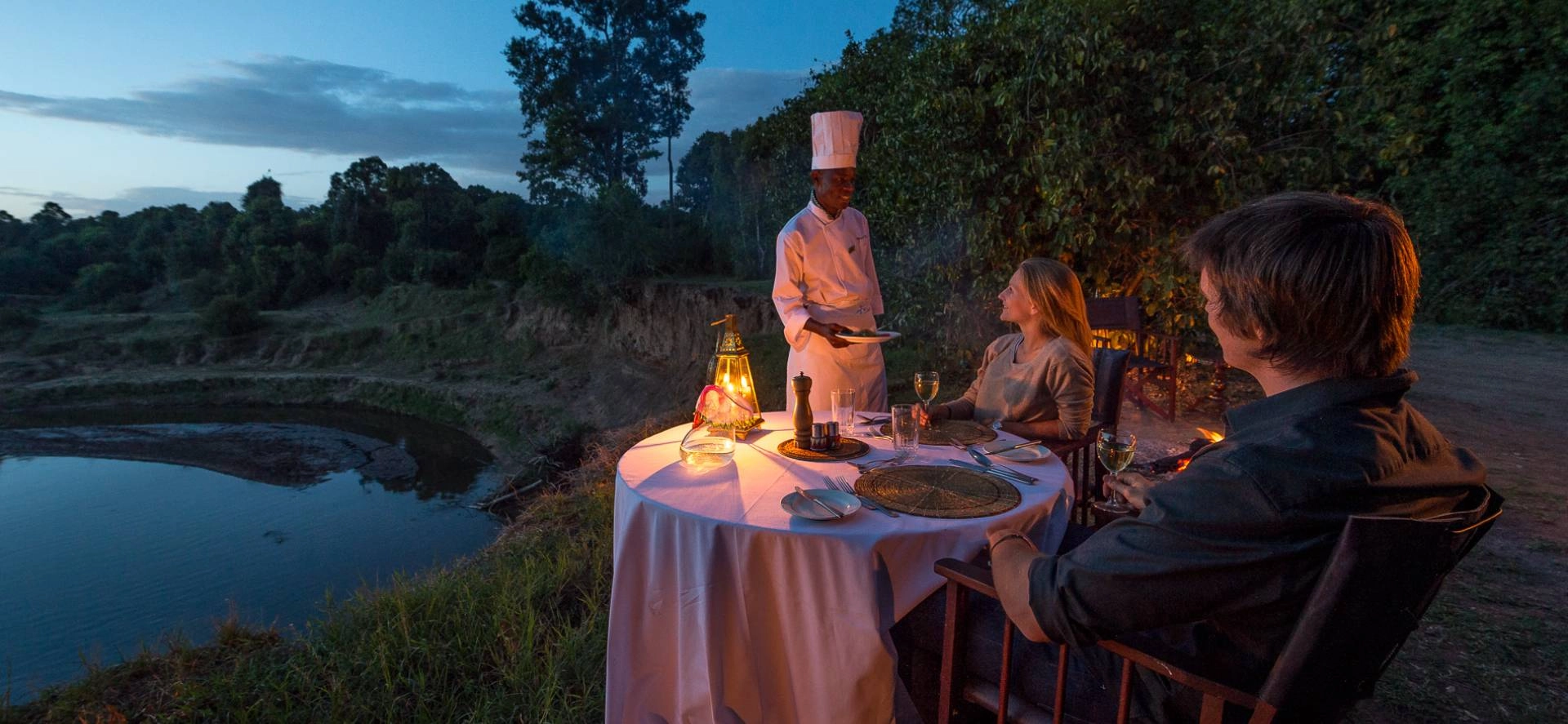
Definitive answer: A bush dinner is an outdoor evening meal arranged in a safe safari setting away from…
Read articleLet us take you closer to the wildlife, people and places that make Africa extraordinary.
Plan Your Safari Today