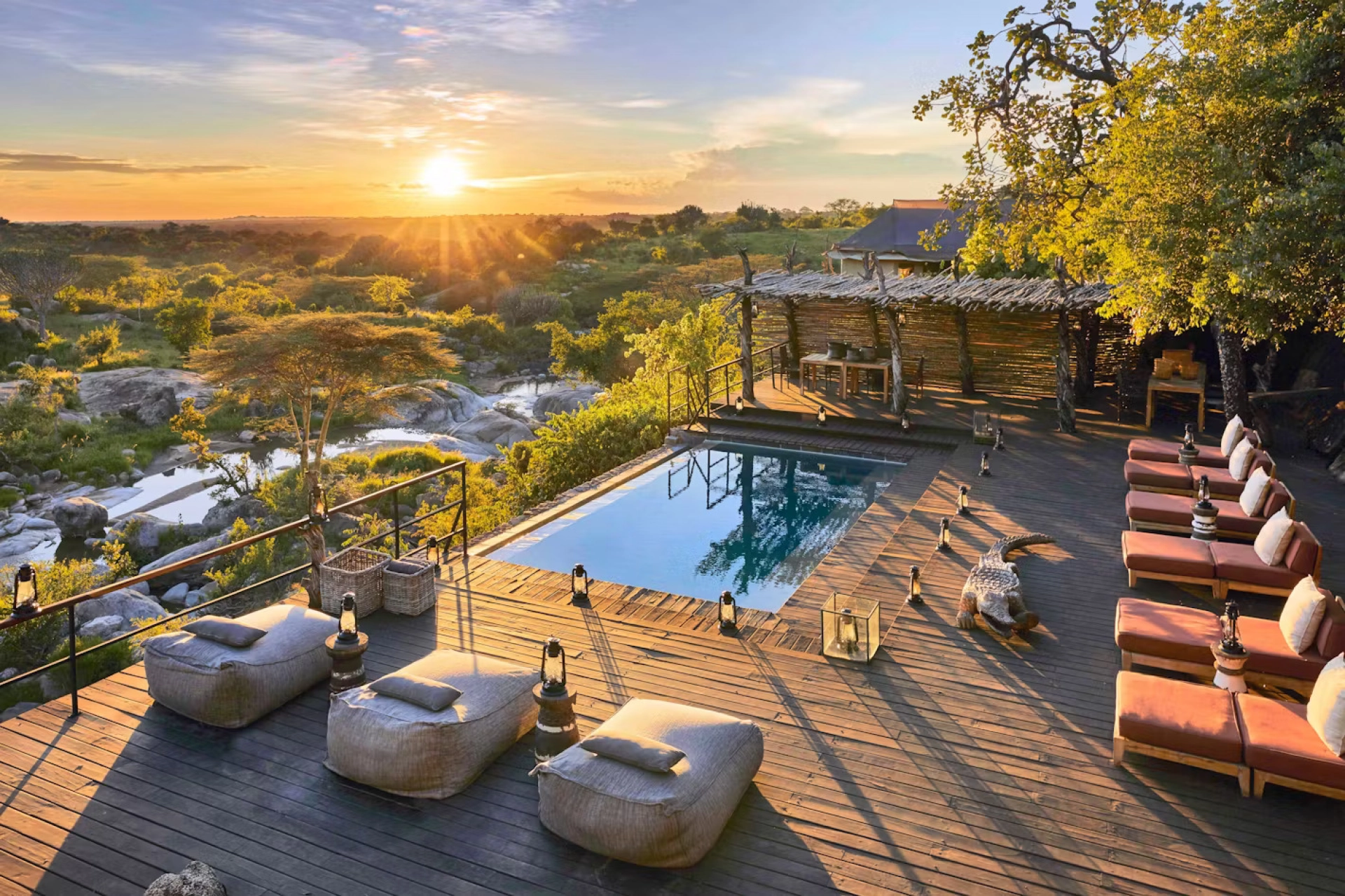
What should I look for when booking a luxury African safari?
When booking a luxury African safari, look beyond the room and compare the quality of guiding, wildlife location,…
Read article

Africa Travel Guide
Related Keywords: Uganda gorilla trekking in November, Bwindi gorilla trekking November, November Uganda gorilla safari, gorilla trekking rainy season Uganda, Bwindi in November, Uganda gorilla permits, November gorilla trekking weather, best time for gorilla trekking Uganda,…
Related Keywords: Uganda gorilla trekking in November, Bwindi gorilla trekking November, November Uganda gorilla safari, gorilla trekking rainy season Uganda, Bwindi in November, Uganda gorilla permits, November gorilla trekking weather, best time for gorilla trekking Uganda, Uganda primate safari, Bwindi Impenetrable National Park, Mgahinga Gorilla National Park —
Gorilla trekking in November is an excellent choice for travelers who are comfortable experiencing Uganda’s mountain forests during one of the wetter and greener periods of the year. November falls within Uganda’s second major rainy season, which means travelers should expect a realistic possibility of rain, muddy forest trails, cloud-covered mountains and more demanding trekking conditions. Yet those same conditions create the extraordinarily lush landscapes that make southwestern Uganda so beautiful.
November should not be dismissed simply because it is classified as a wet-season month. Mountain gorillas live permanently in the forests of Bwindi Impenetrable National Park and the Virunga ecosystem. They do not migrate away when rain arrives, and regulated gorilla trekking continues throughout the year. The fundamental experience—entering tropical forest with professional trackers and searching for a habituated mountain gorilla family—remains available.
What changes is the character of the trek. During a dry-season trek, trails may be firmer and some sections easier to negotiate. During November, moisture can make slopes slippery, vegetation becomes extraordinarily green, mist hangs over forest ridges and streams carry more water. The experience can feel more intensely like a true rainforest expedition. For some travelers, this is exactly what they want. November can also fit particularly well into longer Uganda gorilla and wildlife safaris because the country’s savannahs and forests become green after seasonal rains. Birding can be rewarding, landscapes photograph beautifully and there may be less tourism pressure than during some of the busiest dry-season holiday periods.
The key to enjoying a November gorilla trek is not avoiding the rain. It is arriving properly prepared for it.
Uganda lies across the equator, so the familiar four-season pattern experienced in Europe and North America does not define travel in the same way. Temperature variation through the year is generally less dramatic than rainfall variation, although altitude produces substantial local differences. Uganda’s gorilla destinations are located in the country’s mountainous southwest. Bwindi Impenetrable National Park occupies steep, heavily forested terrain along the Albertine Rift. The park contains ridges, valleys and considerable elevation differences. Mgahinga Gorilla National Park, meanwhile, lies within the Virunga volcanic landscape and includes high-elevation forest on the slopes of extinct volcanoes.
These are naturally moist ecosystems. Rain is possible in every month, including months commonly described as Uganda’s dry season. November simply increases the likelihood and frequency of wetter conditions. Travelers should therefore avoid interpreting “rainy season” as meaning that rain falls continuously from sunrise until bedtime. Tropical and montane rainfall can occur as showers, thunderstorms, overnight rain, mist or longer wet periods. Conditions vary from day to day and even between nearby valleys.
A November morning might begin beneath heavy cloud, clear temporarily while you trek and produce rain later in the afternoon. Another day might be wet from the beginning. No responsible operator can guarantee the exact weather months in advance. What can be guaranteed is the need to prepare for moisture.
Uganda’s mountain gorilla trekking takes place in Bwindi Impenetrable National Park and Mgahinga Gorilla National Park. Bwindi is the principal gorilla trekking destination and contains several trekking sectors. These are not simply different entrances to the same visitor center. They are geographically distinct parts of a large, rugged forest landscape, and choosing the correct sector matters enormously for safari planning. The major Bwindi trekking sectors are Buhoma, Ruhija, Rushaga and Nkuringo.
A gorilla permit is associated with the trekking arrangements for a particular location and date. Travelers should therefore never book accommodation based solely on the phrase “near Bwindi.” A lodge can technically be near the national park while still being poorly positioned for your assigned trekking sector. This becomes especially important during November. A transfer that looks manageable on a map may become slower when unpaved mountain roads are wet. The ideal arrangement is to stay in the correct sector the night before your trek so that you are not attempting an unnecessary long transfer early in the morning.
At Adventure in the Wild Safaris, route planning should always connect the permit, accommodation and road itinerary rather than treating each booking separately.
Bwindi is one of Africa’s most extraordinary forests. The word “impenetrable” creates an image of dense vegetation, and although visitors travel along established forest paths for parts of a trek, trackers may eventually need to guide the group away from easier trails to reach gorillas. In November, the forest can be intensely green. Moss, ferns and undergrowth respond to moisture. Clouds can cling to ridges. Rain striking the forest canopy creates an atmosphere very different from the open savannah environments encountered elsewhere on a Uganda safari.
The forest’s terrain varies enormously. One gorilla family may be relatively close to the starting point on a particular morning, while another may have moved deeper into difficult terrain. Gorillas are wild animals and their location changes. This means it is impossible to predict the duration of your trek based purely on the month. November does not automatically mean a longer trek, just as July does not guarantee a short one. What November can do is make the same distance physically more demanding because mud and slippery slopes require slower movement.
Buhoma is the historic center of gorilla tourism in Bwindi and remains one of the park’s best-known sectors. Its location can fit naturally into itineraries arriving from the Ishasha sector of Queen Elizabeth National Park. This makes Buhoma particularly attractive for travelers combining game drives with gorilla trekking.
The journey from Ishasha toward Bwindi creates a beautiful ecological transition. Savannah and woodland gradually give way to increasingly mountainous and forested terrain. In November, the road and forest conditions need to be considered carefully, but a professionally planned safari accounts for this. Buhoma also has a broad range of accommodation styles, allowing travelers to choose between relatively simple options and high-end forest lodges. The most important factor remains proximity to the correct trekking briefing point.
Ruhija lies at higher elevation in eastern Bwindi. The region is particularly attractive to travelers interested in mountain scenery and birding. Cool mornings are common because of elevation, and November moisture can make conditions feel considerably cooler than many visitors expect from an equatorial destination. Travelers should pack layers. A lightweight waterproof jacket alone may not provide sufficient warmth while standing still early in the morning. A fleece or similar insulating layer can be valuable before trekking begins.
Ruhija can also be integrated into routes connecting Kabale, Queen Elizabeth National Park and other parts of southwestern Uganda, depending on the overall itinerary.
Rushaga, in southern Bwindi, is a major gorilla trekking area and fits particularly well into itineraries arriving from Kisoro, Lake Mutanda, Lake Mulehe or Rwanda. The southern Bwindi landscape is exceptionally scenic.
Hills, cultivated slopes and forest create a patchwork of green that becomes even more vivid during wetter months. Rushaga is also associated with Uganda’s gorilla habituation experience, subject to the availability and regulations applicable to the travel date. Travelers specifically interested in habituation should distinguish it from ordinary gorilla trekking because the structure, permit arrangements and visitor experience differ.
Nkuringo is known for dramatic highland scenery and physically demanding terrain. Travelers who enjoy hiking may find the setting particularly rewarding. However, steep slopes combined with November rain can make trekking challenging. Fitness therefore matters. This does not mean travelers need to be elite athletes. People of many ages successfully trek gorillas. But basic preparation—walking regularly, using hills or stairs and improving general endurance—can make the experience far more enjoyable.
A porter is particularly valuable.
Bwindi receives most of the attention, but Mgahinga Gorilla National Park provides another important Uganda gorilla experience. Mgahinga forms part of the larger Virunga ecosystem and protects high-altitude forest beneath the Virunga volcanoes. The landscape is magnificent. On clear days, volcanic peaks dominate the horizon. During wetter November conditions, clouds and mist can wrap around the mountains, creating a completely different atmosphere.
Mgahinga also offers golden monkey tracking, making it particularly attractive for travelers who want to experience two very different primates within the same region. A carefully designed itinerary might include mountain gorillas one day and golden monkeys on another, with accommodation around Kisoro or the lakes depending on the route.
The day normally begins early. You wake at your lodge, eat breakfast and travel to the designated briefing point. November mornings in the highlands can feel cool, particularly before the sun rises fully. At the briefing, park authorities and guides explain trekking procedures, gorilla behavior and visitor rules. Trekkers are then allocated according to the day’s operational arrangements.
Once you enter the forest, the character of the experience changes quickly. The first sections may follow recognizable trails. As trackers communicate information about the gorillas’ location, the route may become steeper or less defined. Rain from previous days can turn soil into mud. Roots become slippery. Vegetation may brush against clothing. You may need to step across streams or climb a steep slope slowly. This is where appropriate footwear becomes essential. Ordinary city sneakers can be frustrating in wet forest conditions. Proper hiking boots with reliable grip provide substantially better stability.
Eventually, trackers begin finding increasingly fresh gorilla signs. Broken vegetation. Dung. Feeding remains. Nests. Then movement appears ahead. The transition from searching to actually encountering gorillas can happen surprisingly quickly. One moment you are concentrating on where to place your foot. The next, a mountain gorilla is only a short distance away.
Rain does not necessarily stop the gorilla experience. Gorillas live in rainforest and respond naturally to wet conditions. They may continue feeding, move into vegetation or sit quietly depending on conditions and individual behavior. Visitors should follow the instructions of guides and trackers at all times. The encounter is controlled to reduce disturbance. Gorillas may appear calm around people because trekking groups visit habituated families, but habituation does not mean domestication. A silverback remains a powerful wild animal. Visitors must maintain the required distance whenever possible, avoid sudden movement and never attempt physical contact.
Sometimes gorillas themselves move closer than expected. When this happens, follow your guide’s instructions rather than attempting to move unpredictably for a photograph.
November can be magnificent for gorilla photography. Wet vegetation becomes saturated with color. Leaves appear rich green. Mist adds depth to forest scenes. Soft cloud cover can reduce the extreme contrast created by direct tropical sunlight. At the same time, rainforest photography is technically challenging. Light levels can be low.
Gorillas have dark fur. Vegetation may obstruct clear views. Rain can threaten camera equipment. Photographers should carry protection that can be deployed quickly without requiring the entire backpack to be unpacked. A dry bag or waterproof insert is valuable. Lens cloths are essential because moisture can collect on glass. Flash photography is not permitted around gorillas, so travelers should understand their camera’s higher-ISO performance before arriving. A fast lens can help in dark forest conditions.
However, do not become so focused on camera settings that you fail to experience the gorillas directly. Put the camera down occasionally. Listen. Watch how the family interacts. Notice the silverback’s movements. Observe juveniles playing. The memory should not exist only on a memory card.
Wet trails increase the risk of slipping, but professional guides understand local terrain and conditions. Move slowly. Use a walking stick when appropriate. Wear boots with good traction. Accept help when offered. Do not rush because another traveler is moving faster. The trek is not a race. If you have mobility concerns, discuss them with your safari operator before travel rather than waiting until the morning of the trek. It may be possible to design your wider itinerary to reduce unnecessary physical strain and select accommodation that simplifies logistics.
Hiring a porter is one of the most useful decisions a gorilla trekker can make. A porter can carry your daypack, water, rain gear and other items while helping you negotiate difficult terrain. In wet conditions, having both hands free becomes particularly valuable. The benefit extends beyond personal comfort. Porter employment provides direct income to people living near gorilla habitat. This creates another economic connection between conservation and surrounding communities. For that reason, hiring a porter should not be viewed as an admission that you are unfit. Even physically strong travelers can benefit.
A valid Uganda gorilla trekking permit is required for participation. Permit policies, prices and availability can change, so travelers should confirm current information for their travel year rather than relying on old articles. November may experience less demand than some peak travel months, but this does not mean permits should be left until the last minute. Each trekking day has limited capacity.
Specific sectors can fill. Private itineraries depend on aligning permit dates with accommodation and vehicle logistics. The best practice is to secure the gorilla permit early once your dates are confirmed.
The gorilla permit itself is governed by the official pricing applicable to your visitor category and travel period rather than simply becoming cheaper because rain is expected. However, the broader safari can sometimes offer value advantages in lower-demand periods. Some accommodations may offer seasonal rates or promotions. Availability may be more flexible. The important point is to compare the total Uganda gorilla safari cost, not only the permit. A complete trip can include airport transfers, safari vehicle, professional driver-guide, fuel, accommodation, meals, park activities, permits and transfers between destinations.
Travelers can also reach southwestern Uganda through Rwanda, subject to current immigration and border requirements. A Kigali to Bwindi gorilla safari can reduce driving compared with beginning in Entebbe for certain short itineraries. The route normally passes through the Rwanda–Uganda highlands and an appropriate border crossing before continuing toward Kisoro, Kabale or the relevant Bwindi sector.
November rain can affect road conditions, so realistic transfer times are important. Do not plan a tight international flight connection immediately after a long mountain-road transfer. Build sensible margins.
Travelers beginning in Uganda commonly arrive through Entebbe International Airport. The road journey from Entebbe or Kampala to Bwindi is long and usually forms part of a wider overland safari. Rather than treating the drive as an inconvenience, a well-designed itinerary uses it to explore Uganda. You can visit Lake Mburo National Park, Queen Elizabeth National Park or Kibale depending on your available time.
Domestic flights to airstrips serving southwestern Uganda can also reduce road time, after which a road transfer completes the journey to the lodge.
One of the strongest November safari combinations links Bwindi and Queen Elizabeth National Park. These destinations provide completely different wildlife experiences. In Bwindi, you trek on foot through dense forest. In Queen Elizabeth, you explore savannah and woodland by vehicle and experience the Kazinga Channel boat safari. Elephants, buffalo, hippos, crocodiles, antelopes and numerous birds provide a broad wildlife contrast with mountain gorillas. The Ishasha sector can fit naturally between the northern Queen Elizabeth region and Bwindi, depending on the chosen gorilla sector.
Travelers particularly interested in primates should consider combining Bwindi with chimpanzee trekking in Kibale National Park. Chimpanzees and gorillas may be genetically related to humans, but their behavior and trekking experiences are noticeably different. Chimpanzees can be noisy and highly mobile. They may travel through the canopy and communicate loudly across the forest. Gorillas often appear more deliberate and physically imposing. Seeing both creates one of Africa’s most complete primate safaris.
November can be an excellent month for travelers interested in Uganda birding safaris. Uganda’s location between several ecological regions gives the country extraordinary bird diversity. Wet-season vegetation supports active birdlife, while migratory patterns can add species during parts of the year. Bwindi itself is a major birding destination, particularly for species associated with the Albertine Rift.
A traveler interested in both gorillas and birds should not schedule only one night around Bwindi. Additional time creates opportunities for guided forest birding and slower exploration.
November clothing should be built around moisture, protection and flexibility. The goal is not to remain perfectly clean. That is unrealistic. The goal is to remain comfortable enough that rain and mud do not dominate your experience. Wear lightweight hiking trousers rather than heavy denim. Jeans absorb water and become uncomfortable. A breathable long-sleeved shirt helps protect against vegetation and insects. Use a reliable waterproof outer layer. Bring gloves suitable for holding vegetation if needed.
Wear long socks and proper hiking boots. Gaiters can be particularly useful for preventing mud, water and insects from entering the top of boots. Carry a change of clothing at the lodge. After returning from a wet trek, being able to shower and change into dry clothes is one of life’s great small luxuries.
Waterproofing should begin before you enter the forest. Place passports and unnecessary documents in the lodge safe rather than carrying them on the trek. Keep your phone and camera protected. Use dry bags or waterproof internal liners. Do not assume a backpack advertised as “water resistant” will remain dry during sustained tropical rain. A simple additional waterproof layer can save expensive electronics.
November conditions make fitness preparation particularly valuable. Begin walking regularly several weeks before travel if possible. Include hills. Use stairs.
Practice walking for several hours rather than only short high-intensity workouts. The goal is endurance and stability. If you intend to carry a daypack, practice with one. However, remember that hiring a porter can substantially reduce the load during the actual trek.
Mountain gorillas are closely related to humans and susceptible to some human illnesses. Health rules are therefore not arbitrary inconveniences. They exist to protect endangered wildlife. If you are unwell before the trek, inform the relevant authorities and your operator. Follow current health protocols. Never deliberately hide significant illness simply because you have paid for a permit. Gorilla conservation must take priority.
November can work beautifully for a Uganda gorilla honeymoon. The forests are intensely green and highland lodges can feel particularly atmospheric during cool, misty evenings. Couples can combine gorilla trekking with Lake Bunyonyi or Lake Mutanda, where slower days provide recovery after trekking. A longer honeymoon might continue through Queen Elizabeth National Park before finishing in Entebbe or connecting to Zanzibar.
The key is not to overschedule. After a demanding gorilla trek, one relaxed afternoon can be more enjoyable than another long transfer.
Photographers who accept rain protection challenges may find November exceptionally rewarding. Cloudy conditions can create even light. Forests appear saturated. Dust is reduced. Savannah areas can become dramatically green. The main challenge is equipment management. Carry fewer lenses rather than constantly exposing camera bodies to moisture. A versatile zoom can be more practical than changing lenses repeatedly in the forest.
Age alone should not determine whether someone can trek gorillas. Many older travelers successfully complete the experience. Fitness, mobility and general health matter much more. November’s slippery conditions do increase physical demands. Travelers with knee, hip, balance or cardiovascular concerns should discuss the trek with their healthcare provider and safari planner. Porters are strongly recommended. The wider itinerary should also minimize exhausting transfers immediately before trekking day.
Returning to the lodge after a November trek can be particularly satisfying. Boots are muddy. Clothes may be damp. Your legs are tired. But you have just spent time with one of the world’s rarest great apes. Allow the rest of the day to remain relatively relaxed where possible. A hot shower, good meal and view across the forest or mountains provide the perfect conclusion. Trying to drive another six hours immediately afterward can undermine the experience.
Good safari design respects recovery time.
Both months fall within Uganda’s second wetter season, although rainfall patterns vary by year and location. October may represent the earlier part of this wetter period, while November is generally considered one of the wetter months. The practical difference should not be exaggerated. Rain can occur in either month. The gorillas remain present in both. Permit availability, international flight prices, accommodation and the rest of your safari may matter more than small statistical differences in rainfall.
July is usually associated with drier conditions and peak travel demand.
November is greener and wetter. Travelers prioritizing easier trail conditions may lean toward July. Travelers comfortable with rain who value lush scenery and potentially lower visitor pressure may prefer November. Neither month provides “better gorillas.” The animals are the same. The forest atmosphere and trekking conditions change.
Responsible behavior remains essential regardless of season. Follow your ranger. Maintain the required distance. Do not use flash. Do not eat around gorillas. Do not litter. Do not touch animals. Keep your voice controlled. Respect the limited encounter time. Do not attempt to manipulate gorilla behavior for photographs. The purpose of habituation is to allow carefully regulated observation of wild animals, not to create a wildlife interaction attraction.
A photograph cannot fully explain Bwindi in November. The forest has sound. Rain falls through layers of leaves. Bird calls travel through mist. Water moves through small streams. Boots sink into soft earth. Clouds shift between hills. Then somewhere inside that immense green landscape is a gorilla family. You walk toward them rather than waiting for them to be delivered to you. That effort changes the encounter. When a silverback finally appears, the mud on your trousers no longer matters. The rain no longer matters.
The long journey to southwestern Uganda no longer matters. That is why November works. It does not offer the easiest possible version of gorilla trekking. It can offer one of the most immersive.
Yes—provided you prepare for wet conditions. Choose November if you appreciate green landscapes, are comfortable hiking in mud, want a quieter-feeling seasonal atmosphere and are willing to treat rain as part of the rainforest experience rather than a failure of the holiday. Do not choose November expecting dry trails every day. Pack properly. Stay in the correct trekking sector. Secure your permit early. Use a porter. Build recovery time into the itinerary. Then allow Bwindi to be exactly what it is: an equatorial mountain rainforest. The reward is an encounter with mountain gorillas in one of Africa’s most extraordinary natural environments.
Adventure in the Wild Safaris organizes customized November Uganda gorilla trekking safaris through Bwindi Impenetrable National Park and Mgahinga Gorilla National Park. We can coordinate your gorilla permit, correct trekking-sector accommodation, private safari vehicle, professional driver-guide and connections with Queen Elizabeth National Park, Kibale National Park, Lake Bunyonyi, Lake Mutanda, Rwanda and other East African destinations. Whether you want a short Kigali to Bwindi gorilla safari, a longer Uganda primate journey or a complete Uganda wildlife circuit, the itinerary can be designed around the realities of November travel.
Rain should be planned for. The adventure should not be planned away.
“Gorilla trekking is more than a safari — it’s a powerful reminder of our shared humanity and the importance of protecting our natural world.”
— Adventure in the wild Safaris

Share This Article
When booking a luxury African safari, look beyond the room and compare the quality of guiding, wildlife location,…
Read article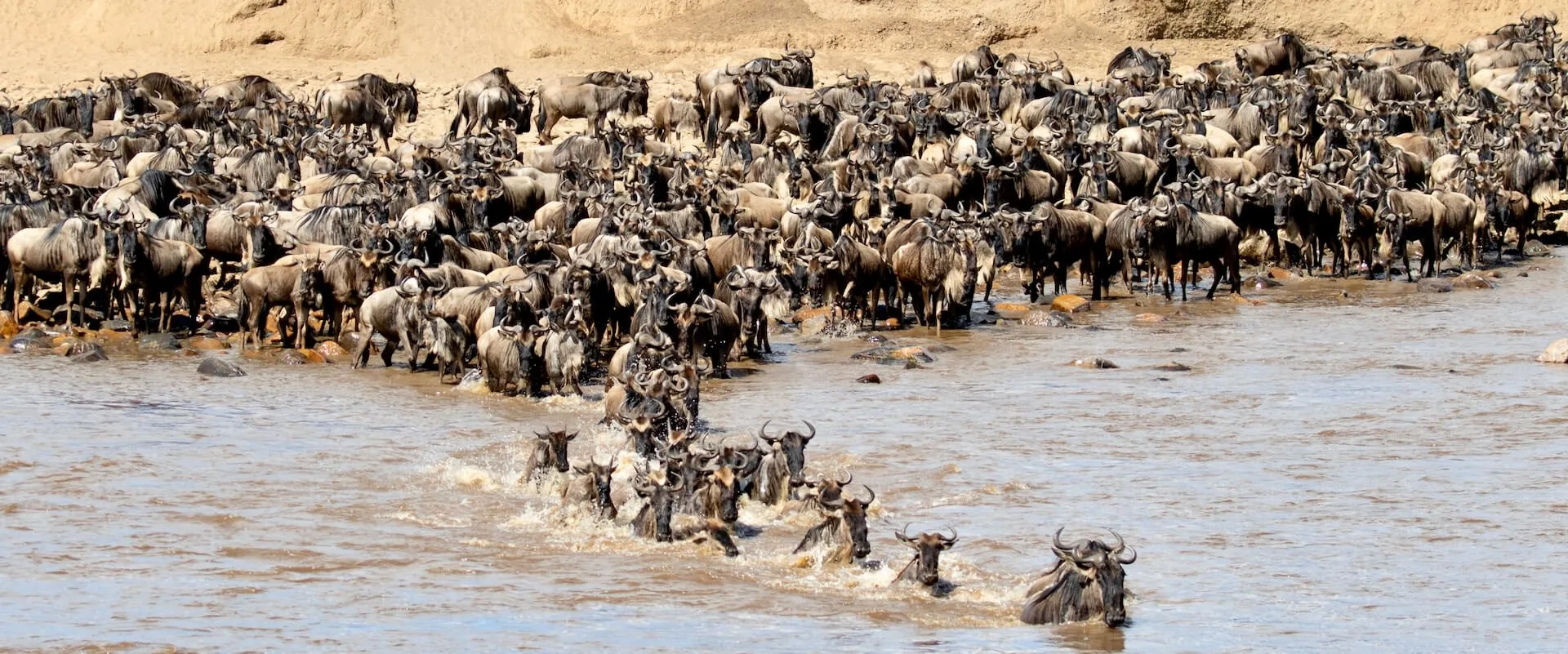
The Great Migration in Africa happens all year because the herds continuously circulate through the Serengeti–Mara ecosystem in…
Read article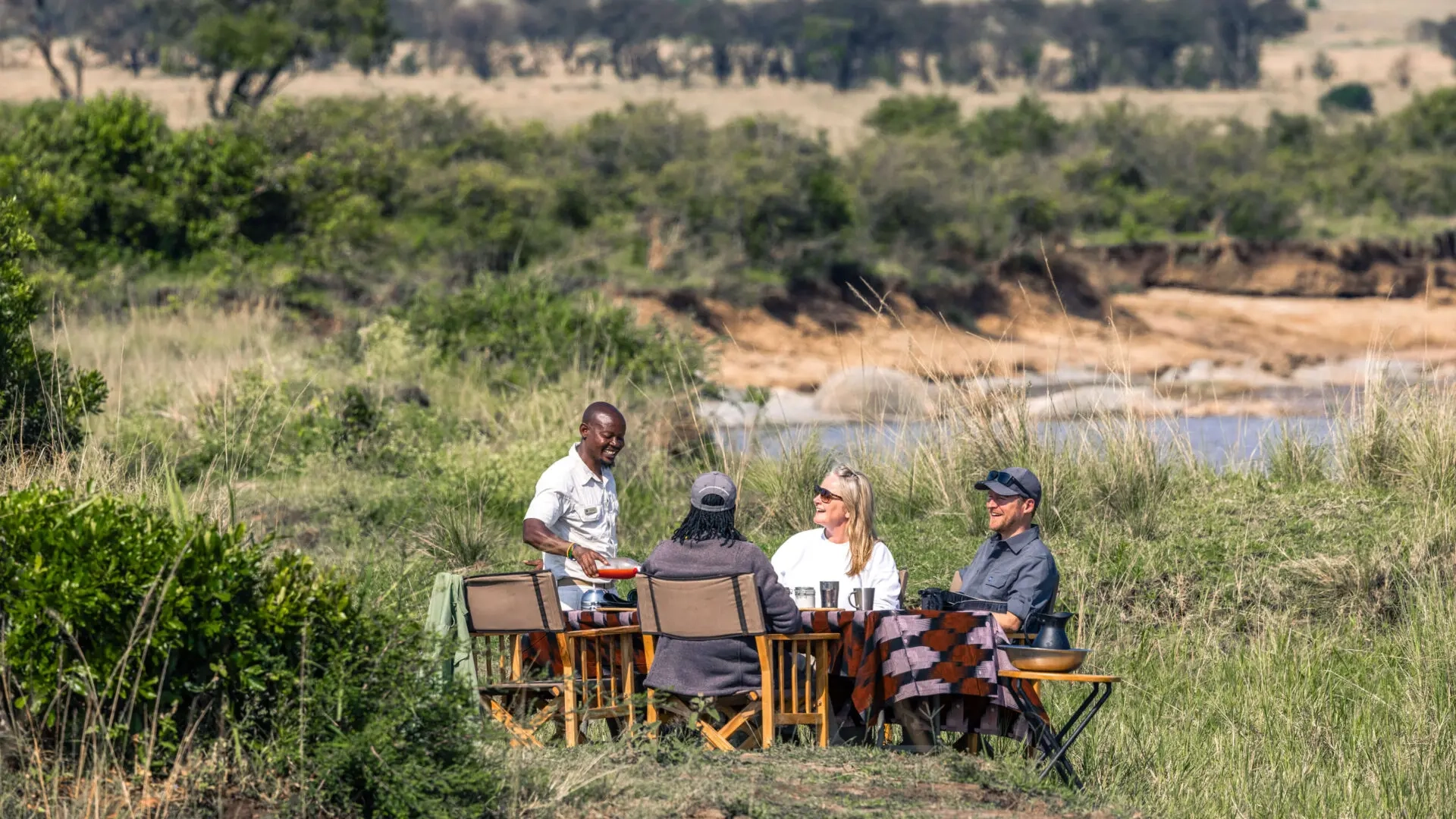
Definitive answer: A picnic lunch on safari is a packed or catered midday meal eaten at an approved…
Read article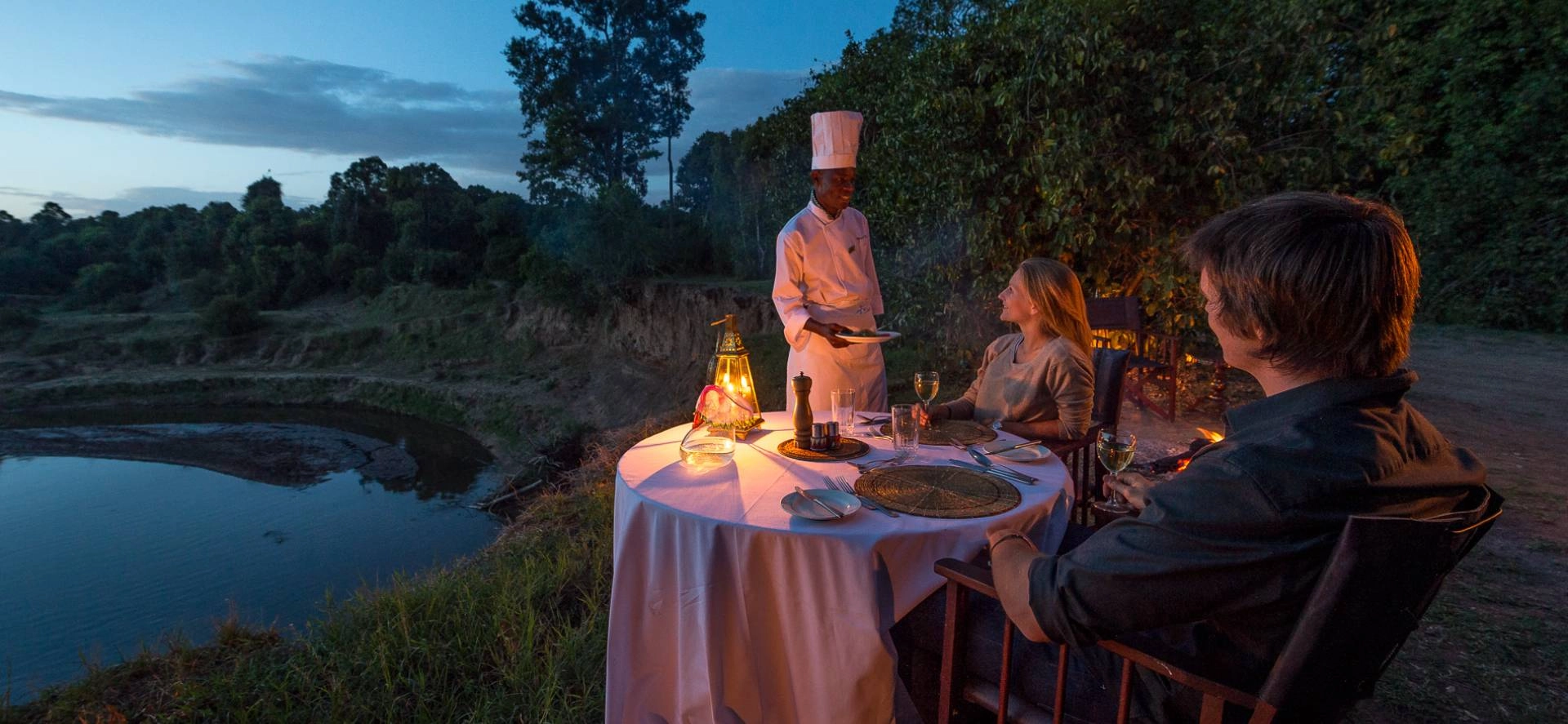
Definitive answer: A bush dinner is an outdoor evening meal arranged in a safe safari setting away from…
Read articleLet us take you closer to the wildlife, people and places that make Africa extraordinary.
Plan Your Safari Today