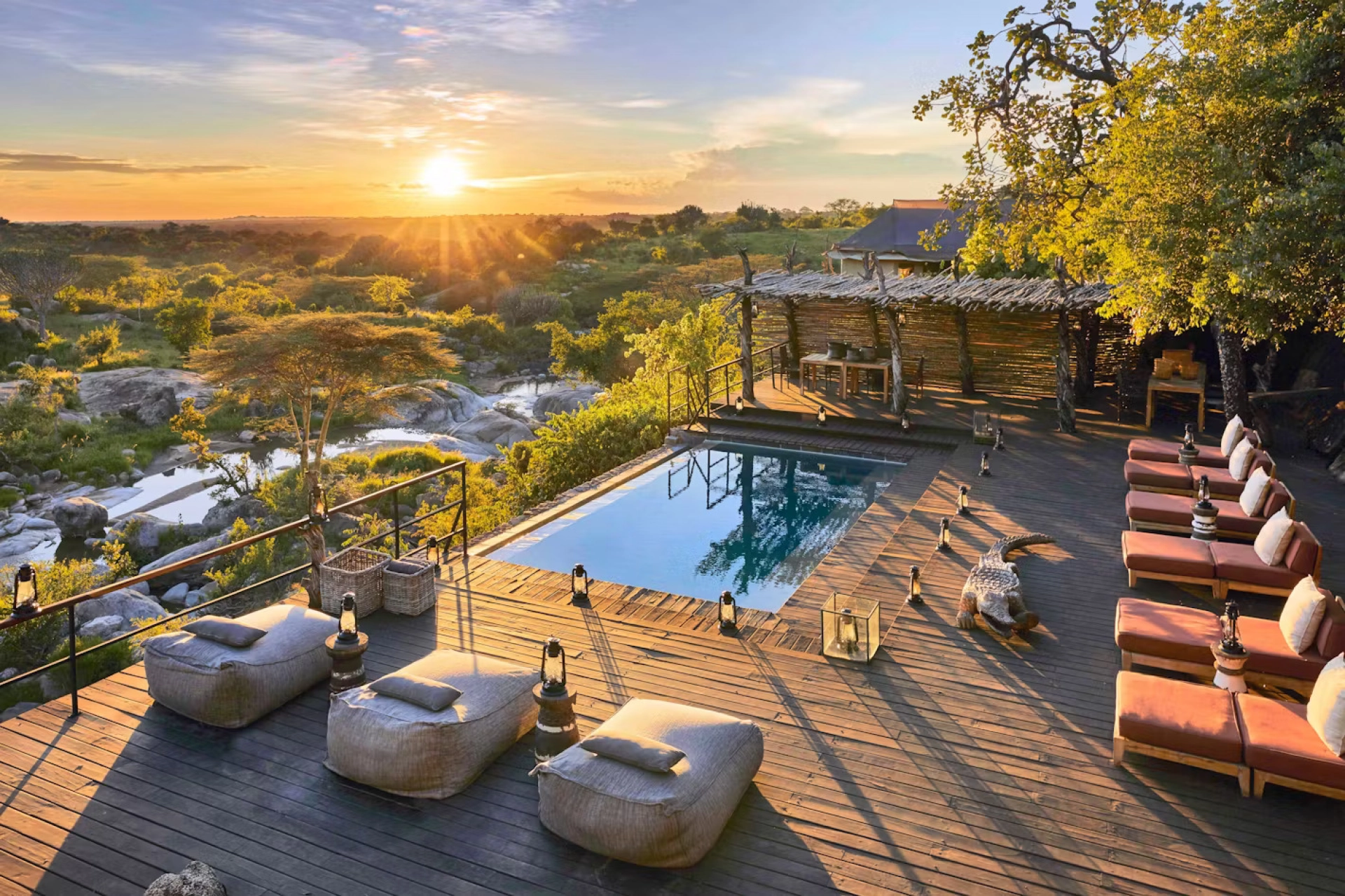
What should I look for when booking a luxury African safari?
When booking a luxury African safari, look beyond the room and compare the quality of guiding, wildlife location,…
Read article

Africa Travel Guide
--- Gorilla trekking in September is one of the most attractive choices for travelers planning to see mountain gorillas in Uganda because it falls around the transition between the generally drier middle months of the year…
—
Gorilla trekking in September is one of the most attractive choices for travelers planning to see mountain gorillas in Uganda because it falls around the transition between the generally drier middle months of the year and the wetter conditions that become increasingly influential later in the season. For many visitors, September provides an appealing balance: the possibility of relatively favorable hiking conditions, green mountain scenery, excellent opportunities to combine gorilla trekking with a broader Uganda wildlife safari, and convenient timing for travelers taking late-summer or early-autumn holidays in Europe and North America.
However, describing September simply as a “dry month” would be misleading.
Bwindi Impenetrable National Park is a tropical and montane forest. Rain can occur at any time of year. The landscape is mountainous, local weather can change quickly, and different sections of the park can experience different conditions on the same day. A bright morning can become cloudy. A short shower can arrive unexpectedly. Trails that appeared dry at breakfast can become slippery after rain.
That uncertainty is part of trekking through a genuine African rainforest. September therefore works best for travelers who want potentially favorable seasonal conditions without assuming that gorilla trekking will resemble a dry woodland hike. You should still pack waterproof clothing, reliable hiking boots, gloves and protection for cameras and phones. The reward for this preparation is extraordinary.
Uganda is one of the few places on Earth where travelers can enter natural mountain forest and spend regulated time observing habituated mountain gorillas. The experience is not a conventional wildlife drive. There is no safari vehicle separating you from the landscape. You walk through the forest, follow trackers, negotiate slopes and vegetation and eventually approach a gorilla family living within its natural habitat.
September can be an excellent month to undertake that journey.
The middle of the year is traditionally one of the most popular periods for Uganda gorilla trekking, with travelers attracted by relatively drier conditions. September sits toward the end of this broad period and begins the transition toward the second wetter season.
The exact transition is not fixed. Weather does not change because a calendar reaches September 1. Some years remain relatively dry well into September. Other years experience more frequent rainfall earlier. Climate variation, elevation and localized mountain weather all influence conditions. This is why a responsible safari planner should describe September in probabilities rather than guarantees.
What can be said confidently is that September remains a highly practical month for combining gorilla trekking with Uganda’s other major safari experiences. You can trek mountain gorillas in Bwindi, track chimpanzees in Kibale, search for lions and elephants in Queen Elizabeth National Park, take a boat safari on the Kazinga Channel, visit Murchison Falls or add Lake Mburo before returning to Entebbe. This diversity makes September particularly attractive to travelers who want more than a short gorilla excursion.
Uganda offers mountain gorilla trekking in two protected areas: Bwindi Impenetrable National Park and Mgahinga Gorilla National Park. Bwindi is the larger and more extensively developed gorilla trekking destination. Its tourism operations are divided across four principal trekking sectors: Buhoma, Ruhija, Rushaga and Nkuringo. Understanding these sectors is essential. Bwindi should never be treated as if it has one entrance where every traveler arrives in the morning.
The forest extends across a rugged mountainous region, and the trekking sectors are geographically separated. A traveler with a Rushaga gorilla permit should normally stay in the Rushaga area rather than booking a lodge near Buhoma simply because both properties advertise themselves as “Bwindi lodges.” Poor sector planning can create long and unnecessary road transfers. In September, when rain is possible and mountain roads can become slower after showers, correct sector planning becomes even more important.
Most visitors first hear of Bwindi because of gorillas, but the forest’s ecological significance extends much further. Bwindi occupies an extraordinary position along the Albertine Rift and contains a mixture of lowland and montane forest habitats. Its dramatic altitudinal variation helps support exceptional biodiversity. The forest is therefore not simply scenery surrounding the gorillas. It is the reason the gorillas can survive.
Understanding this changes the character of the trek. Instead of walking through vegetation while waiting for the “main attraction,” you begin noticing the entire ecosystem. Towering trees. Ferns. Vines. Butterflies. Bird calls. Monkeys. Forest streams. Signs of elephants. Layers of vegetation disappearing into mist. This broader appreciation is particularly important because mountain gorilla conservation ultimately depends on protecting habitat rather than only protecting individual animals. A gorilla cannot survive without forest. A gorilla population cannot remain viable if habitat becomes increasingly isolated or degraded. Your Bwindi gorilla trekking safari therefore takes place inside a much larger conservation story.
September scenery can be beautiful because the landscape rarely becomes truly dry in the way travelers might imagine from savannah destinations. The hills surrounding Bwindi remain extensively cultivated and green. Forest vegetation retains moisture. Clouds frequently form around mountain ridges.
Depending on recent rainfall, roads may produce some dust during drier spells while forest paths remain damp beneath the canopy. Later in the month, rainfall can become increasingly influential. This seasonal transition can produce dramatic skies. For photographers, the combination of green landscapes, clouds and occasional sunlight can be more visually interesting than uniformly clear conditions.
Morning mist is particularly atmospheric. Imagine leaving your lodge while clouds still hang between the hills, driving a short distance to the trekking briefing point and watching the forest gradually emerge as daylight strengthens. That is September in gorilla country.
Buhoma is the best-known of Bwindi’s trekking sectors and has an important place in the history of organized gorilla tourism in Uganda. Its northern location makes it especially useful for itineraries arriving from the Ishasha sector of Queen Elizabeth National Park. This geographical connection allows travelers to experience one of Uganda’s most satisfying safari transitions. You may spend one morning driving through Ishasha searching for lions, elephants and antelopes and later enter increasingly mountainous landscapes as you approach Bwindi.
The ecological contrast is remarkable. Open wildlife country gradually gives way to dense forest. Temperatures can become cooler. Roads begin winding through hills. By evening you are no longer in a savannah safari landscape but beside one of Africa’s great tropical forests. For travelers designing a Queen Elizabeth and Bwindi safari, Buhoma can therefore be highly practical.
Ruhija lies in eastern Bwindi and is associated with high-altitude forest landscapes.
Its elevation can produce noticeably cool mornings. This is an important packing consideration. Travelers frequently arrive in Uganda carrying clothing designed only for hot African weather. Then they wake before sunrise in the Bwindi highlands and discover that tropical Africa can be cold.
A fleece or lightweight insulating layer is extremely useful. During the trek, physical exertion will warm you, so clothing should be layered rather than excessively heavy. Ruhija also has significant appeal for birders. The Albertine Rift contains numerous range-restricted birds, making Bwindi birding safaris an important secondary reason to spend additional time around the forest.
Travelers serious about birds should consider an extra night rather than leaving immediately after their gorilla trek.
Rushaga lies in southern Bwindi and has become one of Uganda’s major gorilla tourism areas. Its position makes it particularly useful for itineraries connecting with Kisoro, Lake Mutanda, Mgahinga or Rwanda. Southern Bwindi is visually spectacular. Cultivated hills rise around deep valleys. Forest occupies steep slopes. On clear days, distant mountain scenery creates an extraordinary backdrop. September’s mixture of relatively dry spells and increasing seasonal moisture can make the landscape especially photogenic. Rushaga is also important for travelers researching the gorilla habituation experience in Uganda.
Gorilla habituation is not the same product as standard gorilla trekking and should be planned separately according to the current official arrangements and permit availability.
Nkuringo has a reputation for dramatic scenery and challenging terrain. The hills surrounding this part of southern Bwindi create some of the most memorable landscapes on a Uganda gorilla safari. Travelers should not interpret “challenging” as meaning only extremely fit people can visit. The actual difficulty of a gorilla trek depends heavily on where the assigned family is located on that particular day.
However, Nkuringo’s terrain means general fitness and good footwear are particularly valuable. September may provide relatively favorable trail conditions compared with wetter months, but rainfall remains possible. A porter is strongly recommended.
Mgahinga Gorilla National Park offers a completely different geographical atmosphere. The park forms part of the Virunga volcanic landscape and protects forest on the slopes of the Virunga Mountains. It is Uganda’s smallest national park, but its ecological importance is enormous. Mountain gorillas share this wider transboundary landscape with populations living across Rwanda and the Democratic Republic of Congo.
Mgahinga can be particularly attractive to travelers based around Kisoro. The park also offers golden monkey tracking, giving visitors an opportunity to combine two highly distinctive primate experiences. Golden monkeys are fast-moving, colorful and closely associated with the Virunga ecosystem. Their energetic movement through bamboo contrasts dramatically with the often more deliberate behavior of gorillas.
A Mgahinga gorilla and golden monkey safari can therefore be one of Uganda’s most rewarding short primate itineraries.
A typical Uganda gorilla trekking day begins early. You wake at your lodge, eat breakfast and travel to the appropriate briefing point. This is why lodge location matters. You do not want to begin one of the most important days of your safari with an unnecessarily long pre-dawn drive across mountain roads. At the briefing, park staff explain gorilla trekking rules and the day’s arrangements. Groups are then organized for different habituated gorilla families. Trekkers enter the forest with professional guides and trackers. The search may take a relatively short period or several hours.
There is no guaranteed trekking duration because gorillas move naturally through their habitat. Trackers use knowledge of the family’s previous location, feeding signs, nests, tracks and communication with field teams to locate the gorillas. This is wildlife tracking—not a scheduled zoo viewing.
Travelers frequently ask: “How long will my gorilla trek take?” The only accurate answer is that it depends. A family may have moved only a short distance overnight. Another may travel deeper into the forest. Food availability influences movement. Terrain influences the route. Weather affects walking speed. The location where trackers first establish contact determines the final approach. This uncertainty is part of the experience. If gorillas could be guaranteed at a specific tree at 10:15 every morning, the encounter would lose much of what makes it extraordinary. You are searching for wild primates living within natural habitat.
September weather can influence the physical difficulty, but it cannot predict where the gorillas will be.
The atmosphere often changes as trackers begin identifying fresh signs. Conversations become quieter. The group may leave a clearer trail. Vegetation becomes more difficult. Trackers may cut a path where appropriate. Then you begin noticing evidence that gorillas are close. Freshly broken vegetation. Feeding remains. Dung. Nests.
Sounds. Finally, the guide signals that the family is nearby. At this point, trekking equipment may be organized according to ranger instructions and visitors prepare for the controlled encounter. The transition can be emotional. After hours of concentrating on mud, roots and slopes, suddenly none of those things matter. A gorilla appears through vegetation.
Standard gorilla trekking provides a regulated period with a habituated gorilla family according to current park rules. That time passes remarkably quickly. At first, many visitors concentrate intensely on photography. Then they begin watching behavior. A female feeds quietly. A juvenile climbs through vegetation. An infant remains close to its mother. A silverback changes position and the entire atmosphere seems to shift. Gorillas can appear remarkably calm, but visitors should never confuse habituation with domestication. These are wild animals. The rules governing distance, movement, health and photography exist for conservation and safety. Follow your ranger at all times.
September can be excellent for gorilla photography in Uganda. The forest remains green while periods of softer light can make photographing dark gorilla fur easier than harsh direct sunlight. However, rainforest photography is technically difficult. The canopy reduces light. Vegetation creates visual clutter. Gorillas have dark fur that can challenge camera exposure systems. Movement may occur unexpectedly. A camera with good low-light performance helps, but technique matters more than owning the most expensive equipment.
Understand how to adjust ISO quickly. Know how to change shutter speed. Practice using exposure compensation. Avoid flash. Bring a lens cloth. Protect equipment from unexpected rain. A waterproof camera cover or dry bag should remain easily accessible rather than buried beneath everything else.
A smartphone is enough for many travelers. Modern phones can produce excellent images, particularly when the gorillas are reasonably close and light conditions are favorable. The greatest advantage is convenience. You can take several photographs and then put the phone away. This is important. Do not allow your entire gorilla encounter to become a content-production session. Look directly at the gorillas. Watch their eyes. Listen to feeding sounds. Notice how quietly such enormous animals can move. You can review photographs later. You cannot replay the actual hour.
Moderate physical preparation makes a major difference. Begin walking regularly before travel. Include hills where possible. Use stairs.
Develop endurance rather than focusing exclusively on speed. If you normally live at low altitude and have a sedentary lifestyle, several weeks of regular walking can dramatically improve comfort. You do not need to train like a mountaineer. You need to be able to walk for several hours over uneven terrain at a controlled pace.
September can offer relatively manageable conditions, but a rain shower can turn an ordinary slope into a slippery challenge. Good balance matters.
One of the most practical pieces of gorilla trekking advice is simple: Hire a porter. A porter carries your daypack and can assist on difficult sections. This leaves your hands available for balance and reduces fatigue. Porter employment also directs tourism income toward communities surrounding the forest. The value becomes particularly obvious halfway through a demanding trek. Your backpack may have felt light at breakfast. After several hours of climbing, every kilogram feels different.
There is little benefit in carrying unnecessary weight merely to prove that you can. Save your energy for the gorillas.
September packing should assume both sunshine and rain. Wear proper hiking boots with strong grip. Choose lightweight hiking trousers. Use a long-sleeved shirt to protect against vegetation.
Carry a breathable waterproof jacket. Bring gloves suitable for holding branches or vegetation when necessary. Gaiters can be useful. Carry drinking water. Protect electronics in waterproof bags. Bring sunscreen for exposed sections before entering the forest. Use insect repellent according to appropriate travel-health guidance. A small daypack is sufficient. Avoid carrying your entire travel luggage into the forest.
Mountain gorillas are biologically close to humans, making disease transmission an important conservation concern. Visitors should follow all current health requirements issued by park authorities. If you become seriously unwell before trekking, inform your guide and the responsible authorities. Do not hide symptoms simply because you are afraid of losing an expensive experience. The long-term health of the gorillas matters more than any individual photograph. This is part of responsible gorilla tourism.
September is a popular travel month, so Uganda gorilla permits should be secured early. Permit availability is limited because only controlled numbers of visitors can access habituated gorilla families each day. The permit is also tied to the practical structure of your itinerary. Once the trekking location is confirmed, your operator can choose suitable accommodation and build transfers around the correct sector.
Do not book a non-refundable lodge first and then begin looking for a permit. The sequence should normally be the opposite.
A September Uganda gorilla safari cost includes much more than the permit. Travelers should consider transportation, fuel, professional driver-guide services, accommodation, meals, park activities, border logistics where applicable and transfers between destinations. Solo travel costs more per person because vehicle expenses are carried by one traveler. Two travelers can share those fixed transport costs. Small private groups may achieve even better per-person value. Accommodation choice then determines another significant part of the budget.
A budget Uganda gorilla safari does not mean a lower-quality gorilla encounter. The main savings come from accommodation and transportation structure. Budget lodges are simpler. Rooms may have fewer luxury amenities. Dining may be less elaborate. But if the lodge is correctly located and comfortable, it can serve the purpose perfectly. The mountain gorilla encounter itself is regulated by park authorities rather than by your lodge category. This is one reason Uganda works well for travelers seeking relatively affordable gorilla trekking options.
Midrange is one of the most popular categories because it balances comfort and price. After several hours trekking through forest, a reliable hot shower, comfortable bed and good meal matter. Midrange lodges often provide attractive views and strong service without reaching premium luxury pricing. For many travelers, this is the ideal compromise.
A luxury gorilla safari in Uganda improves the journey surrounding the trek rather than changing the gorillas themselves. Luxury travelers may choose premium forest lodges, domestic flights, private transfers and highly personalized service. Flying can substantially reduce long road journeys. The northern Bwindi region can be accessed through Kihihi, while southern routes can use Kisoro according to flight schedules and operational conditions.
Road transfers remain necessary between airstrips and lodges.
The overland journey from Entebbe to Bwindi is long. For a very short gorilla itinerary, travelers may prefer domestic flights or a Kigali gateway. But for a longer Uganda safari, the road journey becomes part of the experience. Instead of driving directly, you can stop at Lake Mburo or incorporate Queen Elizabeth and Kibale. This transforms transportation into a multi-destination safari. Uganda rewards overland travel because the landscape changes continuously.
Domestic flights can significantly reduce transfer time. Travelers trekking in northern Bwindi commonly use Kihihi, while Kisoro serves southern routes. Weather and airline schedules can affect operations, so itineraries should retain realistic transfer margins. A flight does not deliver you directly to the gorillas. A road transfer still connects the airstrip with the relevant lodge.
A Kigali to Bwindi gorilla trekking safari is popular among travelers with limited time. Kigali’s position makes parts of southwestern Uganda accessible by road through an international border crossing. This can be particularly practical for Rushaga, Nkuringo and Mgahinga-area itineraries. Travelers must comply with the visa, immigration and health requirements applicable at the time of travel.
Never build a border-crossing itinerary around outdated online information. Requirements can change.
One of Uganda’s greatest advantages is the ability to combine gorilla trekking and chimpanzee trekking in the same country. Kibale National Park is the country’s flagship chimpanzee destination. The chimpanzee experience differs dramatically from gorillas. Chimpanzees are often more vocal. They can move rapidly. They climb high into trees. Their communities display complex social interactions.
Combining both species creates an exceptional Uganda primate safari.
The classic western Uganda circuit links Kibale, Queen Elizabeth National Park and Bwindi. This route works exceptionally well because every destination provides a different wildlife environment. Kibale gives you chimpanzees. Queen Elizabeth provides savannah wildlife. The Kazinga Channel introduces boat-based wildlife viewing. Ishasha provides a chance to search for its famous lions. Bwindi culminates with mountain gorillas. Few African itineraries provide this much ecological variety within a relatively compact circuit.
The Kazinga Channel boat safari deserves particular attention. Travelers often focus entirely on game drives when imagining an African safari, but water changes wildlife viewing. Hippos gather in large numbers. Crocodiles rest along the shoreline. Elephants may approach to drink. Buffalo can stand partly submerged. Waterbirds become a constant part of the experience. For photographers, the lower perspective from the boat creates excellent opportunities.
The Ishasha sector can form the geographical bridge between Queen Elizabeth and Bwindi. It is famous for tree-climbing lions, although no safari should guarantee that lions will be found in trees. Wildlife chooses where to rest. Even when the lions remain on the ground or are not located, Ishasha provides beautiful open landscapes and an enjoyable transition toward the forest.
Travelers trekking in southern Bwindi can combine the experience with Lake Bunyonyi. The lake’s terraced hills and islands provide a calm contrast after the physical intensity of trekking. A relaxed afternoon here can be more valuable than immediately beginning another long drive. Uganda itineraries often become better when one deliberately slow day is added.
Lake Mutanda is another beautiful option, especially for travelers using Kisoro, Rushaga, Nkuringo or Mgahinga. Views toward the Virunga volcanoes can be magnificent when conditions are clear. The combination of lake, mountains and primate trekking creates a particularly attractive itinerary for couples and photographers.
If your itinerary includes Mgahinga, add golden monkey tracking in Uganda. Golden monkeys are among the Virunga region’s distinctive primates. They frequently occupy bamboo habitat and move far more quickly than gorillas. Photography can therefore be challenging but rewarding. A two-primate itinerary provides much greater appreciation of the region’s biodiversity.
September is also worth considering for birding in Bwindi. The park lies within one of Africa’s most important montane biodiversity regions. Travelers who arrive solely focused on gorillas often leave surprised by the forest’s birds. A specialist bird guide can reveal species that an ordinary visitor would never notice. Birding also encourages slower travel. Instead of rushing from park to park, you begin reading the landscape.
Mountain gorilla tourism represents one of the clearest examples of wildlife conservation and tourism being directly connected. Permits restrict visitor numbers. Professional trackers and rangers protect and monitor gorilla families. Tourism creates employment. Accommodation and guiding create economic activity around protected landscapes. None of this means tourism is impact-free. That is precisely why visitor rules matter. Responsible tourism requires controlled numbers, appropriate health measures and respect for wildlife behavior.
Bwindi’s significance extends beyond tourism. The forest protects an extraordinary range of plants, mammals, birds, butterflies and other organisms associated with the Albertine Rift. This makes your gorilla trek part of a much bigger ecological landscape. When you see a silverback, you are seeing the most famous inhabitant of a forest containing thousands of interconnected species.
Protecting the gorilla means protecting the forest. Protecting the forest protects watersheds, birds, insects, plants and other primates. This ecosystem perspective should remain central to sustainable gorilla trekking in Uganda.
September can be an excellent month for a Uganda gorilla honeymoon. Couples can combine a forest lodge with Lake Mutanda, Queen Elizabeth National Park or a beach extension elsewhere in East Africa. The key is balancing adventure with relaxation. Do not schedule every honeymoon day around a 5:30 a.m. alarm. After trekking, spend time enjoying the lodge. Add a lake. Use domestic flights where budget permits. A honeymoon should feel adventurous without becoming exhausting.
Solo travelers can trek gorillas perfectly successfully. The primary cost disadvantage is transportation because a private vehicle is not shared. Joining a scheduled small-group safari can reduce this cost where appropriate. Alternatively, a private solo safari provides complete itinerary flexibility. For photographers and independent travelers, that flexibility can justify the additional expense.
Families should verify current minimum-age requirements before confirming permits.
Children unable to participate need appropriate alternative arrangements. This should be planned before arrival. For eligible teenagers, gorilla trekking can be one of the most powerful wildlife experiences available anywhere in Africa.
Yes, many travelers with ordinary fitness levels successfully trek. But nobody can guarantee an easy route. Prepare. Walk regularly. Hire a porter. Use proper footwear. Tell your guide about limitations. A gorilla trek becomes far more enjoyable when you are physically prepared enough to look at the forest rather than spending every minute worrying about the next hill.
You continue according to ranger guidance. Rain is normal in Bwindi. Put on waterproof clothing. Protect electronics. Slow down on slippery terrain. Do not become disappointed because the weather application displayed a sun icon. You are visiting rainforest. Rain is part of the ecosystem that makes the gorilla habitat possible.
August is typically associated with relatively dry conditions and strong peak-season demand. September can retain many favorable trekking characteristics while gradually becoming greener and potentially wetter. There is no meaningful difference in the quality of the gorillas. Choose based on permit availability, wider itinerary, international airfare and personal schedule.
October generally falls more clearly within the second wetter period. September can therefore appeal to travelers seeking somewhat better odds of drier trekking conditions. However, no month guarantees dry forest. A wet September day can be more challenging than a dry October day. Seasonal averages are planning tools—not promises.
November is generally wetter. Travelers especially concerned about mud may prefer September. Travelers prioritizing very green landscapes and potentially quieter seasonal demand may enjoy November. Both provide authentic gorilla trekking.
December moves toward another relatively drier period but also overlaps with major international holidays. Christmas and New Year travel can increase demand. September may therefore provide an attractive alternative for travelers with flexibility.
Yes. September remains a desirable travel month. Secure gorilla permits before they become the limiting factor in your safari. Popular lodges can also fill. The earlier you begin, the more flexibility you have over trekking sector, accommodation category and overall route.
A strong September itinerary might begin in Entebbe, continue to Kibale for chimpanzees, move through Queen Elizabeth National Park for game drives and the Kazinga Channel, travel through Ishasha toward Bwindi, trek mountain gorillas and finish with Lake Bunyonyi or Lake Mutanda before returning to Entebbe or continuing to Kigali. This is only one possibility. The route should reflect the traveler. Someone with four days requires a completely different design from someone with two weeks.
September deserves its reputation as one of the most practical months for a Uganda mountain gorilla safari. It offers a compelling balance between seasonal conditions, beautiful landscapes and excellent possibilities for combining gorillas with the rest of Uganda. But the real reason to choose September is not simply weather. It is what the month allows you to build around the trek.
Chimpanzees in Kibale. Elephants beside the Kazinga Channel. Lions in Queen Elizabeth. Highland lakes. Albertine Rift birds. Golden monkeys. And eventually, deep inside the forest, mountain gorillas. That combination transforms a gorilla trek into a complete African journey.
Adventure in the Wild Safaris designs private and small-group September Uganda gorilla trekking safaris around your available dates, budget and preferred travel style. We can coordinate your Uganda gorilla trekking permit, match accommodation to the correct Bwindi sector, arrange professional safari transportation and connect the trek with Kibale National Park, Queen Elizabeth National Park, Ishasha, Lake Bunyonyi, Lake Mutanda, Mgahinga Gorilla National Park, Rwanda or a wider East African itinerary.
Whether you want a budget gorilla safari, midrange Uganda gorilla tour, luxury gorilla trekking holiday, honeymoon, photography trip, solo journey or complete primate safari, September gives you an excellent foundation. Come prepared for the forest. Give yourself enough time. And allow Uganda to show you far more than gorillas.
Get quick answers to the most common questions about gorilla trekking in Africa. If you still have questions, our safari experts are here to help.
Yes. September is generally an excellent month, particularly for travelers wanting to combine gorilla trekking with a longer Uganda safari.
Yes. Rain is possible throughout the year, and rainfall can become more frequent as September progresses.
The gorillas remain in their habitat year-round. Trekking conditions change seasonally, but the month does not guarantee easier gorilla locations.
Yes. Permit numbers are controlled, so early booking provides better flexibility.
Yes, Uganda gorilla itineraries can begin or end in Kigali, subject to current border and immigration requirements.
Yes. A September itinerary can combine Bwindi with Kibale chimpanzee trekking.
Yes. Uganda itineraries can incorporate savannah wildlife, and longer East African trips can continue into Kenya, Tanzania or Rwanda.
Our safari experts are here to help you plan your gorilla trekking adventure. Get personalized advice, the latest information and a free, no-obligation quote.
We typically reply within a few hours.
“Gorilla trekking is more than a safari — it’s a powerful reminder of our shared humanity and the importance of protecting our natural world.”
— Adventure in the wild Safaris

Share This Article
When booking a luxury African safari, look beyond the room and compare the quality of guiding, wildlife location,…
Read article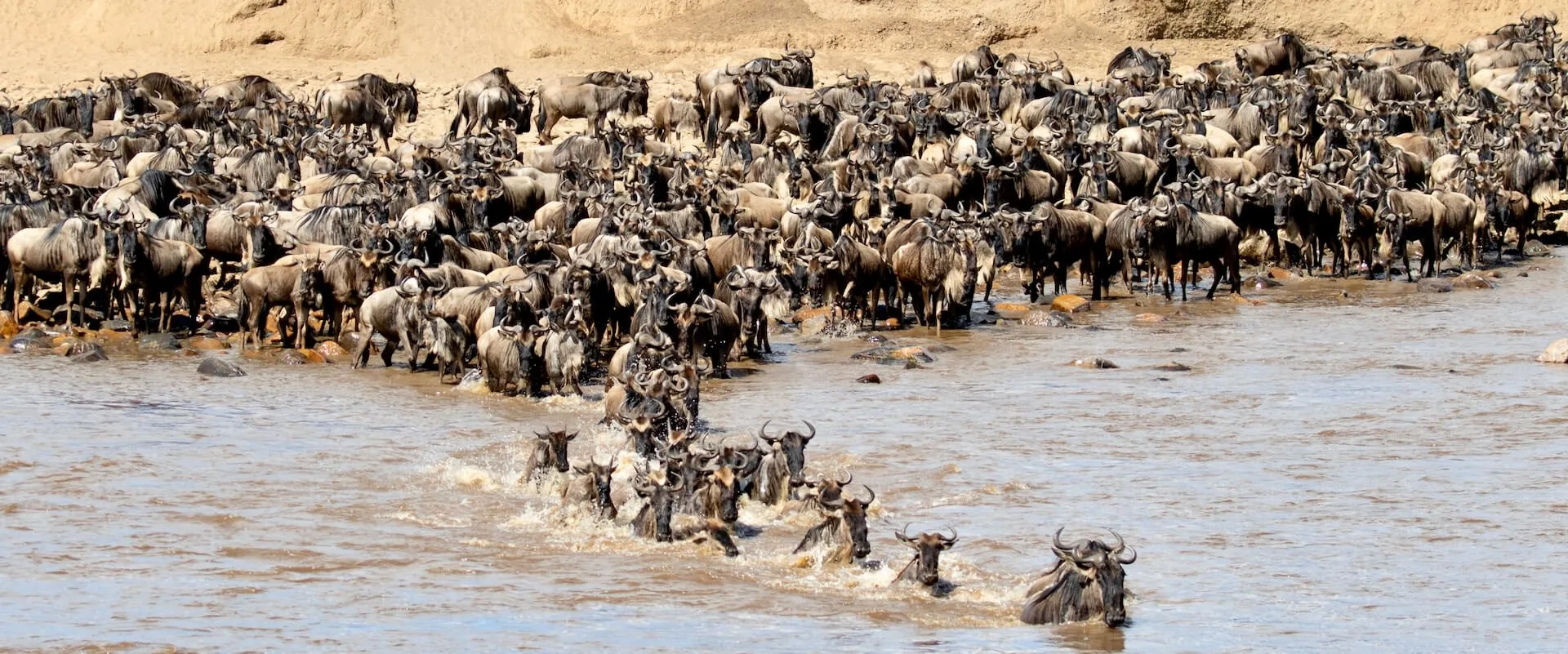
The Great Migration in Africa happens all year because the herds continuously circulate through the Serengeti–Mara ecosystem in…
Read article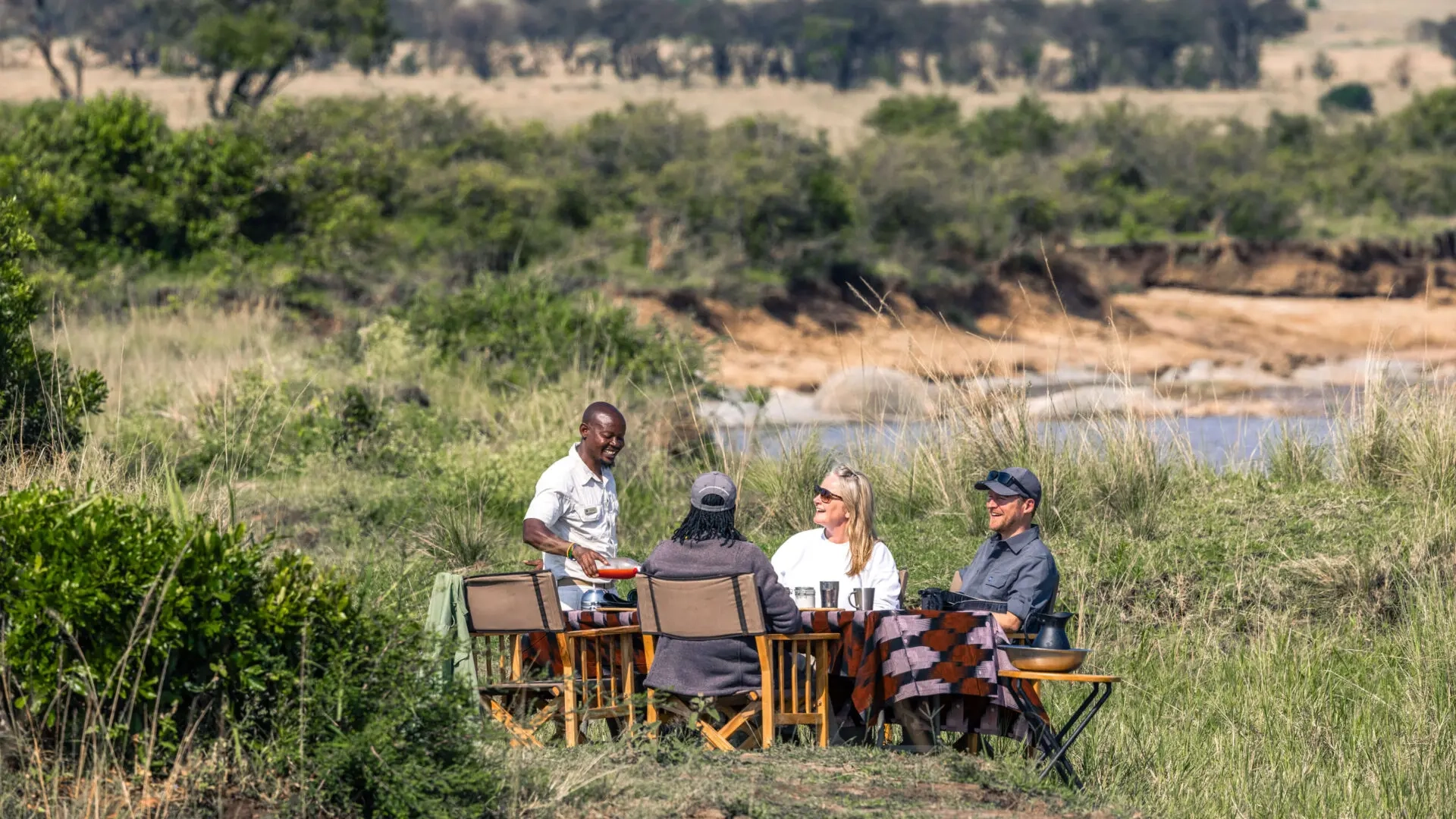
Definitive answer: A picnic lunch on safari is a packed or catered midday meal eaten at an approved…
Read article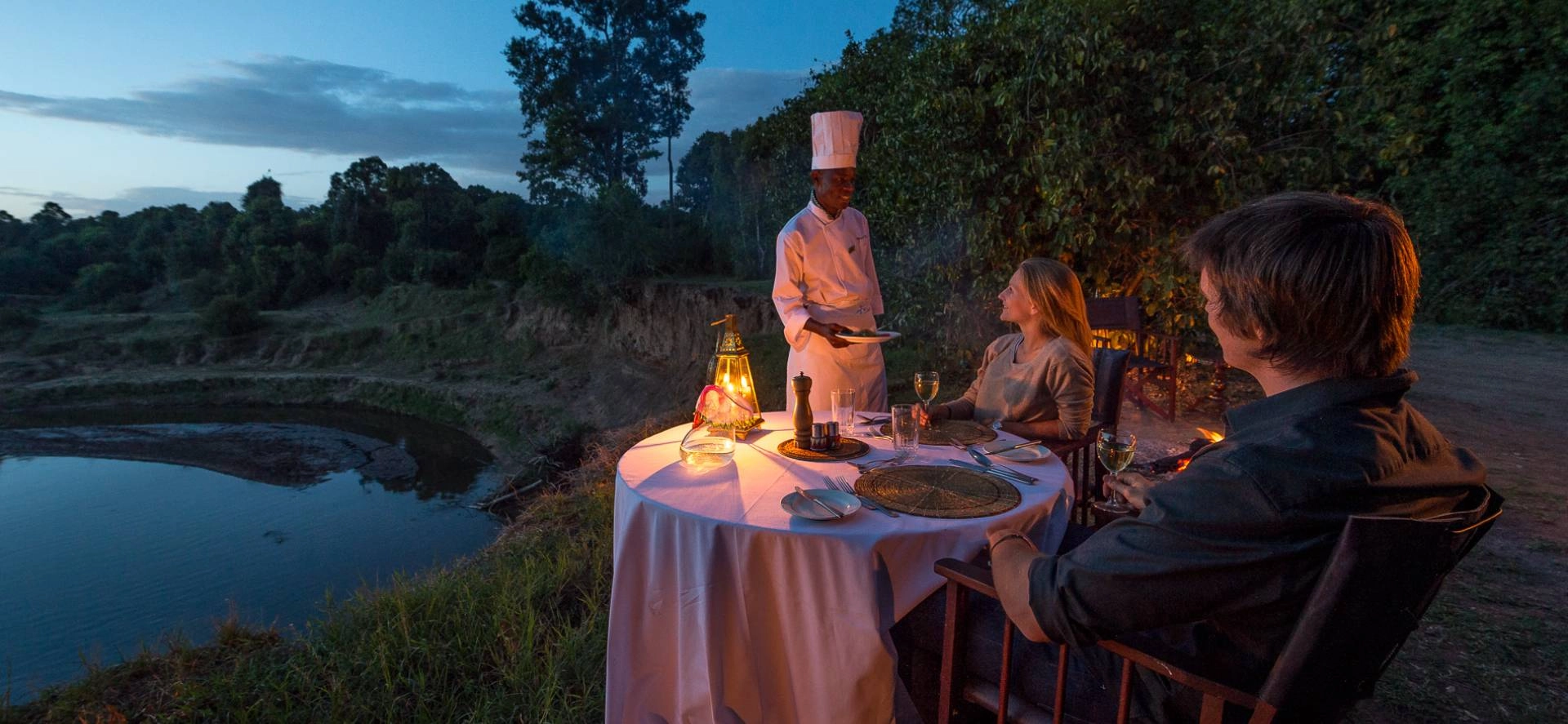
Definitive answer: A bush dinner is an outdoor evening meal arranged in a safe safari setting away from…
Read articleLet us take you closer to the wildlife, people and places that make Africa extraordinary.
Plan Your Safari Today