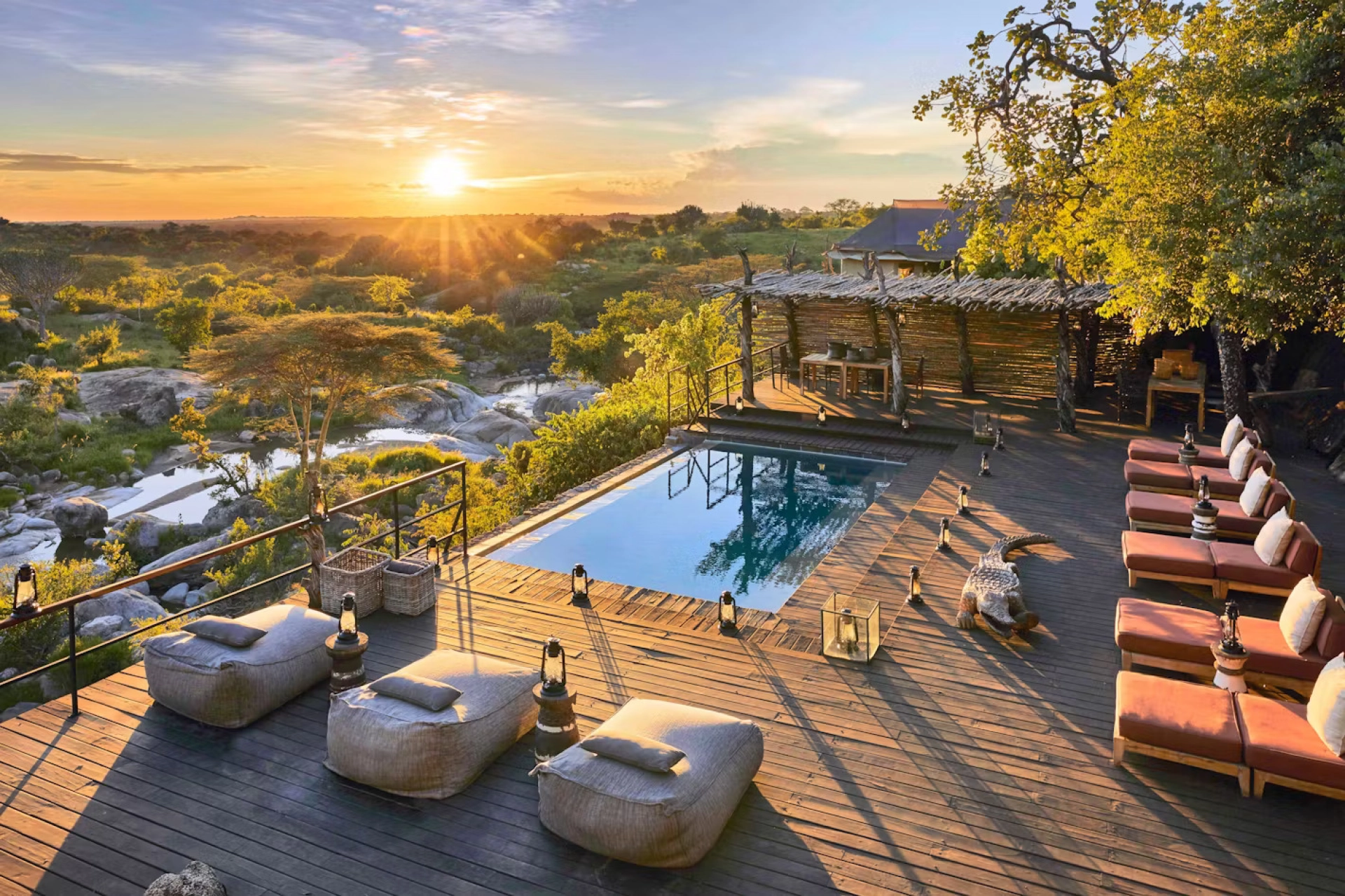
What should I look for when booking a luxury African safari?
When booking a luxury African safari, look beyond the room and compare the quality of guiding, wildlife location,…
Read article

Africa Travel Guide
--- Gorilla trekking in Uganda is one of Africa's most extraordinary wildlife experiences and one of the few adventures where the journey to find the animal becomes almost as meaningful as the sighting itself. Instead of…
—
Gorilla trekking in Uganda is one of Africa’s most extraordinary wildlife experiences and one of the few adventures where the journey to find the animal becomes almost as meaningful as the sighting itself. Instead of watching wildlife from the relative comfort of a safari vehicle, travelers enter mountain rainforest on foot, accompanied by professional trackers and guides, to search for habituated families of wild mountain gorillas.
The setting is fundamental to the experience. Uganda’s gorillas live within the extraordinary forests of Bwindi Impenetrable National Park and Mgahinga Gorilla National Park in the country’s far southwest. These landscapes lie within the wider Albertine Rift and Virunga region, one of Africa’s most biologically important areas. The terrain can be steep. The forest can be wet. The trek can take hours. There is no guarantee that the gorillas will conveniently remain beside an easy path.
And that is precisely why the experience is so powerful. You do not arrive at an enclosure. You enter their ecosystem. The sounds change as you move beneath the canopy. Light becomes softer. Forest vegetation closes around the trail. Trackers begin noticing signs that an inexperienced visitor would walk past without a second glance. A bent plant. Fresh dung. A nest. A feeding site. Then voices become quieter. The guides tell you the gorillas are close. Moments later, you may find yourself looking into the face of a mountain gorilla. For many travelers, that moment becomes the defining memory of their African journey.
Yet planning a successful Uganda gorilla trekking safari requires more knowledge than simply buying a permit and booking a hotel called “Bwindi Lodge.” You need to understand trekking sectors, permit logistics, road connections, seasonal conditions, fitness, accommodation location, conservation rules and how gorilla trekking can be combined with Uganda’s other national parks. This guide explains the experience from beginning to end.
Uganda’s greatest strength is not merely that it has mountain gorillas. It is that gorilla trekking can be incorporated into one of Africa’s most diverse safari itineraries. A traveler can track chimpanzees in Kibale, cruise among hippos on the Kazinga Channel, search for lions in Queen Elizabeth National Park, trek mountain gorillas in Bwindi, track golden monkeys in Mgahinga and relax beside Lake Bunyonyi—all within the same country.
Longer itineraries can add Murchison Falls, rhino tracking at Ziwa, Lake Mburo, Kidepo Valley or the Rwenzori region. This gives Uganda gorilla safaris enormous flexibility. A three-day visitor can focus almost entirely on gorillas. A seven-day traveler can combine gorillas with one or two additional parks. A ten- to fourteen-day visitor can experience a much broader cross-section of Uganda. This is why Uganda is particularly compelling for travelers who do not want their African holiday to revolve around only one species.
Mountain gorilla trekking in Uganda takes place in: Bwindi Impenetrable National Park and Mgahinga Gorilla National Park.
Both are located in southwestern Uganda, but they offer different landscapes and logistical possibilities. Bwindi is the principal destination and contains several trekking sectors. Mgahinga is part of the Virunga volcanic ecosystem and provides an alternative experience that can be combined particularly well with golden monkeys and Kisoro-area activities. Understanding the difference between the two is one of the first steps in planning.
Bwindi is one of Africa’s most celebrated tropical forests. It protects an exceptional range of elevations and habitats within the Albertine Rift. The forest is internationally recognized not only because of mountain gorillas but also because of its wider biodiversity. Birds, butterflies, other primates, forest mammals and an enormous variety of plants share this ecosystem.
The landscape is mountainous. Deep valleys separate ridges. Streams cut through forest. Vegetation can become extremely dense. This terrain creates the physical character of Bwindi gorilla trekking. A trek may involve climbing and descending. You may follow established trails initially and later move through less-defined vegetation as trackers approach the gorillas. Conditions change daily. No two treks are identical.
Bwindi is divided into four principal tourism sectors for gorilla trekking: Buhoma Ruhija Rushaga and Nkuringo. These names are extremely important. They determine where you should sleep. They influence how you approach the park. They affect which destinations logically fit before and after the trek. One of the most common mistakes in independent Uganda gorilla safari planning is booking a lodge simply because its website says “Bwindi.” Bwindi is not one small village.
A lodge near one sector can be several hours by road from another. Your gorilla permit location and accommodation therefore need to be coordinated.
Buhoma lies on the northern side of Bwindi and is the park’s historic gorilla tourism hub. Its geographical position makes it especially attractive for travelers arriving from Queen Elizabeth National Park, particularly through Ishasha. This creates one of Uganda’s most logical safari routes. You can begin with chimpanzees in Kibale. Continue to Queen Elizabeth for game drives. Take a boat safari on the Kazinga Channel. Drive south through Ishasha. Then enter Bwindi through Buhoma for gorilla trekking.
Every destination changes the ecosystem. The itinerary develops naturally rather than feeling like disconnected attractions. Buhoma also has a broad accommodation network, ranging from simpler properties to high-end lodges.
Ruhija lies in eastern Bwindi and occupies a highland setting. The elevation creates cooler conditions and spectacular mountain forest scenery. Ruhija is also particularly important for birding. Serious birdwatchers visiting Uganda frequently include this region because Bwindi forms part of the Albertine Rift, which supports numerous range-restricted species. For travelers combining gorilla trekking and birding in Uganda, Ruhija deserves consideration beyond simply the morning gorilla trek. Spend additional time. Walk slowly. Listen.
Bwindi is much more than one mammal.
Rushaga is located in southern Bwindi. Its position works particularly well for travelers arriving through Kisoro or Kigali. Southern Bwindi is surrounded by beautiful highland scenery, with steep cultivated hills and distant views toward the Virunga region. Rushaga is also important for travelers interested in the gorilla habituation experience, subject to current official arrangements. Habituation and standard trekking should not be confused. Standard gorilla trekking involves visiting a habituated family according to the normal regulated visitor period. The habituation experience is a separate tourism product associated with the longer process through which gorillas become accustomed to controlled human observation. Permit structure, visitor time and availability differ.
Travelers specifically interested in habituation should request it at the beginning of the planning process.
Nkuringo occupies a dramatic southern Bwindi landscape. The region is famous for steep hills and panoramic scenery. Treks can be physically demanding, although the exact difficulty always depends on the gorilla family’s location. Fit and active travelers often love Nkuringo.
Less-active visitors should not automatically avoid it, but they should prepare realistically. Hire a porter. Wear proper boots. Use a walking stick. Move at a comfortable pace. The trek is not competitive.
Mgahinga Gorilla National Park is very different from Bwindi. Rather than an isolated ancient forest block, Mgahinga forms part of the Virunga volcanic ecosystem. The park lies beneath dramatic volcanic peaks and protects montane forest, bamboo and higher-altitude vegetation. Its relatively small size should not be interpreted as low importance. Mgahinga forms part of a much larger transboundary conservation landscape. Wildlife does not recognize international borders. The Virunga ecosystem extends across Uganda, Rwanda and the Democratic Republic of Congo. This makes Mgahinga one of the most fascinating places to understand regional conservation.
A Mgahinga gorilla trek begins with the same fundamental objective as Bwindi: locating a habituated mountain gorilla family under controlled tourism conditions. But the environment feels different. Volcanoes dominate the wider landscape. Bamboo becomes more prominent. Kisoro provides the main nearby town. Lake Mutanda can be incorporated easily. Golden monkey tracking is available within the same national park. For travelers wanting a concentrated Uganda primate adventure, Mgahinga can therefore be exceptional.
The opportunity to combine gorilla trekking with golden monkey tracking is one of Mgahinga’s strongest attractions. Golden monkeys are much smaller and faster than gorillas. They move through bamboo and vegetation with agility. Their distinctive coloration makes them beautiful photographic subjects. Where gorillas can appear deliberate and contemplative, golden monkeys often create an energetic experience. Doing both activities demonstrates how dramatically primate species differ even within broadly similar mountain habitats.
The mountain gorilla is a subspecies of the eastern gorilla and survives only within a restricted region of east-central Africa. Unlike lowland gorillas found in other parts of the continent, mountain gorillas occupy high-elevation forests. They live in social groups generally structured around one or more adult males, adult females and younger animals, although family composition varies. A mature male develops the characteristic silver coloration across the back that gives rise to the term silverback gorilla.
The silverback plays a central role in group protection and social stability. Watching one at close range reveals a combination of immense physical power and surprisingly subtle behavior.
Gorillas spend substantial time feeding. Their diet consists predominantly of plant material, though the exact composition varies according to habitat and availability. Adults move through vegetation methodically. Females care for infants. Juveniles play, climb and interact. Silverbacks monitor the group. The encounter may appear peaceful, but travelers should remember that they are watching a functioning wild social group rather than animals performing for visitors. Some of the most memorable behavior is ordinary.
An infant sleeping. A mother feeding. A juvenile rolling through vegetation. A silverback sitting quietly. Safari becomes more meaningful when travelers stop expecting constant dramatic action.
Before tourists can regularly visit a gorilla family, the animals undergo a carefully managed process of becoming accustomed to controlled human presence. This is known as gorilla habituation. Researchers, trackers and conservation teams gradually introduce their presence over an extended period. The objective is not to domesticate gorillas. The animals remain wild. Habituation allows carefully regulated research, monitoring and tourism while attempting to minimize disturbance. This distinction is critical. A habituated gorilla is not tame.
Visitors must continue following strict behavioral rules.
Travelers frequently ask about gorilla trekking vs gorilla habituation. Standard trekking is the most common option. You trek to a habituated family and receive the standard regulated observation period after contact is established. The habituation experience is a different product providing more extended involvement around a group undergoing the habituation process, according to the current official structure.
It generally costs more and has much more limited availability. Photographers and travelers with a particularly strong interest in primate behavior may find habituation attractive. First-time visitors with limited time will often find standard trekking completely satisfying.
A Uganda gorilla trekking permit is mandatory. Permits regulate visitor numbers and form part of the conservation and tourism-management system. The official price can change between tariff periods. For this reason, travelers should always confirm the current Uganda gorilla permit price applicable to their nationality/residency category and travel date. Do not rely on a travel blog written several years earlier. The permit is one of the first components that should be secured once travel dates are confirmed.
Visitor limits exist for a reason. Mountain gorillas are endangered wild primates living within sensitive ecosystems. Allowing unlimited tourists into the forest would increase disturbance, disease risk, trail pressure and management challenges. Controlled permit numbers therefore protect both wildlife and the quality of the visitor experience. This is also why last-minute availability cannot be guaranteed. Popular dates can sell out.
Travelers can arrange permits through the authorized booking structure or through a licensed safari operator managing the wider itinerary. Using a safari operator can simplify coordination because the permit must align with: your trekking date, your trekking sector, your lodge, your transport route, and the destinations immediately before and after Bwindi. The permit should never be treated as an isolated ticket. It is the anchor around which the gorilla portion of your safari is built.
The permit is not the total cost of the safari. Your Uganda gorilla trekking cost may also include private vehicle transportation, professional driver-guide services, fuel, accommodation, meals, airport transfers, additional park activities and potentially domestic flights. Travelers comparing tour prices should examine what is actually included. A cheaper quotation may exclude the permit. Another may use lower accommodation standards. Another may involve group transportation. Compare like with like.
The morning begins early. You eat breakfast at your lodge and travel to the correct park briefing point. Park staff explain trekking procedures and gorilla rules. Visitors are assigned according to the day’s operational structure. Guides and trackers then lead groups into the forest. The first part of the trek may follow a defined path. Later, depending on gorilla location, the route can become more challenging. Trackers use knowledge from previous observations and signs in the forest to locate the family.
The duration varies. This is why travelers should avoid scheduling another major activity immediately after the trek.
Gorillas are not stationary.
They move according to food availability, social dynamics and other ecological factors. A family that was relatively close to the trail yesterday may move deeper into the forest overnight. This is why nobody can promise that your trek will take exactly two hours. The unpredictability is not poor organization. It is evidence that you are visiting wild animals.
The word Impenetrable sounds intimidating. In practice, the trek combines paths, forest trails and potentially sections of dense vegetation depending on where the gorillas are located. The terrain is often the bigger challenge. Bwindi contains steep ridges and valleys. Mud can make descents slippery. Roots cross paths. Streams may need to be negotiated. This is why proper footwear matters far more than fashionable safari clothing.
You need reasonable general fitness. You do not need to be an athlete. A person accustomed to walking several kilometers and climbing hills will generally be better prepared than someone who is completely sedentary. Begin preparing several weeks before travel. Walk regularly. Use stairs. Include hills. Wear the hiking boots you intend to bring. The goal is not speed. The goal is being able to continue walking comfortably for several hours.
Hire a porter. This advice deserves repetition. A porter carries your backpack and helps you through difficult terrain. The service makes trekking easier and directs income into communities living around the park. Many travelers initially think: “I can carry my own bag.” Of course you can. The question is whether you need to. If hiring someone allows you to conserve energy and simultaneously supports local employment, there is little reason not to do it.
Keep your daypack simple. Water. Packed food if provided or required. Rain protection. Camera. Phone. Spare battery. Necessary personal medication. Sunscreen. Insect repellent. A few tissues or personal essentials. Do not carry unnecessary valuables. Your porter can help with the pack, but reducing weight still makes sense.
Wear long hiking trousers. Use a lightweight long-sleeved shirt. Choose strong hiking boots with reliable grip. Carry a waterproof jacket. Wear long socks. Consider gaiters. Bring gloves. Layer clothing because mornings can be cool while trekking generates substantial body heat. Avoid heavy cotton garments that remain wet for hours. Technical fabrics that dry quickly are more practical.
Water-resistant or waterproof hiking boots can be valuable, especially during wetter periods. However, grip and comfort are equally important. A waterproof boot that causes severe blisters is not useful. Break footwear in before travel. Never make your gorilla trek the first serious walk in brand-new boots.
Uganda’s relatively drier periods are often considered popular times for trekking. Trails may be firmer. Rainfall may be less frequent. Road conditions can be easier. However, “dry season” does not mean “no rain.” Bwindi remains rainforest. Always carry rain protection.
The wetter months provide a different experience. Forest vegetation becomes exceptionally lush. Trails may be muddier. Cloud and mist create atmospheric scenery. Some travelers prefer these conditions because the forest feels intensely alive. Wet-season trekking is not a second-rate version of gorilla trekking. It simply requires better preparation.
The best time for gorilla trekking in Uganda depends on your priorities. If you strongly prefer firmer trails, consider the relatively drier periods. If you enjoy green landscapes, birding and potentially lower seasonal tourism pressure, wetter periods can be rewarding. If your international vacation dates are fixed, do not assume you need to postpone an entire year because you can only travel in a rainy month.
Gorilla trekking operates year-round.
January and February commonly fall within one of the relatively drier periods and can be excellent for trekking. They also work well for travelers escaping Northern Hemisphere winter.
These months can bring substantial rainfall. Trails may be challenging. However, the forest is extraordinarily green and tourism demand can differ from peak months. Travelers prepared for mud can still have superb experiences.
These are among the most popular months. Relatively drier conditions coincide with summer holidays in major international markets. Permits and desirable lodges can therefore experience strong demand. Book early.
September gorilla trekking can offer an attractive transition between the drier middle months and the wetter late-year season. Conditions vary, but it remains an excellent safari month.
Rain becomes increasingly important. Trails may be muddy. Vegetation becomes intensely green. Travelers should pack carefully and expect a more physically demanding forest environment.
December often moves toward relatively drier conditions but also overlaps with Christmas and New Year travel. Demand can therefore become strong. Book holiday-season permits well in advance.
Gorilla photography is challenging because the forest is dark. The animal is dark. Vegetation obstructs views. Light changes rapidly.
Flash is not permitted. Photographers should understand their equipment before arriving. A camera capable of handling higher ISO values helps. A fast lens can be useful. Image stabilization helps with static subjects but does not freeze moving juveniles. A versatile zoom can reduce the need for lens changes.
Do not push other visitors out of position. Do not move closer than permitted for a photograph. Do not use flash. Do not cut vegetation yourself. Do not pressure guides to break rules. The welfare of the gorillas comes before social media. A technically imperfect photograph taken responsibly is better than a perfect photograph obtained by disturbing wildlife.
Smartphones are entirely adequate for travelers who do not consider themselves serious photographers. Protect the phone from rain. Avoid using digital zoom excessively. Take a few photographs. Record several short videos where allowed. Then put the phone down. The direct visual experience is far more powerful than watching everything through a screen.
Specific regulations should always be confirmed at your official briefing because park authorities may update procedures. The fundamental principles remain straightforward: respect the required distance, follow ranger instructions, avoid flash, do not touch gorillas, do not eat around them, control noise, follow health restrictions, and never deliberately interfere with animal behavior. These are conservation rules, not arbitrary inconveniences.
Great apes are susceptible to diseases associated with humans. This creates one of the most important ethical responsibilities in gorilla tourism. If you become significantly ill, disclose it. Do not prioritize the money you spent over the health of an endangered gorilla population. Responsible tourism sometimes requires accepting personal disappointment for conservation reasons.
Many travelers in their sixties and seventies successfully trek gorillas. Chronological age is less important than mobility, cardiovascular health and general fitness. Prepare before travel. Discuss significant medical concerns with your doctor. Hire a porter. Use walking support where appropriate. Choose a sensible itinerary. Avoid a long exhausting road transfer immediately before trekking day.
Travelers with limited mobility should discuss requirements with the operator well in advance. Terrain remains unpredictable and no operator can guarantee a flat gorilla route. However, advance communication allows the planning team to explore the most realistic arrangements and avoid unnecessary logistical difficulties. Do not wait until the briefing morning to reveal major mobility limitations.
Minimum-age rules apply to gorilla trekking. Families should confirm current requirements before paying for the wider trip. For children unable to trek, alternative supervised activities may be possible depending on accommodation and itinerary. Eligible teenagers often find the experience extraordinary.
Most Uganda-only safaris begin through Entebbe International Airport. Travelers can reach Bwindi overland or by domestic flight. The road journey is long, but it becomes highly rewarding when integrated into a larger safari. Instead of driving directly, stop at Lake Mburo, Kibale or Queen Elizabeth depending on the route. This turns the transfer into exploration.
Domestic flights provide a faster alternative. Kihihi is commonly used for northern Bwindi, while Kisoro serves southern areas. Flights are followed by road transfers. This option is especially attractive for luxury travelers, honeymooners and visitors with limited time.
A Kigali to Bwindi gorilla safari can be very practical. Kigali is geographically closer to parts of southwestern Uganda than Entebbe is. Travelers cross the Rwanda–Uganda border and continue toward the relevant trekking region. This makes short Uganda gorilla itineraries possible. Current visa, immigration, vehicle and health requirements should always be reconfirmed before travel.
The Uganda vs Rwanda gorilla trekking comparison is extremely common. Rwanda offers highly accessible gorilla trekking in Volcanoes National Park, with convenient road access from Kigali. Uganda offers Bwindi and Mgahinga and can integrate gorilla trekking particularly naturally into a longer wildlife and primate safari. Price structures also differ and should be checked for the travel year.
Neither destination is universally better. The best choice depends on budget, available time and the wider itinerary.
Uganda is especially attractive when travelers want gorillas plus other wildlife. You can combine Bwindi with Kibale chimpanzees, Queen Elizabeth, Murchison Falls and Lake Mburo without crossing an international border. Uganda also provides multiple Bwindi trekking sectors plus Mgahinga. For travelers wanting a comprehensive primate safari, this depth is valuable.
You do not necessarily need to choose. A Uganda and Rwanda gorilla safari can use Kigali as an arrival or departure point while incorporating Bwindi, Mgahinga or Volcanoes National Park. Travelers with larger budgets may even trek gorillas in both countries and compare the ecosystems.
The gorilla and chimpanzee safari in Uganda is arguably the country’s signature primate journey. Kibale provides one of Africa’s best-known chimpanzee experiences. Bwindi provides mountain gorillas. The behavioral contrast is extraordinary. Chimpanzees can be loud, fast and arboreal. Gorillas often appear quieter and more terrestrial. Experiencing both gives travelers a much broader appreciation of great ape behavior.
Kibale National Park is a major primate destination in western Uganda. Chimpanzee trekking is its principal attraction, but the forest supports numerous other primates and birds. The Fort Portal region surrounding Kibale also contains crater landscapes, wetlands and community experiences. A well-designed Uganda itinerary normally gives Kibale more than a rushed overnight stop.
Between Kibale and Bwindi lies Queen Elizabeth National Park, making it an ideal component of a primate-and-wildlife circuit. Game drives provide opportunities for elephants, buffalo, antelopes, lions and other species. The Kazinga Channel adds boat-based wildlife viewing. The Ishasha sector creates a natural southern route toward Bwindi. This geographical sequence is one reason western Uganda safari planning works so well.
Travelers with more time can begin in Murchison Falls National Park. Murchison provides a dramatically different ecosystem. The Nile passes through the park and forces itself through the famous falls. Game drives provide opportunities for giraffes, elephants, buffalo, lions and numerous antelopes. A boat journey on the Nile adds hippos, crocodiles and birdlife. Combining Murchison with gorillas creates a much more comprehensive Uganda journey.
Lake Mburo National Park can serve as an attractive stop between Entebbe and southwestern Uganda. Its landscapes and wildlife differ from Bwindi. Depending on current operations and itinerary design, travelers can enjoy game drives, walking experiences and other activities. The park helps break the long overland journey.
Lake Bunyonyi is frequently included after a southern Bwindi trek. The reason is simple. Gorilla trekking can be physically intense. Lake Bunyonyi slows the pace. Terraced hills surround the water. Travelers can relax, enjoy scenery and recover before another road journey.
Lake Mutanda works particularly well with southern Bwindi and Mgahinga. The lake lies within a spectacular highland landscape near Kisoro. On clear days, the Virunga volcanoes dominate the distance. For photographers and honeymooners, the setting can be exceptional.
The minimum practical duration depends on where you begin and how you travel. A short Kigali-based itinerary can focus tightly on the gorilla trek. From Entebbe by road, additional time is preferable because the journey is long. For a genuine Uganda safari rather than a gorilla-only excursion, consider at least a week. Ten days or more allows a much richer combination.
A 3-day gorilla safari is primarily about reaching the gorilla region, trekking and returning. It works best when logistics are carefully optimized. The schedule can feel fast. Travelers should understand that transport occupies a substantial portion of a short trip.
Five days creates more breathing room. The itinerary can potentially incorporate a lake, Queen Elizabeth or another regional experience depending on start/end points. This is a much better option for travelers who dislike rushed travel.
Seven days allows a meaningful combination of gorillas with another major wildlife destination. A route might include Queen Elizabeth and Bwindi or Kibale and Bwindi. The exact design should follow traveler priorities.
Ten days is an excellent duration for combining Kibale chimpanzee trekking, Queen Elizabeth National Park and Bwindi. Travelers can experience forest, savannah, boat safari and gorilla trekking without moving accommodation every single night.
Two weeks allows a comprehensive route incorporating Murchison Falls, Kibale, Queen Elizabeth, Bwindi and potentially Lake Mburo or Mgahinga. This is the ideal choice for travelers who want to understand Uganda rather than merely tick off mountain gorillas.
A budget gorilla safari in Uganda uses simpler accommodation and cost-efficient routing while retaining the regulated gorilla experience. Budget does not mean unsafe or uncomfortable. It means prioritizing essentials. Clean room. Good location. Reliable transport. Professional guide. Correct permits. The money saved on unnecessary luxury can sometimes fund additional safari days.
Midrange is the sweet spot for many travelers. Lodges are comfortable. Rooms normally have private facilities. Meals are reliable. Locations can be excellent. After a physically demanding trek, this level of comfort is appreciated.
Luxury travelers can choose premium forest lodges, fly-in connections, private vehicles and highly personalized service. Some of the most memorable luxury properties are valuable because of location rather than extravagant decoration. Waking to forest views can become part of the gorilla experience.
Solo travel is entirely possible. The permit cost remains individual. The main financial difference comes from vehicle and guide expenses. A solo traveler on a private safari pays those fixed costs alone. Joining a scheduled departure can reduce the per-person price.
A private Uganda gorilla safari provides greater flexibility outside the actual park-controlled trek. You choose departure schedules, lodge category and the amount of time spent at other safari destinations. A group safari reduces transport costs. Both travelers still follow the same official gorilla trekking rules once inside the park.
A Uganda gorilla honeymoon combines adventure with intimacy. Stay at a scenic forest lodge. Trek gorillas. Relax beside Lake Mutanda or Bunyonyi. Add Queen Elizabeth. For a longer African honeymoon, continue to Zanzibar or the Kenyan coast. The contrast between rainforest and Indian Ocean beach creates an exceptional journey.
Uganda can be combined with Kenya safari tours. Travelers can trek gorillas in Bwindi and then fly onward for the Masai Mara, Amboseli or other Kenyan destinations. This provides a classic combination of primates and open savannah.
A Uganda gorilla and Tanzania safari can combine Bwindi with Serengeti National Park, Ngorongoro Crater and perhaps Zanzibar. This is particularly attractive during periods associated with the Great Migration. Few African itineraries can compete with the contrast between mountain gorillas and Serengeti wildlife.
Rwanda is the easiest international combination geographically. Travelers can enter or leave through Kigali. Longer trips can add Akagera National Park, Lake Kivu or Volcanoes National Park.
Every visitor shares responsibility for protecting gorillas. Follow rules. Respect health requirements. Avoid litter. Do not pressure rangers. Do not touch wildlife. Support legitimate conservation-oriented tourism. Use local porters. Respect surrounding communities. Remember that conservation exists within a human landscape. Communities around protected areas need meaningful benefits from tourism if conservation is to remain socially sustainable.
Bwindi is surrounded by densely populated agricultural landscapes. This creates complex conservation realities. Protected forest occupies land with enormous ecological value while surrounding communities require livelihoods, schools, healthcare and economic opportunities. Tourism can contribute through employment, guiding, accommodation, handicrafts, porter services and conservation-linked revenue mechanisms. Responsible visitors should therefore see local economic participation as part of conservation rather than separate from it.
Mountain gorillas are among the world’s most famous conservation success stories, but success should not lead to complacency. Their habitat remains geographically restricted. Disease remains a concern. Human pressure around protected areas remains significant. Climate change can alter ecosystems. Tourism must therefore remain carefully managed. The fact that travelers can see gorillas today is the result of decades of protection, research, monitoring and community engagement.
A visitor who leaves Bwindi immediately after trekking sees only part of the forest’s story. Nature walks, birding and community experiences can extend the stay. The park’s ecological importance makes it worth exploring slowly.
Birders in particular can spend days searching for Albertine Rift species. The forest rewards attention.
Bwindi birding deserves much greater recognition. The Albertine Rift is one of Africa’s most important centers of endemism. Experienced birders travel internationally specifically for species associated with these mountain forests. Combining gorilla trekking with specialist birding creates a much richer itinerary and extends the economic value of forest tourism beyond a single morning activity.
Bwindi’s biodiversity includes more than mountain gorillas. Recent scientific work has also strengthened understanding of its chimpanzee population, reinforcing the park’s importance as a great-ape conservation landscape. Tourism activities remain focused according to official park products, so visitors should not assume that seeing chimpanzees in Bwindi is equivalent to booking a formal chimpanzee trek in Kibale. For a dedicated chimpanzee tourism experience, Kibale National Park remains the natural addition to most itineraries.
For travelers interested in wildlife, the answer is usually yes. The cost is substantial. The trek may be difficult. The encounter is time-controlled. Yet few wildlife experiences produce the same emotional response. Part of that value comes from rarity. Part comes from physical effort. Part comes from our biological relationship with great apes. And part comes from knowing that the tourism system contributes to keeping forests and gorillas protected.
The biggest mistakes happen during planning rather than inside the forest. Booking the wrong lodge for the permit sector. Underestimating driving distances. Arriving with inappropriate shoes. Scheduling a tight international flight after a long road transfer. Failing to secure permits early. Assuming dry season means zero rain. Trying to carry too much equipment. Ignoring fitness preparation. Treating the gorilla encounter primarily as a photography competition. All are avoidable.
For popular travel months, begin as early as practical. Permit availability should normally be checked before finalizing the rest of the itinerary. Peak periods and holiday dates can sell well in advance. Last-minute travel is sometimes possible, but flexibility becomes essential.
A good operator should understand sector logistics. They should not simply know that Bwindi exists. They should know how Buhoma connects with Ishasha. How Ruhija fits into an eastern route. How Rushaga and Nkuringo connect with Kisoro. Which airstrip makes sense. How long road transfers realistically take. How permit dates shape accommodation. This operational knowledge is what separates a well-designed safari from a collection of bookings.
At Adventure in the Wild Safaris, the gorilla permit should form the anchor of the itinerary. Once the permit date and sector are confirmed, the lodge can be selected correctly. Then the previous and following destinations can be connected logically. This reduces unnecessary driving and creates a smoother safari. For example, a Buhoma permit may combine naturally with Ishasha. A southern Bwindi permit may combine naturally with Lake Mutanda, Kisoro, Mgahinga or Kigali. The route should follow geography.
There are wildlife experiences that impress you because of numbers. Thousands of wildebeest moving across the Serengeti. Huge herds of buffalo. A river filled with hippos. Then there are wildlife experiences defined by intimacy. Gorilla trekking in Uganda belongs to the second category. The forest narrows your world. You stop thinking about the entire African continent. Then about Uganda. Then about Bwindi. Eventually, your attention contracts to a few meters of forest in front of you. A branch moves.
A gorilla appears. Suddenly you are aware of hands that look strangely familiar. Eyes that seem thoughtful. A mother protecting an infant. A juvenile playing. A silverback powerful enough to dominate the entire scene without doing anything dramatic. This is why people become emotional. The encounter collapses the psychological distance between humans and wildlife. You understand intellectually that gorillas are not people. Yet you also recognize behavior that feels unmistakably familiar. Family. Curiosity.
Protection. Play. Rest. That recognition stays with you.
Adventure in the Wild Safaris organizes complete Uganda gorilla trekking safaris for solo travelers, couples, families, photographers, honeymooners and private groups. We can coordinate the Uganda gorilla permit, select accommodation in the correct Bwindi gorilla trekking sector, arrange a private safari vehicle and professional driver-guide, organize domestic-flight connections where appropriate and build the gorilla trek into a wider Uganda or East Africa itinerary. Your safari can combine Bwindi Impenetrable National Park with Kibale chimpanzee trekking, Queen Elizabeth National Park, the Kazinga Channel, Ishasha, Lake Bunyonyi, Lake Mutanda, Mgahinga Gorilla National Park, Murchison Falls, Lake Mburo or Rwanda.
Longer journeys can continue to Kenya’s Masai Mara, Tanzania’s Serengeti and Ngorongoro Crater, or an Indian Ocean beach extension. Whether you are searching for an affordable Uganda gorilla safari, a comfortable midrange gorilla trekking tour, a luxury fly-in gorilla safari, a Uganda gorilla honeymoon, a gorilla and chimpanzee safari or a complete multi-country African wildlife journey, the itinerary should begin with one question:
What experience do you want beyond simply seeing a gorilla? Once that is clear, the route becomes much easier to design. Because the finest gorilla trekking safari in Uganda is not simply the one that reaches Bwindi. It is the journey that allows Bwindi to become part of a much bigger understanding of Uganda—its forests, wildlife, people, highlands, lakes and extraordinary biological diversity.
And when you finally leave the forest after your trek, tired, muddy and carrying hundreds of photographs, the most important thing you take with you may not be an image at all. It may simply be the memory of looking into the eyes of a wild mountain gorilla and realizing how rare it is to share a moment like that.
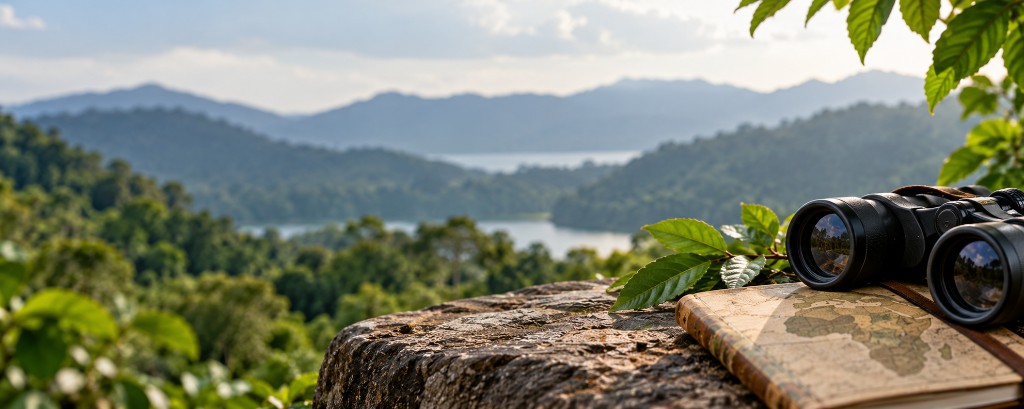
Get quick answers to the most common questions about gorilla trekking in Africa. If you still have questions, our safari experts are here to help.
In Bwindi Impenetrable National Park and Mgahinga Gorilla National Park.
Buhoma, Ruhija, Rushaga and Nkuringo.
The total trek varies according to the gorillas’ location and terrain. Travelers should keep the day flexible.
Standard trekking provides the official regulated observation period after the gorilla family is located, subject to current UWA rules.
Difficulty varies. Some treks are relatively manageable; others involve several hours of steep, muddy terrain.
It is strongly recommended.
Yes. Kigali can serve as a gateway to southwestern Uganda, subject to current border requirements.
Domestic flights serve airstrips used for northern and southern Bwindi routes, followed by road transfers.
Travel should always follow current official advice and park/operator guidance. Tourism operations are professionally managed, but conditions should be reconfirmed close to travel rather than relying on old online information.
Gorilla trekking operates throughout the year, although seasonal trail and weather conditions vary.
There is no single best month. Drier periods generally offer easier trails, while wetter periods provide lush scenery and different seasonal advantages.
Yes. Kibale National Park is the classic addition.
Yes. Uganda has extensive savannah wildlife experiences, and multi-country itineraries can continue into Kenya, Tanzania or Rwanda.
Very much so, particularly for visitors interested in combining primates with conventional wildlife viewing.
Our safari experts are here to help you plan your gorilla trekking adventure. Get personalized advice, the latest information and a free, no-obligation quote.
We typically reply within a few hours.
“Gorilla trekking is more than a safari — it’s a powerful reminder of our shared humanity and the importance of protecting our natural world.”
— Adventure in the wild Safaris

Share This Article
When booking a luxury African safari, look beyond the room and compare the quality of guiding, wildlife location,…
Read article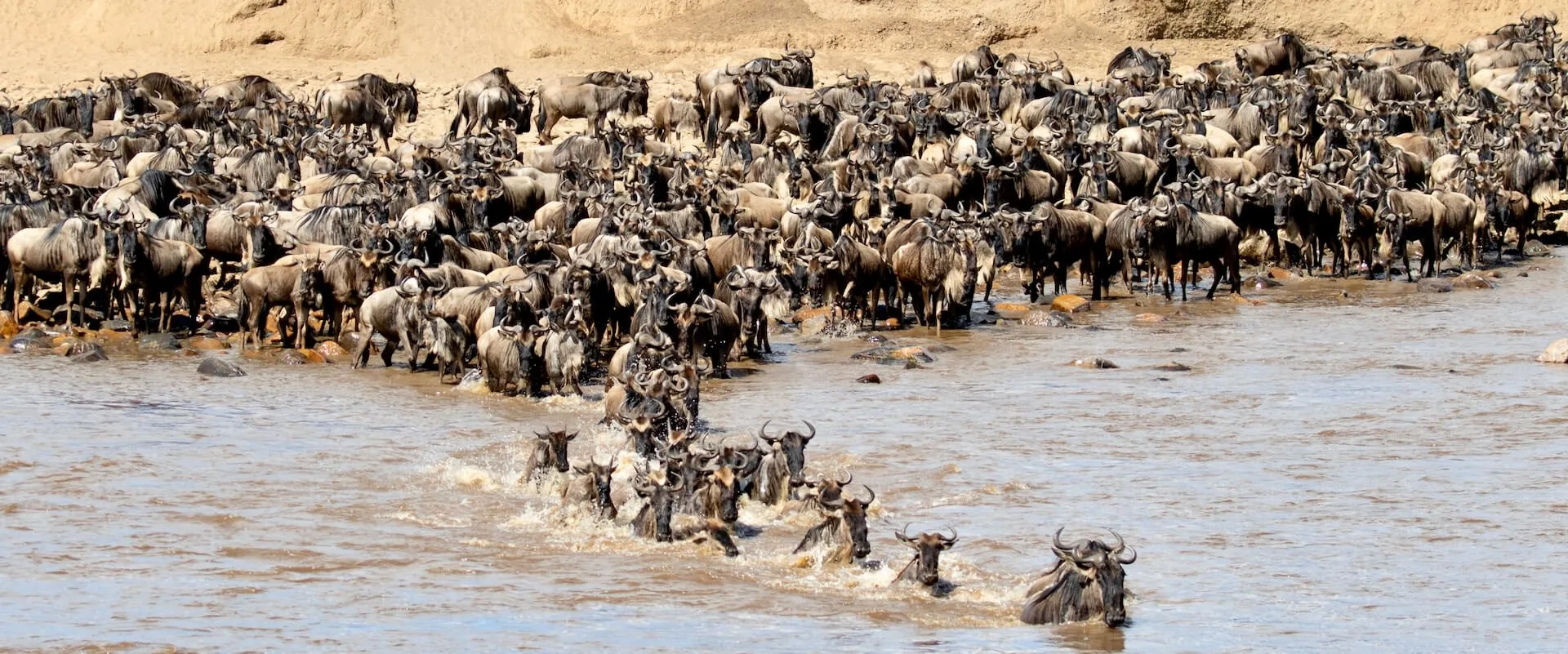
The Great Migration in Africa happens all year because the herds continuously circulate through the Serengeti–Mara ecosystem in…
Read article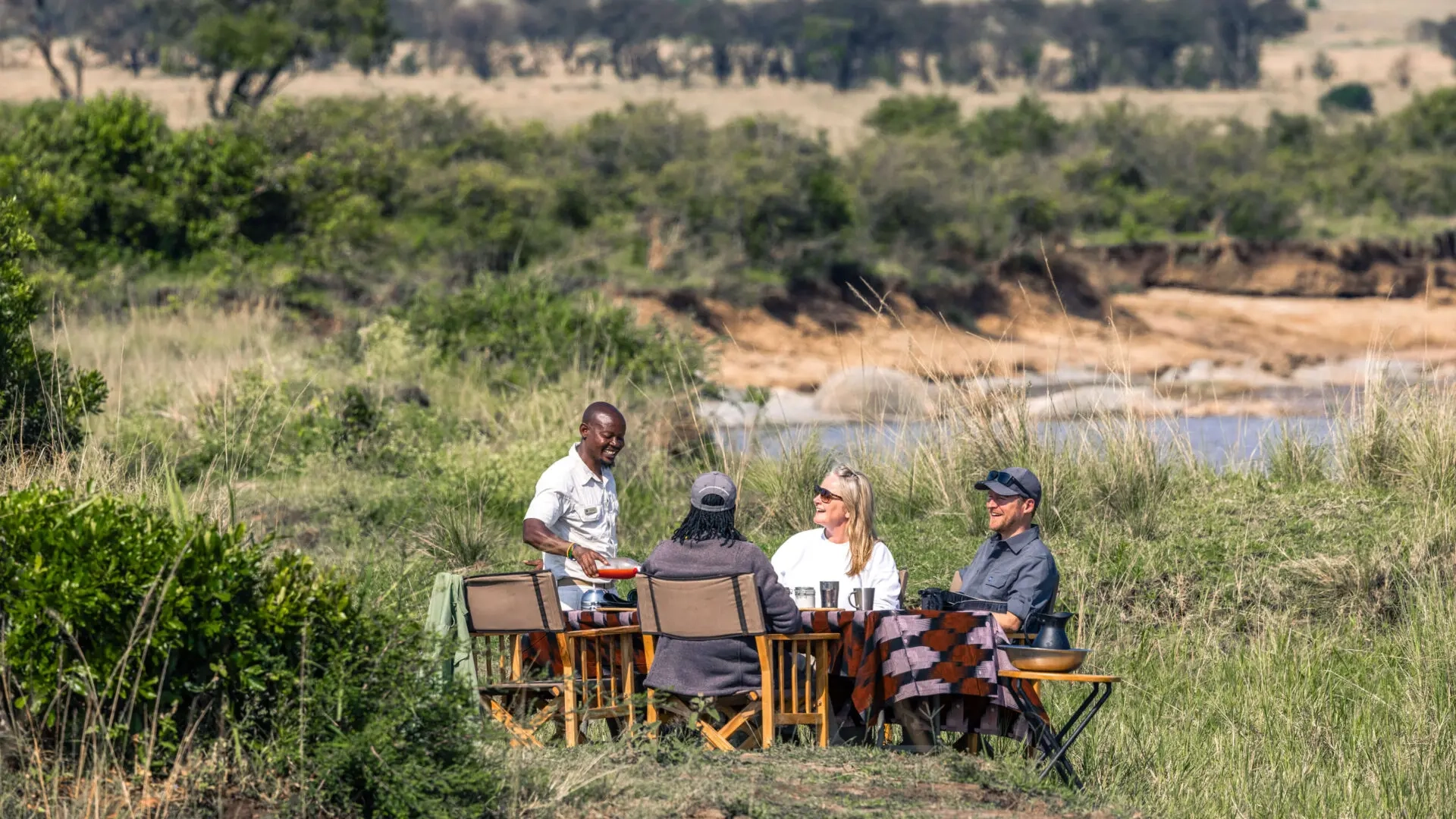
Definitive answer: A picnic lunch on safari is a packed or catered midday meal eaten at an approved…
Read article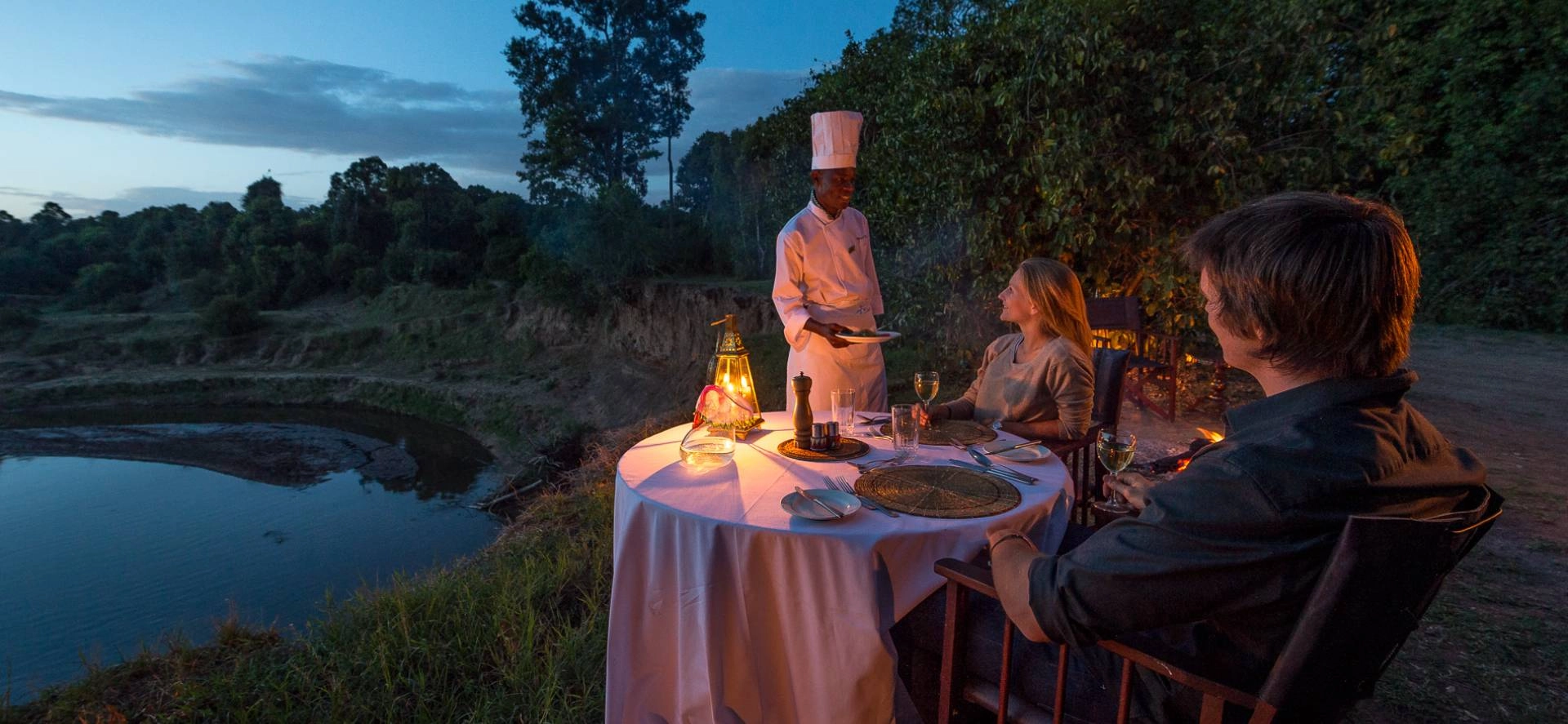
Definitive answer: A bush dinner is an outdoor evening meal arranged in a safe safari setting away from…
Read articleLet us take you closer to the wildlife, people and places that make Africa extraordinary.
Plan Your Safari Today