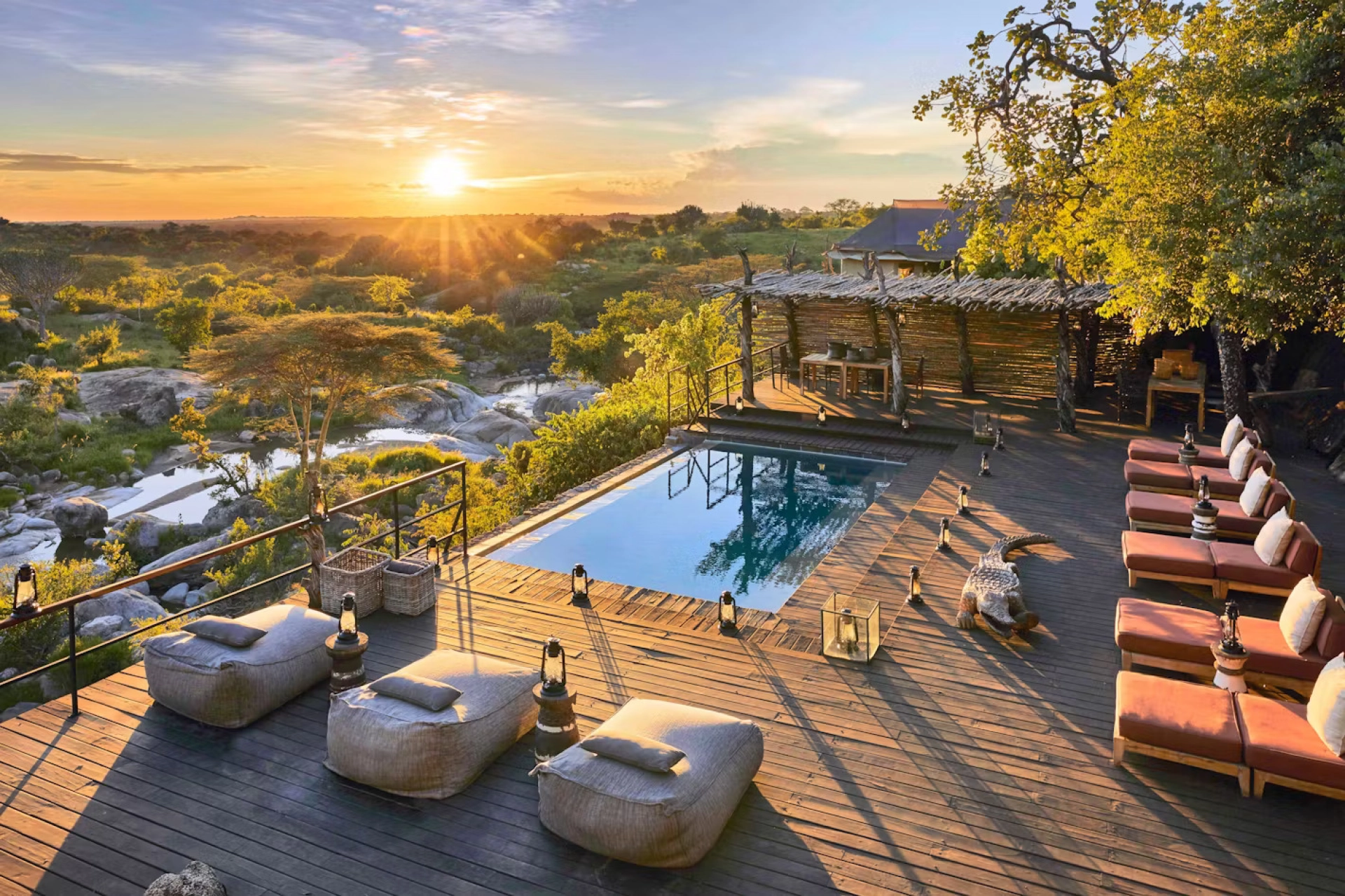
What should I look for when booking a luxury African safari?
When booking a luxury African safari, look beyond the room and compare the quality of guiding, wildlife location,…
Read article

Africa Travel Guide
Gorilla trekking in Volcanoes National Park is one of Africa's most extraordinary wildlife experiences. In the cool, high-altitude forests of northwestern Rwanda, travelers leave the safari vehicle behind and enter the Virunga Mountains on foot, following…
Gorilla trekking in Volcanoes National Park is one of Africa’s most extraordinary wildlife experiences. In the cool, high-altitude forests of northwestern Rwanda, travelers leave the safari vehicle behind and enter the Virunga Mountains on foot, following trained guides and trackers in search of a habituated family of mountain gorillas. The experience is very different from a conventional game drive. There is no road leading to a guaranteed sighting and no fixed distance that must be walked. The gorillas move naturally through their habitat, so every trekking day develops differently.
Volcanoes National Park is Rwanda’s principal mountain gorilla destination. The park protects the Rwandan section of the Virunga Massif, the volcanic mountain chain shared with Uganda and the Democratic Republic of Congo. Its landscape of bamboo, montane forest, volcanic slopes and mist-covered peaks provides an unforgettable setting for observing one of the world’s most closely protected primates.
For travelers planning a Rwanda gorilla safari, the trekking hour is only one part of the journey. Permit availability, accommodation location, physical preparation, weather, transport from Kigali, porter arrangements, photography equipment and the number of nights spent around Musanze all influence the quality of the trip. A rushed itinerary can turn an extraordinary experience into a tiring logistical exercise, while a well-planned safari creates time to appreciate the wider Virunga landscape.
This guide explains the complete experience in detail, from planning and permits to the trek itself, gorilla behavior, photography, fitness, accommodation and combinations with Uganda, Akagera, Nyungwe and Lake Kivu.
Rwanda’s mountain gorilla trekking takes place in Volcanoes National Park, in the country’s northwest near Musanze. The park is part of the Virunga conservation landscape. Across international borders, the same greater mountain ecosystem continues into Mgahinga Gorilla National Park in Uganda and Virunga National Park in the Democratic Republic of Congo. Mountain gorillas are therefore protected through a transboundary conservation effort. For visitors, Musanze is the practical gateway. Many lodges are positioned around the town and along roads leading toward the park headquarters and mountain foothills.
Rwanda’s greatest logistical advantage is accessibility. The drive from Kigali to the Volcanoes region normally takes only a few hours under ordinary road conditions. This makes it possible to build a high-quality gorilla itinerary without spending an entire day driving across the country. The destination also offers a wide accommodation range, including internationally renowned luxury lodges as well as comfortable midrange properties and more economical hotels around Musanze.
Most importantly, however, travelers choose Rwanda because the gorilla encounter itself is exceptional. Observing a silverback resting only a short distance away, juveniles playing in vegetation or a mother carefully handling an infant can create a sense of connection that is difficult to reproduce in any other safari setting.
Mountain gorillas are a subspecies of eastern gorilla adapted to high-altitude forest. Their natural range is extremely restricted. They live in social groups generally led by one or more mature silverbacks, alongside adult females, younger males, juveniles and infants. Group composition is dynamic. Births, deaths, transfers and leadership changes mean that descriptions of individual gorilla families can become outdated. For this reason, travelers should avoid choosing a trek based solely on an old online article promising a particular individual gorilla. The important experience is meeting whichever habituated family is allocated under the current trekking system.
Habituation is the gradual process through which researchers and conservation teams accustom a wild gorilla group to carefully controlled human presence. It does not make gorillas tame. They remain wild animals living independently in their natural habitat. Habituation allows trained tourism groups to observe gorillas without provoking the level of fear or defensive behavior that an unhabituated group might show.
The process is central to regulated gorilla tourism and requires strict visitor behavior.
A trekking day starts early. Travelers eat breakfast at their lodge and transfer to the designated briefing location according to current park arrangements. Officials verify permits and guides explain the rules of gorilla trekking. Visitors are then organized into trekking groups and assigned to habituated gorilla families. Allocation may take several factors into account operationally, but travelers should never assume they can demand a specific group. After the briefing, vehicles may transfer trekkers to a trailhead before the walking begins.
The approach can pass through cultivated areas before entering park habitat. This transition is important because it demonstrates how closely conservation landscapes and human communities coexist. Once inside the park, terrain varies with the gorillas’ location. Trekkers may encounter bamboo, dense vegetation, mud and steep gradients. Guides communicate with trackers who monitor gorilla movements. The trek is not a race. A good guide controls the pace and allows reasonable rest stops.
There is no guaranteed trekking duration. A family may be located relatively quickly or several hours may pass before the group is reached. The gorillas decide where they move according to food availability, social behavior and environmental conditions. Travelers should therefore prepare for a substantial walking day even if their actual trek turns out to be shorter.
Planning mentally for the harder possibility usually makes the experience more enjoyable.
As trackers confirm the group’s location, excitement rises quickly. The guide will normally organize the group, repeat key rules and indicate where bags or walking sticks should be placed if required. Then visitors approach under ranger supervision.
The atmosphere often changes immediately. Conversation becomes quiet and attention narrows toward the gorillas. A large silverback may sit calmly feeding. A juvenile may climb a tree. Females may groom or rest while infants remain close. This is wildlife observation rather than performance, so behavior cannot be scheduled.
The standard encounter follows the viewing period established by the responsible conservation authorities. Travelers should confirm current rules when booking because wildlife regulations can change. The limited period is
A Rwanda gorilla permit is required. Permit prices and booking conditions can change, so the current amount should be verified through official Rwanda tourism channels or a reputable operator before payment. Rwanda has historically positioned its gorilla experience at a premium price point. When comparing Rwanda with Uganda, travelers should compare the complete safari rather than only permit price. Transport time, accommodation, international flight routing and the number of safari days can significantly affect the final cost.
A permit primarily covers authorization for the regulated gorilla trekking experience and the associated park guiding and conservation system. It should not be assumed to include your hotel, private safari vehicle, airport transfer, porter, tips or personal expenses. A packaged safari quote may bundle several of these services, which is why travelers should read inclusions carefully.
Book early when dates are fixed. Gorilla permits are limited and popular travel periods can become heavily booked. Couples may find two permits more easily than a large group requiring six or eight spaces on the same day. A safari operator can check permit and lodge availability together before the itinerary is confirmed. This prevents the common mistake of booking an expensive lodge only to discover that no permit is available for the intended trekking date.
Yes. The number of tourists who can visit habituated groups each day is
The trek can range from moderate to strenuous. The park lies at significant elevation and the terrain can be steep, muddy and uneven. Fitness matters, but so do weather and gorilla location. A traveler who regularly walks and climbs hills will generally cope better than somebody who has been sedentary for months. However, gorilla trekking is not reserved for elite athletes. Many travelers of different ages complete it successfully with sensible preparation and porter support.
Begin walking regularly several weeks before departure. Add hills or stairs whenever possible. Long, slow uphill walking is more relevant than short bursts of high-intensity exercise. If you live in a flat area, stair machines and inclined treadmills can help. Wear the footwear you intend to trek in during training so that boots are already comfortable. The objective is not speed. It is being able to walk steadily for several hours without becoming exhausted.
Volcanoes National Park’s elevation can make exertion feel harder. Travelers arriving from sea level may become breathless sooner than expected. Spending the previous night in the Musanze region helps avoid combining a long transfer with immediate physical exertion. Drink enough water, move at a controlled pace and tell your guide if you feel unwell.
Yes, in most cases.
A porter can carry your daypack, water, camera equipment and rain jacket. More importantly, porters can provide a steadying hand on difficult slopes. This preserves energy for the gorilla encounter. Porter work also creates direct economic benefits for people living around the conservation area. Even fit trekkers should consider hiring one.
Dress for forest and mountain conditions, not for fashion. Wear long trousers, a long-sleeved shirt, strong hiking shoes or boots, good socks and a waterproof jacket. Gardening gloves can protect your hands when holding vegetation. A hat can be useful on exposed sections. Layering is important because the morning may be cool while physical exertion generates heat later. Avoid heavy clothing that becomes uncomfortable when wet.
Gaiters are not essential, but they are useful. They protect the lower legs from mud and help keep vegetation and insects away from socks. During wet periods, they can make the trek more comfortable. Travelers who do not own gaiters should not panic; good boots and properly tucked trousers can still work.
Carry only what you need. Useful items include water, packed food, rain jacket, camera, spare battery, waterproof camera cover, sunscreen, personal medication and tissues. Your lodge or operator can advise on packed lunch arrangements. Avoid carrying a large backpack full of unnecessary clothing and equipment. Every kilogram feels heavier on a long uphill trail.
Rain can occur at any time. The Virunga Mountains create their own changing weather patterns, and a sunny morning does not guarantee a dry trek. Gorilla trekking normally continues through ordinary rain. A quality waterproof shell and protection for electronics are therefore essential. Do not use a flimsy emergency poncho as your only preparation for a major mountain trek if you can avoid it.
Gorilla trekking in Volcanoes National Park is possible year-round under normal operating conditions. Relatively drier periods are popular because trails may be less muddy. Wetter periods bring lush vegetation and atmospheric mist. The best time depends on permit availability, wider safari plans and personal tolerance for wet conditions. Even during comparatively dry months, rain remains possible.
Drier conditions can improve trail footing. This makes the main trekking months attractive to many visitors. However, popular dates can mean stronger competition for permits and preferred lodges. Book early. Photographers should also remember that strong sun filtering through forest canopy can create difficult contrast, so dry weather does not automatically produce easier photography.
Wet-season trekking can be muddy but rewarding. Cloud and mist may create beautiful soft light. Vegetation appears intensely green. Some accommodation may offer seasonal value, depending on the property. Travelers who have suitable boots, rain gear and a positive attitude can enjoy excellent gorilla encounters in wetter months.
Yes, subject to park rules. Gorilla photography is one of the highlights of the trek. Flash is not allowed.
The forest can be dark, so a camera that performs well at higher ISO settings is useful. A versatile zoom allows quick composition changes as animals move. Extremely long wildlife lenses are often unnecessary and cumbersome in dense vegetation.
There is no single perfect setting because light changes constantly. Use a shutter speed fast enough to avoid motion blur, particularly with juveniles. Open the aperture when necessary and allow ISO to rise rather than producing a blurred image. Continuous autofocus can help with moving animals. Shoot short bursts selectively rather than filling the memory card with thousands of nearly identical frames.
A modern smartphone can produce very good results. Clean the camera lens before the trek. Turn off flash. Use portrait and video modes carefully, but avoid excessive digital zoom. Phone photography has one major advantage: the device is light and easy to handle on difficult terrain.
The objective should never be to position yourself close to a gorilla for a selfie. Follow viewing-distance rules and ranger instructions. Wildlife welfare takes priority over social-media content. If a gorilla moves toward the group, remain calm and do exactly what the ranger tells you. Do not reach toward the animal.
A mature silverback can appear enormous at close range. Remain calm. Do not run, scream or make sudden movements. The guides understand gorilla body language and will direct the group. A close approach initiated by the gorilla can be unforgettable, but it must be treated with respect rather than excitement that leads to unsafe behavior.
Mountain gorillas are genetically close to humans and vulnerable to human diseases. Travelers who are ill should disclose symptoms. Current health protocols can include specific rules that change over time, so check official requirements before the trek. Never hide a significant contagious illness simply because the permit was expensive. Protecting the gorillas is the foundation of the tourism program.
Rwanda applies a minimum age requirement for gorilla trekking. Families should verify the current official rule before purchasing permits. If traveling with younger children, choose a lodge and itinerary that provide appropriate alternative activities or supervision. Do not assume a child will be admitted because they appear mature or physically capable.
Many senior travelers trek successfully. Age alone is less important than fitness, balance, joint health and cardiovascular capacity. Choose comfortable accommodation, arrive early enough to rest, hire a porter and discuss mobility concerns with your operator. A private itinerary can also reduce stress by allowing more flexible transfer times.
Rwanda is one of Africa’s strongest luxury honeymoon destinations. Couples can combine gorilla trekking with an exceptional lodge, golden monkeys and several quiet nights around the volcanoes. Lake Kivu can provide relaxation afterward. For a longer honeymoon, add a classic safari in Akagera, Kenya or Tanzania, or cross into Uganda for additional primate experiences.
Solo travelers can participate in gorilla trekking. You will join other permitted trekkers for the forest experience according to park arrangements.
The larger cost challenge is private transport and accommodation rather than the trek itself. A customized Rwanda itinerary can still work efficiently because travel distances are relatively manageable.
The Volcanoes region has accommodation across a broad price spectrum. Luxury travelers can choose highly sophisticated lodges with exceptional service and dramatic volcano views. Midrange travelers have comfortable lodge options, while Musanze provides more economical hotels and guesthouses. Location matters because the trekking morning begins early. Ask how long the transfer from your lodge to the briefing area normally takes.
For the trekking night, staying around Musanze or the park is strongly recommended. Although Kigali is geographically close by East African safari standards, an early morning permit activity should not depend on a pre-dawn multi-hour drive with possible traffic or unexpected delays. Travel to the Volcanoes region the previous afternoon. You will sleep better and arrive at the briefing less stressed.
Most travelers use a private safari vehicle and driver-guide. The road journey generally takes a few hours depending on traffic and exact lodge location. The drive passes through Rwanda’s densely settled and beautifully hilly countryside. Private transport makes it easy to stop when appropriate and coordinate directly with the lodge.
A very compressed itinerary may be technically possible under certain arrangements, but it is not the approach we recommend. The trek itself is unpredictable. After several hours in the forest, immediately facing another long transfer reduces the pleasure of the day. At least two nights around the wider itinerary creates a safer and more comfortable buffer.
Add golden monkey tracking if you have another day. Golden monkeys inhabit the bamboo zones of the Virungas and create a completely different photographic challenge. They are fast, active and social. Doing gorillas and golden monkeys on separate days gives a much richer understanding of the park’s primate ecology.
Active travelers can extend their stay with mountain hiking. Routes such as Mount Bisoke and, for suitably prepared travelers, more demanding Virunga objectives can add a serious hiking dimension. Current route availability, permit requirements and conditions should always be checked. Do not schedule a strenuous volcano hike immediately after an exhausting gorilla trek unless you know your fitness level well.
The region has a globally recognized history of gorilla research and protection. Dian Fossey is an important figure in that history, but modern gorilla conservation is the work of many Rwandan trackers, researchers, veterinarians, park professionals, communities and institutions. Travelers should understand gorilla tourism as part of an ongoing conservation system rather than a story belonging to one historical individual.
Responsible behavior begins before entering the forest. Choose reputable operators. Respect permit rules. Do not pressure guides for closer access. Do not litter. Hire local porters. Follow health requirements. Support community-based businesses where possible. The value of gorilla tourism depends on demonstrating that living gorillas and intact habitat create durable benefits.
Akagera National Park provides an excellent contrast. After mountain forest and primates, travelers enter a savannah-and-lake ecosystem for game drives and large mammals. A Rwanda itinerary combining Akagera and Volcanoes can provide both classic African safari wildlife and intimate primate trekking without leaving the country.
Allow enough days so the route does not become a series of rushed transfers.
Nyungwe Forest National Park adds chimpanzees, other primates, forest hiking and outstanding birding. Travelers interested primarily in primates can build a Rwanda route around chimpanzees in Nyungwe, gorillas and golden monkeys in Volcanoes, and optional relaxation at Lake Kivu. This creates far greater depth than flying into Rwanda for one gorilla morning and immediately leaving.
A Rwanda-Uganda gorilla safari is particularly logical because Volcanoes lies close to Uganda’s southwestern gorilla region. Travelers can cross toward Mgahinga Gorilla National Park or continue to Bwindi Impenetrable National Park, subject to current immigration requirements. A multi-country route can include gorillas in two different habitats, golden monkeys, Queen Elizabeth National Park and eventually Entebbe.
Both countries offer outstanding mountain gorilla trekking. Rwanda is particularly convenient from Kigali and has a strong premium-lodge ecosystem. Uganda offers two gorilla destinations and can integrate naturally with chimpanzee trekking and several savannah parks. Permit prices and logistics differ. Rather than asking which country is universally better, compare the complete route, budget and number of available days.
For gorilla trekking alone, plan at least a compact three-day structure: transfer to Volcanoes, trek the next morning, then return to Kigali. Four days allows golden monkeys. Five or more days allows hiking, cultural activities or Lake Kivu. A full Rwanda safari combining Akagera, Volcanoes and Nyungwe deserves considerably longer.
Day 1: Arrive or begin in Kigali and transfer to the Volcanoes region. Prepare trekking equipment and rest. Day 2: Complete the gorilla trek, return to the lodge and spend the afternoon relaxing. Day 3: Return to Kigali for a city stay or onward flight. This is efficient without forcing the trekking day itself to include a major intercity transfer.
Day 1: Kigali to Musanze. Day 2: Gorilla trekking. Day 3: Golden monkey tracking and relaxed afternoon. Day 4: Return to Kigali. This is one of the best short primate itineraries in Rwanda.
A longer route could run Kigali – Volcanoes National Park – Mgahinga – Bwindi – Queen Elizabeth National Park – Entebbe. This progression combines Virunga volcanoes, two different gorilla environments and savannah wildlife. Depending on available time, Kibale chimpanzee trekking can be added before reaching Entebbe.
Gorilla trekking in Volcanoes National Park is not simply about obtaining a photograph of a mountain gorilla. The complete experience begins with the journey into Rwanda’s volcanic northwest, continues through the early-morning anticipation of the briefing, and becomes real when trackers lead you into a living mountain forest where gorillas decide the route and pace.
Good planning protects the quality of that experience. Secure the permit early, sleep near the park before trekking, prepare physically, hire a porter, pack for rain and allow at least one additional night if your schedule permits. The most satisfying itineraries also make room for the wider Virunga ecosystem through golden monkey tracking, volcano hiking and responsible community experiences.
Adventure in the Wild Safaris can arrange Rwanda gorilla trekking safaris, Volcanoes National Park tours, Kigali transfers, Rwanda gorilla permits, golden monkey extensions, Uganda-Rwanda gorilla safaris, Bwindi combinations and Mgahinga extensions according to your dates, budget and preferred accommodation level.
Get quick answers to the most common questions about gorilla trekking in Africa. If you still have questions, our safari experts are here to help.
Yes. It is one of the world’s premier wild primate experiences.
There is no fixed duration because gorillas move naturally through the forest.
Yes, and permits should be booked before travel.
It can be. Terrain, altitude, weather and gorilla location determine the difficulty on each day.
Many do successfully. Fitness, mobility, porter assistance and realistic preparation are important.
Ordinary rain generally does not stop trekking. Bring proper waterproof equipment.
Yes, following ranger rules and without flash.
Yes. Stay in the Musanze/Volcanoes area the night before trekking.
Yes. Volcanoes combines particularly well with Mgahinga and Bwindi.
Golden monkey tracking, volcano hiking, Lake Kivu, Akagera or Nyungwe are strong additions.
Our safari experts are here to help you plan your gorilla trekking adventure. Get personalized advice, the latest information and a free, no-obligation quote.
We typically reply within a few hours.
“Gorilla trekking is more than a safari — it’s a powerful reminder of our shared humanity and the importance of protecting our natural world.”
— Adventure in the wild Safaris

Share This Article
When booking a luxury African safari, look beyond the room and compare the quality of guiding, wildlife location,…
Read article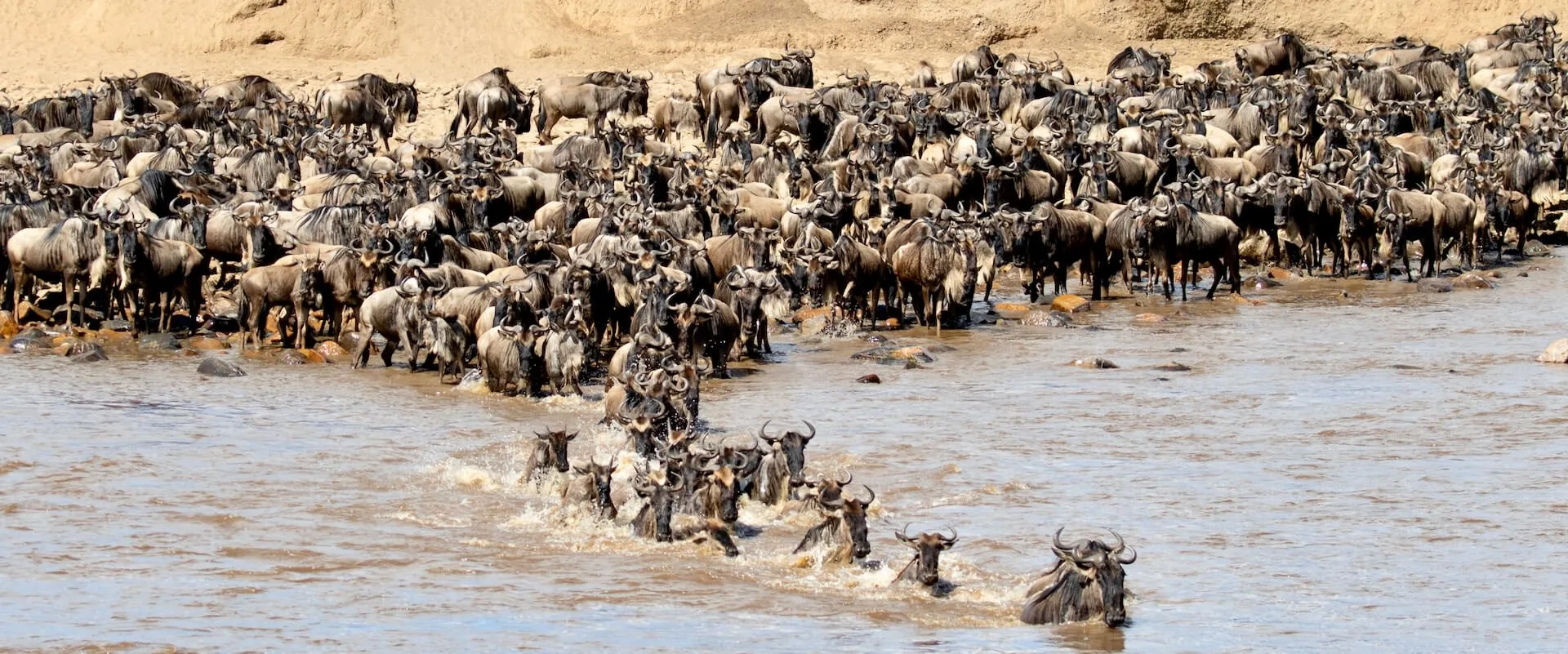
The Great Migration in Africa happens all year because the herds continuously circulate through the Serengeti–Mara ecosystem in…
Read article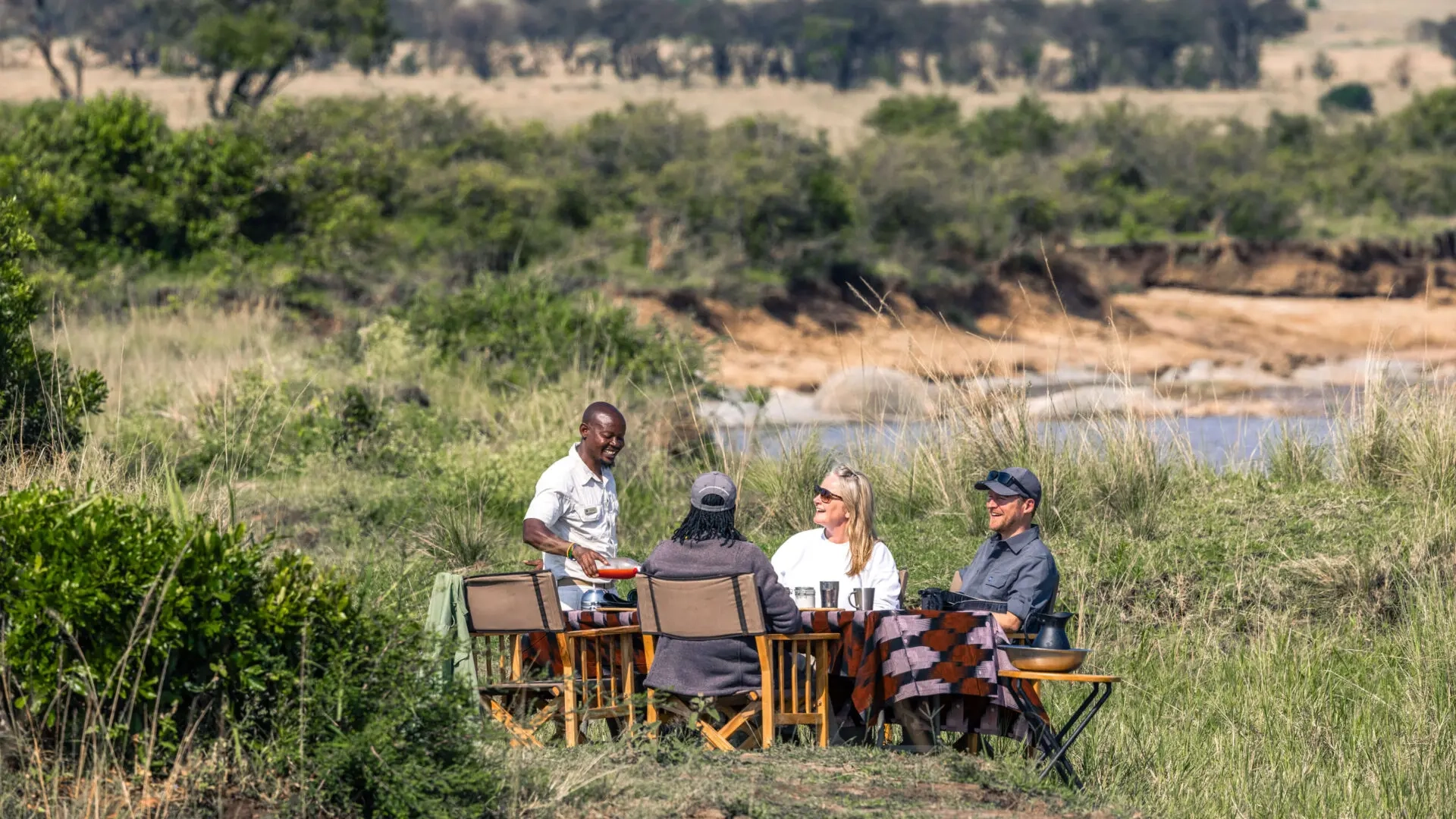
Definitive answer: A picnic lunch on safari is a packed or catered midday meal eaten at an approved…
Read article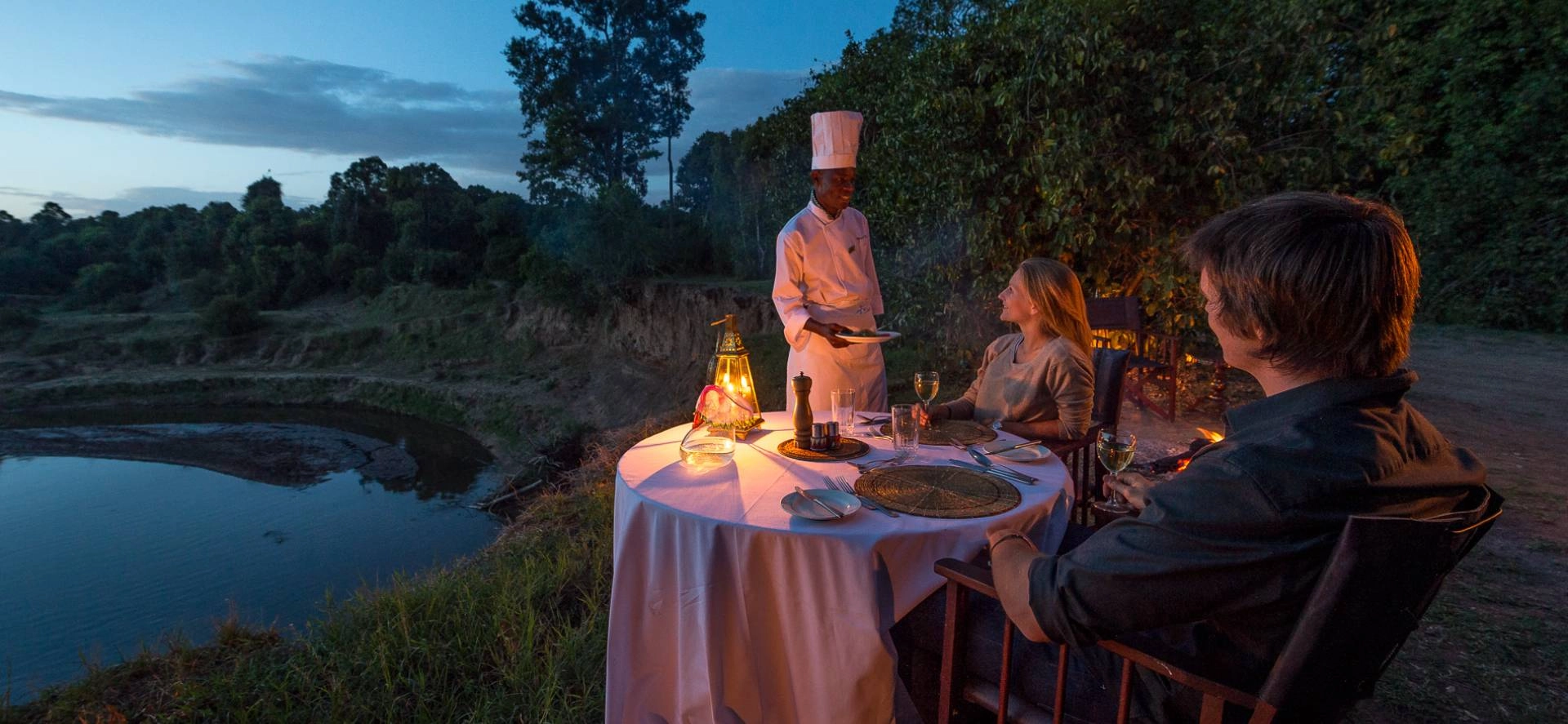
Definitive answer: A bush dinner is an outdoor evening meal arranged in a safe safari setting away from…
Read articleLet us take you closer to the wildlife, people and places that make Africa extraordinary.
Plan Your Safari Today