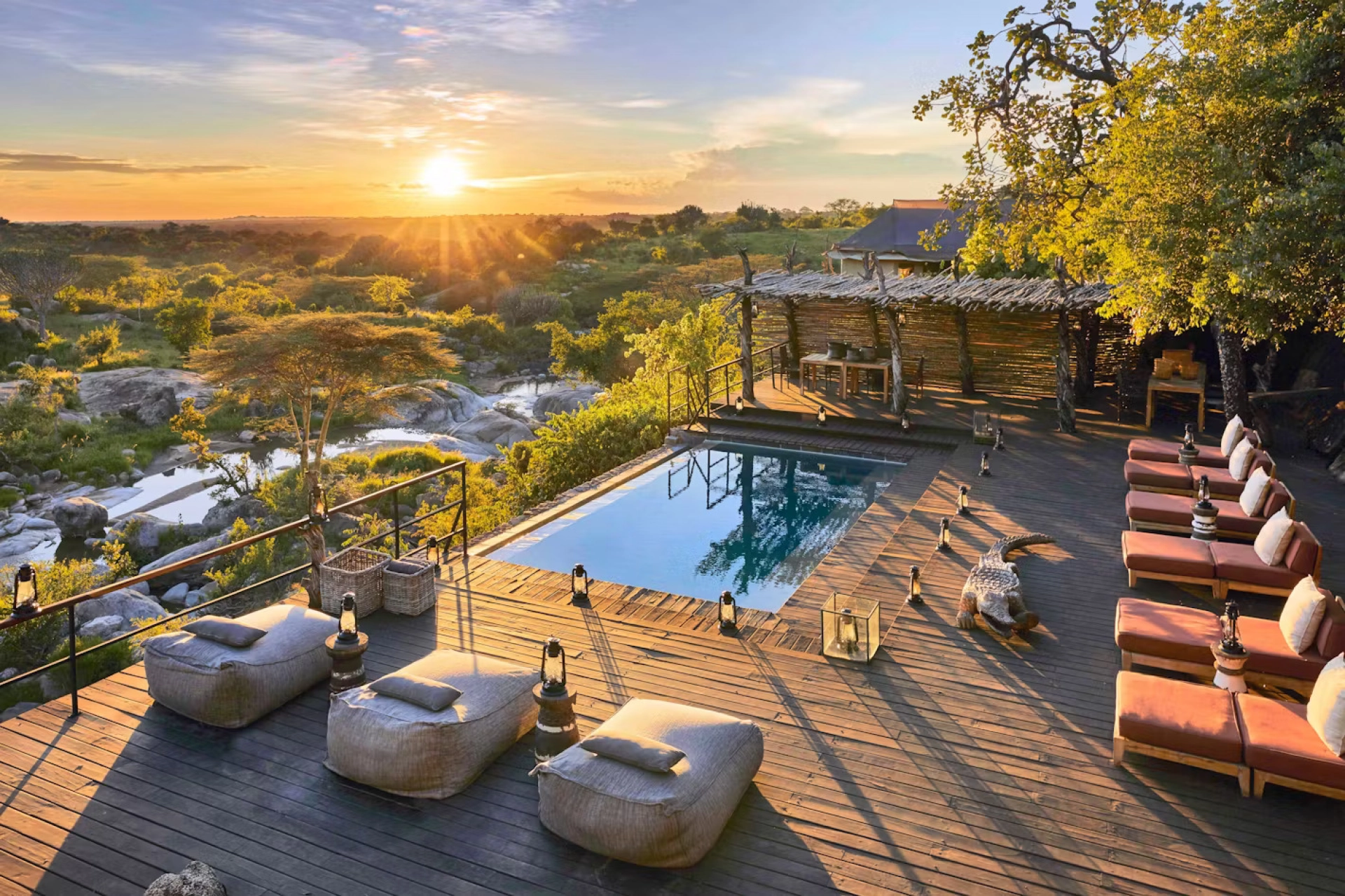
What should I look for when booking a luxury African safari?
When booking a luxury African safari, look beyond the room and compare the quality of guiding, wildlife location,…
Read article

Africa Travel Guide
--- A gorilla trekking permit in Uganda is the single most important reservation required when planning a journey to see wild mountain gorillas in Bwindi Impenetrable National Park or Mgahinga Gorilla National Park. Flights can sometimes…
—
A gorilla trekking permit in Uganda is the single most important reservation required when planning a journey to see wild mountain gorillas in Bwindi Impenetrable National Park or Mgahinga Gorilla National Park. Flights can sometimes be changed, accommodation options can often be substituted and safari routes can be redesigned, but without a valid gorilla permit for the correct date, the central experience of a Uganda gorilla safari cannot proceed.
For that reason, experienced safari planners normally treat the permit as the anchor of the entire itinerary. The logical sequence is to decide approximately when you want to travel, check Uganda gorilla permit availability, secure the appropriate permit and only then finalize accommodation and transportation around the confirmed trekking location. This approach sounds straightforward, yet many travelers make the opposite decision. They find a beautiful lodge online. They reserve several nights. They buy flights.
Then they begin searching for a gorilla permit. That sequence can create serious logistical problems because Bwindi is not one small tourism center. It contains several geographically separated trekking sectors, and permit availability in one sector does not automatically correspond with the lodge you selected. Understanding the permit system therefore means understanding the geography of Uganda’s gorilla destinations. This comprehensive guide explains how Uganda gorilla trekking permits work, where they are used, why they are limited, how early you should book, how the trekking sector affects your safari, what happens if your plans change and how to build the rest of your Uganda journey around the permit.
A Uganda gorilla trekking permit is official authorization allowing an eligible visitor to participate in a regulated mountain gorilla trek on a specific date under the management framework applicable to Uganda’s protected areas. It is not simply an entrance ticket to Bwindi. That distinction is important. A normal national park entrance fee generally gives a visitor access to a protected area according to the activities allowed under that fee structure. Gorilla trekking is a highly controlled wildlife activity involving endangered great apes, professional trackers, ranger guides, habituated gorilla families and strict limits on daily visitor numbers.
The permit therefore represents access to a managed conservation experience rather than simple admission to a forest. Once your trekking day arrives, you report to the appropriate briefing point, receive instructions from park staff and join the day’s trekking operation. Your group then enters the forest with professional guides and trackers to locate a habituated mountain gorilla family.
Travelers sometimes ask why Uganda cannot simply sell more permits when demand is high. The answer lies in conservation. Mountain gorillas are wild great apes living within sensitive forest ecosystems. Tourism must therefore be carefully controlled. Unlimited visitor numbers would increase pressure on the forest, create greater risk of disturbance and potentially increase opportunities for disease transmission between people and gorillas.
Controlled group sizes and regulated viewing periods help limit these impacts. The permit system also helps preserve the quality of the experience. Imagine twenty, thirty or fifty tourists surrounding a gorilla family simultaneously. The encounter would become chaotic for visitors and potentially disruptive for the animals. The exclusivity of mountain gorilla trekking in Uganda is therefore not artificial scarcity created merely to increase prices. Visitor limits are an essential component of responsible great-ape tourism.
Uganda offers mountain gorilla trekking in two national parks: Bwindi Impenetrable National Park and Mgahinga Gorilla National Park. Bwindi is the country’s primary gorilla trekking destination and contains multiple habituated gorilla families distributed across several tourism sectors. Mgahinga lies within the Virunga volcanic ecosystem and provides another opportunity to trek mountain gorillas in Uganda. Your permit arrangements must correspond with the location in which you will trek. This is why the phrase “Uganda gorilla permit” is only the beginning of the planning process. The next question is: Where exactly will you trek?
Most travelers purchasing Bwindi gorilla permits will trek in one of the park’s four principal tourism sectors: Buhoma, Ruhija, Rushaga or Nkuringo. These sectors are located in different parts of the forest. They have different road approaches. They have different accommodation networks. They connect differently with Queen Elizabeth National Park, Kisoro, Kabale, Lake Bunyonyi, Lake Mutanda and Rwanda. Therefore, permit location matters almost as much as permit date.
A permit associated with Buhoma gorilla trekking places you in northern Bwindi. Buhoma is particularly convenient for itineraries arriving from the Ishasha region of Queen Elizabeth National Park. This makes it one of the most natural choices for travelers following the classic western Uganda safari circuit. A typical route can move from Kibale to Queen Elizabeth, through Ishasha and then into Buhoma.
Instead of driving backwards or crossing difficult mountain routes unnecessarily, the safari follows geography. Buhoma also has one of Bwindi’s most established accommodation networks.
Ruhija gorilla trekking permits position travelers in eastern Bwindi. Ruhija’s elevated landscape provides a different atmosphere from Buhoma. It is cooler, mountainous and particularly interesting for birdwatchers. Travelers combining gorilla trekking and birding in Bwindi may find Ruhija especially attractive because the wider region provides access to important Albertine Rift habitats. Accommodation should be selected according to realistic transfer times to the briefing area. Do not choose a lodge purely according to photographs.
Rushaga gorilla permits are associated with southern Bwindi.
Rushaga is strategically useful for travelers approaching from Kisoro or Rwanda and for itineraries incorporating Lake Mutanda, Mgahinga or other southwestern attractions. It is also strongly associated with Uganda’s separate gorilla habituation experience, depending on current availability and official arrangements. Travelers specifically interested in habituation need to request the correct permit product rather than assuming an ordinary trekking permit provides the same experience.
Nkuringo gorilla trekking takes place in another spectacular southern Bwindi landscape. The area is known for dramatic hills and potentially demanding terrain. Its geographical position can work beautifully with Lake Mutanda, Kisoro and cross-border itineraries. Again, the correct lodge matters. A permit for Nkuringo should be matched with accommodation that allows a sensible morning arrival at the relevant briefing point.
Mgahinga Gorilla National Park offers Uganda’s other mountain gorilla trekking experience. Mgahinga lies within the Virunga ecosystem and provides an entirely different landscape from much of Bwindi. Volcanic mountains dominate the horizon. Bamboo habitat becomes important. The park can be combined naturally with golden monkey tracking in Uganda, Lake Mutanda and Kisoro. Travelers who focus exclusively on Bwindi when researching gorilla permits can overlook this excellent alternative. Permit availability and operational arrangements should be checked for the exact travel dates.
The Uganda gorilla permit price is set according to the official conservation tariff applicable to the travel period and visitor category. This is where travelers need to be careful with online research. Hundreds of travel articles continue displaying prices from previous tariff periods. A figure that was accurate when an article was written may no longer apply to your safari.
For that reason, the safest evergreen advice is to verify the official permit tariff at the time you are ready to book. The applicable price may also depend on the visitor’s residency or citizenship category. Do not assume every traveler pays the same amount. At Adventure in the Wild Safaris, the permit cost applicable to your proposed dates can be confirmed as part of the quotation process.
Suppose you discover an article written three years ago and build a safari budget around its permit figure. You then reserve international flights and discover that the official tariff has changed. Because gorilla permits represent a substantial portion of the total trip cost, even a moderate tariff adjustment can affect your budget. The same principle applies to gorilla habituation permit prices, national park fees and other conservation tariffs.
Always use current information. This page can explain how the permit system works for many years, but the exact monetary figure should always be reconfirmed for your specific travel date.
A gorilla trekking permit primarily covers participation in the official regulated gorilla trekking activity according to the current rules. It should not be confused with a complete safari package. Your wider safari normally requires additional services such as accommodation, transportation, professional driver-guide services, meals and transfers. Depending on your itinerary, you may also need permits or activity fees for chimpanzee trekking, golden monkey tracking, boat cruises, game drives or other experiences.
When comparing safari quotations, always check whether the gorilla trekking permit has been included in the quoted total. A surprisingly cheap safari may simply exclude it.
No. Your lodge is a separate component of the safari. This creates an important planning opportunity. You can select budget, midrange, luxury or high-end accommodation according to your preferences while still participating in the same regulated gorilla trekking system. A traveler staying at a modest lodge can have an equally extraordinary gorilla encounter as someone staying at a premium property. The lodge influences your comfort before and after trekking. It does not purchase a “better” gorilla family.
Your transport to and from Bwindi or Mgahinga is generally part of your safari arrangements rather than the permit itself. For most international visitors, this means traveling in a private or shared safari vehicle with a professional driver-guide or using a domestic flight followed by road transfers. Transportation is a major part of the total Uganda gorilla safari cost, especially for solo travelers.
Travelers generally have two broad approaches. You can navigate the appropriate official booking arrangements yourself where available, or you can use a licensed Uganda tour operator to coordinate the permit as part of a complete safari. For many international travelers, using an operator is simpler because the permit affects so many other components. Once the permit is secured, the operator can reserve accommodation in the correct sector and build a route that arrives there efficiently.
Imagine you want to travel for ten days. You know you want chimpanzees, Queen Elizabeth National Park and gorillas. You do not necessarily know whether Buhoma, Ruhija, Rushaga or Nkuringo is the best trekking sector. You should not have to solve that geography yourself. A knowledgeable operator can examine permit availability and determine which sector fits naturally into the route. If Buhoma is available, the safari might travel south through Ishasha. If southern Bwindi is available instead, the route may be adjusted accordingly. This flexibility is valuable.
The booking process requires accurate traveler information according to current official requirements. Your name and identification details must correspond correctly with the travel documents used for the safari.
Do not send approximate spellings. Do not use a nickname when your passport contains your legal name. Permit administration involves controlled visitor identification, so accuracy matters. Your safari consultant will advise what information is required at the time of booking.
As early as practical. This is especially important if you are traveling during popular periods such as June, July, August, September, Christmas, New Year or other high-demand dates. Gorilla permits are limited. High-quality lodges are also limited. Once both permit and accommodation availability begin tightening, itinerary flexibility disappears quickly. Travelers with exact international flights should therefore secure the permit early.
There is no universal deadline. A traveler booking more than a year ahead may have excellent flexibility. Another traveler might find permits several weeks before departure. Last-minute availability sometimes exists. But “sometimes” is not a planning strategy. If seeing mountain gorillas is the main reason you are traveling to Uganda, secure that experience before spending heavily on less important parts of the holiday.
Yes. Demand can exceed availability on particular dates and in particular sectors. This does not necessarily mean every gorilla permit in Uganda is unavailable. One sector may fill while another still has space. This is where flexibility can rescue a safari. If you have not already booked non-refundable accommodation, the itinerary can potentially shift to another sector.
Travelers who can move their trek by one or two days often have more options. Suppose your first-choice date is full. If your international schedule allows the safari to move by a day, another permit may become available. This is another reason not to over-engineer your itinerary before checking gorilla availability. The permit should come early in the planning process.
Building a safari around the assumption that you will simply arrive and buy a permit is risky. Last-minute opportunities may occasionally exist, but travelers should not depend on them. International visitors spend substantial money reaching Uganda. It makes little sense to gamble the central activity of the trip in order to avoid booking in advance.
The relatively drier travel periods attract strong international demand. These months also coincide with school holidays and summer vacation in important source markets. Permits can therefore become highly competitive. If you want a specific trekking sector, specific lodge and exact date, book early.
Wetter months can sometimes provide greater flexibility, but permits remain limited. Rain does not stop gorilla trekking automatically. Mountain gorillas live in rainforest. Treks continue through changing seasonal conditions subject to park operations. Travelers willing to trek during wetter periods can enjoy intensely green landscapes and atmospheric forest conditions.
Do not assume the official permit becomes cheaper simply because the forest is wetter. Permit pricing follows the applicable official tariff. The broader safari may sometimes become less expensive if accommodations offer seasonal rates or promotions, but this varies. The correct approach is to request a quotation for the exact dates.
These are different products. A standard gorilla trekking permit provides access to the normal regulated trek and observation experience. A gorilla habituation permit relates to the specialized habituation experience available under official arrangements. The habituation experience generally involves a more extended period in the field around a gorilla group undergoing habituation. Because it is more specialized and limited, availability can be considerably tighter.
The habituation experience can be attractive to photographers, primate enthusiasts and travelers who want more time in the forest. However, more time does not automatically mean an easier experience. Spending longer in the field can be physically demanding. Groups undergoing habituation may also behave differently from fully habituated tourism families. Travelers should understand the nature of the activity rather than choosing it only because “more hours” sounds better.
The standard gorilla trek is already extraordinary. For most travelers, the regulated viewing period provides enough time to photograph, observe behavior and experience the family. Your first gorilla sighting can be emotionally overwhelming. You do not need the longest available product to make the experience meaningful.
Yes, subject to permit availability and current regulations.
Some travelers purchase permits for two separate trekking days. This is particularly attractive to photographers and serious wildlife enthusiasts. The second trek can feel completely different. You may encounter another family. Weather can change. The terrain can change. Gorilla behavior can change. Your own approach changes because you are less overwhelmed by the novelty.
For a traveler whose budget allows it, a second trek can be one of the best upgrades to a gorilla safari. Rather than spending heavily on luxury accommodation, a wildlife-focused traveler might prefer a simpler lodge and a second gorilla trek. This is a question of priorities. Would you rather have a private plunge pool or another morning with mountain gorillas?
There is no universal correct answer.
Your trekking sector influences logistics dramatically. This deserves repeating because it causes so many planning errors. A Buhoma permit, Ruhija permit, Rushaga permit and Nkuringo permit should not be treated as interchangeable pieces of paper. They correspond with different geographical parts of Bwindi. Your lodge and transfer plan must match.
Changes depend on permit availability and the official rules applicable to the booking. Do not assume you can simply arrive and switch sectors. If your itinerary needs to change, contact the booking operator immediately. The earlier the problem is identified, the more options may exist.
Permit amendment, transfer, cancellation and refund policies are governed by the applicable official terms. These policies can change. Therefore, travelers should obtain the current conditions before payment. Never rely on an old blog article for cancellation rules involving a high-value permit.
This is where good itinerary design becomes critical. If you arrive in Uganda on the same day you intend to undertake a long transfer and trek immediately the following morning, a significant flight delay can create problems. Where possible, include sensible buffer time. The gorilla permit is date-specific. The gorillas will not postpone the trek because your international airline arrived late. Travel insurance is therefore important.
Comprehensive travel insurance should be considered essential for an expensive African safari. Look carefully at cancellation, medical, evacuation, interruption and delay provisions. Do not assume every insurance policy covers every reason for missing a permit. Read the terms. The safari operator cannot replace the role of insurance.
Carry the identification required under current regulations. Ensure the document information supplied during booking is accurate. If your passport will expire before travel and you expect to renew it, tell your safari consultant during the booking process so the appropriate procedure can be followed. Do not conceal changes in documentation.
A minimum-age requirement applies to gorilla trekking. Families should confirm the current rule before purchasing flights or permits for children. Do not assume a physically fit child can automatically participate. Age restrictions exist for management, safety and conservation reasons.
Mountain gorillas are closely related to humans and can be vulnerable to human-associated disease. This is why health protocols form an important part of responsible gorilla trekking. Travelers who are significantly ill should disclose the problem rather than hiding symptoms to protect the money spent on the permit. A missed personal experience is painful. Introducing disease to endangered wildlife could be far more serious.
You wake early and eat breakfast. Your driver-guide transfers you to the correct briefing location. Park staff explain the rules. Trekkers are organized into groups according to the day’s arrangements. You then enter the forest with guides and trackers. The search can take a variable amount of time. Once the assigned gorilla family is located, the official observation period begins according to current rules.
No.
The permit guarantees participation in the official activity subject to applicable terms. It cannot guarantee where wild gorillas will be located. A family may be relatively close. Another may have moved farther away. Terrain can be steep. Rain can create mud. This is wildlife trekking.
No. There is no premium permit that buys a gorilla family beside the parking area. The experience is managed according to conservation and operational considerations. Your lodge category does not determine the quality of the gorilla family either.
Yes, provided they meet the applicable requirements and are sufficiently fit and healthy for the activity. Age alone does not define trekking ability. Many older travelers successfully see gorillas. Advance preparation, porters and realistic itinerary design can help enormously.
Porter services are normally arranged separately. Hiring a porter is highly recommended. The porter carries your daypack and assists through difficult terrain. This reduces fatigue and creates local employment. The relatively modest additional cost can transform the physical experience.
A 3-day Uganda gorilla safari is tightly structured. Day one normally focuses on reaching the gorilla region. Day two centers on the trek. Day three returns toward the departure point. Because the itinerary is compressed, the permit date determines almost everything. There is little room for logistical error.
On a longer safari, the permit still acts as the anchor, but the itinerary has more flexibility. For example, a ten-day trip might begin with Kibale, continue through Queen Elizabeth and Ishasha, reach Bwindi for the confirmed permit date and then continue toward Lake Bunyonyi or Entebbe. The entire route can be designed backward from the gorilla day.
Travelers interested in primates should reserve chimpanzee trekking in Kibale National Park alongside their gorilla experience. These permits are separate. A gorilla permit does not include chimpanzee trekking. Yet combining the two creates one of Africa’s strongest primate itineraries.
Queen Elizabeth does not require a gorilla permit because mountain gorilla trekking is not the park’s tourism product. Instead, travelers combine savannah game drives and the Kazinga Channel boat safari with Bwindi. This combination is especially logical for Buhoma and other routes through the western circuit.
Golden monkey tracking in Mgahinga requires its own activity arrangements. It can be added before or after a Mgahinga gorilla trek or incorporated into a southern Bwindi itinerary based around Kisoro. The contrast between golden monkeys and gorillas makes the combination worthwhile.
Travelers beginning in Rwanda can still purchase the appropriate Uganda permit and cross into southwestern Uganda, subject to current border and immigration requirements. A Kigali to Bwindi gorilla safari can be particularly efficient for short trips. However, your permit remains a Uganda permit. Do not confuse Rwanda’s Volcanoes National Park permit with the Uganda trekking system.
Uganda and Rwanda have separate permit systems, tariff structures and protected-area operations. Travelers comparing the destinations should consider more than the permit price. Look at total safari cost. Driving time. Accommodation. Desired national parks. Whether you want chimpanzees. Whether you want a broader wildlife safari. The cheapest permit does not automatically produce the best itinerary.
Couples planning a gorilla trekking honeymoon should secure permits early, particularly if specific luxury lodges are important. Premium properties often have relatively few rooms. Coordinating two permit spaces and a particular room category becomes harder as the date approaches.
Groups require careful advance planning because multiple permit spaces must be available on the same date. A couple needs two. A group of eight needs eight. A larger group may need to be divided according to official group arrangements and permit availability.
The earlier the group begins planning, the better.
A solo traveler needs only one permit, which can sometimes make finding availability easier. The challenge is not the permit itself but the total safari transport cost. Joining a small-group departure may reduce vehicle expenses. Private solo safaris offer maximum flexibility.
Because permits are valuable, travelers should book through legitimate channels and established safari companies. Be cautious about sending substantial payments to unverified individuals. Check the operator’s business identity and reputation. A genuine bargain is not useful if the permit does not exist.
A very low quotation can hide compromises. Perhaps the permit is excluded. Perhaps accommodation is far from the trekking sector. Perhaps transportation is shared in ways you did not expect. Perhaps important meals or park activities are excluded. Ask for a clear inclusion and exclusion list. Value comes from the complete experience, not the lowest headline number.
Once the permit is confirmed, select a lodge close to the correct briefing location. This sounds obvious. Yet it is one of the most important practical pieces of advice in this guide. A comfortable lodge that requires an extremely early two-hour mountain drive may be a worse choice than a simpler lodge ten minutes from the briefing point.
Location is part of luxury.
Travelers flying from Entebbe can use airstrips serving the wider Bwindi region according to the itinerary. Kihihi commonly serves northern routes. Kisoro serves southern routes. The permit sector should therefore influence which flight makes sense. Do not book a domestic flight before understanding the trekking geography.
At Adventure in the Wild Safaris, permit planning begins with the traveler’s dates and desired route. We determine what gorilla availability works with the wider safari. Once the trekking date and location are secured, accommodation can be matched correctly. Then transportation is structured around that confirmed framework. This reduces unnecessary driving and prevents the common mistake of forcing a permit into an itinerary that was designed without it.
Treat your Uganda gorilla trekking permit as the foundation of your gorilla safari. Do not leave it until the end. Do not build the trip around an arbitrary Bwindi lodge and hope the permit fits. Do not budget using an old tariff without verification. Do not assume permits remain available because your travel date is several months away. Instead, decide when you want to travel, establish your approximate safari length and ask for permit availability. Once the permit is secured, everything else becomes easier. The correct lodge can be chosen.
The correct route can be designed. Queen Elizabeth can be positioned logically. Kibale can be added. Kigali or Entebbe can be selected as the appropriate gateway. And the safari begins to make geographical sense.
Adventure in the Wild Safaris can coordinate your gorilla trekking permits in Uganda as part of a complete private or small-group safari. We arrange Bwindi gorilla trekking, Mgahinga gorilla trekking, correct sector accommodation, professional safari transportation and combinations with Kibale chimpanzee trekking, Queen Elizabeth National Park, Ishasha, the Kazinga Channel, Lake Bunyonyi, Lake Mutanda, golden monkeys, Rwanda and wider East African safaris. Whether you are planning a budget Uganda gorilla safari, midrange gorilla tour, luxury gorilla trekking holiday, honeymoon, photography safari or multi-country journey, securing the correct permit is the first major step.
The permit gives you access to the forest. Careful planning turns that permit into an unforgettable safari.
Get quick answers to the most common questions about gorilla trekking in Africa. If you still have questions, our safari experts are here to help.
Yes. Gorilla trekking is a regulated activity requiring the appropriate official permit.
Uganda gorilla trekking takes place in Bwindi Impenetrable National Park and Mgahinga Gorilla National Park.
Your trekking arrangements correspond with the official location and date assigned to the permit. Plan accommodation accordingly.
Generally, yes. Confirming the gorilla arrangement first gives you much better logistical flexibility.
Cancellation, amendment and refund conditions depend on the current official terms. Confirm them before payment.
Changes are subject to current rules and availability. Never assume a permit can be freely moved.
Yes, subject to availability. Some travelers trek on two separate days.
It depends on the operator and quotation. Always check the inclusions carefully.
No. Accommodation is arranged separately as part of the safari.
Yes. Cross-border itineraries are possible subject to current immigration and operational requirements.
Our safari experts are here to help you plan your gorilla trekking adventure. Get personalized advice, the latest information and a free, no-obligation quote.
We typically reply within a few hours.
“Gorilla trekking is more than a safari — it’s a powerful reminder of our shared humanity and the importance of protecting our natural world.”
— Adventure in the wild Safaris

Share This Article
When booking a luxury African safari, look beyond the room and compare the quality of guiding, wildlife location,…
Read article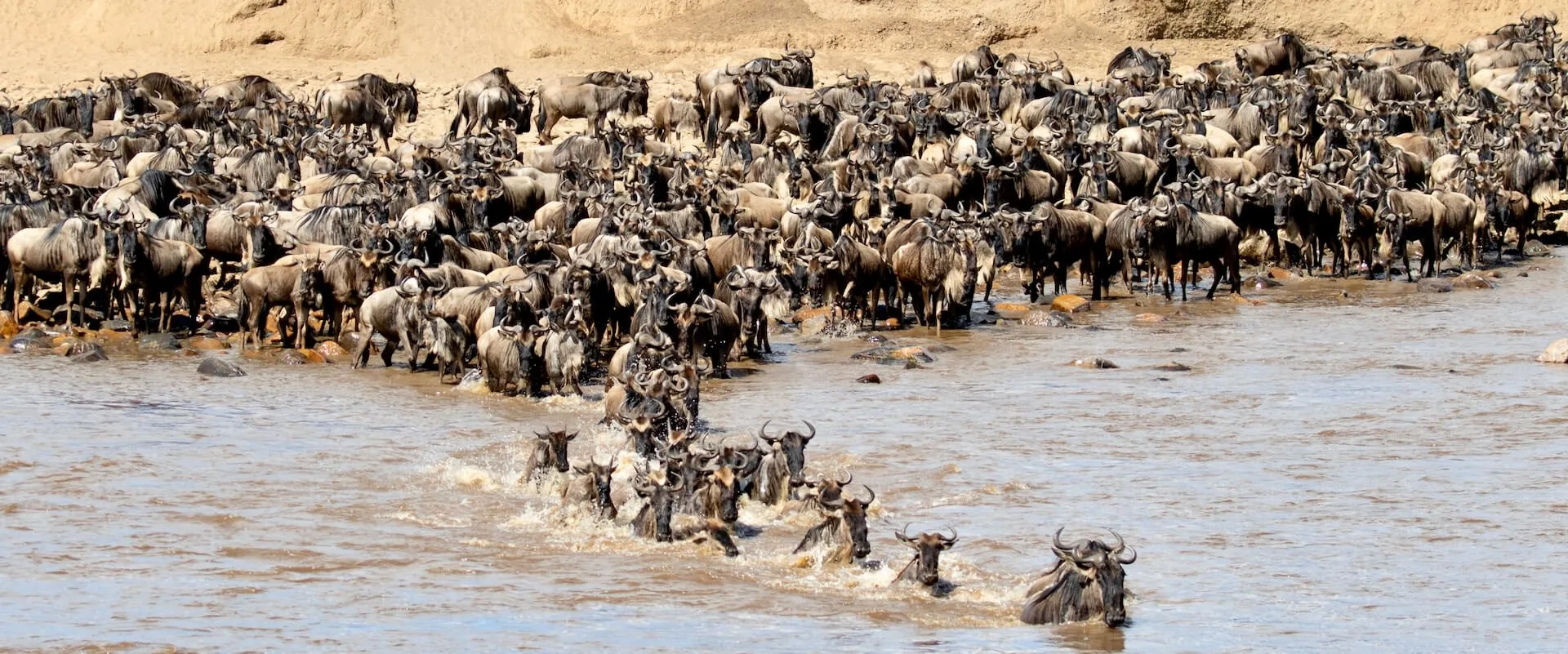
The Great Migration in Africa happens all year because the herds continuously circulate through the Serengeti–Mara ecosystem in…
Read article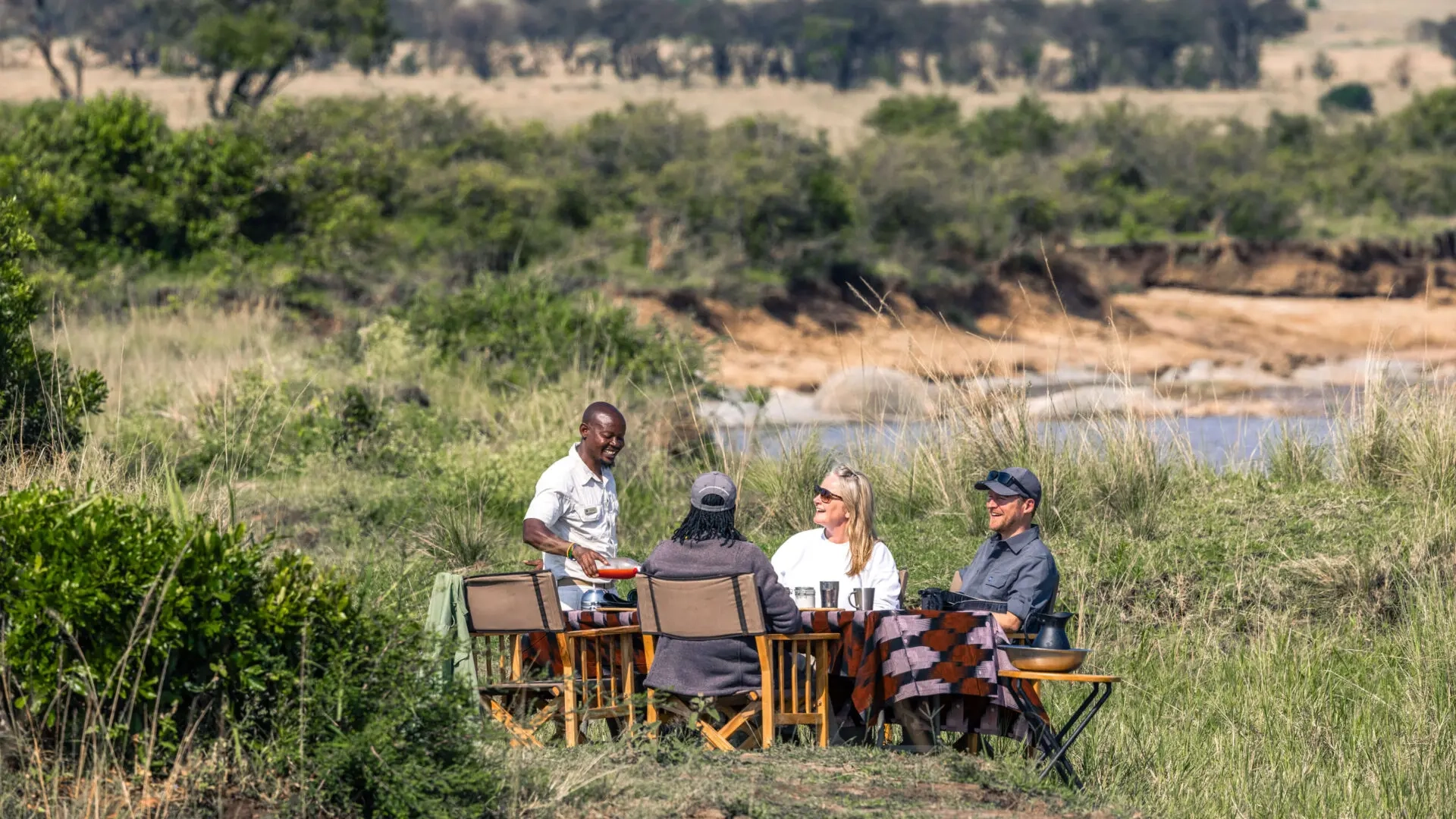
Definitive answer: A picnic lunch on safari is a packed or catered midday meal eaten at an approved…
Read article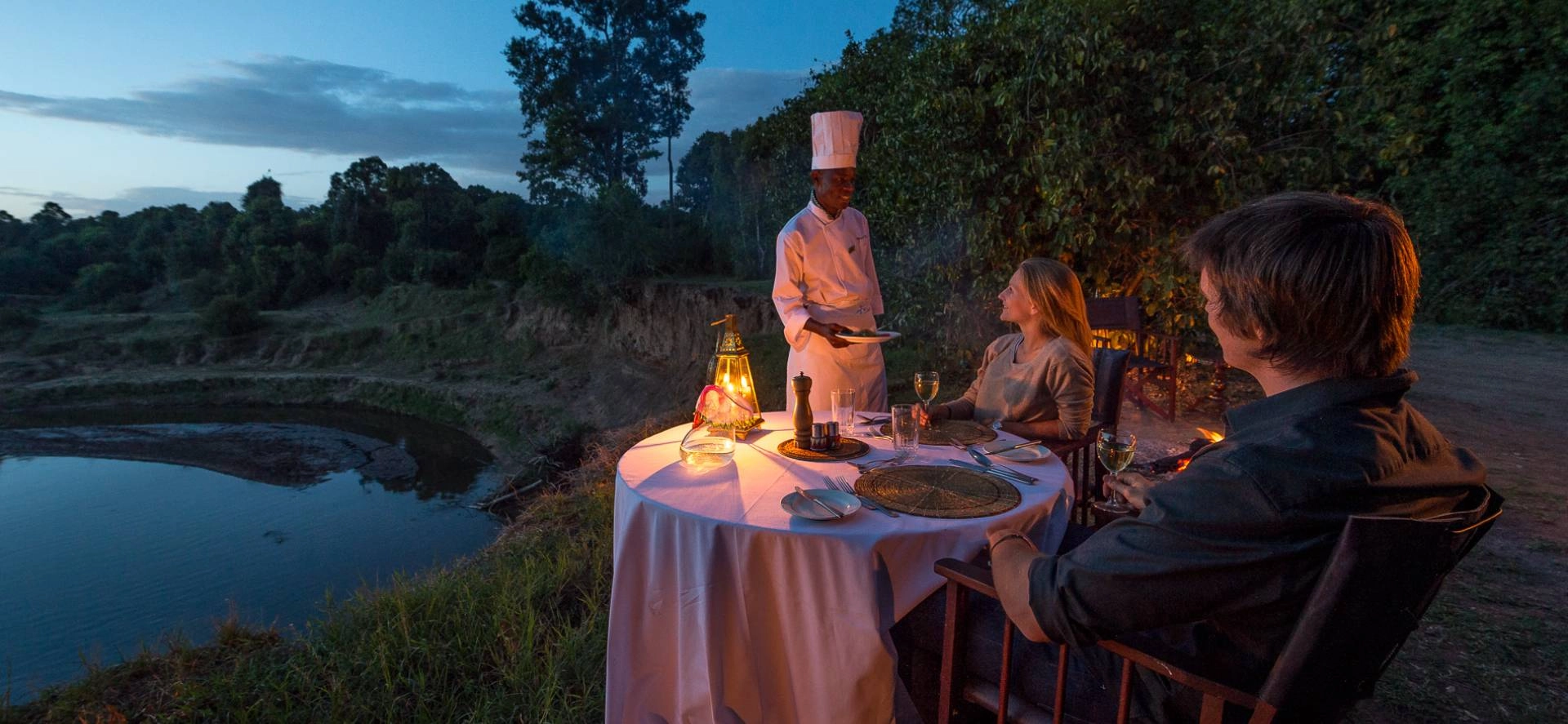
Definitive answer: A bush dinner is an outdoor evening meal arranged in a safe safari setting away from…
Read articleLet us take you closer to the wildlife, people and places that make Africa extraordinary.
Plan Your Safari Today