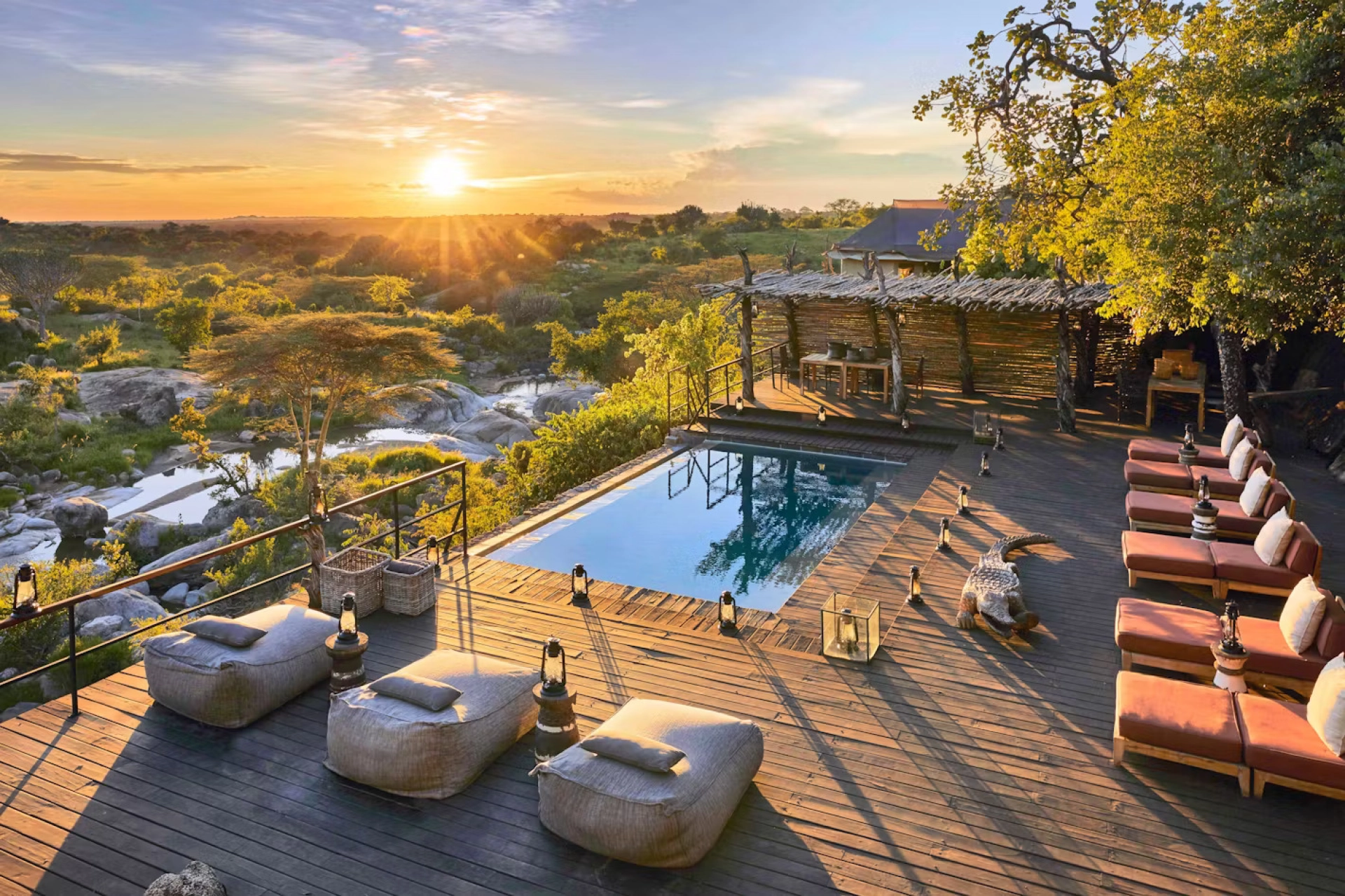
What should I look for when booking a luxury African safari?
When booking a luxury African safari, look beyond the room and compare the quality of guiding, wildlife location,…
Read article

Africa Travel Guide
--- The gorilla trekking price in Uganda cannot accurately be reduced to one number because the final cost of seeing mountain gorillas is made up of several separate components. The official gorilla permit is the most…
—
The gorilla trekking price in Uganda cannot accurately be reduced to one number because the final cost of seeing mountain gorillas is made up of several separate components. The official gorilla permit is the most obvious expense, but transportation, accommodation, meals, professional guiding, itinerary length, group size and the choice between road and air travel can change the total price dramatically.
This explains why two travelers searching online for the “cost of gorilla trekking in Uganda” may find safari quotations that differ by hundreds or even thousands of dollars. One quotation may represent a basic road trip beginning in Kigali. Another may represent a private midrange safari from Entebbe. Another may include domestic flights and a premium forest lodge.
All three travelers may ultimately spend the same regulated period observing mountain gorillas. The difference lies in how they reach the forest and what level of comfort surrounds the trek. Understanding these cost components allows you to choose intelligently instead of simply selecting the lowest headline price.
Every ordinary Uganda gorilla trekking safari requires the appropriate official gorilla permit. The permit tariff is established under the official conservation pricing applicable to the travel period and visitor category. Because tariffs can change, travelers should verify the exact Uganda gorilla permit price for their travel date rather than relying on old articles. This is especially important when planning a trip a year or more in advance.
A price quoted under one tariff period may not remain valid indefinitely.
Protected-area tariffs are periodically reviewed. Conservation costs change. Tourism policy evolves. Infrastructure and management requirements change. Visitor categories may also be treated differently. This is normal. The important lesson for travelers is to date-check every price they see online. If an article says “the gorilla permit costs X dollars” but does not tell you which tariff period it refers to, verify the figure before building your budget.
Suppose two people secure their gorilla permits. They still need to reach Bwindi or Mgahinga. They need somewhere to sleep. They need food. They need transportation to the briefing point. They may require airport transfers. They may want additional activities. This is why the total Uganda gorilla trekking cost can be significantly higher than the permit itself. The permit buys access to the regulated activity. The safari package gets you there and back comfortably.
The largest variables are your starting point, number of travelers, safari length, accommodation level and transportation style. A couple starting from Kigali and spending only a few days in southern Bwindi has a different cost structure from a solo traveler driving from Entebbe. A luxury traveler using domestic flights has another. A ten-day safari combining gorillas, chimpanzees and Queen Elizabeth has another again.
The correct question is therefore not merely: “How much is gorilla trekking?” It is: “What kind of gorilla safari do I want?”
A budget gorilla safari in Uganda focuses spending on the essentials. You still require the official permit. You still need safe transportation. You still need professional safari arrangements. The savings normally come from accommodation and itinerary structure. Budget lodges provide simpler rooms and fewer premium amenities. They may not have elaborate spas, fireplaces, private plunge pools or extensive wine lists. But a well-selected budget lodge can provide a clean bed, private bathroom, hot shower, good food and convenient location.
For many travelers, that is enough.
No. This is one of the most important facts for cost-conscious travelers. The gorillas do not know whether you stayed in a $100 room or an extremely expensive luxury suite. Once you reach the park briefing point, the official trekking experience is governed by the same conservation system. A budget traveler can therefore have an extraordinary gorilla encounter. The main differences appear before and after the trek.
Saving money is sensible. Cutting essential operational quality is not. Do not choose unreliable transportation simply because it is cheaper. Do not stay several hours from the correct trekking sector merely to save a small amount on the room. Do not use unverified booking channels for valuable permits. Do not travel without appropriate insurance simply to reduce the total trip cost. The cheapest safari becomes very expensive if poor planning causes you to miss your gorilla trek.
A midrange Uganda gorilla safari is the most popular choice for many international travelers. Midrange accommodation generally provides a stronger level of comfort without reaching premium luxury pricing. Rooms are usually well equipped. Private bathrooms are standard.
Meals are substantial. Locations can be excellent. Service is more personalized than at very basic properties. After a long day in the forest, these differences matter.
Gorilla trekking is physically demanding. You may return wet, muddy and tired. A hot shower, comfortable room and quality dinner become meaningful luxuries. Midrange accommodation provides these benefits while preserving more of the travel budget for additional experiences. Instead of spending the majority of the budget on one luxury lodge, you might add chimpanzee trekking or an extra night in Queen Elizabeth. For many wildlife-focused travelers, this produces better overall value.
A luxury gorilla safari in Uganda can cost substantially more because premium accommodation and air transfers add significant expense. High-end forest lodges may provide exceptional locations, spacious suites, personalized service, sophisticated dining and wellness facilities. Some luxury travelers also choose domestic flights instead of long road transfers. This can dramatically improve comfort, particularly on a short itinerary.
Luxury does not buy better gorillas. It buys a more comfortable journey. This distinction is worth understanding. You may fly rather than drive for most of a day. Your lodge may overlook the forest. Your room may have exceptional privacy. Dining may be more elaborate. Laundry and personalized service may be included. The gorilla trek itself remains a controlled wildlife experience.
Transportation represents a substantial component of most Uganda gorilla safari prices. A private safari vehicle incurs costs whether one traveler or several travelers occupy it. These include fuel, professional driver-guide services, vehicle operation and long-distance transfers. This explains why solo safaris often cost considerably more per person.
Suppose a vehicle and driver cost a certain amount for the itinerary. A solo traveler carries that expense alone. Two travelers divide it. Three or four travelers divide it further. The permit remains individual, but shared transportation creates economies of scale. This is why safari quotations should always specify the number of travelers.
A solo Uganda gorilla safari can be expensive if arranged privately. However, solo travelers have several strategies. They can join a scheduled small-group departure. They can accept simpler accommodation. They can begin from Kigali if geography and flight plans make that efficient. They can reduce the total number of safari days. Or they can accept the higher private cost in exchange for complete flexibility.
Small groups can achieve excellent value. Transportation costs are shared. Guide costs are shared. Some room arrangements can also reduce expenses. However, group size must remain comfortable for the safari vehicle and itinerary. Saving money by overcrowding a vehicle undermines the experience. Everyone should have reasonable space and wildlife-viewing access.
Beginning in Entebbe provides the most complete Uganda experience but generally involves a long journey to southwestern Uganda. For a road safari, this means additional vehicle days, fuel and accommodation compared with a very short Kigali-based route. However, the journey can be transformed into a longer safari. Instead of treating transportation as wasted cost, include Lake Mburo, Kibale or Queen Elizabeth.
Then the money pays for experiences rather than simply mileage.
A Kigali to Bwindi gorilla safari can be cost-efficient for travelers with limited time because parts of southwestern Uganda are geographically closer to Kigali than to Entebbe. The route crosses an international border and continues toward the relevant gorilla region. This can reduce the number of road days required for a short trip. However, international border logistics and current immigration requirements must be considered.
The cheapest-looking route is not always the simplest for every nationality.
Road travel is generally more affordable. Flying saves time. That trade-off defines many safari budgets. A traveler with two weeks may enjoy driving through Uganda. A traveler with four days may value every hour and prefer a domestic flight. Neither choice is inherently better. It depends on time and budget.
Domestic flights add expense but can remove many hours of driving. Kihihi is commonly used for northern Bwindi itineraries. Kisoro is useful for southern Bwindi and Mgahinga-area routes. Flights still require road transfers between the airstrip and lodge.
Travelers should therefore compare complete door-to-door time rather than assuming a flight eliminates all ground transport.
Accommodation can be one of the biggest variables after the permit and transportation. A simple lodge might cost a fraction of a premium property. Multiply that difference across several nights and the effect on the safari total becomes significant. This is why accommodation category should reflect your actual priorities.
A cheaper lodge ten minutes from your briefing point may provide better operational value than an expensive property requiring a long early-morning drive. Likewise, a luxury lodge located in the correct sector may justify its price because of convenience and atmosphere. Do not compare room prices without comparing location.
Most safari itineraries around Bwindi include meals according to the lodge plan. This matters because gorilla destinations are often remote. You cannot assume you will walk down the street and choose among twenty restaurants. Full-board arrangements can therefore be convenient and cost-effective. Always check what your quotation includes.
Premium alcoholic beverages, specialty drinks, laundry, tips and personal purchases may be excluded. These costs are usually small relative to the permit but can accumulate on longer safaris. Budget separately.
Tipping is generally discretionary and should reflect service quality and local guidance. Travelers may wish to tip driver-guides, lodge staff, trackers, rangers or porters according to appropriate practice. Because tipping expectations can evolve, ask your operator for current guidance rather than relying on a decade-old travel forum.
Hiring a porter adds a relatively small amount to the overall safari budget but provides substantial practical value. Porters carry your daypack and assist on difficult terrain. This can make the trek considerably easier. The money also goes directly into the local tourism economy. For most travelers, a porter offers one of the best value-for-money additions to the trip.
Do not forget pre-trip equipment. If you already own hiking boots and waterproof clothing, this cost may be minimal. If you need to purchase everything, the preparation budget can become significant. Essential gear does not need to be expensive or fashionable. It needs to function. Good grip matters. Rain protection matters. Comfort matters. Designer safari clothing does not.
International travelers should include applicable visa or entry costs in their broader Uganda travel budget. Requirements depend on nationality and itinerary. Travelers combining Uganda with Rwanda or Kenya should investigate the appropriate current visa structure. Rules can change, so verify them close to booking and travel.
Travel-health expenses may include consultations, recommended vaccinations, malaria-prevention medication and travel-health supplies. These vary greatly according to the traveler’s medical history, nationality and existing vaccination record. Health costs should be budgeted separately from the safari package.
Travel insurance is another expense that should not be ignored. A gorilla safari involves valuable permits, international flights and remote-area travel. Insurance can provide protection against covered cancellations, medical emergencies, evacuation and other disruptions according to the chosen policy. Read the policy carefully. Cheap insurance with inadequate coverage is not necessarily good value.
A 3-day Uganda gorilla safari is one of the shortest common itineraries. The price generally includes the gorilla permit, two nights of accommodation, road transportation, driver-guide services and meals according to the package. The starting point makes a major difference. A three-day Kigali-based itinerary can have different transportation costs from a three-day Entebbe-based safari.
Short safaris still contain the expensive permit. They also contain long-distance transportation. These fixed costs are compressed into only a few days. Therefore, the per-day price can appear high. Adding another safari day may increase the total cost but reduce the average daily cost while providing much more experience.
Four days allows additional flexibility. You might include Lake Bunyonyi, Lake Mutanda, golden monkeys or a more relaxed transfer schedule depending on the route. The extra night increases accommodation and vehicle cost, but the itinerary becomes less rushed.
A 5-day gorilla safari can begin to incorporate conventional wildlife viewing. Depending on geography, Queen Elizabeth National Park may be included. Travelers who want more than a gorilla-only trip often find five days a useful minimum.
Seven days allows a much stronger safari. You can combine Bwindi with Queen Elizabeth or Kibale without treating every day as a transfer marathon. The total price rises, but so does the diversity of experiences.
A ten-day Uganda gorilla and chimpanzee safari can include Kibale, Queen Elizabeth and Bwindi. This is one of the best-value ways to experience Uganda because the expensive international flight is supporting a much richer journey. Instead of flying to Africa for one major activity, you experience several world-class ecosystems.
Chimpanzee trekking requires separate activity arrangements and therefore increases the total safari price. However, for primate enthusiasts, the addition provides exceptional value.
Chimpanzees and gorillas produce very different encounters. Seeing both creates a much more complete understanding of Uganda’s primate tourism.
Adding Queen Elizabeth National Park introduces park-related costs, additional accommodation and transportation. Yet it also provides game drives, savannah wildlife and the Kazinga Channel. For travelers visiting Africa for the first time, this combination makes the trip feel much more like a complete safari.
Murchison Falls lies much farther north, so incorporating it adds several days and considerable driving. The reward is a dramatically different ecosystem and the Nile. Travelers with sufficient time should compare the cost of a comprehensive Uganda circuit with the cost of taking a separate African safari later. One longer trip can sometimes provide better overall value.
Golden monkey tracking is a natural addition around Mgahinga. It requires its own activity fee, but the logistical cost can be relatively efficient if you are already staying near Kisoro. This illustrates an important budgeting principle: Activities located near your existing route are usually cheaper to add than distant destinations requiring additional vehicle days.
The gorilla habituation experience in Uganda has a different permit structure and price from standard trekking. Because official tariffs change, confirm the current amount for your travel date. The experience can be substantially more expensive, but it offers a different structure and more extended field involvement.
For serious photographers, primate enthusiasts and travelers who want more time around gorillas, it may be. For a first-time traveler on a limited budget, standard trekking may provide better overall value. The money saved could fund chimpanzee trekking, Queen Elizabeth or another safari day. Value depends on personal priorities.
Two treks require two permits. Accommodation and transportation may not increase dramatically if you are already staying in the same region. This makes a second trek a relatively straightforward upgrade once the safari reaches Bwindi. Photographers should seriously consider it. The first encounter often passes too quickly because everything is new. On the second trek, you can observe more deliberately.
Travelers frequently compare the cost of gorilla trekking in Uganda vs Rwanda. Permit pricing is only one part of this comparison. Rwanda’s Volcanoes National Park has convenient access from Kigali. Uganda may provide different permit economics and broader opportunities for a multi-park safari. Accommodation pricing, transfer costs and itinerary length can change the final comparison. Compare complete trips rather than permit figures alone.
Travel conditions, security considerations, permit systems and operational circumstances differ substantially between countries. Travelers should base decisions on current official advice and professional operator guidance rather than selecting a destination only because an old article lists a lower permit price. Price should never override safety.
The most effective strategy is to optimize the whole itinerary. Travel with another person. Use budget or midrange accommodation. Travel by road. Avoid unnecessary backtracking. Stay in the correct trekking sector. Combine nearby activities. Book early enough to retain accommodation choices. These decisions save money without reducing conservation quality.
For short trips, Kigali can reduce road time to parts of southwestern Uganda. This may also reduce vehicle-day costs. However, compare international airfare and border requirements before assuming it is cheaper overall. Sometimes a slightly higher safari price can be offset by a better international flight.
Scheduled group tours can lower per-person transportation expenses. They are ideal for solo travelers and couples comfortable sharing a vehicle and fixed itinerary. The trade-off is reduced flexibility. A private safari costs more but allows the route to respond to your interests.
Accommodation rates may be more favorable during certain periods. Permit tariffs do not necessarily change with lodge seasons, but the total package may become more affordable if accommodation promotions are available. Travelers comfortable with wetter conditions can therefore find good value.
This mistake can create far greater transport costs. If your permit is in Rushaga, stay near Rushaga. If it is in Buhoma, choose appropriate northern accommodation. A cheap room becomes expensive if the vehicle must make a long mountain transfer before sunrise.
Early booking is not only about permit availability. It gives you more accommodation choices. When inexpensive good-quality lodges sell out, late-booking travelers may be forced into higher categories. Planning early protects both availability and budget.
Couples often achieve excellent value because transport is shared between two people. Double or twin rooms also tend to be priced more efficiently than two separate single rooms. This makes two-person private gorilla safaris one of the most common booking structures.
Family costs depend on the number of eligible trekkers, room configuration and vehicle requirements. Families traveling with younger children should confirm age restrictions before purchasing permits.
Alternative activities and childcare arrangements can affect the total budget.
Groups can share transport costs effectively. However, everyone needs their own appropriate permit. A group of six therefore requires six permit spaces on the same travel date. This is why larger groups should book early.
A fly-in safari sits at the higher end of the market. The traveler pays for domestic flights, premium accommodation and private transfers. Yet for someone with limited vacation time, the value can be excellent. Saving a full day of road travel may allow another day with wildlife. Time has value too.
Different operators use different vehicles, accommodation, guide structures, inclusions and operating margins. Some own vehicles. Others subcontract. Some quotations include all park activities. Others show them separately. Some include drinks. Some do not. A price difference does not automatically mean one company is overcharging. Read the details.
Make sure you understand whether the quotation includes the gorilla permit, accommodation, meals, park activities, vehicle, fuel, driver-guide and airport transfers. Also check what is excluded. The purpose is not to interrogate the operator. It is to prevent misunderstandings. A clear quotation protects both traveler and safari company.
The largest forgotten costs often occur outside the safari quotation. International flights. Insurance. Visas. Vaccinations. Tips. Drinks. Laundry. Souvenirs. Extra hotel nights before or after the safari. Personal equipment. Include these in the complete travel budget.
Safari quotations may be issued in US dollars or another stated currency. Exchange-rate movements can change the effective cost for travelers earning euros, pounds, Canadian dollars or other currencies. When budgeting far in advance, leave some margin for currency fluctuation.
Safari operators normally require payment according to stated booking conditions because permits and accommodations need to be secured. Read the deposit and balance terms carefully. Understand which components become non-refundable once purchased. This is especially important for gorilla permits.
Some travelers see the permit price and initially experience sticker shock. But mountain gorilla tourism operates at low visitor volumes compared with mass tourism attractions. Rangers protect forests. Trackers monitor gorilla families. Conservation programs require funding. Tourism infrastructure operates in remote mountain regions. Visitor numbers are deliberately limited. This is not an attraction designed to process thousands of people every hour. Its scarcity is part of the conservation model.
Well-managed tourism creates economic value around protected gorilla habitat. Permits support the protected-area system. Tourism creates employment for guides, rangers, lodge workers, drivers, porters and many other people. Visitors purchase local goods and services. This does not solve every conservation challenge, but it creates a powerful economic argument for keeping gorilla habitat protected.
Not necessarily in direct proportion. Your permit participates in the regulated conservation tourism system regardless of whether you sleep at a budget or luxury lodge. Higher-end tourism can create additional employment and local economic activity, but travelers should choose accommodation according to their preferences rather than assuming expensive automatically means more ethical.
There is a difference between affordable gorilla trekking and suspiciously cheap gorilla trekking. A legitimate operator can reduce costs through sensible accommodation, group transport and efficient routing. But the official permit cannot simply disappear from the cost. If a quotation appears dramatically lower than every realistic alternative, investigate what is missing.
For travelers fascinated by wildlife, primates and conservation, it is one of the most worthwhile experiences in Africa. The value is not measured by how many animals you see. You may spend an hour with one gorilla family. Yet the rarity, intimacy and effort involved can make that hour more memorable than days of conventional wildlife viewing.
The same travel budget can purchase very different experiences. A traveler could spend several nights in a luxury beach resort. Or use that money to enter Bwindi and see mountain gorillas. Neither choice is objectively better. But they produce different kinds of memories. Gorilla trekking appeals to travelers who value rarity and experience over conventional comfort.
A Masai Mara safari can provide large numbers of animals and dramatic predator sightings. Gorilla trekking provides intimacy with one endangered great ape family. They should not be treated as substitutes. The ideal African journey can combine both.
Combining Uganda with Tanzania increases airfare and logistical costs but creates one of Africa’s strongest wildlife itineraries. Mountain gorillas can be followed by Serengeti game drives and Ngorongoro Crater. Travelers with sufficient budget can add Zanzibar afterward. This produces primates, savannah and beach in one journey.
For international travelers, seven to ten days often provides better overall value than an extremely short trip. The international flight cost remains similar regardless of whether you stay three days or ten. By staying longer, you distribute that fixed travel expense across more experiences.
A particularly strong value itinerary combines Kibale, Queen Elizabeth and Bwindi. You receive chimpanzees, savannah game drives, boat safari and mountain gorillas. Road distances remain manageable within a logical western circuit. This is often more satisfying than flying to Uganda solely for one gorilla trek.
For serious wildlife enthusiasts, one of the best uses of additional budget is a second gorilla permit. The second trek can reveal different behavior and photography opportunities. If your primary reason for traveling is gorillas, spending more time with them may provide better value than upgrading every lodge.
Photographers should budget for equipment protection and potentially additional trekking days. A single hour can be challenging for photography. Light may be poor. The gorillas may remain behind vegetation. A second trek improves the probability of varied conditions.
There is no responsible universal answer because the gorilla trekking price Uganda depends on the safari you choose. Think of the cost in layers. First comes the permit. Then transportation. Then accommodation. Then additional parks and activities. Then personal travel costs such as international flights, insurance and health preparation. The permit creates the opportunity to see gorillas. The rest of the budget determines how comfortably and extensively you experience Uganda around that encounter. A traveler with a limited budget should not be discouraged. Choose a simple lodge. Share transportation.
Travel by road. Keep the itinerary geographically efficient. You can still have the same unforgettable moment with mountain gorillas. A traveler with a larger budget can fly, stay in premium lodges and extend the journey across East Africa. Neither approach owns the experience. The forest treats both travelers equally.
Adventure in the Wild Safaris creates customized Uganda gorilla safari packages based on actual travel dates, group size, accommodation preferences and desired activities. Instead of giving every traveler one artificial fixed price, we can structure the safari around your priorities. Choose budget, midrange, luxury or high-end accommodation. Begin in Entebbe or Kigali. Travel by road or add domestic flights. Combine Bwindi gorilla trekking with Kibale chimpanzee trekking, Queen Elizabeth National Park, Ishasha, the Kazinga Channel, Lake Bunyonyi, Lake Mutanda, Mgahinga Gorilla National Park, golden monkeys or Murchison Falls.
We can also design longer combinations with Rwanda, Kenya and Tanzania. The best gorilla safari is not automatically the cheapest. Nor is it automatically the most expensive. It is the itinerary that spends your money on the experiences that matter most to you. For current Uganda gorilla permit prices, availability and a personalized gorilla trekking safari quotation, contact Adventure in the Wild Safaris with your travel dates, number of travelers, preferred accommodation level and desired trip duration.
Get quick answers to the most common questions about gorilla trekking in Africa. If you still have questions, our safari experts are here to help.
The total depends on the current permit tariff plus accommodation, transport, itinerary length, group size and additional activities.
No. It covers the official trekking activity rather than your complete travel arrangements.
Yes. Budget accommodation and efficient road itineraries can substantially reduce total costs.
The park-regulated gorilla experience is not upgraded simply because you stay at a more expensive lodge.
Private transport and guide costs are not shared with other travelers.
It can be for certain short itineraries, but international flights, border requirements and the exact trekking sector must be considered.
For travelers with limited time or those prioritizing comfort, domestic flights can be extremely valuable.
Yes, subject to permit availability and the applicable rules. Each trek requires the appropriate permit.
Some lodges may offer seasonal value, but permit pricing follows the applicable official tariff.
Use efficient routing, travel with others, select good budget accommodation and avoid unnecessary transport days.
Our safari experts are here to help you plan your gorilla trekking adventure. Get personalized advice, the latest information and a free, no-obligation quote.
We typically reply within a few hours.
“Gorilla trekking is more than a safari — it’s a powerful reminder of our shared humanity and the importance of protecting our natural world.”
— Adventure in the wild Safaris

Share This Article
When booking a luxury African safari, look beyond the room and compare the quality of guiding, wildlife location,…
Read article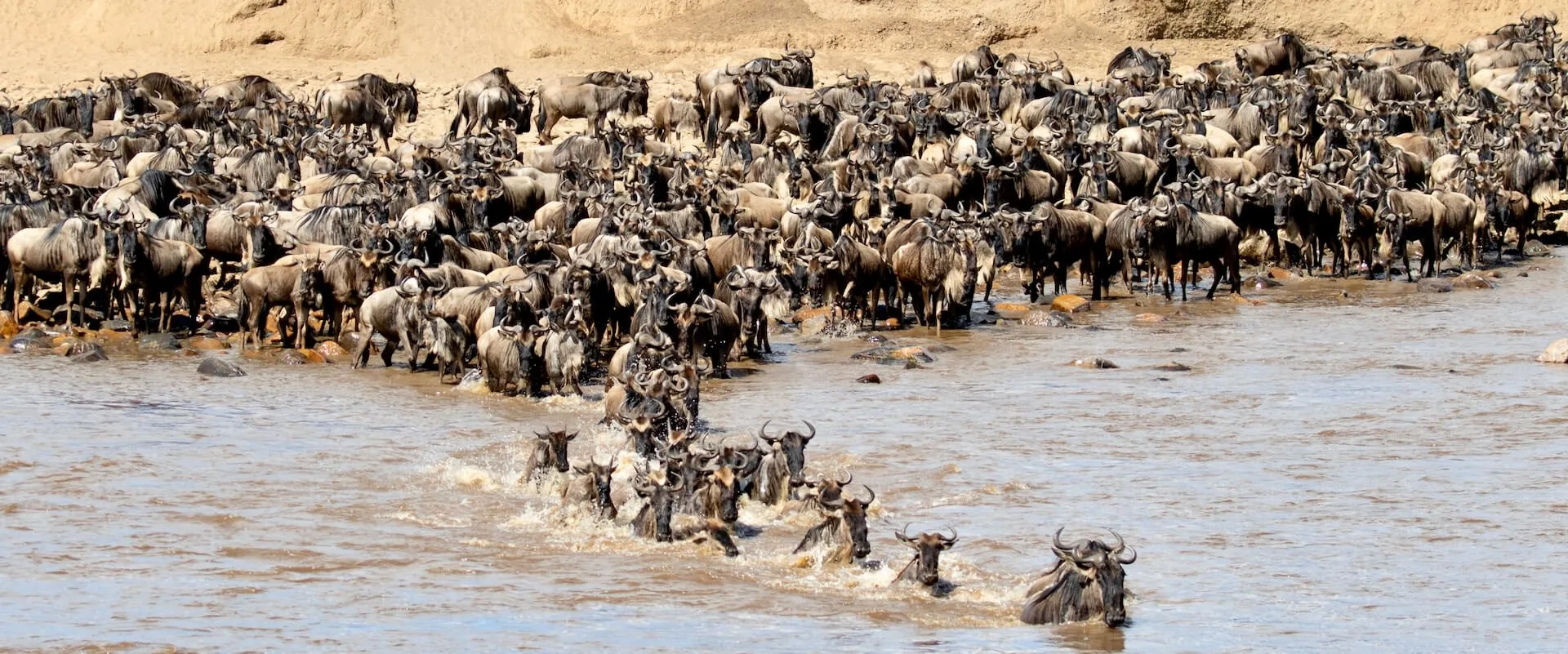
The Great Migration in Africa happens all year because the herds continuously circulate through the Serengeti–Mara ecosystem in…
Read article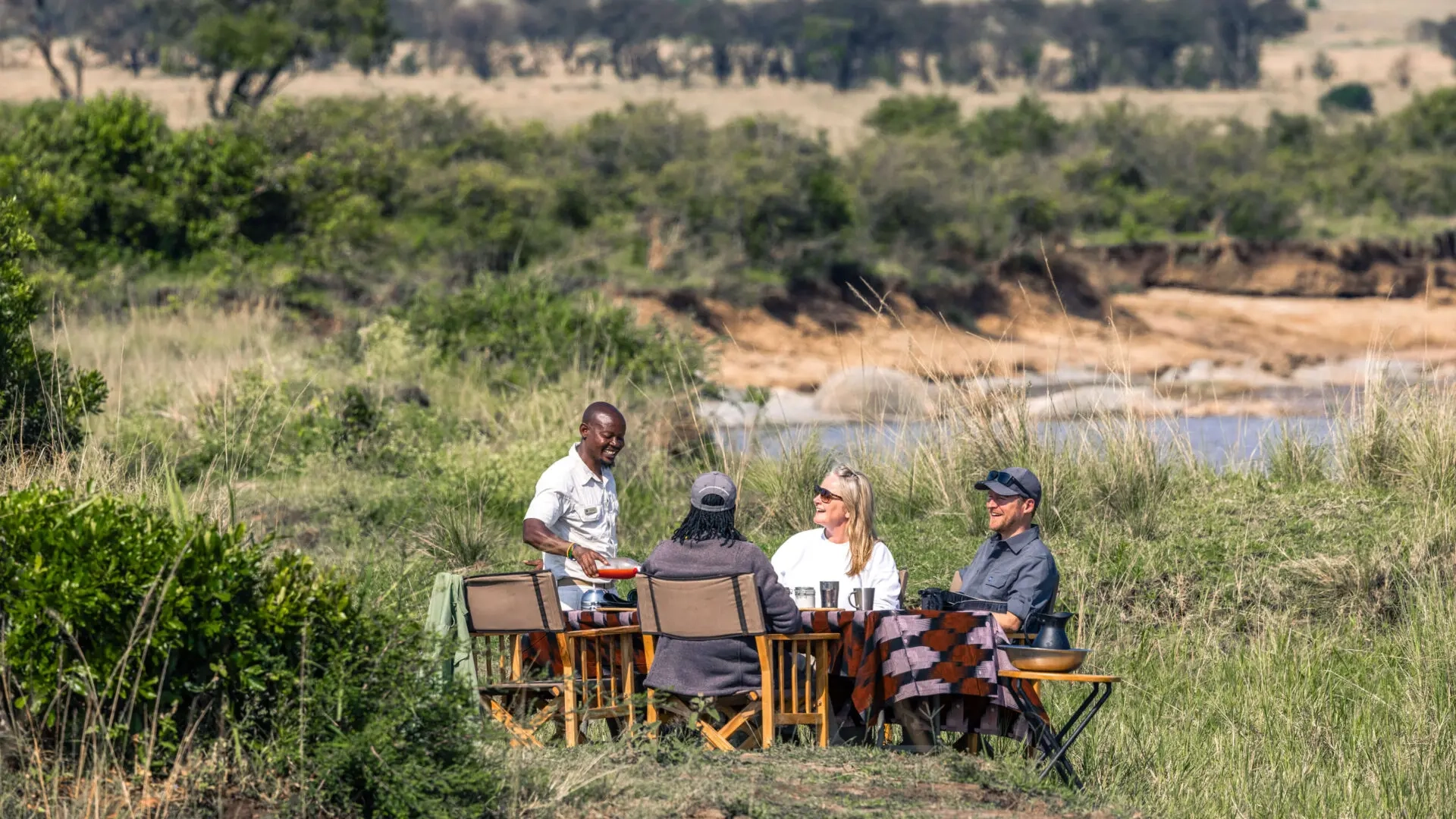
Definitive answer: A picnic lunch on safari is a packed or catered midday meal eaten at an approved…
Read article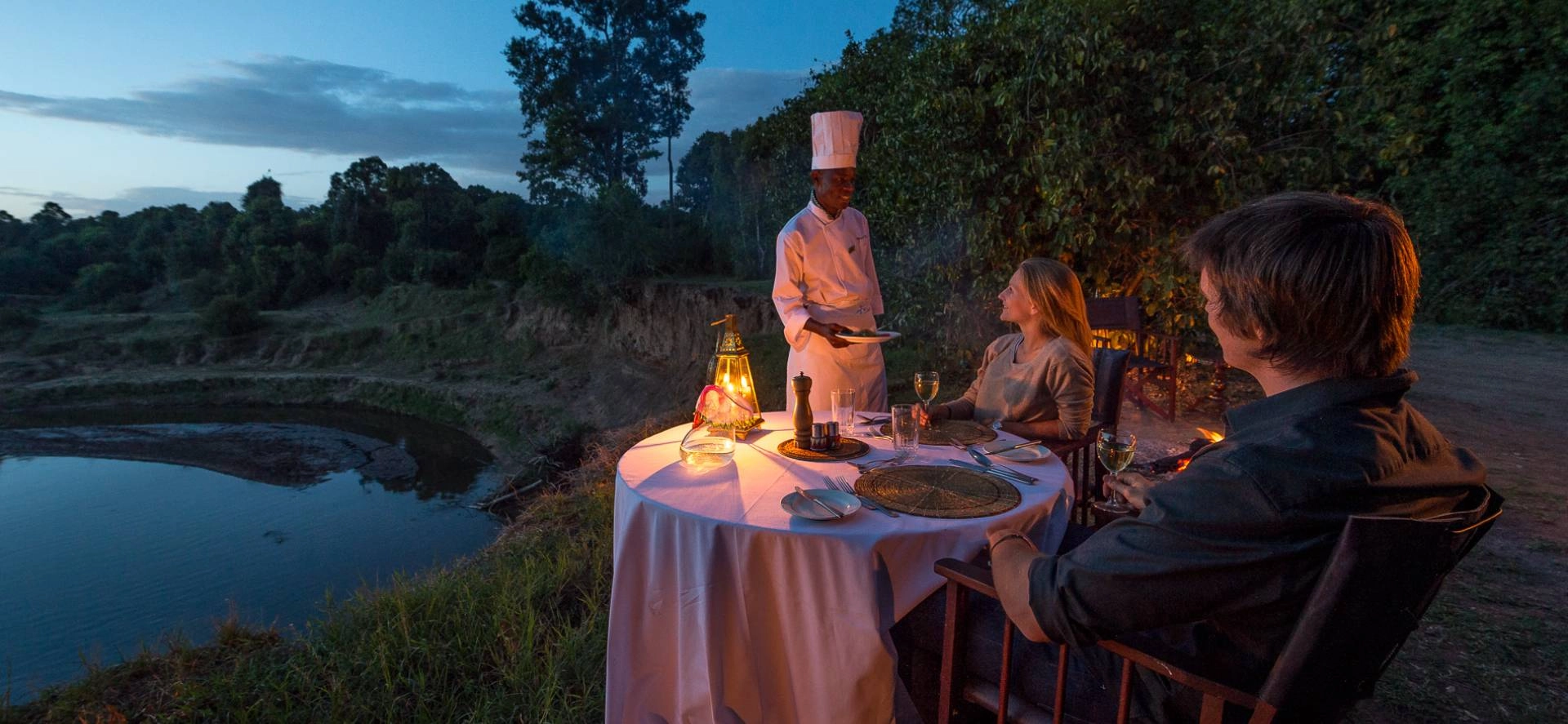
Definitive answer: A bush dinner is an outdoor evening meal arranged in a safe safari setting away from…
Read articleLet us take you closer to the wildlife, people and places that make Africa extraordinary.
Plan Your Safari Today