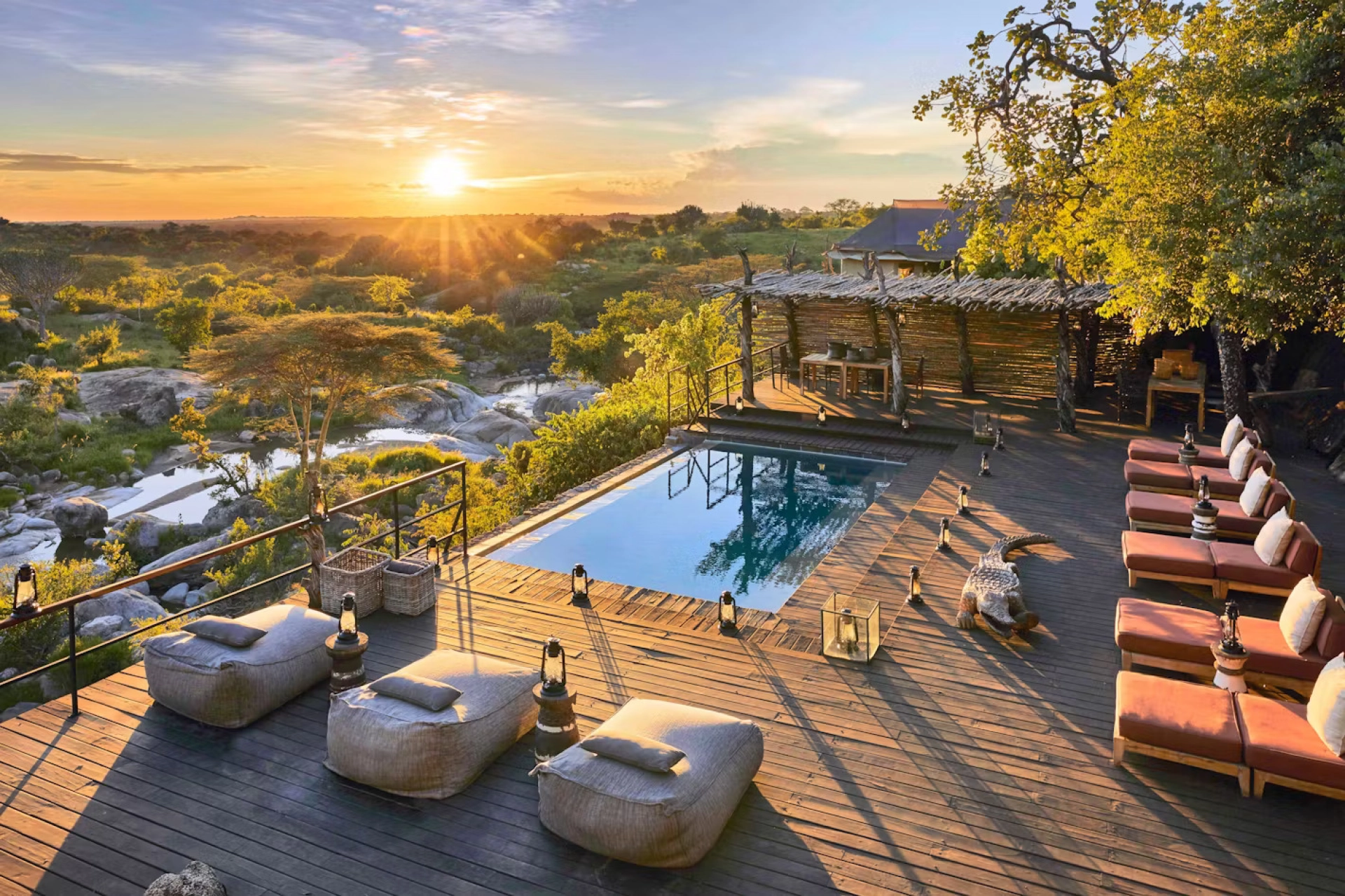
What should I look for when booking a luxury African safari?
When booking a luxury African safari, look beyond the room and compare the quality of guiding, wildlife location,…
Read article

Africa Travel Guide
Travelers researching mountain gorilla safaris in Uganda eventually encounter two experiences that sound similar but are actually quite different: standard gorilla trekking and the gorilla habituation experience. Both provide the extraordinary opportunity to enter the rainforest…
Travelers researching mountain gorilla safaris in Uganda eventually encounter two experiences that sound similar but are actually quite different: standard gorilla trekking and the gorilla habituation experience. Both provide the extraordinary opportunity to enter the rainforest of Bwindi Impenetrable National Park in search of wild mountain gorillas, but the permit prices, amount of time involved, structure of the encounter and type of traveler each experience suits can differ considerably.
The most obvious difference is cost. A gorilla habituation permit in Uganda is normally priced substantially higher than the standard gorilla trekking permit under the applicable conservation tariff. However, comparing the two activities only by looking at the permit price misses the most important question. What are you actually paying for? Standard gorilla trekking is designed to provide a carefully controlled encounter with a habituated mountain gorilla family. You trek through the forest with professional guides and trackers, locate the assigned family and then spend the officially regulated observation period with the gorillas.
The habituation experience is different. It is associated with the gradual process through which selected gorilla groups become accustomed to controlled human presence. Visitors participating in the official Uganda gorilla habituation experience spend substantially more time in the field and, under the applicable structure, have a much longer opportunity around the gorillas than standard trekkers. That additional time is the principal reason many photographers and serious primate enthusiasts consider paying the higher price. But more expensive does not automatically mean better. For some travelers, standard trekking offers much stronger value. For others, habituation may become the highlight of their entire African journey. Understanding the difference before paying is essential.
Gorilla trekking in Uganda is the country’s classic mountain gorilla experience. Trekkers report to the appropriate park briefing point early in the morning. Rangers explain the rules, organize visitors according to the day’s operational arrangements and assign professional guides and trackers. The group then enters the forest. How long you walk before locating the gorillas cannot be guaranteed. A gorilla family may have remained relatively close to the previous day’s location. Another may have moved considerably farther through the forest. Rainfall, terrain and vegetation can make the trek easier or more demanding.
Once the family is located, standard visitors receive the official regulated observation period according to the current rules. This is the experience most people mean when they talk about gorilla trekking in Bwindi.
Gorilla habituation is the gradual process of familiarizing a wild gorilla group with carefully controlled human presence. The objective is not to tame the animals. Mountain gorillas remain completely wild. Instead, trained researchers, trackers and conservation personnel spend repeated periods around a selected group so the gorillas gradually become less reactive to the predictable presence of humans.
The process can take a long time because every gorilla group behaves differently. Some individuals may become relatively tolerant earlier. Others remain cautious. Females with infants may behave differently from juveniles. A silverback’s response influences the entire group. The process therefore requires patience and expert monitoring. Uganda’s gorilla habituation experience allows a limited number of visitors to gain a deeper perspective on this conservation process under the arrangements permitted by the responsible wildlife authorities.
The fundamental difference is not simply price. It is the nature of the gorilla group and the amount of time associated with the encounter. Standard trekking visits gorillas that have completed the habituation process sufficiently for regular regulated tourism. The habituation experience is connected with groups still undergoing the process. This creates a different atmosphere. A fully habituated tourism family may continue feeding, resting and interacting while visitors observe according to ranger instructions. A group undergoing habituation can behave less predictably around human presence. Individuals may move.
Vegetation may obstruct views. The group may require more patient observation. This makes habituation fascinating for travelers interested in animal behavior but does not guarantee easier photography.
The exact Uganda gorilla trekking permit price should always be confirmed for your travel date. Uganda periodically updates its conservation tariffs, and visitor categories can affect the applicable price. This page is
Do not budget using a figure copied from a five-year-old travel blog.
The gorilla habituation experience cost in Uganda is higher than standard trekking under the normal tariff structure because the product provides a more specialized and extended experience with very limited visitor availability. Again, travelers should confirm the exact tariff applying to their travel date. The important planning principle is the price relationship. Habituation represents a premium gorilla experience. Therefore, you should decide whether the additional time and specialized nature of the activity justify the higher permit expense for you personally.
The answer becomes clearer when you think beyond visitor time. Habituation is an intensive conservation process. Professional trackers and researchers repeatedly monitor gorilla groups. The tourism component must remain tightly controlled. Visitor numbers are very limited. The experience occupies substantially more of the day. These factors make it fundamentally different from simply purchasing a longer standard gorilla trek. You are entering a specialized conservation context.
Time is one of the strongest reasons travelers compare gorilla trekking vs gorilla habituation. Standard trekking provides the conventional regulated observation period once the gorilla family has been located. The habituation product provides substantially more observation time according to the current official structure. For someone who has dreamed about mountain gorillas for decades, that difference can be extremely valuable.
A standard encounter can feel surprisingly short because the first few minutes are emotionally overwhelming. You are adjusting your camera. You are listening to ranger instructions. You are trying to understand where each gorilla is located. Then you begin relaxing. Before long, the encounter is ending. The habituation experience allows more time for the initial excitement to settle.
Wildlife observation becomes more meaningful as you stop searching for dramatic moments. During a short encounter, visitors naturally focus on obvious subjects: the silverback, a mother carrying an infant or juveniles playing. With additional time, subtler behavior becomes interesting. You begin noticing feeding preferences. You recognize individuals. You observe how a juvenile approaches an adult. You see how the silverback responds to movement within the family. You notice resting periods.
These quieter moments reveal gorillas as complex social animals rather than simply spectacular photographic subjects.
Serious photographers are among the travelers most likely to appreciate the Bwindi gorilla habituation experience. Rainforest photography is difficult. Gorillas have dark fur. The forest can be extremely dim. Vegetation blocks sightlines.
A gorilla may turn away precisely when you have the perfect exposure. Standard trekking provides limited time to solve these challenges. With habituation, the longer period creates more opportunities for conditions to change. Clouds may shift. A gorilla may move into a better opening. An infant may become active. A silverback may change position. You have more time to wait. That can be more valuable than carrying a more expensive camera.
No. This is important. Wildlife photography contains no guarantees. A habituation group may spend substantial time in dense vegetation. Individuals may move frequently. Light may remain difficult. Rain may fall. A standard trekking family on another day might sit in beautiful open light. The habituation experience increases time and opportunity. It does not purchase cooperation from wild gorillas.
The gorilla habituation experience in Uganda has been associated with southern Bwindi, particularly the Rushaga region, according to the official operational arrangements. Because the exact groups and availability can change, travelers should confirm current details before building the itinerary. This geographical concentration matters. If your primary goal is habituation, your accommodation should be positioned appropriately in southern Bwindi.
Do not reserve a lodge in Buhoma simply because it appears first in an internet search.
Rushaga lies within a magnificent highland landscape. The roads descend and climb between cultivated hills. Bwindi’s forest occupies dramatic slopes. Lake Mutanda and Kisoro can be incorporated naturally into the wider route. For travelers beginning or ending in Kigali, southern Bwindi can also work particularly well geographically. This makes habituation easy to combine with a Kigali to Bwindi gorilla safari.
One major advantage of ordinary gorilla trekking is geographical flexibility. Standard trekking operates through multiple Bwindi sectors, including Buhoma, Ruhija, Rushaga and Nkuringo, as well as Mgahinga Gorilla National Park according to current operations. This gives safari planners more options. If you are traveling through Queen Elizabeth National Park, Buhoma may fit beautifully. If you want Lake Mutanda and Mgahinga, southern Bwindi may be preferable. If birding is a major priority, Ruhija may make sense. The habituation experience has a more specific geographical structure.
Travelers often compare only two figures: standard permit price versus habituation permit price. But the total Uganda gorilla safari cost includes much more. Accommodation matters. Transport matters. Your starting point matters.
The number of travelers matters. Domestic flights matter. Additional safari destinations matter. A traveler selecting habituation may actually spend less overall than a standard trekker if the habituation traveler chooses budget accommodation and the standard trekker chooses a luxury fly-in safari. Therefore, compare complete itineraries.
For travelers focused on affordability, standard trekking normally provides the strongest value. You can select budget accommodation near the appropriate sector, travel by road and share transportation costs with another traveler. The gorilla permit remains the central fixed expense. Everything around it can be adjusted. This makes budget gorilla trekking in Uganda possible without compromising the actual wildlife encounter.
Habituation cannot become truly cheap because the permit itself represents a substantial fixed expense. However, the wider safari can still be structured economically. Use a simple lodge. Travel by road. Begin from Kigali where appropriate. Avoid unnecessary safari days. Stay close to Rushaga. The objective is to spend money on the experience you value while reducing costs elsewhere.
Midrange accommodation offers an excellent balance. After several hours in Bwindi, a good shower, comfortable bed and quality dinner become valuable. For most first-time visitors, a midrange Uganda gorilla safari with standard trekking represents an outstanding balance between experience and price.
Luxury changes the journey around the gorillas. Premium lodges, domestic flights, private transfers and personalized services increase comfort considerably. However, luxury does not extend your standard gorilla observation period. This creates an interesting budgeting decision. Would you prefer a very expensive lodge and one standard trek? Or a more modest lodge and the habituation experience? Wildlife-focused travelers may choose the second.
For most honeymooners, standard trekking is sufficient. The money saved can fund a beautiful lodge, Lake Mutanda stay or another safari destination. However, couples who share a deep interest in wildlife photography may find habituation exceptionally meaningful. The correct choice depends on what makes the honeymoon special to you.
Most first-time visitors should not feel pressured to choose habituation. Standard Bwindi gorilla trekking is already one of the world’s great wildlife experiences. One regulated encounter with a mountain gorilla family can be emotionally overwhelming. Habituation is an enhancement for travelers wanting deeper immersion—not a requirement for a “proper” gorilla safari.
Repeat gorilla travelers are excellent candidates for habituation. If you have already experienced a standard trek, the specialized structure provides a new perspective. Instead of repeating exactly the same tourism product, you experience another side of gorilla conservation.
This is one of the most interesting comparisons. Should you buy one habituation permit or undertake two standard gorilla treks? There is no universal answer. Two standard treks can provide two different families, potentially two different sectors and completely different weather and behavior.
Habituation provides a longer, deeper single-day experience. A photographer might prefer habituation. A traveler wanting variety might prefer two standard treks.
Habituation can involve a long day in the forest. Travelers should therefore prepare physically. The terrain in southern Bwindi can be steep. Rain can make paths slippery. Vegetation can be dense. Standard trekking can also be demanding, but the longer nature of habituation makes stamina particularly important. Walk regularly before your safari. Train on hills. Wear proper boots. Hire a porter.
Carrying a camera, water, waterproof clothing and food for an extended forest experience becomes tiring. A porter removes that burden. This allows you to conserve energy and concentrate on the gorillas. Porter employment also provides direct economic benefits to communities surrounding Bwindi. It is one of the easiest ways to make your safari physically easier while supporting local livelihoods.
Packing is similar to standard trekking, but extended time in the forest makes preparation even more important. Strong hiking boots are essential. Wear long trousers and a long-sleeved shirt. Carry waterproof protection. Use gloves where appropriate for vegetation. Protect cameras in dry bags. Bring adequate drinking water. Carry spare camera batteries. Your day should be prepared around changing mountain rainforest conditions rather than the morning weather forecast.
Bwindi is rainforest. Rain can fall during any month. An extended habituation experience increases the possibility that conditions will change while you are in the forest. This is not a reason to avoid the activity. It is a reason to prepare correctly. Rain can create extraordinarily atmospheric photography. Mist gathers between hills. Leaves become saturated. The forest deepens in color. The experience feels intensely wild.
Travelers with sufficient budget can do both. This may be the ultimate Uganda gorilla-focused itinerary. Begin with standard trekking. Then undertake habituation on another day. The first experience introduces the gorillas. The second allows deeper observation.
Alternatively, reverse the order. The important point is to avoid scheduling physically demanding activities without sufficient recovery time if your fitness is limited.
A dedicated primate itinerary can combine gorilla habituation in Bwindi with chimpanzee trekking in Kibale National Park. This creates extraordinary behavioral contrast. Chimpanzees are often fast, vocal and active through the forest canopy. Gorillas frequently appear calmer and more terrestrial. Experiencing both helps travelers appreciate the remarkable diversity of Africa’s great apes.
Queen Elizabeth provides a completely different safari environment. After spending hours walking through rainforest, you return to a safari vehicle and search open landscapes for elephants, buffalo, antelopes and predators. The Kazinga Channel boat safari adds hippos, crocodiles and waterbirds. This forest-and-savannah combination is one of Uganda’s strongest travel experiences.
A gorilla habituation safari from Kigali can be practical because southern Bwindi is relatively accessible from Rwanda. Travelers can arrive at Kigali International Airport, cross into Uganda and continue toward Rushaga according to the itinerary and current border requirements. This is particularly useful for short gorilla-focused journeys.
Starting from Entebbe requires a longer journey but allows the experience to form part of a complete Uganda safari. Rather than driving directly to Bwindi, incorporate Lake Mburo, Kibale or Queen Elizabeth. The journey then becomes an advantage rather than an inconvenience.
It is worth it for the right traveler. Choose habituation if mountain gorillas are the central purpose of your African journey, you value extended wildlife observation, you are a serious photographer, you have adequate physical fitness and the higher permit price fits comfortably within your budget. Choose standard trekking if you want the classic experience, your budget is more limited or you would rather spend the difference on additional destinations. Neither choice is inferior. They answer different travel priorities.
The decision should not be made by price alone. Standard gorilla trekking in Uganda offers one of the world’s most remarkable wildlife encounters at the lower of the two permit levels. The Uganda gorilla habituation experience asks you to spend more money in exchange for a much deeper and longer field experience. For some travelers, that premium is unnecessary.
For others, it is the easiest safari upgrade to justify. Think about what you value. If you simply want to see mountain gorillas once, standard trekking is extraordinary. If you have dreamed of studying and photographing gorillas for years, habituation deserves serious consideration. If your budget is large enough, do both.
Adventure in the Wild Safaris organizes both standard Uganda gorilla trekking safaris and the gorilla habituation experience in Bwindi, subject to current permit availability. We can compare the latest permit costs, secure the correct trekking date, select accommodation near the appropriate sector and arrange transportation from Entebbe or Kigali. Your safari can also include Kibale chimpanzee trekking, Queen Elizabeth National Park, Ishasha, the Kazinga Channel, Lake Bunyonyi, Lake Mutanda, Mgahinga Gorilla National Park, golden monkeys or a wider Rwanda, Kenya or Tanzania safari.
The question is not simply how much gorilla trekking costs. It is how deeply you want to experience the forest.
Get quick answers to the most common questions about gorilla trekking in Africa. If you still have questions, our safari experts are here to help.
Yes. The habituation product normally carries a higher official permit tariff than standard gorilla trekking.
Yes. The official habituation experience provides substantially more time associated with the gorilla encounter than standard trekking under the applicable rules.
The additional time can provide more photographic opportunities, but wildlife behavior and lighting remain unpredictable.
It is associated with southern Bwindi under official arrangements. Confirm the exact current location when booking.
Absolutely. Standard trekking remains one of Africa’s finest wildlife experiences.
Yes, subject to permit availability and budget.
Standard trekking is sufficient for most first-time travelers. Habituation is particularly attractive for photographers and serious primate enthusiasts.
Our safari experts are here to help you plan your gorilla trekking adventure. Get personalized advice, the latest information and a free, no-obligation quote.
We typically reply within a few hours.
“Gorilla trekking is more than a safari — it’s a powerful reminder of our shared humanity and the importance of protecting our natural world.”
— Adventure in the wild Safaris

Share This Article
When booking a luxury African safari, look beyond the room and compare the quality of guiding, wildlife location,…
Read article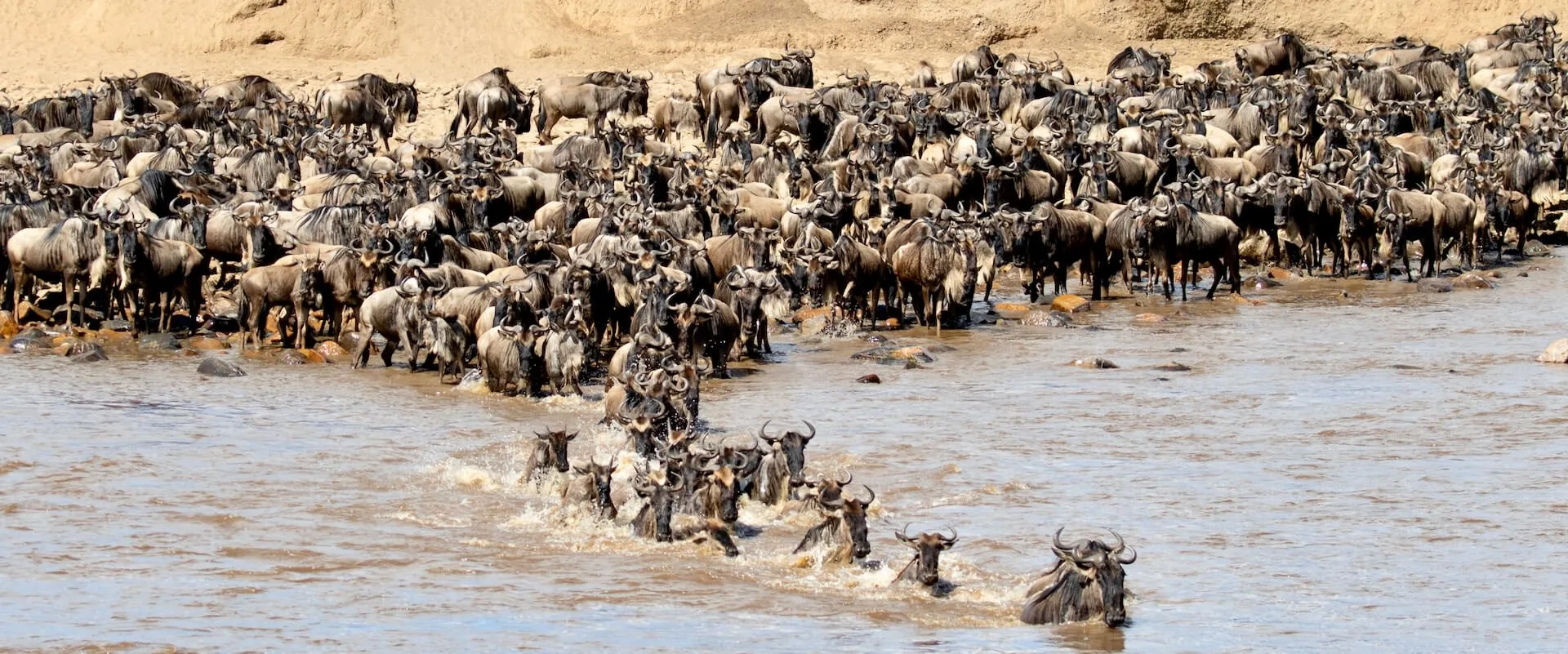
The Great Migration in Africa happens all year because the herds continuously circulate through the Serengeti–Mara ecosystem in…
Read article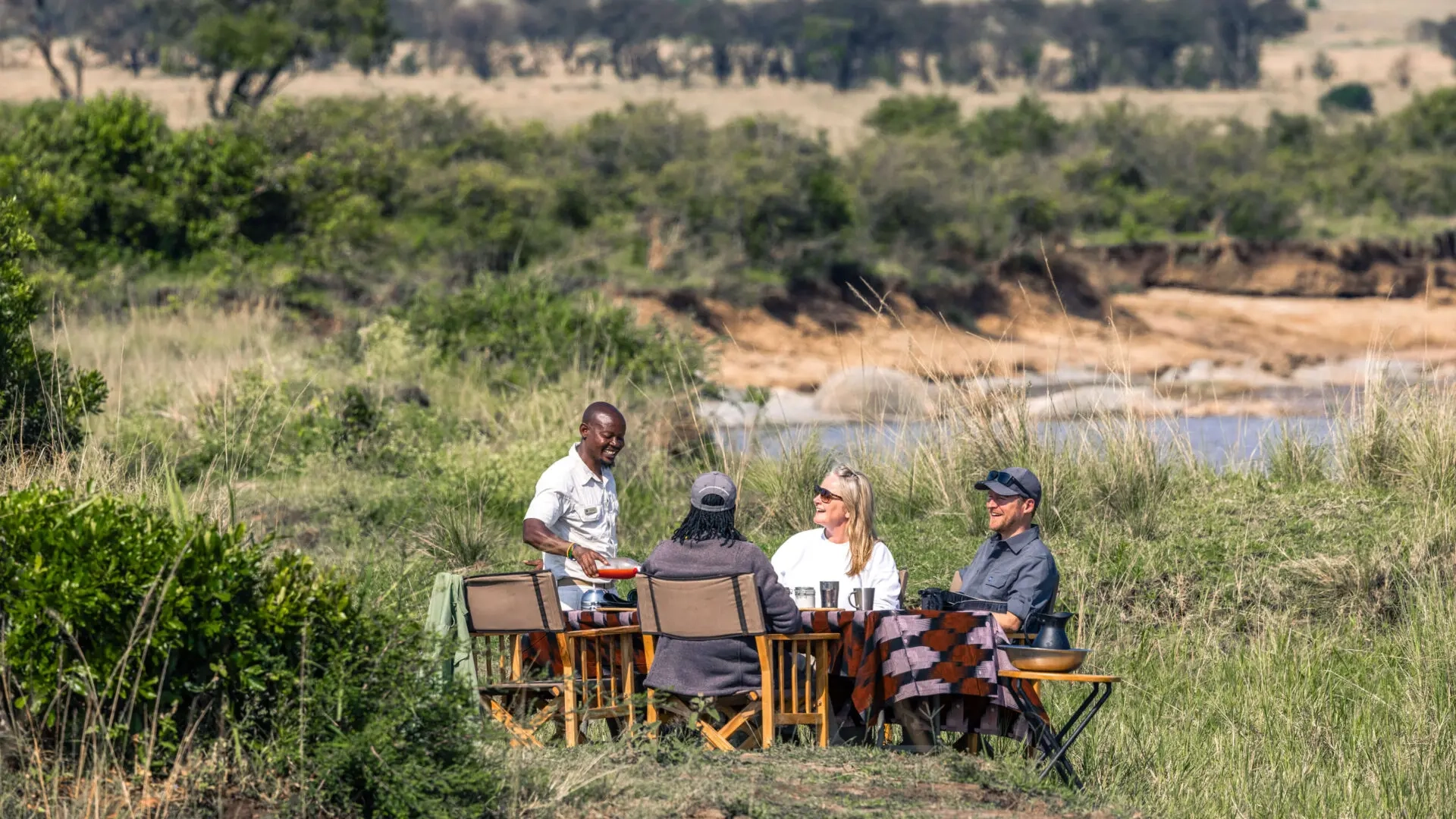
Definitive answer: A picnic lunch on safari is a packed or catered midday meal eaten at an approved…
Read article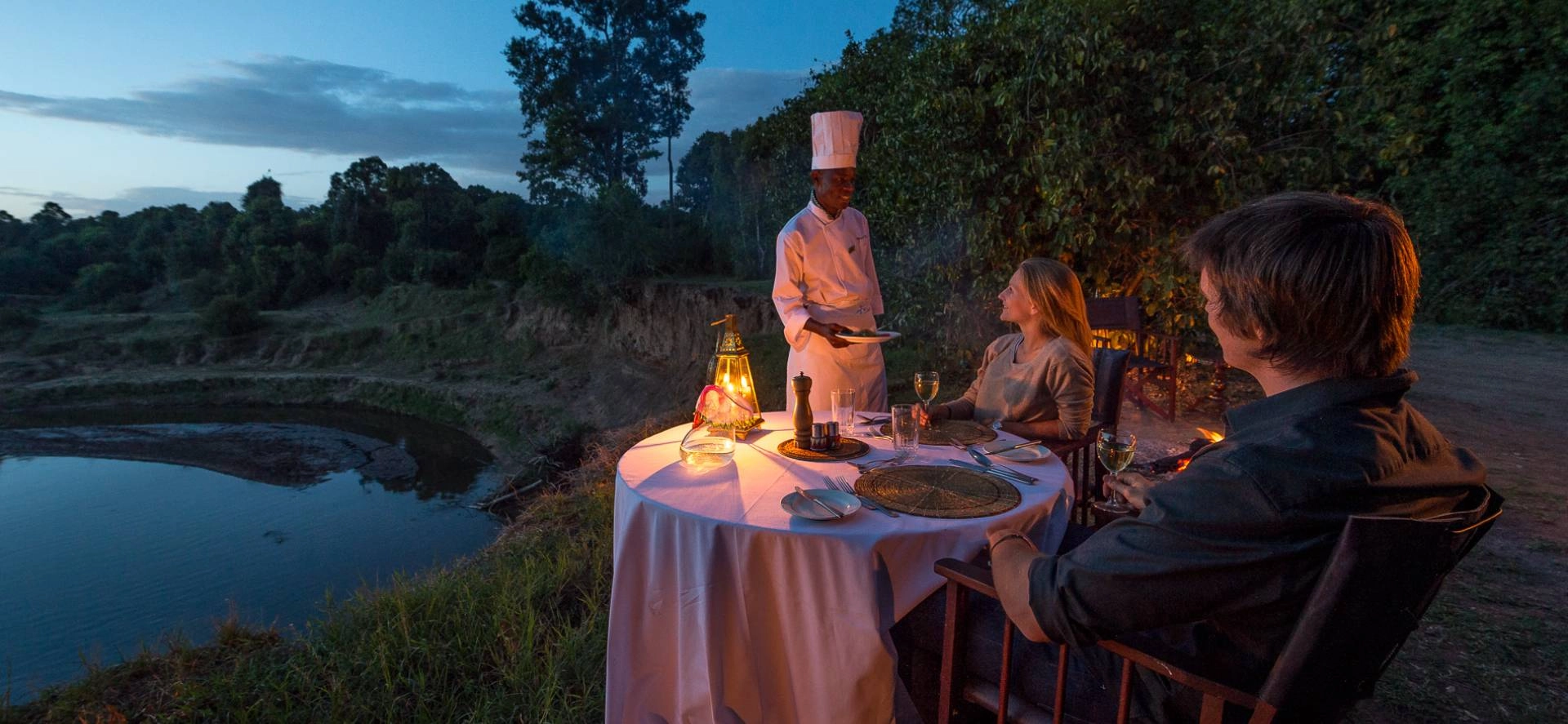
Definitive answer: A bush dinner is an outdoor evening meal arranged in a safe safari setting away from…
Read articleLet us take you closer to the wildlife, people and places that make Africa extraordinary.
Plan Your Safari Today