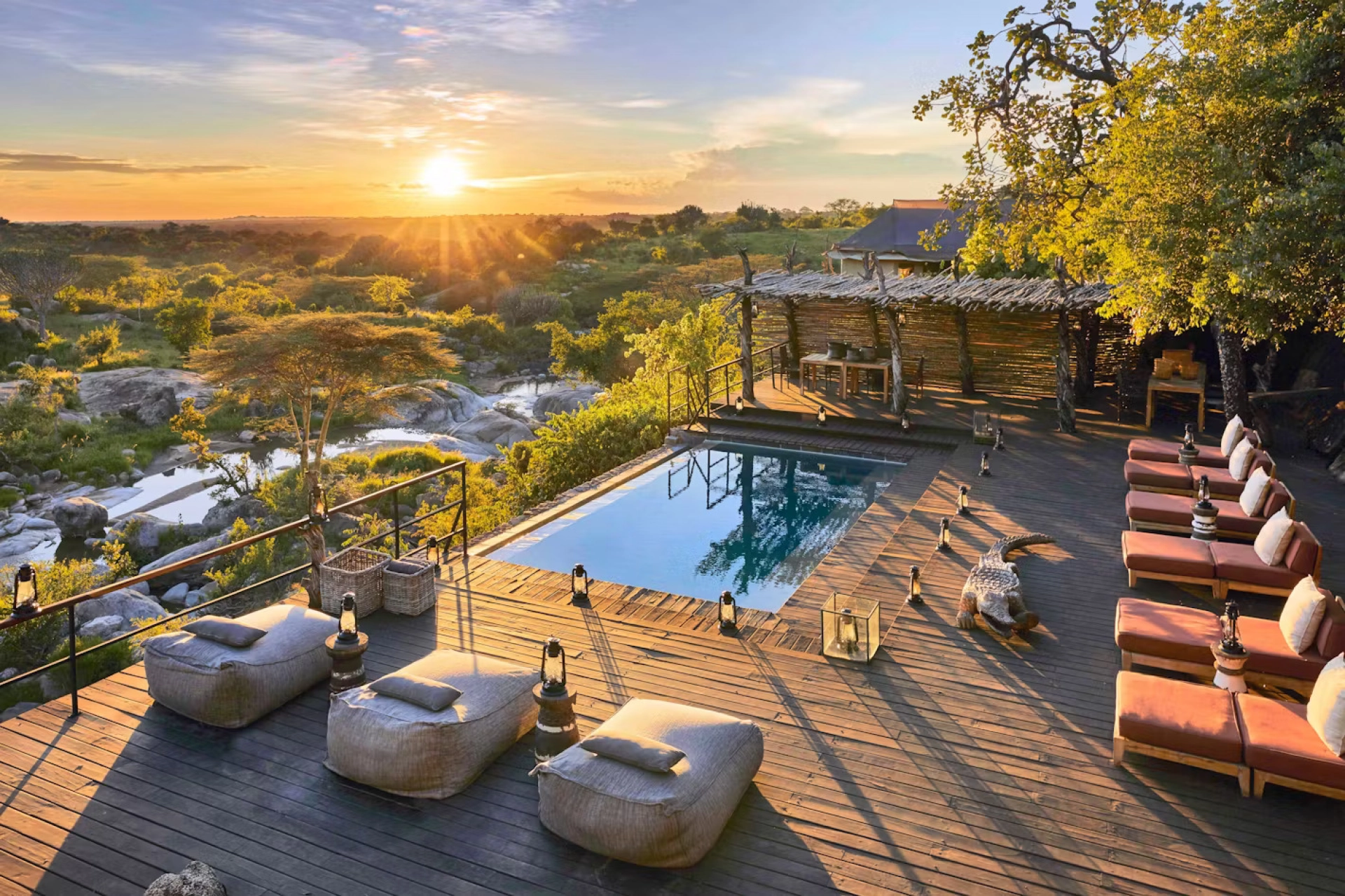
What should I look for when booking a luxury African safari?
When booking a luxury African safari, look beyond the room and compare the quality of guiding, wildlife location,…
Read article

Travel Guide
For decades, African safari marketing has encouraged travelers to believe that dry season is automatically the best season and rain is something to avoid. The reality is much more interesting. Africa's green season can be one…
For decades, African safari marketing has encouraged travelers to believe that dry season is automatically the best season and rain is something to avoid. The reality is much more interesting. Africa’s green season can be one of the most beautiful, productive and underrated periods for safari travel. Grasslands transform. Dust disappears. Clouds build into dramatic skies. Migratory birds arrive in some regions. Resident birds enter breeding plumage. Newborn animals may appear. Flowers emerge. Storm light creates extraordinary photography. And in many destinations, safari vehicles become noticeably fewer.
The landscape that appeared dry and gold only months earlier can become intensely green. Yet a green season safari is not simply a cheaper version of a dry-season safari. It is a different ecological experience. Some wildlife can become more dispersed. Vegetation may make certain animals harder to see. Roads can become muddy. Rain can interrupt activities. Some remote camps may operate seasonally. In other areas, however, wildlife viewing can remain excellent and the reduced visitor numbers can make the experience feel far more intimate. The key is choosing the right destination for the right month. There is no single “African green season.” Africa is enormous.
Rainfall patterns in Uganda differ from Botswana. Northern Tanzania differs from southern Tanzania. Kenya’s coast differs from its highlands. South Africa’s Kruger region differs from Cape Town. Therefore, anyone planning green season safaris in Africa should begin with geography rather than a generic rainy-season calendar.
“Green season” is a tourism term generally used for wetter periods when rainfall regenerates vegetation and landscapes become greener. It overlaps with what may be called the wet season, rainy season or low season. But those terms are not always interchangeable. A rainy month may still be popular. A green month may not necessarily be the lowest-priced month. Some wildlife events create high demand even when rainfall is possible. The term is therefore best understood ecologically: Green season is when rain transforms the safari landscape.
Travelers often imagine rain lasting from morning until night for an entire holiday. That can happen during severe weather, but many African rainfall patterns are more variable. A day may begin bright. Clouds build in the afternoon. A powerful storm arrives. Rain falls intensely. Then the sky clears. Other days may remain cloudy. Some periods can bring extended rain. Conditions vary by destination and year. The important point is that “rainy season” does not automatically mean continuous rain every day.
Historical climate patterns are useful for planning but are not guarantees. Rain may arrive earlier or later than expected. A traditionally dry period can receive storms. A wet period can contain long dry spells. This is particularly important for migration planning. Wildlife responds to actual water and grazing conditions, not tourism calendars. Use historical patterns as guidance, not promises.
The visual transformation can be remarkable. Dry grass becomes fresh. Trees leaf out. Seasonal waterholes refill. Dust is suppressed. The air often becomes clearer after rain. For photographers interested in environmental images rather than only tight wildlife portraits, this can be one of the best periods of the year. A lion surrounded by green grass produces a completely different photograph from a lion in dry-season dust. Neither is inherently better. They tell different ecological stories.
Green season often produces some of Africa’s most dramatic light. Storm clouds build above open plains. Sunlight breaks through narrow gaps. Rain curtains appear in the distance. Rainbows can form. Sunsets may become spectacular after storms. For landscape and wildlife photographers, these conditions can be exceptional.
Photography is one of the strongest arguments for traveling during wetter months. Peak dry-season photographs can suffer from dust, haze and harsh backgrounds. Green season offers richer color. The trade-off is that vegetation may obscure smaller animals. Photographers therefore need patience and guides who understand positioning.
In many destinations, lower demand means fewer vehicles. This can change the quality of wildlife encounters dramatically. A leopard sighting that attracts fifteen vehicles in peak season may attract only a handful in a quieter period. A lion pride may be watched without constant repositioning by other vehicles. For travelers who dislike crowds, this can outweigh the disadvantages of rain.
Green season can also be financially attractive. Some camps and lodges reduce rates. Others introduce stay-pay offers or other seasonal promotions. The exact discount varies enormously. Do not assume every property becomes cheap. But travelers with flexible dates can often obtain accommodation quality that would be outside their budget during peak season.
One of the smartest green-season strategies is to maintain the same overall budget but upgrade the safari. Instead of using the savings to make the trip cheaper, use them to access a better lodge, private vehicle or additional night. This can create exceptional value.
Alternatively, extend the safari. If green-season pricing allows you to spend four nights instead of three in a major wildlife area, the additional time may compensate for any weather interruptions. This is often better than rushing through multiple parks.
For birders, wetter seasons can be outstanding. Migratory species may be present. Resident species may display breeding plumage. Bird activity can increase around renewed vegetation and water. Insects become more abundant, supporting insectivorous species. Wetlands may change dramatically. This is why the conventional “dry season is best” rule is especially misleading for African birding safaris.
The exact migratory patterns vary by destination and species, but parts of Africa receive Palearctic migrants during northern winter. These visitors add to already impressive resident bird diversity. For serious birders, timing should be based on target species rather than generic safari season labels.
Some birds become visually spectacular during breeding periods. Weavers, bishops and other species may show brilliant colors. Courtship and nesting behavior add another dimension to the safari. A green-season game drive can therefore become a wildlife experience measured in hundreds of species rather than only the Big Five.
Green season is often associated with births in some ecosystems because food becomes more abundant. But this should not be generalized across every African park. Different species and regions have different breeding cycles. Where births do coincide with the rains, newborn animals can create extraordinary wildlife encounters. They also attract predators.
A common misconception is that predators disappear when it rains. They do not. Lions, leopards, cheetahs, hyenas and wild dogs remain in their ecosystems. What changes is the difficulty of finding them. Thicker vegetation can obscure visibility. Prey may disperse. Road conditions may limit access to certain areas. An experienced guide becomes particularly valuable.
Dry season can concentrate animals around predictable water sources. Green season can spread water across the landscape. Wildlife may therefore be less concentrated. Guides need to interpret tracks, alarm calls, recent sightings and habitat more actively. This can make the safari intellectually more interesting. You are searching rather than simply driving from waterhole to waterhole.
Botswana is one of the best examples of a destination that changes dramatically across seasons. Travelers often associate Botswana exclusively with the Okavango’s famous flood period and dry-season wildlife concentrations. But the Botswana green season can offer beautiful landscapes, excellent birding, newborn animals in some regions and much lower visitor density. Different ecosystems respond differently, so camp selection is crucial.
The Kalahari can transform after rain. Areas that appear dry for much of the year become greener and more productive. This can support concentrations of herbivores and associated predators. For travelers who have already seen Botswana during peak dry season, a green-season journey can feel like visiting a different country.
Rainfall can transform the Makgadikgadi and Nxai Pan environments. Seasonal wildlife movements and greener landscapes make these regions particularly interesting during appropriate periods. Travelers should plan with a specialist who understands the seasonal ecology rather than simply applying Okavango timing to every Botswana destination.
The Okavango is complicated because local rainfall and the annual flood pulse are different processes. The famous floodwaters originate far away and arrive according to their own seasonal pattern. This means “rainy season” and “highest Delta water” are not synonymous. Camp selection should reflect whether your priority is water-based activities, predators, birds or landscape.
Tanzania provides some of East Africa’s strongest green-season safari opportunities. The Serengeti ecosystem changes continuously as rainfall influences grass and migration movement. Some wetter periods can coincide with extremely important migration events. This is why describing them simply as “low season” can be misleading.
The southern Serengeti and adjacent ecosystem are famous for periods associated with wildebeest calving. Fresh grazing supports large herds. Newborn calves appear. Predators respond to the concentration of prey. For wildlife photographers, this can be one of the most exciting migration experiences of the year. It is very different from river crossings. But it is not inferior.
River crossings dominate social media because they are dramatic. Calving is more subtle. You can observe maternal behavior.
Newborn animals finding their feet. Predator-prey interactions. Large herds moving across green plains. For travelers interested in ecology rather than a single spectacle, this can be exceptionally rewarding.
The Ngorongoro Crater remains a major wildlife destination through changing seasons. Green landscapes can create beautiful photography. Because the crater supports resident wildlife, the safari does not depend entirely on migration timing. Weather can affect visibility, especially around the rim, but dramatic conditions can also create memorable scenery.
Tarangire is famous for dry-season concentrations around the Tarangire River, so green season creates a different wildlife pattern. Animals may disperse more widely when water becomes available elsewhere. This does not mean the park becomes empty. Birding and landscapes can be excellent. Travelers should simply understand that the experience differs from peak dry season.
Kenya also rewards green-season travel. The Masai Mara remains home to substantial resident wildlife even when the largest migration herds are elsewhere. Lions do not migrate out of the reserve because tourists leave. Leopards remain. Elephants remain. Giraffes remain. Hyenas remain. The Mara is a functioning ecosystem throughout the year.
Traveling outside the most famous migration months can be one of the best ways to experience the Mara. Vehicle density may be lower. The landscape can be greener. Accommodation may offer better value. You lose the possibility of the same migration concentrations, but you gain a quieter safari. For repeat visitors, this trade-off can be extremely attractive.
Amboseli changes dramatically with weather and water conditions. Green periods can create attractive foregrounds for elephant photography. Cloud around Mount Kilimanjaro can be a frustration for travelers hoping for the classic mountain view, but clear mornings can still occur. Photography should never be built around a guarantee that Kilimanjaro will be visible.
Northern Kenya follows its own rainfall patterns. Semi-arid landscapes can transform quickly after rain. Wildlife distribution responds accordingly. Travelers interested in Samburu should consider local conditions rather than assuming southern Kenya’s seasonal pattern applies identically.
Uganda is naturally greener than many classic savannah destinations. Its forests, lakes, highlands and equatorial climate create a different safari context. Rain can occur in many months. This means travelers planning Uganda gorilla trekking should never expect completely dry conditions simply because they selected a traditionally drier period.
Gorilla trekking in Bwindi during wetter periods can be physically more demanding. Trails may become muddy and slippery. Vegetation can be wet. Rain protection becomes important. But the gorillas remain in the forest. The experience is not cancelled simply because the forest is green. In fact, Bwindi’s dense vegetation is part of what makes the encounter so atmospheric.
Lower visitor demand in some periods can make accommodation easier to secure. Certain lodges may offer attractive seasonal rates. The forest looks exceptionally lush. Photographic conditions can be soft and atmospheric. Travelers who are properly equipped and physically prepared may find the experience highly rewarding.
Mud is the obvious issue. Steep terrain becomes more difficult. Camera equipment requires protection. Clothing may become wet. Cloud can reduce light inside the forest. This is not a safari for travelers who expect perfectly clean shoes. Bwindi is a rainforest. The conditions are authentic.
Chimpanzee trekking in Kibale National Park can also be undertaken across different seasons, but rainfall influences trail conditions and forest experience. Chimpanzees are highly mobile, and sightings always involve wildlife unpredictability. A wet forest can be incredibly beautiful. Proper footwear and rain protection matter.
Green periods transform Queen Elizabeth National Park. Savannah becomes more colorful. Birdlife can be excellent. The Kazinga Channel remains an important wildlife feature. Animals may be less concentrated around limited water sources, but the ecosystem remains productive.
Murchison can look spectacular when vegetation is greener. The Nile continues to concentrate aquatic wildlife and birdlife. Road conditions and grass height can influence game-drive visibility, but the park remains a major destination. The waterfall itself is not a seasonal attraction that disappears with rain.
Rwanda’s mountainous landscapes can be extremely lush during wetter periods. Gorilla trekking in Volcanoes National Park remains possible according to park operations, but trails can be wet and physically demanding. The country’s scenery often looks especially dramatic under changing cloud.
The safari areas of northeastern South Africa commonly experience warmer, wetter conditions during the southern summer. Vegetation becomes greener. Birding can be excellent. Young animals may be present.
The bush becomes thicker, which can make some sightings more challenging. Private reserves with skilled trackers can be particularly rewarding.
Kruger National Park remains a major wildlife destination in wetter months. The dry-season concentration around water decreases because water becomes more widely available. But the park does not lose its wildlife. Birders may particularly enjoy summer. Photographers gain greener backgrounds. The experience becomes one of searching through a more complex landscape.
Zambia’s wetter months can create spectacular scenery and excellent birding, but access and camp operations vary considerably. Some remote camps close during periods when roads become difficult. Others specialize in seasonal experiences. Travelers must therefore choose camps that actually operate and are appropriate for the intended month.
South Luangwa is famous for walking safaris and exceptional wildlife, but activities and accessibility change seasonally. Travelers should verify which camps are open and what type of experience is available. Do not assume a dry-season itinerary can simply be copied into the rains.
Zimbabwe’s safari regions can also become beautifully green. Birding improves. Landscapes become photogenic. But accessibility and activity patterns vary. Green-season travelers should value ecological diversity rather than expecting dry-season wildlife concentration.
Namibia is famous for arid landscapes, which makes rain especially dramatic. When rainfall arrives, desert and semi-desert environments can transform. Storm photography can be extraordinary. However, travelers primarily focused on waterhole-based wildlife concentration in Etosha may prefer drier periods. Again, the correct season depends on the desired experience.
During dry periods, Etosha’s waterholes can concentrate wildlife spectacularly. When seasonal water becomes more widely available, animals may disperse. This can make game viewing less predictable. Birdlife and landscapes may improve. A green-season Etosha trip therefore requires different expectations.
Madagascar’s seasonal planning is particularly complex because heavy rains and cyclonic weather can affect some regions and transport. Certain parks and roads can become difficult. Travelers should research regional conditions carefully. Madagascar is not a destination where “green season deal” should override safety and accessibility considerations.
One of the biggest planning mistakes is assuming all of Africa receives rain simultaneously. East African rainfall often follows patterns distinct from southern Africa’s summer rainfall. Even within East Africa, local geography creates differences. This means a traveler can potentially design a multi-country itinerary that avoids the wettest conditions in each destination.
Combining safari with the beach requires careful weather planning because coastal rainfall may not align perfectly with inland safari conditions. A Tanzania safari and Zanzibar itinerary should consider both Serengeti ecology and Zanzibar beach weather. A Kenya safari and Diani Beach trip should consider both inland and coastal patterns. Do not assume that excellent green-season wildlife conditions automatically mean perfect beach weather.
Zanzibar has its own rainfall patterns and microclimates. Travelers should research the specific month. Some wetter periods can bring excellent rates and fewer visitors, but beach-focused travelers may prefer periods with more reliable sunshine.
A particularly good value itinerary can combine Uganda gorilla trekking with savannah parks during a quieter period. Travelers willing to tolerate rain may access better lodge availability and a less crowded experience. Packing correctly becomes critical.
A waterproof or highly water-resistant outer layer is important. Pack lightweight clothing that dries quickly. Bring footwear appropriate to muddy conditions if walking or trekking. Use protection for cameras and electronics. Carry insect repellent. A warm layer can still be useful, particularly at altitude. Do not pack only for heat.
Rain covers or dry bags are extremely useful. Even when rain stops quickly, an open safari vehicle may remain wet. Dust is less of a problem, but moisture becomes the main concern. Keep spare batteries and memory cards protected.
For vehicle-based safaris, ordinary comfortable shoes may be sufficient. For gorilla trekking, chimpanzee trekking or walking safaris, footwear becomes more important. Grip matters. Water resistance helps. Break boots in before traveling. A safari is not the place to discover that new footwear causes blisters.
Neutral clothing remains practical. Green season does not require dressing in bright green. Choose comfortable, breathable fabrics and layers. Avoid overpacking. Laundry is available at many safari properties, though policies vary.
Rain can increase insect activity in some regions. Travelers should follow appropriate health advice for their destination. Use repellent. Wear suitable clothing. Consult a qualified travel-health professional regarding malaria prevention and other medical considerations.
One of the real disadvantages of green season is road access. Heavy rain can make tracks muddy. Vehicles may take longer. Certain roads may become temporarily difficult.
This is why reputable operators use appropriate safari vehicles and realistic itineraries. The objective is not to pretend rain creates no challenges. It is to manage them professionally.
Yes, it can happen in muddy conditions. It is part of operating in wild landscapes. Experienced guides understand local roads and vehicle capabilities. Travelers should view occasional delays with patience rather than panic. Safari is not a controlled theme park.
Not necessarily. Light rain may have little effect. Heavy storms can cause temporary delays or route changes. Activities involving aircraft, boats or walking may be affected by conditions and safety assessments. Guides and lodge managers make operational decisions according to local circumstances.
The period immediately after rain can be beautiful. Animals become active. Birds call. The air clears. Light softens. Water droplets remain on vegetation. Photographers should be ready. A morning that begins with rain can still become one of the best photographic days of the safari.
Families can benefit from lower rates and reduced crowds, but should consider school calendars and weather tolerance. Children who love mud, insects and nature may find the season fascinating. Families expecting uninterrupted pool weather may be less enthusiastic. A private vehicle adds flexibility.
Honeymooners can access beautiful luxury properties at better seasonal value. Stormy skies and green landscapes can be romantic. But couples dreaming primarily of constant sunshine should choose dates carefully. Consider combining safari with a beach region that has more favorable weather during the same period.
Lower rates can help, but single supplements may still apply. Scheduled group departures may be less frequent during quiet months. Solo travelers should ask operators about confirmed departures.
This is one of the strongest traveler categories for green season. The landscapes are richer. Clouds create drama. Fewer vehicles improve positioning. Birds can be exceptional. Young animals may add behavioral opportunities. A private vehicle can make the experience even stronger.
Repeat travelers should seriously consider it. If you have already seen the Serengeti dry and gold, seeing it green changes your understanding of the ecosystem. If you have visited Botswana during peak dry season, returning after rain reveals another landscape. Safari destinations are not static. Seasonality is part of their story.
Yes, if expectations are correct. A first-time visitor can have an extraordinary safari during wetter months. But someone whose entire dream revolves around huge dry-season elephant concentrations at a specific water source should travel when that phenomenon is more likely. Choose season according to objective.
There is no universal percentage. Rates vary by lodge, destination and year. Some properties offer significant seasonal differences. Others change very little. The best approach is to compare the exact same itinerary across two travel periods. This reveals the genuine financial difference.
Not necessarily. Government and conservation fees may remain fixed across seasons or follow their own pricing structures. Most green-season savings come from accommodation and sometimes other tourism services rather than every component of the safari becoming cheaper.
If green season were only about saving money, it would be a compromise. It is not. The season has its own strengths. Birdlife. Color. Clouds. New growth. Lower vehicle density. Ecological change. Travel because those things interest you. Treat lower prices as an additional benefit.
Avoid it if your tolerance for rain is extremely low. Avoid it if muddy roads cause significant anxiety. Avoid it if your target wildlife phenomenon is strongly associated with another season. Avoid it if a specific remote camp closes. Avoid it if your primary activity becomes unsafe or impractical during the intended period. There is no virtue in choosing low season simply because it is cheaper.
Location becomes especially important. Ask whether access is reliable. Ask whether the property remains open. Ask which activities operate. Ask how game drives change.
Ask whether water-based activities depend on water levels. Ask about road transfers. A good lodge in the wrong season may not provide the experience you expect.
Private conservancies can be excellent because lower visitor density becomes even more pronounced. Flexible activities such as walking or night drives may also provide variety when wildlife is less concentrated. Regulations vary by destination.
Green-season travelers should consider staying an extra night. Weather may temporarily interrupt an activity. Additional time provides resilience. It also allows you to appreciate the landscape rather than rushing to the next park.
Green season and slow safari travel work beautifully together. Spend three or four nights in one ecosystem. Watch how weather changes animal behavior. Return to the same lion pride. Learn the birdlife. Photograph the landscape before and after storms. This is often a deeper safari than racing through five parks in eight days.
Ask your operator to compare seasonal rates. Consider travel dates with some flexibility. Look for stay-pay offers. Compare midrange and luxury properties. Consider scheduled departures. Avoid holiday weeks that fall inside otherwise low-demand periods. And compare the complete package, not only the room rate.
Quieter periods can provide more last-minute availability, but flights and permits can still constrain the itinerary. Gorilla trekking remains capacity-controlled. Regional aviation has limited seats. Do not assume low season means unlimited inventory.
A quieter travel period may improve general safari availability, but gorilla permit availability should still be confirmed before finalizing travel. The correct approach is to coordinate permit, lodge and transport together.
The green season safari is not Africa’s second-best safari. It is Africa in another phase. The dry season teaches you about scarcity. Animals concentrate around water. Vegetation thins. Dust hangs over roads. Green season teaches you about renewal. Rain arrives. Grass grows. Birds breed. Insects emerge. Seasonal water returns. Herbivores spread through newly productive landscapes. Predators adapt. The entire ecosystem changes. For travelers willing to accept occasional rain and less predictable road conditions, the rewards can be substantial.
You may pay less. But more importantly, you may experience more space. You may photograph lions against brilliant green grass instead of surrounded by safari vehicles. You may watch a storm roll across the Serengeti. You may hear frogs and insects after rain in Botswana. You may trek through a mist-covered Bwindi forest before encountering mountain gorillas. You may discover that the birds you previously ignored are among the most spectacular animals on the continent.
At Adventure in the Wild Safaris, we can design seasonal journeys around Uganda gorilla trekking, Kenya safaris, Tanzania Serengeti safaris, Rwanda, Botswana and wider African destinations, choosing the route according to what each ecosystem actually offers during your travel period. Do not ask only: “Will it rain?” Ask: “What does the rain create?” For the right traveler, the answer is one of the most beautiful safari seasons in Africa.
Get quick answers to the most common questions. If you still have questions, our safari experts are here to help.
Green season is the wetter period when rainfall regenerates vegetation and safari landscapes become lush and green.
No. Rainfall patterns vary dramatically between countries and regions.
Yes. It can offer beautiful landscapes, excellent birding, fewer vehicles, young animals in some ecosystems and attractive accommodation rates.
Sometimes. Vegetation can be thicker and animals may disperse when water becomes widely available.
Yes. Predators remain in their territories, although locating them can sometimes require more effort.
Often, but not universally. Accommodation rates and promotions vary.
Not necessarily. Rainfall patterns vary and may include short storms, long showers, cloudy days or dry intervals.
Yes. The Mara has substantial resident wildlife outside the main migration period and can be much quieter.
Excellent in appropriate regions and months. Some wetter periods coincide with major migration and calving activity.
Yes, especially for landscapes, birding and seasonal wildlife events, although the experience differs from peak dry season.
Yes, subject to normal park operations, but trails can be wetter, muddier and more physically demanding.
Very. Green backgrounds, dramatic skies, reduced dust and fewer vehicles can create exceptional photographic conditions.
Often excellent because migratory species and breeding activity can increase diversity and interest.
Some tracks can become muddy or difficult after heavy rain. Conditions vary by park and region.
Some seasonal camps do, particularly in regions where access becomes difficult. Others remain open year-round.
Yes for couples who value privacy, lush landscapes and seasonal value and who are comfortable with some rain.
It can be, especially with a flexible private itinerary, but consider children’s tolerance for rain and muddy conditions.
Yes if the seasonal experience matches their wildlife priorities.
Rain protection, quick-drying clothing, suitable footwear, camera protection, insect repellent and layers appropriate to the destination.
It is often one of the best periods to find lower accommodation rates, but exact offers vary.
Our safari experts are here to help you plan your safari. Get personalized advice, the latest information and a free, no-obligation quote.
We typically reply within a few hours.

Share This Article
When booking a luxury African safari, look beyond the room and compare the quality of guiding, wildlife location,…
Read article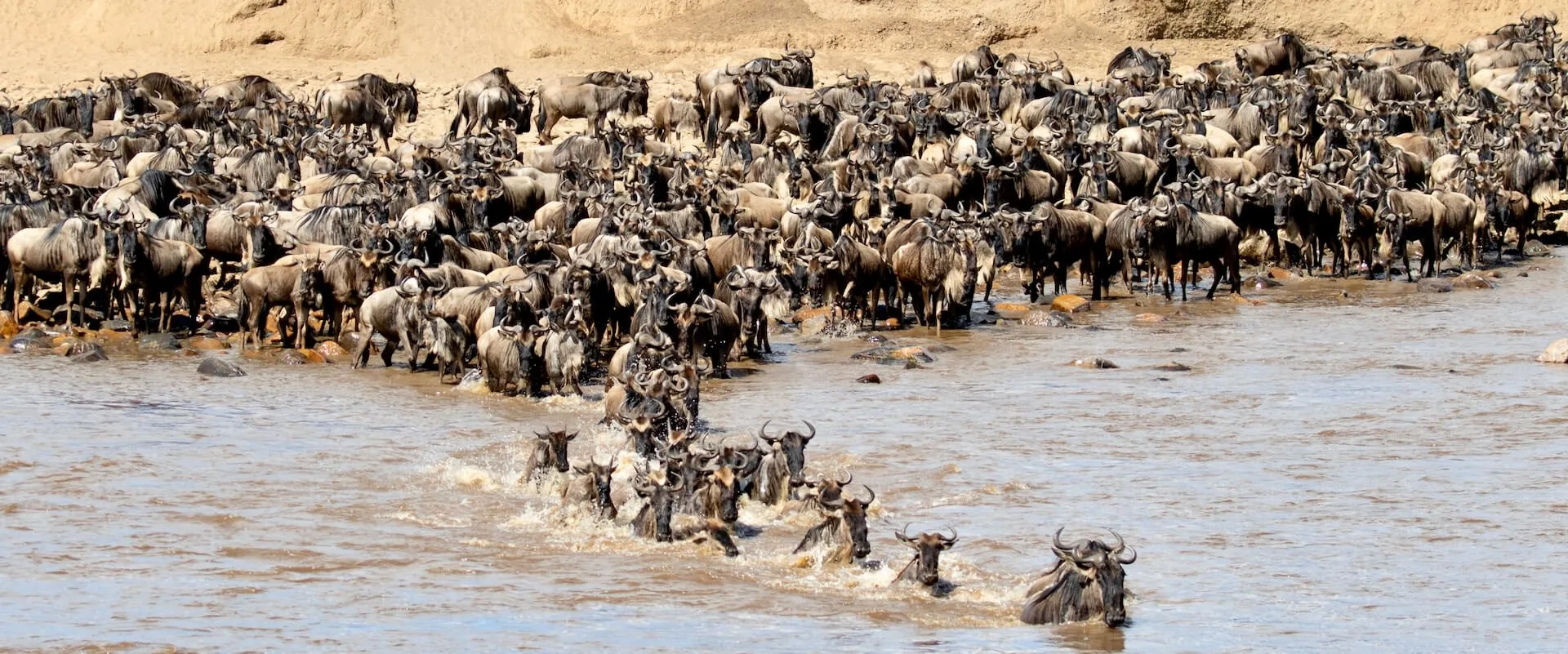
The Great Migration in Africa happens all year because the herds continuously circulate through the Serengeti–Mara ecosystem in…
Read article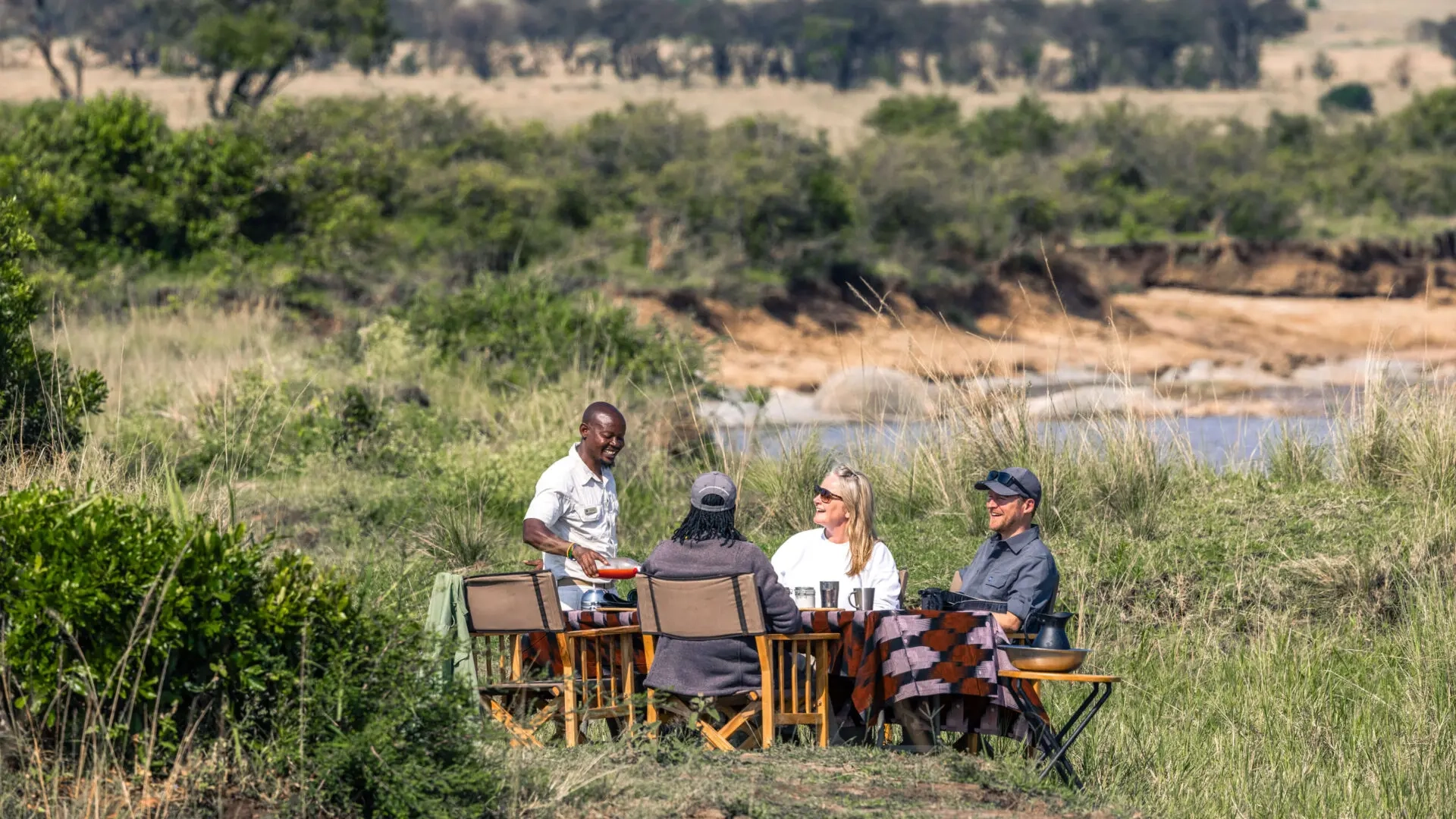
Definitive answer: A picnic lunch on safari is a packed or catered midday meal eaten at an approved…
Read article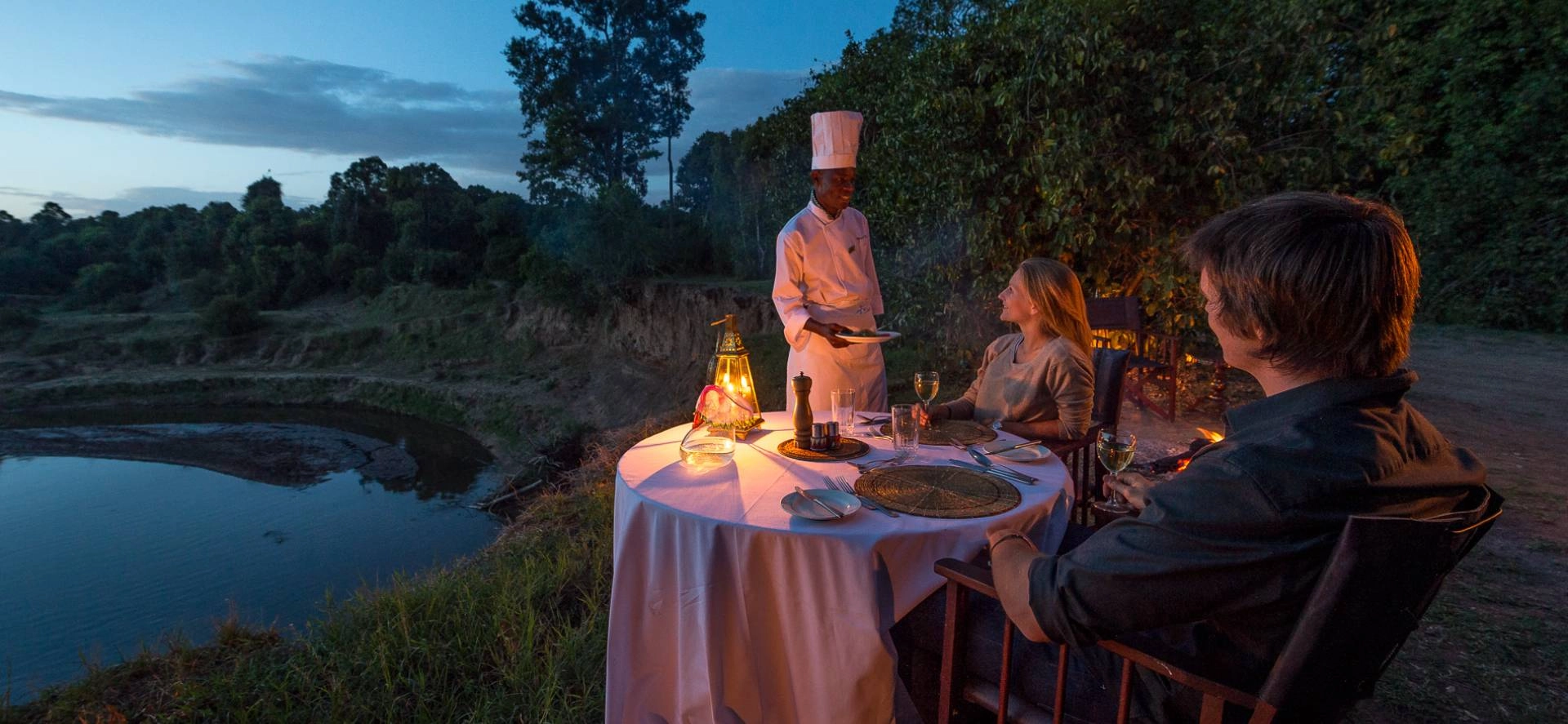
Definitive answer: A bush dinner is an outdoor evening meal arranged in a safe safari setting away from…
Read articleLet us take you closer to the wildlife, people and places that make Africa extraordinary.
Plan Your Safari Today