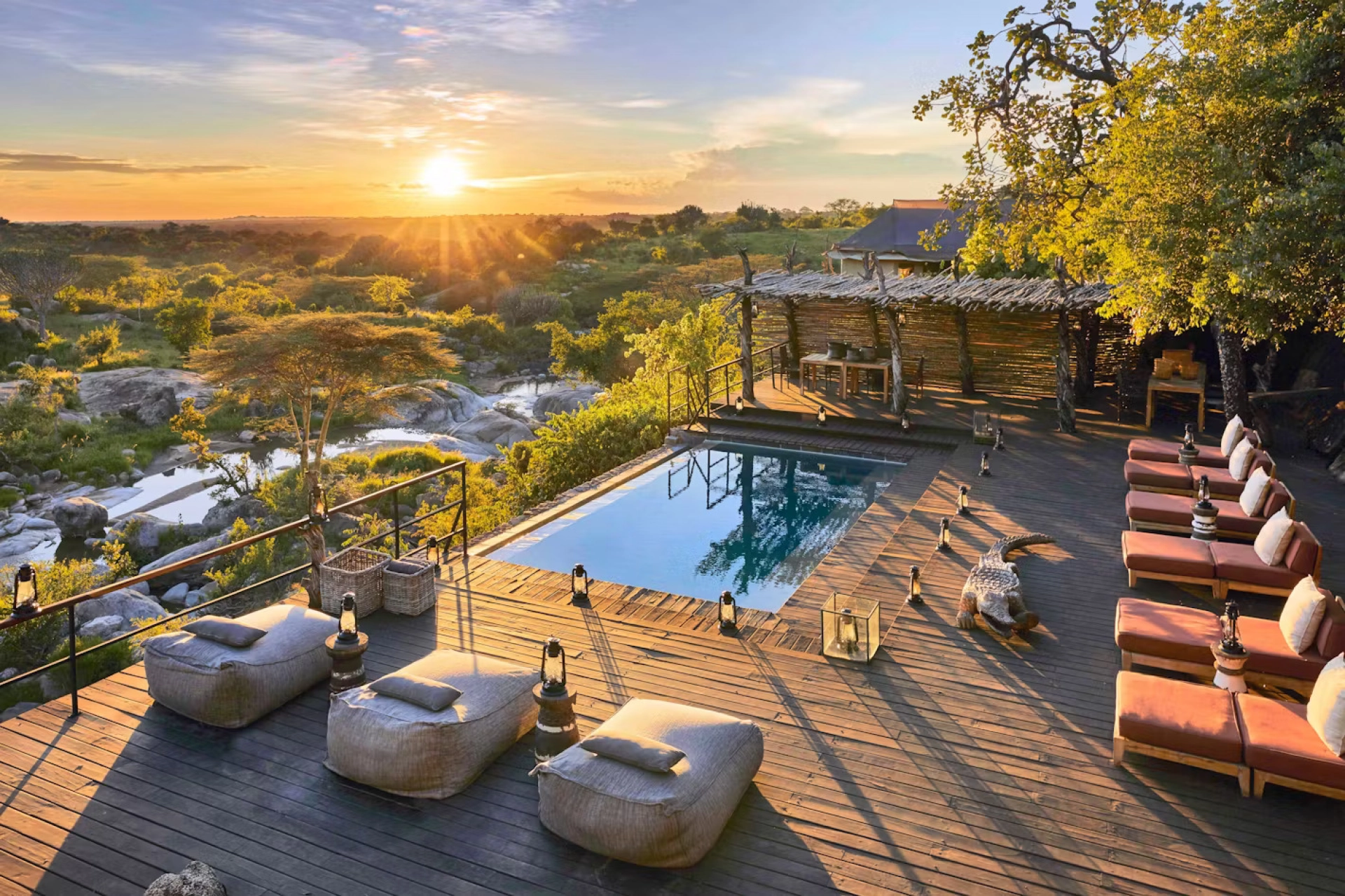
What should I look for when booking a luxury African safari?
When booking a luxury African safari, look beyond the room and compare the quality of guiding, wildlife location,…
Read article

Travel Guide
Namibia is usually imagined in shades of ochre, gold and white: towering dunes, dusty plains, dry riverbeds, bare mountains and the immense pale surface of Etosha Pan. These landscapes are real, and their aridity is fundamental…
Namibia is usually imagined in shades of ochre, gold and white: towering dunes, dusty plains, dry riverbeds, bare mountains and the immense pale surface of Etosha Pan. These landscapes are real, and their aridity is fundamental to Namibia’s identity. Yet visitors who see the country only through dry-season photographs can develop the misleading impression that Namibia exists in a permanent state of drought.
It does not. Rain can transform Namibia with extraordinary speed. After meaningful seasonal rainfall, landscapes that appeared almost lifeless can become green. Grasses emerge. Temporary pools form in depressions. Wildflowers may appear in suitable environments. Insects become more abundant. Migratory birds arrive. Herbivores exploit fresh vegetation. Young animals become more conspicuous in some ecosystems, and storm clouds transform photography. This is the other face of a Namibia safari. The transformation can be especially striking because it occurs against landscapes internationally famous for aridity. A green East African savannah is beautiful. A green Namibian desert margin can feel almost unbelievable.
That contrast is why travelers researching the best time to visit Namibia should not automatically dismiss the wetter months. Dry-season travel remains excellent and often provides easier wildlife concentration around waterholes. But a Namibia green-season safari offers something fundamentally different: ecological transformation.
Yes. Namibia is one of sub-Saharan Africa’s driest countries, but “dry” does not mean rainless. Rainfall varies dramatically across the country. Northern and northeastern regions generally receive more rainfall than the hyper-arid west and southwest. The Namib Desert is strongly influenced by aridity and coastal climatic systems. Interior and northern landscapes respond more visibly to summer rainfall. This variation is crucial when discussing a Namibia rainy-season safari. There is no single national rainfall experience.
It may be raining heavily in one region while another remains largely dry.
Much of Namibia’s rainfall occurs during the warmer summer period, broadly concentrated between approximately November and April, although timing, intensity and geographic distribution vary considerably. Some seasons produce strong rainfall. Others disappoint. Individual storms can be highly localized. This unpredictability is part of traveling in an arid country. A visitor should therefore avoid interpreting “rainy season” as meaning continuous rain every day. Namibian rain often arrives as dramatic showers or thunderstorms separated by clearer periods.
The first transformation is visual. Dusty ground develops a green tint. Then grasses strengthen. Vegetation responds. Temporary water accumulates. The second transformation is biological. Insects emerge. Bird activity changes. Herbivores gain access to fresh grazing. Animals that were concentrated around permanent water can spread across a broader landscape. Predator movements respond to prey distribution. The third transformation is photographic. Dark clouds rise over bright landscapes. Rain shafts fall across distant plains. Sunlight breaks through storm systems. Pools create reflections.
The result is a version of Namibia that looks dramatically different from standard tourism imagery.
Parts of the broader desert environment and desert margins can respond visibly after sufficient rain, but it is important not to exaggerate. The entire Namib does not suddenly become a continuous green meadow. The Namib is an ancient and exceptionally arid desert system. Rainfall is highly variable. Some areas may receive little meaningful precipitation. Other locations can display temporary vegetation responses that appear spectacular precisely because the normal landscape is so dry. When writing or talking about the Namib Desert after rain, accuracy matters. The beauty lies in the temporary transformation, not in pretending the desert has become a tropical grassland.
In humid environments, rainfall is normal. In deserts, rainfall is an event. Plants have evolved strategies for exploiting brief opportunities. Seeds may remain dormant until suitable moisture arrives. Temporary water attracts wildlife. Invertebrate activity increases. Birds exploit new food resources. This compressed ecological response makes desert rainfall fascinating.
It depends on what you want. If your sole objective is maximizing the ease of observing large mammals concentrated around permanent waterholes, dry conditions often provide an advantage. If your priorities include: landscape photography; birding; green scenery; fewer visitors; seasonal wildlife behavior; dramatic skies; and seeing desert ecosystems respond to rainfall, then wetter conditions can be extraordinary. The phrase heavy rains perfect safaris Namibia should therefore not be interpreted as claiming rain is universally superior.
It means rainfall can create a completely different and highly rewarding safari.
The contrast is one of the most important decisions in Namibia planning. During dry periods, water becomes scarce. Animals may concentrate around dependable water sources. Vegetation can become sparse. Road conditions may be more predictable. Wildlife viewing at waterholes can be exceptionally productive. During greener periods, animals can disperse. Vegetation thickens. Water becomes more widely available. Birding can improve. The landscape changes color. Storms add atmosphere. Each season has advantages.
No. It is simply different. Etosha National Park is famous for dry-season waterhole viewing. During dry conditions, wildlife may depend heavily on permanent and artificial water points. This creates predictable concentrations. Rain changes that pattern. When temporary water becomes available and fresh grazing spreads across the landscape, animals no longer need to remain as tightly concentrated around the familiar dry-season waterholes. That can make wildlife searching more challenging. But it also creates a richer understanding of the ecosystem.
The transformation can be remarkable. Areas that appear pale and dusty during the dry season may become green. The contrast between vegetation and the enormous pale salt pan becomes visually striking.
Temporary pools can appear. Cloud formations create depth. Animals stand against fresh grass rather than dust. For repeat visitors who have seen dry-season Etosha, the difference can be astonishing.
Etosha is organized around an enormous salt-pan system. The pan and surrounding plains dominate the park’s ecology and visual identity. Water availability fluctuates seasonally. After sufficient rainfall, portions of the broader pan environment and associated depressions can hold water. This can attract birdlife and alter wildlife distribution. The ecological story becomes far more complex than simply driving from one dry-season waterhole to another.
When sufficient water and suitable conditions occur, Etosha’s temporary aquatic environments can become important for waterbirds, including flamingos. However, travelers should never assume that visiting during a particular month guarantees spectacular flamingo concentrations. Rainfall quantity, timing and water persistence matter. This is exactly the kind of wildlife event that rewards flexibility rather than rigid expectation.
The park continues to support its characteristic wildlife. Travelers may search for elephants, lions, giraffes, zebras, springboks, oryx, wildebeest, black rhinos and numerous birds. But distribution changes. Instead of sitting at one waterhole and waiting for animals to arrive, green-season game viewing may require more active searching. This can be rewarding for travelers who enjoy tracking and landscape exploration.
They remain in the ecosystem, but the probability and pattern of sightings can differ because wildlife has more water options. Etosha is renowned for black-rhino conservation and viewing opportunities, but no season guarantees rhino encounters. Dry-season waterhole concentration can make some viewing situations easier. Green-season travelers should treat every rhino sighting as a privilege rather than an expectation.
Lions remain present year-round. What changes is prey distribution and habitat appearance. Fresh grass can make certain landscapes visually softer while simultaneously increasing vegetation cover. Guides and experienced self-drivers use tracks, prey behavior, recent sightings and knowledge of lion territories to search. The challenge can make a successful sighting even more satisfying.
Sometimes. There are two principal reasons. First, animals disperse because water becomes more widely available. Second, thicker vegetation can reduce visibility. But the effect varies by habitat. Open plains may remain highly visible even when green. The safari becomes less about waiting at scarce water and more about understanding the wider landscape.
Rain stimulates plant growth. Fresh vegetation contains nutrients required for reproduction, lactation and growth. Herbivore behavior responds rapidly. Zebras, antelopes and other grazers exploit productive areas. Browsers benefit when shrubs and trees produce new growth. This increase in food ultimately affects the entire food web.
Predators follow prey opportunity. When herbivores spread out, predator movements may change. Lions and other carnivores continue defending territories and searching for prey. Green season can therefore produce interesting behavioral encounters even if predator spotting requires more patience.
Seasonal rainfall can coincide with reproductive activity for various species, though exact birth timing differs among animals and ecosystems. Fresh vegetation improves conditions for mothers and young. Travelers should avoid assuming every species gives birth simultaneously. Nevertheless, wetter landscapes can provide excellent opportunities to observe young herbivores.
Young animals create vulnerability. Predators respond. Mothers become more vigilant. Herd behavior changes. Watching a young antelope learn to follow its mother or a zebra foal navigating a herd can be as memorable as seeing a famous predator.
Birders have particularly strong reasons to consider the wetter period. Seasonal rainfall can increase food availability and create temporary wet habitats. Migratory species may be present. Resident birds may display breeding behavior. Plumage can become more vivid. The result can be a dramatically richer Namibia birding safari.
Insects respond quickly to moisture. This may sound unimportant to travelers focused on elephants and lions, but insects are fundamental to the ecosystem. They become food for birds, reptiles and small mammals. Termites can trigger extraordinary feeding events. Butterflies and other invertebrates become more visible. The desert food web accelerates.
Termite emergence can attract birds and other animals. Winged reproductive termites may appear in enormous numbers under suitable conditions. These short-lived events provide concentrated food resources. For an ecologically curious traveler, they demonstrate how rainfall connects organisms at every level of the food chain.
One of the most surprising consequences of rainfall is amphibian activity. Some frogs survive dry periods through remarkable physiological and behavioral adaptations, becoming active when temporary water appears. Hearing frogs calling in a landscape associated with desert can be one of the strangest green-season experiences.
This is where green season can become exceptional. Dry Namibia produces minimalist photography. Green Namibia produces contrast. Imagine: orange dunes beneath dark storm clouds; an oryx standing in fresh vegetation; elephants beneath towering cumulonimbus clouds; giraffes reflected in temporary water; a rainbow above open plains; or sunlight breaking through rain over Etosha. These conditions can create images unavailable during conventional dry-season travel.
Clear blue skies are pleasant but can become photographically repetitive. Clouds provide texture. They create shadows. They diffuse light. They produce shafts of illumination. They make landscapes feel three-dimensional. Storm clouds can transform a simple wildlife portrait into an environmental photograph.
In Namibia’s open landscapes, rain may be visible falling many kilometers away. A telephoto lens can compress the scene, making rain curtains appear dramatic behind wildlife or mountains. Wide-angle lenses reveal the scale of the storm. Both approaches are valuable.
Rainbows are naturally unpredictable. But when sunlight breaks beneath storm clouds after rain, Namibia’s open horizons can create ideal conditions. The key is readiness. Weather changes quickly. Keep your camera accessible.
Temporary pools can create unusual reflection opportunities. A landscape normally associated with dust suddenly contains mirrored sky. Photographers should search for: giraffes; oryx; zebras; birds; and isolated trees reflected in water.
Rain photography requires preparation. Carry a waterproof camera cover or simple protective system. Keep dry cloths accessible. Use sealed bags for electronics. Avoid changing lenses unnecessarily during blowing dust or rain. A wet safari does not need to damage equipment.
It is one of Africa’s greatest landscape destinations. The country combines: the Namib Desert; Sossusvlei; Deadvlei; Atlantic coastline; Damaraland; mountains; canyons; Etosha; and enormous open spaces. Rain adds another visual layer.
Sossusvlei is famous for towering red-orange dunes and pale clay pans. After unusual and sufficient rainfall, water can sometimes accumulate in normally dry areas, creating rare scenes. These events should never be marketed as predictable. A traveler should visit Sossusvlei because it is extraordinary in normal conditions. If water is present, treat it as an exceptional bonus.
The rarity creates fascination. Images of water reflecting giant dunes appear almost surreal. But travelers planning months ahead cannot reasonably book a trip expecting this exact phenomenon. Rainfall and runoff determine whether water reaches the pans. The responsible approach is to appreciate the desert under whatever conditions nature provides.
Deadvlei is famous precisely because it is an extremely dry clay pan containing ancient dead camel-thorn trees. Visitors should not casually assume that seasonal rain turns it into a lake. The hydrology of individual pans differs. Avoid generalized claims based on dramatic social-media images.
Suitable rainfall can stimulate flowering plants and grasses in desert and semi-desert landscapes. The response depends on location, rainfall and soil. Some displays may be localized and brief. Again, unpredictability is part of the beauty.
Namibia’s arid landscapes support animals adapted to severe environmental conditions. Potential wildlife in northwestern regions can include desert-adapted elephants and other mammals using ephemeral river systems. The phrase “desert-adapted” describes populations and behaviors shaped by arid environments; it does not necessarily mean a separate species.
Elephants surviving in Namibia’s arid northwest travel through enormous landscapes in search of food and water. Their movements respond to environmental conditions. Rain can alter the availability of resources and therefore affect where they are encountered. Tracking them requires local knowledge and patience.
Damaraland can be spectacular after rainfall. Rocky mountains and dry valleys gain temporary green tones. Ephemeral riverbeds can change character. The contrast between ancient geology and new vegetation is visually compelling. Road conditions, however, require attention.
Yes. This is one of the genuine disadvantages of wet-season travel. Namibia has an extensive road network, but many safari routes use gravel roads. Heavy rainfall can create: mud; erosion; standing water; washouts; and difficult river crossings. Travelers should never assume that a road passable yesterday remains safe today.
A Namibia self-drive safari is extremely popular because the country is well suited to independent road travel. During wet periods, however, drivers should become more conservative. Check local conditions. Avoid attempting flooded crossings. Carry sufficient fuel and water. Allow extra time. Use an appropriate vehicle for the route. Most importantly, do not allow a fixed hotel reservation to pressure you into unsafe driving.
Not every major Namibia route requires a 4×4. However, road conditions and remote side routes can change after heavy rainfall. The correct vehicle depends on the itinerary. Travelers visiting remote regions should discuss current conditions with experienced local operators. Ground clearance can sometimes matter as much as four-wheel drive.
Arid landscapes can produce dangerous flash flooding. Rain may fall far upstream while the road where you are driving remains dry. Water can then move rapidly through normally empty channels. Never camp, park or cross carelessly in a flowing ephemeral river. Local advice is invaluable.
Yes. Temporary closures or route changes can occur after severe weather. This is another reason flexible itinerary design matters. A professional safari should prioritize safety rather than rigidly following a printed schedule.
Not necessarily. Many wet-season days include periods of sunshine interrupted by storms. But weather cannot be guaranteed. Some systems can produce prolonged rain. Others disappear quickly. Travelers should prepare for both.
Interior summer conditions can feel hotter and more humid than the cool, extremely dry conditions many travelers associate with Namibia. The coastal climate remains influenced strongly by the cold Benguela Current. Regional variation is substantial.
Rain is not the only source of moisture in the Namib. Coastal fog is ecologically crucial. The Benguela Current helps create cool maritime conditions, and fog provides moisture that many desert organisms exploit.
This is one reason the Namib can support specialized life despite extremely low rainfall.
These moisture systems operate differently. Fog tends to influence coastal desert ecosystems. Summer rainfall becomes more significant farther inland and toward northern/eastern regions. Understanding this distinction helps travelers appreciate why Namibia cannot be described simply as “a desert country that gets rain in summer.”
Swakopmund’s Atlantic coastal climate can differ dramatically from inland destinations. Travelers may leave hot interior conditions and arrive at a cool, foggy coast. This climatic contrast is one of the pleasures of a Namibia safari itinerary. Pack layers even during warmer months.
The Skeleton Coast remains shaped more strongly by Atlantic fog, wind and extreme aridity than by conventional summer rainfall. Travelers should not expect it to turn uniformly green simply because northern Namibia has received rain. Namibia’s environmental diversity is the entire point.
Namibia’s far northeast is much wetter than the Namib Desert. The Zambezi Region contains rivers, floodplains and woodland environments that feel dramatically different from Sossusvlei or the Skeleton Coast. Rain and seasonal flooding can transform access and wildlife distribution. A Namibia itinerary incorporating the northeast should therefore be planned according to local seasonal conditions rather than a generic national weather guide.
This is a crucial travel-planning point. Namibia includes: true desert; semi-desert; savannah; woodland; wetland; river systems; mountains; coast; and salt-pan ecosystems. A traveler can move through radically different ecological zones within one country.
For concentrated waterhole wildlife viewing, many travelers favor the dry season. For green landscapes, birding, fewer crowds and seasonal ecology, the wet period can be excellent. The correct answer depends on your priorities.
Some accommodation providers may offer lower or shoulder-season pricing outside their highest-demand periods. However, rates vary by property and date. Do not assume every lodge is cheaper. Request current quotations. The more important value may be reduced visitor pressure rather than price alone.
Often, yes, compared with peak dry-season travel periods. This can make famous landscapes feel quieter. Photography at popular sites may become easier. But holiday periods and specific destinations can still be busy.
Wildlife viewing improves when you can observe behavior without excessive vehicle pressure. Photographers gain cleaner backgrounds. Guides have greater flexibility. The safari can feel more intimate. This is one of green season’s underappreciated advantages.
It can be. Families interested in wildlife, birds, landscapes and road trips may find the changing environment fascinating. However, summer heat, potential road disruption and longer drives should be considered when traveling with young children. A sensible itinerary avoids excessive daily distances.
For adventurous honeymooners, the wet period can provide: dramatic scenery; fewer visitors; beautiful lodges; spectacular sunsets; and unusual photography. The key is accepting weather uncertainty. Couples who require uninterrupted sunshine every day may prefer another season.
Pack for variation rather than continuous rain. Useful items include: lightweight breathable clothing; a waterproof outer layer; sun protection; closed shoes; sandals or casual footwear; camera rain protection; binoculars; insect repellent; and layers for cooler coastal conditions. Do not overpack.
Absolutely. Rainy season does not eliminate strong African sun. Clear periods can produce intense UV exposure. Cloud cover can also create a false sense of security. Use appropriate sun protection.
Mosquito activity can increase in suitable wet conditions. Malaria risk varies geographically and seasonally within Namibia. Travelers should seek current professional medical advice appropriate to their route and personal circumstances. Do not rely solely on a safari blog for health decisions.
Risk is not uniform across the country. Northern and northeastern areas have different considerations from the arid south and coast. Consult an appropriate travel-health professional and current official guidance before departure.
The objective is comfort. Quick-drying fabrics are useful. A lightweight rain jacket is more practical than a heavy winter coat. Neutral colors are sensible for wildlife activities. Long sleeves and trousers can help with sun and insects.
For a typical vehicle-based Namibia safari, expedition-grade waterproof boots are usually unnecessary. Comfortable closed footwear is often enough. Specific walking or hiking activities may justify stronger shoes.
Waterholes remain part of the park. But wildlife dependence on them may decrease when temporary water is widely available. This changes safari strategy. Instead of moving mechanically from waterhole to waterhole, explore productive grazing areas and use animal behavior as a guide.
Look for ecological clues. Fresh grazing attracts herbivores. Herbivore concentrations attract predators. Bird activity may indicate water. Tracks reveal recent movement. Alarm behavior can signal predators. Good wildlife watching is about reading landscapes.
When animals are concentrated at predictable waterholes, wildlife finding can appear easy. When animals disperse, fieldcraft becomes more important. Experienced guides understand: habitat; tracks; territory; seasonal movement; and animal behavior. This can make a guided Namibia wildlife safari particularly rewarding during wetter periods.
Yes. Namibia remains one of Africa’s great self-drive destinations. Independent travelers enjoy enormous freedom. But green-season self-driving requires flexibility. Check road conditions frequently and avoid overly ambitious schedules.
Because distances are substantial, Namibia deserves time. Ten to fourteen days allows a strong introductory itinerary. Two weeks or more provides greater depth. Trying to combine Sossusvlei, Swakopmund, Damaraland and Etosha in five days creates excessive driving.
A ten-day itinerary might concentrate on: central Namibia; Sossusvlei; Swakopmund; Damaraland; and Etosha. However, exact routing depends on arrival point and priorities. The objective should be meaningful time at each destination rather than collecting locations.
Fourteen days creates a more comfortable rhythm. Additional nights allow weather flexibility. You can spend longer in Etosha, explore Damaraland more deeply or add another region. For photographers, extra time is particularly valuable.
This is one of Namibia’s classic combinations. Sossusvlei provides monumental desert scenery. Etosha provides major wildlife viewing. The contrast demonstrates why Namibia cannot be reduced to either a desert holiday or a conventional safari.
This route creates an extraordinary transition from wildlife-rich plains through rocky desert environments toward the Atlantic. Travelers interested in geology, landscapes and desert adaptation may prefer this combination to a wildlife-only itinerary.
Both countries transform after rain, but their ecosystems differ. Botswana’s Okavango system is influenced by a flood pulse whose timing is not simply synchronized with local rainfall. Namibia’s landscapes respond in highly regional ways. Travelers should not assume all southern African green seasons operate identically.
South Africa offers denser infrastructure and numerous wildlife reserves. Namibia provides enormous open landscapes, desert ecology and a strong road-trip character. For travelers who enjoy scenery as much as wildlife, Namibia can be particularly compelling.
Kenya is more strongly associated with classic predator-rich savannah safari imagery. Namibia is more about the combination of wildlife, desert, geology, road travel and vast space. Neither replaces the other.
Tanzania offers huge wildlife concentrations and the Great Migration. Namibia offers desert-adapted ecology, Etosha waterholes and extraordinary landscapes. Travelers prioritizing sheer large-mammal density may favor Tanzania. Landscape photographers may find Namibia irresistible.
A longer African journey can combine southern African desert landscapes with East African wildlife. For example, Namibia can be paired with Uganda gorilla trekking for travelers seeking dramatic ecological contrast. One week you are photographing oryx against desert dunes. The next you are hiking through Bwindi’s rainforest toward mountain gorillas.
This is not the most conventional safari combination, but it is an exceptional one. Namibia offers arid landscapes, Etosha wildlife and desert ecology. Uganda offers tropical forests, mountain gorillas, chimpanzees and Nile-based wildlife. Together they demonstrate Africa’s extraordinary environmental diversity.
Travelers with a longer itinerary can similarly combine Namibia with Tanzania or Kenya. The experience shifts from low-density desert landscapes to enormous concentrations of migrating herbivores. Again, the contrast is the attraction.
The biggest mistake is expecting constant rain. The second is assuming the entire country turns green simultaneously. The third is promising rare desert floods on specific travel dates. The fourth is driving through floodwater without understanding depth or current. The fifth is assuming wildlife disappears when it rains. The sixth is packing only for hot weather and forgetting Namibia’s regional climatic contrasts. The seventh is scheduling extremely long driving days with no flexibility.
It can disrupt individual plans. A road may become temporarily difficult. A sunset may disappear behind cloud. An activity may need to move. But rain can also create the most memorable moment of the entire journey. The difference is expectation. Travelers who demand predictable blue skies may become frustrated. Travelers interested in nature may become fascinated.
Light can become extraordinary. Animals may become more active as temperatures fall. Birds emerge. Insects appear. Puddles form. Dust disappears. Vegetation smells intensify. Photographers should resist the temptation to return immediately to the lodge. The minutes after a storm can be exceptional.
The distinctive smell associated with rain falling on dry ground can be particularly powerful in arid environments. After months of dryness, the first rainfall feels almost biological rather than merely meteorological. For local ecosystems, it represents opportunity.
Rainfall determines vegetation productivity, water availability and wildlife condition. Repeated drought can place severe pressure on ecosystems. Healthy rainfall can improve grazing and replenish water resources. However, extreme rainfall can also create erosion, flooding and infrastructure challenges. Nature is not simply “good weather” versus “bad weather.”
Namibia’s climate is naturally variable. Long-term climate change adds further complexity to rainfall patterns and extreme events. Individual heavy-rain seasons should not automatically be interpreted as proof of one simple climatic trend. Safari planning should focus on current conditions while recognizing broader environmental change.
No. Long-range rainfall predictions cannot tell you exactly what a particular waterhole or desert pan will look like on your travel dates. Choose Namibia because you want Namibia.
Then adapt to the conditions nature provides.
Usually not simply because showers appear in a forecast. Discuss actual road and safety conditions with your operator or accommodation. A weather icon on a phone may represent a short afternoon storm rather than a ruined day.
February falls within the broader summer rainfall period in many inland regions. It can produce green landscapes and dramatic weather. Heat and road conditions need consideration. For birders and photographers interested in seasonal transformation, it can be rewarding.
March can continue to provide green-season conditions depending on rainfall. Vegetation may remain productive. Birding can be strong. Wildlife may remain dispersed. Again, annual variation matters.
April can represent a transition toward drier conditions in many areas. Landscapes may still retain green-season character. Temperatures can become more comfortable. It can be an attractive shoulder period.
December can bring hot summer conditions and the possibility of storms. Holiday travel can affect availability. Early rains may begin changing landscapes, but conditions vary greatly.
There is no universal best month. Choose according to your priorities. For concentrated Etosha waterhole viewing, dry months are attractive. For green landscapes and birding, wetter months deserve consideration. For photography, both seasons offer completely different opportunities.
The traditional safari industry often teaches travelers to fear rain. Rain becomes synonymous with inconvenience. Mud. Clouds. Difficult roads. Missed sunsets. But an ecosystem does not experience rain as a ruined holiday. Rain is life. It triggers plant growth. It replenishes water. It feeds insects. It supports birds. It changes herbivore distribution. It influences predators. It transforms photography. In an arid country such as Namibia, these changes become especially visible.
A traveler visiting only during the driest period sees one version of the ecosystem. It is a magnificent version. But it is not the only one.
Imagine driving through a landscape you expected to be brown and finding fresh grass. An oryx stands against dark storm clouds. A distant curtain of rain crosses the horizon. A flock of birds rises from temporary water. Lightning illuminates the sky. Several hours later the storm has disappeared, and evening sunlight turns the wet landscape gold. This is not the stereotypical Namibia of tourism brochures. And that is precisely why it can be so memorable.
Yes—provided you understand what you are choosing. Do not travel during Namibia’s wetter period because somebody promises that every desert pan will flood. Do not expect wildlife to gather at waterholes exactly as it does during peak dry season. Do not expect every road to remain perfect. Instead, travel because you want to witness Namibia as a living desert ecosystem. Choose green season if you value: ecological transformation; dramatic photography;
birding; fresh landscapes; fewer visitors; seasonal wildlife behavior; and the unpredictability that makes genuine wilderness travel exciting. Choose dry season if your priority is: more predictable road conditions; classic Etosha waterhole viewing; sparse vegetation; and the familiar golden-brown landscapes for which Namibia is famous. Neither is objectively superior. They are different chapters of the same country. A well-designed Namibia safari can include Etosha National Park, Sossusvlei, the Namib Desert, Swakopmund, Damaraland and other regions, with the itinerary adjusted to the actual season and road conditions.
For travelers seeking an even greater African contrast, Namibia can also form part of a longer journey incorporating Uganda gorilla trekking, chimpanzee trekking, Kenya, Tanzania or the Great Wildebeest Migration. Africa’s great safari destinations are not static stages waiting for tourists. They are ecosystems. And few experiences demonstrate that more powerfully than watching rain transform Namibia.
Get quick answers to the most common questions. If you still have questions, our safari experts are here to help.
Yes, individual regions and seasons can experience substantial rainfall, although Namibia remains an arid country overall.
Much of the summer rainfall occurs broadly between November and April, with major regional and annual variation.
Yes, but rainfall is extremely low and irregular in many areas.
Some areas can respond dramatically after sufficient rain, but the entire Namib does not turn uniformly green.
No.
Not reliably months in advance.
Travelers should verify current park access and operational information for their dates, but rainy-season travel is a normal part of Namibia tourism.
They can be more dispersed because water is more widely available.
Yes.
Yes, although distribution changes seasonally.
Potentially, but sightings are never guaranteed.
It can be excellent because seasonal water, food availability and migrant presence can increase bird activity.
Insect activity can increase after rainfall.
Risk varies by region and season. Obtain current professional travel-health advice.
It depends on your route and current road conditions.
It can be when travelers use sensible routes, appropriate vehicles and current local advice.
Yes. Never underestimate flowing water in normally dry riverbeds.
Not necessarily. Storms can be intense but localized and short-lived, although prolonged wet periods are possible.
Yes, many days contain substantial sunshine.
Very. Clouds, fresh vegetation, reflections and storms can produce exceptional conditions.
Yes, particularly for couples who value landscapes, privacy and adventure and are comfortable with weather variability.
Some seasonal offers may exist, but rates vary by property.
Often compared with peak dry-season periods, although this depends on destination and holiday dates.
Either can work. Dry season is generally easier for predictable waterhole-centered wildlife viewing; wet season emphasizes landscape, birding and ecological transformation.
Our safari experts are here to help you plan your safari. Get personalized advice, the latest information and a free, no-obligation quote.
We typically reply within a few hours.

Share This Article
When booking a luxury African safari, look beyond the room and compare the quality of guiding, wildlife location,…
Read article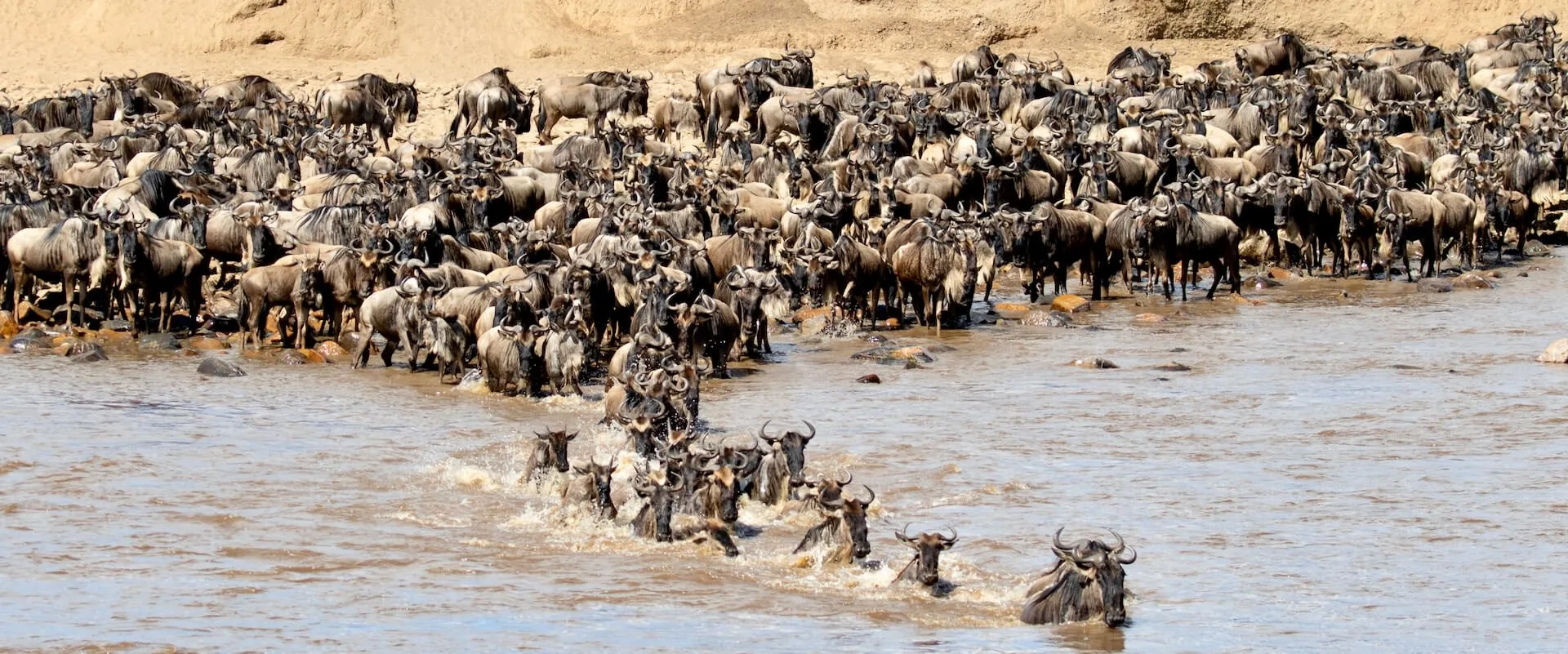
The Great Migration in Africa happens all year because the herds continuously circulate through the Serengeti–Mara ecosystem in…
Read article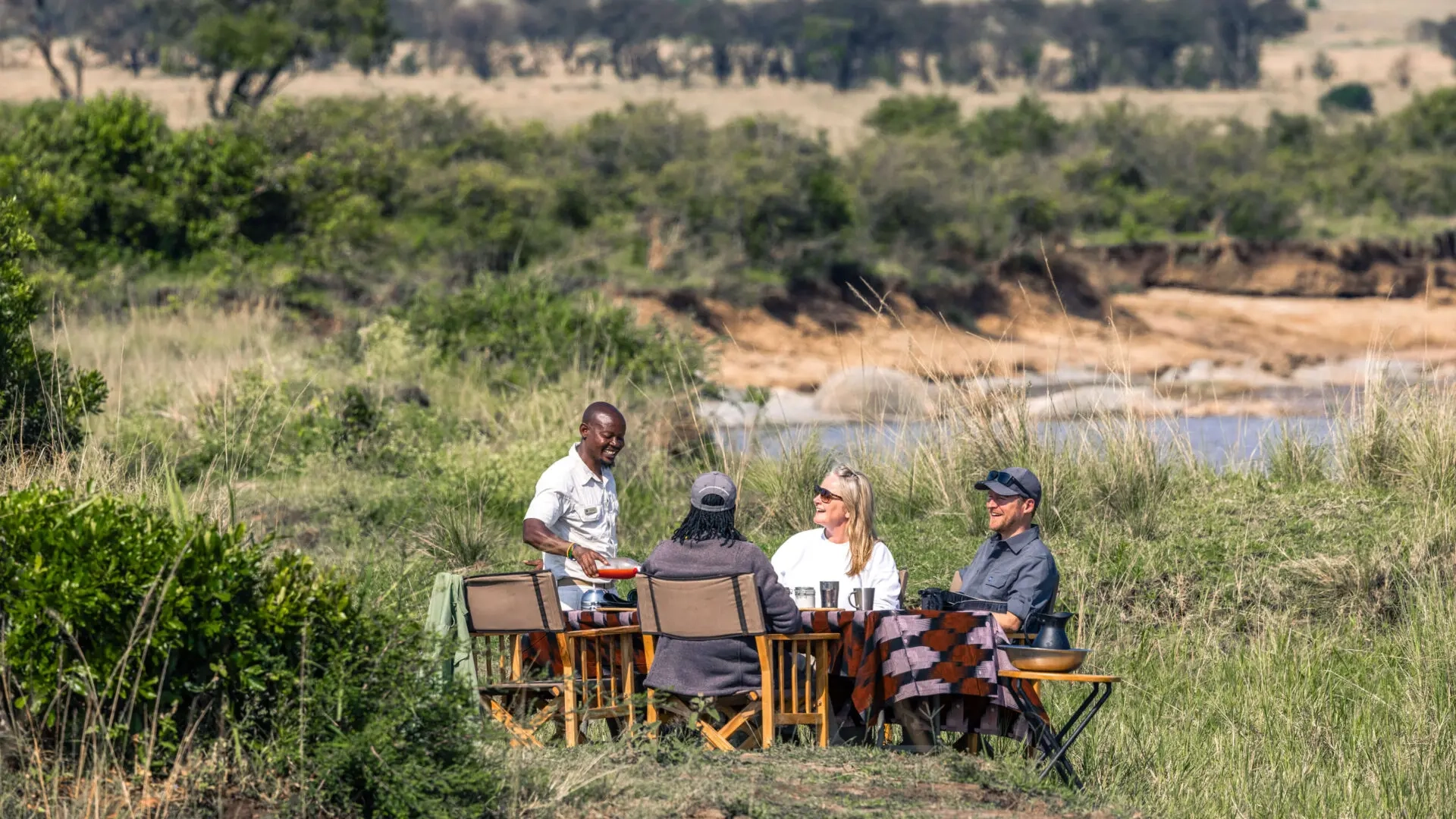
Definitive answer: A picnic lunch on safari is a packed or catered midday meal eaten at an approved…
Read article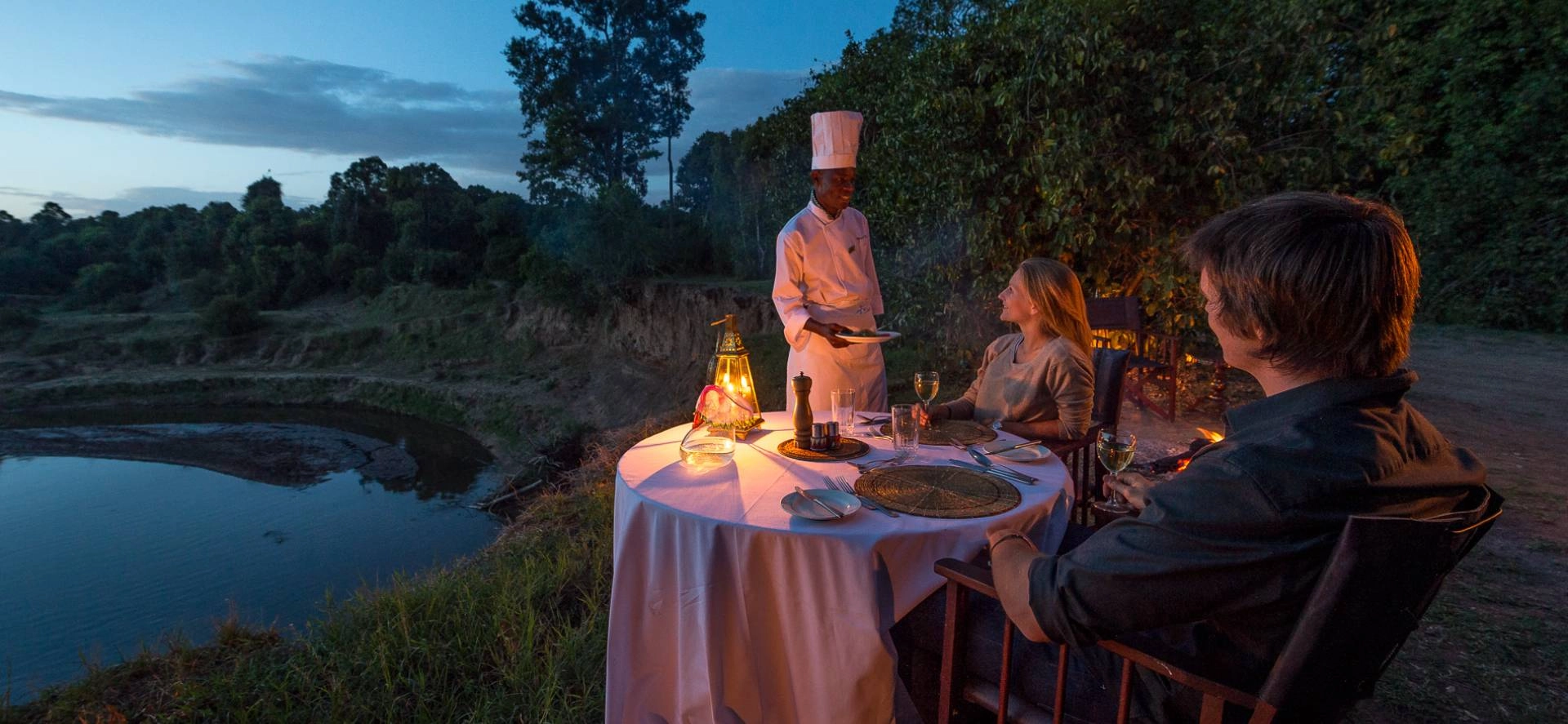
Definitive answer: A bush dinner is an outdoor evening meal arranged in a safe safari setting away from…
Read articleLet us take you closer to the wildlife, people and places that make Africa extraordinary.
Plan Your Safari Today