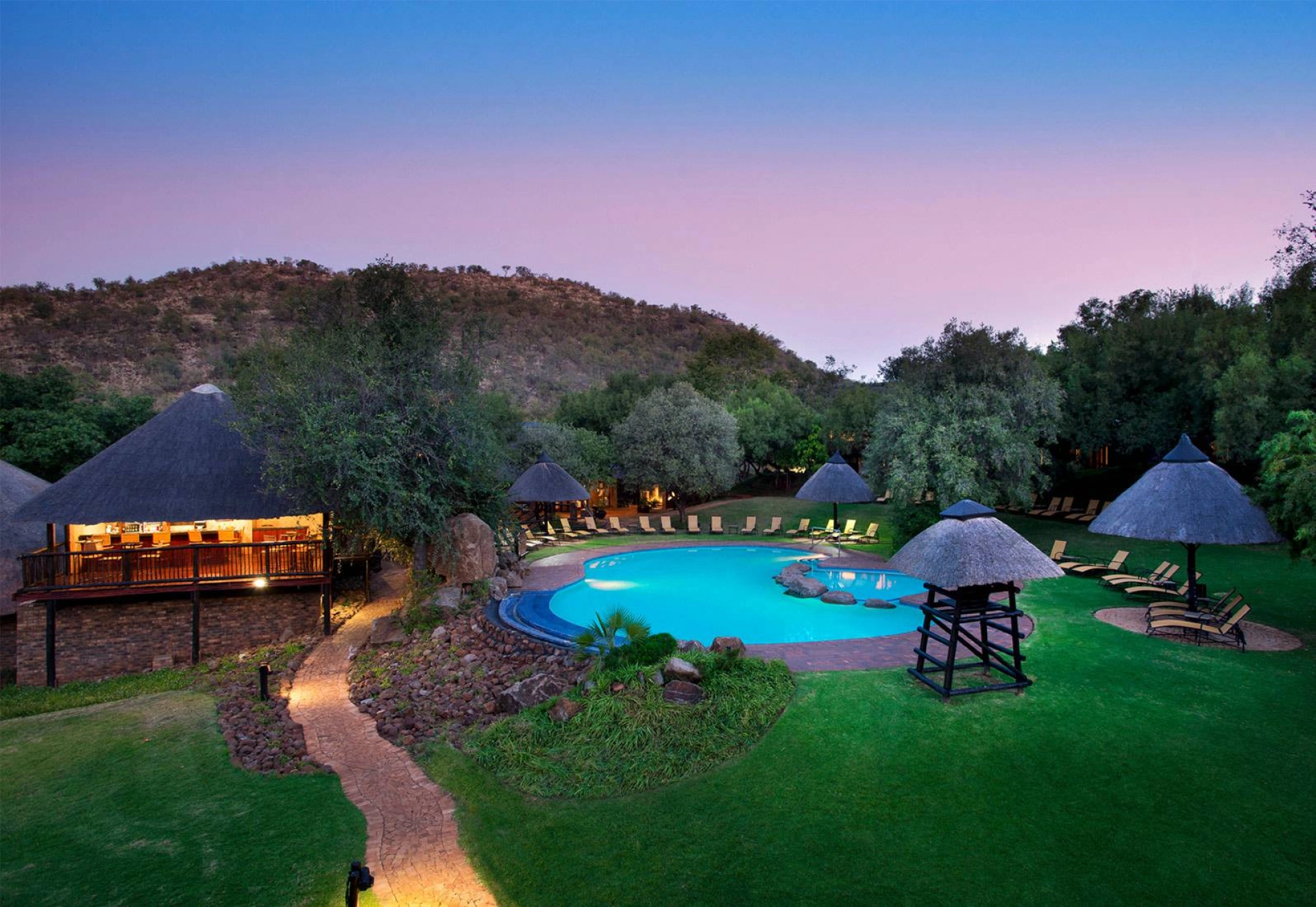
An Overnight Adventure at Bakubung Bush Lodge in Pilanesberg National Park
A safari does not always need to involve an internal flight, several…
Read article

Travel Guide
An African safari can be one of the most rewarding journeys you ever take, but it is also a type of holiday where the advertised package price does not always represent every dollar you will spend…
An African safari can be one of the most rewarding journeys you ever take, but it is also a type of holiday where the advertised package price does not always represent every dollar you will spend from the moment you leave home until the moment you return. A safari quotation may include your accommodation, private 4×4 safari vehicle, professional driver-guide, meals, national park entrance fees and major scheduled activities. Another package may include only accommodation and selected game drives. A luxury fly-in safari might cover virtually everything once you arrive at camp but exclude international flights, visas, premium drinks and gratuities.
This variation is why understanding hidden safari costs and unexpected travel expenses is so important. The issue is not necessarily that safari companies deliberately hide costs. More often, different expenses are controlled by different organizations. Governments determine visa fees. Wildlife authorities determine permit and park fees. Airlines control baggage charges. Banks determine international card fees. Travelers themselves decide how much they spend on drinks, souvenirs, optional activities and gratuities. A safari that appears to cost $3,000 per person can therefore require a considerably larger total travel budget once international flights and other expenses are included.
The best solution is not avoiding every extra expense. It is knowing about potential costs before you travel. This detailed guide explains the most common extra safari costs, why they arise, which ones can be avoided, and how to create a realistic Africa safari budget without constantly worrying about money during your holiday.
Before identifying hidden costs, understand what your safari quotation already covers.
There is no universal definition of an “all-inclusive safari.” A private Uganda safari, a luxury Botswana fly-in safari and a South African self-drive holiday operate very differently. A typical professionally organized East African safari package may include airport transfers, transportation in a safari vehicle, services of a driver-guide, accommodation, specified meals, national park fees and scheduled activities. Specialist experiences such as gorilla trekking in Uganda, chimpanzee tracking, hot-air balloon flights or certain cultural activities may either be included or quoted separately.
A luxury lodge may include local drinks, while a mid-range property may charge for every beverage other than drinking water. The first rule of safari budgeting is therefore simple: Read the inclusions and exclusions carefully. Do not compare safari quotations using the final price alone. A $3,500 safari including permits, park fees and full-board accommodation may ultimately cost less than a $3,000 package requiring substantial payments after arrival.
Safari pricing contains several layers.
First is accommodation. Second is transportation. Third are government-controlled conservation charges. Fourth are activities. Then come personal travel expenses. Some costs are paid months before travel. Others are paid locally. Some are charged per person. Others are charged per vehicle, room or group. Exchange rates can also influence the final amount when services are priced in currencies different from your home currency. A realistic African safari budget therefore needs a contingency rather than an exact-to-the-dollar calculation. As a general planning principle, consider keeping an additional portion of your holiday budget available for personal expenses and unexpected changes even when most major safari services have been prepaid.
For many travelers, international airfare is the largest expense not included in a safari quotation.
A safari operator may quote a land package beginning when you arrive at Entebbe International Airport, Kigali International Airport, Nairobi, Kilimanjaro, Johannesburg or another gateway. Getting there is your responsibility unless flights are specifically included. International flight prices vary enormously according to season, departure country, booking date, airline and routing. Traveling during Christmas, New Year, school holidays or major summer vacation periods can significantly increase airfare. Last-minute bookings can also be expensive.
Compare several arrival gateways where the itinerary permits.
For example, some Uganda gorilla safaris can begin in Kigali and cross into southwestern Uganda rather than beginning in Entebbe. Other itineraries work better from Entebbe because they continue through several Ugandan national parks. Do not automatically choose the cheapest flight without considering safari logistics. Saving $100 on airfare may create a much longer road transfer or require an additional hotel night. Also compare the total ticket conditions rather than only the headline fare. A slightly more expensive ticket with checked baggage and flexible changes may be better value than a restrictive basic fare.
Immigration expenses are easy to forget because they rarely appear in safari package prices.
Depending on your nationality and destination, you may require a visa, electronic visa, electronic travel authorization or other entry documentation. Travelers visiting several countries may face several separate fees. A multi-country East Africa safari involving Uganda, Rwanda, Kenya and Tanzania therefore requires more immigration planning than a safari entirely within one country. Entry rules also change. Never depend solely on information remembered from a previous trip. Check the applicable requirements for your passport before departure.
Even when visa costs appear small relative to the total safari price, they should be included in your travel budget. Families can find these expenses multiply quickly. Four travelers each paying separate entry fees can add hundreds of dollars to the trip. Always use official immigration channels where possible and avoid unofficial websites charging unnecessary processing fees.
Travel insurance is one of the most important safari expenses travelers sometimes treat as optional. A safari can involve expensive prepaid components. Gorilla permits. Chimpanzee permits. Luxury lodges. Internal flights. International airfare. Private vehicles. Once these services are confirmed, cancellation can involve substantial financial loss. Comprehensive travel insurance can provide protection depending on the policy and circumstances.
Travelers should examine coverage for trip cancellation, interruption, medical treatment, emergency evacuation, baggage problems and activities included in the itinerary. Adventure activities deserve special attention. Do not assume every standard policy automatically covers trekking at altitude, gorilla trekking, hiking or other specialist activities. Read the policy wording. Travel insurance is not exciting, but it can be one of the most valuable items in your entire safari budget when something goes wrong.
Medical preparation can create costs before you leave home. Depending on your destination, travel history and personal circumstances, you may need vaccinations, preventive medication or a consultation with a travel-health professional. These expenses are usually completely separate from the safari package. Some vaccinations may be covered by health insurance in your home country. Others may require private payment. Because medical recommendations are individual, consult an appropriate healthcare professional rather than relying on a safari blog for personalized medical advice. The important budgeting point is simply to remember that pre-safari health preparation can cost money.
For primate safaris, permits can represent a substantial part of the trip cost. A traveler comparing a conventional savannah safari with a Uganda gorilla trekking safari needs to understand that gorilla trekking involves tightly regulated access. Permits are issued for specific dates and areas and should generally be secured well in advance when travel dates are fixed. Whether the permit is already included in your quotation is extremely important. Never assume it is. Ask specifically: “Does this safari price include my gorilla trekking permit?” The same principle applies to chimpanzee tracking and other controlled wildlife activities.
A permit is not merely another entrance ticket. It helps regulate visitor numbers around sensitive primates and contributes to conservation management. The limited number of daily participants is one reason gorilla trekking remains an intimate wildlife experience rather than becoming mass tourism. When comparing gorilla safari prices, compare packages only after confirming whether permits are included.
Optional activities are among the easiest ways to exceed your safari budget. A standard itinerary may include game drives and accommodation but offer additional experiences such as: Boat safaris. Walking safaris. Horseback safaris. Hot-air balloon flights. Night drives. Cultural visits. Community walks. Coffee experiences. Mountain hiking. Private photographic vehicles. Spa treatments. Scenic flights. These can significantly enrich a journey. The problem arises when travelers discover them only after arriving and have not budgeted for them.
Ask your safari planner for a list of worthwhile optional activities before departure. Then prioritize. You do not need to do everything. A well-designed safari should contain enough free time to appreciate the destination rather than becoming a competition to accumulate activities. For example, a traveler visiting Queen Elizabeth National Park may value a Kazinga Channel boat safari more than adding several unrelated activities. A visitor at Lake Mburo may prioritize horseback riding. A traveler in the Serengeti might save specifically for a balloon safari. Spend money where it genuinely improves your trip.
Safari tipping creates more traveler anxiety than almost any other expense. How much should you tip your guide? Do you tip lodge staff? What about trackers? Porters? Boat crews? Restaurant staff? There is no universal Africa-wide rule. Tipping practices vary by country, lodge type, service and traveler preference. In many safari destinations, gratuities are appreciated but should reflect the quality of service.
Imagine a ten-day safari. You may interact with one driver-guide throughout the journey, several lodge teams, local activity guides, trackers and porters. Individually, each tip may seem modest. Together, gratuities can become a noticeable part of your safari spending. Include a dedicated tipping allowance in your budget. This removes the uncomfortable feeling of deciding whether you can afford a gratuity after receiving excellent service.
Small-denomination notes can be useful. Avoid carrying only large bills. Some lodges provide communal tip boxes, while guides and specialist staff may be tipped separately. Ask your operator about local norms before traveling.
“Full board” does not always mean “all inclusive.” Full board typically refers to meals. Beverages may be charged separately. Water may be provided while soft drinks, beer, wine, cocktails and premium coffee are additional. At luxury properties, selected drinks may be included but premium brands may still cost extra. This is one of the most common unexpected safari expenses. A couple ordering wine with dinner every evening can accumulate a meaningful final lodge bill during a two-week trip.
Safari accommodation terminology matters: Bed and breakfast generally includes breakfast. Half board usually includes breakfast and one additional major meal. Full board generally includes breakfast, lunch and dinner. All inclusive may include selected beverages and additional services, but the exact definition varies. Always check the property’s actual inclusions.
Long safari itineraries make laundry useful. Dusty game drives and trekking can quickly use your clothing supply. Some luxury lodges include complimentary laundry. Others charge per item. Certain items may not be accepted because of local customs or laundry methods. Budget travelers can reduce laundry costs by packing lightweight, quick-drying clothing that can be washed easily. The better strategy is often packing intelligently rather than packing excessively.
Gorilla trekking, mountain hiking and other walking activities may involve optional porter services. Hiring a porter can be one of the best small investments you make. The porter can carry your backpack, water and camera equipment while also providing additional support on difficult terrain. This can make a substantial difference during a demanding trek. Porter employment also creates direct economic benefits for communities surrounding protected areas. Do not assume hiring a porter means you are physically incapable. Even experienced hikers often use them. You can concentrate on the forest and photography rather than carrying unnecessary weight.
Flight schedules rarely align perfectly with safari itineraries. Your international flight might land at 11:00 p.m. The safari may begin the following morning. That creates an additional hotel night. Similarly, your safari could finish at 5:00 p.m. while your flight leaves the next afternoon. Another hotel night may be necessary. These costs are often omitted when travelers compare safari packages because they technically fall outside the safari dates.
Before buying flights, send the proposed schedule to your safari operator. A small change in flight timing can sometimes eliminate an unnecessary overnight stay. On other occasions, arriving a day earlier is actually advisable because it provides recovery time after a long international journey.
Some African itineraries require internal flights. This is particularly common in Botswana, Tanzania, Kenya and multi-country safaris. Remote camps may be accessed by light aircraft. A package may include these flights—or may not. Regional flights also become relevant when combining countries. For example: Uganda and Kenya. Rwanda and Tanzania. South Africa and Botswana. Kenya and Zanzibar. A cheap-looking safari package may become expensive if several necessary flights are excluded.
This deserves special attention. Small safari aircraft often have stricter baggage limits than international airlines. Soft-sided luggage may be required. Travelers arriving with heavy hard-shell suitcases may need storage arrangements or additional baggage solutions. Always check luggage restrictions before leaving home.
International payments can create costs before the safari even begins. Banks may charge foreign transaction fees. Currency conversion can add another percentage. Card processors may apply fees. ATM withdrawals may include both local and home-bank charges. The result is that paying a $3,000 safari invoice can cost more than $3,000 from your account.
Before paying, ask your operator about accepted payment methods and associated charges. Bank transfer, Wise, card payment and cash settlement may have different cost structures. Also check your own bank’s international transfer and currency-conversion fees. The cheapest method for one traveler may not be cheapest for another.
Souvenirs are optional, but few travelers return from Africa without buying something. Wood carvings. Textiles. Baskets. Coffee. Tea. Jewelry. Artwork. Clothing. Crafts. Local products can provide meaningful memories while supporting artisans. Set a shopping budget before traveling. Without one, small purchases at several destinations can add up quickly.
Bargaining is normal in some markets but not everywhere. Keep perspective. The difference you are negotiating may be insignificant within your total holiday budget but meaningful to the seller. Negotiate respectfully. A good transaction should leave both sides comfortable.
Beyond the fourteen major categories, several smaller costs can appear.
Travelers who want internet access outside lodges may purchase a local SIM card or eSIM. Costs are usually manageable but should still be considered. Many lodges offer Wi-Fi, although remote locations may have limited connectivity. A safari can also be a good opportunity to spend less time online.
ATM withdrawals can involve several separate fees. Your bank may charge one. The local bank may charge another. Currency conversion adds another variable. Avoid making repeated tiny withdrawals where possible.
Travelers combining safari with trekking often carry additional equipment. International baggage may be generous while domestic aircraft allowances are much smaller. Excess baggage can become expensive.
Wildlife photography sometimes creates expenses travelers never considered when first booking. Extra memory cards. Batteries. Lenses. Camera insurance. Beanbags. Dust protection. Adapters. You do not need professional equipment to enjoy safari, but photographers should include these expenses in the total trip budget.
Adapters are inexpensive but easy to forget. Different African countries may use different socket systems. Multi-country travelers should research each destination.
Even when meals are included, travelers may buy snacks, coffee or drinks during transfers. These are small costs individually but worth allowing for.
There is no single amount suitable for everyone. A traveler on a fully inclusive luxury safari may need relatively little daily spending money. A traveler whose package excludes activities, drinks and meals may need considerably more. Instead of using an arbitrary daily figure, create categories. Calculate known expenses first: Visas. Insurance. Permits not included. Optional activities. Additional accommodation. Flights. Then create flexible allowances for: Tips. Drinks. Laundry. Shopping. Personal spending. Finally add a contingency fund. This produces a far more realistic number than simply deciding to carry “$50 per day.”
Take both where practical. Major hotels and lodges may accept cards. Remote areas and small businesses may rely more heavily on cash. Tips are often easiest in cash. Never depend entirely on one payment method. Cards can fail. ATMs can be unavailable. Cash can be lost. Diversification reduces inconvenience.
The answer depends on destination. Local currency is useful for everyday purchases. US dollars may be widely accepted for some tourism transactions in several African countries, but note condition and issue-date requirements can sometimes apply locally. Ask your safari operator before travel. Avoid arriving with enormous amounts of cash unnecessarily.
Budget travelers should pay especially close attention to exclusions. A low advertised price may exclude: Park fees. Meals. Activities. Airport transfers. Permits. Drinking water. A slightly more expensive but comprehensive package can offer better value. The goal should be affordable safari value, not simply the lowest advertised number.
Luxury does not automatically mean everything is included. Premium champagne. Spa treatments. Private vehicles. Helicopter flights. Boutique purchases. Premium wines. Specialist activities. These can still cost extra. Read the inclusions even when paying thousands of dollars per night.
Gorilla safaris have several particular considerations. The permit. Porter. Trekking equipment. Potential walking stick. Appropriate clothing. Tips. Optional gorilla habituation experience where available. Travel insurance. Additional accommodation before or after the trek. At Adventure in the Wild Safaris, we prefer quotations that clearly explain what is included so travelers understand the actual safari cost before confirming.
Different African countries produce different budgeting patterns.
Uganda is particularly strong for road-based private safaris. A single itinerary can combine Bwindi, Kibale, Queen Elizabeth, Murchison Falls and Lake Mburo. Major additional expenses may include gorilla and chimpanzee permits, specialist activities and gratuities.
Rwanda’s gorilla tourism model is positioned toward a premium market. Accommodation around Volcanoes National Park can also be relatively expensive. Travelers combining Rwanda with Uganda may sometimes achieve a broader safari while maintaining efficient logistics.
Kenya offers everything from budget camping to luxury conservancies. Domestic flights, conservancy fees and balloon safaris can significantly affect the total.
Tanzania’s northern circuit involves major conservation areas and can carry substantial park-related charges. Adding Zanzibar introduces flights and island expenses.
Botswana can be expensive because many premium camps rely on light-aircraft transfers and operate in remote locations. However, the result can be exceptional exclusivity.
South Africa provides one of the widest budget ranges. Self-driving Kruger can be comparatively affordable. Private reserves such as Sabi Sands can be extremely luxurious.
Never compare only the final figure. Create a simple comparison based on: Number of nights. Accommodation category. Private or shared vehicle. Meals. Park fees. Permits. Activities. Domestic flights. Airport transfers. Guide quality. Vehicle type. Excluded expenses. Cancellation terms. A quotation costing $300 more may actually save money if it includes $600 worth of activities.
Before paying a deposit, understand exactly what your safari includes. Ask whether park fees are included. Ask whether permits are included. Ask which meals are included. Ask about drinking water. Ask about airport transfers. Ask whether the vehicle is private. Ask whether internal flights are included. Ask about optional activities. Ask which expenses must be paid locally. Ask about card charges. Ask about cancellation and date-change conditions. A reputable safari company should answer these questions clearly.
Safari is logistically complicated. Vehicles operate on rough roads. Guides require professional experience. Park fees support conservation. Good accommodation costs money. Extremely cheap quotations sometimes achieve their price by reducing something important. Vehicle quality. Accommodation. Guide quality. Meal standards. Time in parks. Activities. Transparency. That does not mean expensive automatically equals excellent. It means travelers should understand what they are buying.
Even after careful planning, unexpected costs can occur. A flight changes. A bag is delayed. You need an extra hotel night. You decide to add an activity. A bank card fails. Keeping an emergency reserve prevents small problems from becoming major stress. Do not plan a complex international safari using every available dollar. Financial breathing room is part of good travel preparation.
The real cost of an African safari is not simply the number printed at the bottom of your safari quotation. It begins with your flight from home. It includes travel documents, insurance and health preparation. It continues through accommodation, transport, wildlife permits, park fees, activities and meals. Then come the personal choices—tips, drinks, shopping and optional adventures. None of these costs should discourage you from traveling. They should encourage better planning.
A safari is often a once-in-a-lifetime journey. Spending months anticipating gorillas, lions, elephants and African landscapes only to spend the actual trip worrying about every unexpected bill is unnecessary. Ask questions before booking. Understand the inclusions. Calculate major extras. Keep a contingency fund. Then travel knowing your finances are under control. When Adventure in the Wild Safaris designs an itinerary, our objective is not simply to provide an attractive headline price. We want travelers to understand what they are paying for and what additional expenses they should anticipate. That transparency makes it easier to compare safari options accurately—and much easier to enjoy Africa once you arrive.
Get quick answers to the most common questions. If you still have questions, our safari experts are here to help.
Common extras include international flights, visas, insurance, tips, drinks, optional activities, permits, laundry, porter services, bank fees, additional hotel nights and souvenirs.
Often they are included in organized packages, but never assume this. Check the quotation.
They may be included or quoted separately depending on the operator. Confirm before comparing prices.
Usually not. Gratuities are normally discretionary personal expenses.
It depends on the meal plan and property. Full board does not necessarily include alcoholic or soft drinks.
Having some cash is useful, particularly for tips and small purchases, even when cards are accepted at major properties.
Comprehensive travel insurance is strongly worth considering for a safari containing expensive prepaid services.
This is entirely personal. Setting a fixed shopping allowance before travel can prevent overspending.
Usually, especially for solo travelers or couples. However, private safari costs become more economical per person as the group size increases.
Often, but not always. Confirm both arrival and departure transfers.
This depends on booking terms and the reason for the change. Government fees, taxes or itinerary modifications may affect some bookings, so read the operator’s terms.
Not necessarily. “All inclusive” should always be checked against the property’s specific list of inclusions and exclusions.
Ask for a detailed written quotation, read the exclusions carefully and budget separately for personal expenses.
Our safari experts are here to help you plan your safari. Get personalized advice, the latest information and a free, no-obligation quote.
We typically reply within a few hours.

Share This Article
A safari does not always need to involve an internal flight, several…
Read article
Mention a Tanzania safari and most travelers immediately imagine the Serengeti. The…
Read article
An African safari is often described as a once-in-a-lifetime holiday, but that…
Read article
Mozambique stretches for thousands of kilometers along southeastern Africa’s Indian Ocean coastline,…
Read articleLet us take you closer to the wildlife, people and places that make Africa extraordinary.
Plan Your Safari Today