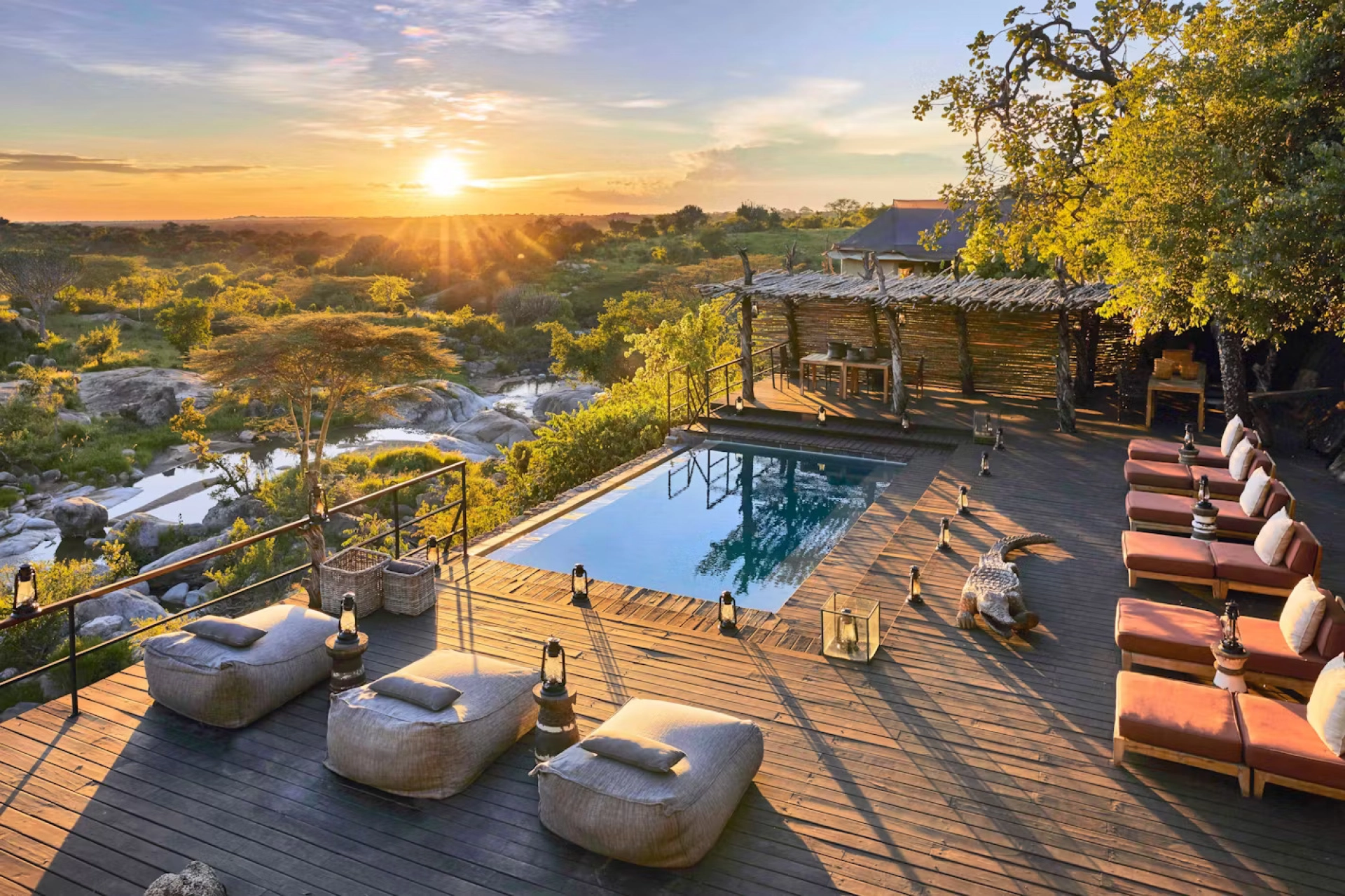
What should I look for when booking a luxury African safari?
When booking a luxury African safari, look beyond the room and compare the quality of guiding, wildlife location,…
Read article
FAQs
African safari mornings can range from pleasantly cool to genuinely cold depending on the destination, altitude and season. The coldest part of a game drive is often the period just before and shortly after sunrise, particularly when traveling in an open safari vehicle. Wearing several light layers, including a fleece or jacket, is generally the easiest way to remain comfortable until temperatures rise.
African safari mornings can range from pleasantly cool to genuinely cold depending on the destination, altitude and season. The coldest part of a game drive is often the period just before and shortly after sunrise, particularly when traveling in an open safari vehicle. Wearing several light layers, including a fleece or jacket, is generally the easiest way to remain comfortable until temperatures rise.

Safari schedules often begin before sunrise.
Wildlife tends to be active during the cooler parts of the day, so guides frequently want their guests in the national park or wildlife reserve as daylight begins.
This means you may leave your lodge during what is effectively the coldest part of the night.
Then another factor appears: wind.
A safari vehicle traveling along an open road creates considerable airflow around passengers. Even relatively mild temperatures can therefore feel cold when you are sitting still in an open-sided vehicle.
Because wildlife viewing involves long periods of sitting rather than physical activity, your body generates less heat than it would while walking.
The result is that a safari morning can feel substantially colder than the thermometer suggests.
Exact schedules vary between destinations, seasons, parks and lodges, but early departures are common.
Guests may wake before sunrise, have tea or coffee and leave while the landscape is still dark.
The objective is usually to reach productive wildlife areas as the day begins.
Predators may still be active after hunting during the night, while herbivores begin moving toward feeding or watering areas.
Morning light is also highly valued by wildlife photographers.
These advantages make the early start worthwhile, but they also mean travelers should dress for the pre-dawn temperature rather than the temperature expected later that day.
In many safari destinations, surprisingly quickly.
You might leave camp wearing a fleece and jacket, feel perfectly comfortable at sunrise and then begin removing layers an hour later.
By late morning, conditions can become hot.
This rapid transition is exactly why safari specialists recommend layered clothing.
Wearing one extremely heavy garment can be inconvenient once the day warms. Wearing several lighter layers allows you to adapt continuously.
Uganda has a generally tropical climate, but temperatures vary considerably because of elevation.
Morning game drives in Murchison Falls National Park or Queen Elizabeth National Park can begin cool without necessarily becoming extremely cold.
However, conditions change in higher-altitude destinations.
Around Bwindi Impenetrable National Park and Mgahinga Gorilla National Park, early mornings may feel chilly and damp.
Travelers sometimes find this surprising because both parks lie close to the equator.
Altitude is the explanation.
A Uganda safari can therefore involve warm savannah game drives and considerably cooler mountain mornings within the same itinerary.
Rwanda’s elevation means travelers should prepare for cool mornings.
This is particularly relevant around Volcanoes National Park, where most travelers depart early for gorilla trekking.
You may gather for your trek wearing a fleece or jacket and then become warm once hiking begins.
The combination of altitude, cloud cover, rainfall and forest conditions can make mornings feel much cooler than travelers expecting a stereotypically tropical African climate anticipate.
Kigali itself can also have pleasantly cool mornings compared with hotter lowland African cities.
Safari conditions in Kenya and Tanzania vary substantially by region.
Higher-altitude areas can have cool mornings, while lower and hotter ecosystems may warm rapidly.
Travelers visiting famous safari areas such as the Masai Mara, Serengeti, Ngorongoro Conservation Area, Amboseli and northern Tanzania’s safari circuit should therefore pack layers rather than assuming every morning will be warm.
Ngorongoro deserves particular attention because the elevation around the crater rim can produce distinctly cool conditions.
A traveler might therefore experience a chilly breakfast at a crater-rim lodge followed by considerably warmer conditions later in the day.
They can be, particularly during the southern African winter.
Destinations in South Africa, Botswana, Namibia, Zambia and Zimbabwe can experience substantial seasonal changes.
Clear winter nights may allow temperatures to fall significantly before sunrise.
Open safari vehicles can amplify that cold.
Travelers accustomed to imagining Africa as perpetually hot can therefore be genuinely surprised when guides provide blankets for an early drive.
By afternoon, the same destination may be sunny and warm.
Start with flexible layers.
A practical combination could include a breathable base layer, long-sleeved shirt, fleece and lightweight jacket.
Long trousers are normally more comfortable than shorts during cold mornings.
Closed shoes keep feet warmer and also provide useful protection from dust.
A hat or beanie can be valuable in particularly cold conditions.
If the vehicle provides blankets, take one even if you don’t initially feel cold. Once the vehicle begins moving, you may appreciate it.
For most tropical East African safaris, gloves are usually unnecessary.
However, they can be useful during particularly cold southern African winter drives or at higher elevations.
Photographers sometimes appreciate thin gloves that allow them to continue operating camera controls.
Again, destination-specific packing is more useful than a universal safari checklist.
A lightweight scarf or buff is one of the most versatile safari accessories.
During cold mornings, it provides warmth around your neck.
Later, it can protect your face from dust.
It occupies very little luggage space and can also provide protection from strong sunlight.
For travelers trying to pack lightly, multipurpose items like this are especially valuable.
Children should have sufficient warm clothing to remain comfortable throughout the drive.
Young travelers may feel cold more quickly because they are sitting still for extended periods.
A child who is cold is unlikely to care that a lion has just appeared nearby.
Parents should therefore pack a fleece or jacket for every child and not depend entirely on blankets being available in the safari vehicle.
Layers are particularly useful because children can remove clothing as the temperature increases.
Private vehicles provide greater flexibility rather than necessarily greater warmth.
If everyone in your party becomes cold, you can sometimes modify the drive, stop for a warm drink or adjust the schedule without considering other passengers.
Private safaris also allow families, photographers and couples to tailor game-drive duration more closely to their preferences.
However, the design of the vehicle remains important.
An open vehicle will expose passengers to more moving air than a more enclosed 4×4.
It can.
Seats with greater exposure to open sides or direct airflow may feel colder.
The effect varies according to vehicle design.
However, visibility is generally a more important consideration when selecting a safari seat.
Travelers often prefer window or outside positions because they provide clearer wildlife views and easier photography.
The simple solution is to dress appropriately rather than sacrificing a good wildlife-viewing position solely to avoid cool air.
Many lodges operating in cold safari environments provide blankets, ponchos or similar items for game drives.
Some may also provide hot-water bottles or warm drinks before departure.
These small comforts can transform an extremely cold start into a pleasant experience.
However, travelers should not assume every lodge provides them.
Your own warm layer remains essential.
Usually, safari itineraries can be adapted, particularly on private trips, but skipping every morning drive may mean missing some excellent wildlife viewing.
Early mornings can be among the most rewarding periods of the safari day.
Predators may be active, temperatures are comfortable for animals and the quality of the light can be exceptional for photography.
Instead of avoiding mornings because of cold weather, prepare properly for them.
Safari temperatures rarely remain constant throughout the day.
A typical morning can progress from cold before sunrise to cool shortly afterward, pleasantly warm by mid-morning and hot approaching midday.
No single piece of clothing works perfectly across that entire range.
Layers do.
Start with enough clothing to feel comfortable when leaving the lodge. As the temperature rises, remove layers and store them in the vehicle.
Your guide will normally tell you when particularly cold conditions are expected.
One of the easiest mistakes first-time safari travelers make is packing only for heat.
Africa certainly has hot safari destinations, but early mornings can be surprisingly cold, especially at altitude or during the cooler months.
Fortunately, this is easy to manage.
Pack long trousers, a fleece or sweater, a lightweight jacket and a versatile scarf or buff. Add warmer accessories if your itinerary includes destinations known for very cold mornings.
Then enjoy one of the most atmospheric periods of the safari day.
There are few experiences quite like leaving camp before sunrise, wrapped in a warm layer with a cup of coffee behind you, and watching the African landscape slowly emerge from darkness while the first wildlife of the day begins to move.
Continue your safari preparation with:
Understanding these practical details before departure makes it much easier to pack appropriately and enjoy every game drive.

Share This Article
When booking a luxury African safari, look beyond the room and compare the quality of guiding, wildlife location,…
Read article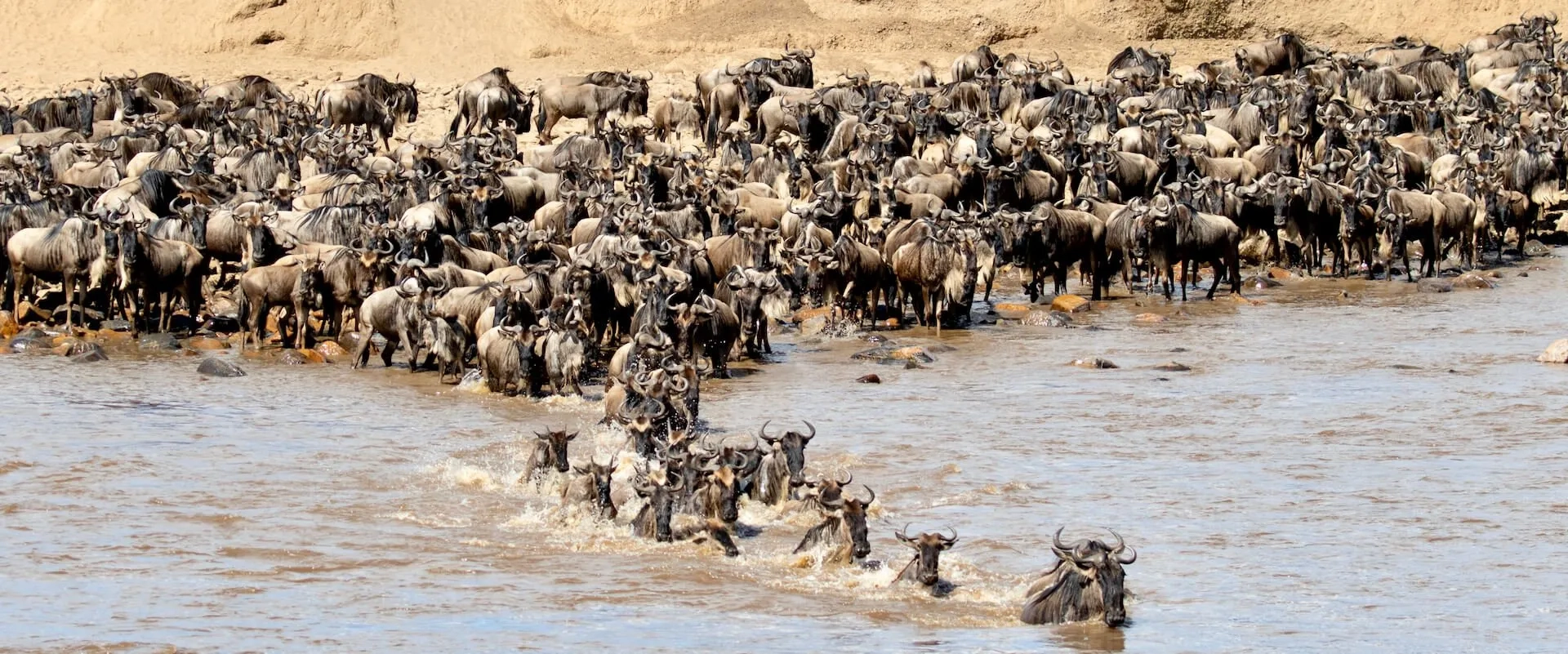
The Great Migration in Africa happens all year because the herds continuously circulate through the Serengeti–Mara ecosystem in…
Read article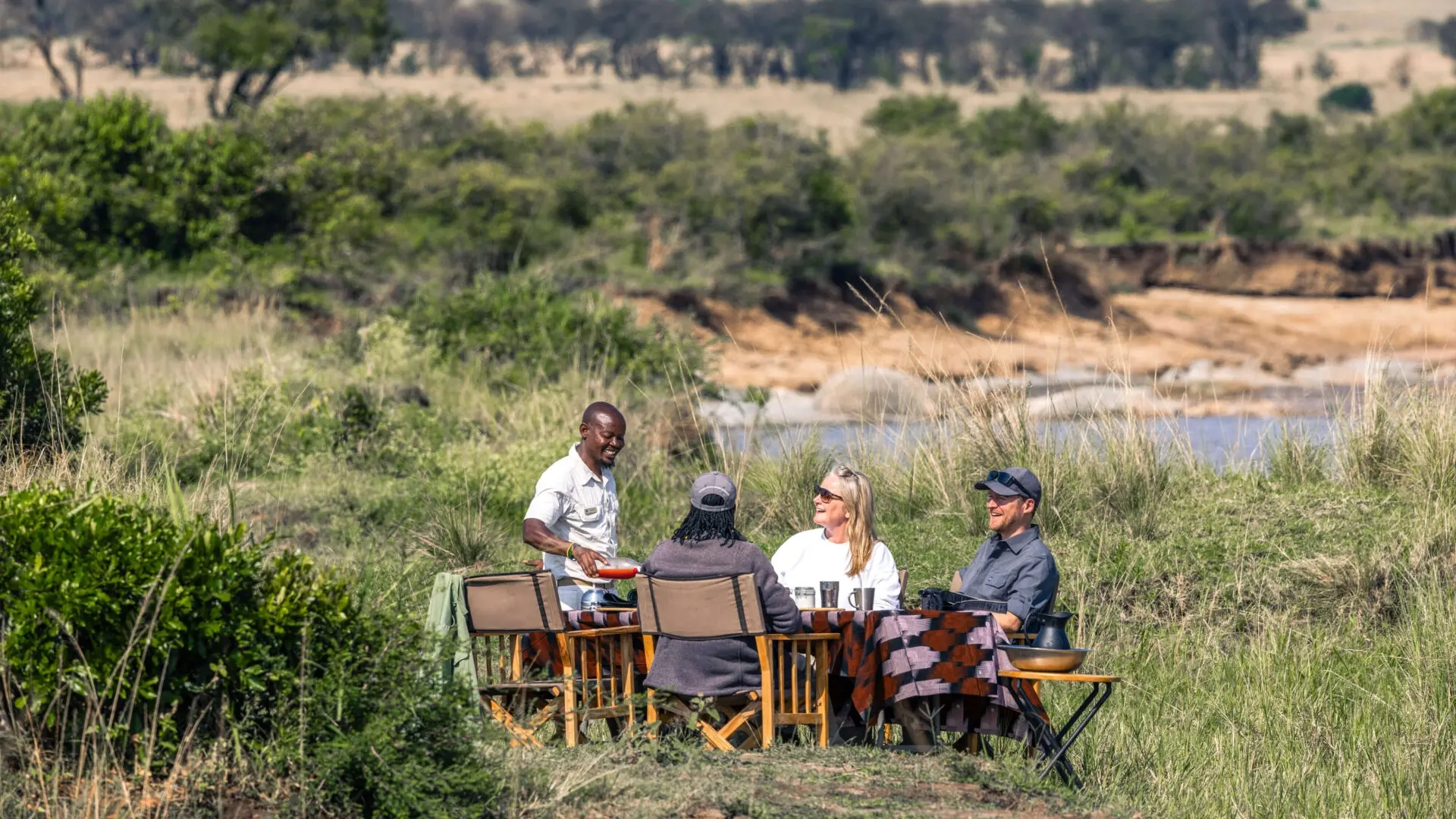
Definitive answer: A picnic lunch on safari is a packed or catered midday meal eaten at an approved…
Read article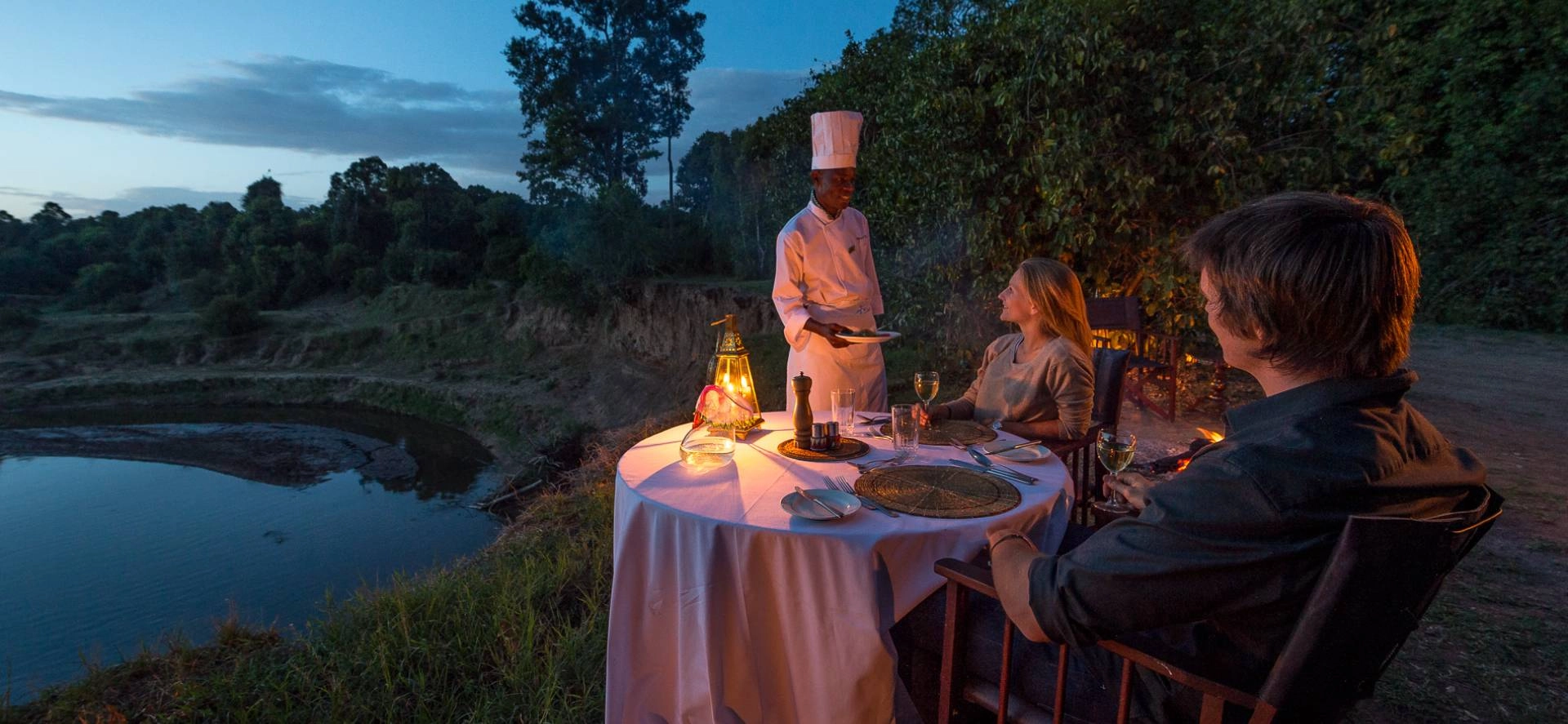
Definitive answer: A bush dinner is an outdoor evening meal arranged in a safe safari setting away from…
Read articleLet us take you closer to the wildlife, people and places that make Africa extraordinary.
Plan Your Safari Today