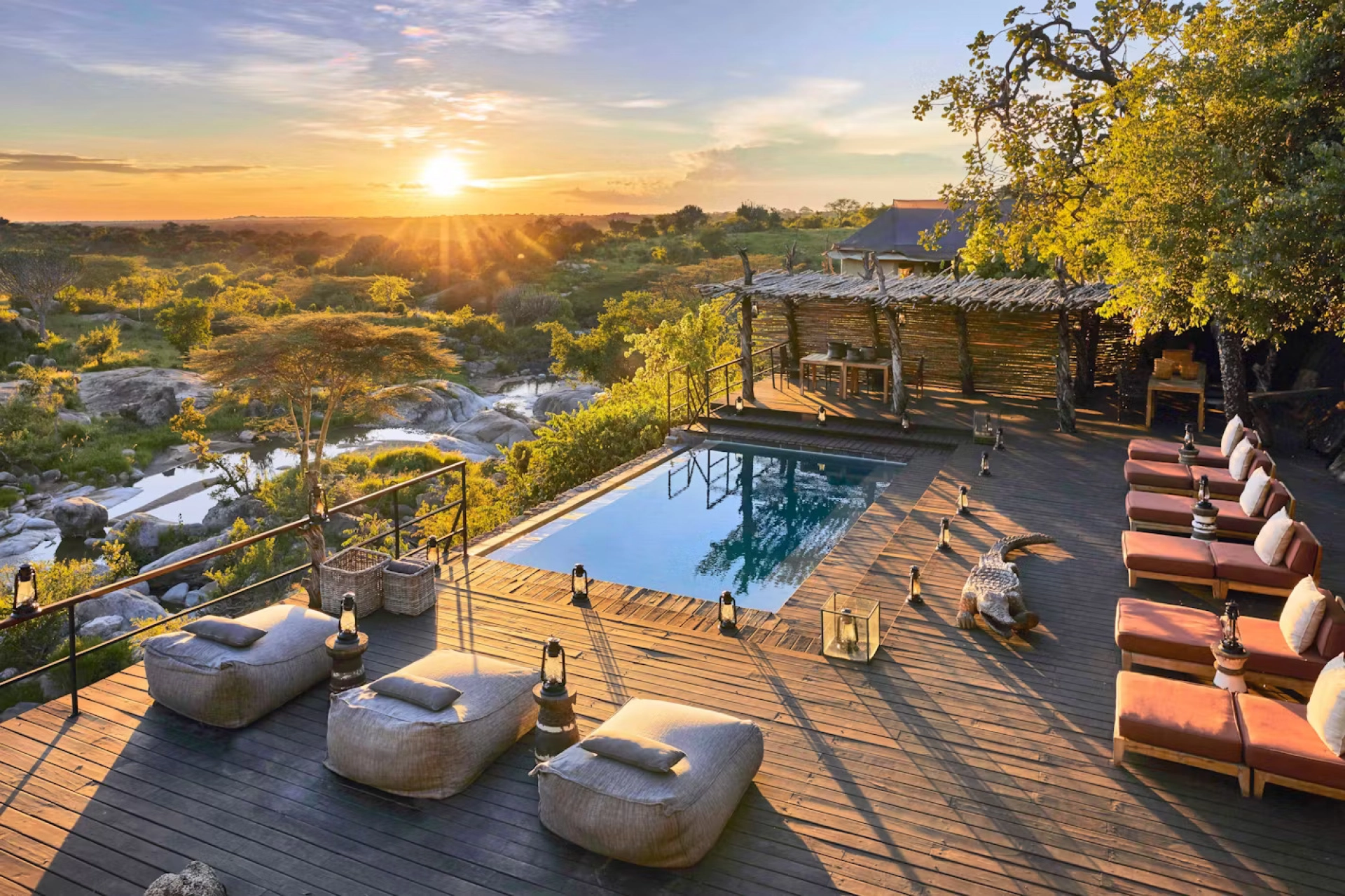
What should I look for when booking a luxury African safari?
When booking a luxury African safari, look beyond the room and compare the quality of guiding, wildlife location,…
Read article

FAQs
Choose between two safari itineraries by comparing time actually spent experiencing wildlife rather than simply counting destinations, parks or nights. Examine driving times, number of consecutive one-night stays, wildlife priorities, accommodation locations, vehicle arrangements, included activities and guide quality. In many cases, the better itinerary is the one that visits fewer destinations more thoroughly rather than trying to include everything.
Choose between two safari itineraries by comparing time actually spent experiencing wildlife rather than simply counting destinations, parks or nights. Examine driving times, number of consecutive one-night stays, wildlife priorities, accommodation locations, vehicle arrangements, included activities and guide quality. In many cases, the better itinerary is the one that visits fewer destinations more thoroughly rather than trying to include everything.
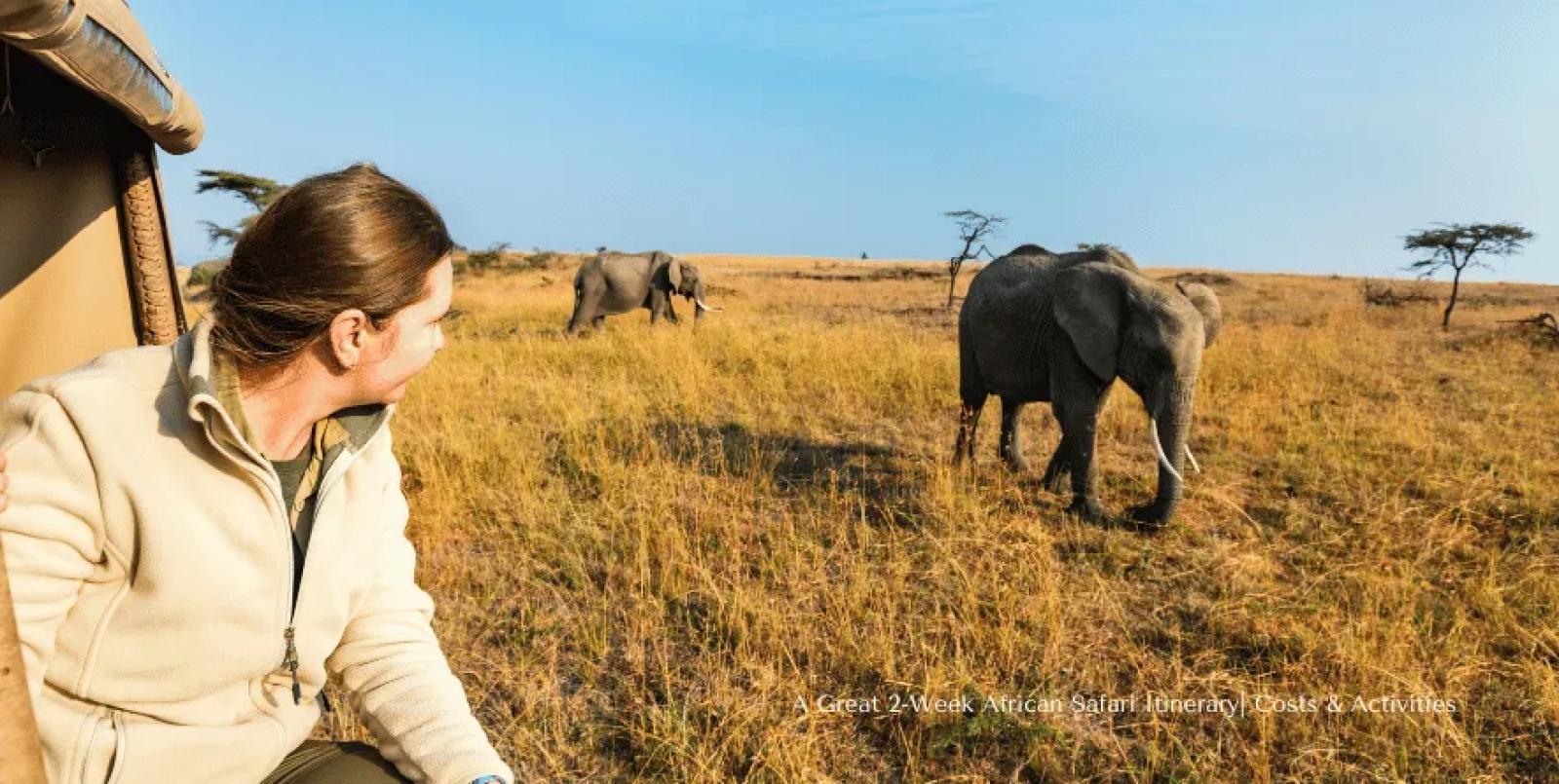
Before comparing itineraries line by line, ask yourself one question:
What would make this safari successful for me?
Perhaps your priorities are:
Mountain gorillas.
Big Five wildlife.
Photography.
Great Migration.
Chimpanzees.
Birding.
Wild dogs.
Luxury lodges.
Family experiences.
Cultural encounters.
Relaxation.
Once you know your priorities, itinerary comparison becomes much easier.
One itinerary visits five national parks.
Another visits three.
Which is better?
You cannot know from that information.
Five parks may sound more impressive, but reaching them could require long daily transfers.
The three-park itinerary might provide substantially more game-drive time.
Safari quality should be measured by experiences, not destination count.
Driving time is one of the most overlooked safari variables.
Read each day carefully.
“Transfer to the Serengeti.”
“Drive to Bwindi.”
“Proceed to Murchison Falls.”
These phrases can hide substantial journeys.
Ask the operator for approximate driving times.
Then look at the itinerary as a whole.
A six-hour transfer is perfectly reasonable occasionally.
Six hours of driving almost every day creates a very different holiday.
One-night stops aren’t automatically bad.
Sometimes they’re geographically necessary.
The problem arises when they dominate the itinerary.
Arrive.
Check in.
Unpack.
Eat.
Sleep.
Pack.
Check out.
Drive again.
Repeated for a week, this becomes tiring.
Two- and three-night stays give travelers time to settle into destinations and actually experience them.
A night in a national park doesn’t necessarily equal a full safari day there.
Suppose you arrive at 17:00 and leave at 08:00 the following morning.
Technically, you’ve spent a night in the destination.
Practically, you’ve experienced very little.
Compare how many full wildlife-viewing days each itinerary provides.
This is particularly important in major ecosystems such as Serengeti, Masai Mara, Queen Elizabeth, Murchison Falls, Kruger and the Okavango.
If gorillas are your main objective, an itinerary providing an appropriately paced Bwindi or Volcanoes National Park experience may be more valuable than one adding several unrelated destinations.
If cats are the priority, time in predator-rich savannah matters.
If wild dogs are important, destination choice becomes highly specific.
If birds are your passion, habitat diversity may matter more than Big Five branding.
The itinerary should be designed around you rather than a generic checklist.
Good safari itineraries usually flow geographically.
You should see a logical progression from one destination to the next.
Constant backtracking is a warning sign.
Look at the route on a map.
If you’re repeatedly driving past the same places or returning through the same region, ask why.
Sometimes there is a legitimate reason.
Sometimes the itinerary simply hasn’t been optimized.
Accommodation quality matters, but location can matter even more.
A beautiful lodge far outside a park may require lengthy drives to reach wildlife each morning.
A simpler lodge in an excellent location may give you more safari time.
Ask:
How far is the lodge from the park entrance?
Is it inside or outside the protected area?
How long does the morning transfer take?
Can game drives begin directly from the lodge?
These questions can reveal substantial differences between two apparently similar proposals.
Safari accommodation doesn’t always fit conventional city-hotel classifications.
A small tented camp can provide an extraordinary experience without looking like a traditional five-star hotel.
Consider:
Location.
Service.
Room quality.
Food.
Views.
Wildlife around camp.
Atmosphere.
Privacy.
Sustainability.
Guide access.
Choose accommodation according to the role it plays in the itinerary.
This is extremely important.
Ask whether the safari uses a 4×4 Land Cruiser or another appropriate safari vehicle.
Does it have a pop-up roof?
How many passengers share it?
Does everyone have good viewing access?
Is it private?
A slightly cheaper itinerary using crowded shared vehicles may offer worse value than a somewhat more expensive private safari.
A beautiful lodge cannot compensate for a poor guide.
Your safari guide influences wildlife sightings, interpretation, photography, timing and daily comfort.
Ask whether the guide remains with you throughout the itinerary.
Check the operator’s approach to guide training and experience.
For private safaris, the relationship with your guide becomes particularly important because you’ll spend many hours together.
Read inclusions carefully.
Does the price include:
Gorilla permits?
Chimpanzee permits?
Boat cruises?
Park entrance fees?
Game drives?
Domestic flights?
Airport transfers?
Walking safaris?
Cultural activities?
Meals?
Drinking water?
An apparently cheaper itinerary can become substantially more expensive when essential activities are excluded.
Accommodation might be quoted as bed and breakfast, half board or full board.
On remote safaris, full-board arrangements are common because there may be nowhere else to eat.
Check whether lunches are included on transfer days.
Also consider drinks.
Premium beverages are often excluded even from high-end safari packages.
A safari may advertise private transportation while some lodge activities remain shared.
That’s not necessarily a problem.
You simply need to understand what you’re purchasing.
Ask whether:
Road transfers are private.
Game drives are private.
Boat activities are shared.
Walking safaris are shared.
Trekking activities join other permit holders.
Transparency makes comparison easier.
An itinerary can look relaxed until you examine the daily schedule.
Multiple 05:00 departures combined with long transfers and late arrivals can become exhausting.
Early mornings are normal on safari because wildlife activity is often excellent around sunrise.
The problem is insufficient recovery time.
A strong itinerary balances early activities with relaxed afternoons or occasional slower mornings.
Poorly designed itineraries sometimes treat the departure day as an afterthought.
Check the distance between your final safari destination and international airport.
Does the schedule provide enough margin?
Would a domestic flight make more sense?
Is an overnight near the airport necessary?
Don’t allow an otherwise excellent safari to finish with a stressful race to catch your flight.
A ten-day safari costing less than an eight-day safari isn’t automatically better value.
Perhaps the ten-day itinerary contains three long transfer days.
The eight-day itinerary might include more game drives, a private vehicle and better-located accommodation.
Ask what you’re actually buying.
Safari value is about the quality and quantity of meaningful experiences, not simply trip duration.
Domestic flights can increase cost but dramatically reduce travel time.
For travelers with limited holiday time, a flight may convert an entire transfer day into an afternoon game drive.
On the other hand, road travel can reveal landscapes and communities you would otherwise miss.
Neither option is inherently better.
Choose according to the route.
Price and quality are related, but not perfectly.
Luxury lodges can be extraordinary.
Yet an expensive itinerary can still be poorly paced.
Likewise, a carefully designed midrange safari can deliver superb wildlife viewing.
Spend money where it changes the experience.
Private vehicles, excellent guides and strategic lodge locations can sometimes matter more than decorative luxury.
A surprisingly low price deserves investigation.
Check whether park fees, permits, activities, meals and transfers are included.
Ask what vehicle is being used.
Look at accommodation location.
Check group size.
There may be a perfectly reasonable explanation.
But comparing only headline price is risky.
This is perhaps the most useful comparison question.
Remove airport transfers and long road journeys.
How many mornings and afternoons are actually available for wildlife activities?
How many destinations receive at least one full day?
How often are you arriving late and leaving early?
These questions reveal the itinerary’s true substance.
Some travelers genuinely enjoy moving quickly.
They want variety.
Others prefer slower journeys.
Photographers often benefit from repeated game drives in the same ecosystem because they can revisit sightings under different light.
Families may need downtime.
Honeymooners may want afternoons at the lodge.
Older travelers may prefer fewer long transfers.
There is no universally perfect pace.
Safari involves weather, roads, wildlife and occasionally flight changes.
A strong itinerary has enough flexibility to absorb small disruptions.
An extremely tight itinerary can unravel if one transfer takes two hours longer than expected.
This is another reason breathing room has value.
For each itinerary, compare:
Wildlife priorities: Does it target what I want to see?
Game-drive time: How many actual safari sessions?
Driving: How many long transfers?
Accommodation: Is it well located?
Vehicle: Private or shared?
Guide: Dedicated or changing?
Activities: What’s included?
Pace: How many one-night stops?
Price: What does the total actually include?
Flights: Are domestic flights necessary or beneficial?
You usually don’t need a complicated scoring system.
The differences become obvious once the right questions are asked.
A strong safari itinerary tells a geographical and experiential story.
It moves naturally between ecosystems.
It allows enough time for wildlife.
It doesn’t exhaust travelers simply to increase the number of destinations.
And it allocates money toward things that genuinely improve the experience.
When comparing two proposals, don’t ask:
“Which itinerary includes more?”
Ask:
“Which itinerary allows me to experience more?”
That distinction is fundamental.
A slower eight-day safari can easily provide a richer experience than a frantic ten-day journey.
Choose the itinerary that matches your wildlife priorities, comfort expectations, budget and preferred pace—and gives Africa enough time to reveal itself.
Continue with:
The best safari itinerary isn’t necessarily the longest or most expensive. It is the one in which the destinations, transfers, activities and accommodation work together logically.

Share This Article
When booking a luxury African safari, look beyond the room and compare the quality of guiding, wildlife location,…
Read article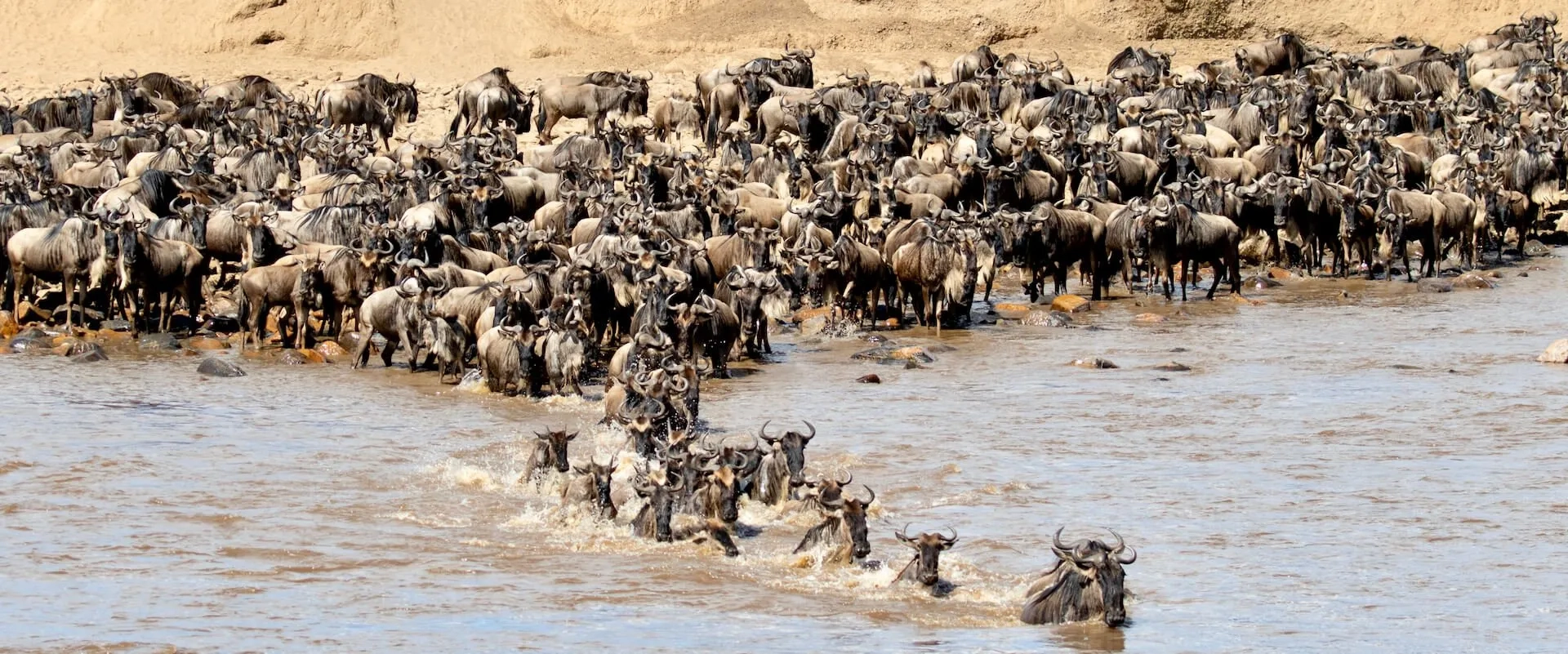
The Great Migration in Africa happens all year because the herds continuously circulate through the Serengeti–Mara ecosystem in…
Read article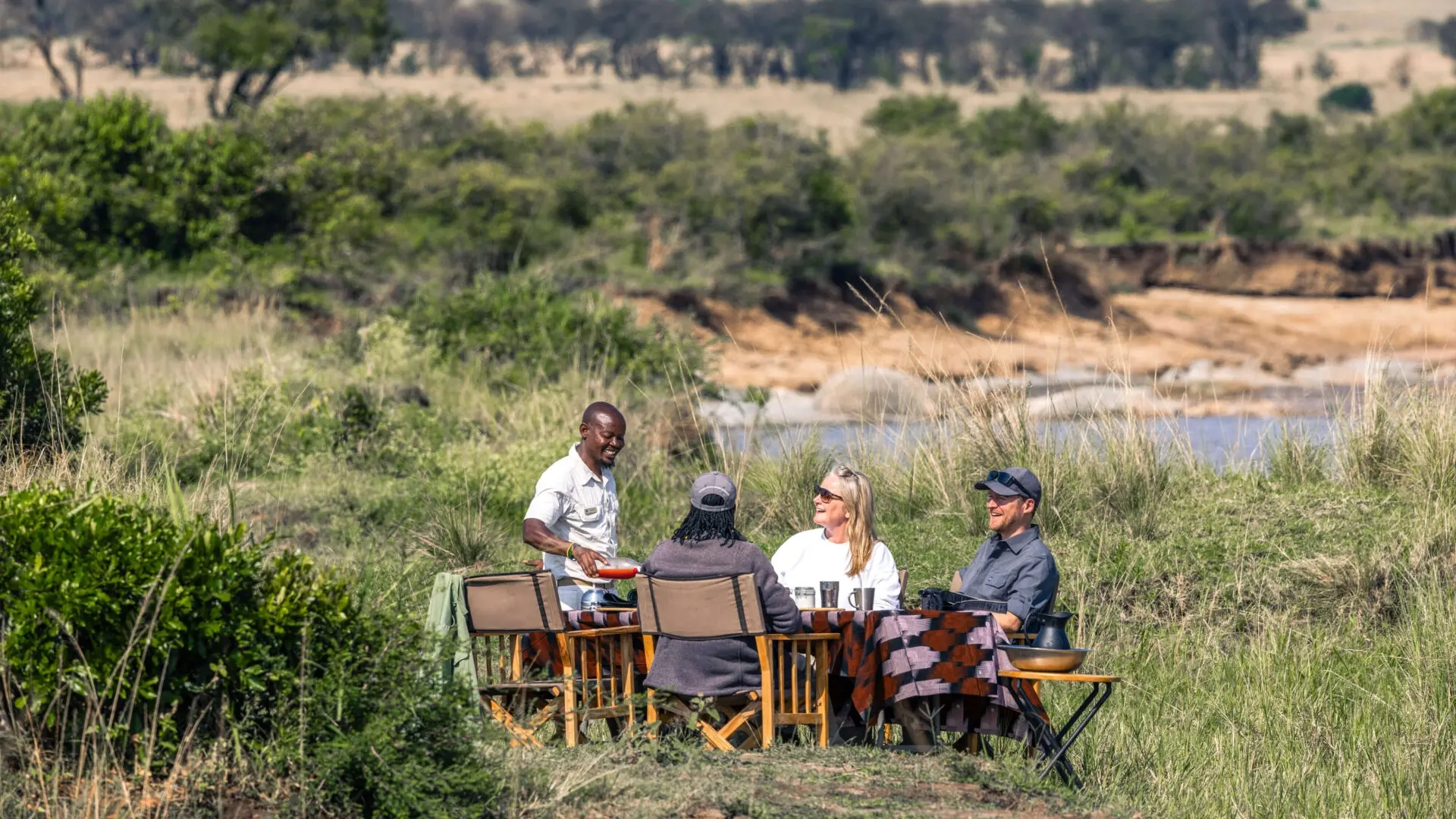
Definitive answer: A picnic lunch on safari is a packed or catered midday meal eaten at an approved…
Read article
Definitive answer: A bush dinner is an outdoor evening meal arranged in a safe safari setting away from…
Read articleLet us take you closer to the wildlife, people and places that make Africa extraordinary.
Plan Your Safari Today