What should I look for when booking a luxury African safari?
When booking a luxury African safari, look beyond the room and compare the quality of guiding, wildlife location,…
Read article
FAQs
Keeping children entertained between safari game drives is usually easier than parents expect. Family-friendly safari lodges may offer swimming pools, nature walks, junior ranger programs, wildlife activities, crafts and cultural experiences, while simple options such as safari journals, books, card games and photography challenges work almost anywhere. The key is balancing organized activities with enough downtime so children don't become exhausted.
Keeping children entertained between safari game drives is usually easier than parents expect. Family-friendly safari lodges may offer swimming pools, nature walks, junior ranger programs, wildlife activities, crafts and cultural experiences, while simple options such as safari journals, books, card games and photography challenges work almost anywhere. The key is balancing organized activities with enough downtime so children don’t become exhausted.
Adults often arrive in Africa wanting to maximize every available wildlife-viewing opportunity.
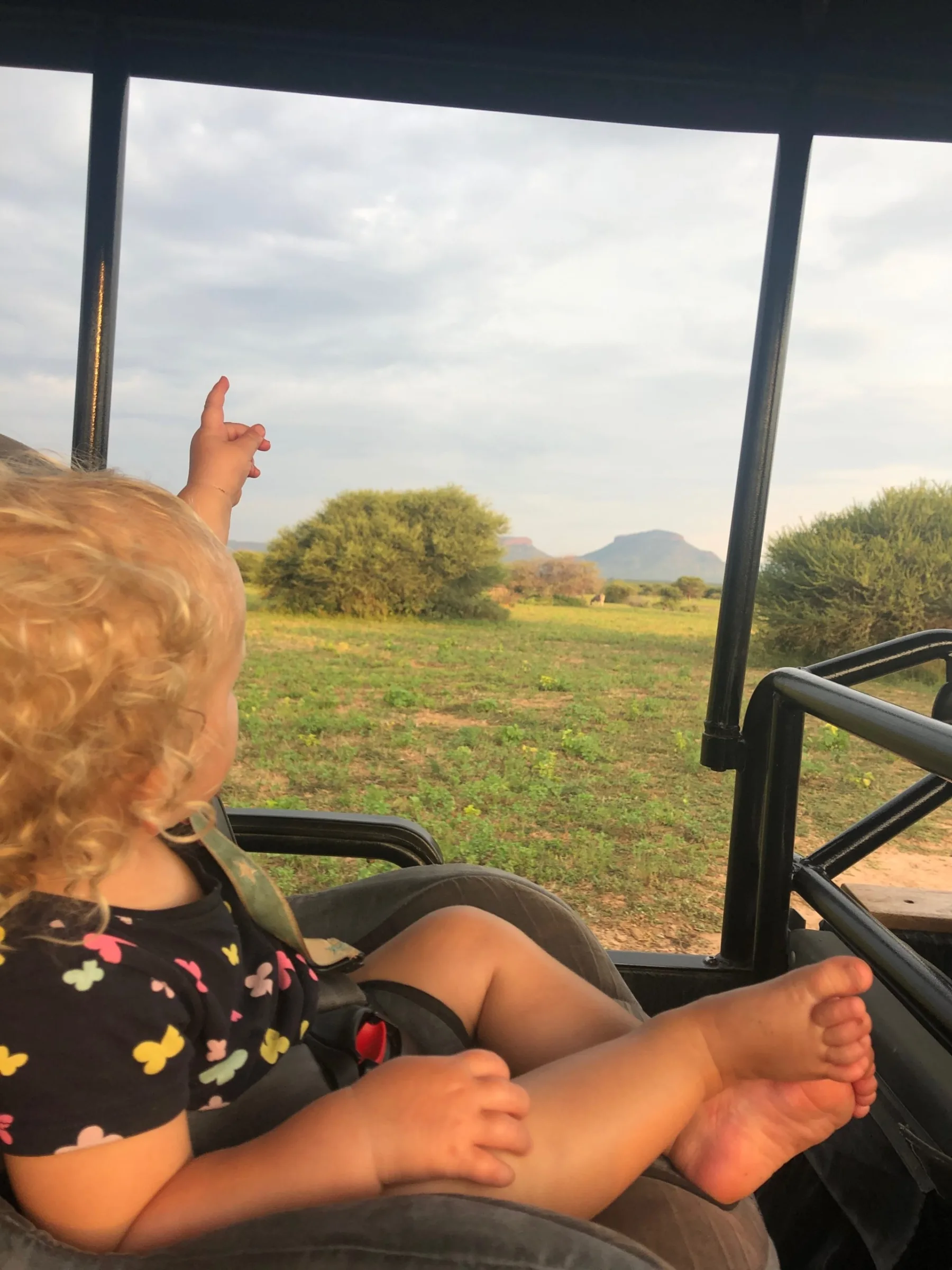
Children may experience the safari differently.
An early wake-up, three-hour game drive, breakfast, another activity, afternoon drive and late dinner can quickly become exhausting.
Children usually benefit from periods when nothing is expected of them.
They may want to swim, read, play a game, nap or simply sit with their parents.
This downtime isn’t wasted safari time.
A well-rested child is far more likely to enjoy the next wildlife experience.
Accommodation selection can transform a family safari.
Some lodges are designed primarily for couples and honeymooners, while others actively welcome families.
Family-oriented properties may provide family cottages, interconnected rooms, swimming pools, children’s menus and age-appropriate activities.
Ask your safari operator what facilities each lodge offers before booking.
Don’t simply look for a lodge that “accepts children.” Look for one that understands them.
There is a substantial difference.
Very.
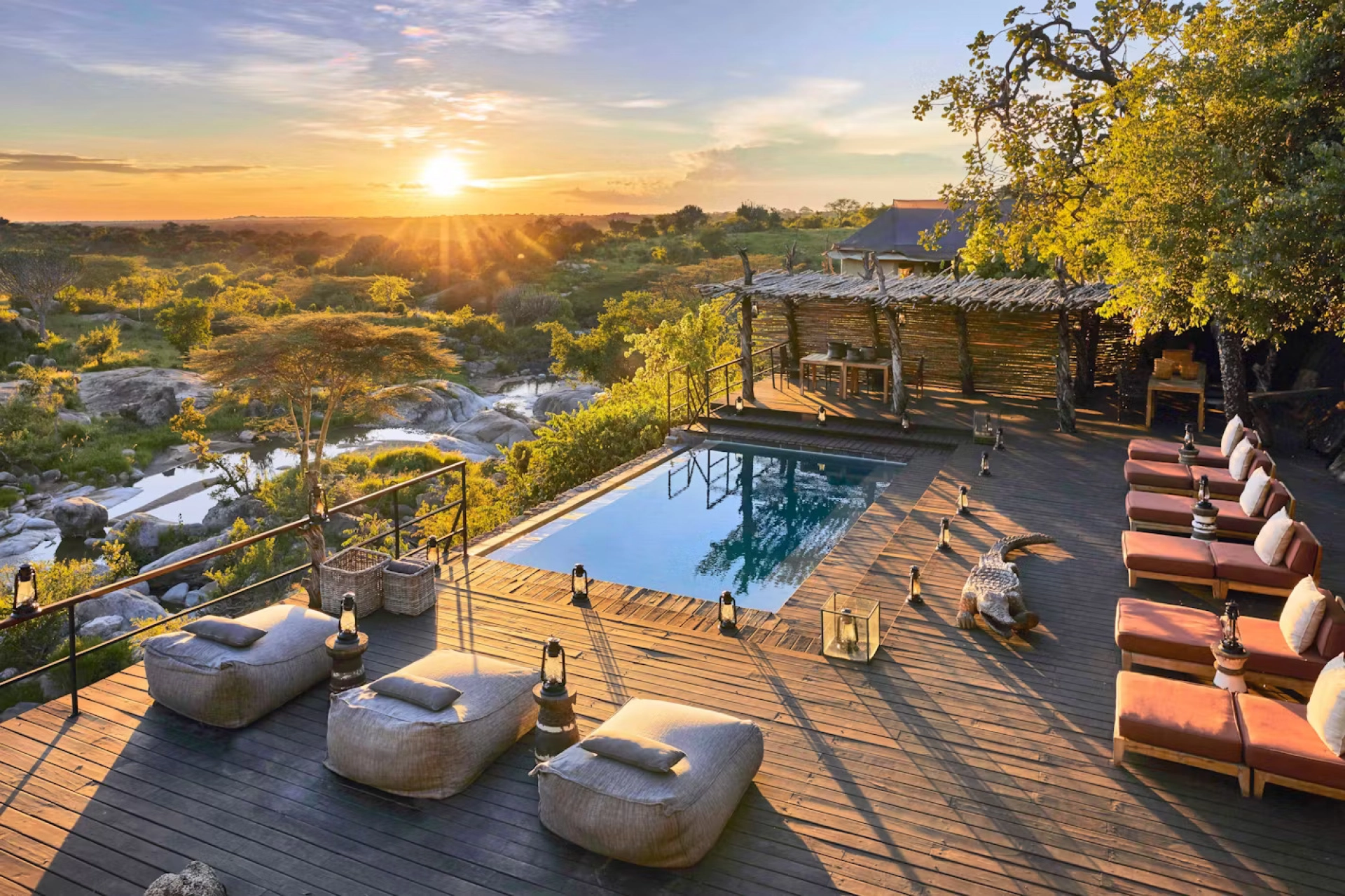
A swimming pool can become one of the most valuable facilities on a family safari.
Many safari schedules have several free hours around midday, when wildlife activity slows and temperatures rise.
Children can use part of this time swimming before resting ahead of the afternoon game drive.
Parents also benefit.
However, safari lodges exist in wildlife environments. Children should always follow lodge safety rules and receive appropriate adult supervision.
Turn wildlife viewing into a game.
Before the trip, create a checklist of animals the children hope to see.
Include famous species such as elephants, lions, giraffes, zebras and buffalo, but also smaller animals and birds.
Children can mark each species when they encounter it.
This changes the safari from passive observation into a continuing challenge.
Older children can record where they saw the animal and what it was doing.
By the end of the safari, the checklist becomes a record of the entire journey.
A journal is one of the simplest ways to keep children engaged.
Encourage them to write a few sentences each day about what they saw.
Younger children can draw animals.
Older children can record interesting facts provided by the guide.
Questions might include:
What was your favorite animal today?
What was the funniest thing you saw?
Which animal surprised you?
What new Swahili, Luganda, Kinyarwanda or other local word did you learn?
What would you like to see tomorrow?
The finished journal becomes a personal souvenir that can remain meaningful long after photographs have been forgotten.
Photography can completely change the way older children experience a safari.
Instead of simply sitting in the vehicle, they begin searching for subjects.
They learn to notice light, animal behavior and landscape details.
A sophisticated camera isn’t necessary.
A simple compact camera or appropriate phone may be enough.
You can also create photography challenges:
Photograph five different birds.
Find three animal footprints.
Photograph an animal eating.
Capture the sunset.
Take the best landscape photograph of the day.
These activities encourage observation rather than constant screen entertainment.
Some safari lodges operate children’s wildlife programs.
These may include identifying tracks, learning about animal behavior, understanding conservation, recognizing plants or practicing basic bush skills.
Quality varies between properties, so ask what the program actually involves.
A genuinely educational junior ranger experience can become one of the highlights of a family safari.
It also introduces conservation in an accessible way.
Where permitted and age-appropriate, short guided walks around lodge grounds or designated areas can provide a welcome change from sitting inside a vehicle.
Children may discover animal tracks, insects, birds, plants and smaller wildlife that receives less attention during game drives.
The guide can explain how different species interact with the environment.
Walking also gives energetic children an opportunity to move.
All activities must follow local wildlife regulations and lodge safety procedures.
Children don’t need to become serious ornithologists to enjoy birds.
African safari destinations contain extraordinary bird diversity.
Create simple challenges based on colors rather than species names.
Who can find the first red bird?
Who can spot the largest bird?
Can anyone find a bird with a very long beak?
Which bird makes the strangest sound?
This approach encourages children to observe their surroundings without requiring specialist knowledge.
Card games and small travel games are ideal because they occupy little luggage space.
They are useful after lunch, during rainy periods and before dinner.
Avoid bringing too many toys.
Safari luggage can be restricted, particularly when small aircraft are involved.
A few familiar favorites are normally enough.
Age-appropriate wildlife books can make real sightings more meaningful.
A child who reads about elephants at lunchtime may become much more interested when encountering an elephant family that afternoon.
Books also provide quiet entertainment during downtime.
For younger children, illustrated animal guides work well.
Older children may enjoy books about conservation, ecology or famous African explorers.
Parents don’t need to declare safari a completely screen-free environment.
A tablet containing downloaded books, films or games can be useful during long transfers or unexpected delays.
The key is balance.
Wildlife experiences should remain the main attraction, but technology can be a practical tool when children need quiet entertainment.
Download content before traveling because internet connectivity may be limited in remote safari areas.
A good family safari guide can have an enormous influence on children’s enjoyment.
Encourage children to ask questions.
Why do giraffes have long necks?
How fast can a lion run?
Why do elephants throw dust over themselves?
Where do hippos sleep?
Guides can turn these questions into memorable lessons about ecology and animal behavior.
Tell your tour operator in advance that you’re traveling with children so they can assign a guide comfortable working with families whenever possible.
A safari doesn’t have to involve wildlife every hour.
Appropriate community and cultural experiences can introduce children to completely different aspects of African life.
Depending on the itinerary, families might visit a community project, participate in a cooking activity, meet craftspeople or learn about traditional farming.
The best experiences are respectful, locally led and beneficial to the communities involved.
They also give children a broader understanding of the country they are visiting.
The itinerary itself is one of the biggest factors determining whether children remain engaged.
Adults may tolerate several consecutive days of long transfers. Children often struggle.
Where possible, break long journeys with interesting stops.
Alternatively, consider domestic flights for sections where road travel would consume most of the day.
A thoughtfully designed family safari itinerary should prioritize pacing as much as wildlife.
Private safari vehicles are particularly valuable for families.
If a child becomes tired, hungry or restless, you have more flexibility to return to the lodge.
You can spend longer watching animals the children find interesting and less time at sightings that don’t engage them.
Bathroom stops and meal schedules are also easier to manage.
This flexibility can be worth considerably more than trying to maximize every hour in the national park.
Adults sometimes become frustrated when children appear uninterested in an extraordinary wildlife encounter.
Remember that children experience travel differently.
A parent may be fascinated by a leopard sleeping in a tree for 45 minutes, while a child loses interest after five.
The same child may later spend twenty minutes watching dung beetles.
That’s fine.
Allow them to develop their own connection with the environment.
Not every safari morning needs to begin before sunrise.
If the itinerary allows, include an occasional relaxed morning.
Let the children sleep longer, have breakfast and enjoy the lodge.
Safari should feel like a holiday rather than a military schedule.
A slower day can restore everyone’s energy.
Entertainment begins before departure.
Show children maps of the countries they’ll visit.
Ask which animals they most want to see.
Let them help choose activities.
Watch age-appropriate wildlife documentaries.
Learn a few local greetings.
Children who participate in planning often arrive feeling that the safari is partly their own adventure rather than simply their parents’ holiday.
Parents sometimes assume they must fill every quiet moment.
You don’t.
Part of safari travel involves learning to observe and appreciate a slower rhythm.
Sitting on a lodge veranda watching monkeys, birds or antelope can be entertaining without becoming a scheduled activity.
A successful family safari balances wildlife, education, play, rest and spontaneous discovery.
With thoughtful itinerary design, children often return home remembering far more than the famous animals.
They remember the guide who taught them animal tracks, swimming after a dusty game drive, the strange bird outside their room and the night they heard a hippo somewhere beyond the lodge.
Those smaller moments are often what transform a family holiday into a lifelong memory.
Families may also want to research:
Planning around children’s comfort, interests and energy levels is one of the best investments you can make in a successful African family safari.

Share This Article
When booking a luxury African safari, look beyond the room and compare the quality of guiding, wildlife location,…
Read article
The Great Migration in Africa happens all year because the herds continuously circulate through the Serengeti–Mara ecosystem in…
Read article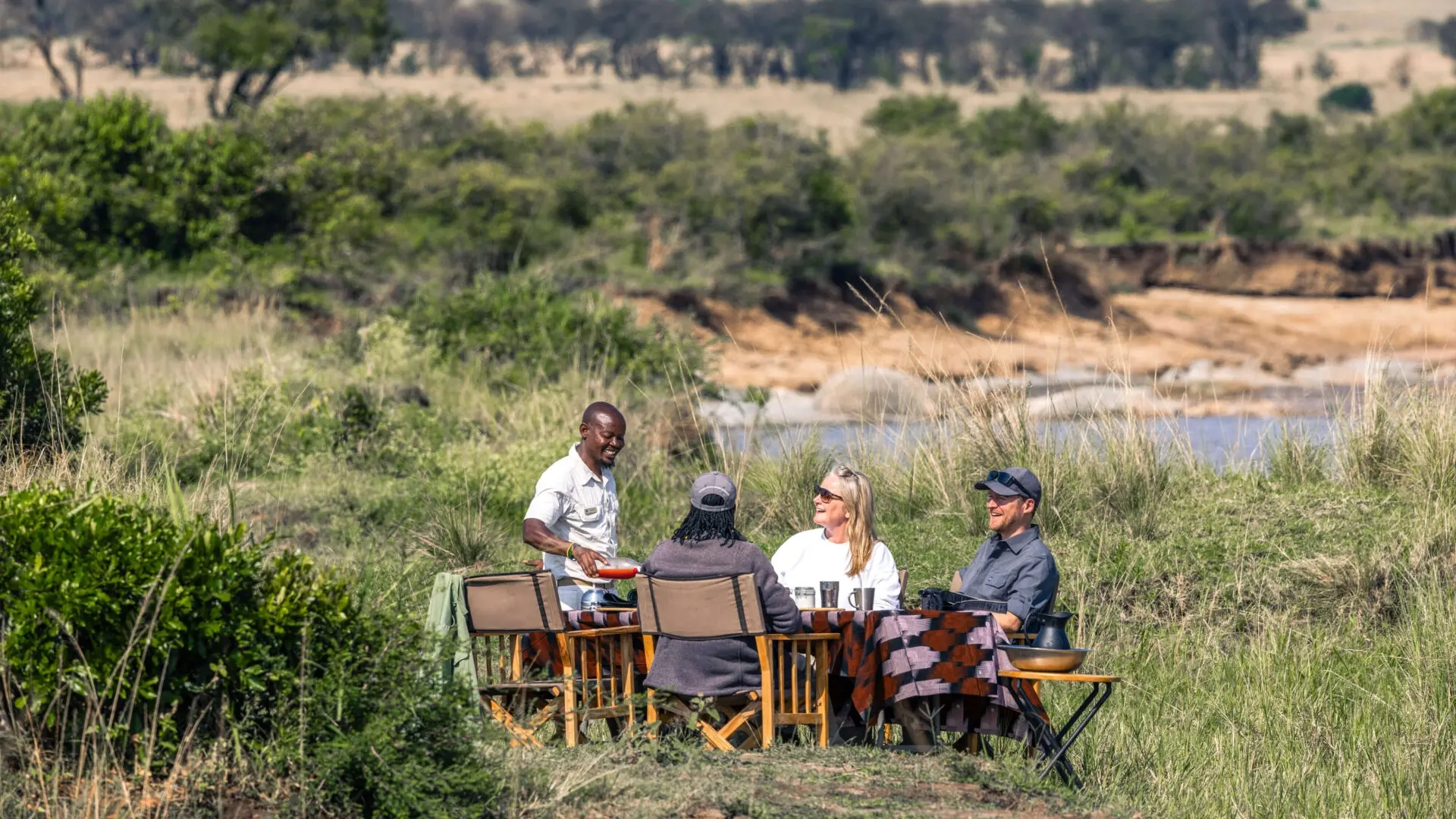
Definitive answer: A picnic lunch on safari is a packed or catered midday meal eaten at an approved…
Read article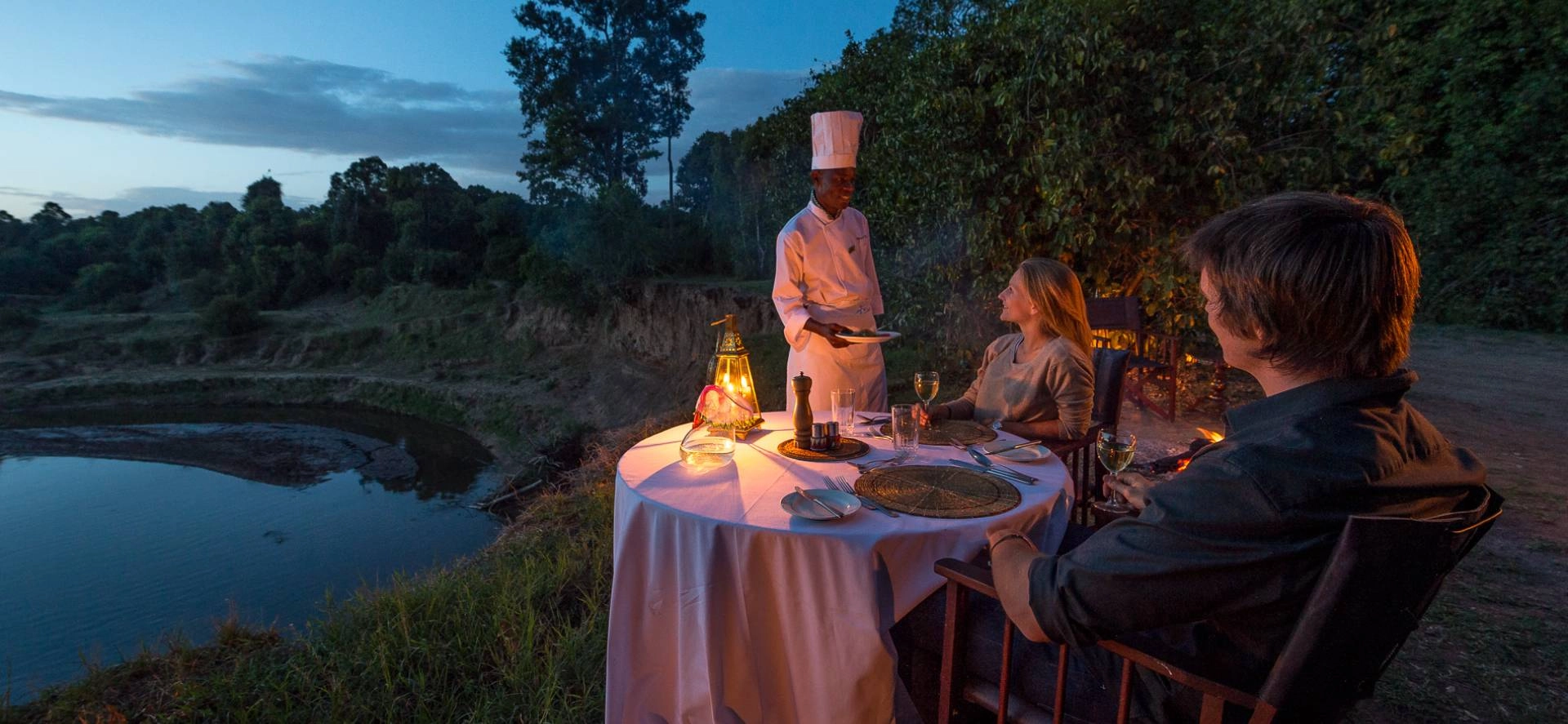
Definitive answer: A bush dinner is an outdoor evening meal arranged in a safe safari setting away from…
Read articleLet us take you closer to the wildlife, people and places that make Africa extraordinary.
Plan Your Safari Today