
What should I look for when booking a luxury African safari?
When booking a luxury African safari, look beyond the room and compare the quality of guiding, wildlife location,…
Read article
FAQs
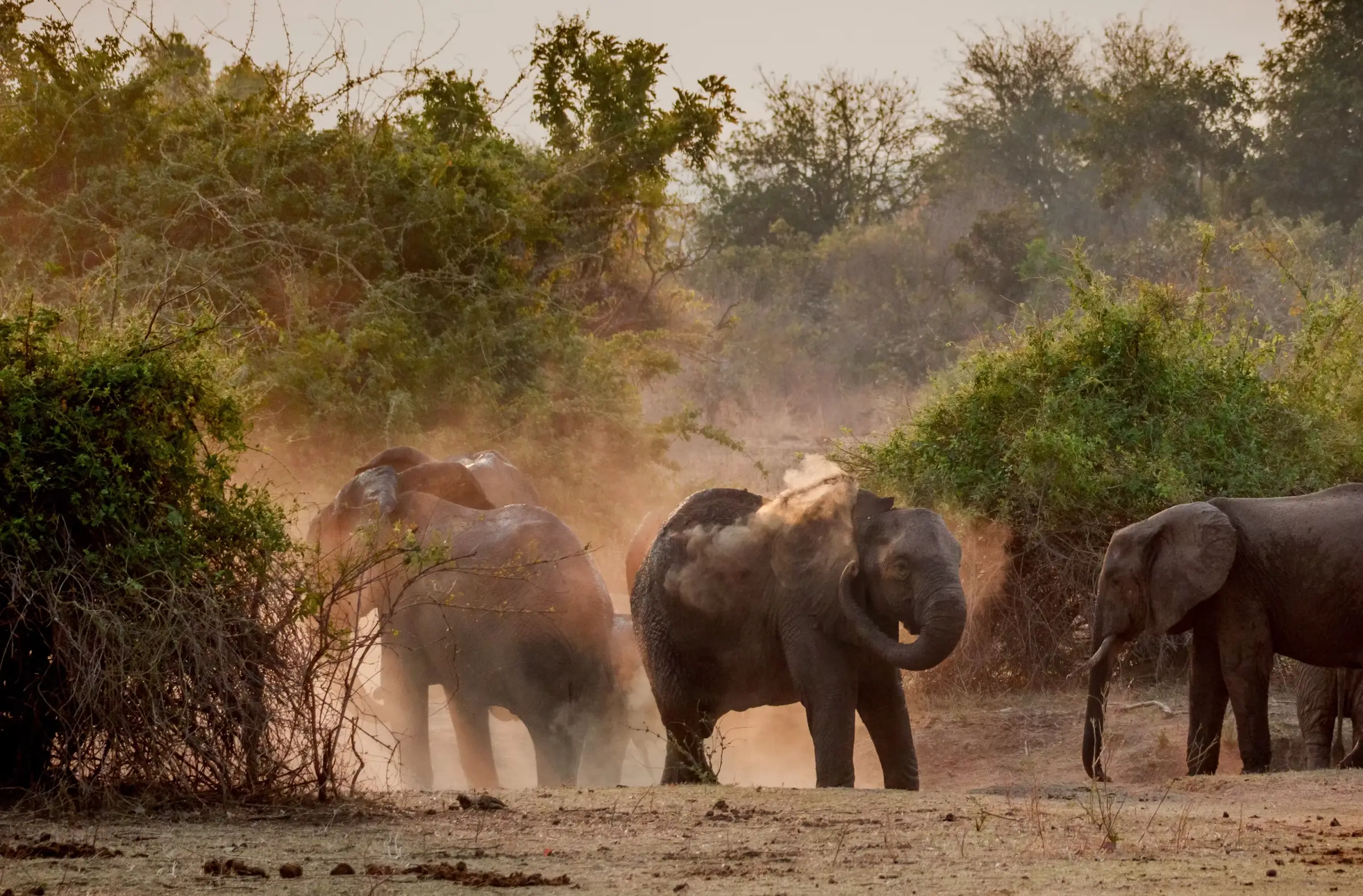
An African safari can be quite dusty, particularly during the dry season when game-drive roads have received little rain. However, the amount of dust varies enormously according to the destination, season, road surface, vegetation and number of vehicles using a particular track. Dust is a normal part of many safari environments and is usually easy to manage with sensible clothing, protected camera equipment and a few simple precautions.
An African safari can be quite dusty, particularly during the dry season when game-drive roads have received little rain. However, the amount of dust varies enormously according to the destination, season, road surface, vegetation and number of vehicles using a particular track. Dust is a normal part of many safari environments and is usually easy to manage with sensible clothing, protected camera equipment and a few simple precautions.

Most safari game drives take place on unpaved tracks and gravel roads rather than sealed highways. During prolonged dry periods, these surfaces become covered with loose soil and fine particles.
When a safari vehicle drives over the road, its tires lift some of this material into the air. Vehicles traveling behind another vehicle may therefore encounter a temporary cloud of dust.
The experience varies considerably. On one game drive you may hardly notice the dust, while another journey along a busy, extremely dry track may leave the outside of the safari vehicle visibly coated.
Dust tends to be more noticeable during transfers between parks and lodges because vehicles may travel faster than they do during wildlife viewing.
During an actual game drive, vehicles frequently move slowly or stop completely while passengers watch wildlife, reducing the amount of airborne dust.
Generally, yes.
The dry season is usually the dustiest period for an African safari because roads and surrounding soils may go for weeks without substantial rainfall.
As moisture disappears from the ground, the upper layer of soil becomes increasingly loose. Safari vehicles then create more dust as they travel through the parks.
Ironically, some of the conditions that produce more dust can also produce excellent wildlife viewing. During dry periods, vegetation may become thinner and animals can congregate around permanent rivers, lakes and waterholes.
Travelers therefore shouldn’t automatically regard dust as a disadvantage. It can simply be part of the environmental conditions associated with a productive dry-season safari.
Safari conditions are usually less dusty after rainfall because moisture binds loose soil together.
The trade-off is that some roads may become muddy.
A track that produces clouds of dust in the dry season can become slippery after heavy rain. Conditions can also change remarkably quickly in tropical Africa. A sunny morning may be followed by an afternoon storm, after which the same road becomes almost completely dust-free.
Rain also transforms the landscape. Grass becomes greener, vegetation becomes more luxuriant and the air can feel exceptionally fresh after a storm.
This means travelers choosing between the wet and dry safari seasons are often balancing several factors rather than simply trying to avoid dust.
Dust can occur in virtually any African safari destination containing unpaved roads.
Open savannah destinations can feel particularly dusty during prolonged dry periods because there is less vegetation protecting exposed soil.
Parts of Kenya and Tanzania, for example, can become dusty during dry conditions. Safari routes through the Serengeti, Masai Mara, Amboseli and other savannah ecosystems regularly involve gravel or dirt roads.
Southern African safari destinations can experience similar conditions.
In Uganda and Rwanda, conditions vary substantially according to altitude and ecosystem. Savannah parks may become dusty during dry spells, while forested and mountainous destinations can remain comparatively humid.
A Uganda itinerary combining Murchison Falls National Park, Queen Elizabeth National Park, Kibale Forest and Bwindi Impenetrable National Park can therefore expose travelers to several completely different road and climate conditions during the same safari.
Some dust usually does.
How much reaches passengers depends largely on the safari vehicle.
An enclosed 4×4 safari Land Cruiser with opening windows and a pop-up roof provides more protection than a completely open-sided safari vehicle. However, dust can still enter through open windows and the raised roof.
Open safari vehicles offer outstanding visibility and photographic opportunities but naturally provide less protection from dust.
Your position relative to other vehicles also matters. Driving immediately behind another safari vehicle on a dry road can temporarily expose passengers to much more dust.
Experienced guides normally leave reasonable distances between vehicles whenever road and wildlife conditions permit.
Practical safari clothing makes a considerable difference.
Lightweight clothing in neutral or earthy colors is generally useful. Beige, khaki, brown, olive and similar colors tend to show dust less obviously than very dark clothing.
There is no requirement to dress like a traditional safari explorer. Comfortable travel clothing is perfectly adequate.
A lightweight scarf or buff can be extremely useful. During particularly dusty stretches, it can be pulled over the nose and mouth and then stored easily when no longer needed.
Sunglasses are equally valuable because they protect your eyes from sunlight, wind and airborne particles.
Closed walking shoes or trainers are generally more practical than sandals on dusty game drives because fine dust can settle on your feet.
Safari photographers should take dust seriously because fine particles can enter camera equipment.
Keep cameras in a camera bag or protective case when traveling quickly along dusty roads. Avoid changing lenses unnecessarily while the vehicle is moving through heavy dust.
If you need multiple focal lengths, carrying two camera bodies can reduce the frequency of lens changes.
A simple protective camera cover can also be useful.
When cleaning equipment, avoid aggressively wiping dust across a lens because particles can potentially scratch the surface. A blower is often useful for removing loose particles before using an appropriate lens-cleaning cloth.
Binoculars deserve similar care.
Modern phones and many cameras provide some resistance to dust, but it is still sensible to protect electronics.
Keep phones inside a bag or pocket during particularly dusty road transfers. Portable chargers, headphones and other small electronics should ideally remain in zipped compartments rather than lying exposed inside the vehicle.
A few resealable bags can be surprisingly useful during an African safari. They can protect small electronics, documents and accessories from both dust and unexpected rain.
It can.
Travelers wearing contact lenses may find that dust, wind and dry air irritate their eyes more than usual.
Sunglasses provide valuable protection, but travelers who are particularly sensitive may prefer glasses during long or dusty game drives.
Carrying lubricating eye drops recommended for your particular lenses can also help.
Anyone with significant eye conditions should seek appropriate medical advice before traveling rather than relying solely on general safari guidance.
Safari lodges are accustomed to guests returning from game drives covered in a little dust.
Most lodges provide somewhere to wash up, and many higher-end properties offer additional conveniences such as laundry services or shoe cleaning.
A shower after an afternoon game drive often becomes one of the small pleasures of safari life.
Laundry availability varies between properties, so travelers taking longer safaris should ask their operator which lodges provide laundry and whether the service is included or charged separately.
You can wear white, but it is not always the most practical choice.
Fine red or brown dust can become very visible on white trousers, shoes and shirts. Travelers who want clothes that continue looking relatively clean throughout the day often prefer neutral colors.
Dark black clothing has the opposite problem: pale dust can become extremely obvious.
Neutral safari colors are therefore practical rather than mandatory.
For most travelers, no.
You will probably notice dust at certain points, but game drives are not normally spent continuously driving through clouds of it.
Much of a safari involves moving slowly through wilderness areas, stopping for wildlife, observing landscapes and spending time at lodges or camps.
The occasional dusty section of road is simply part of traveling through remote natural environments.
For many travelers, the sight of a safari vehicle crossing a sunlit savannah with a trail of dust behind it eventually becomes part of the atmosphere they associate with Africa.
A small amount of preparation is enough for most safaris.
Useful items include sunglasses, a lightweight scarf or buff, closed shoes, camera protection, resealable bags, lens-cleaning equipment and comfortable washable clothing.
You don’t need specialized dust-protection equipment for an ordinary safari.
If your itinerary involves several days of off-road travel, ask your safari operator about expected road conditions before departure. Conditions can change according to rainfall, road maintenance and local weather.
Generally, no.
Dust is a normal feature of some African safari environments, especially during dry weather, but it rarely dominates the overall experience.
What travelers remember far more strongly are the wildlife encounters: elephants crossing the road, lions resting beneath acacia trees, giraffes moving across open plains, chimpanzees calling through forests or mountain gorillas feeding quietly only meters away.
Understanding that some roads will be dusty simply helps you arrive prepared.
Pack sensible clothing, protect your electronics, keep sunglasses accessible and embrace the changing conditions of the African wilderness.
A little safari dust is often simply evidence that you have spent the day exploring somewhere genuinely wild.
Travelers researching safari conditions may also find these guides useful:
Together, these practical questions can help travelers understand what everyday life on safari actually feels like before arriving in Africa.

Share This Article
When booking a luxury African safari, look beyond the room and compare the quality of guiding, wildlife location,…
Read article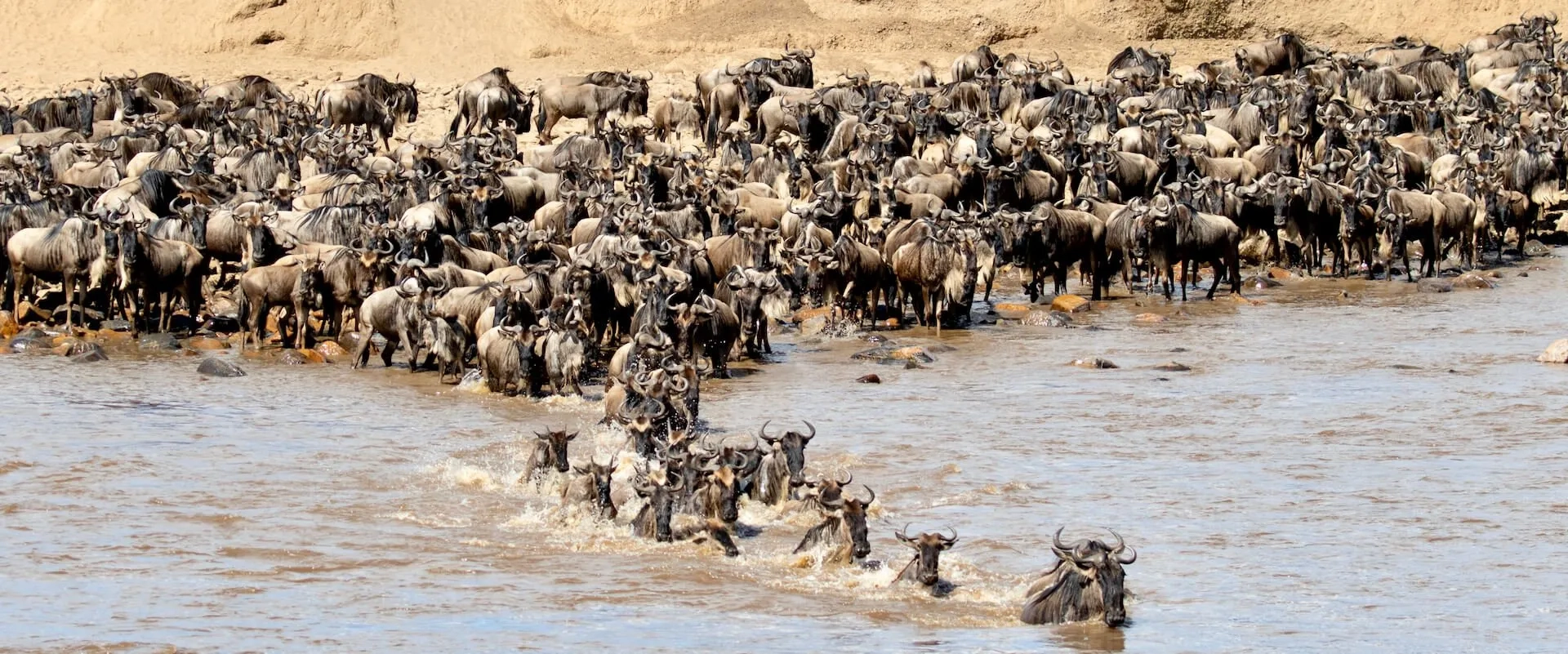
The Great Migration in Africa happens all year because the herds continuously circulate through the Serengeti–Mara ecosystem in…
Read article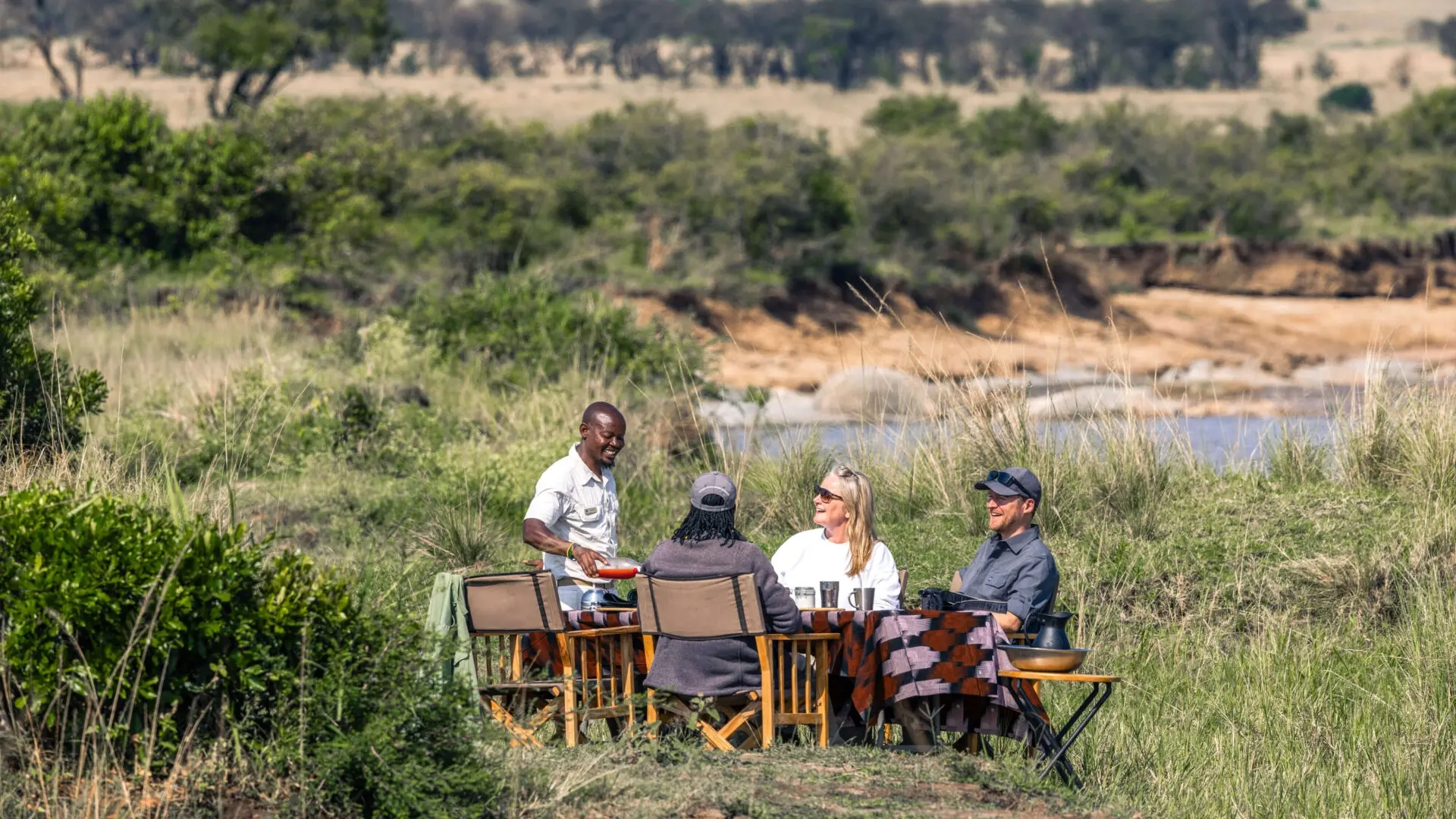
Definitive answer: A picnic lunch on safari is a packed or catered midday meal eaten at an approved…
Read article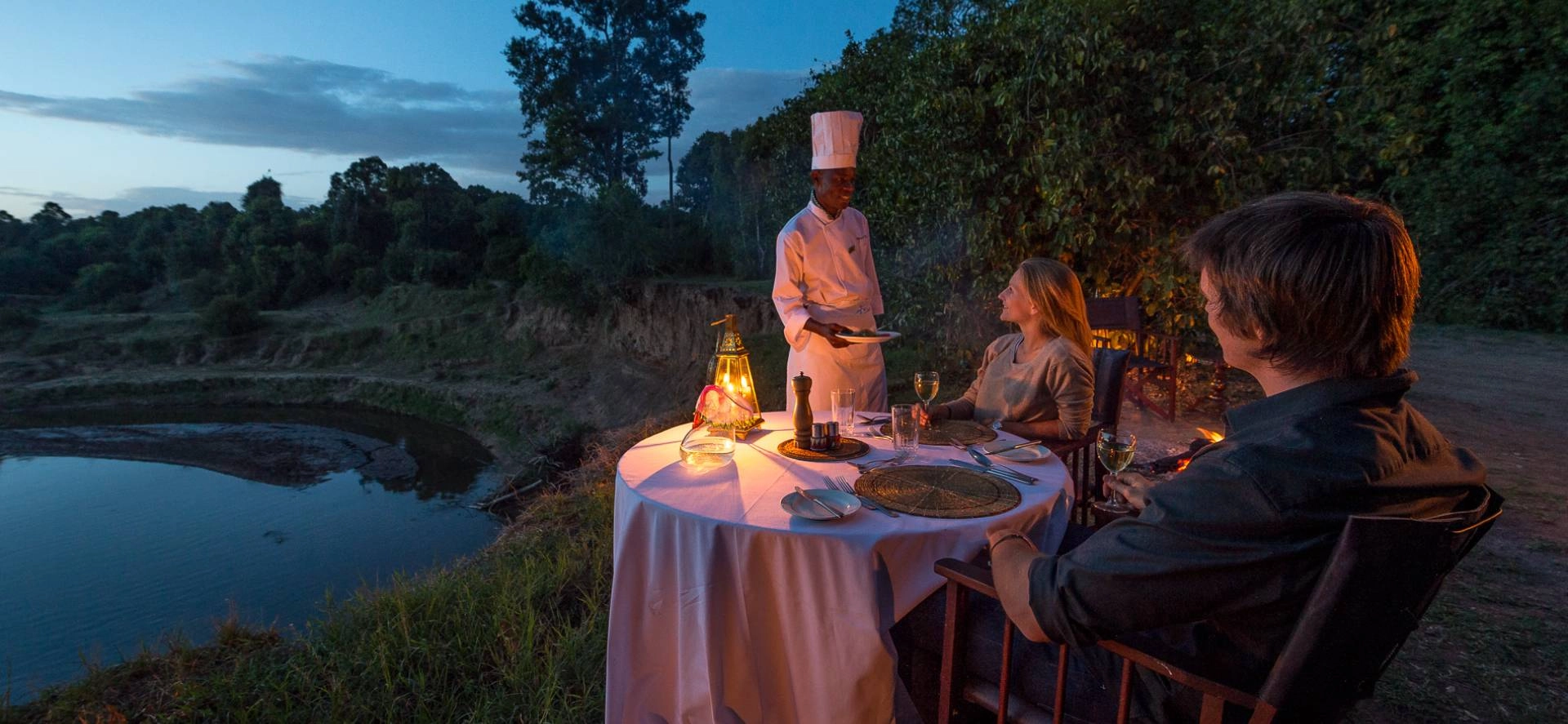
Definitive answer: A bush dinner is an outdoor evening meal arranged in a safe safari setting away from…
Read articleLet us take you closer to the wildlife, people and places that make Africa extraordinary.
Plan Your Safari Today