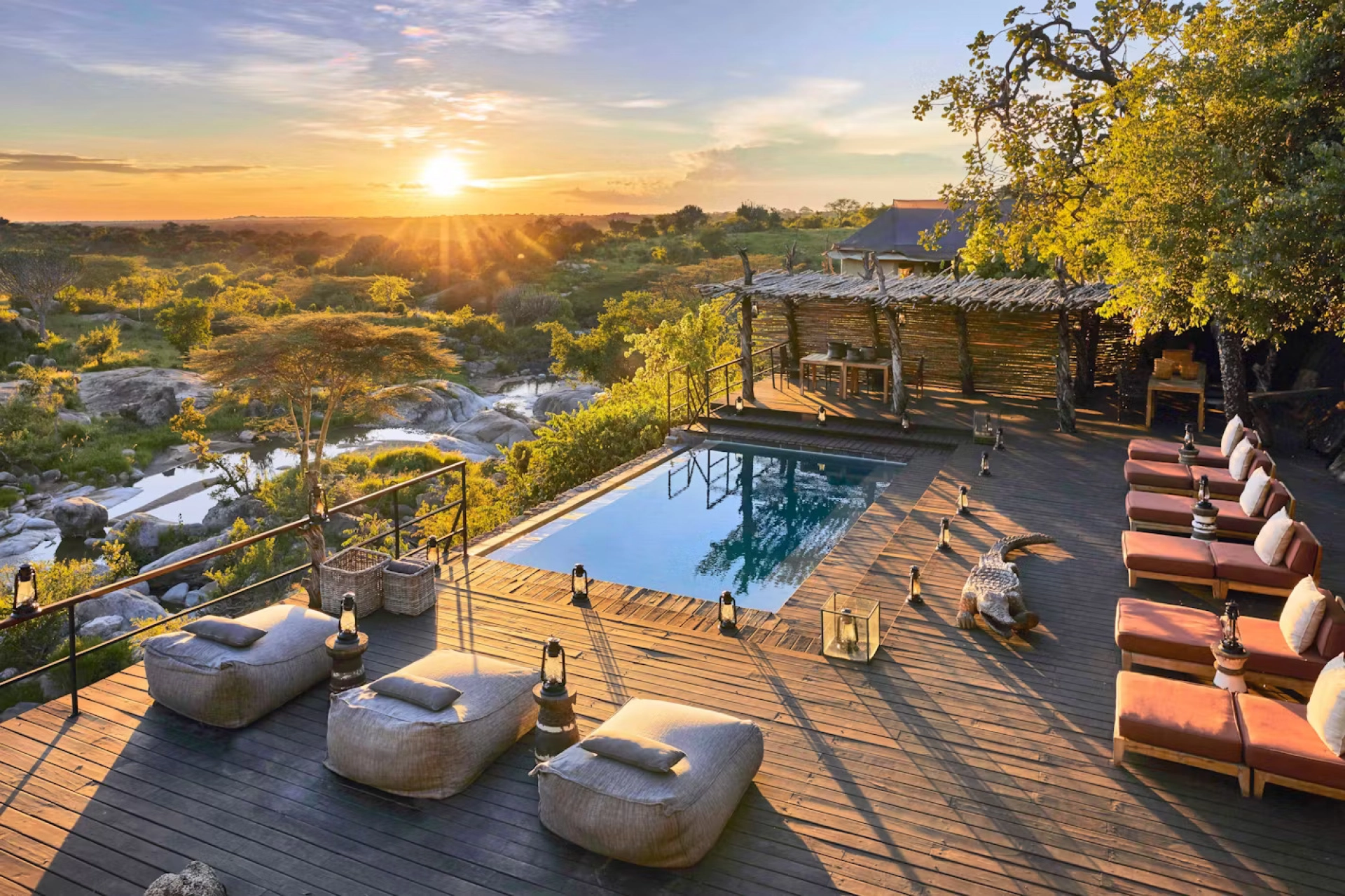
What should I look for when booking a luxury African safari?
When booking a luxury African safari, look beyond the room and compare the quality of guiding, wildlife location,…
Read article
FAQs
An African safari can range from pleasantly warm to extremely hot, depending on the country, altitude, ecosystem and time of year. Many popular safari areas experience daytime temperatures around 25–35°C (77–95°F) during warmer periods, while particularly hot lowland, desert and semi-arid destinations can exceed 40°C (104°F). Early mornings are often much cooler, making lightweight layers and good sun protection essential.
An African safari can range from pleasantly warm to extremely hot, depending on the country, altitude, ecosystem and time of year. Many popular safari areas experience daytime temperatures around 25–35°C (77–95°F) during warmer periods, while particularly hot lowland, desert and semi-arid destinations can exceed 40°C (104°F). Early mornings are often much cooler, making lightweight layers and good sun protection essential.
No. One of the biggest misconceptions about African safaris is that they take place in constant intense heat.
Africa contains tropical rainforest, highland, savannah, woodland, wetland, desert, semi-desert and Mediterranean-type climates. Elevation varies enormously as well.
Two safari destinations at similar latitudes can therefore have completely different temperatures.
Uganda and Rwanda lie close to the equator, for example, but many of their most popular tourism regions are elevated. This helps moderate temperatures.
Meanwhile, lower and drier regions elsewhere on the continent can become extremely hot.
Instead of asking whether Africa is hot, travelers should consider where they are traveling, at what elevation and during which month.
Game drives often take place during the coolest periods of the day.
Morning drives typically begin around sunrise, while afternoon drives frequently start later in the day and continue until sunset.
This scheduling isn’t simply for guest comfort. Wildlife activity often increases during cooler conditions.
Many animals reduce their activity during the hottest part of the afternoon.
Lions may sleep beneath trees. Leopards seek shade. Elephants may remain close to water or woodland, while other species conserve energy.
Consequently, travelers often spend the hottest part of the day back at the lodge enjoying lunch, resting, swimming or watching wildlife around nearby water sources.
The hottest period is usually from late morning through the afternoon.
The exact timing varies, but conditions often become noticeably warmer after approximately 10:00 or 11:00 and remain hot until later in the afternoon.
This creates the classic safari rhythm.
You wake early, take a morning game drive, return for breakfast or lunch, rest during the heat and head out again once temperatures begin declining.
Some full-day game drives operate differently, particularly when travelers are exploring large parks. In these situations, your guide may arrange lunch in a shaded location or plan the route around productive wildlife areas.
Yes.
Some African safari regions can reach or exceed 40°C (104°F) during particularly hot periods.
These temperatures are more likely in low-altitude, arid and semi-arid environments than in elevated tropical destinations.
Travelers considering hot-season safaris should discuss expected conditions with their operator.
Heat doesn’t necessarily make a safari undesirable. Some travelers actively enjoy warmer conditions, and hot periods can create interesting wildlife behavior around water sources.
However, activities involving substantial physical exertion require more careful planning.
Uganda generally avoids the extreme heat associated with some African destinations because much of the country lies at moderate elevation.
Conditions vary significantly between regions.
Murchison Falls National Park can become relatively hot, particularly around the northern savannah and Nile corridor.
Queen Elizabeth National Park can also feel warm during the middle of the day.
Forested destinations such as Kibale National Park tend to feel different because vegetation provides shade and humidity can be higher.
Mountain gorilla regions around Bwindi Impenetrable National Park and Mgahinga Gorilla National Park are generally cooler because of altitude.
A Uganda safari can therefore involve several temperature zones during a single itinerary.
Rwanda’s elevation moderates temperatures despite its equatorial location.
Kigali is often warm during the day without experiencing the extreme heat found in some lowland African regions.
Higher destinations such as Volcanoes National Park are noticeably cooler.
Travelers combining Akagera National Park with Volcanoes National Park can experience a significant climatic contrast.
Akagera’s savannah landscapes generally feel warmer, while the elevated volcanic region can have cool mornings, cloud and rain.
This makes layering useful even on a relatively short Rwanda safari.
Conditions vary considerably.
The Masai Mara and parts of the Serengeti can have warm afternoons while mornings remain cool.
Amboseli can feel hotter and dustier during dry periods.
The Ngorongoro highlands are substantially cooler because of elevation.
Tanzania’s lower-lying regions and some northern and southern safari areas can become very warm during certain months.
Travelers combining several parks should therefore avoid packing exclusively for one climate.
Sometimes.
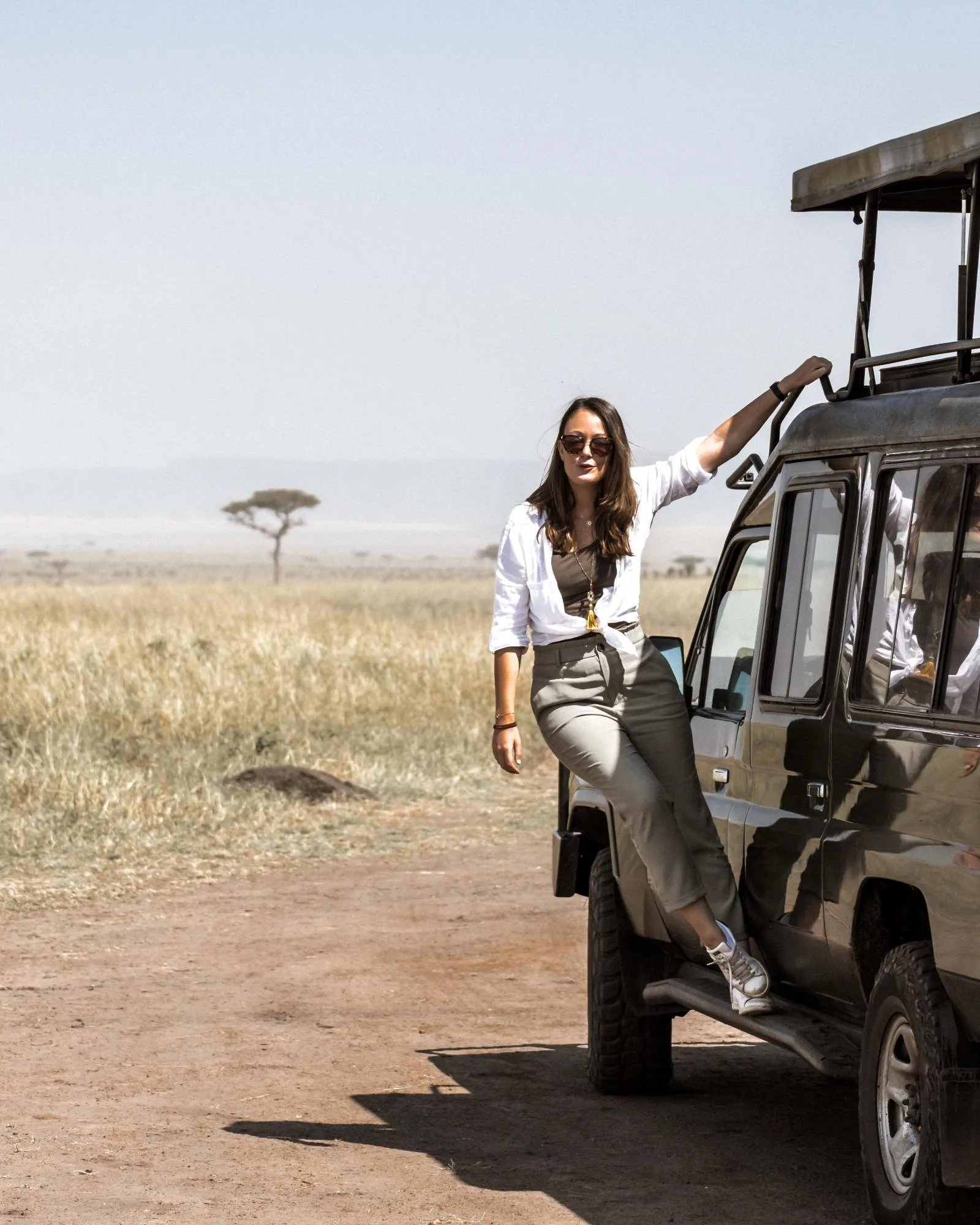
Open safari vehicles expose passengers directly to sunlight, although airflow while the vehicle is moving can provide considerable cooling.
When the vehicle stops for a wildlife sighting, the heat can become more noticeable.
Safari vehicles frequently have roofs that provide partial shade.
Guides also understand how to position vehicles to improve guest comfort without disturbing wildlife.
A hat remains useful because the angle of the sun can change throughout the drive.
Choose lightweight, breathable clothing.
Loose-fitting shirts and trousers are generally more comfortable than heavy fabrics.
Neutral colors such as khaki, beige, olive and light brown are practical because they work well in dusty natural environments.
Long sleeves can seem counterintuitive in hot weather, but lightweight long-sleeved shirts provide valuable protection from strong sunlight.
A wide-brimmed or peaked hat is extremely useful.
Sunglasses should provide appropriate UV protection.
Yes.
Strong African sunlight combined with hours spent outdoors can cause sunburn surprisingly quickly.
Apply sunscreen before your morning activity and reapply as appropriate throughout the day.
Pay particular attention to the face, neck, ears, arms and hands.
Travelers taking medication or having medical conditions that increase sensitivity to sunlight should seek appropriate professional advice before traveling.
Staying hydrated is essential during hot safari conditions.
Most professional safari operators provide drinking water in their vehicles.
Carry water during walking safaris, gorilla trekking and other physically demanding activities.
Avoid waiting until you feel extremely thirsty before drinking.
Your requirements will depend on temperature, exertion and individual circumstances, but regular hydration throughout the day is the sensible approach.
Gorilla trekking presents different conditions from a conventional savannah game drive.
Bwindi and the Virunga region can be cool during the morning, but trekking itself involves substantial physical activity.
Climbing forest trails can quickly make you warm.
Humidity can also be high.
This is another reason breathable layers work well. You can remove an outer layer as your body warms and replace it during breaks or after the trek.
Walking activities should be organized around local conditions.
Professional guides understand the dangers of excessive heat and normally schedule walking activities during appropriate periods.
Travelers should carry water, wear suitable clothing and communicate immediately if they feel unwell.
Anyone with health conditions affected by heat or strenuous exercise should obtain appropriate medical advice before participating.
It depends on the itinerary.
Some safari vehicles have air conditioning, while traditional game-drive vehicles may rely largely on natural ventilation.
Many safari lodges are designed to use airflow, shade and architectural features rather than constant air conditioning.
Luxury properties may offer air-conditioned rooms, but this should not be assumed.
If air conditioning is particularly important to you, ask before confirming accommodation.
Not necessarily.
Every safari season has advantages and compromises.
Hot and dry conditions may concentrate wildlife around permanent water sources. Vegetation can become thinner, potentially improving visibility.
The landscape may appear more golden and dramatic.
Other periods offer greener scenery, migratory birds, newborn animals or fewer visitors.
There is therefore rarely a single universally “best” safari season.
The ideal period depends on your priorities.
Prepare for the conditions rather than trying to avoid heat completely.
Wear breathable clothing, use sunscreen, keep a hat accessible and drink water regularly.
Use the natural safari schedule to your advantage. Early mornings and late afternoons are often comfortable, while midday can be spent relaxing.
When possible, choose shaded locations during stops.
Don’t underestimate the cooling effect of evenings either. In many destinations, the same day that required sun protection at lunchtime may require a fleece after sunset.
There is no universal threshold because people tolerate heat differently.
However, extreme heat should always be treated seriously.
The most important consideration is whether activities are being conducted responsibly.
Experienced guides adapt itineraries according to local conditions, wildlife behavior and guest comfort.
Safari shouldn’t be an endurance exercise.
If you’re uncomfortable, tell your guide.
The key to packing for Africa is accepting that temperatures can change dramatically.
A single safari day might begin cold enough for a fleece, become pleasantly warm after breakfast, turn hot by lunchtime and become cool again after sunset.
That’s why experienced safari travelers emphasize layering rather than packing only for heat.
Bring breathable clothing, sun protection, comfortable footwear and a light warm layer.
Most importantly, research your actual itinerary rather than relying on general ideas about African weather.
Africa can certainly be hot, but the diversity of its climates is part of what makes safari travel so fascinating.
Continue with:
Understanding both temperature extremes makes packing for an African safari considerably easier.

Share This Article
When booking a luxury African safari, look beyond the room and compare the quality of guiding, wildlife location,…
Read article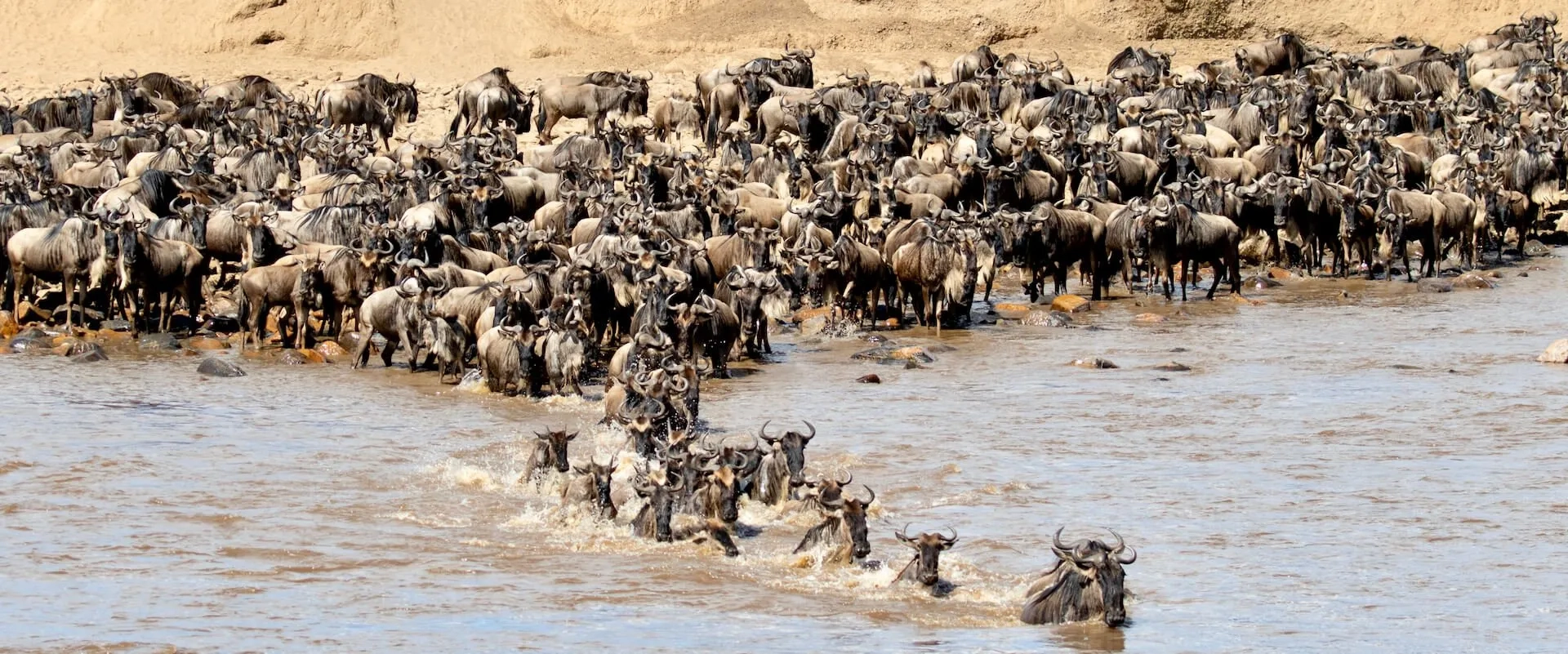
The Great Migration in Africa happens all year because the herds continuously circulate through the Serengeti–Mara ecosystem in…
Read article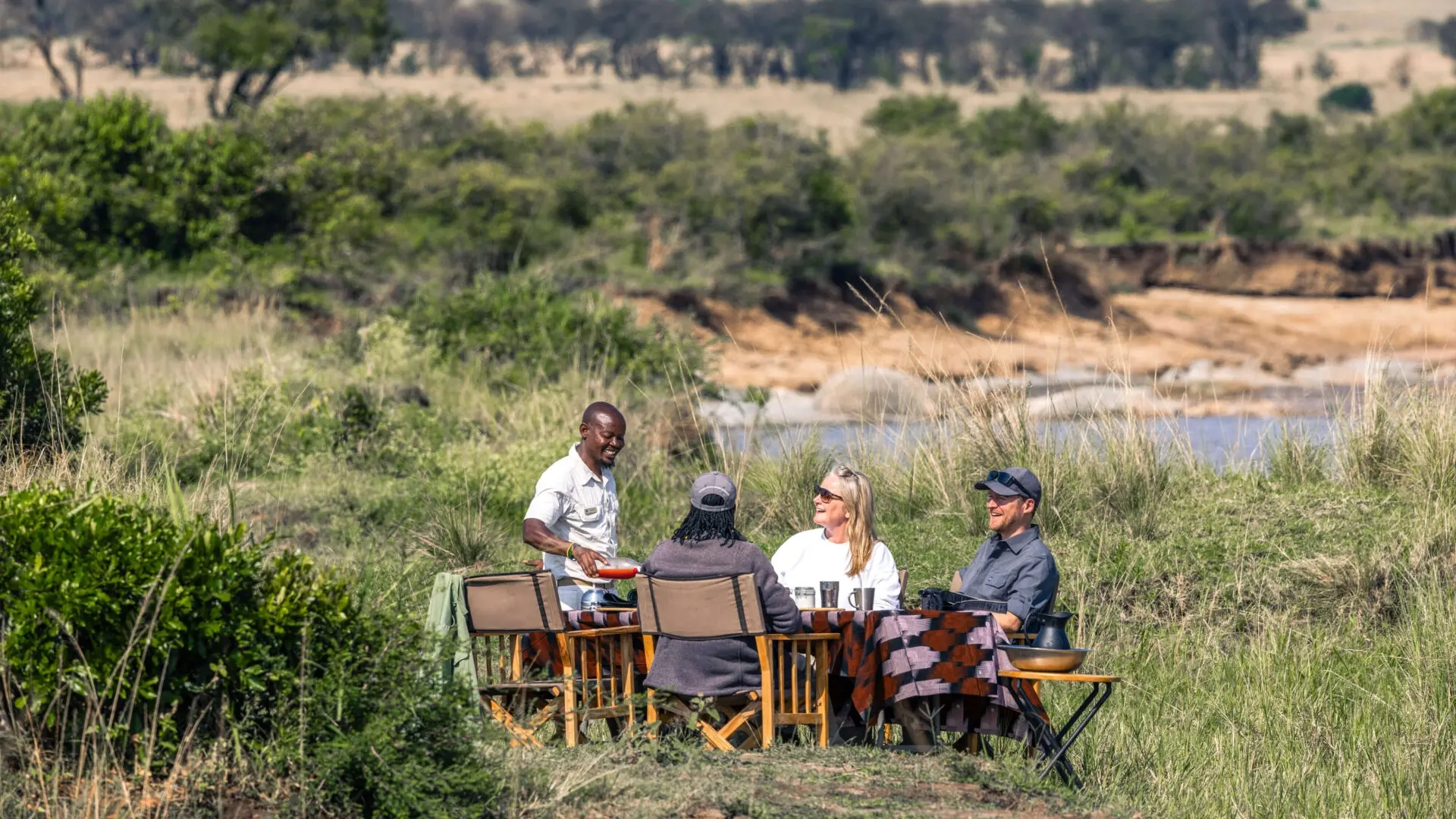
Definitive answer: A picnic lunch on safari is a packed or catered midday meal eaten at an approved…
Read article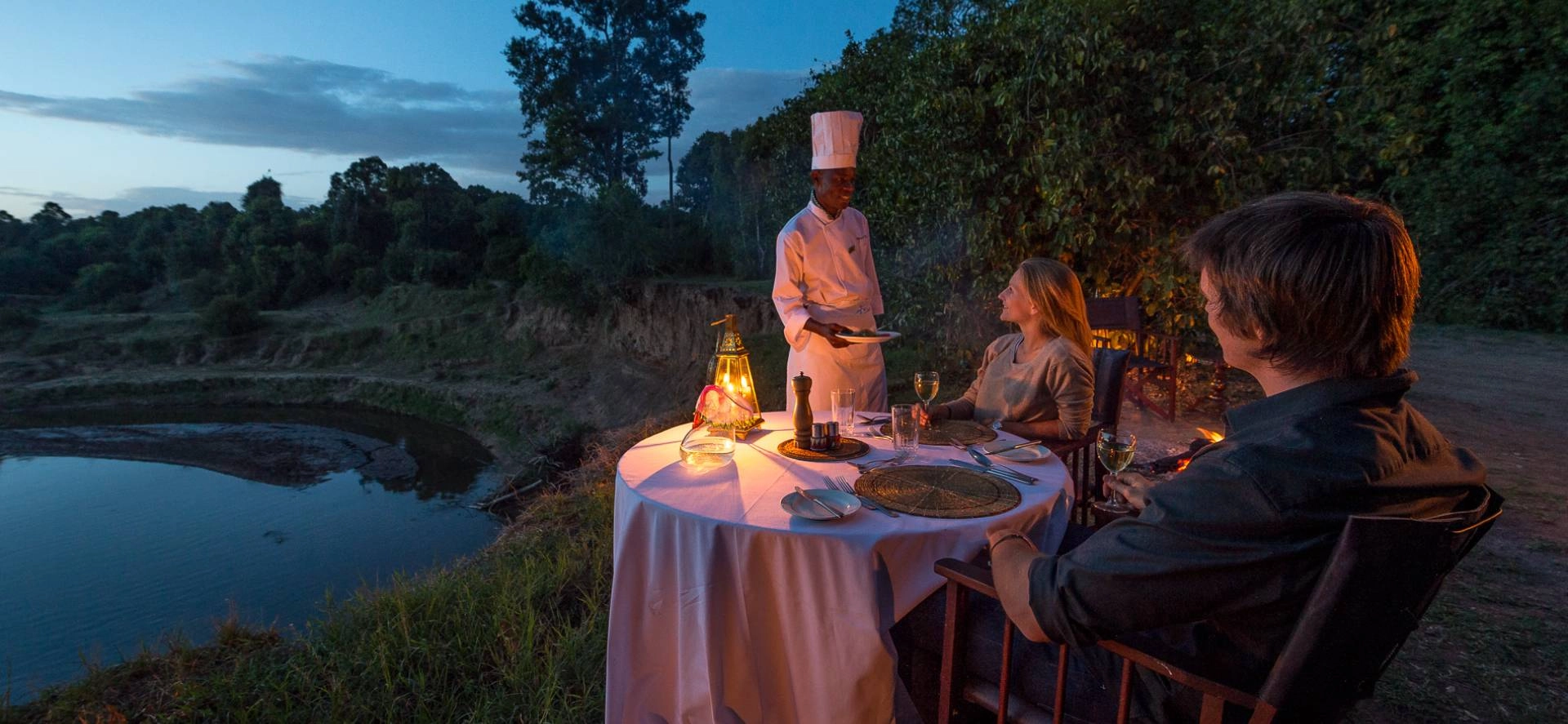
Definitive answer: A bush dinner is an outdoor evening meal arranged in a safe safari setting away from…
Read articleLet us take you closer to the wildlife, people and places that make Africa extraordinary.
Plan Your Safari Today