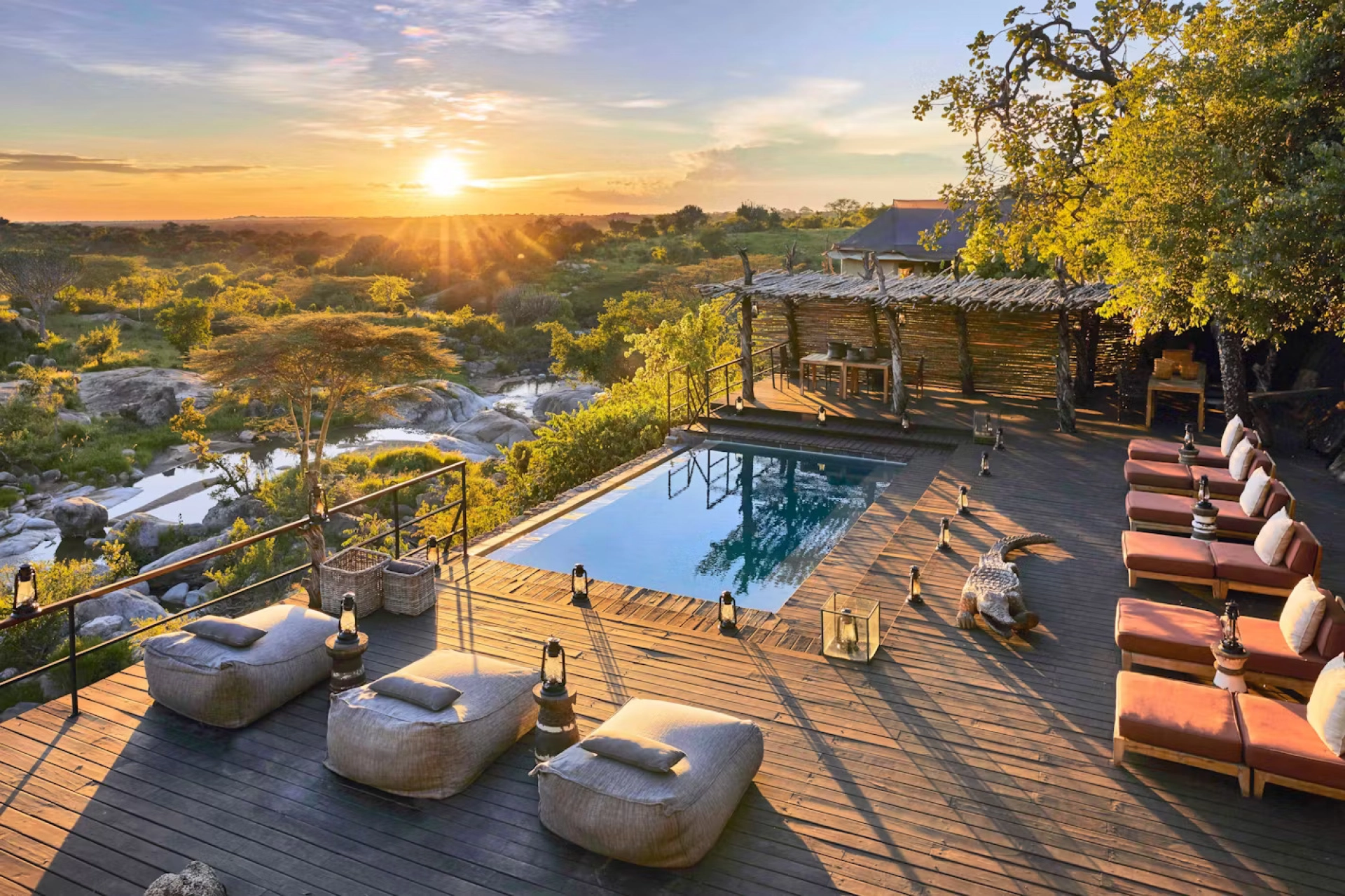
What should I look for when booking a luxury African safari?
When booking a luxury African safari, look beyond the room and compare the quality of guiding, wildlife location,…
Read article
FAQs
Lodge location is one of the most important factors in safari planning because it affects how quickly you reach wildlife, when game drives can begin, how much time you spend transferring each day and whether you can enjoy the wilderness from the lodge itself. A strategically located midrange lodge can sometimes produce a better overall safari experience than a more luxurious property requiring lengthy daily transfers.
Lodge location is one of the most important factors in safari planning because it affects how quickly you reach wildlife, when game drives can begin, how much time you spend transferring each day and whether you can enjoy the wilderness from the lodge itself. A strategically located midrange lodge can sometimes produce a better overall safari experience than a more luxurious property requiring lengthy daily transfers.
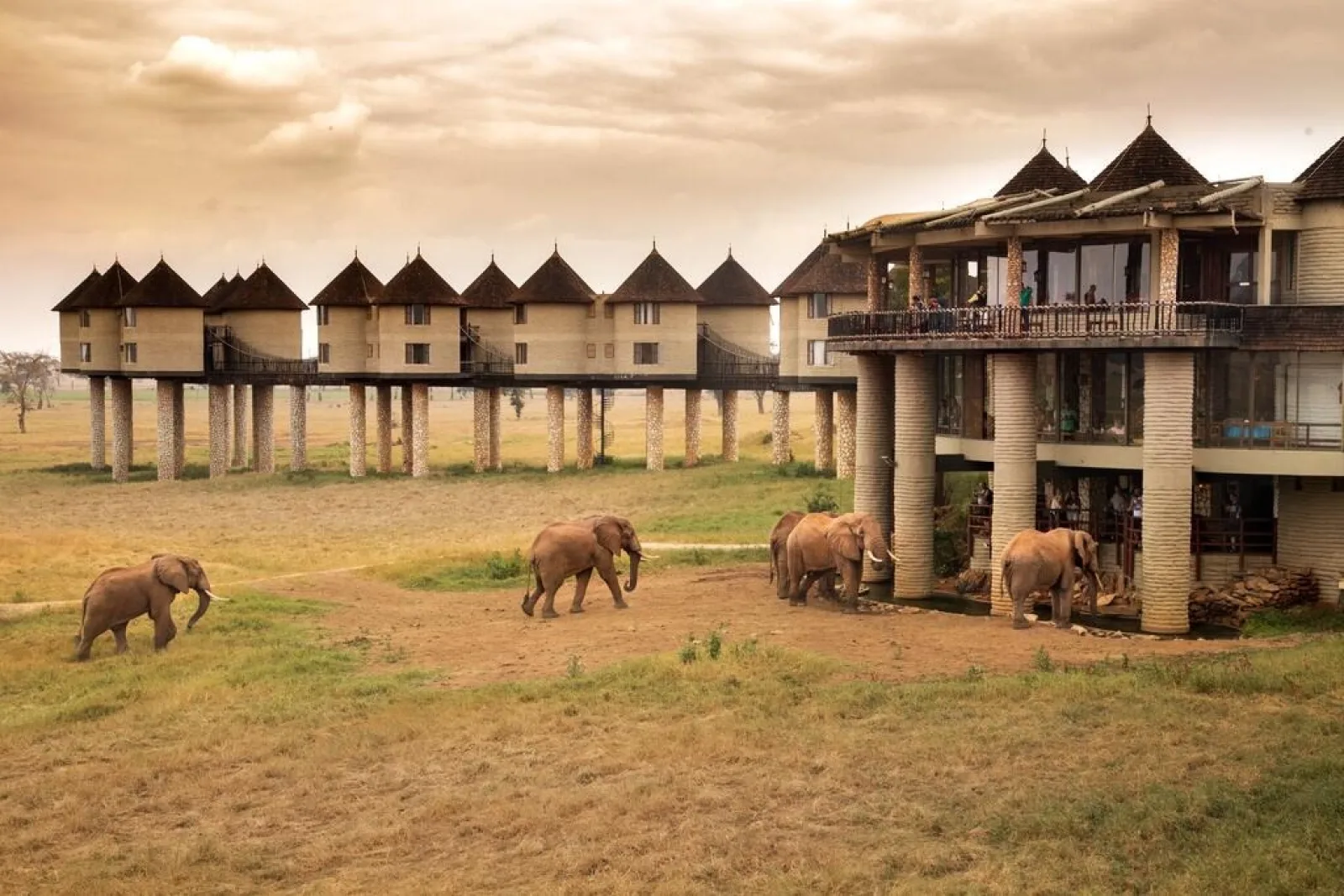
A safari lodge isn’t simply somewhere to sleep.
Its location determines where you begin every morning and where you must return each evening.
Imagine two lodges of similar quality.
Lodge A is positioned close to the main wildlife area.
Lodge B requires a forty-five-minute transfer to reach the same game-drive zone.
If you stay three nights at Lodge B, you could spend several additional hours commuting rather than watching wildlife.
This is why accommodation should never be evaluated solely by room photographs.
No.
Staying inside a park can provide significant advantages, but those advantages depend on the destination.
In some parks, internal accommodation gives guests quicker access to wildlife areas and reduces the need to queue at entrance gates.
In other destinations, excellent lodges sit immediately outside the boundary and provide almost identical practical access.
There are also private concessions, conservancies and reserves where accommodation outside a formal national park may provide exceptional wildlife experiences.
The correct question isn’t simply “inside or outside?”
It is:
How does this specific location affect my daily safari?
The most obvious advantage is proximity.
You may wake already inside the wildlife area.
This can reduce morning transfer time and allow game drives to begin efficiently.
You may also enjoy the atmosphere of the protected landscape throughout the day.
Wildlife sounds at night, animals visible from camp and expansive wilderness views can become part of the accommodation experience.
For travelers who value immersion, this can be significant.
Yes, at some properties.
Many safari lodges and camps aren’t surrounded by conventional urban-style boundaries.
Animals may move through the surrounding landscape.
Elephants, antelope, warthogs, monkeys and other species may occasionally appear around suitable properties depending on location.
Predators may also occur in the broader ecosystem.
This is why certain lodges require guests to be escorted after dark.
Always follow lodge safety instructions.
Cost is one potential advantage.
Properties outside protected areas may sometimes offer better value because of different fee structures and operating costs.
There may also be a broader selection of accommodation categories.
Outside locations can be useful when the itinerary needs to continue in another direction the following morning.
For example, a lodge positioned near the correct exit route might save substantial time on a transfer day.
This illustrates why safari planning should consider the entire route rather than each night independently.
There is no universal answer.
Ten minutes from a gate may be operationally insignificant.
An hour can materially change the day.
But even distance to the gate doesn’t tell the entire story.
After entering, you may still need substantial time to reach the most productive wildlife area.
Ask the operator for realistic travel time from the lodge to the principal game-drive zone.
That answer is more useful than simply being told that the property is “near the park.”
It can.
If you’re staying outside a protected area governed by specific entry times, you may need to wait until access is permitted.
Guests staying inside may already be positioned in the wildlife area.
This can affect early-morning game viewing in some destinations.
However, regulations vary, and some external lodges operate in adjoining wildlife areas with their own arrangements.
Always evaluate the specific destination.
Potentially.
Consider a three-night stay where an outside property requires forty minutes each way to reach the main game-drive area.
That’s up to eighty minutes of additional daily movement.
Across multiple days, the difference becomes meaningful.
Those hours could instead be spent watching wildlife, resting or enjoying the lodge.
This is why a higher room rate can occasionally represent better overall value.
Not necessarily.
Price differences can be substantial.
If an excellent outside lodge sits only minutes from the gate, paying a major premium solely for the “inside park” label may provide limited practical benefit.
Conversely, if the outside option creates long daily transfers, the inside property may be worth considerably more.
Evaluate the actual logistical advantage.
For wildlife-focused travelers, it sometimes does.
A beautiful room cannot compensate for consistently missing the best wildlife-viewing periods because of long transfers.
Many experienced safari travelers therefore prioritize location first and room luxury second.
That doesn’t mean accommodation quality is unimportant.
It means the two factors should be balanced.
Photography is highly sensitive to light.
Early morning and late afternoon can provide attractive conditions.
If your lodge location allows you to reach wildlife areas quickly, you have a better chance of being in position when the light is most interesting.
A lengthy transfer before every game drive can reduce this advantage.
Photographers should therefore examine lodge location particularly carefully.
Location matters significantly.
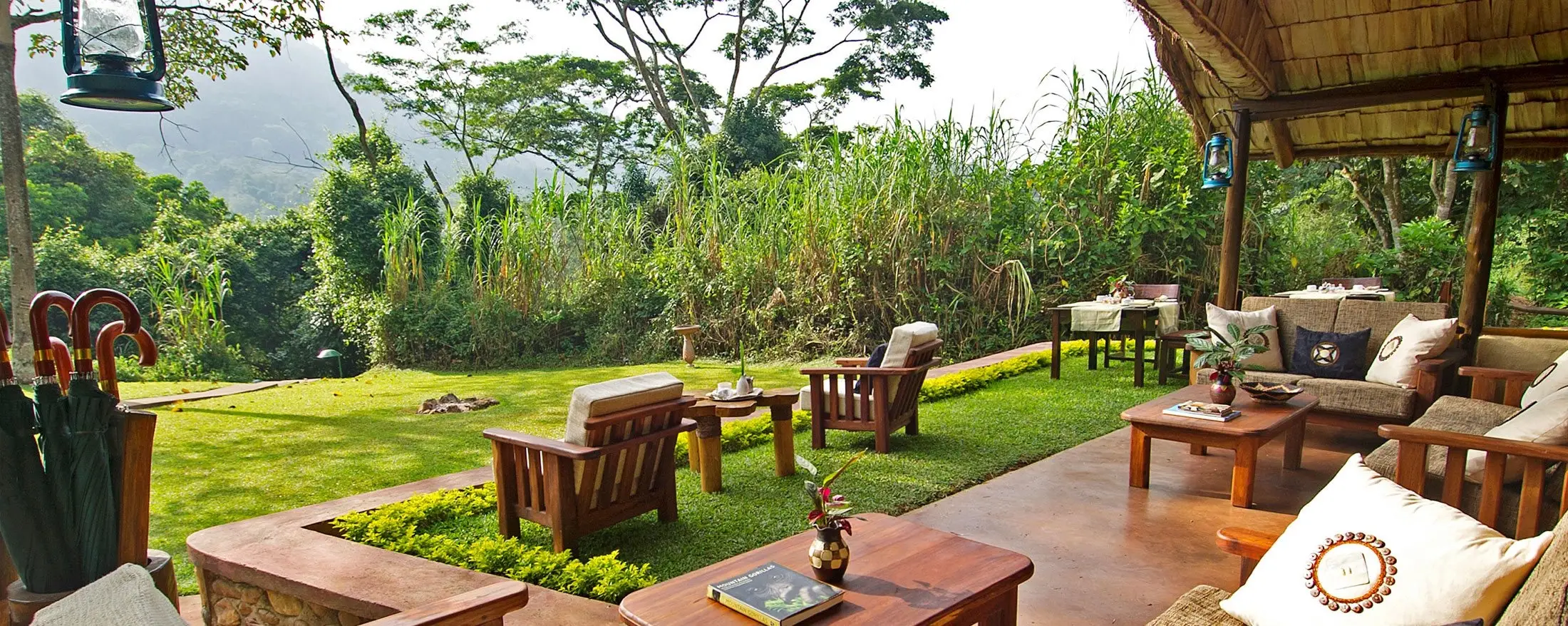
Gorilla trekking destinations can contain several sectors or trailheads.
A lodge described simply as being “near Bwindi” may not necessarily be conveniently located for the trekking sector assigned to your permit.
Bwindi Impenetrable National Park covers a substantial area, and travel between sectors can take time.
Accommodation should therefore be selected according to the actual trekking arrangements, not merely the park name.
The same principle applies.
A lodge positioned conveniently for the relevant briefing point can make the morning much easier.
This is particularly valuable when activities begin early.
Saving an unnecessary hour of driving before a forest trek improves both comfort and punctuality.
Yes.
If your itinerary includes a scheduled boat activity, the lodge should allow sufficient time to reach the departure point comfortably.
For example, itineraries involving the Kazinga Channel or Nile boat activities should account for the actual road distance between accommodation, game-drive areas and boat departure points.
A map-based planning approach helps avoid unrealistic schedules.
Lodge location becomes even more important because every accommodation choice affects the next transfer.
A lodge may be perfect for today’s game drive but badly positioned for tomorrow’s destination.
Strong itinerary planning considers both.
Sometimes staying on a particular side of a park saves hours the following morning.
This type of logistical detail is one of the differences between simply reserving hotels and professionally designing a safari.
Sometimes they offer different advantages rather than simply being better.
Private concessions may allow activities that aren’t available in the neighboring national park, depending on local regulations.
They can also limit vehicle numbers and provide a more exclusive experience.
However, wildlife distribution, season and access vary.
The name or legal designation of an area matters less than the actual safari experience it provides.
Ask several practical questions.
How long does it take to reach the main game-drive area?
How long does it take to reach the next destination?
Does staying here affect early-morning access?
Are there additional park-entry procedures each day?
Can wildlife be viewed from the lodge?
What activities operate directly from the property?
Once these questions are answered, the stronger location often becomes obvious.
It can help, but don’t rely on it completely.
Safari roads don’t always behave like city roads.
Routes may be seasonal, unpaved or subject to park regulations.
A short geographical distance can take much longer than expected.
Local operators and lodge teams generally understand realistic driving times better than generic mapping estimates.
Use maps for orientation and professional local knowledge for actual itinerary design.
Sometimes, yes.
Think of the premium in terms of time.
Suppose a better-located lodge costs more but saves two hours of driving per day.
Across three days, you’ve effectively purchased six additional hours for wildlife viewing, rest or lodge enjoyment.
For some travelers, that’s excellent value.
For others, the savings from staying outside are more important.
There is no universal answer.
Safari luxury isn’t only thread count, swimming pools and elaborate rooms.
Time can be a luxury.
Waking up close to wildlife rather than commuting to it is valuable.
Watching elephants from the lodge terrace instead of sitting in traffic is valuable.
Returning quickly after an evening game drive can be valuable.
A strategically positioned lodge can therefore feel more luxurious than a grander property in an inconvenient location.
Accommodation marketing naturally emphasizes rooms, swimming pools, restaurants and views.
Those things matter.
But before choosing a safari lodge, open the map.
Understand where the park gate is.
Understand where game drives happen.
Understand where tomorrow’s journey begins.
Then evaluate the room.
The strongest safari accommodation combines comfort with a location that supports the itinerary rather than working against it.
Continue with:
On safari, the best lodge isn’t always the most luxurious one. Very often, it is the property that puts you in the right place at the right time.

Share This Article
When booking a luxury African safari, look beyond the room and compare the quality of guiding, wildlife location,…
Read article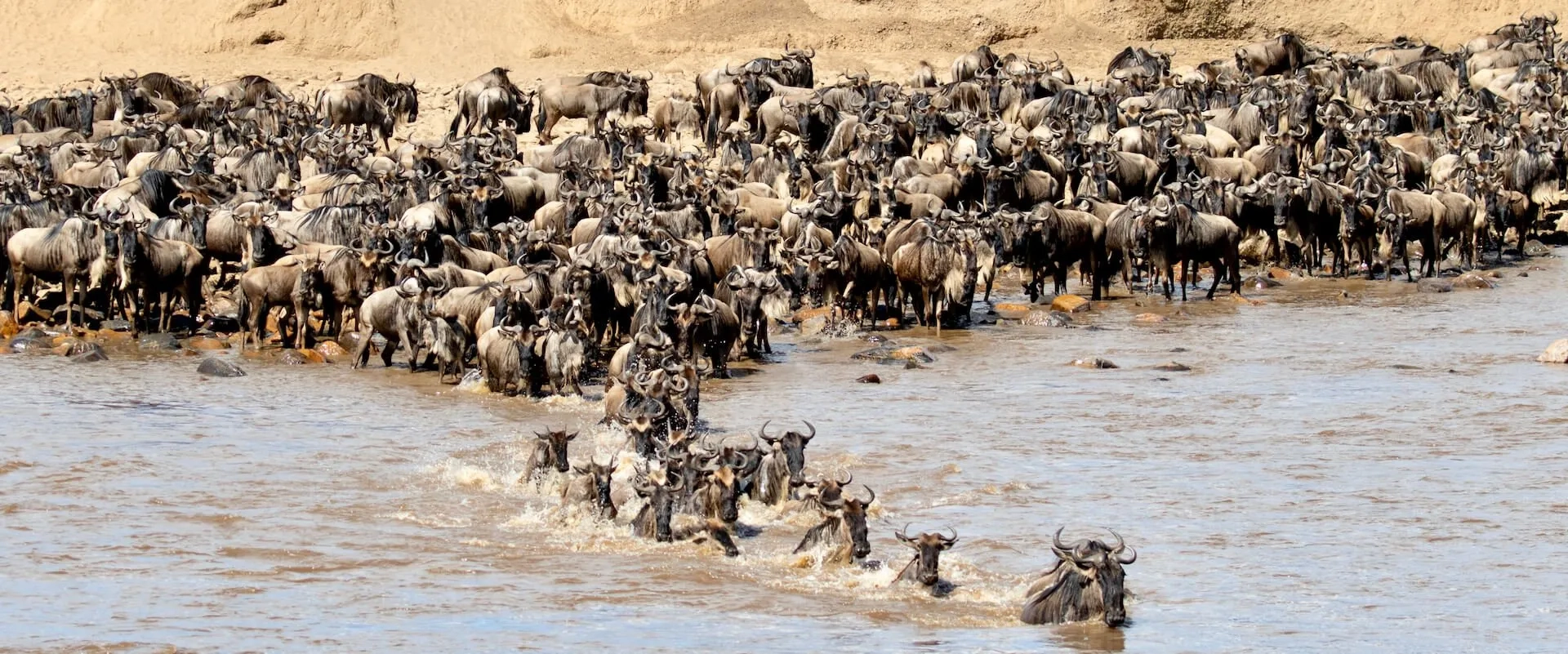
The Great Migration in Africa happens all year because the herds continuously circulate through the Serengeti–Mara ecosystem in…
Read article
Definitive answer: A picnic lunch on safari is a packed or catered midday meal eaten at an approved…
Read article
Definitive answer: A bush dinner is an outdoor evening meal arranged in a safe safari setting away from…
Read articleLet us take you closer to the wildlife, people and places that make Africa extraordinary.
Plan Your Safari Today