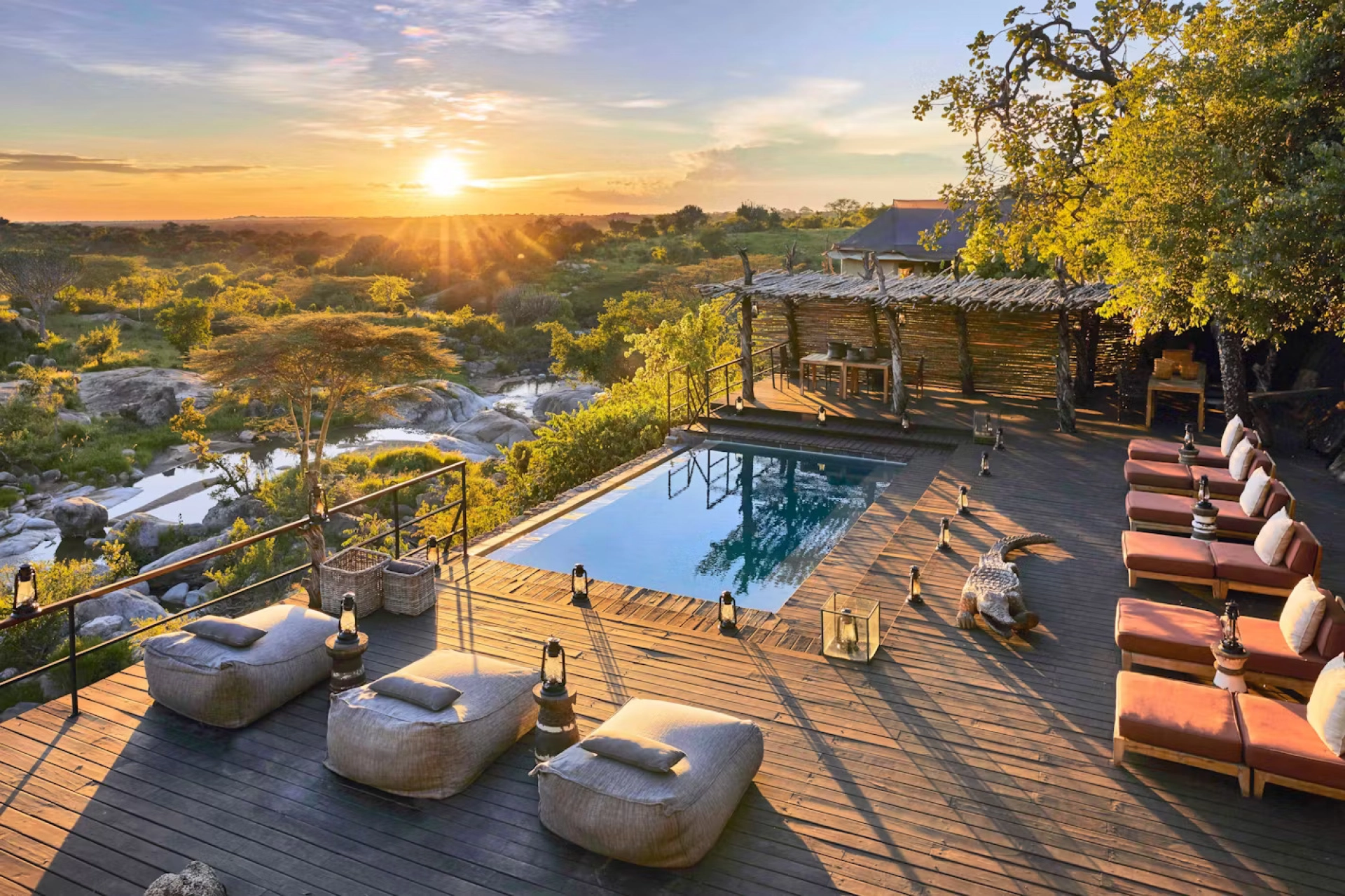
What should I look for when booking a luxury African safari?
When booking a luxury African safari, look beyond the room and compare the quality of guiding, wildlife location,…
Read article
FAQs
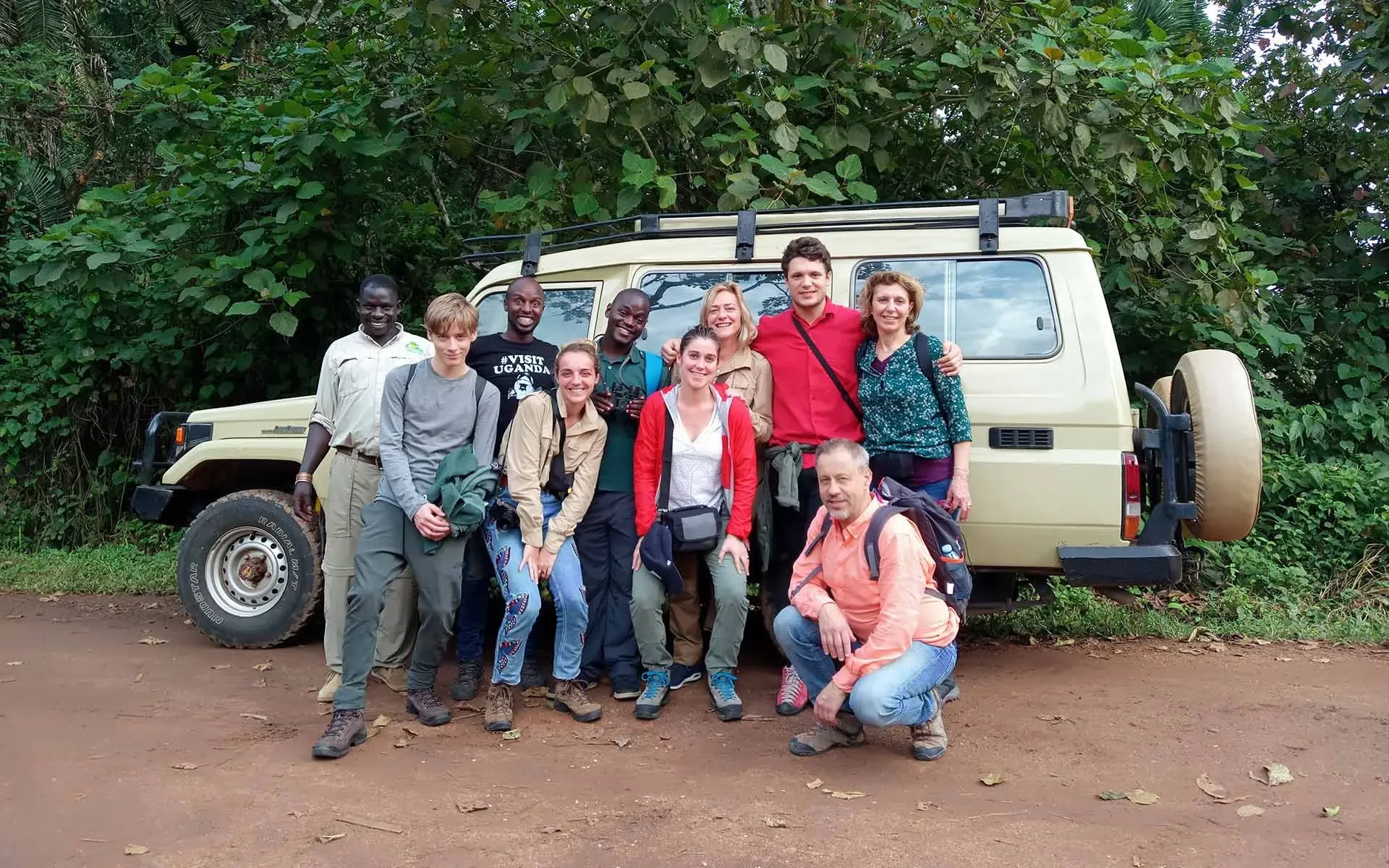
A safari vehicle may carry anywhere from two travelers on a private safari to six or more passengers on a shared departure, depending on the vehicle design and operator. However, maximum seating capacity isn't the same as ideal safari occupancy. For wildlife viewing and photography, fewer passengers generally provide more space, easier window access and greater flexibility during sightings.
A safari vehicle may carry anywhere from two travelers on a private safari to six or more passengers on a shared departure, depending on the vehicle design and operator. However, maximum seating capacity isn’t the same as ideal safari occupancy. For wildlife viewing and photography, fewer passengers generally provide more space, easier window access and greater flexibility during sightings.
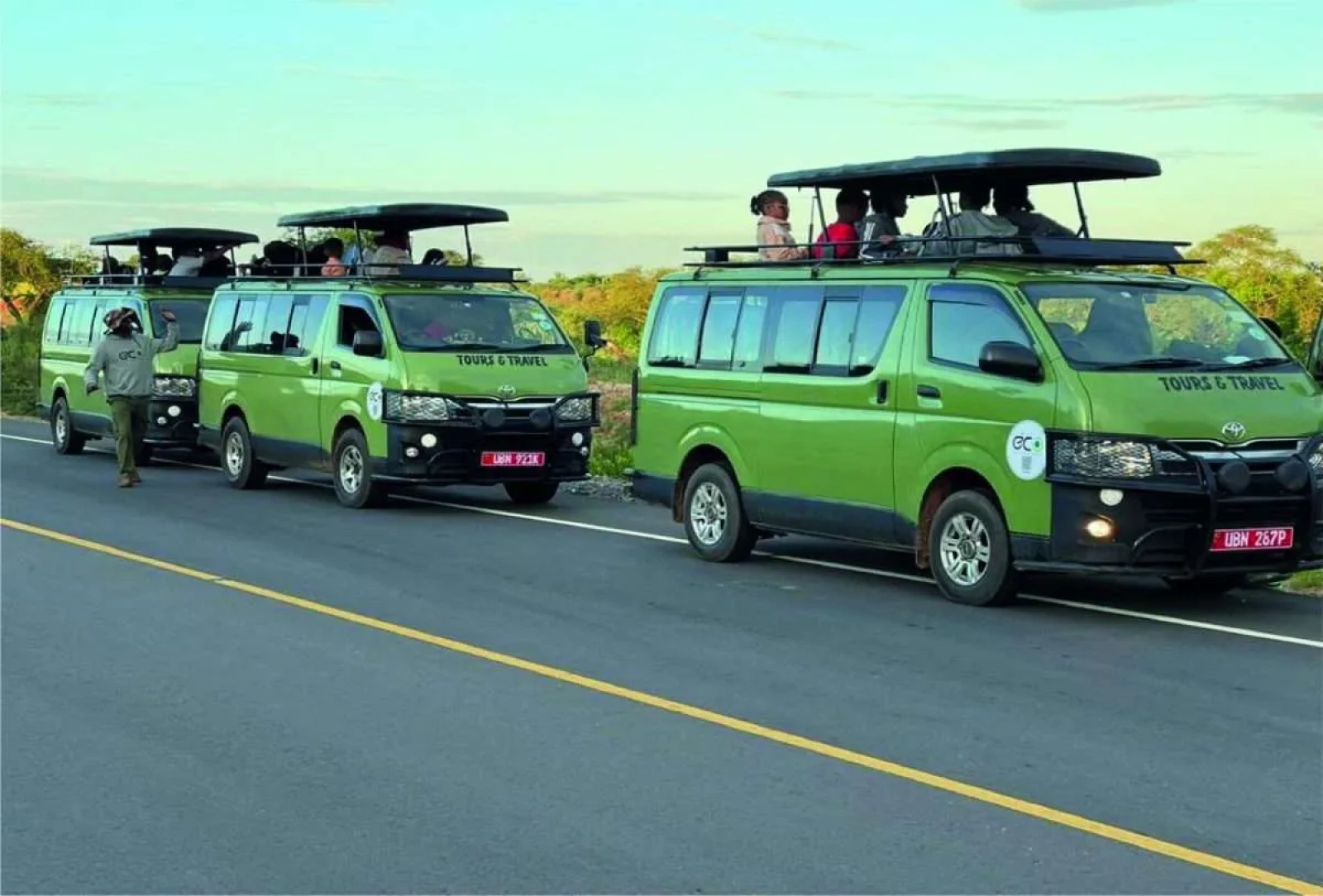
Vehicle configurations vary.
Modified safari Land Cruisers can contain several passenger rows in addition to the driver or guide.
Some are designed for relatively small private groups, while extended vehicles can accommodate more travelers.
The important question isn’t simply:
“How many seats does the vehicle have?”
Instead ask:
“How many guests will actually travel in the vehicle during my safari?”
A vehicle technically capable of carrying seven passengers may be used for only four or five guests to improve comfort.
A private vehicle is reserved for your booking rather than shared with unrelated travelers.
If you’re a couple, the two of you may have the vehicle to yourselves with the driver-guide.
If you’re a family of four, only your family uses it.
This provides substantial flexibility.
You can discuss game-drive timing with the guide, spend longer at particular wildlife sightings and arrange comfort stops according to your own needs.
Private safaris are particularly popular in Uganda and Rwanda and are also widely available elsewhere in Africa.
Usually, if the vehicle is dedicated to your party for the safari, your game drives in that vehicle are private.
However, lodge arrangements can vary.
Some itineraries use a private road-transfer vehicle but switch to lodge-owned shared vehicles for activities.
This is common in certain fly-in safari systems.
Always check what “private safari” actually includes.
Don’t assume every activity is private simply because the overall itinerary is described that way.
A shared safari combines travelers who booked separately.
For example, a solo traveler might join several other guests traveling on the same departure.
Sharing reduces transportation costs because the guide, fuel and vehicle expenses are divided among more passengers.
This can make safari significantly more affordable.
It can also be social.
Many travelers enjoy meeting people from different countries during group trips.
The trade-off is reduced flexibility.
There is no universal number.
Some small-group safaris deliberately limit departures to four or six travelers.
Others operate larger groups using multiple vehicles.
The important factor is how many passengers are assigned to each vehicle.
A “12-person safari group” using three vehicles can feel much less crowded than a smaller group compressed into one vehicle.
Ask for the passenger-to-vehicle ratio.
Good safari vehicle configurations aim to maximize window access.
In modified East African Land Cruisers, passenger rows may provide side windows as well as access to a raised roof.
Open safari vehicles used elsewhere can provide unobstructed side views without conventional windows.
However, configurations differ.
If direct window access is important, ask explicitly before booking.
Because safari isn’t ordinary transportation.
Passengers may spend several hours per day inside the vehicle.
You need space for:
Camera equipment.
Binoculars.
Water.
Daypacks.
Warm layers.
Personal items.
More importantly, everyone needs to see wildlife.
An overcrowded vehicle can turn an exciting sighting into a competition for viewing space.
Not necessarily.
A properly designed vehicle can comfortably accommodate six passengers.
The experience depends on seating layout, roof design and personal expectations.
A group of friends may be perfectly happy sharing.
Serious photographers may prefer fewer passengers because they need more room to reposition themselves and their equipment.
There isn’t one correct occupancy level for everyone.
For serious photography, fewer is generally better.
Two to four photographers in a spacious safari vehicle can provide substantial flexibility.
Each traveler can use a window and potentially move when wildlife changes position.
Long telephoto lenses also require space.
Specialist photography departures sometimes restrict occupancy for exactly this reason.
The higher price reflects the fact that fewer guests are sharing the vehicle cost.
Safari vehicles are expensive to purchase, modify, operate and maintain.
There are also costs associated with fuel, guides, permits, insurance and maintenance.
If two travelers use one vehicle, those costs are divided between two people.
If six travelers share the same vehicle, they’re divided among six.
This explains why private safari prices often decrease on a per-person basis as the party size increases.
The road transportation may be private or shared depending on your booking.
However, gorilla trekking itself operates differently.
Trekkers are assigned according to the rules of the relevant wildlife authority and trekking operation.
Your private safari vehicle doesn’t mean your gorilla trek itself will necessarily be private.
You may trek with other permit holders assigned to the same gorilla group.
A similar distinction applies.
Your transportation to the trekking location may be private, but the actual activity may involve other visitors.
This is why travelers should distinguish between private transportation and private activities.
They’re not the same thing.
Some lodges operate their own game-drive vehicles.
Guests staying at the property may be grouped together for morning and afternoon activities.
Vehicle occupancy depends on the lodge and number of guests.
Travelers seeking completely private wildlife viewing can sometimes pay a supplement for exclusive use of a vehicle, subject to availability.
Ask when booking rather than after arrival.
They can feel more spacious because the sides are open and seats may be tiered.
However, actual space depends on design and passenger numbers.
Open vehicles offer excellent visibility and a strong sense of connection with the environment.
Closed-body vehicles with pop-up roofs provide advantages during long road transfers and changing weather.
Neither design is universally superior.
They serve somewhat different safari systems.
Private vehicles can be particularly valuable for families.
Children may need shorter game drives, extra bathroom stops or earlier returns to the lodge.
Parents can also control seating arrangements more easily.
If a child becomes tired after two hours, a private group can return without affecting unrelated travelers.
This flexibility can dramatically improve the experience for everyone.
Solo travelers face a different calculation.
Paying for an entire private vehicle can be expensive because one person carries most of the transportation cost.
Joining a scheduled small-group safari can therefore offer substantial savings.
Another possibility is a lodge-based safari where game drives are shared among resident guests.
Solo travelers should compare the single supplement and private vehicle costs against group options.
On private tailor-made safaris, they often do.
On scheduled departures and lodge-based programs, they may share.
Never infer this from the itinerary photographs.
Ask explicitly:
“Will our game-drive vehicle be private for the two of us?”
The answer can materially affect both the experience and price.
Often, yes.
If you’re staying at a lodge where game drives are normally shared, exclusive vehicle use may be available for an additional charge.
Availability can be limited during peak season because the lodge has a finite fleet.
Request it before arrival.
Wildlife availability doesn’t change because your vehicle contains more people.
Your ability to enjoy the sighting can.
With fewer passengers, there is less competition for viewing angles.
The guide may also be able to reposition the vehicle more easily according to your preferences.
In a shared vehicle, decisions must consider everyone.
One traveler may want to spend thirty minutes photographing elephants while another wants to search for lions.
Yes, particularly on shared safaris.
The guide must balance everyone’s interests.
On a private safari, you can communicate your preferences more directly.
Birdwatchers can spend more time identifying species.
Photographers can wait for better light.
Families can move on when children lose interest.
This flexibility is one of the biggest benefits of private safari travel.
Not automatically.
A lively group of compatible travelers can have a fantastic experience.
Shared safaris can also be more affordable and sociable.
The right choice depends on priorities.
If budget matters most, sharing can provide excellent value.
If photography, flexibility, family comfort or privacy matters most, lower occupancy becomes more valuable.
Large groups may require multiple safari vehicles.
This isn’t necessarily a disadvantage.
Using two vehicles can provide substantially better viewing than placing everyone into the largest possible vehicle.
Guides can communicate and coordinate sightings.
Groups still meet for meals, lodge stays and major activities.
Splitting between vehicles can actually improve the overall experience.
Groups traveling with several vehicles can often change seating arrangements between days if desired.
This allows travelers to spend time with different friends or family members.
Operational details should be coordinated with the guides.
Luggage distribution and vehicle assignments may occasionally make completely spontaneous switching impractical on transfer days.
Yes.
Safari vehicles carry both passengers and luggage during road transfers.
More travelers means more suitcases.
This is another reason operators may request soft-sided safari bags or restrict luggage size.
Inside national parks, large luggage normally remains secured in the vehicle or at accommodation, depending on the itinerary.
Pack efficiently, especially when traveling as part of a large group.
Before booking, ask several direct questions.
How many travelers will be in my vehicle?
Is the vehicle private or shared?
Does every traveler have direct window access?
Does it have a pop-up roof?
Will we use the same vehicle throughout the safari?
Are lodge game drives private or shared?
Can I pay extra for exclusive vehicle use?
These questions remove ambiguity.
Two safari quotations may use the same lodges, parks and activities yet have different prices.
Vehicle arrangements can explain part of the difference.
One quotation might provide a private Land Cruiser for two travelers.
Another may assume six guests sharing transportation.
The itinerary headings look identical, but the actual travel experience is different.
When comparing safari prices, evaluate vehicle type, passenger numbers and whether game drives are private or shared.
For general private safari travel, enough space for every traveler to have comfortable viewing access is more important than achieving a particular number.
For photography, lower occupancy is usually preferable.
For budget group travel, sharing more seats can make excellent safari experiences accessible at lower cost.
For families, private use provides valuable flexibility.
The ideal number therefore depends on your priorities.
Vehicle occupancy is easy to overlook because travelers naturally focus on destinations, animals and lodges.
Yet you may spend more waking hours in the safari vehicle than in your hotel room.
It deserves equal attention.
Ask how many people will share your vehicle, whether everyone receives good viewing access and whether the arrangement is private or shared.
A spacious, properly designed vehicle with an experienced guide can transform long game drives into one of the most enjoyable parts of an African safari.
Continue with:
Vehicle type, occupancy and guide quality are three details worth checking before confirming any African safari.

Share This Article
When booking a luxury African safari, look beyond the room and compare the quality of guiding, wildlife location,…
Read article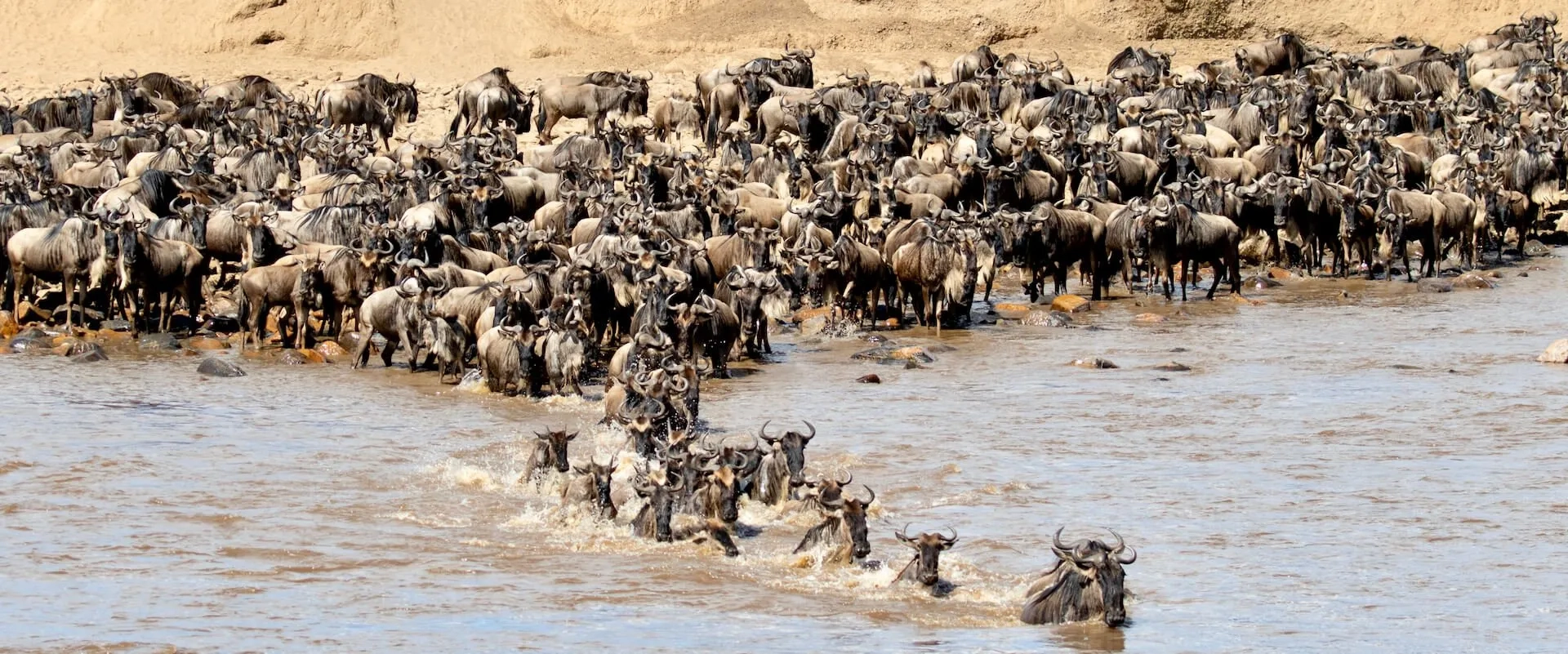
The Great Migration in Africa happens all year because the herds continuously circulate through the Serengeti–Mara ecosystem in…
Read article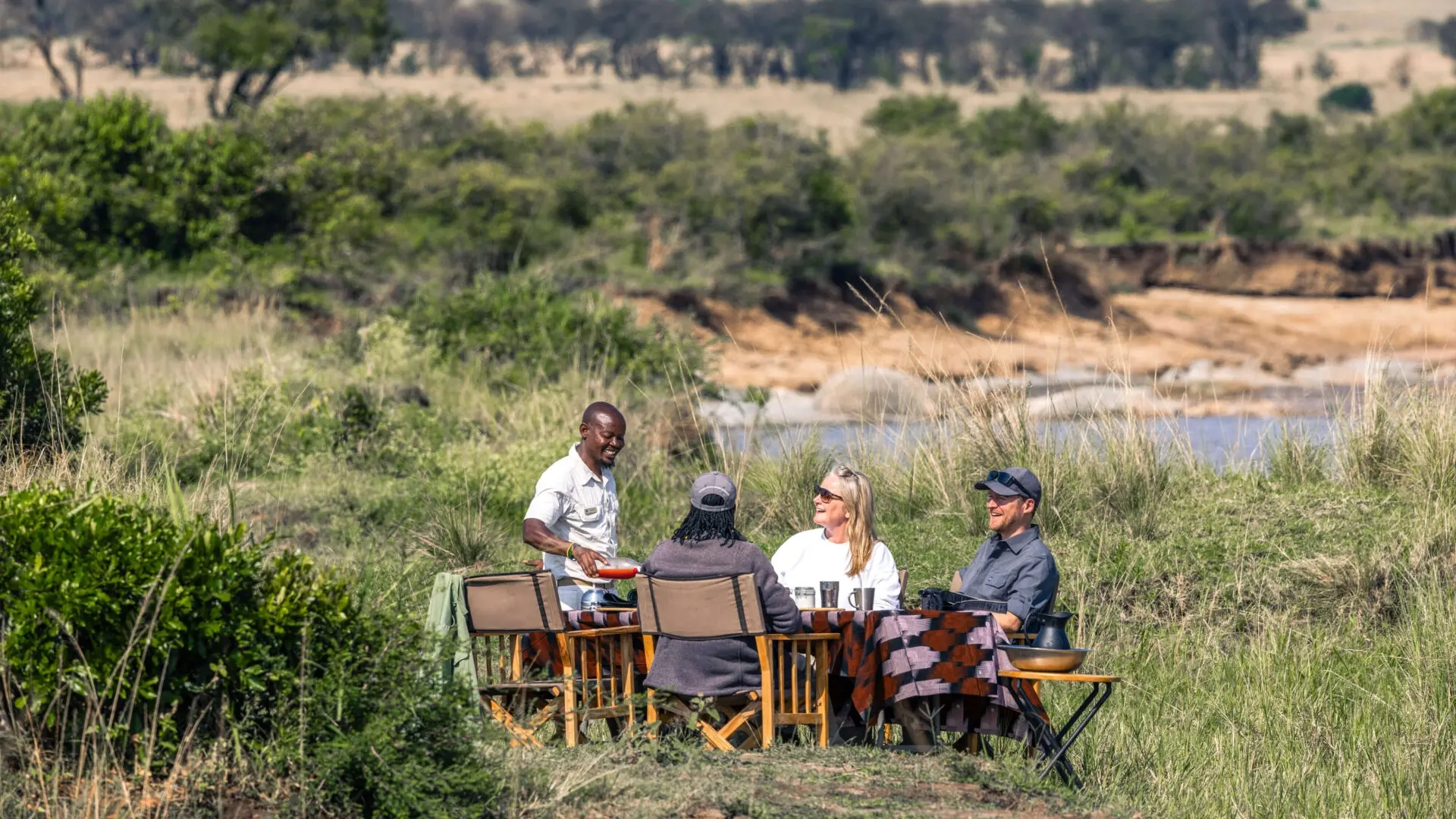
Definitive answer: A picnic lunch on safari is a packed or catered midday meal eaten at an approved…
Read article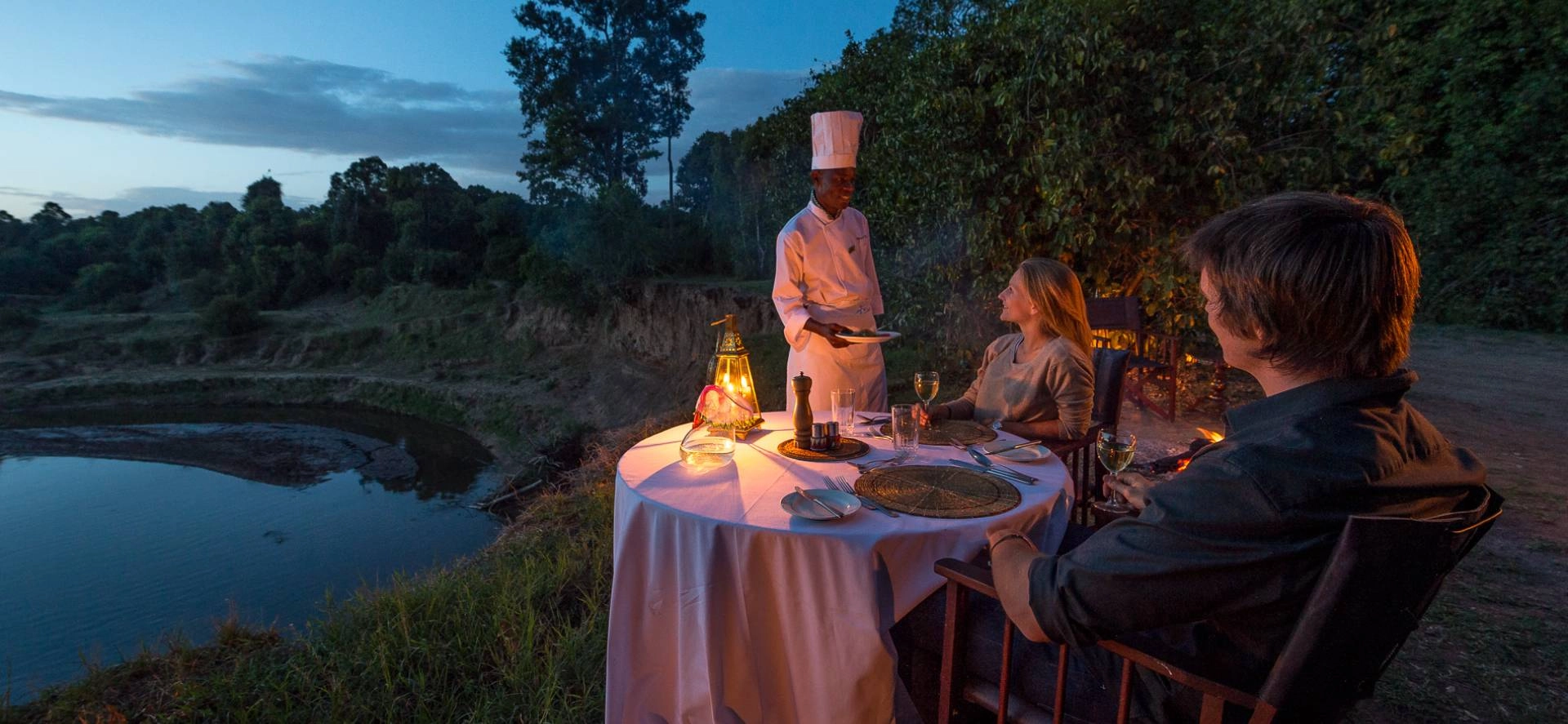
Definitive answer: A bush dinner is an outdoor evening meal arranged in a safe safari setting away from…
Read articleLet us take you closer to the wildlife, people and places that make Africa extraordinary.
Plan Your Safari Today