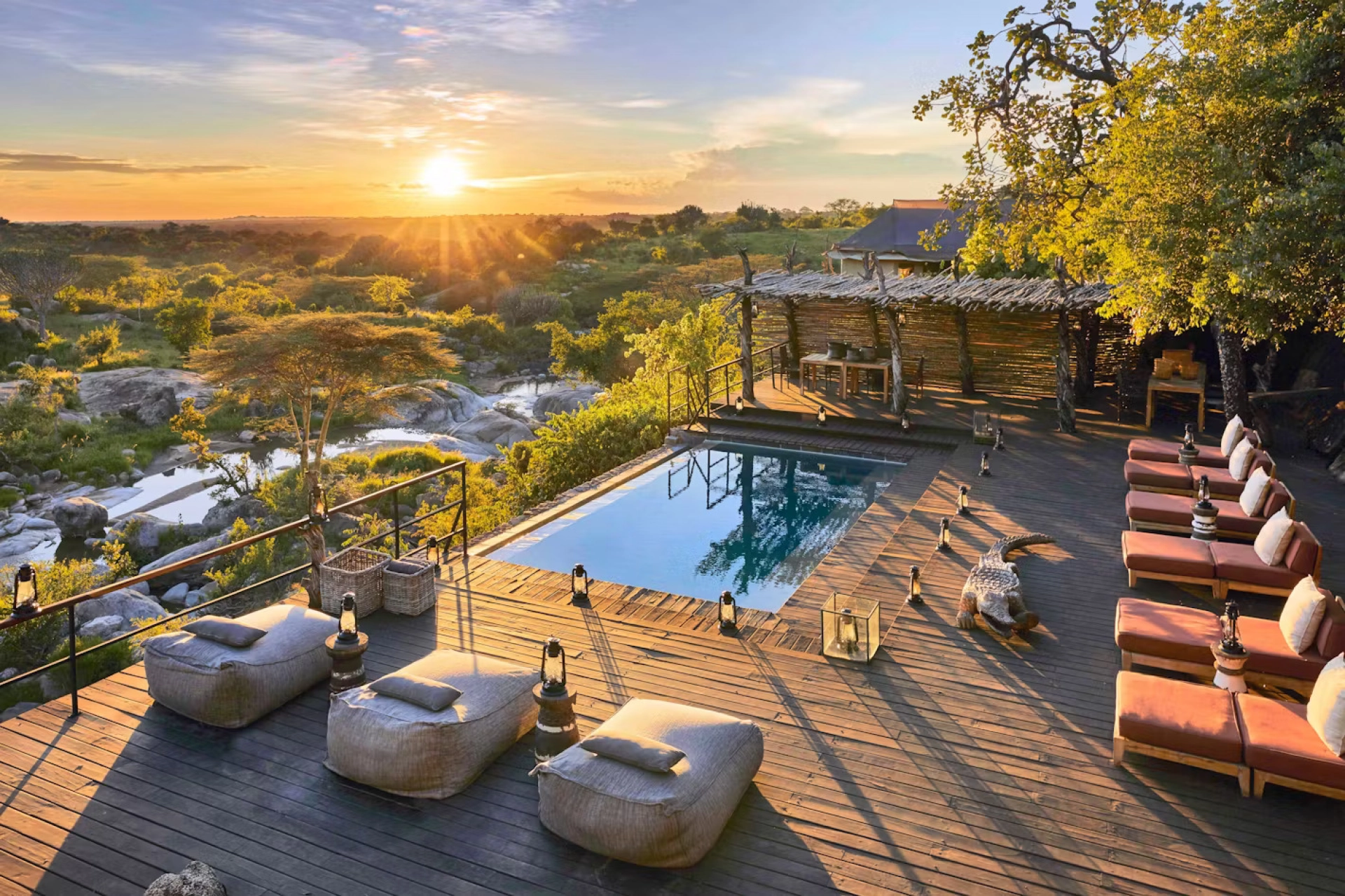
What should I look for when booking a luxury African safari?
When booking a luxury African safari, look beyond the room and compare the quality of guiding, wildlife location,…
Read article

Travel Guide
How much does a Botswana safari cost? It is one of the first questions travellers ask when they begin researching the Okavango Delta, Moremi Game Reserve, Chobe National Park, Savuti, Khwai, the Central Kalahari Game Reserve…
How much does a Botswana safari cost? It is one of the first questions travellers ask when they begin researching the Okavango Delta, Moremi Game Reserve, Chobe National Park, Savuti, Khwai, the Central Kalahari Game Reserve and the other exceptional wilderness areas that have made Botswana one of Africa’s most desirable safari destinations.
It is also one of the hardest safari questions to answer with a single number. A Botswana safari can range from a comparatively affordable group camping expedition travelling by road to an exceptionally exclusive luxury fly-in Botswana safari where guests move between tiny camps on private concessions by light aircraft. Both travellers may watch the same species of elephants, lions and African wild dogs, but the logistics, accommodation, privacy and overall price of those experiences can be dramatically different.
For 2026 planning, published safari-market estimates illustrate just how broad that range can be. Budget and camping-oriented journeys can begin at a few hundred US dollars per person per day, while premium Delta lodges can reach well above US$1,000 per person per day and the most exclusive properties can run into several thousand dollars per person per night. These should be treated as planning ranges rather than fixed Botswana safari prices, because season, route, camp, charter flights and inclusions can change the final quotation substantially.
Understanding what creates those price differences is much more useful than simply asking whether Botswana is “expensive.” A carefully planned Botswana safari holiday can deliver extraordinary wildlife at several different comfort levels. The secret is knowing where your money goes and deciding which parts of the trip genuinely matter to you.
Botswana has developed a safari model that places significant emphasis on relatively low-density tourism in many of its premier wilderness areas. Small camps, remote concessions and expensive logistics contribute to the feeling of exclusivity that travellers associate with the Okavango Delta safari experience.
The very remoteness that makes these places exciting also makes them costly to operate. Imagine a twelve-room safari camp located deep inside the Delta. There may be no normal road connecting it with a town. Guests arrive on small aircraft. Staff need accommodation. Food, beverages, maintenance materials and replacement equipment have to reach the lodge somehow. Electricity may depend on solar infrastructure and generators. Water systems need to operate independently. Safari vehicles require fuel and maintenance far from conventional workshops.
The camp then needs professional guides, managers, chefs, housekeeping teams, mechanics and other staff even when only a relatively small number of guests are staying there. All of those costs are divided among far fewer rooms than they would be in a large conventional hotel. That is one reason Botswana safari accommodation prices can appear high compared with ordinary hotel rates. But comparing a remote safari camp to a city hotel is rarely meaningful because the safari rate may also include meals, drinks, game drives, boat trips, guiding, concession fees and other services.
A major attraction of a Botswana wildlife safari is the possibility of enjoying important sightings without huge numbers of vehicles.
This varies by destination, and no safari area is completely empty, but private concessions in particular can provide remarkably intimate encounters. You may spend a morning following African wild dogs with only one other safari vehicle nearby. You might watch a leopard descend from a tree without a circle of minibuses. You may travel for considerable distances through wilderness where no permanent settlements are visible. This exclusivity is one of the things travellers are paying for when choosing a high-end Okavango Delta lodge or private Botswana safari concession.
There is no official universal rate, and published estimates vary because different companies include different services.
As a broad 2026 planning guide, a lower-cost Botswana camping safari or value-focused group itinerary may start roughly around US$200–US$400 per person per day. Comfortable mid-range lodge or mobile-safari arrangements commonly move into roughly US$500–US$900 per person per day, while luxury fly-in safaris frequently begin above US$1,000 per person per day. Exceptional high-end Delta camps can exceed US$2,000 or even several thousand dollars per person per night during premium periods.
These figures should not be interpreted as a tariff. A seven-night safari costing US$500 per person per day may include services that another US$350 itinerary charges separately. That is why travellers comparing Botswana safari packages should focus on the total journey rather than the headline nightly rate.
A budget Botswana safari does not necessarily mean sacrificing wildlife.
This point is important. Lions do not distinguish between guests sleeping in a basic tent and guests returning to a private plunge pool. An elephant crossing a Moremi track provides the same extraordinary sighting regardless of accommodation category. What changes is usually comfort, transportation, privacy, camp style and the number of services included. A lower-cost Botswana safari often relies more heavily on road travel, group departures and camping. Travellers may stay in mobile camps rather than permanent luxury lodges. Facilities can be simple, but the experience may feel extremely authentic because nights are spent close to nature.
In some mobile camps, comfortable beds, private canvas tents and bucket showers are still provided. Other participation-style safaris may require guests to help with aspects of camp life. These options can reduce the cost of a Botswana safari dramatically.
A Botswana mobile camping safari deserves particular attention because it offers one of the best ways of controlling costs while still exploring premium wildlife areas. A mobile safari typically moves between wilderness campsites using a safari vehicle. A support team may establish camp before guests arrive, depending on the safari style. Instead of paying for the infrastructure of a permanent lodge, travellers invest primarily in guiding, transport and access to wildlife areas.
The result can be wonderfully immersive. At night, you hear lions calling in the distance. Elephants may move through the surrounding bush. The morning starts with coffee beside the campfire before setting out for a game drive. For travellers more interested in Botswana wildlife viewing than elaborate interiors, a mobile safari can provide tremendous value.
A mid-range Botswana safari attempts to balance comfort with price. Accommodation may be in permanent tented camps, smaller lodges or upgraded mobile safari camps. Guests typically have private sleeping areas and en-suite facilities, while meals and scheduled safari activities are usually included. The challenge is that “mid-range” in Botswana may cost what travellers would consider luxury in some other African countries. This reflects the destination’s operating costs and logistics. Still, well-chosen mid-range properties in areas such as Khwai, Maun, Kasane or selected concessions can substantially reduce the price compared with the most exclusive Delta islands.
At the upper end, a luxury Botswana safari becomes less about merely having a comfortable bed and more about access, exclusivity and service. Luxury camps may occupy outstanding private concessions where guest numbers are deliberately small. Rooms can be exceptionally spacious, with private decks, plunge pools, outdoor showers and uninterrupted wilderness views. Food and wine can be sophisticated. Guiding ratios may be lower. Some properties include private or semi-private activities.
Helicopter flights, photographic hides or specialist guides may be available at additional cost. A luxury Okavango Delta safari can therefore become one of Africa’s premium travel experiences, but the total price rises quickly once several high-end camps and charter flights are combined.
At the absolute top of the market are ultra-exclusive camps charging several thousand dollars per person per night in high season. These prices may sound extraordinary. The target traveller, however, is paying for some combination of exceptionally low guest numbers, prestigious locations, high staff-to-guest ratios, private guiding, fine dining, beautiful design and remote access. For most safari travellers, spending at this level is unnecessary to see Botswana’s wildlife. It is primarily a question of preferred travel style.
The Okavango Delta safari cost is often one of the largest components of a Botswana holiday. Many premier camps are accessible primarily by light aircraft. Rates frequently include accommodation, meals and scheduled activities, but internal flights may be quoted separately depending on the itinerary. Private concession camps can command premium rates because they combine excellent wildlife habitat with very low guest density. When researching an Okavango Delta safari package, look beyond the room price.
Ask whether your quotation includes inter-camp flights. Check whether drinks are included. Confirm whether mokoro excursions and boating are part of the rate. Find out whether conservation or concession fees are additional. The true cost only becomes clear after these components are combined.
Not all Delta camps are equivalent. One lodge may sit in a permanently wet region ideal for boating and mokoro activities. Another may be in a dry predator-rich concession focused on game drives. A third may occupy an area offering both land and water activities when flood conditions allow. Location strongly affects both experience and cost. A famous private concession with exceptional wildlife and limited bed capacity will generally command more than accommodation near a larger tourism centre. This is why choosing a Delta camp purely by room photograph can be a mistake. The habitat surrounding the lodge matters just as much.
A Chobe safari can often be easier to incorporate into a moderate budget than an exclusive fly-in Delta itinerary. The town of Kasane provides a substantial range of accommodation. Travellers can choose from comfortable guesthouses, hotels, safari lodges and high-end riverfront properties. Road access reduces dependence on bush flights. Safari activities can include game drives in Chobe National Park and boat safaris on the Chobe River. Because the same destination offers several accommodation categories, travellers have considerable flexibility. This makes a Chobe National Park safari particularly useful for people who want outstanding wildlife but need to control the overall Botswana safari budget.
The wildlife quality along the Chobe Riverfront can be excellent. Large elephant concentrations are the headline attraction, particularly during dry conditions, but buffalo, giraffes, hippos, crocodiles, antelope and predators may also be encountered. A boat safari provides a completely different perspective from a road-based game drive. Travellers can therefore experience two strong safari activities without needing to move to another expensive camp. That concentration of experiences can make Chobe comparatively good value.
Moremi Game Reserve is one of Botswana’s finest wildlife areas. Travellers may experience it through permanent lodges, mobile camping, self-drive trips or combinations with neighbouring concessions. The final Moremi safari cost therefore varies tremendously. A guided mobile safari can make Moremi accessible at a fraction of the cost of certain luxury fly-in lodges. A private camp with charter flights produces an entirely different budget. The wildlife, however, can be outstanding at multiple price levels. Moremi is therefore an excellent example of why accommodation category should never be confused with safari quality.
The Khwai area has become popular partly because it provides diverse accommodation options near the wider Moremi and Okavango ecosystems. Travellers can find camps at different comfort levels. The region supports elephants, predators and varied birdlife. Depending on the specific concession and property, activities may include night drives and other experiences not offered everywhere inside national reserves. Adding Khwai to a Botswana safari itinerary can provide a strong balance between wildlife, flexibility and cost.
The Savuti region is famous for predators, elephants and its changing channel system. Its remote location means transport can form a substantial part of the price. Travellers entering Savuti on a mobile safari may spread transport costs across several guests. Fly-in travellers pay more for speed and convenience. When comparing Savuti safari packages, calculate the value of the route rather than looking at Savuti in isolation. A mobile journey linking Moremi, Savuti and Chobe can make excellent logistical sense because the vehicle continues naturally through northern Botswana.
The Central Kalahari Game Reserve can provide another route toward a more affordable wilderness experience, particularly for confident self-drivers or mobile camping groups. The distances are enormous and the environment remote, so preparation should never be compromised merely to save money. However, the region does not depend on the expensive aviation network associated with many Delta camps. Travellers who love landscapes, black-maned lions, gemsbok, cheetahs and solitude may discover that a Kalahari safari provides tremendous experiential value.
The Botswana fly-in safari is one of the biggest reasons a high-end itinerary becomes expensive. Small aircraft move between Maun, Kasane and remote bush airstrips. A journey may involve several short flights. Each saves many hours of difficult overland travel. From the air, the Okavango is spectacular. Channels, islands and animal trails become visible as a complete ecological system. The flight therefore becomes part of the experience, but it is still a significant expense. Travellers seeking to reduce their Botswana safari cost should consider whether every sector genuinely needs to be flown.
A road-based safari is usually slower. That can be seen as a disadvantage. But it can also become part of the adventure. Travelling through the bush reveals gradual environmental transitions that disappear when flying. A mobile safari may leave Moremi in the morning, move through changing habitats and eventually reach Savuti. The traveller sees how ecosystems connect. A Botswana fly-in safari, by contrast, maximises time at each lodge and reduces tiring transfers. Neither is inherently better. The decision is about time, comfort and budget.
A Botswana self-drive safari may appear to be the cheapest option, but travellers should calculate carefully. Vehicle hire is only one expense. A properly equipped 4×4 may require camping equipment, extra fuel capacity, recovery gear, refrigeration and suitable insurance. Campsites inside premier wildlife areas can be expensive and difficult to obtain. Fuel costs increase over long distances. Food and supplies add further expenses. Nevertheless, when several travellers share one vehicle, self-driving can produce substantial savings.
It is best suited to people with real 4×4 experience and confidence in remote environments. Botswana’s deep sand, wildlife and seasonal water are not ideal conditions in which to learn basic off-road driving.
Season has one of the largest effects on Botswana safari prices. The dry winter period is popular because wildlife becomes increasingly concentrated and conditions are generally favourable for game viewing. Demand rises. Premium camps fill. Rates increase. During portions of the wetter Botswana green season, accommodation can become considerably more affordable. Wildlife does not disappear. Instead, the safari changes. The landscapes become green. Migratory birds arrive. Young animals appear. Thunderstorms create dramatic skies.
Travellers who understand these differences can save considerably without sacrificing the essence of safari. Botswana’s official tourism organisation describes the country as a year-round destination, with the green season providing lush scenery, young plains game and strong birding, while the dry season concentrates wildlife as temporary water declines.
The Botswana green season is one of the first options value-conscious travellers should investigate. Rather than automatically booking July, August or September, compare rates for November through March and the shoulder periods around them. Exact camp seasons differ. Some properties close temporarily. Some regions are more productive than others. But substantial savings can sometimes be achieved. The green season is particularly attractive for photographers because dramatic storm clouds and fresh vegetation produce colourful images. Birdwatchers may prefer it outright.
The shoulder periods between the most expensive high-season months and the wettest summer period can offer excellent value. Conditions vary each year, so there is no perfectly predictable formula. However, travellers who have flexible dates may obtain strong wildlife viewing while avoiding the highest premiums. Rather than asking a safari consultant for one preferred date, consider providing a window of several weeks and requesting the strongest value within that period.
This is one of the most important questions to ask. Two packages displaying very different headline prices may actually be much closer after inclusions are considered. A lodge package may include accommodation, meals, drinks, scheduled game drives, boat activities, laundry and park or concession access. Another may charge separately for several of those components. A mobile safari could include vehicle transport, camp staff, meals, guiding and park fees but exclude drinks, tips and international flights. Never compare Botswana safari prices without understanding the inclusions.
Accommodation usually represents a substantial portion of the budget, particularly in the Delta. But the rate is not simply paying for a bedroom. Remote camps maintain entire operational systems to support a small number of guests. At a good lodge, the rate may effectively bundle accommodation, guiding, meals and activities. This is why comparing the nightly cost with a conventional hotel can be misleading.
Scheduled game drives are commonly included in lodge packages, but specialist activities can cost extra. Private vehicles. Helicopter flights. Scenic flights. Specialist photographic guides. Premium fishing trips. Certain cultural activities. These extras can increase the final cost considerably. Ask what is included before arrival rather than assuming every experience is part of the standard rate.
Protected areas and private concessions charge various tourism and conservation fees. The structure differs according to destination and accommodation arrangement. These charges help finance protected area management and are usually built into a package or shown separately. Because regulations and rates can change, travellers should rely on an up-to-date quotation rather than old fee tables found online.
Remote safari camps commonly operate on a full-board or inclusive basis because there are no outside restaurants nearby. Breakfast, lunch and dinner may therefore be included automatically. Drinks policies vary. Some camps include local beverages while premium wines or spirits cost extra. Knowing this beforehand is particularly important for travellers comparing a safari lodge with accommodation in Kasane or Maun, where room-only and bed-and-breakfast options may be available.
Domestic bush flights can make up a surprisingly large proportion of a multi-camp itinerary. A traveller staying at three Delta properties might need several aircraft sectors. Reducing the number of camps can therefore save money. Spending four nights at one excellent camp may produce a richer experience than rushing through three camps in six nights. More nights also allow time for weather, animal movements and changing activities.
International airfare is usually excluded from advertised Botswana safari package prices. Travellers commonly access Botswana through regional hubs in Southern Africa before connecting to Maun, Kasane or Gaborone. The cheapest international flight is not always the cheapest complete itinerary. Poor connections may require additional hotel nights or complicated transfers. Safari budgeting should therefore begin with the entire travel chain.
Tips are normally discretionary but are common in the safari industry. Guides, mokoro polers and general camp staff may be tipped differently. Rather than relying on generic internet advice, request current guidance from your tour operator because expectations can vary by camp and trip style. Tips are not usually the largest safari expense, but on a long itinerary they should still be included in the budget.
Comprehensive safari travel insurance should be considered a genuine trip cost rather than an optional afterthought. Remote Botswana itineraries can involve expensive prepaid camps and flights. Medical evacuation from wilderness areas can also be costly. A suitable policy should address cancellation, interruption, medical emergencies and activities relevant to the safari. Travellers should read the actual terms rather than assuming all wildlife activities are automatically covered.
Entry requirements vary according to nationality and can change. Travellers combining Botswana with Victoria Falls, Namibia, South Africa or Zambia may cross several international borders. Visa expenses and entry conditions should therefore be confirmed from official sources close to travel. These costs are usually small compared with safari accommodation, but they still belong in a complete budget.
Many higher-end safari camps offer laundry, sometimes included in the rate. Others charge separately. Personal purchases, souvenirs, spa treatments and premium drinks create additional costs. These extras are easy to control but should still be considered when calculating a realistic Botswana safari budget.
A seven-day itinerary can vary enormously. A basic road-based group or camping trip may cost only a few thousand US dollars per person, excluding international flights. A comfortable lodge-based safari can move into several thousand dollars more. A high-end fly-in journey using premium Okavango camps can easily reach five figures per person. Instead of choosing a seven-day safari by total price alone, examine how many actual safari days you receive. A cheap itinerary that spends two days driving between distant destinations may provide less wildlife time than a more expensive itinerary designed efficiently.
A ten-day itinerary usually offers better ecological variety. Travellers can combine Moremi, Khwai, Savuti, Chobe and perhaps the Okavango Delta, Makgadikgadi Pans or Central Kalahari Game Reserve. The extra nights increase accommodation costs, but longer stays can also make transport more efficient. Rather than changing camp every two nights, spend three nights in selected locations. This reduces transfers and allows each ecosystem time to reveal itself.
Couples share transportation and rooms efficiently, making them a common unit for safari quotations. However, rates are usually expressed per person sharing. Private departures cost more because one couple carries the cost of a private vehicle and guide rather than sharing with several guests. For honeymooners, the question is whether private guiding is genuinely essential or whether money would be better spent on a superior camp or additional nights.
Solo travellers face one of the most frustrating pricing issues in safari tourism: the single supplement. Accommodation and some transport costs are normally calculated around two guests sharing. A solo traveller may therefore pay more per person. The best approach is to look for scheduled departures, camps offering reduced single supplements at certain times, or green-season promotions. Solo safari travel in Botswana can be wonderful, but flexibility with dates is especially valuable.
A Botswana family safari requires careful planning because family rooms are limited in some remote camps. Private vehicles may be required or recommended for young children. Certain activities have age restrictions. These factors can increase the cost. However, families travelling with older children can obtain good value through mobile safaris, family tents and carefully selected lodges. Rather than choosing the cheapest camp, choose the property whose activity policies actually suit the children’s ages. Paying for a lodge where half the family cannot join key activities is poor value.
A Botswana honeymoon safari is often designed around privacy and romantic camps, pushing the trip naturally toward the higher end. But luxury does not require staying at the most expensive lodge every night. A smart itinerary might combine one exceptional Delta property with a less expensive but wildlife-rich camp elsewhere. This allows the couple to enjoy both indulgence and a longer safari.
The greatest savings usually come from changing the structure of the safari rather than hunting for tiny discounts. Choosing the Botswana green season, using road transfers where sensible, spending longer at fewer camps and incorporating mobile camping can reduce the price substantially. A traveller who insists on three famous luxury Delta camps in August will have limited room to reduce costs. A traveller open to March, a mobile safari through Moremi and a few nights at a comfortable lodge has much greater flexibility.
This is often the single most powerful strategy. Green-season travel can offer lower lodge rates while delivering beautiful scenery, excellent birding and strong predator activity. It is not a “bad safari season.” It is simply different.
Changing camp every two nights sounds exciting when planning from home. On the ground, it can become exhausting. Packing. Flying. Waiting. Unpacking. Briefing. Repeating. Staying three or four nights gives you time to understand an area. It also reduces the number of expensive transfers. This is one of the easiest ways to improve both safari quality and value.
Not every safari needs to be entirely fly-in or entirely overland. A hybrid route can work beautifully. For example, travellers may reach Chobe by road, continue through selected wildlife areas on a mobile safari and fly into or out of a remote Delta camp. The expensive aircraft is then used where it produces the greatest benefit.
If wildlife is your priority, spend money on location and guiding before extravagant room features. A beautifully designed lodge in a mediocre wildlife area does not become a great safari simply because it has an infinity pool. A comfortable tent in an outstanding concession may provide far better value.
A birder may obtain exceptional value during summer. A photographer may want a private vehicle more than a luxury suite. A family may value a swimming pool and flexible activities. A honeymoon couple may prioritise privacy. “Best value” changes according to who is travelling.
For the right traveller, absolutely. Botswana is not necessarily the cheapest place to see African wildlife. Travellers seeking the lowest possible cost may find excellent safaris elsewhere. Botswana’s value lies in the combination of large wilderness areas, excellent wildlife, small safari camps, diverse ecosystems, professional guiding, Okavango waterways, Chobe elephants, Kalahari landscapes and relatively low-density tourism in many premier regions. You are paying not merely for sightings. You are paying for the setting in which those sightings occur.
A leopard observed with one other vehicle in a remote concession feels different from the same leopard surrounded by traffic. A mokoro moving quietly through reeds feels different from a crowded sightseeing cruise. That atmosphere is central to Botswana’s appeal.
A South Africa safari can generally be arranged at a wider range of price levels because road infrastructure is stronger and many reserves offer accommodation accessible without bush flights. Botswana often becomes more expensive because of remoteness and small camp size. South Africa may therefore be the stronger choice for travellers seeking maximum comfort at moderate cost. Botswana appeals to travellers prepared to spend more for wilderness and exclusivity.
A Kenya safari offers far more options across budget, mid-range and luxury levels. Road-based itineraries are common. Large numbers of camps compete across famous destinations such as the Masai Mara and Amboseli National Park. Botswana generally has fewer beds in its premier wilderness areas and more expensive logistics. However, the two destinations produce very different safari styles. Kenya is famous for open savannah, migration wildlife and strong cultural combinations, while Botswana excels in wetlands, private concessions and low-density wilderness.
A Tanzania safari can also become expensive, particularly when combining the Serengeti, Ngorongoro and premium lodges or fly-in camps. Yet road circuits allow different budgeting options. Botswana’s reliance on small remote camps often makes the upper end particularly expensive. Price alone should not determine the decision. Choose according to landscape and safari experience.
Yes. Botswana is generally among Africa’s more expensive mainstream safari destinations, particularly when travelling to remote Okavango Delta camps by light aircraft. Lower-cost mobile camping, group safaris and self-drive options nevertheless exist.
For rough 2026 planning, lower-cost organised or camping experiences can begin at a few hundred US dollars per person per day, while comfortable lodge safaris commonly cost substantially more and premium fly-in camps can exceed US$1,000 per person per day.
Remote locations, small camps, light-aircraft access, private concession costs, limited room capacity and the logistics of running high-service lodges in wilderness all contribute to the price.
It can be. Kasane provides road access and a broader accommodation range, which can make a Chobe safari easier to arrange on a moderate budget than a remote Delta fly-in itinerary.
Parts of the green season generally offer better rates than peak dry-season months, although exact pricing varies by camp.
Yes. Mobile camping, scheduled group safaris, selected self-drive routes and travelling outside peak season can all reduce costs significantly.
Many remote camps include accommodation, meals and scheduled activities, but inclusions vary. Always confirm flights, park fees, beverages, laundry, premium activities and transfers.
For travellers with limited time or those visiting very remote Delta camps, flying can be extremely worthwhile. It reduces transfer time and provides extraordinary aerial views.
It can be, especially when several travellers share a properly equipped 4×4. However, fuel, campsite fees, equipment and vehicle hire must all be included, and remote driving requires experience.
The answer to how much does a Botswana safari cost is not one fixed amount. Botswana can be experienced through a mobile camping safari, a comfortable mid-range safari, a self-drive adventure, a classic lodge itinerary, or an extraordinary luxury Okavango Delta fly-in safari. What matters is matching your money to the experiences you value. If wildlife is the priority, invest in excellent guiding and strong locations. If privacy matters, consider private concessions.
If budget is limited, look at green-season Botswana safaris, mobile camping in Moremi, Khwai safari camps, road-based Chobe stays and longer stays at fewer properties. If this is a once-in-a-lifetime honeymoon and comfort matters enormously, a carefully selected luxury Botswana safari may justify the premium. Botswana is expensive when judged purely by nightly room rates. It becomes easier to understand when judged by what those rates support: remote camps, small guest numbers, professional guides, wildlife-rich concessions, aircraft logistics and access to some of Africa’s most extraordinary wilderness.
The goal should therefore not be to find the cheapest Botswana safari. It should be to find the best-value Botswana safari for your budget, where every dollar contributes to the experiences that brought you to Africa in the first place.

Share This Article
When booking a luxury African safari, look beyond the room and compare the quality of guiding, wildlife location,…
Read article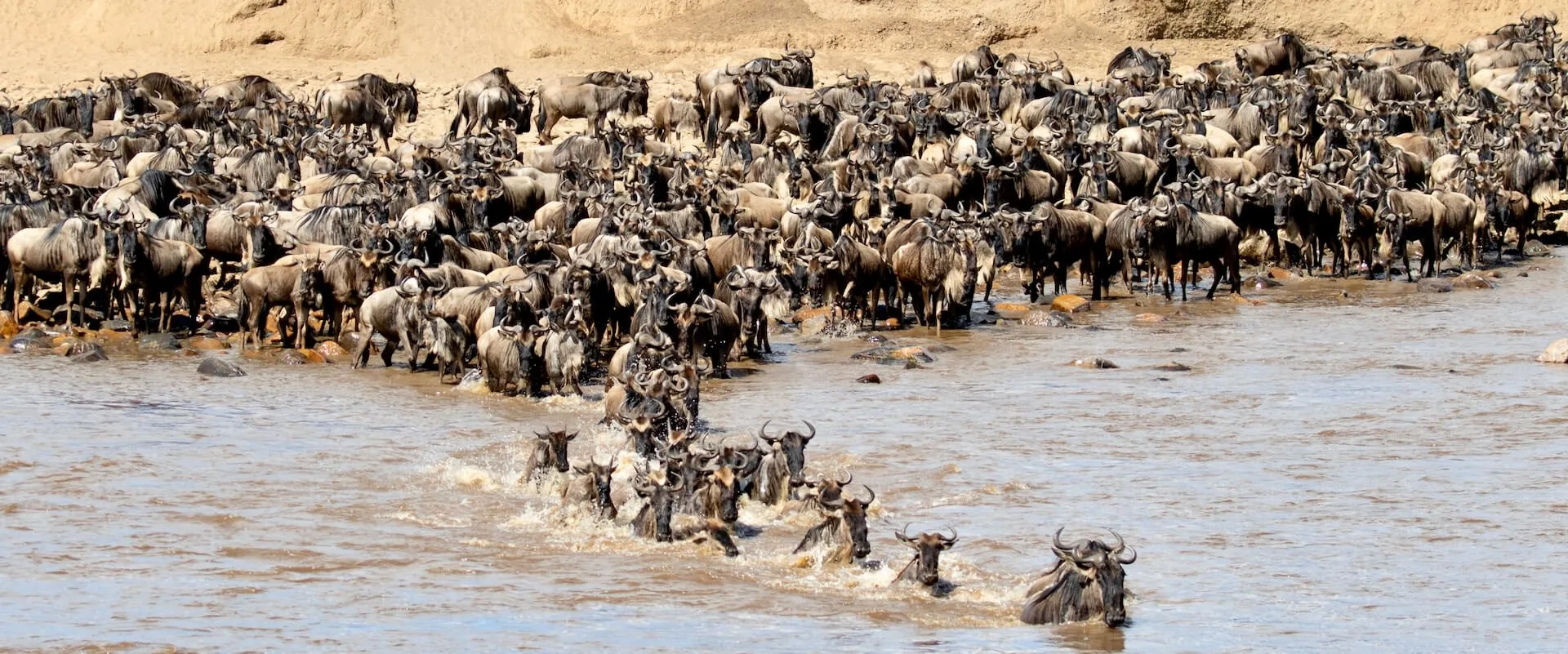
The Great Migration in Africa happens all year because the herds continuously circulate through the Serengeti–Mara ecosystem in…
Read article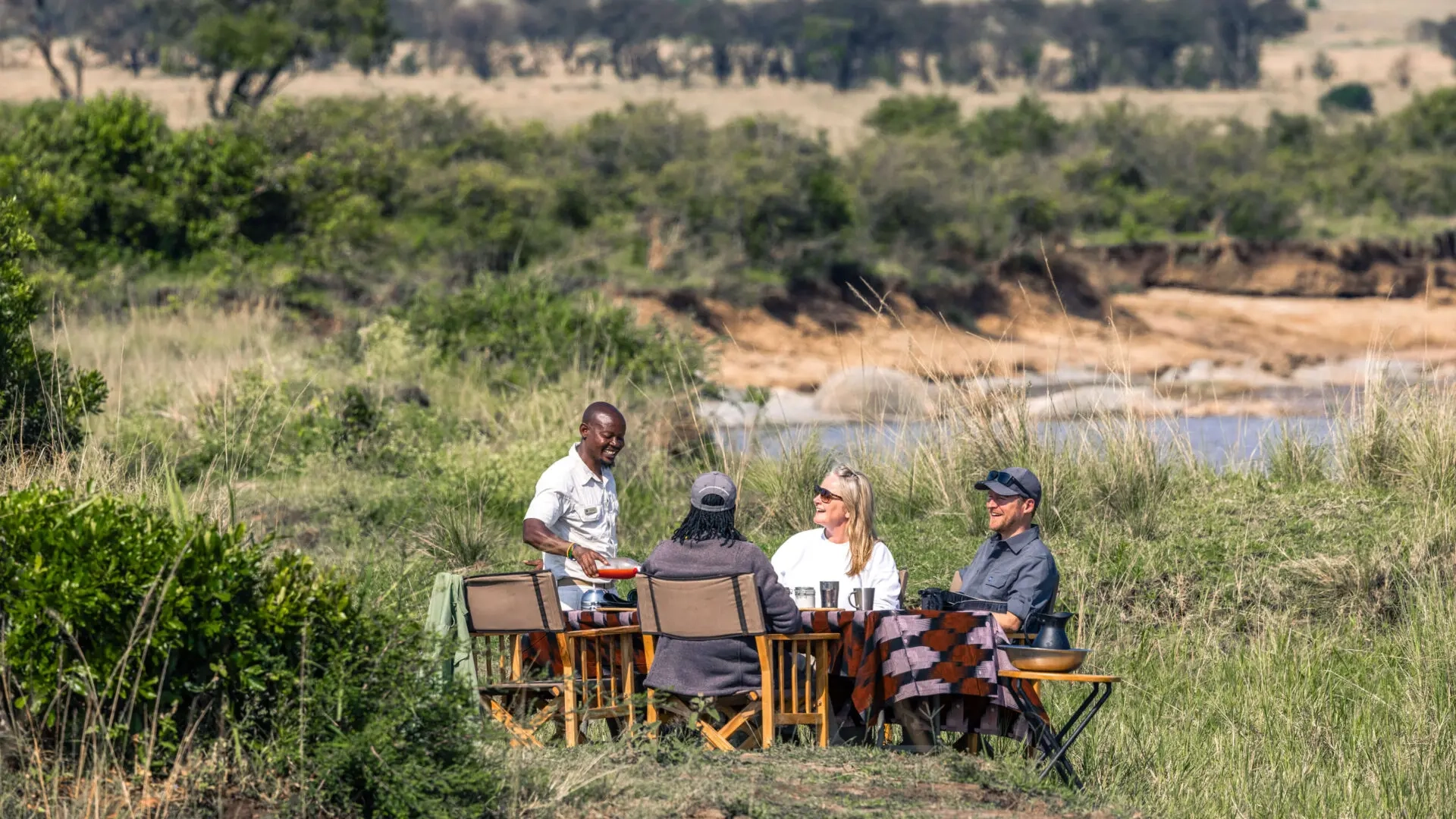
Definitive answer: A picnic lunch on safari is a packed or catered midday meal eaten at an approved…
Read article
Definitive answer: A bush dinner is an outdoor evening meal arranged in a safe safari setting away from…
Read articleLet us take you closer to the wildlife, people and places that make Africa extraordinary.
Plan Your Safari Today