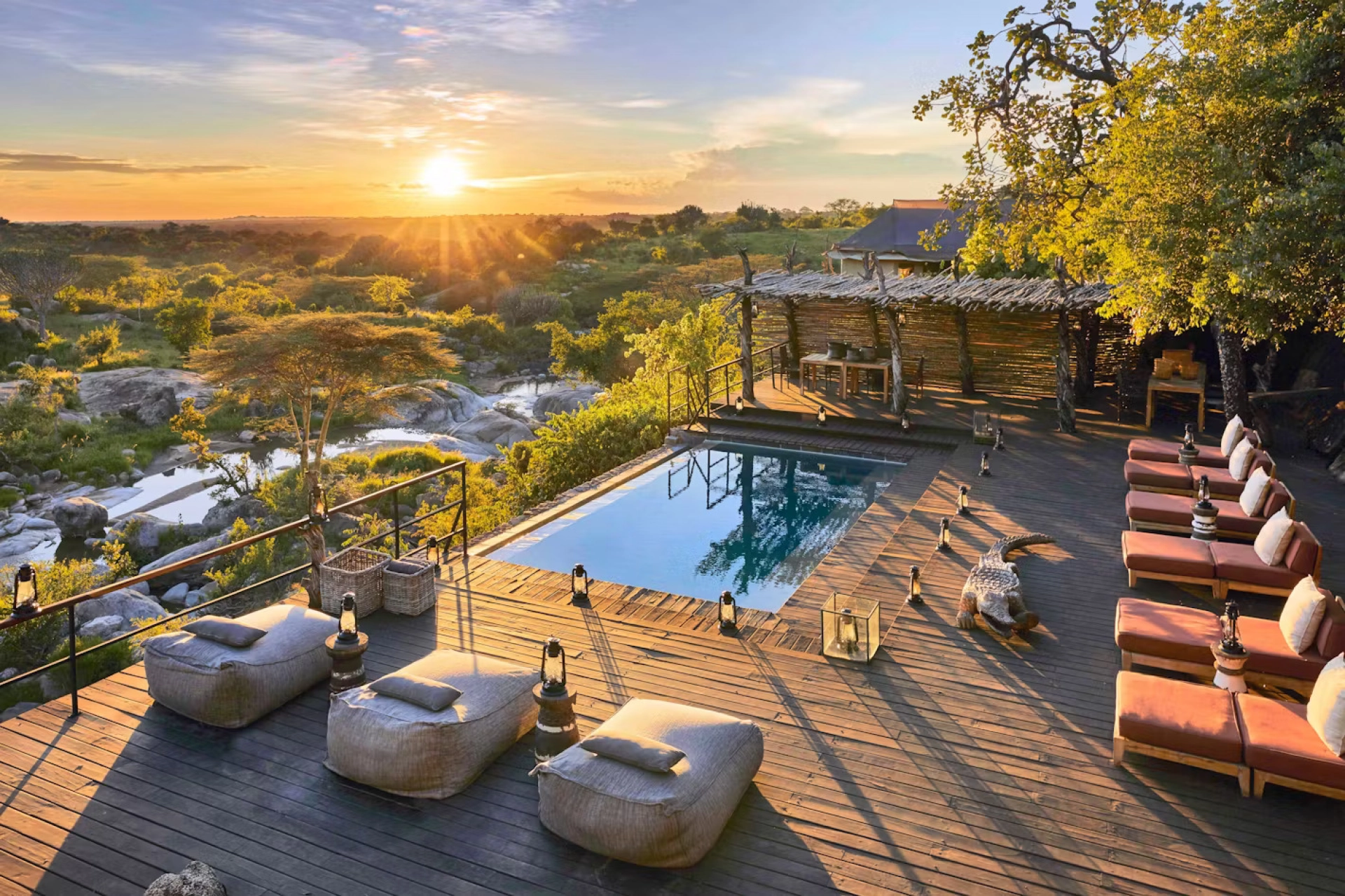
What should I look for when booking a luxury African safari?
When booking a luxury African safari, look beyond the room and compare the quality of guiding, wildlife location,…
Read article

Travel Guide
The cost of a Namibia safari can range from a surprisingly manageable self-drive adventure to an extremely luxurious fly-in journey using remote desert lodges, private guides and charter aircraft. That enormous variation explains why travellers researching…
The cost of a Namibia safari can range from a surprisingly manageable self-drive adventure to an extremely luxurious fly-in journey using remote desert lodges, private guides and charter aircraft. That enormous variation explains why travellers researching how much a Namibia safari costs often find contradictory answers. One website may describe Namibia as one of Africa’s most affordable safari destinations. Another may advertise a trip costing several thousand dollars per person for only a week.
Both can be correct. The difference is how the safari is designed. Namibia gives travellers unusual control over their budgets because the country is exceptionally well suited to self-drive safaris. Instead of being required to use charter flights and fully inclusive remote camps, travellers can rent a vehicle, stay in guesthouses or campsites and explore many major destinations independently. At the other end of the market, Namibia also contains extraordinary luxury desert lodges, private reserves, scenic flights and exclusive guided experiences capable of turning the same basic itinerary into a premium journey.
So the most useful question is not simply, “How much does a Namibia safari cost?” It is: What kind of Namibia safari do you want? Are you camping? Driving yourself? Using comfortable midrange lodges? Hiring a private driver-guide? Flying between remote properties? Planning a honeymoon? Travelling with children? Spending ten days or three weeks? Visiting only Sossusvlei and Etosha or extending into the Skeleton Coast and far northwest? Each decision changes the final Namibia safari price. This guide explains those variables in depth and shows how to build a realistic Namibia safari budget for 2026 without sacrificing the experiences that make the country special.
Safari pricing is often misunderstood because travellers compare trips that are not genuinely comparable.
A fourteen-day self-drive journey using midrange guesthouses is not the same product as a fourteen-day private guided safari with premium lodges. A campsite near Etosha cannot be compared directly with an exclusive desert lodge where meals, activities and private guiding are included. Likewise, a rental vehicle carrying four travellers may become economical when its cost is divided among the group, while the same vehicle can feel expensive for a solo traveller.
The cost of a Namibia safari is therefore shaped by several interconnected decisions. Accommodation matters. Transport matters. Travel season matters. The number of travellers matters. Meal plans matter. Park fees matter. Optional activities matter. And, perhaps most importantly, the geographical ambition of the itinerary matters. Namibia is enormous. Every extra destination creates additional fuel, vehicle time and often another accommodation night.
Rather than presenting one misleading figure, it is more useful to think in broad daily travel categories.
A budget Namibia safari might use camping, simple guesthouses, a standard rental vehicle and self-catering. Travellers pay directly for fuel, park entrance and selected activities. A midrange Namibia safari usually combines a suitable self-drive vehicle or guided transport with comfortable lodges, private rooms, restaurant meals and organised activities in places such as Sossusvlei, Swakopmund, Damaraland and Etosha. A luxury Namibia safari may involve private guides, premium desert camps, charter flights, scenic flights and exclusive conservancy experiences. These styles can travel through the same landscapes but produce completely different final prices.
Exact prices change according to season and operator, but broad planning ranges help establish expectations.
A highly cost-conscious camping or backpacking-style trip may be possible at relatively low daily cost when expenses are shared. A comfortable midrange Namibia self-drive safari can easily move into several hundred US dollars per person per day once vehicle hire, fuel, lodge accommodation, meals and activities are included. Luxury safaris can exceed that substantially. At the premium end, exclusive lodges and fly-in arrangements can cost well over a thousand dollars per person per day. Instead of building the budget from one headline number, calculate each component separately. This produces a far more accurate result.
Accommodation can become either one of Namibia’s greatest savings opportunities or one of its largest expenses.
This is because the range is unusually broad. At one extreme, Namibia has excellent campsites. At the other, it has architecturally spectacular desert lodges in remote wilderness. Between them lies a huge midrange sector of guesthouses, lodges, hotels, farm stays and safari properties.
A budget Namibia safari can become remarkably affordable by camping.
Namibia has a strong camping culture and many well-established campsites. Some are connected to national parks. Others belong to private farms or lodges. Camping does more than save money. It can also improve the experience. Sitting outside beneath Namibia’s enormous night sky, hearing distant wildlife and watching the temperature drop after sunset can become a memorable part of the journey. Official Namibia Wildlife Resorts rates illustrate just how broad the accommodation spectrum can be: government-run camping and basic lodging can be dramatically cheaper than private luxury properties. However, campers must consider more than the campsite fee. Vehicle equipment, food, refrigeration, cooking equipment and additional luggage can add expenses.
For many travellers, midrange Namibia safari lodges provide the best balance. You retain comfort without paying premium-luxury rates. Expect private rooms, en-suite bathrooms, reliable beds and access to restaurants. Some properties include breakfast. Others offer dinner packages. The location often matters more than room size. Paying slightly more for accommodation close to Sossusvlei, for example, may allow better early-morning access and reduce driving. Similarly, staying inside or immediately around Etosha National Park can make wildlife viewing significantly more efficient.
At the premium end, Namibia contains lodges where accommodation itself becomes a major travel experience. Architects frequently design buildings around desert views. Rooms may include private plunge pools. Activities can be private. Meals may be elaborate. Remote properties sometimes rely on light-aircraft transfers. These experiences can be exceptional, but they fundamentally alter the Namibia safari cost.
For self-drive travellers, vehicle hire is one of the most important budget categories. Namibia is particularly suited to road travel, but choosing the right vehicle matters. A standard vehicle may work for certain established itineraries. A high-clearance vehicle can improve comfort on gravel. A fully equipped 4×4 camping vehicle costs substantially more but can replace both transportation and accommodation. This means the cheapest-looking rental is not always the cheapest overall solution.
Travellers often assume a Namibia 4×4 rental is mandatory. It is not. Many classic tourism routes are accessible without serious off-road driving. However, much of Namibia’s road system away from major highways is gravel. Official Namibia tourism guidance notes that the majority of the country’s roads are gravel and recommends allowing additional driving time and reducing speeds accordingly. A sturdier vehicle can therefore provide practical benefits even when four-wheel drive itself is rarely engaged.
A rooftop-tent vehicle may appear expensive when looking only at the rental rate. But if it eliminates hotel costs for several nights, the total economics change. For two or four travellers, a Namibia camping safari can become one of the country’s strongest budget options.
Do not choose rental insurance based only on the cheapest premium. Namibia’s gravel roads create real risks involving tyres, windscreens and underbody damage. Understand precisely what is covered. A cheap rental can become extremely expensive if the insurance policy leaves you responsible for common road damage.
Fuel is often underestimated because travellers look at the map and think only about hotel costs. Namibia is vast. A classic route linking Windhoek, Sossusvlei, Swakopmund, Damaraland and Etosha covers substantial distance. Add the Skeleton Coast, Fish River Canyon or Zambezi region and total kilometres increase dramatically. Fuel becomes especially important for larger 4×4 vehicles. This is why efficient routing can save more money than choosing a slightly cheaper hotel.
Adding a destination several hundred kilometres away may create two extra travel days, hundreds of kilometres of fuel and another accommodation night. The cost is not simply the attraction entrance fee. It is the entire geographical detour.
Park fees are another important budget item. Travellers visiting Etosha National Park, Namib-Naukluft National Park, Skeleton Coast protected areas and other government-managed sites need to account for entrance and vehicle charges. Namibia Wildlife Resorts’ current booking terms make an important distinction: accommodation charges and national park entrance fees are not necessarily the same thing. Park entrance and usage fees may be charged separately, often on both a per-person and per-vehicle basis.
This is why a Namibia safari quotation should clearly state whether park fees and conservation fees are included. A lodge rate that appears cheaper may not remain cheaper after park charges are added.
Travellers sometimes view conservation fees as annoying additions. They should be understood differently. Protected areas require roads, rangers, anti-poaching programmes, infrastructure, wildlife management and visitor services. A portion of your safari budget supports the landscapes and wildlife you travelled to experience.
Food can be a relatively small or surprisingly substantial part of a Namibia trip. Self-catering campers can shop in major towns and prepare their own meals. Guesthouses may include breakfast. Safari lodges may operate on dinner-bed-and-breakfast or fully inclusive packages. Remote properties may offer little alternative because there are no nearby restaurants. The key is to check meal plans carefully. A room costing slightly more but including breakfast and dinner may ultimately be better value than a cheaper property requiring restaurant spending twice each day.
Windhoek, Swakopmund and other larger towns are useful places to stock up. Remote fuel stations may carry limited food options at higher prices. Plan shopping strategically rather than buying expensive convenience items every day. Carry drinking water and emergency food, particularly when travelling through remote areas.
One of the pleasures of a self-drive Namibia safari is that travellers do not need to pay for a guide every day. You can drive yourself through Etosha. You can explore many scenic areas independently. However, some experiences become dramatically better with local expertise. Examples include living desert tours near Swakopmund, desert-adapted elephant tracking, rhino tracking, cultural experiences and specialised photography trips. A good strategy is therefore selective guiding. Drive yourself between destinations, then pay for specialists where their knowledge transforms the experience. This produces better value than either extreme: paying for a private guide throughout or refusing all guided activities simply to reduce costs.
Optional activities can quietly increase a Namibia safari budget. Swakopmund alone may tempt travellers with scenic flights, desert tours, kayaking, quad biking, sandboarding and marine excursions. Sossusvlei flights add another premium activity. Damaraland may include tracking. Luxury lodges offer additional excursions. Each activity can be excellent. The problem arises when travellers book everything. A safari does not become better merely because every hour is filled with a paid excursion. Prioritise experiences that are genuinely difficult to replicate independently.
A scenic flight over the Namib Desert, for example, reveals a scale impossible to appreciate from the road. That may justify its premium cost more than another generic short activity.
Travellers who do not want to self-drive can book a private Namibia safari with a driver-guide. This substantially changes the price. You are paying not only for transport but for a professional’s time, knowledge, accommodation, meals and operational expenses. The advantage is convenience. The guide handles navigation, gravel roads, logistics and interpretation. For first-time visitors uncomfortable with remote self-driving, the additional cost can be worthwhile. Photography groups and families also benefit from dedicated vehicles.
A scheduled group Namibia safari often falls between budget self-drive and private guided travel. Vehicle and guide costs are shared among multiple travellers. This can make guided travel significantly more affordable. Group tours are particularly attractive for solo travellers because renting an entire vehicle independently can be expensive. The trade-off is reduced flexibility. Departure times, accommodation and activity schedules are determined by the group itinerary.
Solo travel changes the economics significantly. A couple divides car rental and sometimes accommodation costs. Four travellers divide vehicle expenses even further. A solo traveller absorbs those costs alone. This is why scheduled group departures can provide particularly good value for singles. Alternatively, solo visitors can use smaller rental vehicles and simpler accommodation. Many lodges also charge single supplements, which should be considered before assuming the advertised per-person-sharing rate applies.
Couples are well positioned economically. Vehicle costs are shared between two travellers. Double rooms often represent better value per person than singles. A Namibia honeymoon safari can therefore be designed across a surprisingly broad budget range. Spend modestly on self-drive transport and then allocate extra money to two or three memorable lodges. This “mixed accommodation” approach often provides better value than staying luxury throughout.
Families can achieve strong value if children share rooms or family units. A rental vehicle cost is distributed across multiple passengers. However, families may need larger vehicles. Family rooms can also be limited during busy periods. Book early. The best Namibia family safari does not need expensive private activities every day. Children often enjoy dunes, wildlife waterholes, swimming pools and simple outdoor exploration as much as elaborate excursions.
A honeymoon budget should focus on experiences that actually create intimacy and atmosphere. A private plunge pool overlooking desert scenery may be worth paying for. A remote lodge for two nights may be worth more than upgrading every hotel. A scenic flight may create a lifelong memory. Luxury should be concentrated strategically. This approach can produce an outstanding Namibia honeymoon without turning the entire itinerary into an ultra-premium safari.
Etosha National Park can be explored at several price levels. Budget travellers can camp or stay in government-run facilities and drive themselves. Midrange visitors can use lodges outside the park and enter daily. Luxury travellers can combine private reserves and premium accommodation. The wildlife does not know how much you paid. A traveller waiting at a public waterhole can potentially see the same elephant herd as somebody staying in a far more expensive room. Where premium spending helps is comfort, guiding, location and exclusivity rather than guaranteed wildlife.
Sossusvlei pricing depends heavily on accommodation location. Properties closest to the main desert access areas often command premium rates because they provide geographical advantages. Staying farther away may save money on the room but increase travel time. Luxury properties may include private desert activities or scenic experiences. Budget travellers can use camping or simpler accommodation. Again, value should be measured across the whole experience. Saving money on a distant lodge makes little sense if it causes you to miss the best morning light.
Swakopmund often becomes a budget reset point. Accommodation competition is greater than in remote desert regions. Restaurants offer choices across different price ranges. Travellers can decide exactly how many optional activities they want. A quiet day walking around town and along the coast costs very little. An activity-heavy day involving scenic flights and adventure excursions can become one of the most expensive days of the safari. The town therefore gives travellers substantial control over spending.
Damaraland is more remote. Accommodation can become more expensive because lodges require greater logistical support. Some regions have limited competition. Guided desert-adapted elephant tracking or rhino activities increase costs further. But Damaraland is also one of the destinations where paying for specialist guiding can add substantial value. The landscape appears empty until somebody who understands it begins reading tracks, dry river systems and wildlife movement.
The Skeleton Coast can be explored partly by road, but the most exclusive remote sections are associated with specialised access and premium lodges. This is where Namibia safari costs can rise dramatically. Travellers on moderate budgets can experience accessible coastal areas without booking the most remote luxury itineraries. Do not assume the only meaningful Skeleton Coast experience requires the most expensive available package.
Travellers extending toward Fish River Canyon, Lüderitz and Kolmanskop should budget primarily for additional driving. Distances are substantial. Fuel and extra nights accumulate. This is another example of geography driving safari cost. A hotel might be affordable, yet the detour itself adds several days.
A seven-day trip requires concentration. A realistic route might focus on Sossusvlei and Swakopmund, or Etosha and nearby northern regions. Trying to include everything leads to excessive driving. Because the trip is short, vehicle and flight costs are distributed across fewer days. This means the daily cost can sometimes be surprisingly high even though the total trip is shorter.
Ten days gives considerably more flexibility. A first-time route could combine: Windhoek, Sossusvlei, Swakopmund, Damaraland, and Etosha. This is active but possible with careful planning. The largest budget categories will normally be vehicle hire, accommodation and fuel.
Two weeks is one of the strongest durations for a Namibia safari itinerary. Fixed vehicle costs are spread over a longer period. Travellers can slow down and reduce the need for expensive domestic flights. There is also greater flexibility to mix accommodation styles. For example, camp for several nights, use midrange lodges for most of the trip and upgrade for Sossusvlei or Damaraland. This blended strategy can produce exceptional value.
Three weeks opens much more of the country. You might add southern Namibia or extend northeast toward the Zambezi region. The total cost naturally increases, but the average daily value may improve because international airfare remains the same. For travellers flying long distances to Africa, adding days can sometimes make more sense than trying to compress the itinerary.
Botswana is generally more expensive at the premium end because many top safari camps are remote and reached by light aircraft. The Okavango Delta in particular is associated with a high-value, low-volume safari model. Namibia gives travellers more self-drive flexibility. This makes Namibia versus Botswana safari costs one of the most significant differences between the neighbouring countries. Botswana may produce more intensive wildlife viewing. Namibia often provides stronger value for road-trip landscapes.
South Africa has perhaps the widest safari price range on the continent. Public Kruger National Park self-drive safaris can be affordable. Ultra-luxury private reserves can be extremely expensive. Namibia behaves similarly in having both budget and premium options, although longer driving distances can increase vehicle costs.
A private Kenya safari often involves driver-guide costs and relatively significant park fees. Namibia allows more independent travel. Kenya provides the classic East African savannah experience. Namibia provides a landscape-focused self-drive journey. The two should not be compared only by price because the experience is fundamentally different.
Uganda’s safari economics are heavily influenced by gorilla permits when mountain gorilla trekking is included. A Namibia safari has no equivalent single expensive permit. However, vehicle distances and accommodation can accumulate over a longer road trip. Combining Namibia with Uganda creates an extraordinary itinerary but should be budgeted as two different safari styles.
Saving money should not mean reducing every experience to the cheapest possible version. The objective is to remove spending that adds little value while protecting the activities that make the trip memorable.
For confident drivers, self-driving can create enormous savings. Instead of paying for a professional guide every day, drive independently between major destinations and hire specialist guides only when their expertise genuinely improves the experience. Use guides for desert wildlife tours, tracking, cultural visits and specialised nature interpretation. This hybrid model often provides the best balance between independence and expertise.
Do not stay at the same price level every night. There is little reason to pay premium lodge rates for a simple overnight stop where you arrive at sunset and depart immediately after breakfast. Spend less on transit nights. Upgrade where the property itself contributes to the experience. This might mean camping near Etosha for several nights and choosing a luxury desert lodge for Sossusvlei. You remember the special property while keeping the overall budget under control.
Namibia’s vehicle-based travel model rewards small groups. A rental vehicle costing the same total amount becomes much cheaper per person when divided among four travellers rather than one. Fuel follows the same principle. Family and friends travelling together can therefore reduce the per-person Namibia safari cost substantially.
This may be the most underestimated savings strategy. Every unnecessary 400-kilometre detour costs fuel, time and accommodation. Do not add attractions simply because they look close on a map. A tighter route produces more time at each destination and lower costs. For a first visit, concentrating on Sossusvlei, Swakopmund, Damaraland and Etosha is usually better than trying to add every remote corner of the country.
You do not need to cook every meal. That can become tedious. Instead, buy breakfast supplies, snacks and lunch ingredients while eating dinner at the lodge or restaurant. This can reduce food expenditure significantly without making the holiday feel like a camping expedition if that is not your preferred style.
Choose one or two premium activities rather than everything. If a Namib Desert scenic flight is a dream experience, book it. Then skip three less-important paid excursions. Budgeting is about priorities, not deprivation.
Shoulder-season travel can offer good value, but the lowest room price does not always produce the best safari. If your primary objective is Etosha wildlife, season matters. If photography is the priority, weather and light matter. If your preferred lodge is unavailable, compromise may create a weaker itinerary. Look for the point where price and experience intersect rather than automatically choosing the cheapest month.
Advance booking can be particularly valuable during popular travel periods. The issue is not always that remaining rooms become more expensive. Sometimes cheaper room categories simply sell out first. The same applies to rental vehicles. A traveller booking late may be forced into a more expensive vehicle because the suitable midrange option is unavailable. Planning early increases choice.
A Namibia safari package can provide better value than individually booking every component, particularly when an operator has contracted accommodation rates. Packages also reduce logistical work. However, compare inclusions carefully. Does the price include park fees? Vehicle? Fuel? Activities? Meals? Airport transfers? A low headline package price may exclude major components.
Independent travellers can sometimes save by booking directly. However, the time required to coordinate fifteen nights, a rental vehicle, park access and activities should be considered. A good safari operator can also design more efficient routing, potentially saving money indirectly by eliminating unnecessary travel days.
A transparent quotation should show accommodation, meal plan, vehicle, guide arrangements, park fees, activities and transfers. It should also specify exclusions. International flights, visa costs where applicable, tips, personal purchases, travel insurance and optional excursions are commonly separated. Never compare two quotations based only on the bottom line. Compare what they actually contain.
A very small rental car may save money but become uncomfortable over thousands of kilometres of gravel roads. Similarly, choosing minimal insurance to reduce the upfront price can create substantial risk. Value matters more than the lowest number. A reliable higher-clearance vehicle may justify its extra cost through comfort and reduced stress.
Cheap accommodation far from major attractions can also cost more in practice. Consider Sossusvlei. An inconvenient property may require earlier waking, longer driving and more fuel. The traveller who saved on the hotel might lose the best sunrise access. Price and location must always be considered together.
Shorter does not always mean cheaper in practical terms. If you attempt to visit five major regions in seven days, you may spend most of the holiday driving. Vehicle and fuel costs remain high while actual experience time falls. Adding two or three nights can increase the total price but dramatically improve value.
Include gratuities in the budget, particularly when using guides or lodge staff. Tipping practices vary by property. A self-drive traveller may have relatively limited gratuity expenses. A private guided safari will involve more direct service. Treat tipping as part of travel planning rather than an unexpected final-day expense.
Travel insurance should be considered essential rather than optional. A Namibia itinerary may involve: remote roads, rental vehicles, adventure activities, and isolated lodges. Medical evacuation from remote areas can be expensive. The cheapest insurance policy is not necessarily appropriate. Read exclusions carefully.
International roaming can become unnecessarily expensive. Local SIM or eSIM options may reduce costs where compatible. However, Namibia’s remote areas have limited coverage regardless of provider. Do not pay for large data packages expecting city-level connectivity throughout the country. Use offline maps.
Long trips can reduce luggage size by using lodge laundry services. Luxury lodges may include laundry. Other properties charge. Campers can hand wash. This is a small budget category but useful for travellers planning two or three weeks with limited baggage.
Photography can create its own expenses. Extra memory cards, batteries, camera cleaning, beanbags and specialist vehicle arrangements may add cost. Serious photographers may want a private vehicle in Etosha. That can be worthwhile because shared passengers may not want to remain at one waterhole for two hours waiting for perfect light.
For many travellers, yes. The Namib Desert is difficult to understand fully from the ground. Aerial perspective reveals enormous dune systems, dry river channels and the desert-ocean relationship. But scenic flights are premium experiences. If the budget is tight, decide whether aerial photography matters more than other activities. There is no obligation to book one simply because travel blogs describe it as essential.
Yes, particularly for travellers comfortable with self-driving and camping. Few major safari destinations provide such independence. However, Namibia is not automatically cheap. Long distances generate real fuel and vehicle costs. Budget travel works best when the itinerary is geographically disciplined.
Extremely. The country may be at its best in the midrange category. Comfortable guesthouses and lodges are widely available. Self-drive provides independence. Selected guided activities add depth. You can experience most major attractions without paying ultra-luxury prices.
Yes. The value of luxury Namibia lies in privacy, access and location. A lodge overlooking immense desert scenery can provide a profound sense of isolation. Private aircraft reduce long drives. Specialist guides improve interpretation. Luxury travellers should focus spending on exclusivity rather than simply expensive rooms.
Extremely low prices deserve examination. Conservation requires funding. Guides require fair wages. Vehicles require maintenance. Remote lodges have high operational costs. A safari price should support the ecosystems and people involved. Responsible travel is not about paying unnecessarily high rates, but neither should it depend on unrealistic cost cutting.
Usually, yes. Camping can reduce accommodation costs substantially. However, travellers may need a more expensive vehicle and camping equipment. Calculate the whole package. A campsite plus costly fully equipped 4×4 may occasionally approach the cost of a smaller vehicle plus inexpensive guesthouse. Run the numbers rather than assuming.
Yes, through group tours or private guided safaris. However, public transport is not designed around a typical tourism circuit linking remote parks and lodges. Most leisure travellers either rent a vehicle or join organised transport.
It can be. Car hire and single-room supplements increase the per-person cost. Group tours can provide better economics for solo visitors.
Not necessarily. Vehicle costs are shared across family members. Family rooms can provide good value. Self-catering also reduces meal expenses. The biggest issue is choosing a vehicle with adequate space.
Popular periods can increase accommodation demand. Some lodges operate seasonal pricing. Rental vehicle availability may tighten. Book early if your dates are fixed.
Seasonal rains can bring lower visitor numbers in some areas and potentially attractive accommodation rates. Landscapes can become greener. Birdlife can improve. Etosha wildlife may become more dispersed because animals have greater access to water. There are advantages and disadvantages. Travel season should be chosen according to priorities.
Instead of paying midrange rates every night, think strategically. For example, spend several nights camping or using simple guesthouses. Upgrade for two nights near Sossusvlei. Use comfortable midrange accommodation in Swakopmund. Stay somewhere special in Damaraland. Return to affordable options around Etosha if necessary. The trip then contains memorable luxury moments without luxury pricing every day.
This depends heavily on prepaid inclusions. If vehicle, accommodation and major activities are already paid, daily spending may cover: fuel, meals, drinks, tips, small entrance charges, and souvenirs. Carry both payment cards and some cash. Remote connectivity can fail.
Namibia uses the Namibian dollar, while the South African rand circulates widely at equivalent value. Travellers moving between South Africa and Namibia therefore find currency logistics relatively straightforward. ATMs are available in larger towns. Do not rely on finding them in remote areas.
A Namibia and Botswana safari increases the budget substantially if premium Okavango camps are included. Botswana’s best safari areas often use fly-in logistics and fully inclusive camps. One budgeting strategy is to travel independently through Namibia, then allocate the premium portion of the holiday to several nights in the Okavango Delta. This creates excellent contrast while keeping the whole journey manageable.
Victoria Falls can be added through a northeastern Namibia and Botswana route. The trip becomes longer, so transport and accommodation costs rise. But if you are already travelling from Europe, North America or Asia, adding several regional days may offer better value than returning on a separate trip.
Travellers seeking Africa’s strongest ecological contrasts can combine Namibia with Uganda gorilla trekking. Namibia provides deserts, Etosha and remote road travel. Uganda adds rainforests, primates and Bwindi Impenetrable National Park. The gorilla permit becomes a major additional cost, but the resulting journey is exceptional.
A similar combination can involve Rwanda gorilla trekking. Rwanda’s compact geography reduces transfer time, making it convenient for travellers adding a short primate-focused extension after a longer Namibia safari.
For independent travellers, Namibia usually offers greater control over costs. Botswana is stronger for intensive high-end wildlife tourism. Namibia is stronger for self-drive landscapes. Neither is universally better value. It depends on what you want to experience.
South Africa may offer cheaper overall food and accommodation options in major cities because the market is larger. Namibia compensates with exceptional self-drive access to wilderness landscapes. A combined Cape Town to Namibia road trip can provide excellent value.
For popular travel months, six to twelve months ahead is sensible, particularly if you want specific lodges. Highly specialised luxury properties may require even earlier planning. Travellers with flexible accommodation standards can book later, but choice reduces.
One of Namibia’s greatest lessons is that the best experiences are not always expensive. Watching sunrise turn dunes orange costs little once you are there. Sitting at an Etosha waterhole for three hours does not require a luxury activity. Driving through Damaraland reveals extraordinary landscapes without a ticket booth every fifty kilometres. Watching stars from a campsite can be as memorable as staying at a premium lodge. Namibia rewards time more than constant spending. This makes it possible to design an outstanding journey without purchasing every optional experience.
The answer depends entirely on the safari you build. Namibia can be a budget self-drive safari destination. It can be an exceptionally comfortable midrange road trip. It can also become an ultra-luxury fly-in safari. That flexibility is one of the country’s greatest advantages. Instead of beginning with the cheapest package available, decide which experiences matter most. If wildlife is the priority, allocate enough time to Etosha National Park. If landscape photography matters most, prioritise Sossusvlei, Deadvlei and Damaraland.
If adventure matters, invest in a suitable vehicle. If comfort matters, upgrade strategically. If the budget is tight, camp and self-drive. The smartest Namibia safari does not spend equally everywhere. It spends where money creates genuine value. Save on transit nights. Spend on extraordinary locations. Drive independently where practical. Hire expert guides where their knowledge changes the experience. Skip optional activities that do not genuinely excite you. And above all, avoid trying to see the entire country too quickly. Namibia’s greatest luxury is space. Give yourself enough time to experience it.
Adventure in the Wild Safaris can help design multi-country African journeys connecting Namibia with Botswana, Victoria Falls, South Africa and East Africa. A carefully planned Namibia safari itinerary can balance cost and comfort while preserving the country’s most important desert and wildlife experiences.
Get quick answers to the most common questions. If you still have questions, our safari experts are here to help.
Costs vary enormously according to travel style, with self-drive camping at the lower end and premium fly-in lodges at the highest end.
It can be expensive, but self-driving gives travellers more control over costs than in many remote African safari destinations.
Yes. Camping, self-catering and self-driving can reduce costs significantly.
Generally, Namibia is easier to explore on a moderate budget, particularly because self-driving is practical.
It depends on the itinerary, but Namibia allows travellers to avoid full-time private guide costs through self-driving.
The total depends on accommodation, park entrance, vehicle charges, meals and whether you self-drive or use guided activities.
Not always. Government accommodation and national park entrance charges can be separate.
Costs range from camping and simple lodges to premium desert resorts.
Not for every classic itinerary, although higher clearance can be useful on gravel roads.
Vehicle rental is a significant expense, but sharing the vehicle between two to four travellers reduces per-person cost.
Fuel can become a major budget category because Namibia involves long driving distances.
Usually, although a fully equipped camping vehicle can cost more to rent.
Private guiding increases the cost because the traveller covers the guide, vehicle and associated operational expenses.
Often, especially for solo travellers because vehicle and guide costs are shared.
This depends on whether you choose scenic flights, tracking experiences, adventure activities and guided tours.
For travellers interested in landscapes and photography, a Namib Desert scenic flight can be one of the trip’s most memorable premium activities.
Self-drive, mix accommodation levels, share vehicles, design an efficient route and prioritise only your most important paid activities.
Yes, especially for peak periods and popular lodges.
Yes. Couples can combine affordable self-drive sections with selected luxury properties.
It can be, because vehicle costs are distributed across several family members and self-catering reduces meal expenses.
The final amount depends on vehicle, accommodation and activities rather than duration alone, but ten days generally provides enough time for a compact first-time circuit.
A two-week itinerary can range from relatively affordable camping to very expensive premium lodge travel. It is one of the best durations for balancing transport costs with meaningful destination time.
Carry some local currency even if most larger expenses are paid by card.
That depends on the property. Always check the meal plan when comparing rates.
Not always, particularly on self-drive itineraries.
Yes. Medical, cancellation and vehicle-related risks make appropriate insurance important.
For small groups comfortable with camping, sharing a fully equipped vehicle and using campsites can be very economical.
For many travellers, a self-drive trip using mostly midrange accommodation with a few selected guided activities provides the strongest balance between cost, comfort and experience.
Our safari experts are here to help you plan your safari. Get personalized advice, the latest information and a free, no-obligation quote.
We typically reply within a few hours.

Share This Article
When booking a luxury African safari, look beyond the room and compare the quality of guiding, wildlife location,…
Read article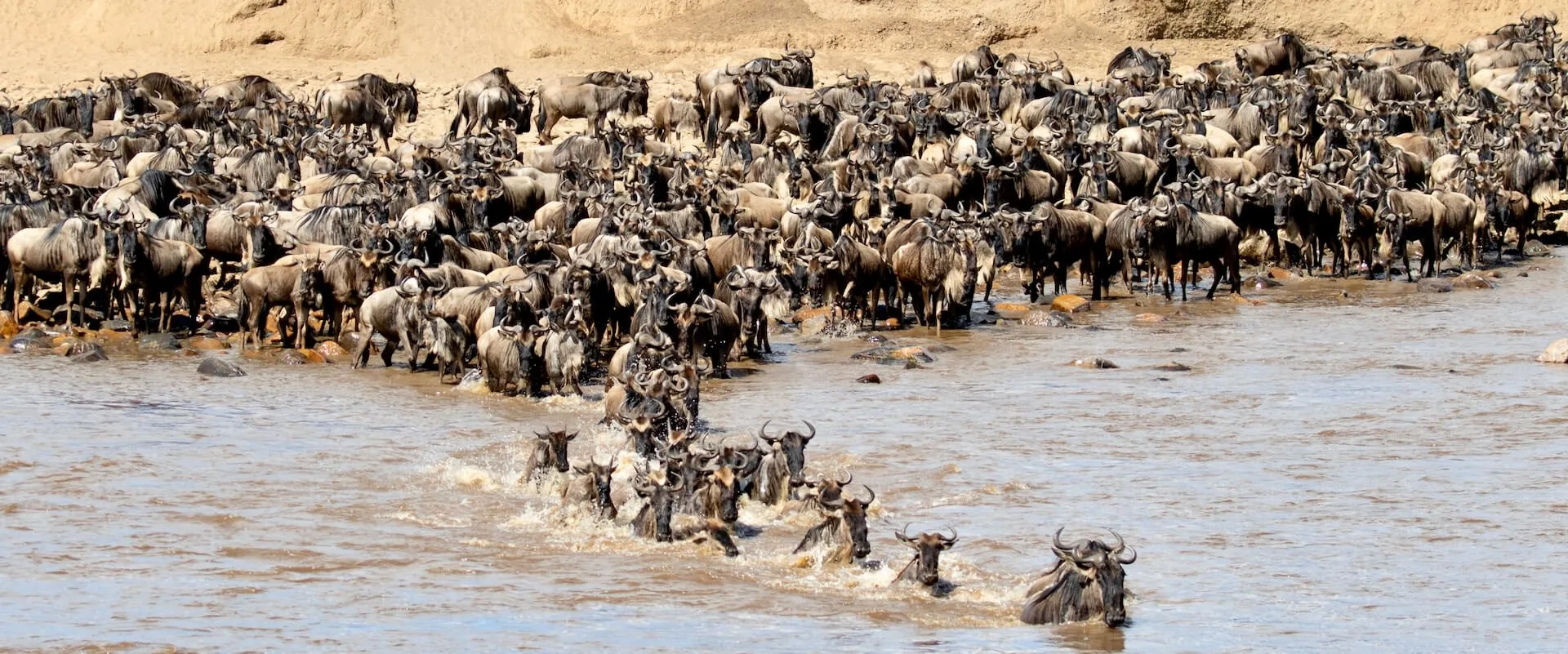
The Great Migration in Africa happens all year because the herds continuously circulate through the Serengeti–Mara ecosystem in…
Read article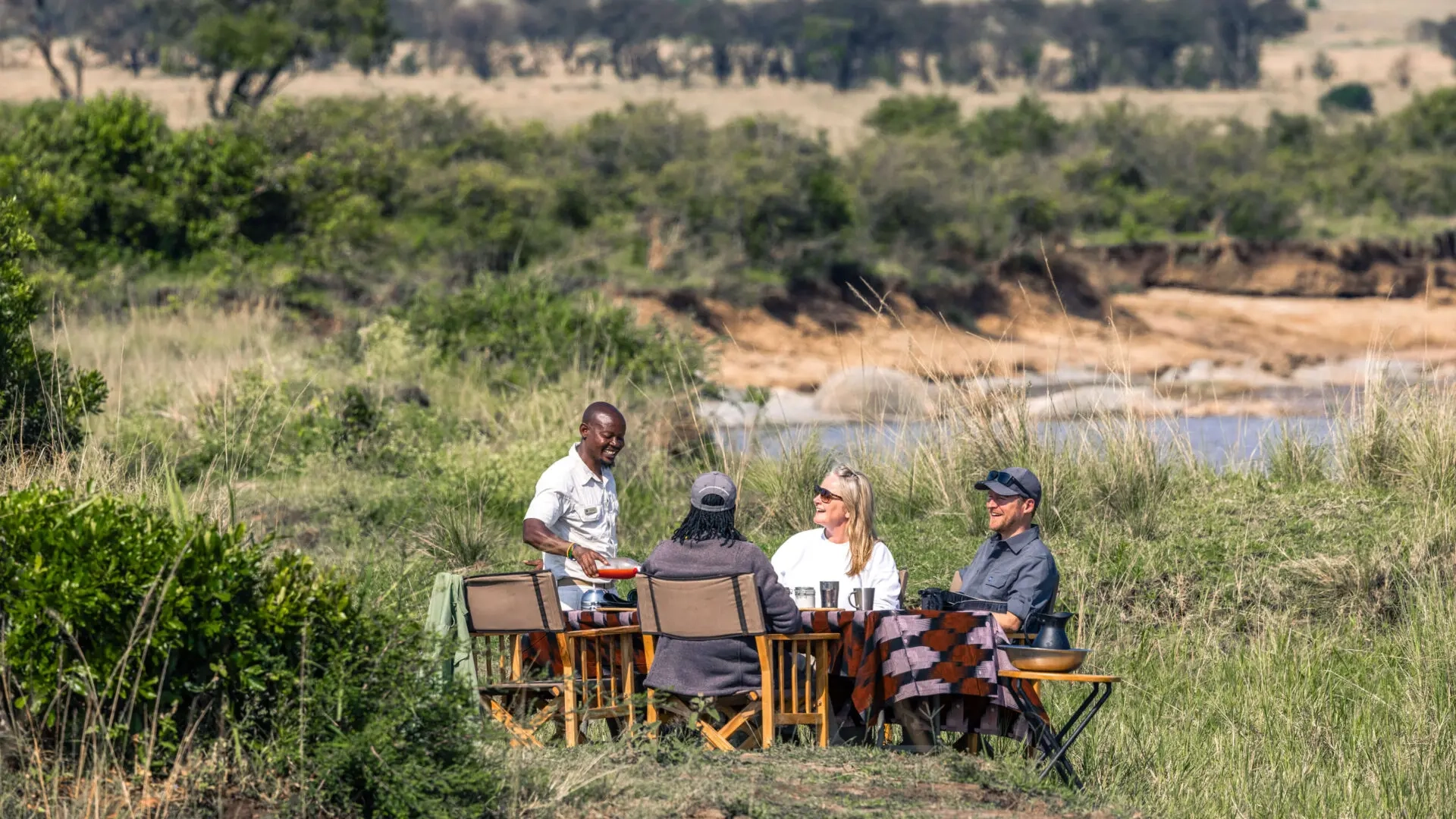
Definitive answer: A picnic lunch on safari is a packed or catered midday meal eaten at an approved…
Read article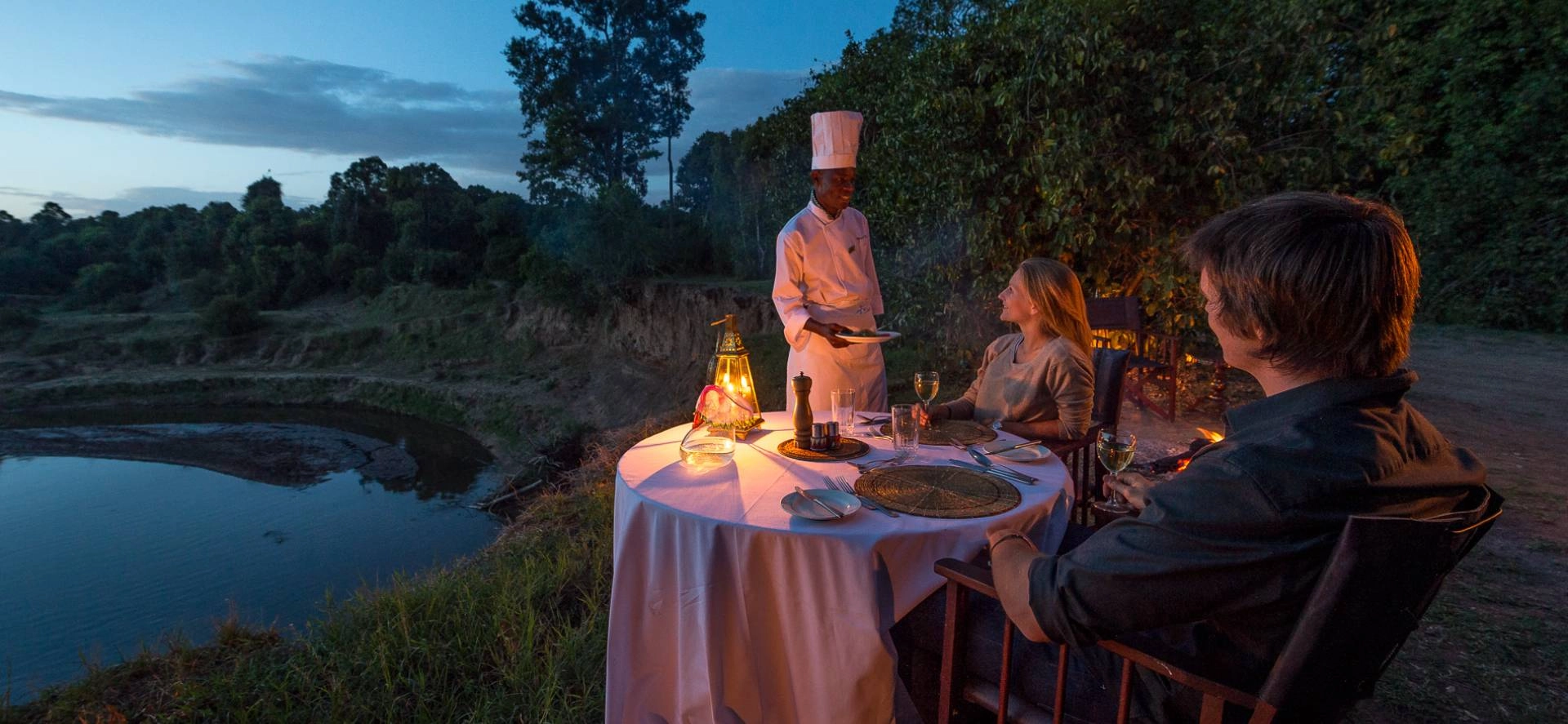
Definitive answer: A bush dinner is an outdoor evening meal arranged in a safe safari setting away from…
Read articleLet us take you closer to the wildlife, people and places that make Africa extraordinary.
Plan Your Safari Today