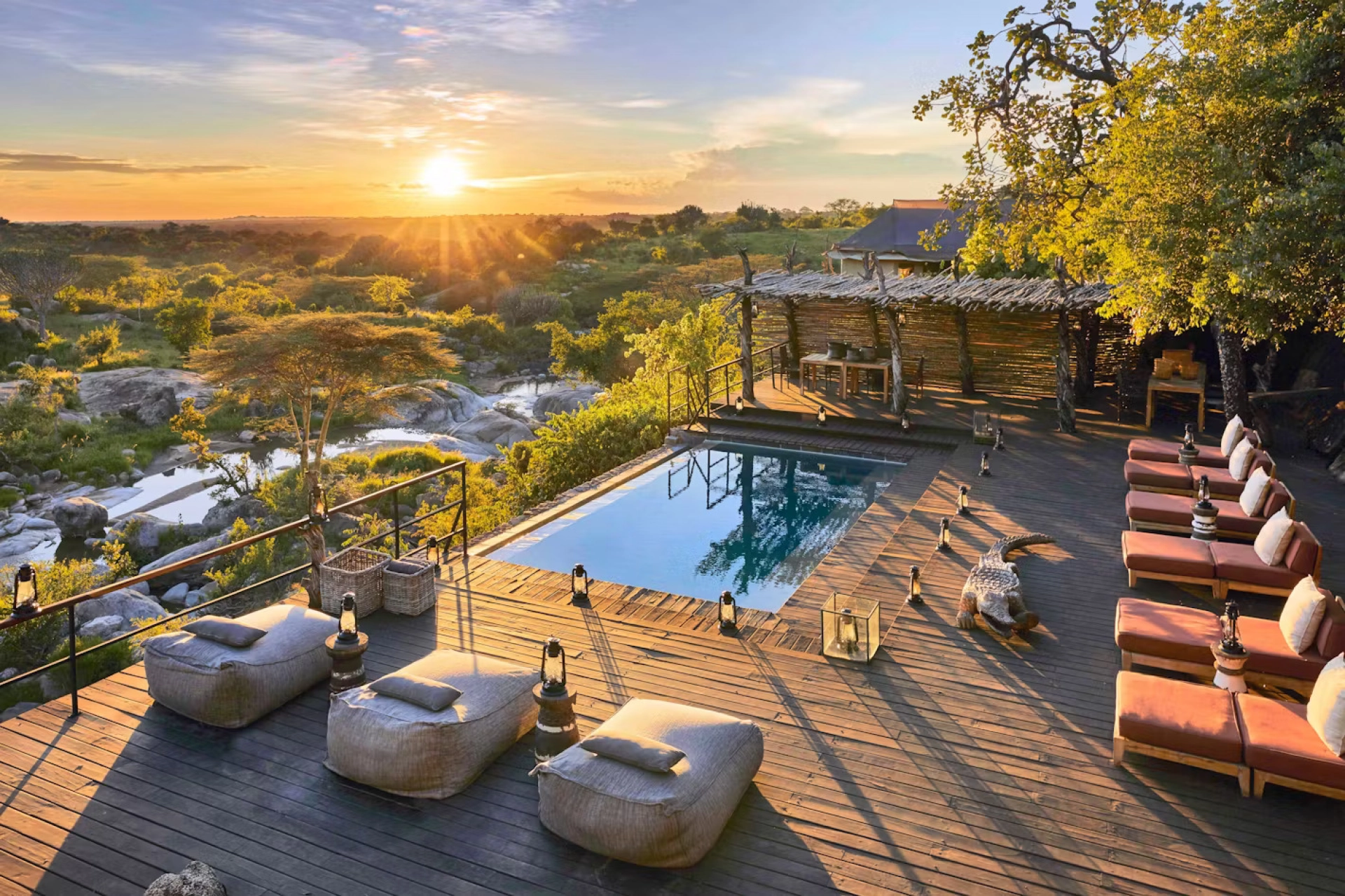
What should I look for when booking a luxury African safari?
When booking a luxury African safari, look beyond the room and compare the quality of guiding, wildlife location,…
Read article

Travel Guide
A safari in Eswatini can cost considerably less than many travellers expect. Compared with famous safari destinations such as Botswana's Okavango Delta, luxury private reserves around Kruger National Park, or high-end fly-in safaris elsewhere in southern…
A safari in Eswatini can cost considerably less than many travellers expect. Compared with famous safari destinations such as Botswana’s Okavango Delta, luxury private reserves around Kruger National Park, or high-end fly-in safaris elsewhere in southern Africa, Eswatini offers one of the region’s most accessible combinations of wildlife, culture, scenery and adventure. The country is compact. Driving distances are relatively short. Several important wildlife reserves are easy to combine. There are accommodation options ranging from simple campsites and self-catering units to comfortable lodges and more exclusive safari properties.
This flexibility means an Eswatini safari cost can be adapted to many different travel budgets. A budget-conscious traveller using a rental car, simple accommodation and self-guided activities can explore the country relatively affordably. A couple wanting private game drives, comfortable lodges, guided rhino experiences and private transfers will spend more. A luxury safari becomes more expensive again, particularly when private guiding, premium accommodation and exclusive activities are included. So, how much does an Eswatini safari cost?
There is no single answer. Your final price depends on: accommodation level, number of safari days, private versus shared activities, self-drive versus guided transport, which wildlife reserves you visit, meal arrangements, whether you combine Eswatini with South Africa, and the type of cultural experiences you include. This comprehensive Eswatini safari cost guide breaks down those expenses in practical terms so you can decide what kind of trip fits your budget.
One of Eswatini’s greatest financial advantages is geography.
The country is small. You do not need expensive domestic flights to move between major tourism areas. Transfers are shorter than in countries such as Namibia or Botswana. Several important attractions can be reached within a few hours of one another. This keeps transport costs manageable. Another advantage is that Eswatini is not built entirely around luxury tourism. Travellers can choose between: budget accommodation, self-catering chalets, guesthouses, camping, comfortable safari lodges, and more premium properties. This makes it possible to build a genuinely flexible Eswatini safari budget.
A typical trip may combine some of the following:
Hlane Royal National Park Mkhaya Game Reserve Mlilwane Wildlife Sanctuary Ezulwini Valley Lobamba Mantenga Cultural Village Malolotja Nature Reserve Sibebe Rock craft centres, guided cultural experiences, horse riding, walking, mountain biking, and cross-border combinations with Kruger National Park. The more private and guided activities you add, the more the total increases.
A practical way to estimate the trip is by travel style rather than looking for one fixed package price.
A budget traveller may rely on:
self-drive transport, simple guesthouses, self-catering accommodation, camping, shared game drives, and fewer private experiences. This can make Eswatini one of southern Africa’s more affordable wildlife destinations.
A typical midrange Eswatini safari may include:
comfortable lodges, private rooms, breakfast and dinner, guided game drives, cultural activities, and perhaps private transfers between selected destinations. This is likely to be the most popular option for international safari travellers.
A luxury Eswatini safari may include: premium accommodation, private guiding, exclusive wildlife experiences, fine dining, private transfers, spa facilities, and customised itineraries. Eswatini has fewer ultra-luxury safari properties than Botswana or the Greater Kruger region, but comfortable high-end travel is certainly possible.
Understanding where your money goes makes it easier to control the cost. The largest expenses are usually: accommodation, transport, guided safari activities, park or reserve fees, meals, and optional experiences. International flights are normally separate.
Accommodation is one of the most important variables. Eswatini caters for multiple travel styles.
Travellers on a budget Eswatini safari can use: campsites, backpacker-style accommodation, simple guesthouses, self-catering chalets, and basic rooms. These options are particularly useful for self-drive visitors. Cooking some meals independently can reduce costs further.
Midrange properties offer significantly more comfort. Expect: private bathrooms, comfortable rooms, restaurants or meal options, well-maintained grounds, and convenient access to tourism activities. This category provides excellent value for couples and families.
More expensive accommodation may offer: larger rooms, private decks, better dining, highly personalised service, spa facilities, and premium locations. However, do not assume that the most expensive property automatically provides the best wildlife experience. In safari travel, location and guiding quality often matter more than room luxury.
Hlane Royal National Park is one of Eswatini’s best-known wildlife destinations. Travellers often include Hlane because it provides a more conventional game-viewing experience than some of the country’s smaller reserves. Depending on current wildlife distribution and activity choice, visitors may encounter species such as elephants, rhinos, giraffes and various antelopes. Birdlife is also rewarding.
Options have historically ranged from simple camping to rustic lodge accommodation. This makes Hlane attractive for travellers who want an authentic wildlife setting without paying Greater Kruger luxury-lodge prices.
Guided game drives add to the cost but can be worthwhile. A knowledgeable guide can interpret tracks, behaviour, vegetation and wildlife movements in ways self-driving visitors may miss. Specialised rhino-focused drives or other guided experiences may carry different prices.
For many travellers, yes. Hlane can provide a substantial Eswatini wildlife safari experience without the high prices associated with some private reserves elsewhere in southern Africa.
Mkhaya Game Reserve is often one of the more structured and guided wildlife experiences in Eswatini. It is particularly well known for conservation and rhino encounters. The reserve can feel more exclusive because visitor access and activities are more controlled.
Mkhaya is not simply a place where most visitors drive around independently. Guided experiences form an important part of the visit. This increases the cost compared with a fully self-drive destination, but it also increases the interpretive value.
One of Mkhaya’s strongest attractions is its association with rhino conservation. Guided activities can provide powerful opportunities to learn about wildlife protection, tracking and conservation challenges. For many travellers, this is worth allocating extra budget.
Staying inside or near the reserve can transform a short visit into a deeper safari experience. Overnight visitors experience the atmosphere after day visitors leave. This often becomes one of the most memorable parts of an Eswatini trip.
Mlilwane Wildlife Sanctuary offers a different safari experience. Rather than focusing only on vehicle-based Big Five viewing, Mlilwane is associated with outdoor activities. Depending on current options, visitors may be able to explore on foot, bicycle or horseback. This can make Mlilwane particularly attractive to active travellers.
Self-guided exploration or lower-cost activities can make Mlilwane suitable for travellers controlling expenses. The sanctuary also works well for families. Because there are fewer dangerous predators in some visitor-use areas than in classic Big Five reserves, walking and cycling can become part of the experience. Always follow official guidance and activity rules.
A horseback safari in Eswatini adds an extra expense, but the experience is unique. Moving quietly through natural landscapes on horseback provides a completely different perspective from sitting inside a vehicle.
A self-drive Eswatini safari can significantly reduce the overall budget. Travellers often rent a vehicle in South Africa and enter Eswatini by road. This works particularly well when the trip forms part of a broader South Africa and Eswatini itinerary.
Prices vary according to: vehicle category, rental duration, insurance, cross-border permissions, collection location, and season. A standard vehicle may be sufficient for many paved routes. A 4×4 can provide greater flexibility but is not automatically necessary for every itinerary. Always confirm road conditions and reserve access requirements.
If renting a vehicle in South Africa, the rental company may charge for cross-border documentation. This should be arranged in advance. Do not arrive at the border assuming any rental car can automatically be taken into Eswatini.
Shorter driving distances help control fuel costs. This is a major difference compared with a Namibia self-drive safari, where travellers can cover enormous distances.
Travellers who do not want to drive can arrange private transfers. This is more expensive than self-driving, but it removes navigation, border and vehicle concerns. Private transfers are especially useful for: older travellers, honeymooners, families, travellers uncomfortable driving abroad, and visitors combining Eswatini with organised South African tours.
A dedicated guide increases costs further but adds value. The guide can explain history, culture and landscapes while handling logistics. For travellers interested in cultural tourism rather than simply moving between lodges, this can be worthwhile.
Game drives are usually priced according to: duration, private versus shared format, reserve, vehicle type, and guide level. A shared game drive is normally cheaper. A private game drive provides greater flexibility. Photographers often prefer private vehicles because they can spend longer positioning for particular subjects. Families may also benefit because departure times and pacing can sometimes be adapted.
Culture is one of Eswatini’s strongest tourism assets. Travellers can explore: Lobamba, Mantenga Cultural Village, local craft centres, traditional dance, markets, and major events such as Umhlanga when dates align. These experiences are generally less expensive than premium safari activities. That makes cultural tourism an excellent way to add depth without dramatically increasing the budget.
Choose cultural experiences that provide genuine local benefit. Paying for an organised community-linked activity can be far more meaningful than trying to access communities independently.
Food costs depend strongly on accommodation type. A self-catering traveller can buy groceries and control the budget. Midrange lodges may include breakfast. Safari properties may include half-board or full-board. Luxury packages may include most meals.
Two properties with similar nightly rates may have very different total costs. One might include: breakfast, dinner, game drives, and park access. Another may include only the room. Compare the total package rather than room price alone.
Protected areas normally charge some form of entrance or conservation fee. These fees contribute to reserve operations and conservation. Do not treat them as unnecessary extras. Wildlife tourism depends on: rangers, road maintenance, habitat management, security, anti-poaching operations, and visitor infrastructure. Exact fees can change, so confirm current rates at booking.
Tipping should be considered part of the safari budget. For guided experiences, travellers may wish to tip: safari guides, trackers where applicable, drivers, hotel porters, and lodge staff. Eswatini does not require one universal fixed amount. Use lodge guidance and reward good service.
A proper safari budget should include travel insurance. Coverage should ideally include: medical emergencies, trip cancellation, delays, luggage, and relevant activities. If planning horse riding or other adventure activities, confirm whether they are covered.
A 3-day Eswatini safari is suitable for travellers integrating the country into a South African road trip. The total cost depends on style. A budget version may use: self-drive, simple accommodation, Mlilwane, cultural attractions, and one guided game drive. A midrange option might combine: comfortable accommodation, Mlilwane, Hlane, guided wildlife activities, and selected meals. A premium version might include: private transfers, higher-end accommodation, Mkhaya, private guiding, and personalised cultural experiences.
Five days allows much more meaningful exploration. A strong itinerary might include: Ezulwini Valley, Mlilwane Wildlife Sanctuary, Hlane Royal National Park, and Mkhaya Game Reserve. This gives travellers culture, scenery and multiple wildlife experiences. A five-day itinerary will cost more overall than three days, but the value per day may improve because transport is used more efficiently.
Seven days is ideal for travellers who want to slow down. Add: Malolotja, Sibebe, craft centres, cultural activities, walking, horse riding, and additional wildlife time. A week allows you to understand Eswatini rather than simply pass through it.
A budget traveller should prioritise: self-drive, camping or simple guesthouses, self-catering, public or shared activities, longer stays in fewer places, and carefully selected paid experiences. Avoid changing hotels every night. Every move creates fuel costs and consumes time.
Midrange travel offers an excellent balance. Use: comfortable lodges, a rental car or shared transfers, guided game drives, quality cultural activities, and a mix of included and restaurant meals. For most international travellers, this provides strong value.
Luxury travellers can include: private driver-guide, premium rooms, Mkhaya experiences, private activities, spa treatments, premium dining, and onward private transfers into South Africa. The final figure can vary enormously depending on whether the trip is standalone or part of a larger luxury southern Africa safari.
A frequent question is whether Eswatini is cheaper than Kruger National Park. The answer depends on the style of Kruger experience. A public Kruger self-drive safari using rest camps can be affordable. A stay in a luxury Sabi Sand safari lodge can cost dramatically more. Eswatini often sits comfortably in the middle. It offers genuine wildlife experiences without requiring private-reserve luxury pricing.
Botswana is generally much more expensive at the premium end. Remote Okavango Delta camps often rely on light-aircraft transfers and exclusive lodge models. Eswatini is easier to access overland. This makes it attractive to travellers wanting an African safari on a moderate budget.
Namibia can also be excellent for self-drive travel. However, distances are far greater. Fuel and vehicle use can therefore become more significant. Eswatini’s compact geography is a major cost advantage.
Uganda and Eswatini offer very different experiences. Uganda’s most famous activity, gorilla trekking, requires a permit that becomes a major portion of the safari price. Eswatini has no equivalent high-cost permit. However, Uganda offers primates and tropical ecosystems that Eswatini cannot. Combining both creates extraordinary variety.
A private Kenya safari may involve longer distances, higher park fees and major wildlife reserves. Eswatini is smaller and easier to explore affordably. Kenya offers a more classic big-game safari with areas such as Masai Mara National Reserve and Amboseli National Park. Eswatini is better treated as a complementary cultural and wildlife destination rather than a direct substitute.
Yes. The country is particularly attractive to budget travellers because of: short distances, self-drive possibilities, affordable guesthouses, camping, lower-cost activities, and easy integration with South Africa.
Very. In fact, midrange travellers may get the strongest value. You can stay comfortably, book guided activities and enjoy excellent wildlife experiences without needing an ultra-luxury budget.
Yes, although the luxury scene is smaller than in Botswana or Greater Kruger. Luxury travellers should focus on: private guiding, exclusive experiences, high-quality accommodation, and personalised routing rather than expecting dozens of ultra-luxury camps.
A Kruger and Eswatini safari is one of the best-value multi-destination itineraries in southern Africa. Spend several nights in Kruger for intensive wildlife viewing. Then enter Eswatini for: culture, scenery, crafts, and smaller reserves. This reduces repetition and adds cultural depth.
Another strong option is: Kruger, Eswatini, Hluhluwe-iMfolozi Park, and the KwaZulu-Natal coast. This creates a diverse overland safari without expensive regional flights.
Yes. Families can balance wildlife with shorter, more interactive activities. Mlilwane can be particularly appealing because of outdoor possibilities. Cultural experiences also add educational value. Short driving distances are another advantage for children.
A honeymoon in Eswatini can be surprisingly good value. Couples can combine: comfortable lodges, private wildlife activities, scenic drives, horse riding, cultural experiences, and romantic stays. Add Greater Kruger for a more luxurious wildlife component.
Photographers should consider whether a private safari vehicle is worth the additional cost. It often is. A shared vehicle may require moving when other guests are ready. A private vehicle allows time for: behaviour, light, composition, and specific wildlife interests. The additional expense can substantially improve a dedicated wildlife photography safari.
The best savings come from itinerary design. Stay longer in fewer places. Self-drive where comfortable. Travel outside peak holiday periods. Choose shared activities instead of private ones. Mix simple accommodation with one premium lodge. Book experiences that genuinely matter to you. Avoid paying for every optional activity simply because it is available.
Some savings are false economy. Do not compromise on: vehicle safety, travel insurance, qualified guides, responsible wildlife experiences, or appropriate accommodation location. Saving money is useful only when it does not undermine the safari.
A transparent quotation should clearly state: accommodation, meal plan, transport, entrance fees, activities, guides, transfers, and taxes. It should also identify exclusions. Possible exclusions include: international flights, visa expenses where applicable, travel insurance, tips, alcohol, optional activities, and personal purchases.
Ask: Is transport private or shared? Which meals are included? Are park fees included? Are game drives included? Is the vehicle cross-border authorised? Does the price include cultural activities? Are tips excluded? What happens if an activity is unavailable? These questions help compare safari quotes properly.
The cheapest itinerary is not necessarily the best-value itinerary. A slightly more expensive lodge may include: meals, activities, park fees, and a much better location. A cheap hotel far from your intended activities can create additional driving costs. Always compare the entire trip.
Part of your safari payment supports conservation and employment. This is important. If wildlife reserves cannot fund rangers, habitat management and local jobs, wildlife tourism cannot function sustainably. Extremely cheap activities should sometimes raise questions. Who is being paid? Are qualified guides being used? Does the reserve benefit? Does the community benefit? Responsible safari pricing should support the people and landscapes involved.
For travellers combining South Africa, the answer is often yes. Eswatini adds experiences that are different from simply spending additional nights in another South African game reserve. You gain: Swazi culture, craft traditions, mountains, smaller wildlife sanctuaries, rhino-focused conservation, and an additional country. This variety can dramatically improve a southern African itinerary.
There is no single universal Eswatini safari price. A self-drive camping journey and a private guided luxury safari are entirely different products. Instead of asking only, “How much does an Eswatini safari cost?” ask: What type of experience do I want? How much guiding do I need? How important is accommodation luxury? Do I want wildlife, culture or both? Will I self-drive? Am I combining the trip with South Africa?
Once those questions are answered, building the budget becomes much easier. Eswatini’s greatest advantage is flexibility. Travellers can experience wildlife and culture without committing to the very high costs associated with some famous southern African safari destinations. For budget travellers, it offers accessibility. For midrange travellers, it offers excellent value. For luxury travellers, it offers personalised experiences and a distinctive cultural contrast with major private reserves. That makes Eswatini one of southern Africa’s most useful additions to a wider safari journey.
Adventure in the Wild Safaris can help combine Eswatini with a broader African journey including South Africa, Kruger National Park, Uganda, Rwanda, Kenya or Tanzania. A thoughtfully designed multi-country itinerary can balance safari costs while combining very different landscapes, wildlife and cultural experiences.
Get quick answers to the most common questions. If you still have questions, our safari experts are here to help.
The price varies according to accommodation, activities, transport and whether you self-drive or use a private guide.
Compared with premium Botswana or luxury Greater Kruger safaris, Eswatini can be relatively affordable.
Yes. Self-drive travel, camping, simple guesthouses and shared activities can keep costs manageable.
Accommodation, transport and guided wildlife activities usually account for the largest expenses.
Hlane can be relatively affordable compared with luxury private reserves, particularly if using simpler accommodation.
Mkhaya can cost more than some self-drive destinations because its safari experience is more guided and controlled.
Yes. Mlilwane can work very well for budget and family travellers.
Not necessarily. It depends on the exact route and current road conditions.
Usually yes, but you must arrange cross-border permission with the rental company.
Sometimes. Always check the quotation.
It depends on the accommodation package.
Not always. Some properties include activities while others price them separately.
Generally, yes, particularly compared with premium Okavango Delta safaris.
It depends on the Kruger safari style. Public self-drive Kruger can be inexpensive, while private reserves can be far more costly.
Eswatini’s shorter distances can reduce transport and fuel costs.
Yes. Short transfer distances and diverse activities make it family-friendly.
Yes. This is one of the most popular and logical regional combinations.
Three days provides a brief introduction, while five to seven days gives a more complete experience.
International flights, travel insurance, tips, personal expenses and optional activities are often excluded.
A gratuity is appreciated for good service.
Many cultural attractions are relatively affordable compared with major safari activities.
For travellers interested in history, culture and personalised logistics, a private guide can add substantial value.
Self-drive, stay longer in fewer places, use midrange accommodation and prioritise only the activities that matter most.
Yes. It introduces culture, scenery and additional wildlife experiences without requiring a long flight.
For many international travellers, a midrange Eswatini safari offers the strongest balance between cost and comfort.
Our safari experts are here to help you plan your safari. Get personalized advice, the latest information and a free, no-obligation quote.
We typically reply within a few hours.

Share This Article
When booking a luxury African safari, look beyond the room and compare the quality of guiding, wildlife location,…
Read article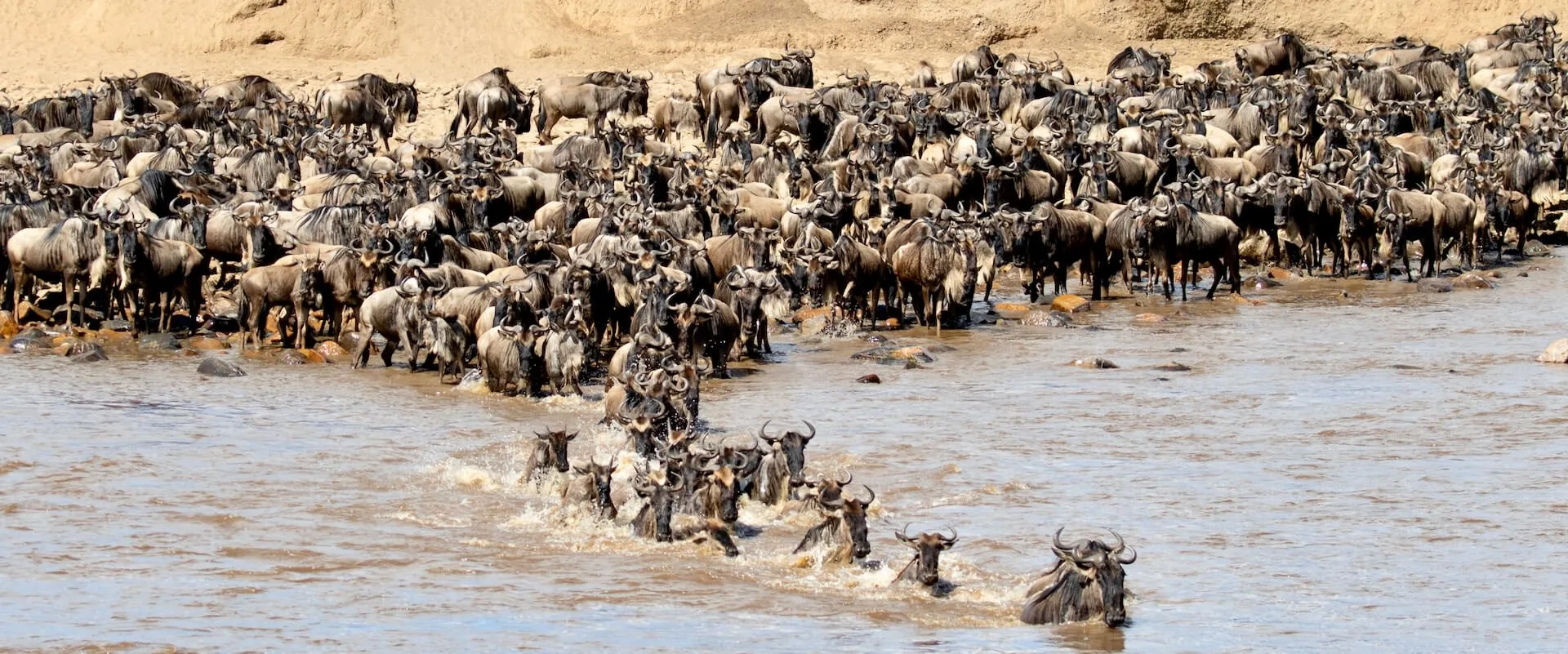
The Great Migration in Africa happens all year because the herds continuously circulate through the Serengeti–Mara ecosystem in…
Read article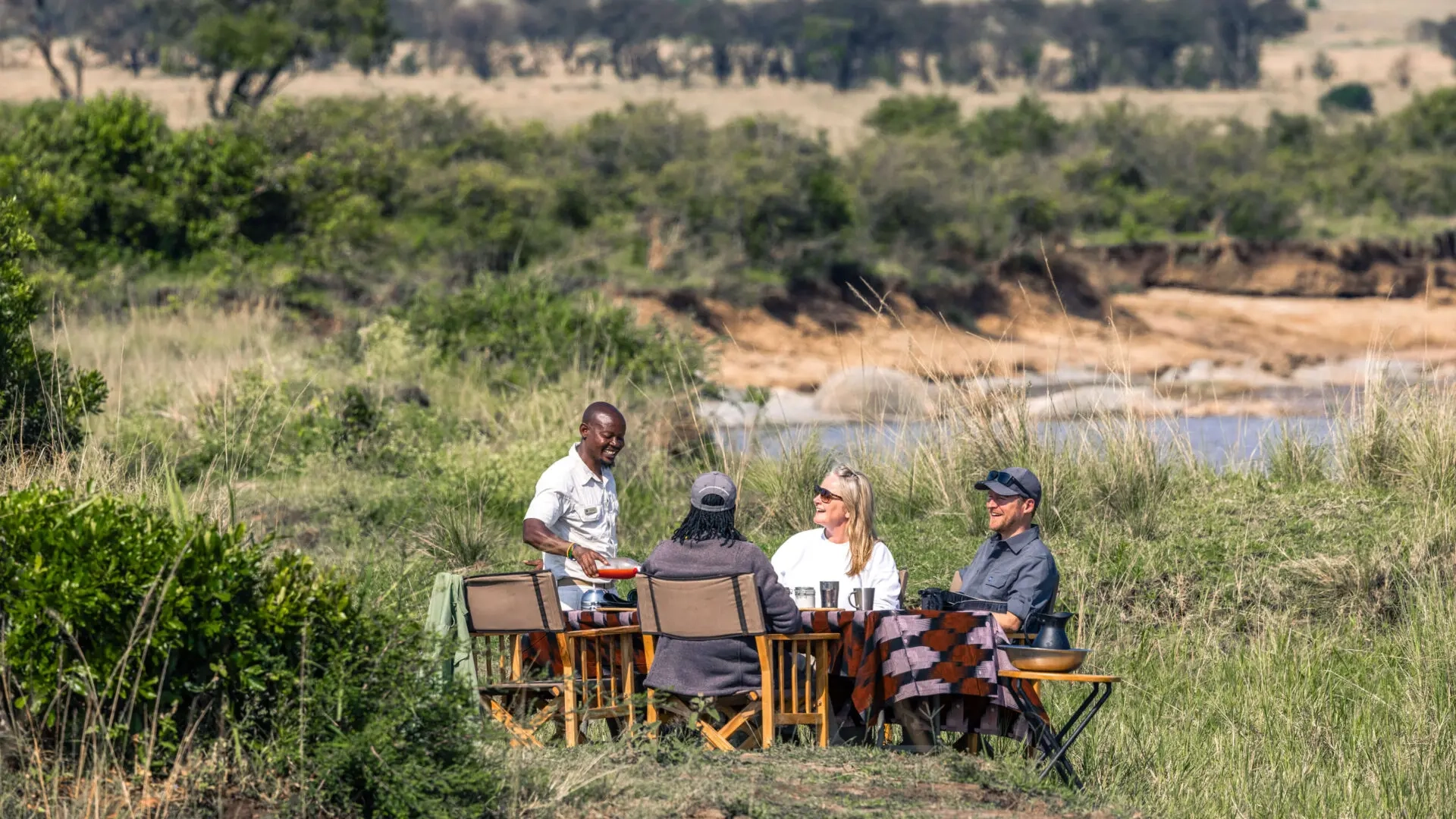
Definitive answer: A picnic lunch on safari is a packed or catered midday meal eaten at an approved…
Read article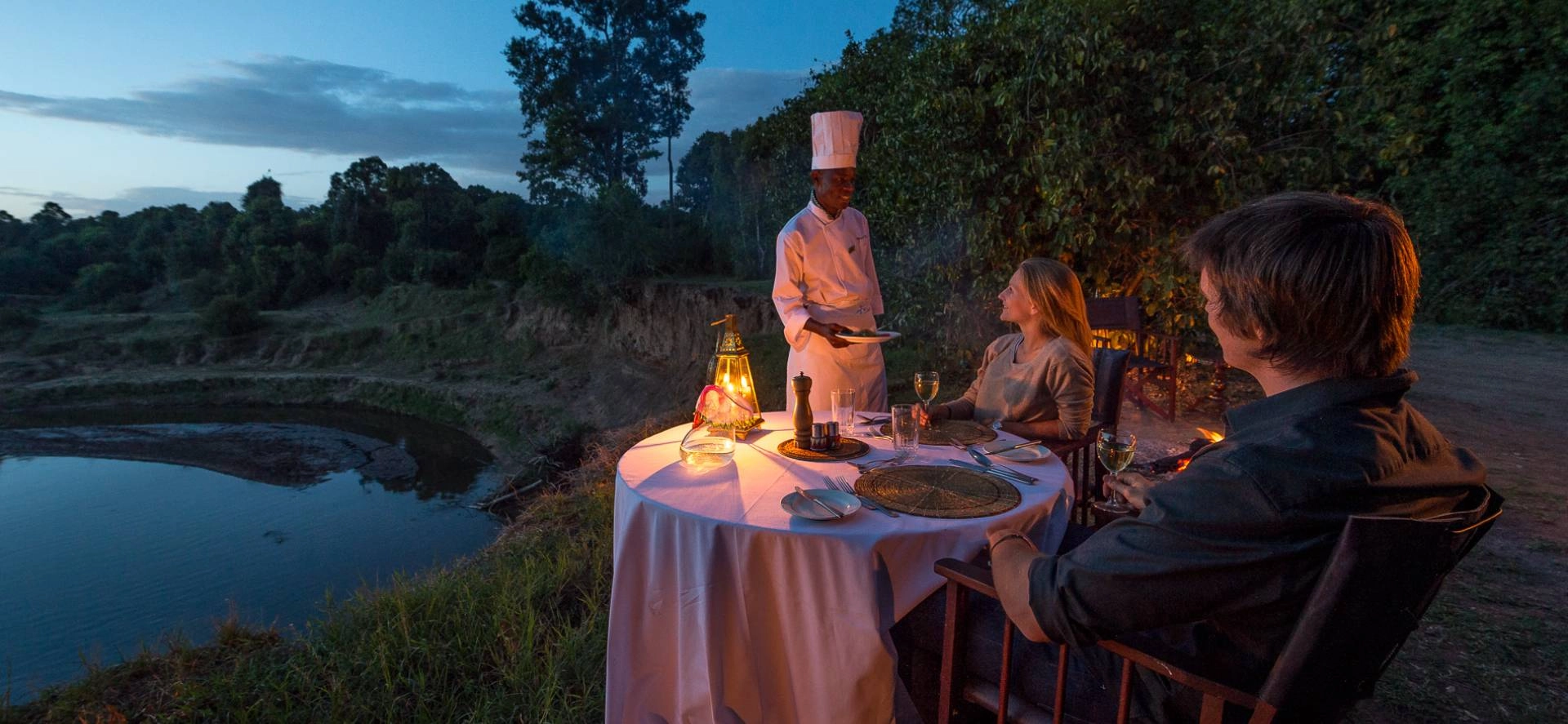
Definitive answer: A bush dinner is an outdoor evening meal arranged in a safe safari setting away from…
Read articleLet us take you closer to the wildlife, people and places that make Africa extraordinary.
Plan Your Safari Today