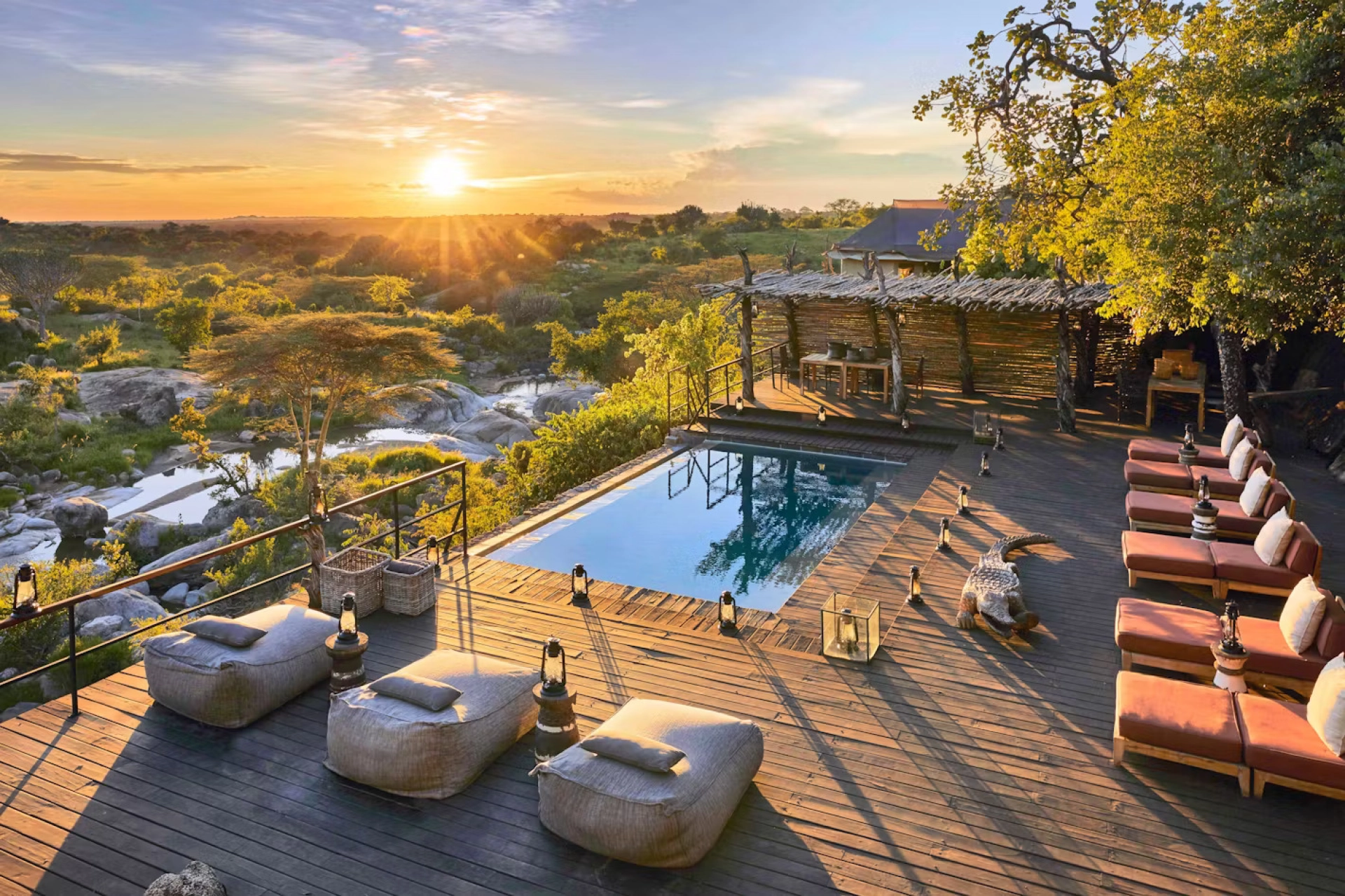
What should I look for when booking a luxury African safari?
When booking a luxury African safari, look beyond the room and compare the quality of guiding, wildlife location,…
Read article

FAQs
A realistic African safari with kids budget depends far more on destination, accommodation and transport than on a single continent-wide price. Families should budget for accommodation, park or conservation fees, a safari vehicle and guide, meals, transfers, internal flights, visas where applicable, insurance, tips and optional activities. Child discounts can reduce some costs, but family rooms, private vehicles and school-holiday travel can increase the total.
A realistic African safari with kids budget depends far more on destination, accommodation and transport than on a single continent-wide price. Families should budget for accommodation, park or conservation fees, a safari vehicle and guide, meals, transfers, internal flights, visas where applicable, insurance, tips and optional activities. Child discounts can reduce some costs, but family rooms, private vehicles and school-holiday travel can increase the total.
| Planning factor | What matters most |
|---|---|
| Destination | Match the route to the exact season, wildlife priorities and traveler profile. |
| Pacing | Prefer meaningful stays over repeated one-night stops and rushed transfers. |
| Activities | Confirm eligibility, operating conditions and what is included before booking. |
| Accommodation | Judge location, room setup, safety, guiding access and inclusions—not only star level. |
| Budget | Compare the complete trip cost, including fees, transport, flights and optional experiences. |
A family safari works best when the itinerary is designed around the children rather than treating them as smaller adults. Wildlife viewing can involve early starts, long periods of quiet observation, heat, dust and transfers on uneven roads. The solution is not to remove the adventure, but to choose the right parks, lodge locations, vehicle arrangement and daily rhythm. A private vehicle is particularly useful because the guide can shorten a drive, return to camp for a rest, or spend longer at a sighting that genuinely interests the family.
Age also affects which activities are realistic. Rules differ by country, protected area, lodge and activity, so families should confirm restrictions before paying non-refundable deposits. For example, Uganda Wildlife Authority currently sets a minimum age of 15 for gorilla tracking and 12 for chimpanzee tracking. Other activities such as walking safaris, canoeing, boating and horseback safaris may have operator-specific age, height or competency rules. Ordinary game drives are usually the easiest core activity around which to build a multigenerational itinerary.
Operator planning insight: for younger children, fewer bases and better lodge locations usually produce a better trip than a longer checklist of famous parks. Two or three well-chosen wildlife areas with time to rest can deliver more enjoyable sightings than changing camp every night.
The largest variables are usually lodge standard, number of safari nights, destination, season and whether the trip is road-based or fly-in. A private vehicle costs more than sharing seats but can be excellent value for a family because it gives control over drive length, bathroom stops and return times. Remote camps supplied by aircraft are usually more expensive than lodges reached by road.
Often, but not universally. Park authorities, lodges and activity operators define children differently and use different age bands. Kenya Wildlife Service, for example, currently defines a child for its conservation-fee framework as a person from age five to below 18, but individual destinations and private properties can use different rules. Never assume that a hotel’s child policy matches a park’s fee policy.
Compare the total family cost, not the headline room rate. Ask whether children share with parents, whether a family unit is required, whether meals are included, and whether game drives are included or charged separately. A lodge that appears more expensive may become better value if it includes activities and is inside or immediately beside the wildlife area, reducing daily transfers.
Road travel is often the more economical choice in Kenya, Tanzania and Uganda when parks combine logically. Fly-in itineraries save time and can be ideal for premium trips, but airfare, baggage restrictions and airstrip transfers add cost. With four or more travelers, a private road vehicle can become especially cost-efficient because the vehicle cost is spread across the family.
Keep a meaningful contingency for medical needs, schedule changes, extra meals, laundry, tips, drinks, souvenirs and last-minute transport. Travel insurance should be treated as a core trip cost rather than an optional extra. Families should also carry more than one payment method and avoid depending on a single card.
Save by traveling in shoulder season, choosing fewer parks, staying longer in each area, using well-located midrange lodges, combining road transfers efficiently and avoiding unnecessary domestic flights. Do not save by choosing an unreliable vehicle, an unqualified guide or accommodation so far from the park that valuable wildlife-viewing hours are lost.
The most accurate family budget starts with dates, ages, room configuration and route. Price the trip line by line, then identify which items are fixed and which can be adjusted. This produces a more useful number than a generic per-person average and makes it easier to compare quotations on a like-for-like basis.
Safari safety depends on following guide and lodge instructions consistently. Children should never approach or feed wildlife, leave a vehicle except where the guide permits, or wander around an unfenced camp. In wildlife areas, an adult should know where each child is at all times. Park rules are operational rules, not suggestions: they protect visitors, guides, wildlife and habitat. Explain the rules before the first game drive so that children understand why quiet voices, seated behavior and distance from animals matter.
There is no single winner, but accessibility is important. Kenya offers classic parks and reserves with many road-based combinations; Tanzania has outstanding northern-circuit wildlife; South Africa offers a broad range of malaria-area and malaria-free options that families can investigate with medical advice; Botswana provides exceptional wilderness but some camps and activities are better suited to older children; Uganda combines savannah wildlife with primates, although specialist tracking ages must be considered. The best destination is the one whose logistics fit the family’s ages, dates and budget.
Before paying a deposit, put every child’s age beside every planned activity and confirm eligibility in writing. Then review each day for wake-up time, driving time, meals and rest. That simple exercise catches many family-safari problems before they become expensive. A successful safari with children should feel adventurous without being relentless.

Share This Article
When booking a luxury African safari, look beyond the room and compare the quality of guiding, wildlife location,…
Read article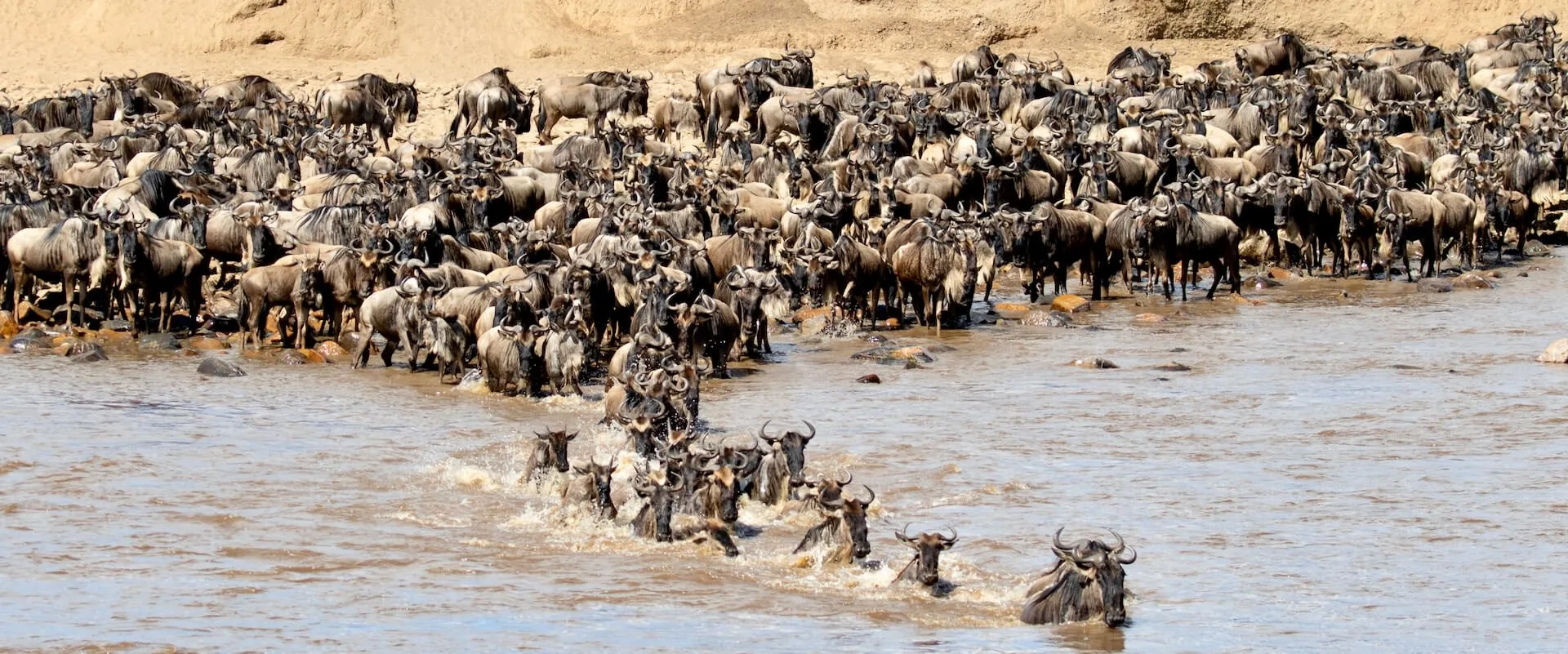
The Great Migration in Africa happens all year because the herds continuously circulate through the Serengeti–Mara ecosystem in…
Read article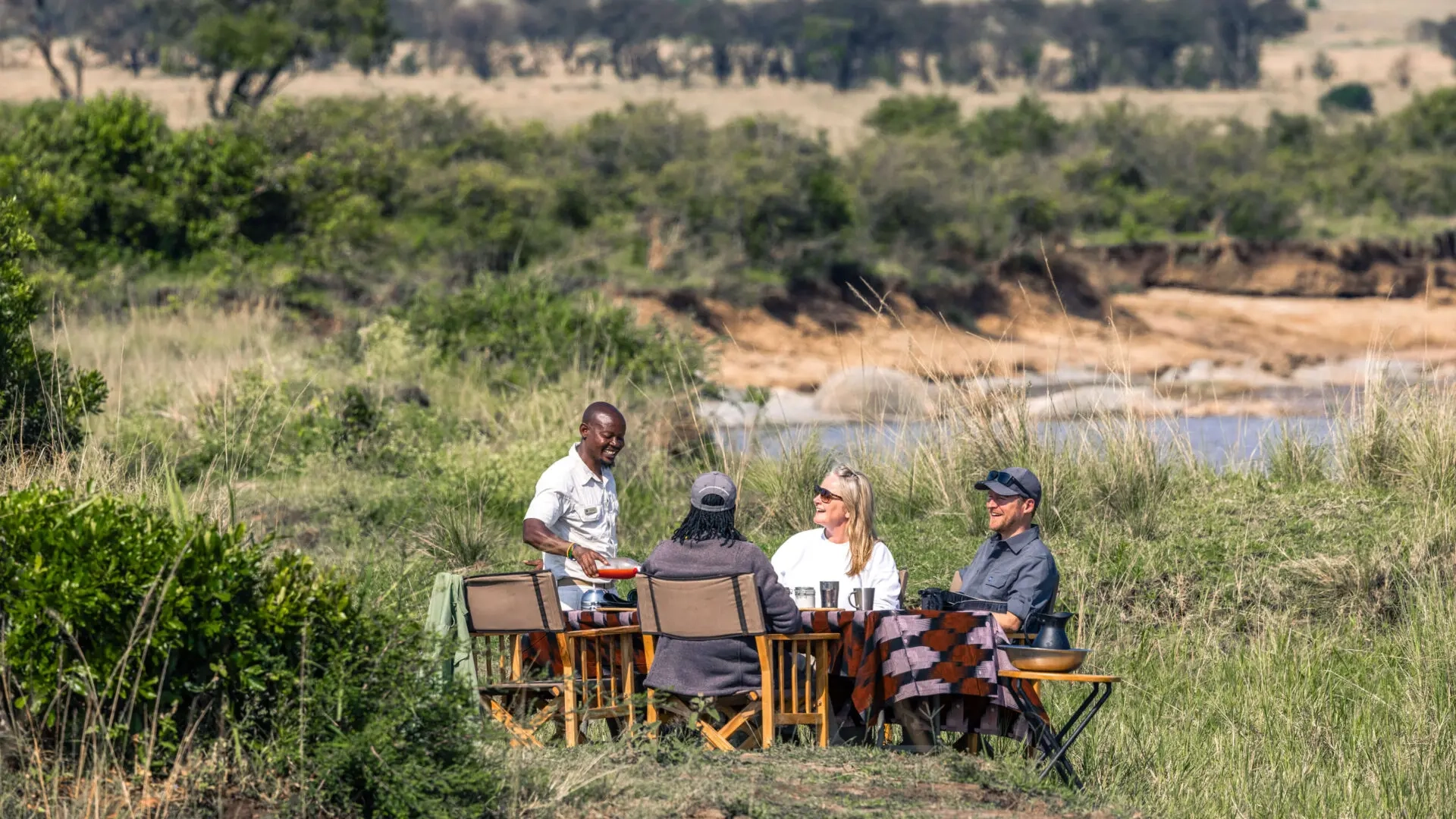
Definitive answer: A picnic lunch on safari is a packed or catered midday meal eaten at an approved…
Read article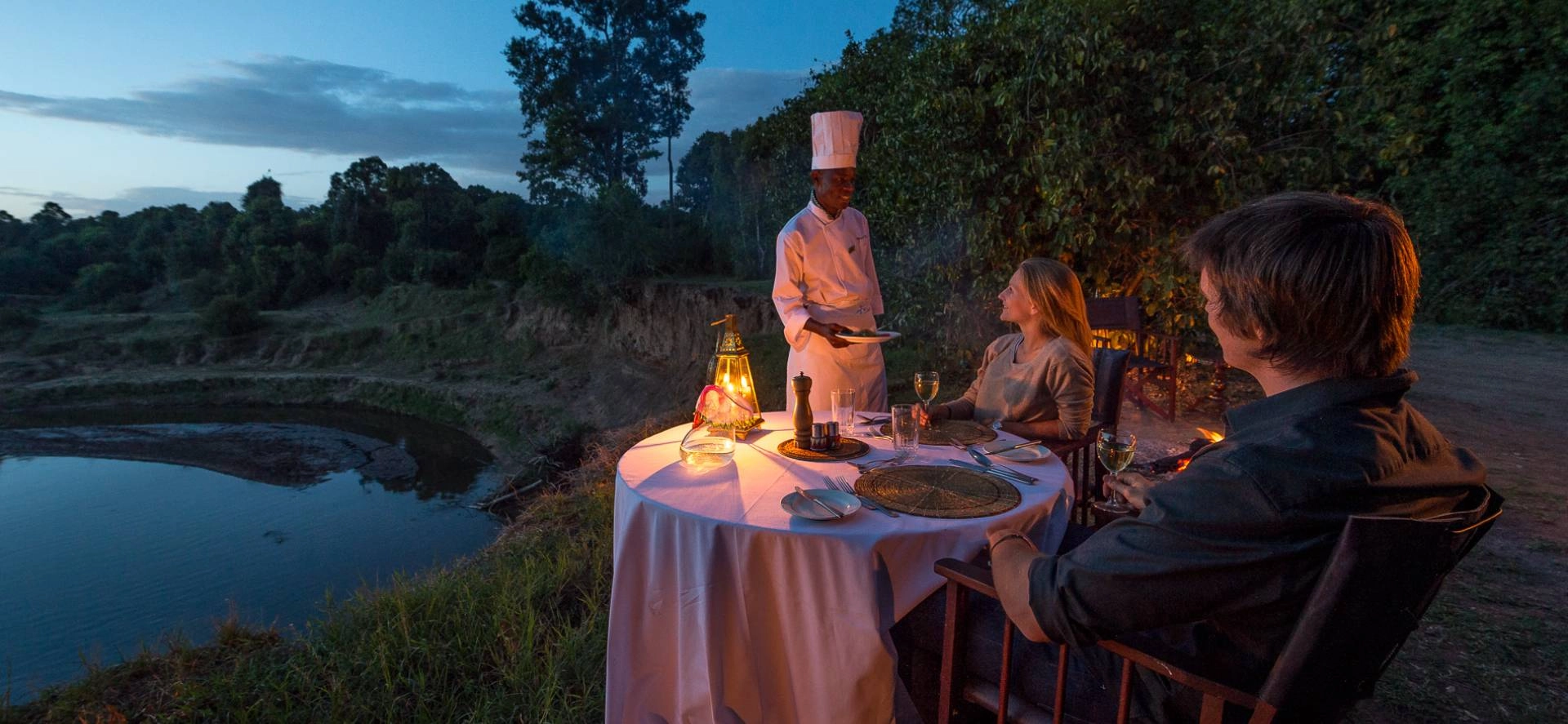
Definitive answer: A bush dinner is an outdoor evening meal arranged in a safe safari setting away from…
Read articleLet us take you closer to the wildlife, people and places that make Africa extraordinary.
Plan Your Safari Today