
What should I look for when booking a luxury African safari?
When booking a luxury African safari, look beyond the room and compare the quality of guiding, wildlife location,…
Read article

FAQs
Allow flexibility rather than planning around a guaranteed border-crossing time. A straightforward land-border crossing on a professionally organized safari may sometimes be completed relatively quickly, but queues, immigration processing, vehicle formalities, visa issues, group size and traffic can extend the process. Your itinerary should therefore include a sensible buffer and avoid placing a critical flight or time-sensitive activity immediately after a border crossing.
Allow flexibility rather than planning around a guaranteed border-crossing time. A straightforward land-border crossing on a professionally organized safari may sometimes be completed relatively quickly, but queues, immigration processing, vehicle formalities, visa issues, group size and traffic can extend the process. Your itinerary should therefore include a sensible buffer and avoid placing a critical flight or time-sensitive activity immediately after a border crossing.
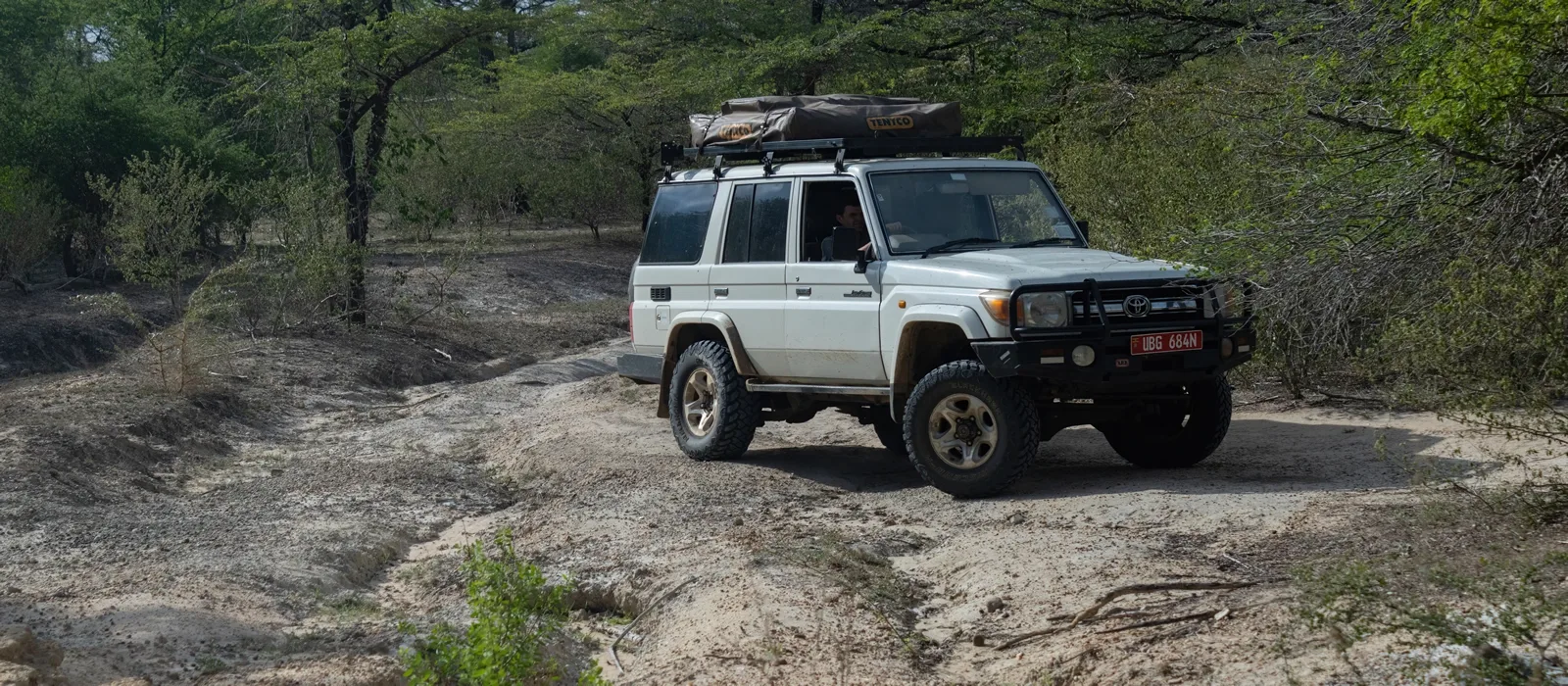
International borders involve more than simply driving through a gate.
You normally need to exit one country officially and enter another.
Immigration officials may inspect passports and entry permissions.
Vehicles can require separate customs or transport procedures.
Traffic varies according to the time and day.
Computer systems can occasionally operate slowly.
A group of twenty travelers also takes longer to process than a couple.
These variables make exact predictions difficult.
Yes, under favorable conditions.
If the border isn’t busy, everyone has the correct documentation and the vehicle formalities proceed smoothly, the crossing can be relatively efficient.
However, travelers shouldn’t build an itinerary that depends on this best-case scenario.
Safari planning should be based on reasonable flexibility rather than optimistic minimum times.
It can.
Busy borders, queues, visa complications, system issues or unusual documentation checks can extend the process considerably.
Public holidays and periods of heavy traffic may also affect timing.
The important lesson isn’t that border crossings are inherently slow.
It’s that they’re variable.
That distinction matters when designing the itinerary.
Your guide normally explains the process.
At the exit side, travelers present their passports and complete the required departure formalities.
You then proceed to the immigration facilities for the destination country and complete entry procedures.
The exact physical layout differs between borders.
Some have integrated facilities, while others require movement between separate buildings.
Follow your guide’s instructions and keep your travel documents with you.
This depends on how the safari is organized.
Some cross-border itineraries use the same vehicle and guide where legally and operationally permitted.
Others involve a vehicle change.
In that situation, one guide may bring you to the border and another meets you on the opposite side after immigration.
Neither arrangement is inherently better.
The appropriate system depends on vehicle licensing, operator arrangements and destination regulations.
Not necessarily.
A well-coordinated handover can be extremely efficient.
Your luggage is transferred, you complete immigration and continue with the next guide.
Problems arise mainly when arrangements haven’t been coordinated.
Professional operators should know the expected arrival time and maintain communication between both sides.
Absolutely.
Travelers who already possess all required documentation can generally proceed more efficiently than someone attempting to resolve an entry issue at the border.
If your nationality requires advance authorization, obtain it before travel.
Even where a visa-on-arrival process exists for eligible travelers, processing may require additional time.
This is why visa planning and border planning are directly connected.
Keep your passport immediately accessible.
Don’t bury it beneath clothing inside a large suitcase.
Depending on the destination and your nationality, you may also need:
Visa documentation.
Electronic travel authorization.
Vaccination certificates.
Accommodation details.
Onward travel information.
Other supporting documents required by immigration authorities.
Your safari operator can advise you on the route, while current official sources should be used to verify formal requirements.
Yes.
A private safari with two travelers generally involves fewer passports to process than a group containing fifteen or twenty people.
Group border crossings can still be efficient, but the itinerary should account for the number of travelers.
Tour leaders can help by ensuring everyone has the required documents ready before reaching immigration.
Only when necessary and using legitimate facilities.
Border areas sometimes have currency exchange services, but rates and availability vary.
Your safari operator can advise whether you actually need local cash immediately after crossing.
Increasing use of cards and mobile payments in some destinations has reduced the amount of cash travelers need to carry, but remote safari areas can still require cash for certain expenses.
Facilities vary.
Major crossings generally have more infrastructure than remote ones.
It’s sensible to use available facilities before a long transfer and carry basic personal items such as tissues and hand sanitizer.
Don’t expect international-airport standards at every land border.
Usually, it’s better to plan meals around the overall transfer rather than rely on border facilities.
Your safari operator may arrange a packed lunch or schedule a restaurant stop before or after the crossing.
This is particularly useful on long travel days.
A well-designed safari transfer should consider food and comfort as well as distance.
Uganda–Rwanda itineraries are common, particularly for travelers combining Kigali with Bwindi Impenetrable National Park or other southwestern Uganda destinations.
Your guide will normally take you to the appropriate official crossing and assist with the logistical process.
Travelers complete the required exit and entry procedures before continuing.
Actual processing time varies, so itineraries shouldn’t depend on an exact number of minutes.
Such routes are commonly incorporated into safari itineraries, depending on the specific starting point, border crossing, destination sector and current conditions.
However, Bwindi is a large forest with several tourism sectors.
Driving time to one sector isn’t necessarily the same as another.
Your itinerary should therefore specify the actual destination rather than simply saying “Bwindi.”
Cross-border East African safari itineraries can involve road transfers between Kenya and Tanzania.
The exact logistics depend on the chosen crossing, route and vehicle arrangements.
Travelers combining famous ecosystems such as the Masai Mara and Serengeti should understand that these are separate protected areas in different countries despite forming part of a connected ecosystem.
International border procedures therefore still apply.
Avoid anything with an unforgiving start time unless the itinerary provides substantial margin.
A relaxed afternoon activity may be reasonable.
A flight departing shortly after the expected crossing is far riskier.
Safari itineraries should absorb normal travel variability.
Trying to squeeze too much into a border day can create stress that outweighs the value of the additional activity.
If necessary, leave generous contingency time.
Missing a flight can have serious consequences, especially when tickets are separate.
Where possible, avoid designing an itinerary in which a modest immigration delay causes the entire journey to fail.
An overnight stop may occasionally be the smarter option.
Usually not.
Thousands of travelers incorporate land borders into African journeys.
The process simply requires realistic expectations.
You may spend some time completing formalities, but that inconvenience can enable a far richer itinerary.
Crossing from one country to another by road can also be fascinating because changes in landscape, language, architecture and everyday life become immediately visible.
Prepare before arriving.
Have your passport ready.
Complete required visa applications in advance.
Keep supporting documents accessible.
Follow your guide’s instructions.
Avoid beginning complicated luggage searches while standing at immigration.
For groups, ensure everyone understands the procedure before reaching the border.
Small organizational details can save considerable time.
The best border-crossing strategy isn’t trying to predict the process to the minute.
It’s building an itinerary that continues working whether immigration takes thirty minutes or considerably longer.
A professional safari operator should understand typical conditions along the route and schedule accordingly.
That means avoiding unrealistic drive times, allowing for meal and comfort stops and protecting important onward connections.
A multi-country African safari inevitably involves logistics.
Rather than viewing the border as an interruption, consider it part of the experience of traveling across the region.
Have your documentation organized, remain patient and follow instructions from your guide and immigration officials.
Most importantly, don’t place unnecessary pressure on the schedule.
When the itinerary includes an appropriate buffer, even a slower-than-usual crossing becomes a minor adjustment rather than a major travel problem.
Continue with:
Good multi-country safari design leaves enough flexibility for borders, road conditions, flights and the unexpected realities of travel.

Share This Article
When booking a luxury African safari, look beyond the room and compare the quality of guiding, wildlife location,…
Read article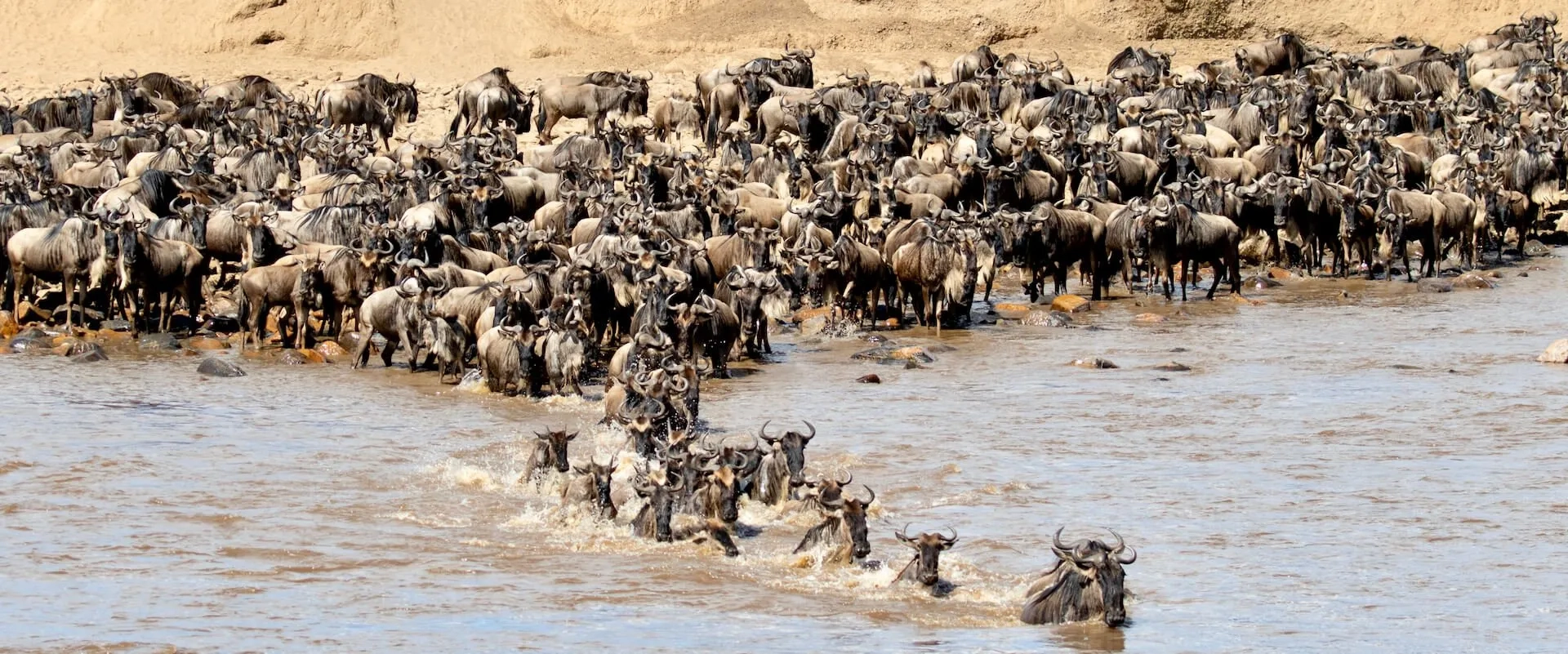
The Great Migration in Africa happens all year because the herds continuously circulate through the Serengeti–Mara ecosystem in…
Read article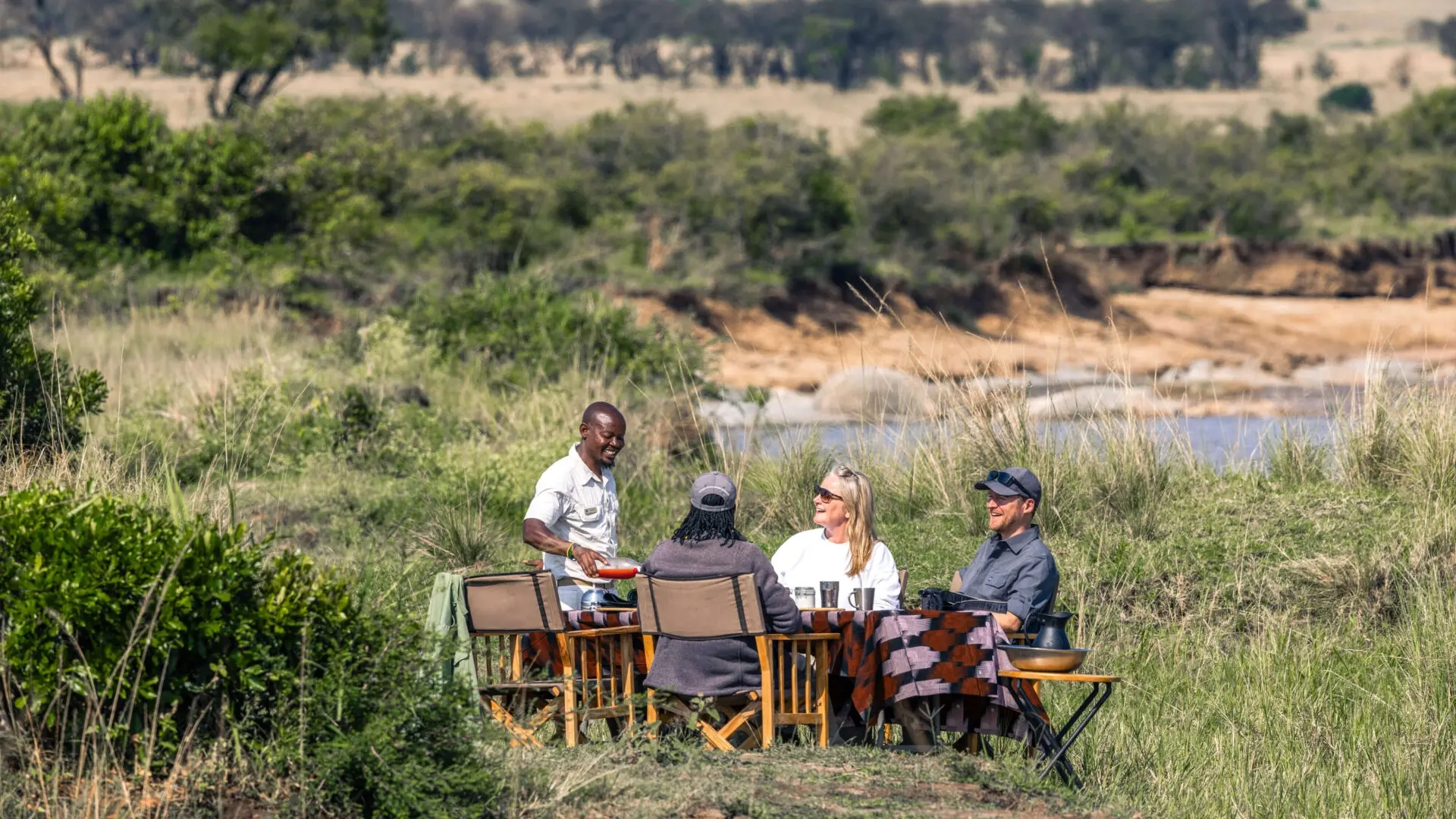
Definitive answer: A picnic lunch on safari is a packed or catered midday meal eaten at an approved…
Read article
Definitive answer: A bush dinner is an outdoor evening meal arranged in a safe safari setting away from…
Read articleLet us take you closer to the wildlife, people and places that make Africa extraordinary.
Plan Your Safari Today