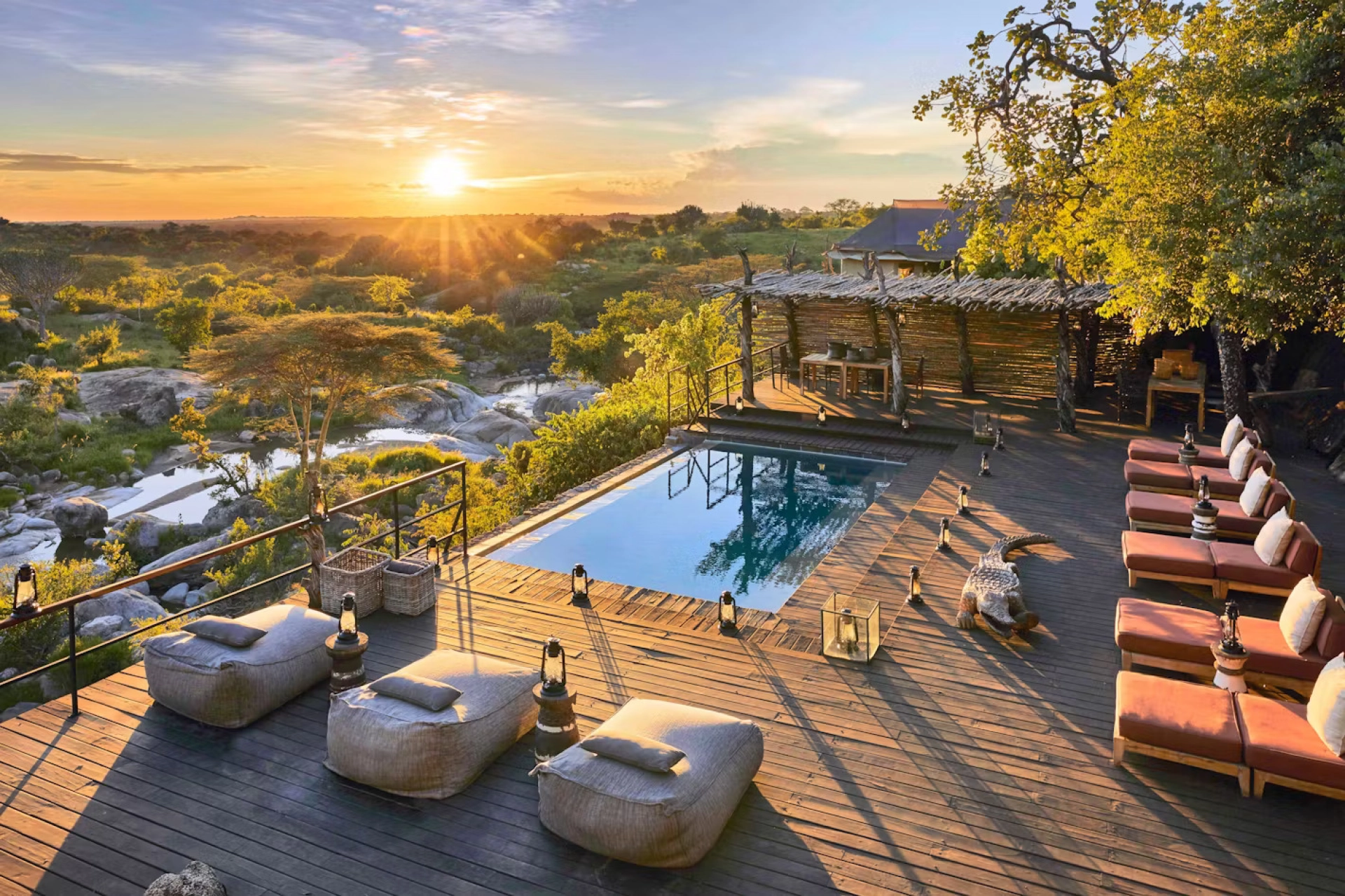
What should I look for when booking a luxury African safari?
When booking a luxury African safari, look beyond the room and compare the quality of guiding, wildlife location,…
Read article

Travel Guide
Booking a South Africa safari can appear complicated when you first begin researching. Should you stay inside Kruger National Park or in a neighboring private game reserve? Is a self-drive safari in South Africa cheaper than…
Booking a South Africa safari can appear complicated when you first begin researching.
Should you stay inside Kruger National Park or in a neighboring private game reserve? Is a self-drive safari in South Africa cheaper than a guided safari? How many days do you really need for wildlife viewing? Should you combine a safari with Cape Town, the Garden Route, Victoria Falls, the Panorama Route or a beach holiday? Is South Africa suitable for a family safari, honeymoon or first trip to Africa?
Then there are practical decisions involving flights, accommodation, transfers, park fees, game drives, meals and travel dates. The good news is that organizing a safari becomes much easier once you break the process into clear stages. South Africa is actually one of the most flexible African safari destinations because it caters to an enormous variety of travelers. You can stay in affordable national-park accommodation, join scheduled Kruger safari tours, choose a luxurious all-inclusive private reserve or build a longer South Africa safari and Cape Town holiday.
This guide explains how to book a South Africa safari in seven easy steps, with particular attention to finding the right balance between price, wildlife experience, accommodation quality and travel time. Whether you are planning a budget South Africa safari, mid-range safari, luxury African safari, family safari with children or South Africa honeymoon, these steps will help you turn the research into a practical itinerary.
Before choosing a lodge, vehicle or airline, decide what kind of trip you actually want.
This is the most important step because there is no single best South African safari package. A photographer who wants eight hours a day searching for predators needs a different itinerary from a family traveling with young children. Someone visiting Africa for the first time may want the classic Big Five safari experience, whereas an experienced safari traveler may prioritize walking safaris, birdwatching, remote reserves or conservation experiences. Start by asking yourself one basic question:
What would make this safari successful for me? For many first-time travelers the answer is seeing the Big Five in South Africa: lion, leopard, elephant, rhino and buffalo. If that is your priority, Kruger National Park and the Greater Kruger private reserves are among the strongest choices. Other travelers may prioritize elephants, in which case Addo Elephant National Park is worth considering. Families sometimes prioritize malaria-free safari destinations in South Africa, which can make reserves in the Eastern Cape, Madikwe or Pilanesberg attractive.
Adventure travelers may want a South Africa walking safari. Birders may spend substantially more time in one ecosystem than a conventional tourist. Knowing your priority makes every later decision easier.
First-time African safari travelers often benefit from variety.
A typical first South Africa wildlife safari could include three or four nights in a major wildlife reserve followed by several nights in Cape Town. That provides both wilderness and city experiences without spending the entire holiday inside safari vehicles. Experienced safari travelers often prefer longer stays in fewer reserves. Instead of changing camps every two nights, they may stay four or five nights in one quality wildlife area and learn its landscape properly. Neither method is automatically better. Your itinerary should reflect your travel style.
Some people travel to South Africa specifically for safari.
Others want safari as one part of a larger vacation. This distinction affects the number of nights you should allocate. If wildlife is the main focus, consider spending four to seven nights on safari. If you are combining safari with Cape Town, wine regions and the Garden Route, three or four safari nights may provide an excellent introduction. A two-night safari is possible, but it can feel rushed because arrival and departure reduce actual wildlife-viewing time.
South Africa contains numerous national parks and private wildlife reserves.
The destination you select has a huge effect on safari cost and experience.
Kruger National Park is the country’s best-known wildlife destination. It supports an exceptionally diverse collection of mammals and birds, including the Big Five. SANParks currently lists 147 mammal species and more than 500 bird species in Kruger. Kruger also provides an enormous variety of safari options. You can stay in SANParks rest camps. You can arrange guided Kruger game drives. You can drive yourself on designated public roads. You can stay at selected luxury concessions. Or you can combine the national park with neighboring private reserves. This flexibility makes Kruger ideal for many different budgets.
Adjacent to Kruger are several private game reserves in Greater Kruger. These reserves can provide a more exclusive safari style. Typical advantages include professional guides, open safari vehicles, smaller properties and the possibility of off-road approaches under controlled conditions in certain reserves. Many private lodges include accommodation, meals and safari activities in their nightly rates. This makes the upfront price higher but also simplifies budgeting. For travelers searching for a luxury South Africa safari, Greater Kruger is one of the country’s most attractive options.
Addo Elephant National Park is a useful alternative for people combining safari with Cape Town and the Garden Route. It is particularly famous for elephants. The Eastern Cape location means it can be incorporated naturally into a long self-drive or guided coastal itinerary. That reduces the need for an additional flight to northeastern South Africa.
Madikwe Game Reserve is particularly popular with families and luxury safari travelers. Its location in a malaria-free region is one of its strongest selling points for families, especially those traveling with younger children.
Pilanesberg Game Reserve is convenient for travelers beginning in Johannesburg or Pretoria. It can be included in shorter itineraries and provides a useful malaria-free safari option. South African Tourism highlights Pilanesberg, Madikwe, Sanbona and Shamwari among popular malaria-free family safari choices.
The Eastern Cape safari region contains several well-known private reserves. They combine conveniently with Cape Town and the Garden Route and are frequently chosen for South Africa family safari holidays.
For repeat safari travelers and photographers, Kgalagadi Transfrontier Park offers a completely different experience. Instead of lush savanna, you encounter red Kalahari landscapes, dry riverbeds and desert-adapted wildlife. Predators are a major attraction. It is more remote and generally requires more logistical planning than a standard Kruger itinerary.
This is one of the most common questions when planning a South Africa safari holiday.
Choose Kruger National Park if you value flexibility, extensive landscapes and potentially lower accommodation costs. Choose a private game reserve if you prioritize guided activities, smaller lodges, personalized service and an all-inclusive style. Many of the best itineraries combine both. You might spend several nights inside Kruger and then two nights at a private reserve. That allows you to experience both the scale of the national park and the intimacy of a private lodge.
The next decision is when to visit South Africa for safari. There is no universally bad season. Different months create different wildlife experiences.
The dry winter period across the Kruger region is generally considered an excellent time for traditional big-game viewing. Vegetation becomes thinner. Water becomes less widely available. Wildlife tends to concentrate around rivers and permanent water sources. Early mornings can be cold, particularly in open safari vehicles, so warm layers are important.
The rainy summer period transforms the bush. Vegetation becomes lush. Migratory birds arrive. Many animals give birth. The landscapes can be extremely photogenic. This is an excellent period for South Africa birding safaris and travelers who enjoy green scenery. The disadvantage is that thick vegetation can make certain wildlife harder to spot.
Safari prices depend more on individual lodge seasons than on one national rule. Some properties offer lower rates during quieter periods. International airfare also fluctuates enormously. For travelers looking for a budget South Africa safari, avoiding peak holiday periods can make a significant difference. Instead of searching only for the “cheapest month,” compare complete trip costs across several possible travel windows.
One of the biggest advantages of South Africa is the enormous range of safari prices. You can undertake a relatively affordable self-drive holiday or spend thousands of dollars per night at an exclusive private lodge. The important thing is to define what your budget needs to include.
A budget safari in South Africa usually prioritizes simple accommodation, shared transfers or self-driving and national-park game viewing. SANParks rest camps can provide excellent value. Accommodation may be more functional than luxurious, but you are inside some of Africa’s finest wildlife areas. Budget does not necessarily mean poor wildlife viewing. A traveler sleeping in a simple Kruger bungalow may see exactly the same elephant herd as someone staying in a more expensive property nearby.
A mid-range safari typically provides comfortable rooms, private bathrooms, stronger meal arrangements and professionally guided wildlife activities. This is often the best balance for international travelers who want comfort without paying top luxury rates.
A luxury safari in South Africa can include private plunge pools, gourmet meals, premium drinks, highly personalized guiding and beautifully designed suites. Private game reserves excel at this category. However, do not choose accommodation solely according to interior design. A beautiful lodge in an average wildlife area may provide a weaker safari than a simpler camp with exceptional guiding and location.
Always read the inclusions carefully. A private-lodge rate may include: accommodation, daily game drives, meals, selected drinks and certain activities. Another quote may include accommodation only. Transportation to the reserve may be separate. Park fees may be excluded. Flights may not be included. Comparing headline prices without comparing inclusions is one of the easiest ways to make a safari booking mistake.
Accommodation plays a significant role in your safari experience because wildlife activities often begin directly from the property.
SANParks operates numerous camps within protected areas. In Kruger, these range from large rest camps to smaller bushveld camps. They can offer excellent value for independent travelers.
A South Africa safari lodge generally provides a more packaged experience. Guests may have meals and activities included. Professional guides lead morning and afternoon wildlife drives. This makes logistics extremely easy.
A tented safari camp can provide a stronger sense of wilderness. Do not assume “tent” means uncomfortable. Luxury safari tents can include full bathrooms, electricity, large beds and private decks.
Traveling with children requires additional research. Look for: family safari accommodation, connecting rooms, family suites, flexible meal times, swimming pools, children’s programs and appropriate game-drive policies. Do not assume every luxury safari lodge welcomes very young children.
For couples, priorities can be different. A South Africa honeymoon safari may emphasize privacy, secluded rooms, private dinners, romantic decks and exclusive game drives.
South Africa’s size is frequently underestimated. Cape Town and Kruger are in completely different parts of the country. You cannot simply drive between them as a casual afternoon transfer.
Domestic flights connect major South African cities with airports serving the Kruger region. Depending on your lodge, you may use airports such as Kruger Mpumalanga International Airport, Hoedspruit or Skukuza. Your exact flight should match the location of your accommodation. A lodge in the northern Greater Kruger region may require a different airport than one near southern Kruger.
Travelers can fly or drive from Johannesburg. Road transfers are common. A private transfer can be convenient for travelers who do not wish to rent a vehicle.
South Africa is one of Africa’s most practical destinations for self-drive safaris. Road infrastructure between major destinations is relatively extensive. Kruger also allows visitors to explore designated public roads independently. However, self-driving requires discipline. SANParks requires vehicles to remain on designated roads, prohibits off-road driving in public areas and requires compliance with gate times.
For first-time visitors, a guided South Africa safari has major advantages. A professional guide can concentrate entirely on wildlife while you enjoy the scenery. Guides understand tracks, calls, animal behavior and local habitats. They also remove the stress of navigation.
This final step turns your itinerary into a real booking. A professional safari operator should provide a clear itinerary explaining: travel dates, destinations, accommodation, meal plans, activities, transportation, included park fees, and major exclusions. Do not make a payment based on vague promises. You should understand exactly what you are purchasing.
A well-designed safari is more than a list of hotels. The route matters. Travel time matters. The sequence of destinations matters. Choosing the right reserve matters. At Adventure in the Wild Safaris, our goal is to build a South Africa safari itinerary around your priorities rather than force every traveler into the same package. We can help structure journeys combining: Kruger National Park safaris, Greater Kruger private reserves, Cape Town tours,
Garden Route holidays, South African wildlife safaris, family safari holidays, honeymoon safaris, and wider Southern Africa safari combinations. The most useful information you can give a safari planner is: your travel dates, number of travelers, number and ages of children, preferred accommodation level, approximate budget, and the experiences you care about most. From there, the itinerary can be built logically.
Popular safari lodges have limited rooms. During high-demand months, the best properties can fill far in advance. This is particularly important for: family suites, small luxury camps, holiday-season travel, and specialist accommodations. Booking early also gives you a better selection of domestic flights. If your dates are fixed, begin planning as soon as practical.
For a dedicated wildlife trip, five to seven nights provides excellent depth. For a mixed itinerary, three or four safari nights can work very well.
Suitable for travelers with limited time. Expect a concentrated experience.
This is an excellent duration for first-time visitors. You have multiple morning and afternoon wildlife-viewing opportunities without feeling rushed.
Ideal for serious wildlife enthusiasts. You can combine different reserves or sections of Kruger.
Longer itineraries can combine Kruger, private reserves, Cape Town, the Garden Route and other South African destinations.
Wildlife is unpredictable. One game drive is never enough to judge a safari destination. Animals move constantly. Weather changes their behavior. Predators may disappear for hours or days. Three or four nights provides multiple viewing sessions and greatly improves your chances of varied sightings.
Both. Morning drives can produce excellent predator activity and cooler temperatures. Afternoon drives gradually transition toward sunset and evening wildlife. At private reserves, late drives may continue after dark where permitted, offering chances to search for nocturnal species. Inside Kruger, SANParks guided drives are available according to official park programs and schedules. Children under six are currently not permitted on SANParks guided game drives.
A private vehicle gives you greater control. You decide how long to remain at sightings. You can emphasize photography, birds or particular animals. This is especially useful for family safaris, groups and serious photographers. However, shared vehicles are more affordable and often enjoyable because guests exchange observations.
The cheapest safari is not always the safari with the lowest advertised lodge rate. Look at the entire itinerary. A remote cheap lodge requiring expensive charter flights may ultimately cost more. A slightly more expensive lodge including meals, transfers and activities may offer better total value. Other savings can come from: traveling outside peak periods, combining nearby destinations, using scheduled transfers, choosing comfortable mid-range lodges, and limiting unnecessary hotel changes. The goal should be value, not simply the lowest possible number.
Either works. Some travelers begin with Cape Town, allowing time to recover from international flights before safari. Others prefer ending with Cape Town because restaurants, beaches and wine regions provide a relaxed conclusion after early safari mornings. For honeymooners, ending with Cape Town and the Cape Winelands can work particularly well.
This is one of Africa’s strongest first-time combinations. A possible itinerary could include several nights on safari followed by four or five nights in Cape Town. Cape Town offers: Table Mountain, Cape Point, Boulders Beach penguins, Robben Island, Cape Winelands, coastal drives, restaurants, beaches, and hiking. This diversity makes a Cape Town and Kruger safari holiday particularly appealing for couples and families.
The Garden Route is excellent for road-trip travelers. It can be combined with Cape Town and Eastern Cape safari destinations. Highlights can include: Hermanus, Knysna, Wilderness, Tsitsikamma, and Addo Elephant National Park. This creates a scenic alternative to flying across the country to Kruger.
Travelers with more time can combine South Africa with Victoria Falls in Zambia or Zimbabwe. This adds one of Africa’s most dramatic natural landmarks. A longer Southern Africa trip may also continue into Botswana’s Chobe National Park or Okavango Delta. These combinations work particularly well for travelers with around two weeks or more.
The Panorama Route can be added before or after Kruger. Popular attractions include: Blyde River Canyon, God’s Window, Bourke’s Luck Potholes, and several waterfalls. It provides a scenic transition between Johannesburg and parts of the Kruger region.
Kruger is located within a malaria-risk region. SANParks currently advises travelers to consult a doctor regarding appropriate malaria prevention before visiting, particularly because risk varies seasonally and individual medical circumstances differ. We recommend discussing malaria and other travel-health issues with a qualified medical professional rather than relying on general travel articles for medical decisions. Travelers particularly concerned about malaria can also explore malaria-free South Africa safari destinations.
Comprehensive travel insurance is strongly recommended. A quality policy may help protect against: trip cancellation, medical emergencies, baggage loss, and certain travel interruptions. Read policy wording carefully because coverage varies significantly.
Pack lightly. Neutral clothing works well. Bring layers because early mornings can be cold while afternoons become warm. Useful safari items include: binoculars, a hat, sunscreen, comfortable shoes, camera equipment, light rain protection when appropriate, and warm clothing for open-vehicle morning drives. Avoid making your packing list unnecessarily complicated.
One of the biggest mistakes is trying to visit too many places. Changing lodges every night or two wastes safari time. Another mistake is booking accommodation without checking transport logistics. A lodge may look close on a map but require hours of driving. Other common mistakes include: choosing a property purely because it is cheap, booking too few safari nights, ignoring family age restrictions, failing to compare inclusions, and assuming all South African safari areas have identical seasons.
Absolutely. South Africa’s combination of excellent wildlife, varied accommodation, domestic flights, established safari infrastructure and additional attractions makes it one of Africa’s easiest destinations for first-time safari travelers. You can make the holiday adventurous or luxurious. You can drive yourself or travel with guides. You can focus entirely on wildlife or combine safari with cosmopolitan cities and coastline.
Yes. The real question is not whether a South African safari is worthwhile. It is which South African safari suits you best. Kruger is exceptional for wildlife diversity. Private reserves offer intimate guided experiences. Eastern Cape destinations integrate easily into coastal journeys. Kgalagadi appeals to photographers. Madikwe offers a strong malaria-free option. Cape Town provides a world-class city extension. That combination explains why South Africa safari holidays work for so many different types of travelers.
The easiest way to plan a successful safari is to begin with your priorities rather than a rigid package. Tell Adventure in the Wild Safaris: when you want to travel, how many people are traveling, the ages of any children, your preferred accommodation standard, your approximate budget, and the wildlife or destinations you most want to experience. We can then help create a tailored South Africa safari itinerary combining the right reserve, accommodation, activities and transfers.
Whether you want an affordable Kruger safari, a private South Africa luxury safari, a family safari, a South Africa honeymoon, or a longer Cape Town and safari holiday, the objective is the same: spend less time worrying about logistics and more time experiencing Africa.
A successful safari starts with seven simple decisions. Know what you want. Choose the right safari destination. Select suitable travel dates. Set a realistic budget. Choose accommodation that matches your travel style. Plan transportation carefully. Then confirm the trip with a reliable safari operator. Once those decisions are made, the hundreds of confusing options online become far easier to evaluate. South Africa rewards thoughtful planning because its safari possibilities are unusually diverse.
You can watch lions in Kruger National Park, stay at a luxury Greater Kruger safari lodge, photograph elephants in Addo, take children on a malaria-free family safari, drive the Garden Route, explore Cape Town and continue to Victoria Falls or Botswana. That is the real advantage of booking a South Africa safari. You are not limited to one style of Africa. You can build the journey around exactly the kind of African experience you want.
Get quick answers to the most common questions. If you still have questions, our safari experts are here to help.
Start by deciding your preferred travel dates, safari duration, budget, accommodation standard and wildlife priorities. Then select the appropriate destination and work with a reputable safari operator to organize accommodation, transport and activities.
Kruger National Park and the Greater Kruger region are among the strongest choices because they offer excellent wildlife diversity and a wide range of safari styles.
Prices vary enormously according to accommodation, transportation, season and whether safari activities and meals are included. Compare complete itineraries rather than nightly room prices alone.
It does not have to be. Kruger supports everything from relatively affordable SANParks accommodation to luxury concessions and private lodges.
Three to five nights works well for many first-time travelers. Serious wildlife enthusiasts should consider longer.
Yes. It is one of the most popular South Africa safari combinations.
Yes, but lodge and activity age restrictions vary. SANParks currently states that children under six may not join its standard guided game drives and walking activities have higher minimum ages.
Yes. Luxury private reserves combine extremely well with Cape Town, Cape Winelands and coastal extensions.
Yes. Self-driving is one of Kruger’s major attractions, provided visitors follow park roads, speed limits and gate regulations.
No. Kruger lies within a malaria-risk region. Travelers should obtain current medical advice before travel.
Yes. Several safari regions outside northeastern South Africa are commonly marketed as malaria-free, including destinations in the Eastern Cape and North West.
Choose Kruger for the broadest classic wildlife experience. Choose Addo if elephants and a Cape Town–Garden Route–Eastern Cape safari itinerary suit your route better.
Book as early as possible if you have fixed dates or need family rooms, small luxury camps or peak-season availability.
Our safari experts are here to help you plan your safari. Get personalized advice, the latest information and a free, no-obligation quote.
We typically reply within a few hours.

Share This Article
When booking a luxury African safari, look beyond the room and compare the quality of guiding, wildlife location,…
Read article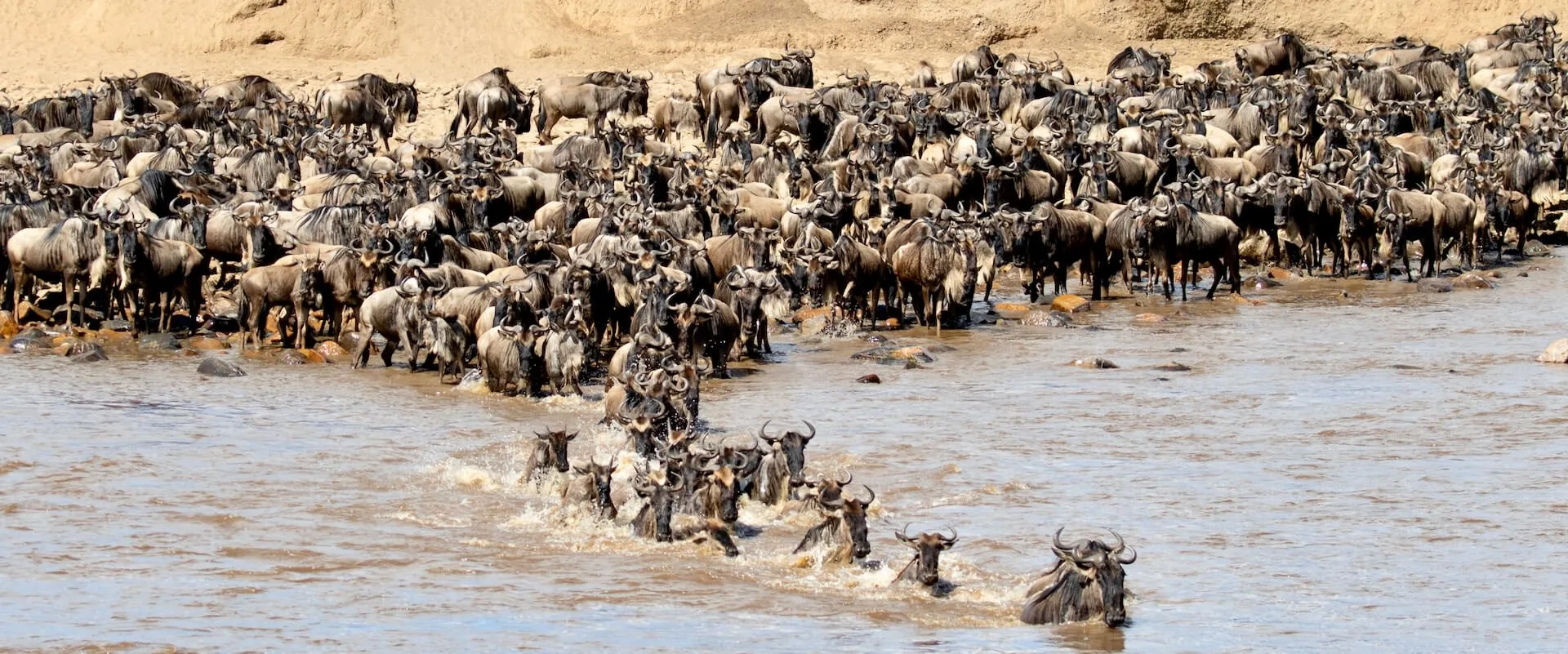
The Great Migration in Africa happens all year because the herds continuously circulate through the Serengeti–Mara ecosystem in…
Read article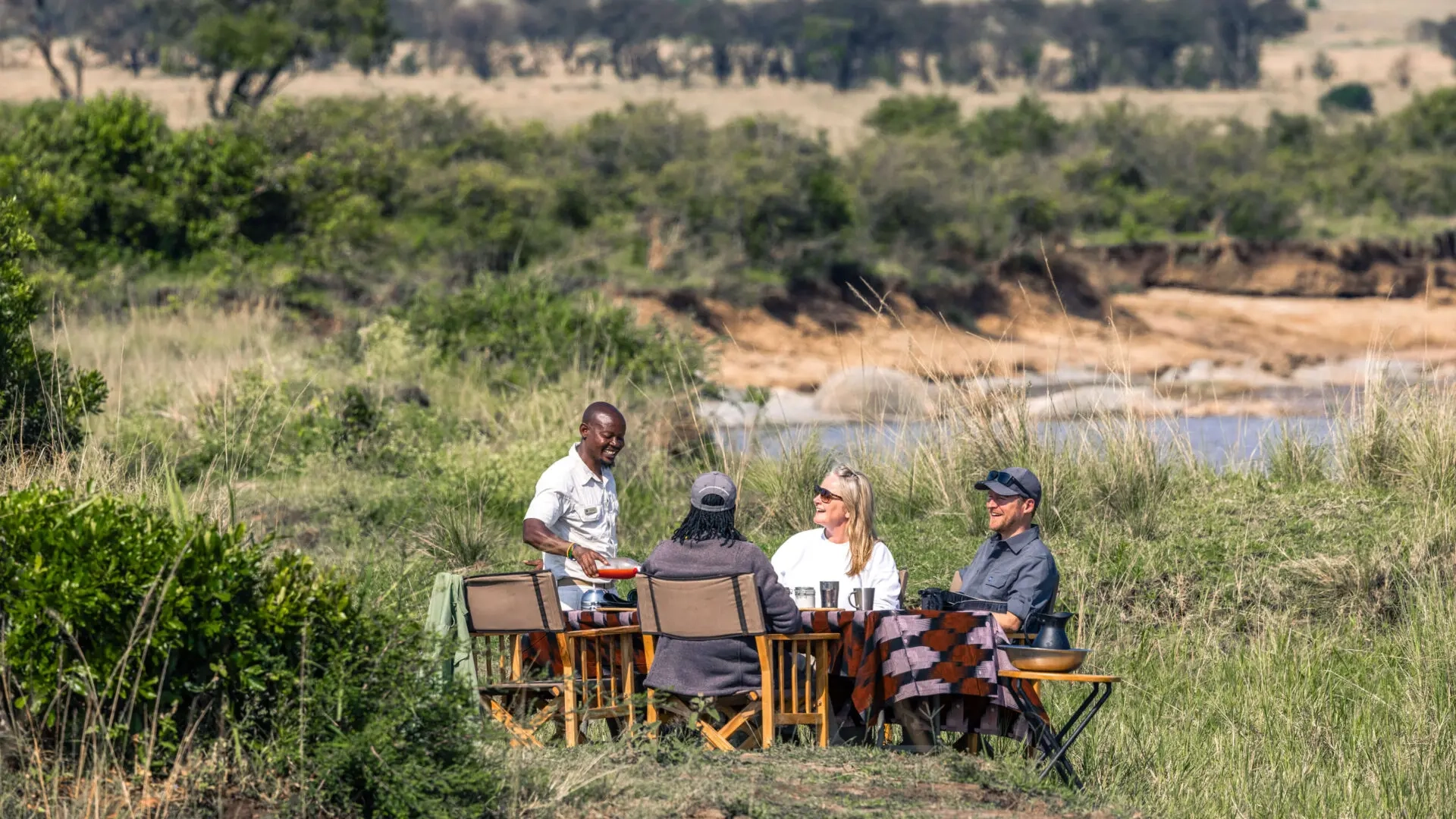
Definitive answer: A picnic lunch on safari is a packed or catered midday meal eaten at an approved…
Read article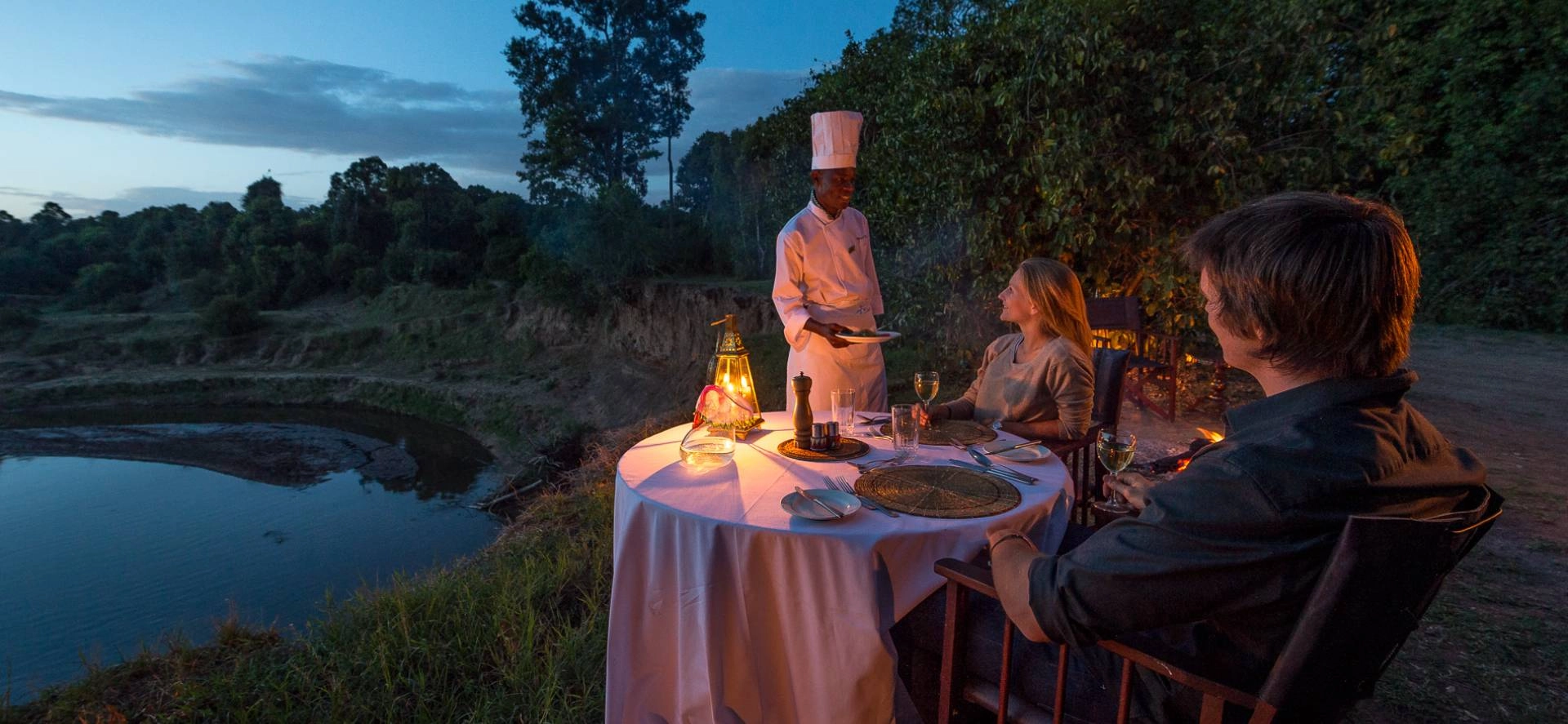
Definitive answer: A bush dinner is an outdoor evening meal arranged in a safe safari setting away from…
Read articleLet us take you closer to the wildlife, people and places that make Africa extraordinary.
Plan Your Safari Today