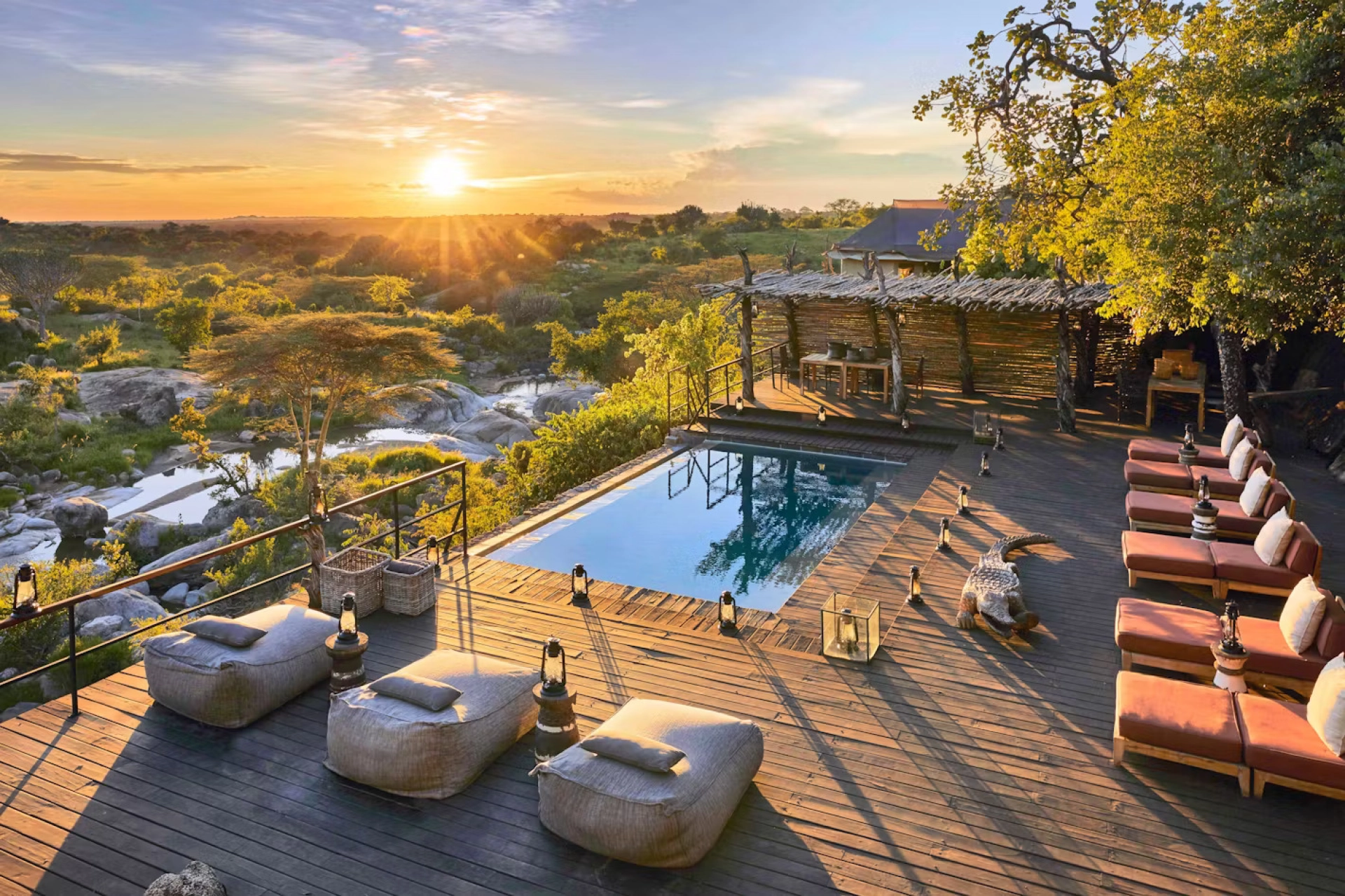
What should I look for when booking a luxury African safari?
When booking a luxury African safari, look beyond the room and compare the quality of guiding, wildlife location,…
Read article

Travel Guide
Planning an African safari on a tight budget does not mean choosing the cheapest tour you can find and hoping for the best. In fact, that is often one of the fastest ways to waste money.…
Planning an African safari on a tight budget does not mean choosing the cheapest tour you can find and hoping for the best. In fact, that is often one of the fastest ways to waste money.
A genuinely affordable safari is created by making intelligent decisions about destination, season, transport, accommodation, park fees, safari length and routing. The goal is not to strip away everything that makes a safari special. The goal is to spend money on the parts of the journey that genuinely improve your wildlife experience while avoiding unnecessary costs.
That distinction matters. A badly planned “cheap safari” may involve exhausting road transfers, poor-quality vehicles, unreliable accommodation, hidden fees or an itinerary so rushed that half the holiday is spent driving between parks. A well-designed budget African safari, on the other hand, can still include excellent wildlife viewing, professional guiding, comfortable accommodation and some of the continent’s greatest destinations. Travelers can experience gorilla trekking in Uganda, game drives in Queen Elizabeth National Park, the plains of the Masai Mara, the Serengeti, Ngorongoro Crater, Kruger National Park, Chobe National Park or other major safari areas without necessarily booking the most expensive camps in Africa.
The biggest savings usually come from planning strategically rather than compromising safety or quality. This detailed guide explains how to plan the best African safaris on a budget using eight practical steps. It also compares destinations, accommodation styles, safari vehicles, private versus group travel, high season versus low season and the hidden costs that many first-time travelers overlook.
Before comparing prices, define the safari experience you want.
This is the most important step because Africa offers many different kinds of wildlife travel. A traveler who dreams primarily about mountain gorilla trekking should not build the same itinerary as someone focused on the Great Wildebeest Migration. A family looking for an easy South Africa safari will have different priorities from photographers who want several days following predators in the Masai Mara. Start by answering a simple question: What would make this safari feel successful?
Possible priorities include: gorilla trekking, Big Five safari, Great Migration safari, chimpanzee trekking, birding, photography, family travel, honeymoon travel, cultural experiences, beach extensions, or simply experiencing African wildlife for the first time. Once this priority is clear, you can begin cutting expenses that do not support it.
First-time travelers frequently create itineraries that include too many countries.
They imagine combining Uganda gorillas, Kenya’s Masai Mara, Tanzania’s Serengeti, Victoria Falls, Botswana and Cape Town within two weeks. Technically, portions of such a trip may be possible. Financially, it can be disastrous. Every international or regional flight adds cost. Every border crossing consumes time. Every transfer requires logistics. A safari becomes more affordable when the route is geographically logical. Instead of trying to visit four countries, choose one country well or combine two neighboring destinations.
For example, Uganda and Rwanda safari combinations can work because distances between southwestern Uganda and Rwanda are manageable. A Kenya and Tanzania safari can also be logical because the two countries share a major wildlife ecosystem. A Botswana and Victoria Falls safari is another natural combination. The cheapest itinerary is often the one that minimizes unnecessary movement.
Different African safari destinations operate at very different price levels.
This is one of the biggest factors determining your total safari budget. A luxury Okavango Delta safari involving light-aircraft flights between remote camps will generally cost more than a self-drive Kruger safari. A private Tanzania safari with several national parks may cost more than a shorter Uganda wildlife safari depending on permits, accommodation and vehicle costs. The first question should therefore not be “Which lodge is cheapest?” It should be: Which country offers the wildlife experiences I want at the best overall value?
Uganda can provide exceptional value for travelers who want both primate trekking and traditional wildlife safari experiences.
A single trip can combine Bwindi Impenetrable National Park, Kibale National Park, Queen Elizabeth National Park, Murchison Falls National Park and Lake Mburo National Park. This diversity is one of Uganda’s strongest advantages. You can trek mountain gorillas, track chimpanzees, take game drives, enjoy boat safaris and explore different landscapes without flying between every destination. Road-based itineraries make it possible to control costs. For travelers whose dream is gorillas, Uganda can be especially attractive because the country supports multiple gorilla trekking sectors and a strong safari circuit.
Rwanda is compact and easy to navigate.
The country’s primary safari highlights include Volcanoes National Park, Akagera National Park, Nyungwe National Park and Lake Kivu. The challenge for strict budget travelers is the relatively high cost associated with some flagship experiences, particularly gorilla trekking. However, Rwanda can still provide good value through carefully designed itineraries. Travelers may choose to experience Rwanda’s culture and Akagera while crossing into Uganda for gorilla trekking in Bwindi. This kind of cross-border safari can combine Rwanda’s excellent road infrastructure with Uganda’s gorilla trekking opportunities.
Kenya has one of Africa’s most developed safari tourism industries. This creates a large selection of budget safari packages, group departures, camps and road-based itineraries. The Masai Mara National Reserve remains the country’s most famous wildlife destination, but budget travelers should also consider Amboseli National Park, Lake Nakuru National Park, Samburu, Tsavo and Nairobi National Park. A major advantage of Kenya is competition. Many operators run similar circuits. This means travelers can compare options. However, cheap does not automatically mean good. Vehicle quality, guide experience, accommodation standards and whether park fees are included should be checked carefully.
Tanzania is one of Africa’s greatest safari destinations, but costs can rise quickly because of park fees, concession costs and long travel distances. The classic Northern Tanzania safari circuit includes Tarangire National Park, Lake Manyara, Ngorongoro Crater and the Serengeti National Park. For budget travelers, joining a small group can dramatically reduce vehicle costs. Camping safaris can also reduce accommodation expenses. The most important principle is to avoid excessive one-night stops. A rushed itinerary covering every park may actually cost more while providing less satisfying wildlife viewing.
South Africa is one of Africa’s strongest destinations for travelers who want control over their budget. Kruger National Park can be explored by self-drive. Public rest camps provide accommodation at different price levels. Visitors can buy food, cook independently and design their own game-drive schedule. This dramatically reduces the cost compared with private safari lodges. South Africa also offers malaria-free safari reserves, Cape Town, the Garden Route and other attractions that can be combined without relying entirely on expensive safari infrastructure.
Botswana is usually considered a premium safari destination, especially in the Okavango Delta. However, budget options exist. Mobile camping safaris can reduce costs significantly compared with luxury fly-in lodges. Self-drive travel is possible for experienced travelers with appropriate vehicles and preparation. Chobe can also be more accessible than some Delta concessions. Budget Botswana travel requires more planning but can provide extraordinary wilderness experiences.
Namibia is another excellent destination for independent travelers. Etosha National Park provides outstanding wildlife viewing and works well within a self-drive itinerary. Travelers can combine safari with Sossusvlei, the Namib Desert, Swakopmund and other scenic destinations. Because Namibia is enormous, fuel and driving distances must be calculated carefully. But independent travel can make the country comparatively affordable.
Seasonality has a major influence on African safari costs. High season often coincides with the most famous wildlife periods or the most comfortable weather. This creates demand. Lodges fill. Flights become expensive. Safari packages rise in price. Traveling just outside peak periods can produce substantial savings.
Peak season varies by destination. In East Africa, the dry months and major Great Migration periods can command premium prices. In southern Africa, the dry winter months are highly popular for wildlife viewing. Christmas and New Year also increase demand across many destinations. If your travel dates are flexible, avoid the most expensive weeks.
Shoulder season can provide excellent value. This is the period between peak and low season. Weather may still be favorable. Wildlife viewing can remain strong. Visitor numbers may decrease. Accommodation prices can become more attractive. For travelers who want a balance between cost and conditions, shoulder season is often the best answer.
The African green season is frequently underestimated. Rain transforms landscapes. Grass becomes green. Birdlife increases. Many animals give birth. Storm clouds create dramatic photography. Prices may be lower in selected destinations. Wildlife can be more dispersed and some roads more difficult, but the experience can be exceptional. Repeat safari travelers often love this period precisely because it feels different from dry-season Africa.
Travelers who want the Great Wildebeest Migration should understand that the migration is a year-round movement across the wider Serengeti-Mara ecosystem. The famous river crossings receive the most attention, but they represent only one part of the cycle. Choosing other migration phases can reduce costs. Calving periods, movement across central Serengeti or transitional months may provide extraordinary wildlife experiences without the same pressure associated with famous crossing locations.
Accommodation is one of the largest variables in an African safari budget. The difference between a simple tented camp and an ultra-luxury lodge can be enormous. However, expensive accommodation does not automatically produce better wildlife sightings. Location is often more important. A basic camp inside or near a productive safari area may provide far better wildlife access than an elaborate lodge located a long distance away.
Budget accommodation may include: simple safari lodges, guesthouses, permanent tented camps, public park camps, hostels in gateway towns, and camping. The key is to distinguish “basic” from “poor quality.” A simple room can be clean, safe and comfortable. A low-quality property may be unreliable or badly located. Read recent reviews and ask exactly what facilities are included.
For many travelers, mid-range safari accommodation provides the best value. You typically receive a private room or permanent safari tent, ensuite bathroom, good meals and a comfortable atmosphere without paying for extreme luxury. Mid-range properties are especially suitable for couples, families and first-time safari travelers. In East Africa, this category offers enormous choice.
Luxury lodges can be extraordinary. Private plunge pools, premium dining, excellent design and personalized service all add value. But budget travelers should ask whether these features are central to the holiday. If wildlife is the priority, spending an additional $500 per night on accommodation may make less sense than using that money to add two extra safari days.
Camping remains one of the classic ways to experience Africa affordably. Camping can range from simple participation safaris where guests help with camp chores to fully serviced mobile camps. The experience can be immersive. At night, you hear wildlife outside. There may be no hotel walls separating you from the environment. The trade-off is comfort. Travelers should choose camping because they enjoy adventure, not simply because it is cheap.
Transport often becomes the hidden expense in safari planning. Vehicles, fuel, domestic flights and transfers can account for a large percentage of the overall price. The best budget strategy is designing an efficient route.
A road safari is generally more affordable than flying between parks. It also allows travelers to see rural landscapes and towns between destinations. However, distances can be long. A route that looks short on a map may take hours because of road conditions. Fly-in safaris save time and can access remote areas but usually cost significantly more. For budget travelers, road travel is generally the stronger choice unless distances become impractical.
A private African safari provides maximum flexibility. You choose departure times. You can spend longer at sightings. The guide focuses entirely on your interests. The disadvantage is cost. The safari vehicle and guide are paid for by a small number of travelers. A group safari spreads these costs among more people. For solo travelers and couples, joining a scheduled group departure can significantly reduce costs. The trade-off is flexibility. You follow a shared schedule.
A proper safari vehicle is not simply transportation. It is your wildlife-viewing platform for hours every day. Poor vehicle maintenance can ruin a trip. Budgeting should therefore focus on value rather than selecting the cheapest possible transport. In East Africa, 4×4 safari Land Cruisers are commonly used because of rough terrain. Vehicles may feature pop-up roofs for wildlife viewing. Check whether every traveler has reasonable access to a window.
Self-driving can save money in destinations where infrastructure supports it. South Africa and Namibia are particularly strong choices. Botswana self-drive is possible but requires significantly more experience in some remote areas. East African self-drive safaris are less straightforward for many visitors because local road conditions, park navigation and guiding knowledge can make professional drivers extremely valuable.
A safari quote may look cheap until additional fees appear. Always ask what is included. Important expenses can include: national park entrance fees, conservation fees, gorilla permits, chimpanzee permits, crater service fees, vehicle fees, community fees, government taxes, airport transfers, drinks, tips, laundry, and optional activities. A transparent safari company should explain these costs clearly.
A gorilla trekking permit is a major fixed expense. It cannot be reduced simply by choosing a cheaper lodge. This is why travelers planning a budget gorilla safari should save money elsewhere. Use mid-range or budget accommodation. Travel by road. Keep the itinerary efficient. Do not compromise the permit or trekking experience itself.
Chimpanzee trekking is generally less expensive than gorilla trekking but still requires permits in major destinations. Uganda offers several chimpanzee experiences, with Kibale National Park among the most famous. Combining chimpanzees and gorillas in one journey can create excellent value because both experiences occur within a logical western Uganda circuit.
Park fees can be significant, especially in famous destinations. The Masai Mara, Serengeti, Ngorongoro and other major parks charge conservation-related fees. These costs support protected-area management but must be included when comparing safari quotes. A very cheap quote that excludes park fees is not genuinely cheap.
Travelers sometimes believe that shorter automatically means cheaper. It does, but only to a point. A three-day safari that requires an eight-hour drive on both the first and last day may provide only one meaningful wildlife day. That is poor value. A five-day itinerary may cost more overall but offer far better value per safari hour.
A 3-day African safari works best when the wildlife destination is close to the arrival city. Examples include short Kenya safaris from Nairobi or compact safaris from Kigali. Avoid attempting distant parks.
Five days opens more possibilities. Travelers can combine two destinations or spend multiple nights in one major park. A 5-day Uganda safari, for example, might combine chimpanzee trekking, Queen Elizabeth wildlife and gorilla trekking depending on routing. A Kenya trip might combine the Masai Mara with another nearby destination.
A 7-day African safari provides an excellent balance. There is enough time to visit several destinations without moving every day. Budget travelers can reduce hotel changes and spend longer in productive wildlife areas. Seven days is also long enough to justify international flights.
Ten days allows a deeper journey. In Uganda, travelers can combine Murchison Falls, Kibale, Queen Elizabeth and Bwindi. In Kenya, a 10-day itinerary can explore several ecosystems. In Tanzania, travelers can experience Tarangire, Ngorongoro and Serengeti at a comfortable pace. Longer trips can actually improve value by spreading international travel costs over more safari days.
Choosing a trustworthy operator is one area where travelers should not cut corners. A professional African safari company coordinates vehicles, permits, guides, park bookings, accommodation and emergency support. These logistics matter. An experienced local operator may also be able to design a more cost-efficient route because they understand driving times and property locations.
Local safari companies often contract directly with lodges. They understand local seasons. They know which properties provide genuine value. They can suggest alternatives when famous lodges are overpriced or unavailable. They may also arrange permits directly. The cheapest booking website does not necessarily provide this knowledge.
Ask what is included in the quoted price. Ask which vehicle will be used. Ask whether park fees are included. Ask whether gorilla or chimpanzee permits are included where relevant. Ask about meal plans. Ask whether airport transfers are included. Ask whether the safari is private or shared. Ask the cancellation policy. Ask what happens if a lodge becomes unavailable. A professional operator should answer clearly.
If one quote is dramatically lower than every other quote, investigate carefully. There may be a legitimate reason. But the difference could come from: excluded park fees, very distant accommodation, old or unsuitable vehicles, shared activities not clearly disclosed, unrealistic travel times, or unreliable service. The goal is not finding the lowest number. The goal is finding the strongest value safari package.
These terms should not be confused. A cheap safari minimizes price. An affordable safari maximizes value. This difference is crucial. An affordable safari uses sensible accommodation, efficient routing and realistic activity choices while maintaining safety and quality. A cheap safari may simply remove things. Choose value.
First-time safari visitors often benefit from established destinations with strong infrastructure. Kenya, Uganda and South Africa are particularly attractive. Kenya provides famous wildlife areas and many operators. Uganda provides exceptional variety, including gorilla trekking safaris. South Africa provides self-drive flexibility. The ideal destination depends on priorities.
Uganda is one of the strongest choices for travelers who want to combine gorilla trekking with wildlife safari. Bwindi can be combined with Queen Elizabeth, Lake Mburo or Kibale. Travelers starting in Kigali may also access southwestern Uganda relatively efficiently depending on border and itinerary arrangements. This can reduce road travel compared with beginning much farther away.
South Africa offers particularly strong possibilities because Kruger National Park can be self-driven. Kenya and Tanzania also provide Big Five opportunities within guided safaris. Uganda has excellent wildlife but should be chosen for its broader combination of primates, scenery and game viewing rather than simply as a Big Five checklist destination.
Kenya and Tanzania share the wider migration ecosystem. Traveling outside the most famous river-crossing weeks can reduce costs. The Serengeti Great Migration and Masai Mara Migration are not one short event. Animals move throughout the year. Discuss migration location with your operator before selecting accommodation.
South Africa can be particularly family-friendly because of road infrastructure and malaria-free safari options. Uganda and Kenya can also work extremely well for older children and teenagers. Family rooms reduce accommodation costs. Private vehicles may initially appear expensive but can provide better value for a family because the vehicle cost is shared among several relatives.
Couples have enormous flexibility. A private road safari can provide excellent value because vehicle costs are divided between two travelers. Mid-range lodges are ideal. If budget permits, spend selectively. Choose one exceptional lodge or activity rather than making the entire trip luxury.
Solo travelers face one major challenge: single supplements and vehicle costs. Joining a group departure is usually the strongest strategy. Scheduled group safari tours allow solo travelers to share transport costs while meeting other travelers. Look carefully at group size. A cheaper tour with too many passengers can reduce comfort and wildlife viewing.
Combining safari and beach does not need to be expensive if routing is efficient. A Kenya safari can continue to the Kenyan coast. A Tanzania safari can combine with Zanzibar. A South Africa safari can combine with the Garden Route or Mozambique. The expensive mistake is adding a beach destination that requires several unnecessary flights.
Travelers who want both classic African wildlife and mountain gorillas should consider Uganda-based circuits or cross-border Uganda-Rwanda itineraries. A route through Kibale National Park, Queen Elizabeth National Park and Bwindi Impenetrable National Park combines three major experiences without excessive geographic backtracking. This is one of East Africa’s most satisfying safari combinations.
International airfare is another major expense. Book sufficiently early for popular travel periods. Compare arrival airports. For East African safari combinations, consider whether flying into Kigali, Entebbe, Nairobi or Kilimanjaro produces the most logical route. Do not choose a cheaper international ticket if it adds expensive internal transfers. The total itinerary matters more than one flight price.
Changing lodge every night increases transfers and reduces wildlife time. It may also increase logistics costs. Spend two or three nights in key locations. This gives you multiple game drives and reduces fatigue. Safari quality improves when the itinerary slows down.
Spend on: a good guide, a reliable safari vehicle, park access, essential permits, and enough safari time. Save on: unnecessary luxury rooms, excessive flights, frequent lodge changes, premium alcohol packages, and expensive add-ons that do not matter to you. This is the foundation of intelligent budget safari planning.
Your guide can transform the safari. An experienced guide understands wildlife behavior, tracks, park geography and local culture. A good guide also manages timing. They know when to leave early. They know which route avoids unnecessary backtracking. They interpret rather than simply drive. Saving a small amount by choosing an inexperienced guide can reduce the value of the entire trip.
Safari costs often become more affordable when vehicle expenses are divided among several travelers. A private safari for four friends can provide exceptional value. You retain flexibility without paying individually for separate transport. Families benefit from the same economics.
Do not calculate only accommodation. Your African safari daily cost includes transport, fuel, guide, park fees, food, activities and sometimes permits. This is why comparing nightly hotel prices alone is misleading. Request an all-in safari quote whenever possible.
Tips are another expense that travelers often forget. Tipping practices vary by country and lodge. Ask your operator for guidance. Build a reasonable amount into the budget before departure. Do not arrive without cash planning and then feel pressured at the end of the trip.
Travel insurance is another cost that should not be removed to save money. Safari trips often involve expensive permits, remote locations and international flights. Insurance can protect against certain cancellations, medical issues and disruption depending on the policy. Read exclusions carefully. Cheap insurance that excludes the activities you are doing provides little value.
At Adventure in the Wild Safaris, we believe a successful safari budget should protect the experiences that matter while reducing unnecessary expenses. A traveler interested in Uganda gorilla trekking may choose simple accommodation but still secure the correct gorilla permit and an experienced driver-guide. A couple planning a Kenya wildlife safari may use mid-range camps rather than luxury lodges while spending enough time in the Masai Mara. A family can choose a private vehicle because, once divided among several travelers, it may provide better value than multiple shared-tour seats. The right safari is therefore not the cheapest itinerary. It is the itinerary where every major expense has a purpose.
The secret to an affordable safari is not finding one magical discount. It is making several intelligent choices. Choose the correct destination. Travel outside peak demand where possible. Use budget or mid-range safari accommodation. Travel by road when distances are reasonable. Join a small group if private vehicle costs are too high. Keep the route geographically logical. Understand park fees before booking. Spend enough nights in major wildlife areas. Book with a reputable operator.
Most importantly, distinguish between cheap African safaris and good-value African safaris. A safari may be one of the most memorable journeys you ever take. You do not need marble bathrooms, private plunge pools or charter flights to watch elephants at sunrise, hear lions calling in the darkness, trek through rainforest toward mountain gorillas or see thousands of wildebeest spread across the East African plains. What you need is a sensible route, enough time, good guiding and realistic expectations. Build the safari around those essentials, and an unforgettable African safari on a budget becomes entirely achievable.
Get quick answers to the most common questions. If you still have questions, our safari experts are here to help.
Costs vary enormously by country, season, group size and activities. A road-based group safari using simple accommodation can cost far less than a fly-in luxury safari. Always compare total inclusions rather than headline price.
There is no universal cheapest destination. South Africa can be inexpensive for self-drive travel, while Uganda and Kenya can provide good-value guided safaris. The best choice depends on the wildlife experience you want.
Yes. The permit is a significant fixed cost, but travelers can reduce expenses through budget accommodation, efficient road travel and shorter routes.
Yes. Kenya has many budget Kenya safari packages, especially for travelers joining group tours or using mid-range camps.
Tanzania can be expensive because of conservation fees and distances, but group safaris and camping reduce costs.
Yes. Kruger self-drive safaris are among the best options for travelers who want to control accommodation, food and vehicle costs.
Usually yes, particularly for solo travelers and couples, because transport and guiding costs are divided among several people.
A reputable local safari operator can often provide strong value because they understand routing and contract directly with accommodations. Compare inclusions carefully.
Absolutely. Green and shoulder seasons can provide attractive pricing, lower visitor numbers and excellent wildlife experiences.
Sometimes, but calculate the distance. A cheap lodge far outside the park may cost valuable wildlife-viewing time and additional fuel.
Five to seven days is an excellent length for many first-time travelers.
Do not compromise on safety, guide quality, reliable transport, park permits or realistic routing.
Our safari experts are here to help you plan your safari. Get personalized advice, the latest information and a free, no-obligation quote.
We typically reply within a few hours.

Share This Article
When booking a luxury African safari, look beyond the room and compare the quality of guiding, wildlife location,…
Read article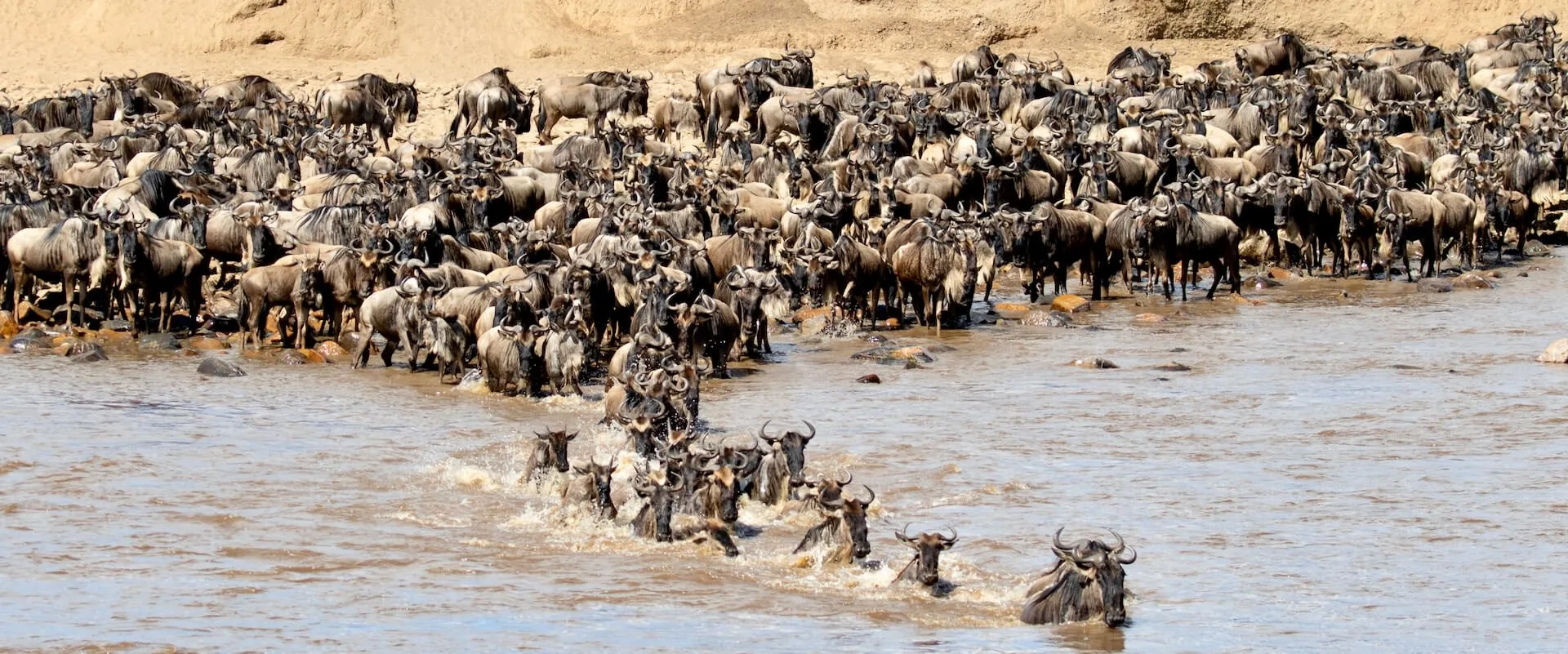
The Great Migration in Africa happens all year because the herds continuously circulate through the Serengeti–Mara ecosystem in…
Read article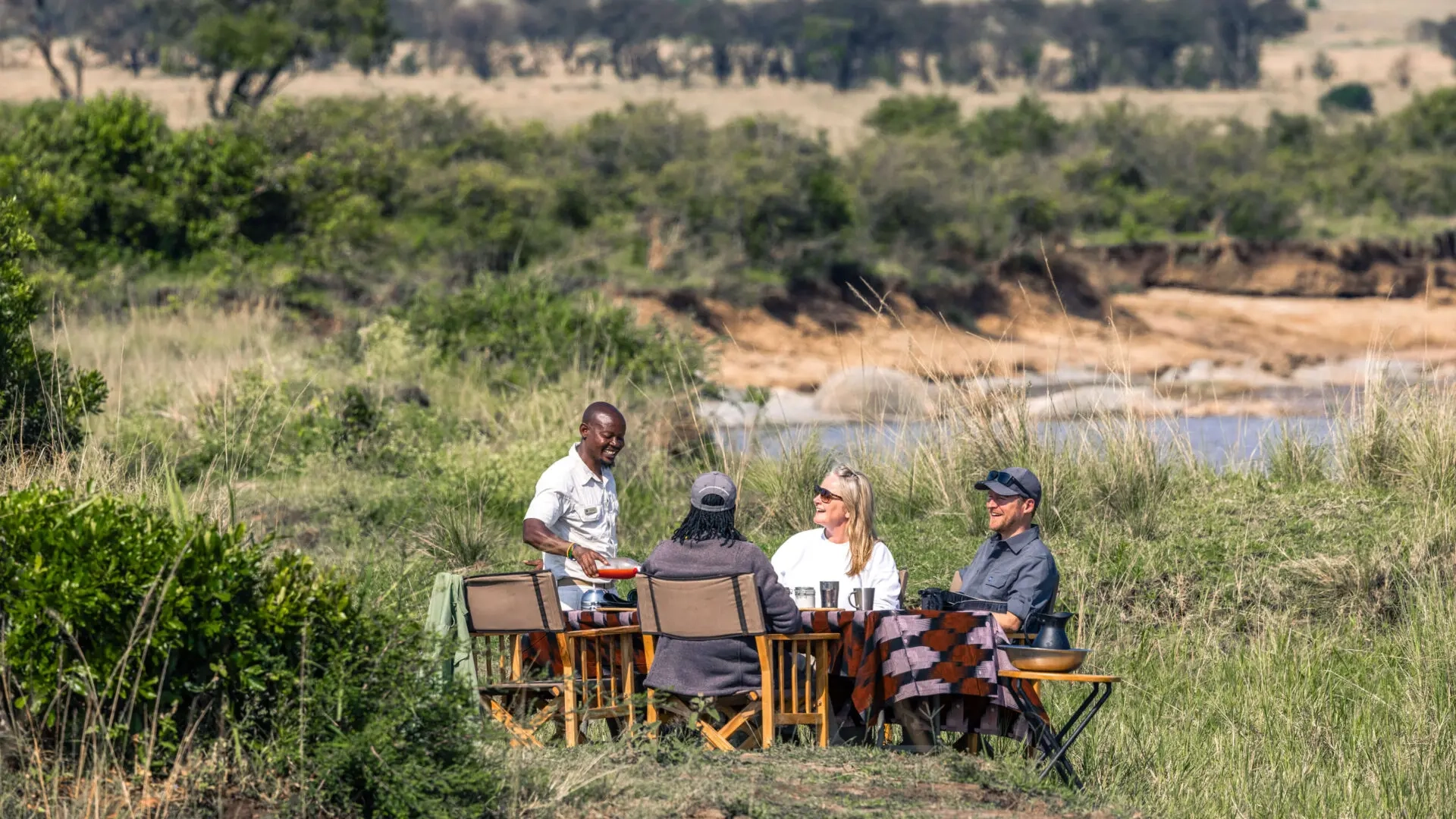
Definitive answer: A picnic lunch on safari is a packed or catered midday meal eaten at an approved…
Read article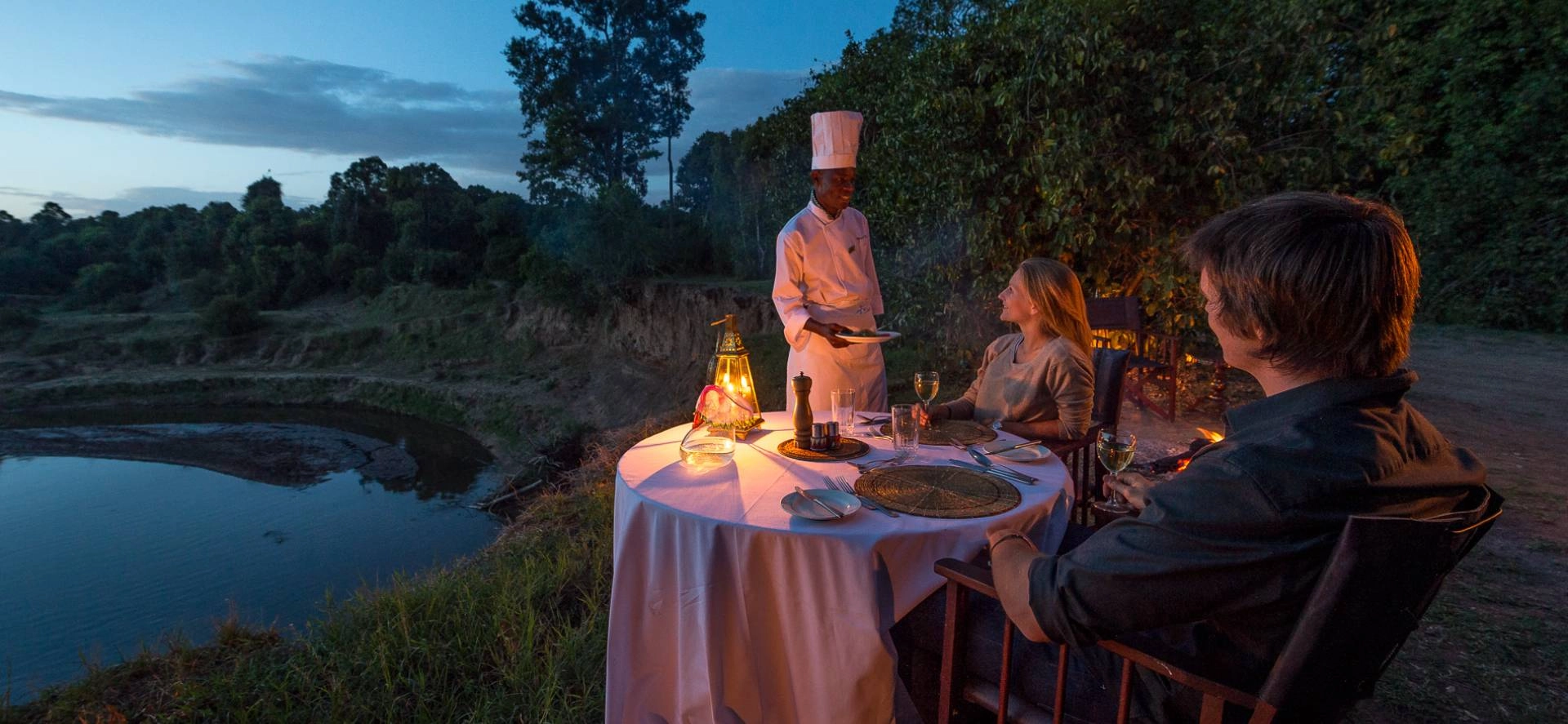
Definitive answer: A bush dinner is an outdoor evening meal arranged in a safe safari setting away from…
Read articleLet us take you closer to the wildlife, people and places that make Africa extraordinary.
Plan Your Safari Today