
What to Eat During Your Kilimanjaro Climb for Optimal Performance: Fueling your body properly during…
How to Protect Your Skin from Sunburn on Kilimanjaro
4.
How to Protect Your Skin from Sunburn on Kilimanjaro
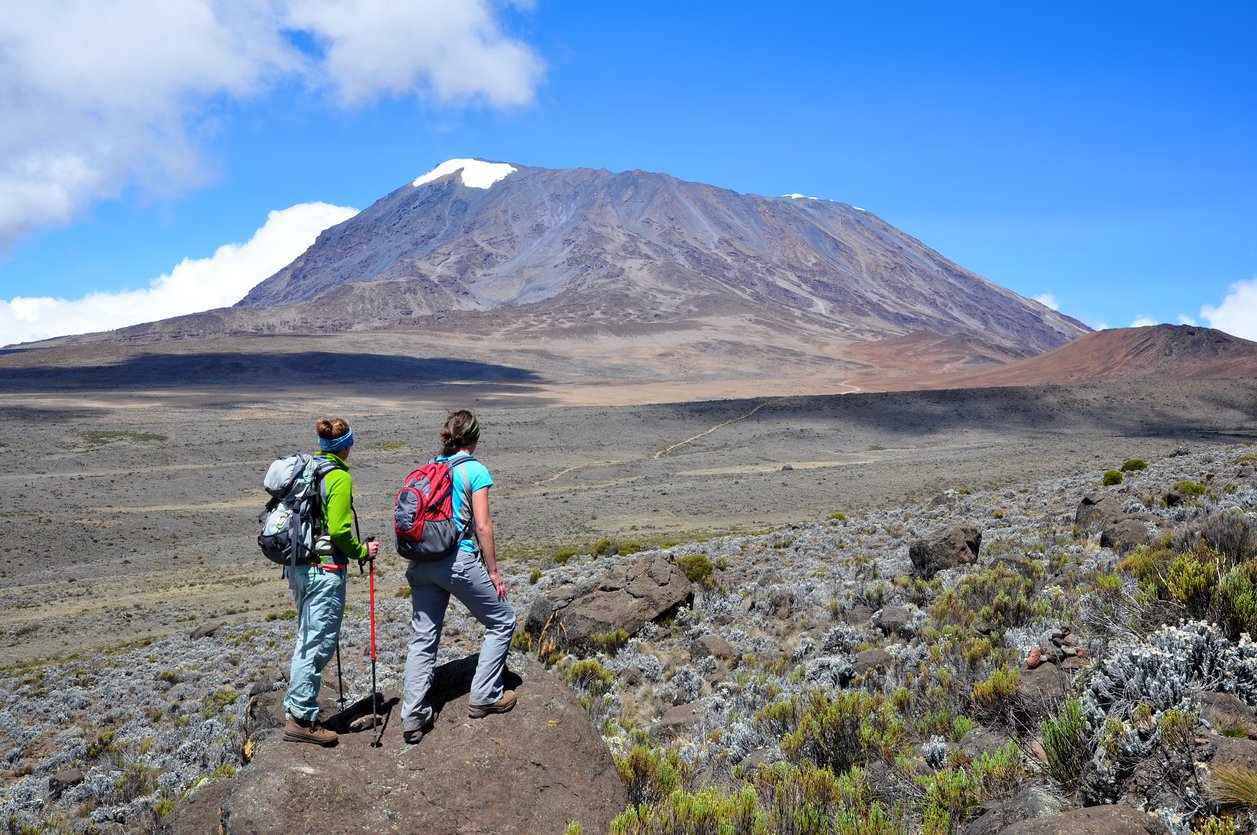
Kilimanjaro sunburn Protection: Mount Kilimanjaro may not strike you as a typical sunburn destination, but its high altitude and intense UV exposure make sunburn prevention a critical part of your climb. Whether you’re trekking through the alpine desert or near the summit, the sun’s rays are powerful—and dangerous if you’re unprotected.
1. Why Is Sunburn a Serious Risk on Kilimanjaro?
At high elevations, the atmosphere is thinner, providing less natural UV protection. You’re closer to the sun, and snowy or dusty surfaces reflect sunlight directly back at you. Even on overcast days, UV exposure is high—especially on summit day, when the sun rises early, and hikers are already above 5,000 meters.
2. Essential Sunscreen Tips
- Choose a broad-spectrum sunscreen with at least SPF 50+.
- Apply sunscreen to all exposed skin, including ears, nose, lips, and hands.
- Reapply every 2–3 hours, especially after sweating.
- Use a zinc-based or mineral sunscreen for long-lasting coverage.
3. Don’t Forget Your Lips and Eyes
Chapped, sunburned lips are common on the mountain. Use a high-SPF lip balm and reapply frequently. For your eyes, wear UV-protective sunglasses to guard against snow blindness caused by light reflecting off ice or rock.
4. Clothing Is Your First Line of Defense
Clothing can help you avoid sun exposure altogether. Wear:
- A wide-brim hat or cap with a neck flap
- UV-protective sunglasses
- Long-sleeve moisture-wicking shirts
- Lightweight gloves for high altitudes
5. Summit Day Exposure
Summit day usually starts around midnight and ends in broad daylight. As you descend in full sun, UV radiation is at its peak. Reapply sunscreen at Stella Point or Uhuru Peak before heading down.
Conclusion
Preventing sunburn on Kilimanjaro is about preparation and diligence. The right gear and routine applications of sunscreen can help you stay safe, comfortable, and focused on your summit success—not nursing painful burns.
Related Posts:

Related Posts


