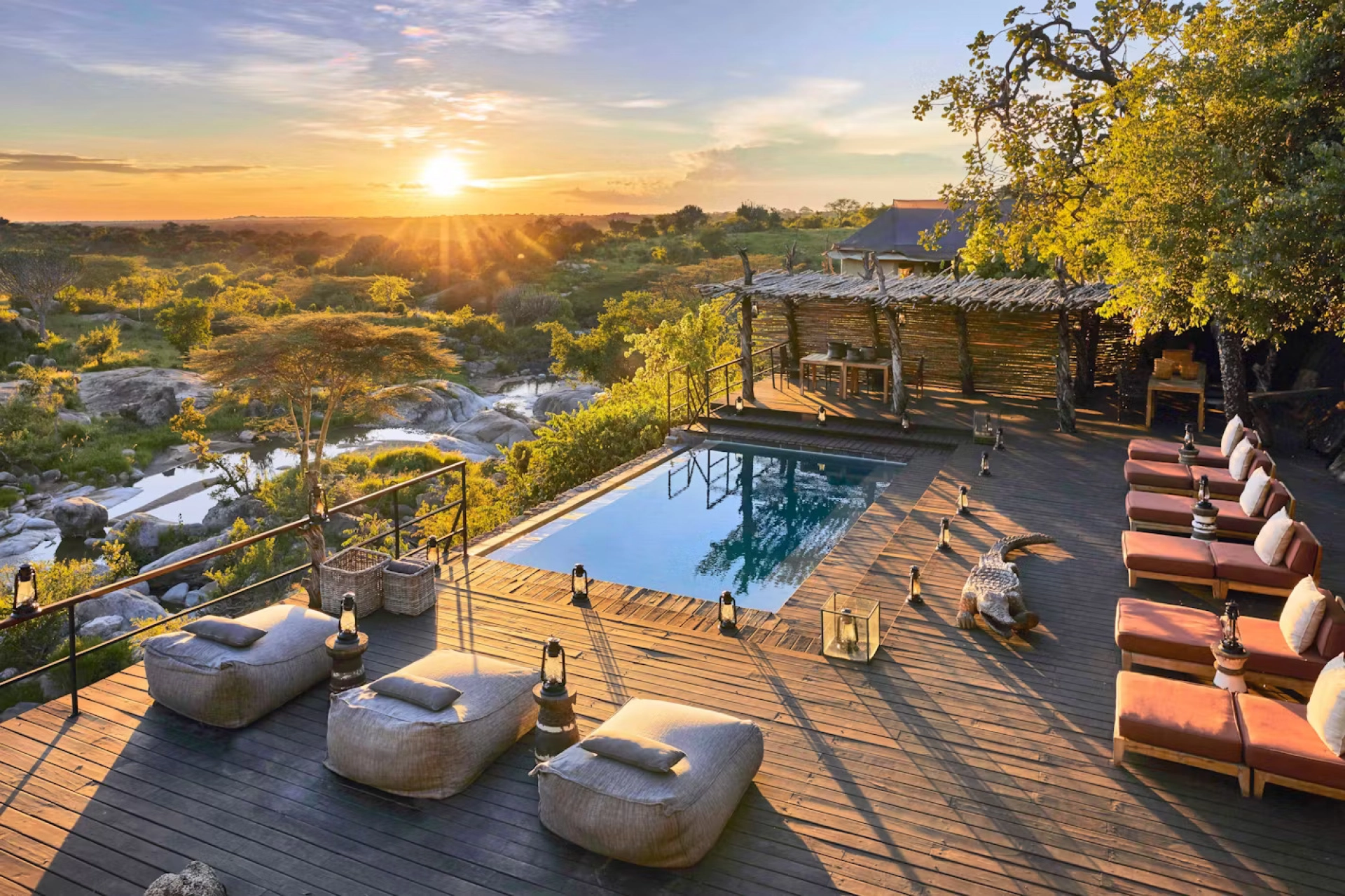
What should I look for when booking a luxury African safari?
When booking a luxury African safari, look beyond the room and compare the quality of guiding, wildlife location,…
Read article

FAQs
Paying more to stay inside a safari park can be worthwhile when the location gives you significantly better wildlife access, reduces daily transfer times or creates a more immersive wilderness experience. However, an inside-park lodge isn't automatically better. Excellent properties immediately outside park boundaries can offer similar access at lower prices, and the practical difference depends on the specific park, gate location and itinerary.
Paying more to stay inside a safari park can be worthwhile when the location gives you significantly better wildlife access, reduces daily transfer times or creates a more immersive wilderness experience. However, an inside-park lodge isn’t automatically better. Excellent properties immediately outside park boundaries can offer similar access at lower prices, and the practical difference depends on the specific park, gate location and itinerary.
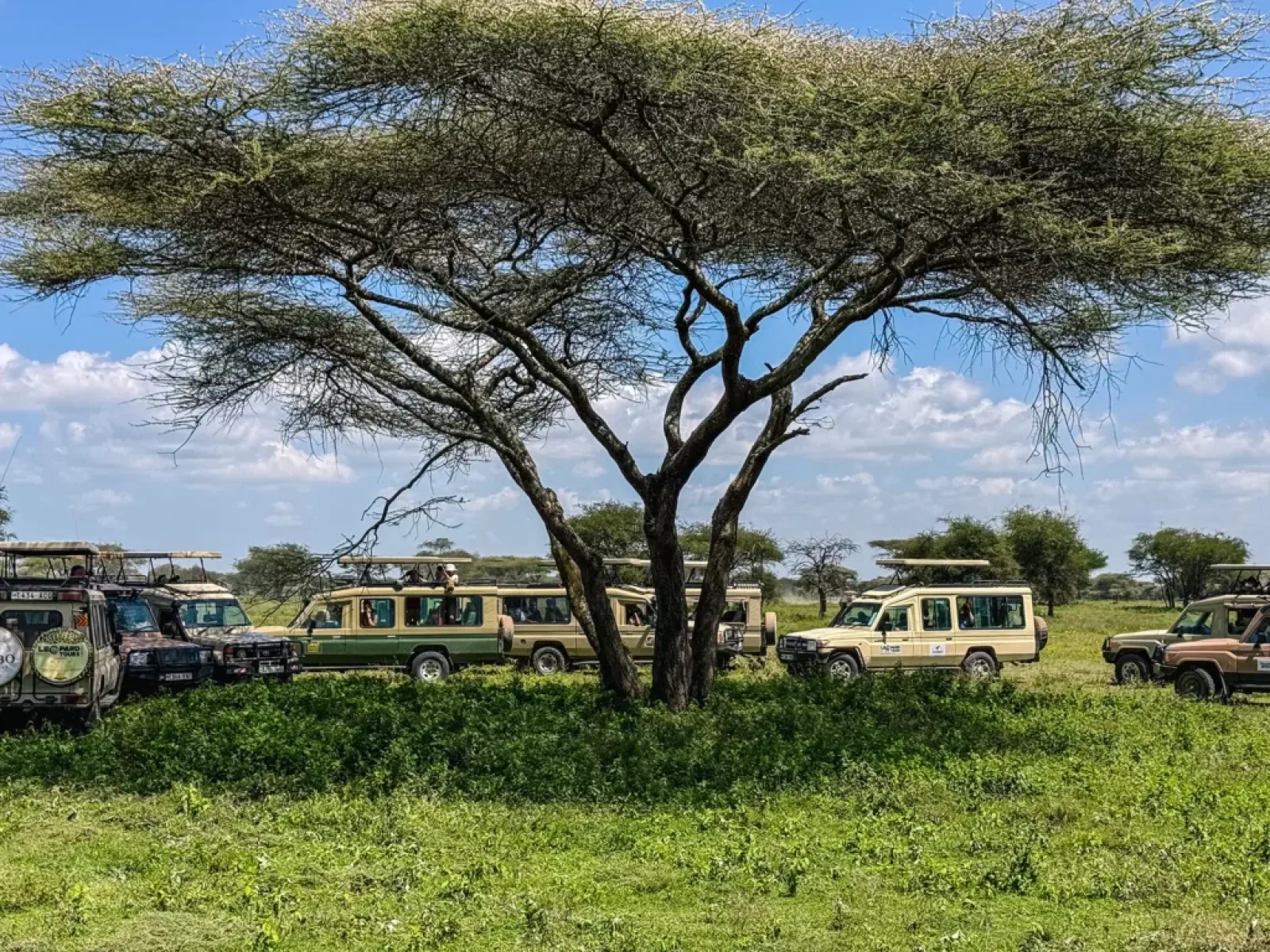
There can be several reasons.
Properties operating inside protected areas may face concession fees, licensing arrangements, logistical costs and environmental restrictions that differ from those affecting hotels in ordinary towns.
Supplies may need to be transported considerable distances.
Power and water systems may be more complicated.
Staff accommodation and waste management can also involve significant logistical planning.
In addition, guests are paying partly for location.
A room surrounded by wilderness can command a premium because the setting itself is part of the safari experience.
Usually, time.
If you’re already inside the wildlife area, you may avoid lengthy morning transfers from accommodation outside the boundary.
Depending on park regulations and lodge location, you may also avoid repeated gate procedures.
That can translate into more time observing wildlife during productive periods of the day.
For travelers who have spent significant money reaching Africa, buying more usable safari time can represent excellent value.
Sometimes, but never assume it.
Some safari camps and lodges are unfenced or situated in landscapes through which wildlife naturally moves.
Guests might see antelope, warthogs, elephants, monkeys or other species around the property.
At certain camps, predators can also move through the broader area.
This is why some lodges escort guests after dark.
The experience can be extraordinary, but it also requires following safety instructions carefully.
It can be.
One of the pleasures of staying within a wildlife landscape is that the safari doesn’t necessarily end when the game drive finishes.
You may hear hyenas calling after dark, listen to hippos in the distance or watch animals from the lodge terrace.
The night sky may be exceptionally dark.
There may be little urban noise.
For travelers seeking immersion, these elements can justify paying more even when the room itself isn’t substantially more luxurious.
In some destinations, yes.
Guests staying outside may need to travel to an entrance and comply with gate access arrangements before beginning wildlife viewing.
Guests already inside can sometimes start much closer to productive areas.
The exact advantage varies significantly.
Don’t assume all parks operate identically.
Ask the safari operator how much actual time the inside location saves.
No.
This is a critical point.
A national park may cover hundreds or thousands of square kilometres.
A lodge can technically be “inside the park” while still being far from the wildlife areas you most want to explore.
Another property immediately outside a strategically positioned gate might actually provide more efficient access.
The label inside the national park is therefore less important than the precise geographical position.
Absolutely.
Suppose an outside lodge sits five minutes from the entrance leading directly toward a productive wildlife area.
An inside lodge on the opposite side of the park might require a much longer drive.
The outside lodge could be operationally superior despite being outside the boundary.
This is why experienced safari planners examine maps and actual road networks rather than relying on marketing labels.
Often, but not always.
Outside national parks there may be more land availability and a wider range of accommodation categories.
Travelers can sometimes choose from budget, midrange and luxury options.
This competition can produce better value.
However, highly exclusive properties outside parks can still be extremely expensive, especially when located in private conservancies or reserves.
Price reflects far more than boundary location.
Possibly.
Suppose staying outside saves a substantial amount over three nights while adding only ten minutes to each game drive.
You might prefer using the savings for a private safari vehicle, an additional activity or another night on safari.
That could improve the overall trip more than paying for the inside location.
Safari planning is about allocating budget where it creates the greatest experiential benefit.
It becomes attractive when the location:
Saves substantial daily driving time.
Provides excellent access to wildlife.
Avoids inconvenient gate logistics.
Creates a special wilderness atmosphere.
Allows attractive views directly from camp.
Reduces early-morning commuting.
Makes the itinerary geographically more logical.
The more of these benefits apply, the easier the premium is to justify.
An outside property may be preferable when it sits very close to the park entrance, offers substantially better value or is positioned conveniently for the next destination.
It may also offer amenities unavailable inside the protected area.
For example, travelers might prefer a larger swimming pool, family facilities, easier town access or a broader range of room categories.
The choice should reflect the entire journey.
Potentially very important.
Photography depends heavily on light and time.
If staying inside allows you to reach wildlife more efficiently during early morning or late afternoon, the advantage can be significant.
A photographer may reasonably prioritize location over room luxury.
However, photographers should still examine where the lodge is positioned relative to productive wildlife areas.
Inside alone doesn’t guarantee photographic superiority.
Families need to balance convenience with facilities.
Reducing driving time can be extremely valuable for children.
At the same time, an outside lodge with a swimming pool, family rooms and open space may be more suitable.
Private vehicles can also reduce the impact of staying slightly farther away because families control their departure and return times more easily.
It can be particularly atmospheric.
Remote camps, wilderness sounds and beautiful landscapes can create an unforgettable setting.
But couples shouldn’t automatically choose an inside property if it consumes too much of the budget.
A romantic lodge just outside a park can still provide an exceptional experience, particularly if access is easy.
Often, but not always.
You need to examine two types of driving.
First is the journey from the lodge to wildlife areas.
Second is the transfer to your next destination.
An inside lodge may reduce today’s game-drive transfer but increase tomorrow’s departure journey.
Good itinerary design balances both.
Uganda provides a useful example of why destination-specific analysis matters.
Safari accommodation around parks such as Queen Elizabeth National Park, Murchison Falls National Park and Lake Mburo National Park exists in different locations relative to park entrances and major activity areas.
The most expensive or most famous property isn’t automatically the most convenient for every itinerary.
A lodge should be chosen according to the game-drive sector, boat activity, onward route and overall travel style.
Gorilla accommodation introduces another variation.
The key question is often not simply whether a lodge is “inside” or “outside” a protected area, but whether it is well positioned for the relevant trekking sector or briefing point.
In destinations such as Bwindi, sector location can materially affect morning logistics.
A beautiful lodge associated broadly with the park may still be inconvenient for a particular trekking permit.
Always match accommodation to the actual activity location.
The same principle applies.
Some properties are positioned within national parks or reserves, while others sit outside boundaries or in adjoining conservancies.
Each arrangement can offer advantages.
Private conservancies may provide a different style of safari from the neighboring national reserve.
Rather than focusing solely on whether a property lies inside a famous park, investigate the actual wildlife access and activities available from that lodge.
Don’t assume this.
Accommodation charges and conservation or park fees are separate concepts in many destinations.
Fee structures vary by country and protected area.
Always check what is included in the safari quotation.
An expensive room rate doesn’t necessarily mean all park-related charges are included.
Not necessarily.
A mixed strategy can work extremely well.
You might pay more for a strategically located lodge in the most wildlife-intensive part of the safari while choosing better-value outside accommodation elsewhere.
This concentrates your budget where location matters most.
Safari accommodation doesn’t need to follow the same category every night.
Don’t begin with room photographs.
Begin with a map and practical questions.
How long does it take to reach the main wildlife area?
What time can the game drive begin?
Are there daily gate procedures?
What wildlife can be seen around the lodge?
How far is tomorrow’s destination?
What activities depart directly from the property?
Then compare rooms, food, service, facilities and price.
This produces a far more meaningful comparison.
A useful way to evaluate the premium is to think about time.
Suppose Lodge A costs significantly more but saves ninety minutes of daily driving.
Over three days, that can represent several additional hours available for wildlife viewing or relaxation.
The premium may suddenly look reasonable.
Conversely, if Lodge B is ten minutes outside the gate and costs substantially less, paying heavily for the inside label may provide little practical benefit.
Suppose your budget allows one major upgrade.
Option one moves you from a comfortable room to a larger luxury suite outside the park.
Option two keeps the room relatively simple but places you deep inside an exceptional wildlife area.
For travelers whose priority is safari rather than accommodation, the second upgrade may provide greater value.
This illustrates an important planning principle:
Upgrade the experience before upgrading the decoration.
“Inside the national park” sounds automatically superior.
Marketing materials naturally emphasize it.
But professional safari planning should remain practical.
Where exactly is the lodge?
How far is it from wildlife?
How does it affect tomorrow’s route?
What activities does it unlock?
How much does it cost?
Only after answering those questions can you decide whether the premium is justified.
Often, yes—when you’re paying for meaningful access rather than merely an address.
If the inside location saves substantial time, improves early and late wildlife viewing and creates an immersive wilderness experience, it can be one of the smartest safari upgrades.
If an excellent outside lodge sits minutes from the gate and costs considerably less, the premium may be unnecessary.
Don’t choose according to the boundary line alone.
Choose according to how the lodge’s location affects the safari you will actually experience.
Continue with:
The best safari accommodation isn’t necessarily the property deepest inside a park or the one with the highest room rate. It is the lodge whose location, comfort, access and price work together to improve the overall journey.

Share This Article
When booking a luxury African safari, look beyond the room and compare the quality of guiding, wildlife location,…
Read article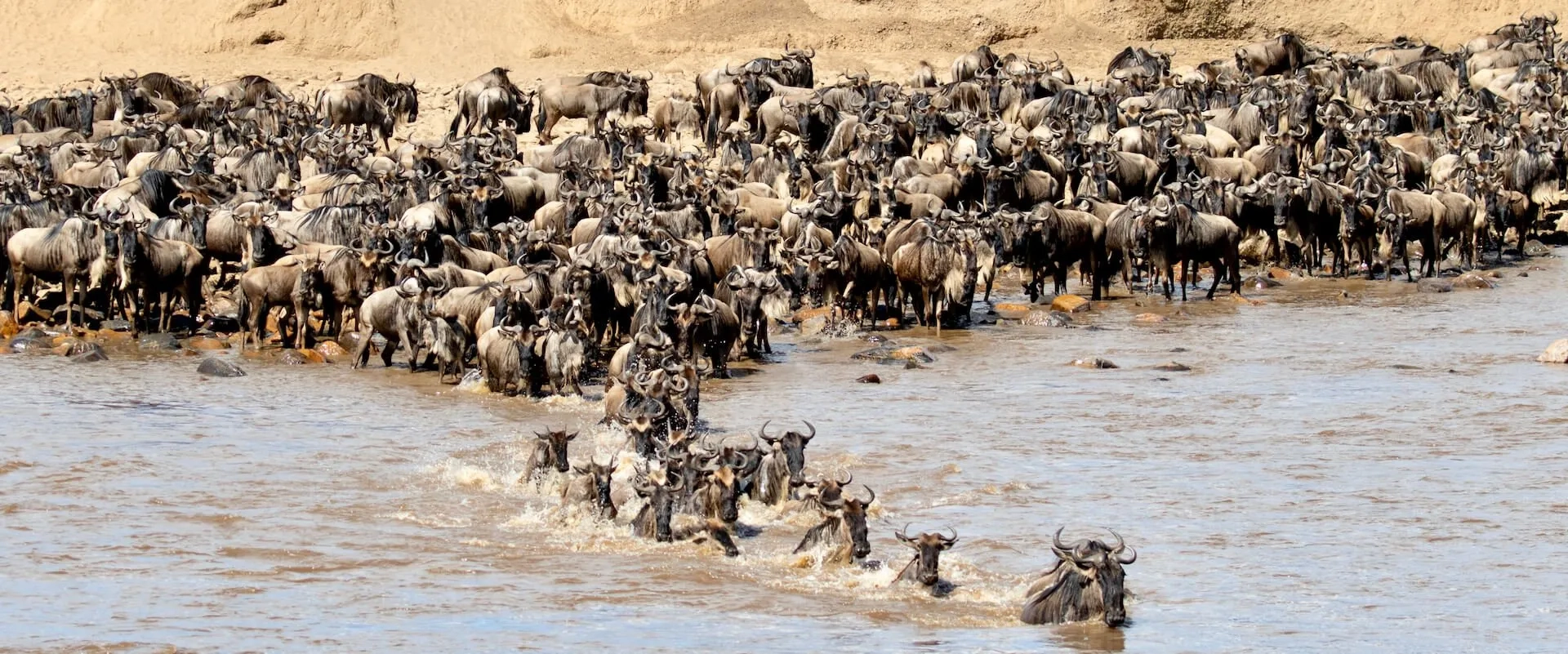
The Great Migration in Africa happens all year because the herds continuously circulate through the Serengeti–Mara ecosystem in…
Read article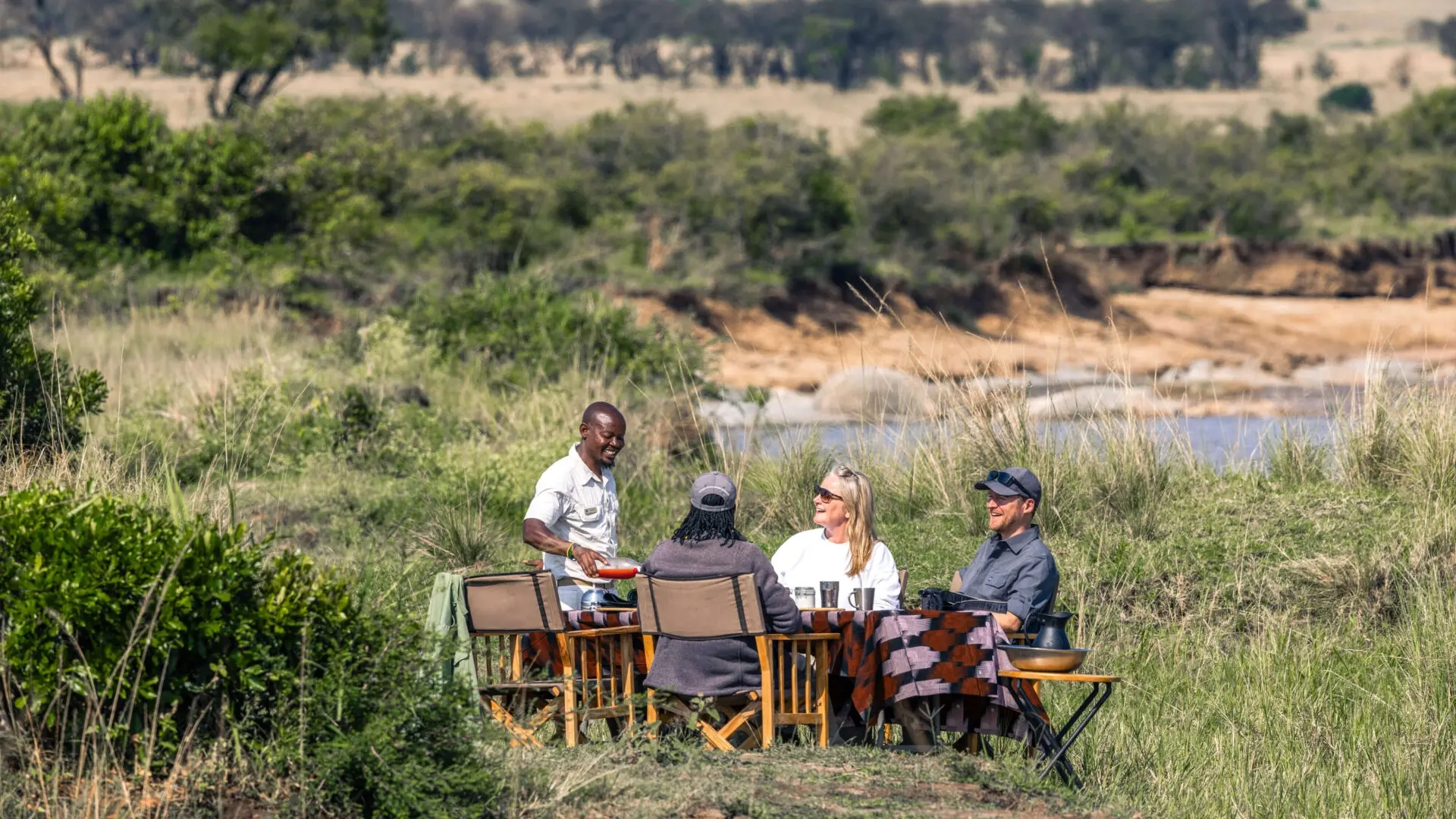
Definitive answer: A picnic lunch on safari is a packed or catered midday meal eaten at an approved…
Read article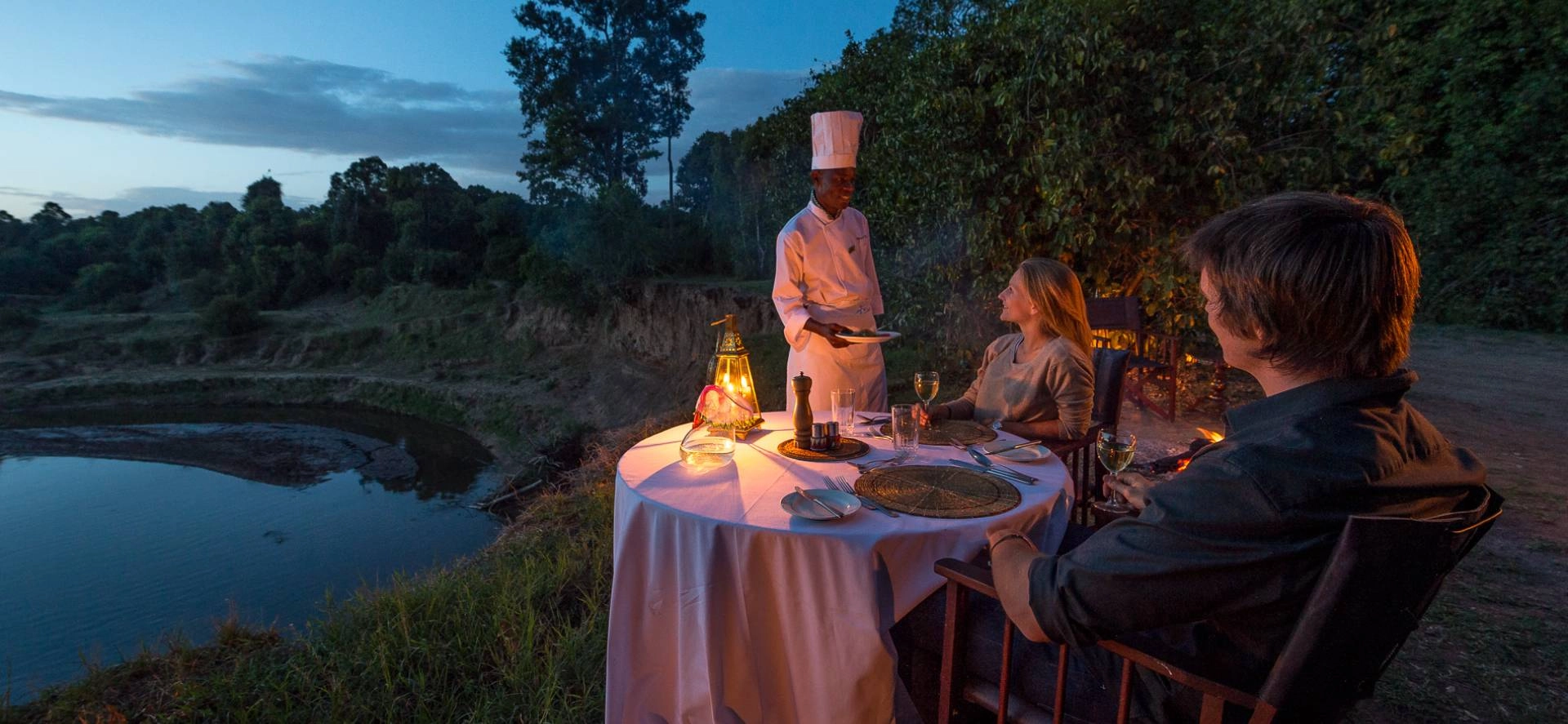
Definitive answer: A bush dinner is an outdoor evening meal arranged in a safe safari setting away from…
Read articleLet us take you closer to the wildlife, people and places that make Africa extraordinary.
Plan Your Safari Today