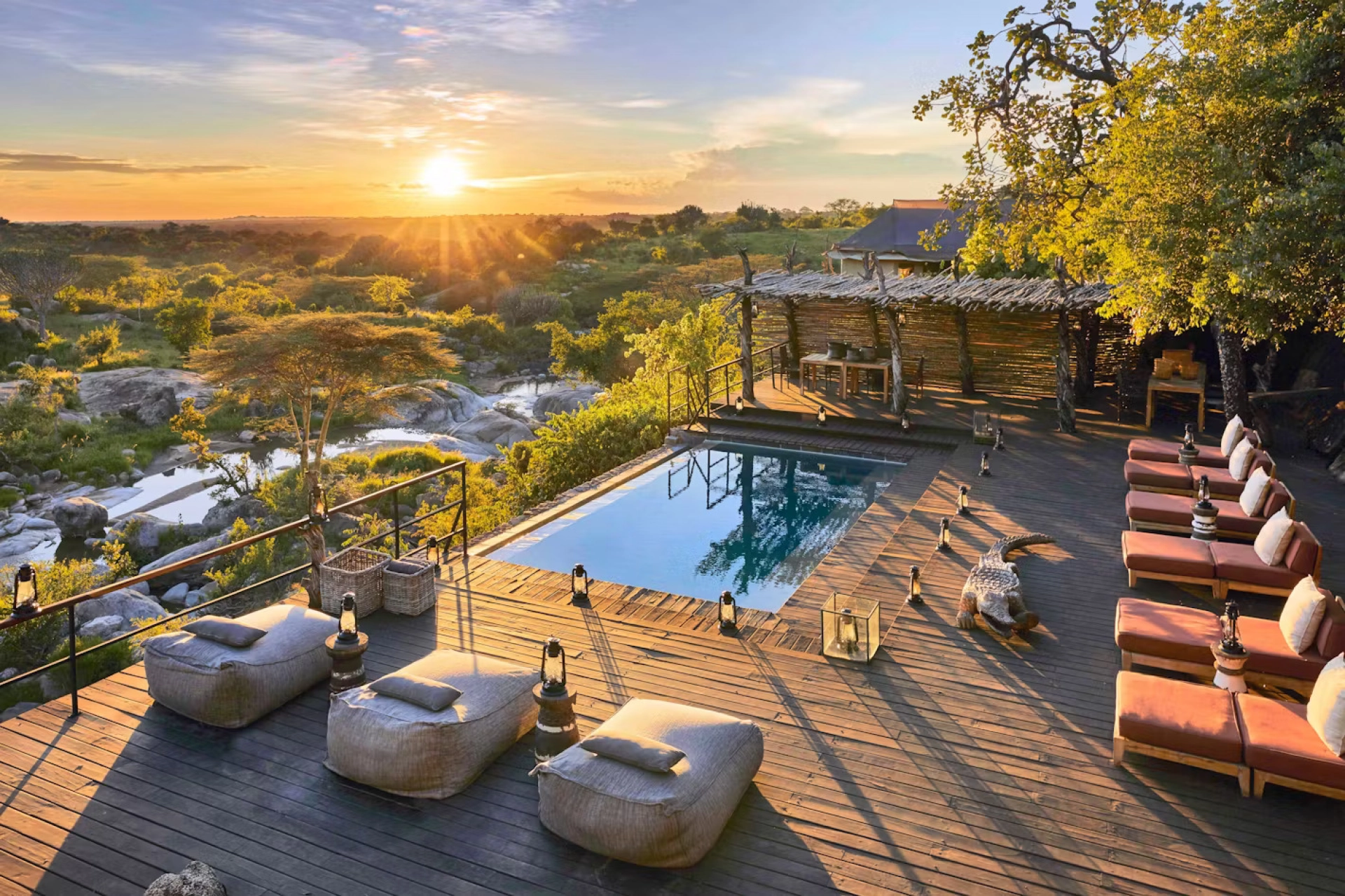
What should I look for when booking a luxury African safari?
When booking a luxury African safari, look beyond the room and compare the quality of guiding, wildlife location,…
Read article

Travel Guide
The Kalahari is frequently called the Kalahari Desert, but ecologically it is more complicated than the name suggests. Wildlife in Botswana The vast Kalahari Basin stretches across a huge portion of southern Africa, particularly Botswana, Namibia…
The Kalahari is frequently called the Kalahari Desert, but ecologically it is more complicated than the name suggests.
The vast Kalahari Basin stretches across a huge portion of southern Africa, particularly Botswana, Namibia and South Africa, with the broader sand basin extending farther into neighbouring countries. Much of the Kalahari receives more rainfall than a true desert, allowing extensive grasses, shrubs and woodland to survive. For this reason, large areas are better described as semi-arid savannah or sandveld. What defines the region is not simply low rainfall but the enormous expanse of deep Kalahari sands and the absence of permanent surface water across many areas.
Rain can transform the landscape. During dry periods, grass becomes pale, waterholes shrink and animals may travel considerable distances to find resources. After good rains, parts of the Kalahari can suddenly become green, temporary pans fill and herbivores gather around fresh grazing. This seasonal transformation strongly influences Kalahari wildlife.
Among all the animals of the Kalahari, lions are perhaps the most famous.
The so-called black-maned Kalahari lions have become icons of the region. Adult males can develop impressive dark manes that contrast dramatically with the pale sand and dry grass. They are not a separate lion species. They are African lions adapted to life in an unusually demanding environment. Kalahari lions frequently occupy very large home ranges because prey and water are less concentrated than in many wetter safari ecosystems. They may travel substantial distances, particularly when conditions are dry.
Their behaviour reflects the environment. Rather than relying on the dense concentrations of herbivores found in places such as parts of the Serengeti or Masai Mara, Kalahari predators must often search much larger areas for opportunities. For visitors, finding lions can therefore involve hours of tracking and patient driving. But that makes an encounter particularly rewarding. Seeing a male lion walking through red Kalahari sand in the early morning is one of southern Africa’s defining wildlife experiences.
The Kgalagadi Transfrontier Park, spanning South Africa and Botswana, is especially famous for lion sightings and wildlife photography. Botswana’s Central Kalahari Game Reserve also protects an enormous wilderness where lions roam across vast territories. The experience differs between the two destinations, but both offer opportunities to see predators in landscapes dramatically different from the classic East African savannah.
Few predators seem better suited to open country than the cheetah.
The Kalahari’s grasslands and relatively open terrain can provide excellent conditions for these extraordinary cats. Cheetahs rely on acceleration and speed rather than the brute strength of lions. They generally hunt medium-sized prey such as springbok and young antelope, using eyesight to identify opportunities before approaching close enough to launch a chase. The open landscape makes the relationship between predator and prey fascinating to watch. Springbok constantly scan their surroundings. Cheetahs use subtle dips, vegetation and distance to conceal their approach.
A hunt may involve long periods of apparent inactivity followed by seconds of explosive speed. The Kalahari is therefore an outstanding destination for travellers interested not merely in seeing predators but observing predator behaviour.
Leopards are present in the Kalahari, although they can be considerably harder to locate than lions or cheetahs.
Their secretive nature and ability to disappear into surprisingly sparse vegetation make them challenging safari subjects. Leopards are exceptionally adaptable predators. Across Africa they occupy habitats ranging from rainforest and mountains to dry savannah. In the Kalahari, their territories can be large and their movements difficult to predict. Finding one often depends on luck, tracking skill and careful attention to signs such as footprints, alarm calls and the behaviour of other animals.
Because sightings are relatively unpredictable, a Kalahari leopard encounter often becomes one of the highlights of an entire safari.
The brown hyena is one of the Kalahari’s most fascinating predators and scavengers.
Less famous than the spotted hyena, brown hyenas have shaggy dark coats, long hair around the shoulders and an almost prehistoric appearance. They are particularly well adapted to arid environments and may travel large distances while foraging. Brown hyenas are opportunistic feeders. Carrion forms an important part of their diet, but they may also consume insects, eggs, fruit and small animals. Their scavenging role is ecologically valuable because they help recycle nutrients and remove carcass remains from the landscape.
The Kalahari is one of the world’s best regions for travellers hoping to see this unusual carnivore.
Spotted hyenas also occur in parts of the Kalahari. Their powerful jaws, complex social structures and remarkable adaptability make them among Africa’s most successful large carnivores. The popular stereotype of hyenas as simple scavengers is inaccurate. Spotted hyenas are capable hunters and may kill a significant proportion of their own food. Interactions between hyenas and lions can be particularly interesting because the species compete intensely over carcasses and hunting opportunities.
In an environment where food may be widely scattered, those competitive relationships can become even more important.
The African wild dog, also known as the painted wolf or painted dog, is among Africa’s most endangered large carnivores. Wild dogs occur in parts of Botswana and the broader Kalahari region, although encounters are never guaranteed. Their social behaviour is extraordinary. Packs cooperate when hunting, raising pups and defending territory. Their hunts can cover significant distances and are characterised by stamina and teamwork rather than the short explosive pursuit associated with cheetahs.
Seeing wild dogs is a privilege anywhere in Africa. Finding them against the huge horizons of Botswana’s drylands can be unforgettable.
Few Kalahari animals are as instantly recognisable as meerkats. These small members of the mongoose family live in highly social groups and spend considerable time foraging for insects and other small prey. Their famous upright posture serves a practical purpose. While group members forage, individuals regularly scan the surroundings for danger. From an elevated position, a meerkat can watch for aerial predators such as eagles or terrestrial threats including jackals.
Meerkats retreat into extensive underground burrow systems that provide shelter from predators and extreme temperatures. Their social lives are complex. Groups cooperate in raising young, maintaining vigilance and defending territory. Watching a meerkat colony wake at sunrise can be one of the most enjoyable experiences on a Kalahari wildlife safari. Individuals emerge cautiously, warm themselves in the morning sun and gradually begin searching for food. Their small size is also a reminder that a safari should never focus exclusively on large mammals.
The gemsbok, or southern oryx, looks almost designed for the desert. Its striking black-and-white facial markings, long straight horns and muscular body make it one of southern Africa’s most distinctive antelopes. More importantly, gemsbok possess remarkable physiological adaptations to hot, dry environments. They can tolerate substantial increases in body temperature, reducing the need to lose precious water through sweating. They obtain moisture from food and are capable of surviving long periods without drinking free-standing water.
This ability is crucial in environments where permanent water may be absent across enormous distances. Gemsbok feed on grasses, roots, bulbs and other vegetation, adjusting their diet according to seasonal conditions. During dry periods, they may dig for moisture-rich underground plant material. Seeing gemsbok standing against red dunes is one of the classic images of the Kalahari.
Springbok are another characteristic Kalahari herbivore. These elegant antelopes are superbly adapted to dry open country and can obtain much of their moisture from vegetation. Their name comes from their remarkable jumping behaviour known as pronking, in which animals leap into the air with stiff legs. The exact functions of pronking can vary, but the behaviour may communicate fitness to predators, signal alarm or occur during excitement. Springbok are important prey for cheetahs, leopards, lions and other carnivores.
Large numbers can sometimes gather where rainfall produces fresh grazing, demonstrating how quickly wildlife responds to changing Kalahari conditions.
Wildebeest also occur across Kalahari habitats, although their distribution and numbers vary by area. In Botswana, seasonal rainfall can trigger substantial movements as herbivores follow fresh grazing and temporary water. The sight of wildebeest crossing apparently dry country illustrates one of the Kalahari’s central ecological patterns: wildlife movement is closely linked to rainfall. Unlike permanent river ecosystems where animals may remain relatively concentrated, Kalahari herbivores often need to respond dynamically to changing resources.
The red hartebeest is another antelope well suited to open dry landscapes. Its elongated face, sloping back and distinctive horns make it easy to recognise once you become familiar with it. Hartebeest are efficient runners and can maintain considerable speed across open ground, an important defence in predator country. They primarily graze and can utilise relatively coarse grasses, helping them survive in habitats that may provide limited high-quality forage during dry periods.
The eland is Africa’s largest antelope and can also occur within the Kalahari ecosystem. Despite its enormous size, an eland can move with surprising agility. Eland are mixed feeders, consuming grasses, leaves and other plant material depending on availability. Their ability to exploit different food sources helps them cope with variable semi-arid conditions. Large males are particularly impressive, with thick necks and spiralled horns.
Greater kudu are associated with areas where sufficient bushes and woodland provide browse and cover. Their enormous spiral horns make adult males among Africa’s most spectacular antelopes. Kudu rely heavily on camouflage. Their grey-brown coats and vertical white stripes blend surprisingly well with branches, shadows and dry vegetation. An animal can stand only a short distance from a road yet remain unnoticed until it moves. This ability to disappear into the landscape is another reason Kalahari wildlife viewing rewards careful observation.
Giraffes occur across suitable Kalahari woodland and savannah habitats. Their height allows them to access leaves unavailable to most other herbivores, particularly from acacia and related trees. Watching giraffes feed demonstrates the importance of vertical separation within African ecosystems. Different herbivores exploit vegetation at different heights, reducing direct competition for food. Giraffes are also valuable to other animals because their elevated viewpoint allows them to detect predators from considerable distances.
If giraffes suddenly become alert and stare toward one location, experienced guides often pay attention. There may be a predator nearby.
The bat-eared fox is one of the Kalahari’s most charming smaller mammals. Its enormous ears are immediately distinctive. Those ears are useful not only for dissipating heat but also for locating prey underground. Unlike many other canids, bat-eared foxes eat enormous numbers of insects, particularly termites. They may walk slowly across open ground with their heads lowered, listening for movement beneath the soil. Family groups are sometimes encountered around dens, especially where termite activity is high.
Their ecological role demonstrates how desert food webs depend heavily on creatures that safari travellers might initially overlook.
The Cape fox is another small carnivore adapted to dry southern African environments. Usually nocturnal or crepuscular, these foxes feed on rodents, insects, reptiles and other small prey. Their relatively secretive behaviour makes sightings particularly rewarding. Early morning and evening game drives provide some of the best opportunities to encounter smaller predators before they retreat from daytime heat.
Black-backed jackals are among the Kalahari’s most adaptable carnivores. They hunt small mammals, reptiles and birds but also readily scavenge from larger predator kills. Watching jackals around a lion or cheetah kill can reveal fascinating risk-reward behaviour. The jackal wants access to food but must remain alert because approaching too closely can be dangerous. Their sharp senses and adaptability allow them to thrive across a remarkable range of southern and eastern African habitats.
Few African animals have acquired a reputation as formidable as the honey badger. These compact mustelids are powerful, persistent and highly adaptable. They feed on an astonishing range of foods including insects, rodents, reptiles, birds, eggs and plant material. Honey badgers can be difficult to see because they are often active at night and range widely. A daytime sighting on a Kalahari safari is therefore a special event. Their ability to dig rapidly is particularly useful when searching for underground prey.
The aardwolf looks superficially like a small, delicate hyena, but its diet is dramatically different. Rather than hunting large prey, aardwolves specialise heavily in termites. Their tongues are adapted for rapidly collecting insects from the ground. Because termite activity changes with temperature and season, aardwolf behaviour may also shift throughout the year. These unusual animals demonstrate just how specialised some Kalahari desert wildlife has become.
The aardvark is another extraordinary insect eater. Powerful claws allow it to excavate termite mounds and ant nests, while its long sticky tongue collects insects. Aardvarks are mainly nocturnal, making them difficult to encounter on conventional daytime game drives. Their burrows, however, are ecologically important. Abandoned aardvark burrows can provide shelter for numerous other animals, including warthogs, reptiles and smaller mammals. This makes the aardvark an important ecosystem engineer even when visitors rarely see the animal itself.
Pangolins are among Africa’s most sought-after and threatened mammals. The Temminck’s ground pangolin occurs across parts of southern Africa, including suitable Kalahari habitat. Covered in protective keratin scales, pangolins feed primarily on ants and termites. They are usually solitary and predominantly nocturnal. A pangolin sighting is exceptionally fortunate. Responsible safari operators should ensure that encounters are handled sensitively and never involve harassment or disturbance for photographs.
African porcupines also inhabit dry landscapes. Their enormous black-and-white quills provide a highly effective defence. Contrary to a common myth, porcupines cannot shoot their quills. Instead, predators risk being injured when attempting to attack them. Porcupines are mainly nocturnal and feed largely on plant material, including roots and bulbs. Tracks and quills may reveal their presence even when the animals themselves remain hidden.
The ostrich is perfectly suited to the Kalahari’s enormous open spaces. As the world’s largest living bird, it cannot fly, but it compensates with powerful legs and impressive running speed. Ostriches have excellent eyesight, allowing them to detect predators across open country. Their breeding behaviour can be fascinating, with males displaying dramatically and adults carefully tending eggs and chicks. Against the Kalahari horizon, an ostrich can look almost prehistoric.
The secretary bird is one of Africa’s most distinctive raptors. Rather than hunting primarily from the air, it spends much of its day walking across open grasslands searching for insects, reptiles, rodents and snakes. Its extremely long legs help it cover considerable distances. Watching a secretary bird hunt is a highlight for birders and non-birders alike. It may stamp rapidly at prey with powerful feet before continuing its deliberate stride through the grass.
The kori bustard is among the world’s heaviest flying birds. These enormous ground-dwelling birds inhabit open savannah and dry grassland, making the Kalahari excellent habitat. Males can perform elaborate courtship displays in which they inflate their necks and dramatically alter their appearance. Their size makes them impressive even at considerable distance.
The Kalahari’s open landscapes make it exceptional for birds of prey. Eagles, falcons, goshawks, kestrels and vultures use the wide skies and open ground to locate prey and carrion. Raptors can often be found perched on trees, scanning the landscape. During hot periods, rising columns of warm air provide thermals that large birds use to gain altitude with minimal energy expenditure. Birdwatching therefore adds another dimension to a Kalahari safari, particularly when mammal activity slows during the hotter middle of the day.
The ecosystem extends far beyond mammals and birds. Snakes, lizards, tortoises, scorpions, spiders, beetles and termites all play important roles. Termites are particularly influential. They provide food for aardwolves, bat-eared foxes, aardvarks and numerous birds while their mound-building activities influence soils and vegetation. Small creatures also demonstrate some of the Kalahari’s most remarkable survival strategies. Many avoid daytime heat by becoming nocturnal. Others burrow underground. Some obtain nearly all required moisture from food.
Understanding these adaptations makes the landscape feel much less empty.
The Central Kalahari Game Reserve is one of Africa’s great wilderness areas. Its immense scale produces a powerful feeling of remoteness. Wildlife can include lions, cheetahs, brown hyenas, jackals, oryx, springbok, wildebeest and numerous smaller species. The rainy season can be particularly interesting because fresh grass attracts herbivores to productive areas such as the Deception Valley region. Predators follow. Self-drive safaris are possible for properly equipped and experienced travellers, but the remoteness, sandy roads and limited services require careful preparation.
Guided safaris provide a safer and more informative option for many visitors.
The Kgalagadi Transfrontier Park straddles South Africa and Botswana and is among the best-known Kalahari wildlife destinations. Red dunes, dry riverbeds and sparse vegetation create superb photographic backgrounds. The park is particularly celebrated for predators, including black-maned lions, cheetahs, leopards, brown hyenas and jackals. Waterholes can become focal points for wildlife, especially during dry periods. For photographers, the combination of clear light, red sand and open landscapes can be extraordinary.
Although ecologically distinct from the deepest parts of the Kalahari, Botswana’s Makgadikgadi Pans and Nxai Pan form part of the wider Kalahari Basin and provide fascinating seasonal wildlife experiences. Rain can transform dry pans and surrounding grasslands. Zebra migrations and concentrations of grazing animals may attract predators, while birdlife can increase dramatically when water becomes available. These seasonal changes provide a powerful contrast with Botswana’s better-known Okavango Delta.
The Kalahari extends into eastern Namibia, where private reserves and lodges provide accessible opportunities to experience red dunes, dry savannah and desert-adapted wildlife. Oryx, springbok, giraffes, ostriches and various smaller animals are commonly associated with these landscapes. Namibia is particularly well suited to travellers combining the Kalahari with Sossusvlei, Etosha and other parts of the country.
Botswana offers one of Africa’s most dramatic safari contrasts. The Okavango Delta is defined by water. The Kalahari is defined by scarcity. In the Delta, channels, floodplains and islands concentrate wildlife around an enormous inland wetland. In the Kalahari, animals must respond to rainfall, temporary water and widely scattered resources. Combining the two can create an outstanding Botswana safari because travellers experience radically different ecosystems within the same country. A mokoro journey through Delta channels followed by several nights tracking black-maned lions across dry Kalahari grasslands demonstrates just how diverse Botswana really is.
There is no universally perfect month because seasons create different experiences. Dry periods can make wildlife easier to locate around dependable water sources. Vegetation is generally less dense, and clear skies can produce beautiful photography. However, temperatures can be extreme. The greener rainy season transforms parts of the landscape. Fresh grass can attract herbivores, young animals may appear and predators respond to changing prey distribution. Cloud formations and storms can also produce spectacular photographic conditions.
Birding often improves with seasonal arrivals and increased insect activity. Your ideal travel period therefore depends on whether you prioritise predator viewing, photography, birding, comfortable temperatures or green landscapes.
Travellers accustomed to wildlife-rich areas such as the Masai Mara, Serengeti, Chobe riverfront or Okavango Delta may initially find the Kalahari slower. That is precisely why many experienced safari travellers love it. You learn to notice details. Tracks in sand. A jackal moving along a dry riverbed. A distant gemsbok beneath a thunderstorm. The shape of a lion lying beside a dune. A pale chanting goshawk watching from a branch.
A meerkat standing above a burrow. The Kalahari encourages observation. Instead of moving rapidly between sightings, you begin reading the landscape.
The Kalahari is one of Africa’s outstanding photographic environments. Red sand provides strong visual contrast. Sparse vegetation creates clean backgrounds. Large skies allow dramatic compositions, particularly during storms and around sunrise or sunset. Predators may use roads and dry riverbeds for easier travel, creating opportunities for eye-level or approaching photographs from properly positioned safari vehicles. Long telephoto lenses are useful, but landscape photography should not be neglected. A solitary oryx beneath an enormous sky can communicate the Kalahari far more effectively than a tight portrait.
Dust should be managed carefully. Keep camera equipment covered when driving and avoid changing lenses unnecessarily in windy conditions.
The Kalahari may look limitless, but its ecosystems face real conservation pressures. Habitat fragmentation, livestock expansion, veterinary fencing, human-wildlife conflict, climate variability and illegal wildlife trade can all affect animal populations. Wide-ranging carnivores are particularly vulnerable because their territories frequently extend beyond formally protected areas. Conservation therefore requires more than national parks. Wildlife corridors, community partnerships, responsible tourism and land-use planning are essential for maintaining ecological connectivity. Visitors can contribute by choosing responsible safari operators, respecting wildlife regulations and supporting conservation-focused tourism.
For travellers planning a longer African journey, the Kalahari can create an extraordinary contrast with East Africa. Imagine beginning among the mountain gorillas of Uganda, continuing to the predator-rich plains of Kenya’s Masai Mara and eventually travelling south to search for black-maned lions in the Kalahari. These environments could hardly be more different. Bwindi is dense rainforest. The Mara is open grassland. The Kalahari is semi-arid wilderness. Together, they demonstrate the remarkable ecological diversity of the African continent.
Adventure in the Wild Safaris specialises in customised African wildlife journeys and can help travellers connect different safari regions according to available time, preferred accommodation and wildlife interests.
The Kalahari proves that abundance does not always mean density. Its wildlife is extraordinary precisely because survival is difficult. A gemsbok does not merely look beautiful against the dunes; its physiology represents generations of adaptation to heat and water scarcity. A brown hyena travelling through the night demonstrates how carnivores cope when food is scattered across enormous distances. A meerkat standing upright is not posing for a photograph. It is performing a vital role in a cooperative survival system.
A Kalahari lion crossing an apparently empty plain reveals why predators here need such enormous territories. Understanding those relationships changes the safari. The landscape no longer seems empty. It becomes a complex ecosystem shaped by heat, rainfall, sand, movement and competition. And that is why searching for Kalahari desert animals can be one of Africa’s most rewarding wildlife experiences.
Whether you want to photograph black-maned Kalahari lions, watch meerkats at sunrise, search for cheetahs across open grassland or combine southern Africa with an East African safari, careful itinerary planning is essential. Contact Adventure in the Wild Safaris to start designing a customised African safari combining the wildlife destinations and experiences that matter most to you.
Get quick answers to the most common questions. If you still have questions, our safari experts are here to help.
The Kalahari supports lions, cheetahs, leopards, brown and spotted hyenas, African wild dogs, meerkats, gemsbok, springbok, wildebeest, hartebeest, giraffes, kudu, eland, jackals, bat-eared foxes, honey badgers and numerous smaller mammals, reptiles and birds.
Yes. The Kalahari is famous for its lions, particularly adult males with impressive dark manes. Excellent lion habitat occurs in places such as the Kgalagadi Transfrontier Park and Central Kalahari Game Reserve.
No. The famous black-maned Kalahari lions are African lions. Their appearance and behaviour reflect individual variation and adaptation to the Kalahari environment rather than a separate lion species.
The Kgalagadi Transfrontier Park and Botswana’s Central Kalahari Game Reserve are two of the most famous destinations. Other parts of Botswana, Namibia and South Africa also provide excellent Kalahari wildlife experiences.
Yes. Meerkats are characteristic residents of dry southern African habitats and are particularly associated with the Kalahari.
Different species use different adaptations. Gemsbok can tolerate elevated body temperatures and obtain moisture from food. Many smaller animals avoid daytime heat by living underground or becoming nocturnal. Predators obtain some moisture from prey, while herbivores may travel to water or consume moisture-rich vegetation.
Elephants occur in parts of the broader Kalahari Basin, particularly Botswana, although they are not distributed evenly across the region. The classic central Kalahari wildlife experience is more strongly associated with desert-adapted antelope, predators and smaller mammals.
Both dry and green seasons can be rewarding. Dry conditions may concentrate wildlife around reliable resources, while rains can transform grasslands and attract herbivores, young animals and predators.
Yes, particularly for travellers interested in wilderness, predators, photography and unusual desert-adapted species. However, wildlife can be more dispersed than in destinations such as the Masai Mara or Chobe, so travellers should appreciate a slower and more patient style of safari.
Absolutely. This is one of Botswana’s strongest safari combinations because the dry Kalahari and water-rich Okavango Delta provide dramatically contrasting wildlife ecosystems.
Our safari experts are here to help you plan your safari. Get personalized advice, the latest information and a free, no-obligation quote.
We typically reply within a few hours.

Share This Article
When booking a luxury African safari, look beyond the room and compare the quality of guiding, wildlife location,…
Read article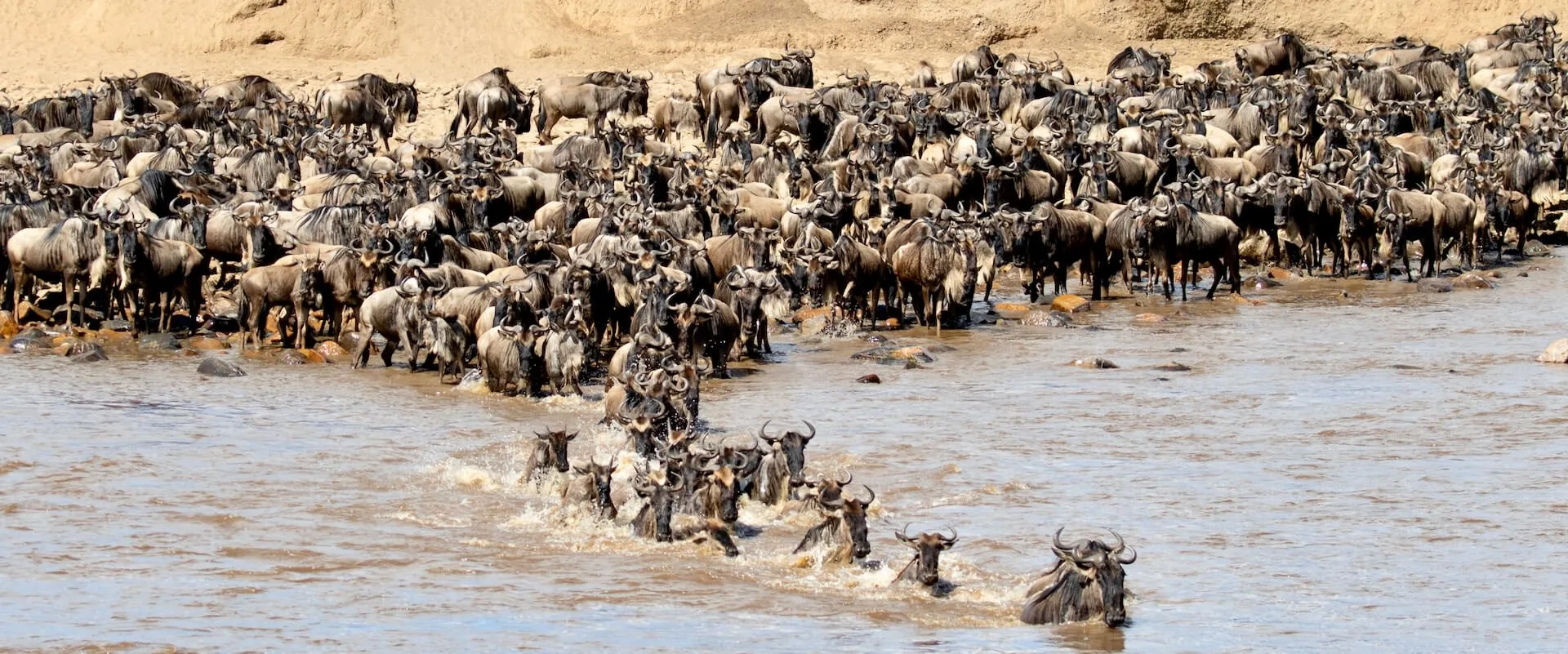
The Great Migration in Africa happens all year because the herds continuously circulate through the Serengeti–Mara ecosystem in…
Read article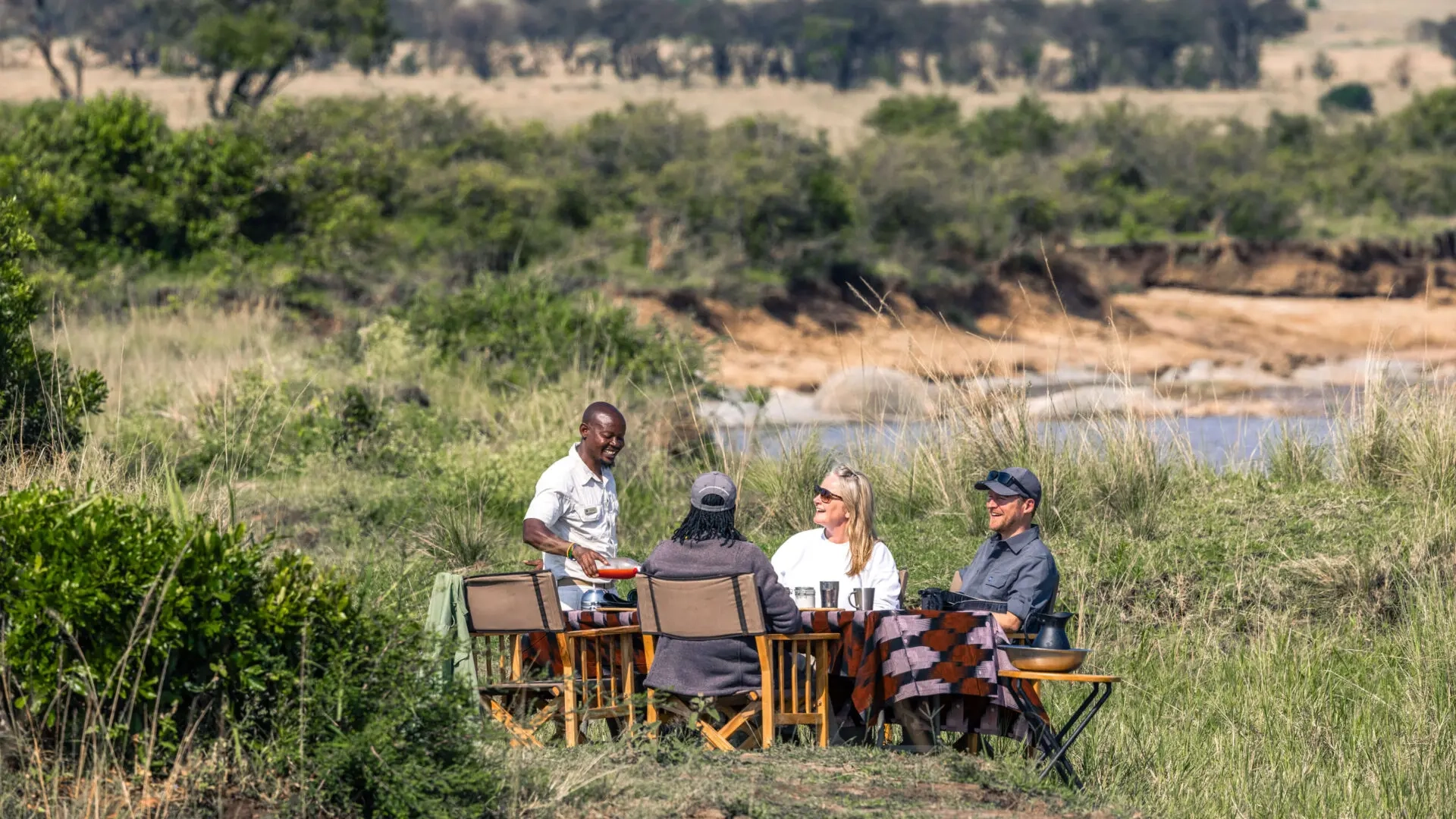
Definitive answer: A picnic lunch on safari is a packed or catered midday meal eaten at an approved…
Read article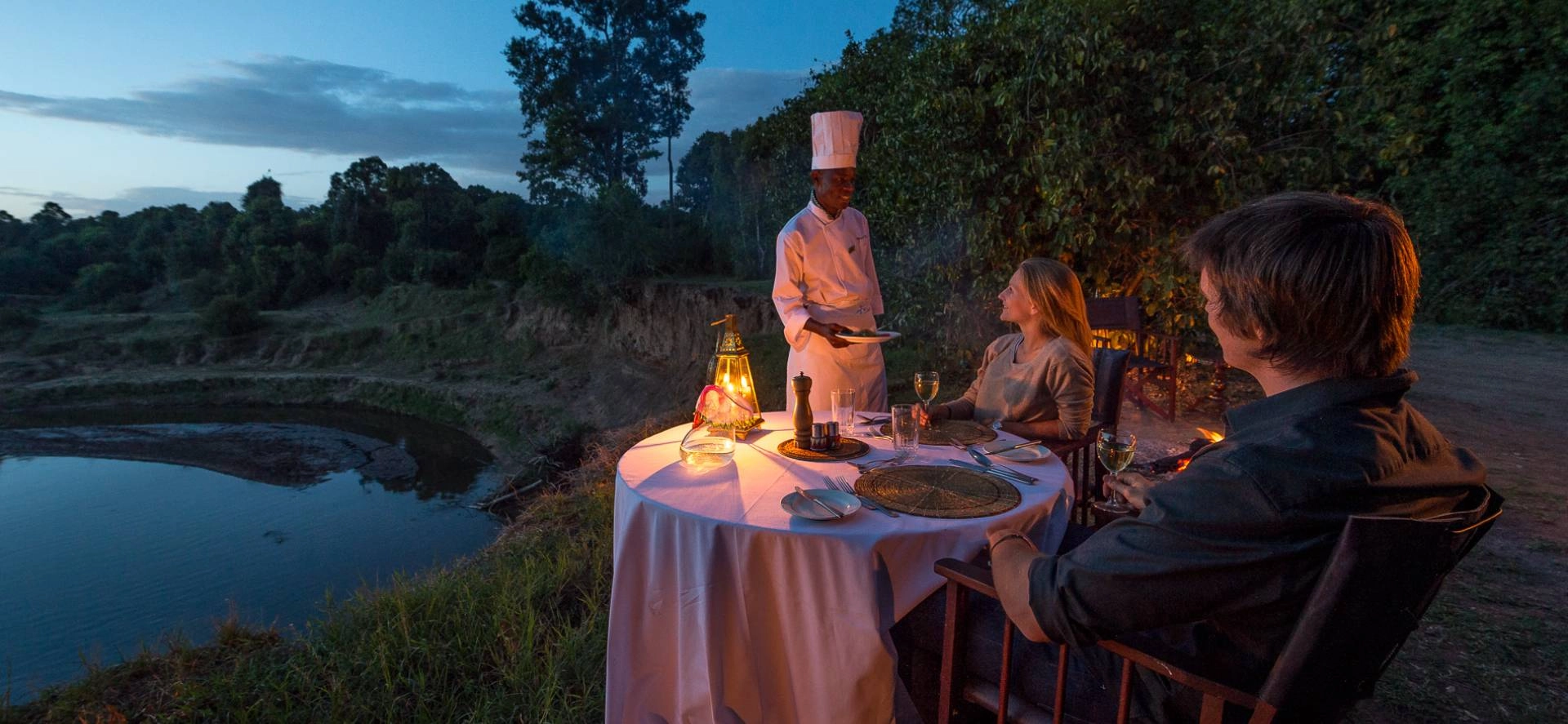
Definitive answer: A bush dinner is an outdoor evening meal arranged in a safe safari setting away from…
Read articleLet us take you closer to the wildlife, people and places that make Africa extraordinary.
Plan Your Safari Today