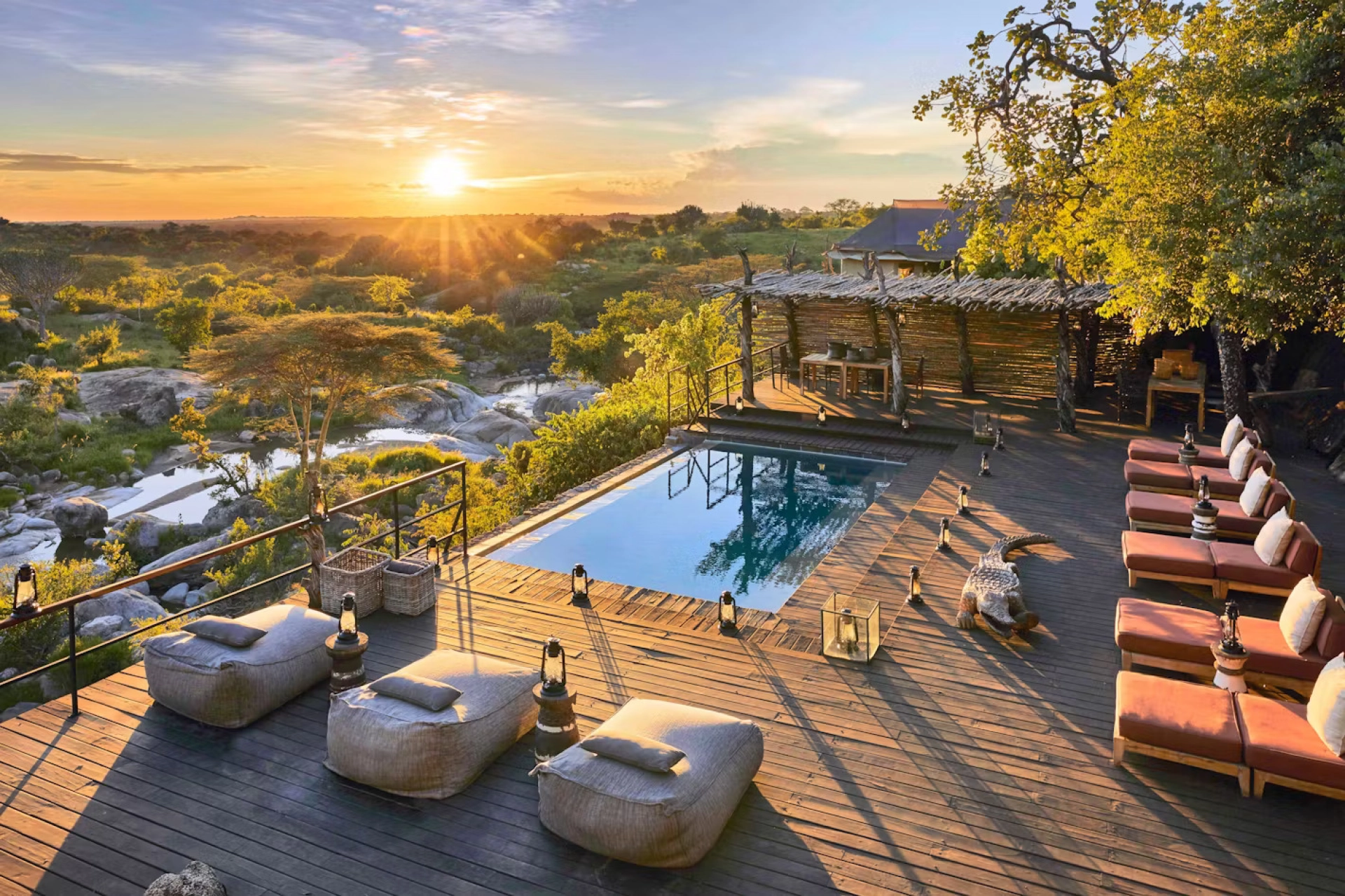
What should I look for when booking a luxury African safari?
When booking a luxury African safari, look beyond the room and compare the quality of guiding, wildlife location,…
Read article

Travel Guide
Choosing between the Kalahari Desert and Okavango Delta initially seems like choosing between two completely different countries. The Okavango is dominated by water. The Kalahari is shaped by scarcity. The Delta contains channels, floodplains, lagoons, palm…
Choosing between the Kalahari Desert and Okavango Delta initially seems like choosing between two completely different countries. The Okavango is dominated by water. The Kalahari is shaped by scarcity. The Delta contains channels, floodplains, lagoons, palm islands and lush seasonal wetlands. The Kalahari offers red sand, dry grassland, thorn scrub and huge skies. In the Okavango, you may glide quietly through reeds in a mokoro while frogs call from the water.
In the Kalahari, you may follow lion tracks across red sand while the nearest permanent water lies many kilometres away. Both are quintessential Botswana. Both offer exceptional wildlife. Both reward photographers. Both reveal extraordinary examples of animal adaptation. But they produce very different safari experiences. So when comparing the Kalahari Desert vs Okavango Delta, which is best for your Botswana safari? For many travellers, the answer is simple: If time and budget allow, visit both.
The contrast between them is exactly what makes the combination so rewarding. But if you must choose one, this detailed comparison will help determine which landscape, wildlife, safari style and season best match your interests.
The Okavango Delta is best for travellers seeking classic wildlife diversity, water-based safari activities, luxury fly-in camps, elephants, predators, wetland birdlife and the possibility of combining game drives with boating and mokoro excursions.
The Kalahari is best for travellers seeking enormous landscapes, red-sand scenery, desert-adapted wildlife, predator tracking, black-maned lions, San cultural experiences, fewer vehicles and a stronger feeling of isolation. Neither is universally better. They answer different travel priorities.
The most obvious difference is physical environment.
The Okavango Delta is one of the world’s great inland wetland systems.
Water travelling south from Angola eventually spreads through northern Botswana. Channels divide. Floodplains expand. Islands emerge. Seasonal flooding changes access routes and wildlife movement. Some areas remain relatively dry. Others become almost entirely water-oriented. This creates an intricate landscape where habitat can change significantly over short distances.
The Kalahari is dominated by sand.
Contrary to popular images of a barren Sahara-like desert, much of the Kalahari supports grass, shrubs and trees. Red dunes may be stabilised by vegetation. Open pans create productive grazing after rain. Dry river systems become important wildlife corridors. The Central Kalahari Game Reserve provides some of the largest uninterrupted landscapes accessible on safari.
If you prefer lush scenery, water and visual variety, the Okavango Delta wins.
If you love minimalist landscapes, enormous skies and red desert scenery, the Kalahari Desert wins. For photographers, both are superb for completely different reasons.
Wildlife is a major deciding factor.
The Okavango Delta wildlife experience can be exceptionally rich. Elephants. Buffalo. Hippos. Lions. Leopards. African wild dogs. Cheetahs in suitable areas. Red lechwe. Impala. Giraffes. Wildebeest. Large numbers of birds. The mix of land and wetland habitats supports substantial diversity. Some concessions deliver excellent sightings almost every drive.
The Kalahari generally feels less densely populated. Wildlife is present, but searching may take longer. This creates a very different safari rhythm. Species can include lions, cheetahs, brown hyenas, spotted hyenas, springbok, gemsbok, wildebeest, jackals, bat-eared foxes and meerkats. The green season can bring impressive concentrations to productive valleys and pans.
Generally, the Okavango Delta. If your priority is seeing many different large animals over a relatively short safari, the Delta is likely to be more rewarding.
The Kalahari. Brown hyenas, gemsbok, bat-eared foxes and other arid-land species give the region a distinctive wildlife identity.
Both destinations offer excellent lion opportunities.
The Kalahari is famous for its impressive male lions, including individuals with particularly dark manes. The open landscape can create extraordinary photographic scenes. Lions may move over substantial distances in search of prey and water. Tracks in sand allow skilled guides to follow their movements. This makes Kalahari lion tracking a particularly exciting experience.
Lions in the Delta operate within a far more complex wetland environment. Flooding can isolate islands. Pride territories may include channels and floodplains. Lions may occasionally cross water, creating dramatic behavioural encounters. The abundance of prey in suitable areas supports strong populations.
This is close. For classic dark-maned desert lions and atmospheric photography, choose the Kalahari. For high-quality predator viewing combined with abundant other wildlife, choose the Okavango Delta.
Leopards occur in both broader ecosystems but are generally associated more strongly with wooded and riverine safari environments. Some Okavango Delta concessions are excellent for leopard sightings. Trees provide resting places. Woodland and thick vegetation create ideal ambush habitat. Kalahari leopards occur but can be difficult to find. Winner: Okavango Delta.
Botswana is internationally important for African wild dogs. Northern Botswana, including parts of the Okavango ecosystem, offers some of the country’s strongest opportunities. Wild dogs cover enormous territories and sightings are never guaranteed. However, the Okavango Delta and Moremi region are generally stronger choices than the Kalahari for travellers specifically hoping to see them. Winner: Okavango Delta.
Cheetahs prefer relatively open terrain. Both destinations can support them. The Kalahari’s open grasslands and dry landscapes can create excellent cheetah habitat. Certain drier parts of the Okavango ecosystem also provide good sightings. For travellers fascinated specifically by cheetahs, the Kalahari may have a slight edge depending on the region and season.
This comparison is easier. The Okavango is much more strongly associated with large elephant populations. Elephants move between northern Botswana’s protected areas and concessions. They use Delta channels, woodland and floodplains. Watching elephants move through water can be spectacular. The Kalahari supports elephants in parts of the broader region, but they are not the central safari attraction. Winner: Okavango Delta.
The Okavango Delta wins decisively. Permanent waterways support both species. Hippos become part of the soundscape. Crocodiles inhabit channels and lagoons. These animals are essentially absent from most classic Kalahari safari environments.
The Kalahari wins. Gemsbok are perfectly adapted to dryland conditions and are among the region’s most iconic animals. Springbok are also strongly associated with southern African arid landscapes. Seeing these animals beneath red dunes gives a safari unmistakable Kalahari identity.
Both are excellent but in completely different ways.
Wetlands generate enormous avian diversity. Kingfishers. Herons. Storks. Fish eagles. Jacanas. Egrets. Bee-eaters. Raptors. Waterfowl. Summer migrants further increase diversity. A dedicated Okavango birding safari can be exceptional.
The Kalahari is excellent for raptors and dryland species. Secretarybirds may stride across open country. Sociable weavers build huge communal nests. Owls, eagles and other birds of prey can be prominent. Summer rains increase activity dramatically.
Generally, the Okavango Delta.
The Kalahari.
The Delta offers significantly more activity diversity.
Depending on the camp and water levels: Game drives Mokoro safaris Motorboat safaris Walking safaris Birding Scenic flights Helicopter flights Photography activities Fishing in selected areas and seasons This variety makes the Delta especially attractive for longer stays.
Kalahari itineraries tend to focus on: Game drives Tracking Walking where permitted San cultural interpretation Birding Photography Stargazing Desert ecology The experience is less activity-heavy but can feel more immersive.
Okavango Delta.
The mokoro is one of the strongest reasons to choose the Delta. A mokoro safari in Botswana provides an experience unavailable in the Kalahari. Travellers sit low to the water while a skilled poler guides the craft through shallow channels. There is little mechanical noise. Small details become more important. Dragonflies. Reeds. Tiny frogs. Water lilies. Bird calls. A mokoro outing complements rather than replaces game drives. If water-based safari is high on your wish list, choose the Okavango Delta.
The Kalahari has a particular advantage in cultural interpretation associated with San communities.
Responsible cultural activities may introduce traditional tracking, plant knowledge and historical survival techniques. A skilled San guide can interpret spoor that most visitors cannot even recognise as tracks. Plants that appear insignificant may have food, medicinal or practical uses. This demonstrates how generations of close observation can transform an apparently harsh landscape into a readable environment. Travellers should choose experiences that are community-led and respectful.
The Delta also has rich human history. Communities around the wetland developed fishing, transport and resource-use practices shaped by water. The mokoro itself originates from local transportation traditions. So while the Kalahari may provide more obvious cultural tourism experiences, the Okavango is not culturally empty.
For widely available San cultural experiences, the Kalahari.
Both destinations can feel remote, especially in private concessions. However, the Kalahari’s scale often produces a stronger impression of emptiness. Game drives can continue for long periods without another vehicle. Horizons stretch endlessly. Animal densities are lower. Camps can feel genuinely isolated. If your definition of safari is “as few people as possible,” the Central Kalahari can be extraordinary.
Private concessions in the Okavango also provide excellent exclusivity. Small camps may limit vehicle numbers. Some sightings involve only one or two vehicles. Activities such as night drives and off-road tracking may be possible depending on concession rules. Therefore, luxury travellers can achieve exceptional privacy in either region.
This depends entirely on photographic style.
The Delta offers: Elephants in water Reflections Birdlife Predators Leopards in trees Floodplain landscapes Mokoro scenes Hippos Dramatic sunsets Wild dogs The variety is enormous.
The Kalahari offers: Red dunes Black-maned lions Gemsbok silhouettes Open landscapes Dust Storm clouds Minimalist compositions Meerkats Raptors Night skies Photographers who prefer environmental images may fall in love with the Kalahari.
For wildlife diversity: Okavango Delta. For distinctive landscapes and atmospheric predator photography: Kalahari.
For a first African safari, the Okavango Delta is generally the safer choice. Wildlife density is often higher. Activity variety is greater. The landscape is instantly spectacular. Guests can experience game drives and water activities in the same trip. The Kalahari is more subtle. Experienced safari travellers may appreciate the challenge and quiet more deeply.
Repeat travellers who have already visited famous wildlife parks may find the Kalahari particularly refreshing. The emphasis changes from collecting sightings to understanding landscapes and adaptation. Finding a brown hyena after hours of tracking may become more satisfying than seeing another large elephant herd. For experienced safari travellers, the Kalahari Desert can therefore feel extremely rewarding.
The Okavango Delta is one of Africa’s premier honeymoon destinations. Remote camps, beautiful rooms, private decks, sunsets over water and intimate activities create an exceptional atmosphere. Some properties offer private plunge pools and romantic dining arrangements. The Kalahari also has superb luxury lodges, especially for couples wanting privacy and dramatic landscapes. But for pure variety and romantic scenery, the Delta usually wins.
The answer depends heavily on children’s ages. Certain Okavango family safari camps specialise in younger travellers and can arrange private vehicles, child-friendly activities and flexible meal times. Water creates exciting variety. However, very young children may face restrictions on mokoro or walking activities. Kalahari family experiences can be superb for older children interested in tracking, desert ecology and cultural interpretation. Overall, the Delta usually provides more options.
Both destinations can be expensive, particularly when using remote luxury camps and light aircraft. The Okavango often includes some of Botswana’s highest-priced accommodation. Kalahari camps can also be premium but may offer better value during certain seasons. Self-driving dramatically changes the calculation. Experienced travellers can access parts of the Central Kalahari Game Reserve with a properly equipped 4×4, while many premier Delta camps require flights. Budget-conscious travellers should therefore compare specific routes rather than assuming all Botswana travel carries the same price.
The Okavango Delta is particularly suited to fly-in travel. Maun serves as the main gateway. Small aircraft connect travellers directly with bush airstrips. Flying over the Delta is itself spectacular. The Kalahari can also be accessed by charter or scheduled bush flights depending on lodge and route. However, road access may be more practical for some dryland itineraries.
The Kalahari can be particularly attractive for experienced self-drivers. A strong 4×4 is essential for many remote routes. Sand can be deep. Distances are substantial. Fuel planning matters. Recovery equipment is important. The Okavango’s Moremi Game Reserve also offers outstanding self-drive opportunities, but water, mud and seasonal road conditions can create significant challenges. Neither should be approached casually by inexperienced drivers.
The best time to visit the Okavango Delta depends on priorities. The dry season often coincides with rising or high floodwaters in many parts of the ecosystem. Wildlife concentrates around water and remaining grazing. Temperatures can be pleasant during the day and cold early in the morning. The wetter summer months bring green scenery, dramatic storms, breeding birds and young animals. Rates may be lower during parts of the green season.
The Kalahari green season can be extraordinary. Summer rain stimulates fresh grass. Herbivores respond. Young animals appear. Predators concentrate around productive areas. Birding improves. The landscape becomes unexpectedly colourful. Dry winter months bring clear skies, comfortable daytime temperatures and cold nights. Both seasons work, but travellers should not automatically assume that the dry season is always best.
This creates an interesting Botswana planning opportunity. A traveller visiting around the green season may find the Kalahari at its most dynamic. Another visiting during the dry months may find the Okavango particularly strong. This seasonal complementarity is one reason expert Botswana safari planning looks beyond one universal “best month.”
Both. The answer depends on what you want. For lions, cheetahs and dryland predator ecology, the Kalahari is superb. For lions, leopards, African wild dogs and predators within a richer multi-species ecosystem, the Okavango Delta is stronger overall.
The phrase Big Five safari needs some nuance in Botswana. The traditional Big Five are lion, leopard, elephant, buffalo and rhino. The Okavango and surrounding northern Botswana ecosystem offer stronger opportunities for several of these species. Rhino sightings remain highly location-dependent and should never be assumed. The Kalahari is not primarily a conventional Big Five destination. Travellers who care mainly about Big Five checklists should generally prioritise northern Botswana.
The Okavango Delta provides greater overall diversity because wetland, woodland and floodplain habitats exist together. The Kalahari is still excellent, particularly for raptors and dryland specialists. Dedicated birders should ideally visit both.
The Kalahari. Remote desert camps have exceptionally low light pollution. Dry air and huge open horizons produce superb night skies. The Milky Way can be spectacular. For astrophotography and quiet evenings beneath stars, the Kalahari has a clear advantage.
Both can offer walking opportunities, depending on concession and lodge policies. In the Delta, guided walking introduces guests to tracks, plants and smaller wildlife on islands and dry areas. In the Kalahari, walking and tracking can focus strongly on desert ecology and San knowledge. For cultural tracking experiences, the Kalahari has an advantage. For wildlife-oriented bush walks within a diverse ecosystem, the Delta is excellent.
The Okavango Delta contains some of Africa’s most sophisticated safari camps. Remote locations, high service levels, beautiful architecture and small guest numbers define many properties. The Kalahari also offers excellent luxury accommodation, often with a stronger emphasis on isolation and desert atmosphere. If lodge variety matters most, the Delta wins.
This depends on what you call adventure. A mokoro journey through Delta channels feels completely different from a 4×4 expedition across deep Kalahari sand. Tracking desert lions feels adventurous. So does flying into an isolated Delta airstrip. Travellers who enjoy activity diversity may prefer the Okavango. Those seeking remoteness and self-drive challenge may prefer the Kalahari.
The ideal answer to Kalahari Desert vs Okavango Delta is to avoid choosing. Visit both. This creates one of the strongest safari contrasts anywhere in Africa. Start in the Kalahari. Track lions across red sand. Learn about San tracking traditions. Photograph gemsbok and cheetahs. Watch stars fill the desert sky. Then fly north. Suddenly water appears. Channels divide the landscape. Elephants cross floodplains. Hippos call after dark. You glide through reeds by mokoro. The ecological contrast makes both destinations more meaningful.
A shorter itinerary might include: Three nights in the Central Kalahari Game Reserve. Three nights in the Okavango Delta. Two nights in Moremi Game Reserve or another northern wildlife area. This works best using flights between distant regions.
With more time, combine: Central Kalahari Game Reserve Okavango Delta Moremi Game Reserve Savuti Chobe National Park This route creates extraordinary environmental progression from desert to wetland to river.
A Botswana safari ending in Chobe can continue easily to Victoria Falls. This creates a superb Southern Africa itinerary: Kalahari safari Okavango Delta safari Chobe River safari Victoria Falls Few African journeys offer greater landscape variety.
Not universally. The Okavango offers more wildlife diversity and activity variety, while the Kalahari offers exceptional desert landscapes, predator tracking and isolation.
The Okavango Delta is generally the stronger first choice because of its wildlife density, water activities and broad safari variety.
Both can be excellent. The Kalahari is famous for dark-maned lions, while the Okavango supports strong lion populations within a more diverse wildlife ecosystem.
The Okavango Delta and northern Botswana are better for elephant viewing than the Central Kalahari.
The Okavango Delta and Moremi region generally provide stronger opportunities.
The Kalahari’s open landscapes can be particularly good for cheetahs, although they also occur in suitable Okavango areas.
The Okavango Delta offers greater overall bird diversity, while the Kalahari is excellent for raptors and dryland specialists.
Both can be expensive at luxury level, but the Delta contains many premium fly-in camps. Cost depends heavily on season, camp standard and transport method.
Experienced 4×4 travellers can explore parts of both ecosystems, including Moremi Game Reserve and the Central Kalahari Game Reserve. Conditions can be challenging.
A minimum of three nights in each allows travellers to appreciate the contrast properly. Longer stays improve the experience.
If you can visit only one Botswana destination and this is your first African safari, choose the Okavango Delta. Its combination of wildlife, game drives, mokoro safaris, boating, elephants, predators, birdlife and extraordinary scenery gives it broader appeal. If you have already experienced major African safari parks and want something wilder, quieter and more unusual, choose the Kalahari Desert. Its red landscapes, black-maned lions, gemsbok, brown hyenas, cheetahs, night skies and San cultural experiences deliver a safari with a completely different rhythm.
But the strongest answer remains: Do both. Few safari combinations demonstrate ecological adaptation as clearly as the Kalahari Desert and Okavango Delta. One ecosystem teaches you how wildlife survives when water is scarce. The other shows what happens when water suddenly transforms a desert basin into one of Africa’s richest wetlands. Together, they explain Botswana. And together, they create one of the most rewarding Botswana safari itineraries available anywhere in Africa.

Share This Article
When booking a luxury African safari, look beyond the room and compare the quality of guiding, wildlife location,…
Read article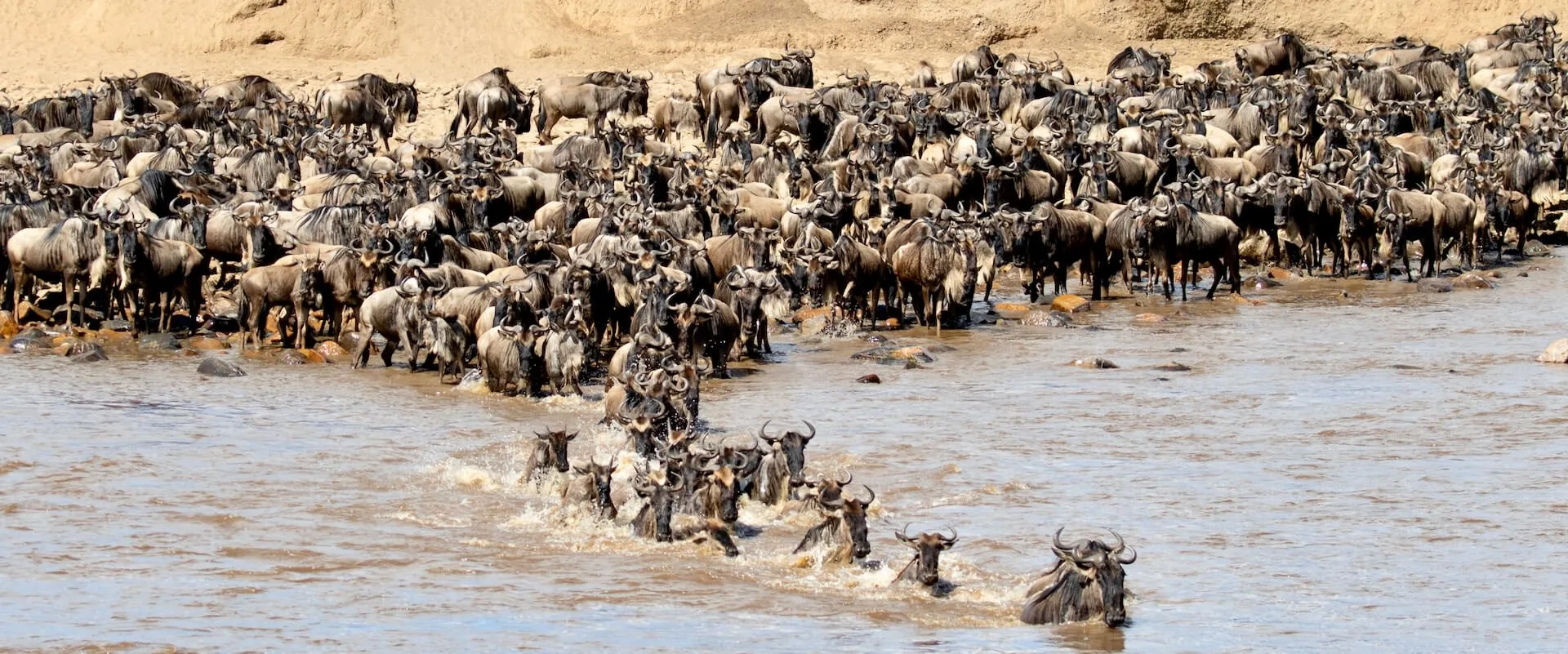
The Great Migration in Africa happens all year because the herds continuously circulate through the Serengeti–Mara ecosystem in…
Read article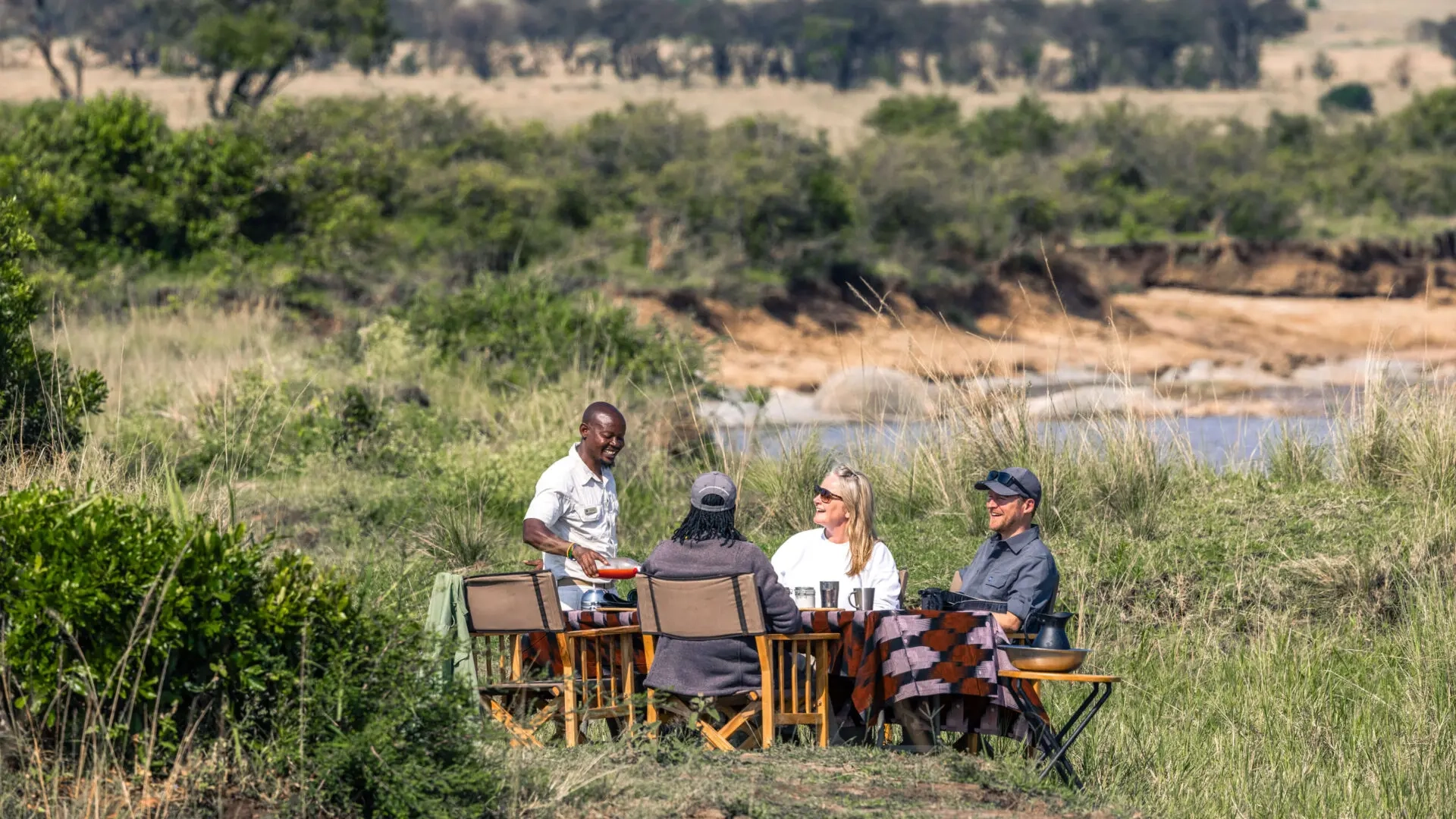
Definitive answer: A picnic lunch on safari is a packed or catered midday meal eaten at an approved…
Read article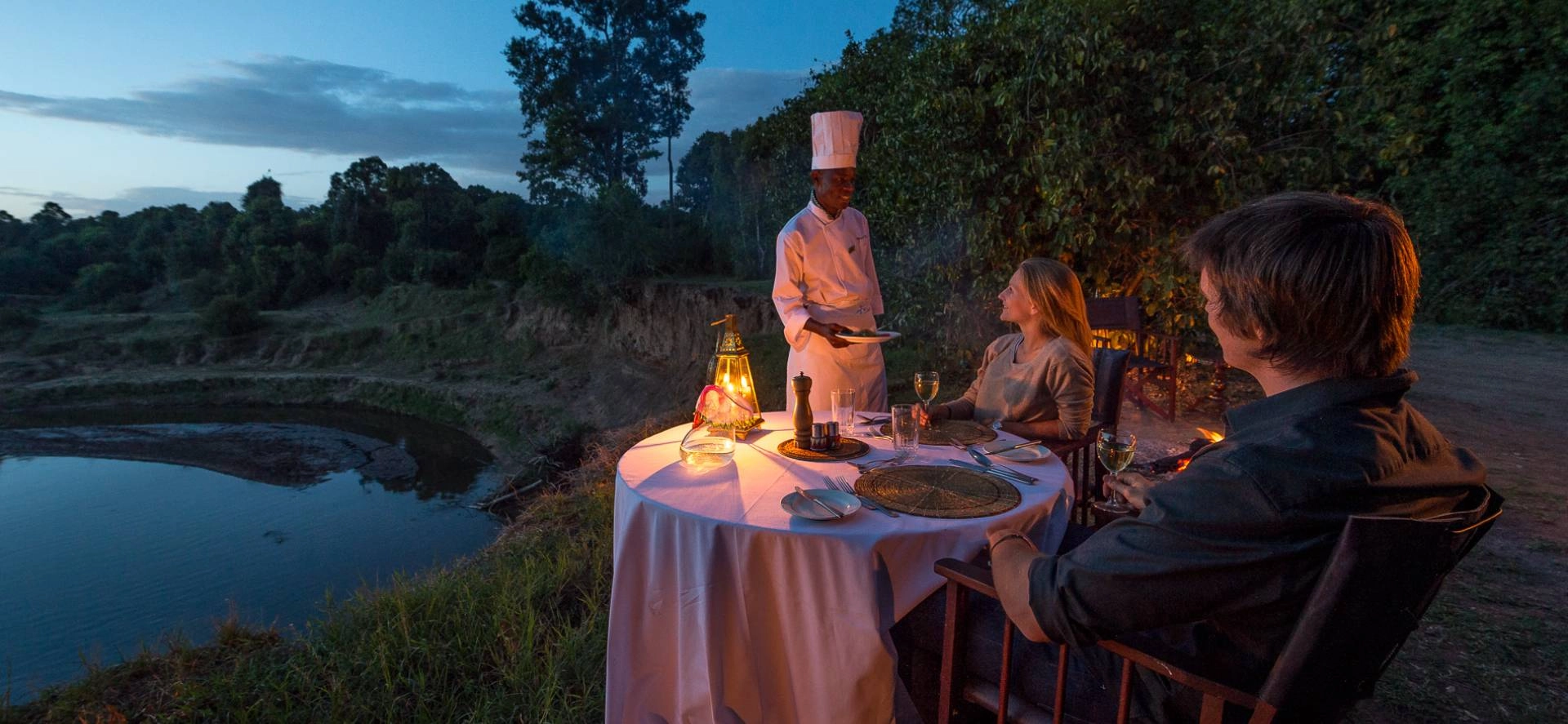
Definitive answer: A bush dinner is an outdoor evening meal arranged in a safe safari setting away from…
Read articleLet us take you closer to the wildlife, people and places that make Africa extraordinary.
Plan Your Safari Today