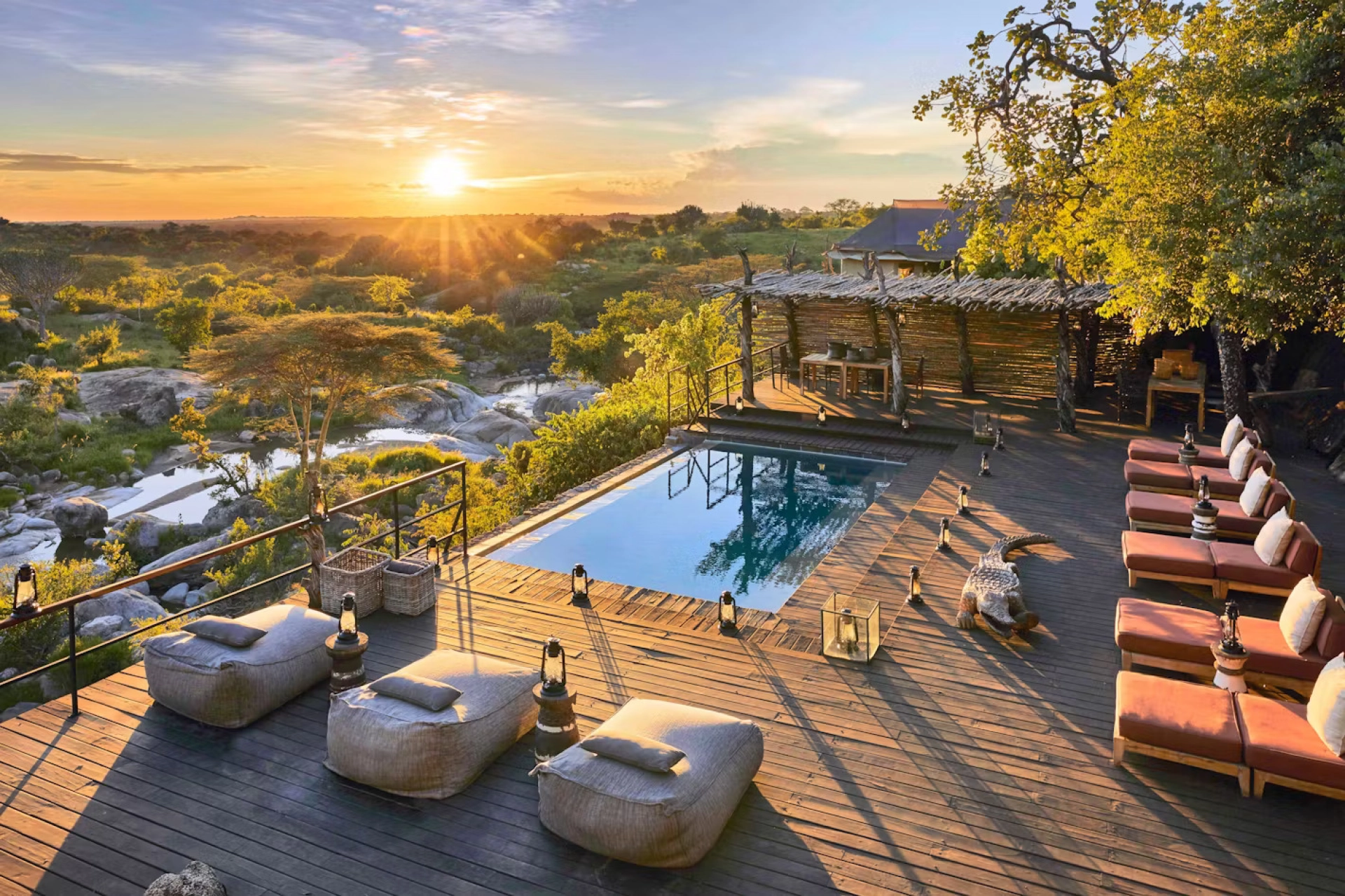
What should I look for when booking a luxury African safari?
When booking a luxury African safari, look beyond the room and compare the quality of guiding, wildlife location,…
Read article

Travel Guide
A Kenya safari adventure is one of the most recognizable wildlife journeys in Africa, yet the best Kenya safari is rarely created by simply booking a lodge in the Masai Mara and hoping everything else falls…
A Kenya safari adventure is one of the most recognizable wildlife journeys in Africa, yet the best Kenya safari is rarely created by simply booking a lodge in the Masai Mara and hoping everything else falls into place. Kenya rewards careful planning.
Its safari regions are remarkably different. The Masai Mara provides vast grasslands, predators and seasonal access to the wider Great Migration. Amboseli National Park combines elephants with extraordinary views toward Mount Kilimanjaro when weather conditions cooperate. Samburu National Reserve introduces travelers to the dry landscapes and distinctive wildlife of northern Kenya. Lake Nakuru adds Rift Valley scenery and important bird and mammal habitats. Tsavo East and Tsavo West offer immense wilderness areas that work particularly well for travelers combining safari with the Kenyan coast.
The first insider lesson is therefore simple: There is no single “Kenya safari.” There are many different versions of one.
A honeymoon couple looking for a private luxury camp will require a very different itinerary from a family traveling with children. A photographer following the Great Wildebeest Migration needs a different plan from a first-time visitor hoping to see elephants beneath Kilimanjaro. A traveler with five days should not attempt the same route as somebody with fourteen.
This detailed guide explains how to plan a Kenya safari adventure in 2027, including the best safari destinations, wildlife, seasons, accommodation choices, vehicle options, safari costs, migration planning and practical insider tips that can dramatically improve the quality of your trip.
Kenya has been central to the international image of African safari tourism for generations. The appeal is not based on history alone. Kenya combines exceptional wildlife with relatively mature tourism infrastructure, diverse ecosystems and excellent international access through Nairobi. Travelers can move between grassland, acacia woodland, volcanic landscapes, semi-arid wilderness, lakes and Indian Ocean beaches within one holiday.
This creates tremendous itinerary flexibility. A first-time traveler can focus on the classic combination of Amboseli and Masai Mara. A wildlife enthusiast can explore the Mara, Samburu and Laikipia. A family can combine shorter game drives with comfortable lodges. A honeymoon couple can use fly-in camps and finish at Diani Beach. A returning traveler can avoid the most famous circuit entirely and explore less-visited wilderness.
Kenya’s greatest strength is the concentration of very different wildlife experiences within a relatively manageable travel network. You can photograph elephants against Mount Kilimanjaro in Amboseli and, a few days later, watch lions resting on the plains of the Masai Mara. Travel north and the landscape changes dramatically. Samburu introduces dry-country species and riverine habitats.
Travel east and Tsavo provides enormous landscapes and Kenya’s famous red-dust elephants. Kenya also has an extensive network of conservancies and private wildlife areas that can complement the national parks and reserves. This is particularly important for travelers wanting activities or safari styles that may be restricted within particular protected areas.
Yes. Kenya is one of the strongest choices for a first African safari. Wildlife can be excellent. English is widely used within the tourism industry. There is a large range of accommodation. Nairobi provides an established international gateway. Road and scheduled-flight connections allow travelers to choose between relatively affordable overland safaris and premium fly-in itineraries. Most importantly, Kenya delivers the landscapes many travelers imagine when they first dream about Africa.
Choosing the right destinations is more important than choosing the most expensive lodge. For most travelers, the principal choices include: Masai Mara National Reserve Amboseli National Park Samburu National Reserve Lake Nakuru National Park Tsavo East National Park Tsavo West National Park and the wider Laikipia conservation landscape. Each should be chosen for a reason.
The Masai Mara is Kenya’s most internationally famous safari destination. Its rolling grasslands form the northern continuation of the greater Serengeti-Mara ecosystem. The reserve is famous for lions, leopards, cheetahs, elephants, buffaloes, giraffes, hyenas, wildebeest, zebras, antelopes and extraordinary birdlife. During the northern phase of the Great Wildebeest Migration, large numbers of wildebeest and zebras can move into the Mara ecosystem.
This period attracts tremendous international attention. But the Masai Mara should not be treated as a seasonal attraction. Resident wildlife remains throughout the year.
Absolutely. This is one of the most useful Kenya safari insider tips. Many travelers incorrectly assume the Mara becomes empty when migration herds move south toward Tanzania. It does not. Resident lions remain. Leopards remain. Cheetahs remain. Elephants, giraffes, buffaloes, hippos and numerous antelopes remain. The landscape simply changes. Outside the busiest migration period, travelers may also encounter fewer vehicles and different accommodation pricing.
Three nights should generally be considered a useful starting point. Four nights can be considerably better. During a migration-focused safari, four or five nights can improve your chances of observing different behaviors and exploring different parts of the ecosystem. A common planning mistake is allocating only one or two nights because the traveler wants to “fit in” more parks.
The Mara rewards time.
The Great Migration is a continuous movement of wildebeest and other herbivores through the greater Serengeti-Mara ecosystem. The herds respond primarily to rainfall, fresh grass and water availability. Kenya represents only one part of the annual cycle. The migration is therefore not something that begins when wildebeest enter Kenya and ends when they leave. It is a year-round ecological process extending mainly across Tanzania and Kenya.
The northern phase generally becomes relevant during the middle and later parts of the year, but nature does not follow a fixed calendar. Rainfall influences herd movement. Some years differ from others. This is why a professional Great Migration safari should use historical patterns as guidance rather than treating exact crossing dates as guaranteed appointments.
No. This is among the most important facts for anybody booking a Kenya migration safari. Wildebeest may gather near a river and wait. They may move away. They may cross suddenly. They may cross where your vehicle is not positioned. They may cross more than once. The solution is not to demand a guarantee. The solution is to spend enough time in the correct ecosystem.
Extremely. The Mara is famous for lion, leopard and cheetah viewing. Open grasslands can make predators easier to locate than in heavily wooded environments. Yet each cat behaves differently. Lions may spend much of the day resting. Cheetahs often use open terrain where their speed becomes an advantage. Leopards are secretive and can disappear into riverine woodland. A knowledgeable guide dramatically improves the experience because safari is not simply about finding an animal. It is about understanding what that animal may do next.
If Masai Mara represents Kenya’s great predator plains, Amboseli National Park represents elephants and Kilimanjaro. The park is famous for large elephant herds and dramatic open landscapes. When clouds clear, Mount Kilimanjaro can dominate the horizon. The mountain itself lies across the international border in Tanzania, but some of its most iconic safari views are obtained from the Kenyan side.
No. Cloud cover can hide the mountain completely. Early morning frequently provides better visibility, although conditions vary. This matters for photographers. Do not plan a one-hour Amboseli visit and assume you will automatically receive the classic elephant-and-Kilimanjaro photograph. Several game drives provide more opportunities.
Amboseli has been associated with long-term elephant research and provides excellent opportunities to observe elephant family structure and behavior. Travelers may see: large breeding herds; calves; old bulls; feeding behavior; mud bathing; social interaction; and movement between feeding and water areas. Watching elephants for an hour can be more rewarding than rushing away simply because you have already “seen an elephant.”
Two nights works well for many itineraries.
Three nights provides greater photographic flexibility and reduces pressure if Kilimanjaro is hidden on your first day.
Ideally, visit both. They complement each other. Choose Masai Mara for predators, expansive plains and migration possibilities. Choose Amboseli for elephants, wetlands, open scenery and Kilimanjaro views. If you have only three or four safari days, select according to your strongest priority.
Samburu introduces a very different Kenya. The landscape becomes drier and more rugged. The Ewaso Ng’iro River provides a vital wildlife corridor through the semi-arid environment. Samburu is particularly interesting because travelers encounter animals associated with northern Kenya that are not usually the main focus of southern Kenya safari circuits. These include reticulated giraffe, Grevy’s zebra, gerenuk, Beisa oryx and Somali ostrich. For a traveler who has already visited the Mara, Samburu can make Kenya feel like an entirely new safari country.
Because safari diversity is not measured only by the number of lions you see. Seeing a gerenuk feeding while standing upright on its hind legs or watching Grevy’s zebras in a dry northern landscape provides a different ecological story. Samburu is particularly attractive for: repeat safari travelers; wildlife photographers; birders; and travelers seeking a broader Kenya itinerary.
Three nights is excellent. Two can work within a tighter itinerary. Road transfers from Nairobi are significant enough that a one-night visit rarely makes sense.
Lake Nakuru provides a useful Rift Valley stop and a different habitat from Kenya’s major savannah reserves. The lake’s famous flamingo spectacle has varied historically as water levels and ecological conditions change, so travelers should not assume every visit will reproduce old photographs showing the entire shoreline covered in pink. The broader park remains valuable for wildlife and scenery.
No. That is another outdated assumption. The national park contains woodland, grassland, lake habitat and rocky viewpoints. Travelers can encounter numerous mammals and birds. Its geographic position also makes it useful within some overland itineraries between Nairobi and western Kenya.
Tsavo East is enormous. Its open spaces and red soils create a distinctly different visual identity. Elephants often appear reddish after coating themselves in the park’s dust. This does not mean they are a different elephant species. It is simply the color of the soil. Tsavo East works especially well for travelers combining safari with Kenya’s coast.
Tsavo West provides more varied topography, volcanic landscapes and woodland. The combination of Tsavo East and West creates a large wilderness experience that can feel very different from the concentrated game viewing of the Mara.
Choose the Mara if this is your first Kenya safari and predator viewing is a major objective. Choose Tsavo if you value enormous landscapes, elephants, geographic variety and convenient combinations with the coast. Experienced travelers can appreciate both for completely different reasons.
One of Kenya’s greatest itinerary advantages is the ability to combine wildlife with the Indian Ocean. Diani Beach is a popular post-safari option. After several early mornings and dusty game drives, a few days at the coast can provide a welcome change of pace. A Kenya honeymoon often works particularly well as safari plus beach.
Many itineraries treat Nairobi as a place to sleep before safari. That can be practical, but the city also provides attractions for travelers with additional time. More importantly, Nairobi is the logistical center for many Kenya safaris. Road departures and domestic flights frequently originate here. Your international arrival time can therefore influence the first day’s itinerary.
Usually, building some recovery time into the itinerary is sensible. International travel can be exhausting. Driving for many hours immediately after landing may save a hotel night but can reduce enjoyment. A rested traveler appreciates safari much more.
This decision can significantly change your budget and experience. A road safari in Kenya uses a private or shared vehicle to move between destinations. A fly-in safari uses scheduled light aircraft for some or most major transfers. Neither is automatically better.
Road travel can be more affordable. You keep the same driver-guide for much of the journey. You see countryside between parks. Luggage rules may be more flexible. Groups can divide fixed vehicle costs. It can be ideal for first-time travelers who want to understand more of the country.
Transfer days can be long. Road conditions vary. Traffic around urban areas can increase travel times. A route that looks short on a map may take considerably longer than expected. This is why realistic itinerary design matters.
Flying saves time. It is particularly valuable for short holidays. It reduces long overland transfers. It works well for luxury camps and honeymoon itineraries. A flight into the Mara can turn a large portion of a road-transfer day into additional safari time.
Cost increases. Small aircraft can have strict luggage limits. Travelers may use lodge-based vehicles rather than one private guide throughout. Flight schedules can influence activity timing.
Road safaris commonly use customized safari vans or 4×4 vehicles. A pop-up roof allows travelers to stand safely within the vehicle and photograph wildlife. The most important questions are not simply whether the vehicle looks luxurious. Ask: Will everyone have a window? How many guests share the vehicle? Is the vehicle maintained properly? Does it have charging capability? Is drinking water provided? Will the vehicle be private?
A safari van can provide good value on many Kenyan routes. A 4×4 Land Cruiser generally provides stronger capability in difficult road conditions and is often preferred for more demanding routes. During wetter periods, vehicle capability becomes more important. Photographers may also prefer the layout of particular 4×4 configurations.
A private Kenya safari gives you control over pace. You can remain longer with a leopard. You can leave earlier. You can stop for birds. You can return to camp when children become tired. A group safari lowers costs by sharing transport. For budget travelers, this can be an excellent compromise.
For photographers, families and travelers with specific wildlife interests, often yes. For solo travelers trying to control costs, a quality small-group departure may offer better value.
Kenya has accommodation at nearly every price level. These can broadly be divided into: budget camps; mid-range lodges; upper-mid-range tented camps; luxury camps; and ultra-luxury properties. Price alone does not determine safari quality.
A beautiful room far from your primary wildlife area can cost you valuable game-viewing time. When comparing accommodation, ask:
Where is it relative to the park or reserve? How long is the transfer to morning wildlife areas? Is it inside or outside the protected area? What activities are available? Does the location suit the season? This is especially important in the Masai Mara ecosystem.
Accommodation inside or close to the reserve can reduce morning transfer time. Properties outside may offer lower rates or different experiences. The correct choice depends on budget and planned activities. Do not select accommodation simply because the words “Masai Mara” appear in its marketing description.
Private or community conservancies around the Mara can offer a different safari experience. Depending on the conservancy, advantages may include lower vehicle density and additional activities. Rules vary. Travelers should understand exactly where their camp is located and what access arrangements apply.
Not universally. The national reserve is central to the classic Mara experience and can be essential during particular migration phases. Conservancies can provide excellent complementary experiences. A strong itinerary may combine both.
A budget Kenya safari should protect the essential safari components: a reliable vehicle; a competent guide; sufficient park time; and suitable accommodation location. Savings can come from simpler rooms, shared transport and carefully selected travel dates. Do not save money by reducing the trip to a rushed sequence of transfers.
Mid-range travel is an excellent choice for many visitors. You can have: comfortable ensuite accommodation; good meals; professional guiding; reliable transport; and excellent wildlife access. You do not need a private plunge pool to see a lion.
Luxury becomes worthwhile when it improves location, exclusivity, guiding or convenience. Premium camps may offer: excellent wildlife positioning; low guest numbers; high staff-to-guest ratios; beautiful tented suites; private dining; fly-in access; and highly personalized service.
The main factors are: number of safari days; accommodation category; travel season; private versus shared vehicle; road versus flying; park and conservancy fees; group size; and optional activities. Two seven-day Kenya safaris can therefore differ dramatically in price.
The vehicle and guide are major fixed costs. One traveler pays most of that cost alone. Four travelers divide it. This is why private safari pricing per person often improves substantially for families and groups of friends.
Travel outside the busiest peak dates when possible. Choose good mid-range accommodation. Use road transport where distances remain reasonable. Share a safari vehicle. Spend longer in fewer destinations. Avoid unnecessary one-night stops. Prioritize wildlife over luxury extras. Most importantly, compare complete inclusions rather than headline prices.
No. An unusually cheap quotation may involve: inferior accommodation locations; crowded vehicles; excluded park fees; limited game drives; or unrealistic routing. A safari is expensive enough that saving a small percentage while damaging the entire experience makes little sense.
Kenya offers wildlife travel throughout the year. The “best” period depends on your objective. Dry conditions often make wildlife easier to locate around water and can reduce vegetation. Green seasons can produce dramatic landscapes, excellent birding, young animals and fewer tourists. Migration travelers have more specific seasonal considerations.
These can be attractive months in several Kenyan ecosystems. Conditions are often relatively dry in many safari areas. Wildlife remains strong. The Mara does not need migration herds to be rewarding.
Conditions can begin transitioning toward wetter weather depending on the year. Crowds may be lower. Wildlife remains present.
These months are associated with heavier rains in many parts of Kenya. Some camps may close or reduce operations. Road conditions can become more challenging. However, landscapes become intensely green and tourism numbers may be much lower. Photographers willing to accept unpredictable weather can find beautiful conditions.
June often marks a transition toward drier conditions. Vegetation may remain attractive. Visitor numbers can begin increasing as the main safari season approaches.
July is a popular month. Dry conditions strengthen in many regions. The northern migration phase becomes increasingly relevant within the wider Mara-Serengeti ecosystem. Demand for quality Mara accommodation increases.
August is one of the most famous months for the Masai Mara migration safari. It is also one of the busiest. Travelers should book well ahead. Do not expect private river crossings. Popular sightings can attract many vehicles.
September can remain excellent for migration-related travel and dry-season game viewing. Demand remains strong.
October can still be extremely rewarding. Migration distribution depends on rainfall. Short rains may begin influencing landscapes later in the period.
Short rains can transform the country. Dust decreases. Vegetation becomes greener. Birdlife can be excellent. This can be a very attractive period for travelers who do not require classic dry-season conditions.
December can provide excellent wildlife viewing.
Holiday travel creates increased demand around Christmas and New Year. Book early if dates are fixed.
Yes, provided you understand the trade-offs. Potential advantages include: greener scenery; dramatic skies; fewer visitors; excellent birding; and seasonal accommodation offers. Potential disadvantages include: muddy roads; heavier vegetation; rain interruptions; and reduced accessibility in some locations. Rain does not make wildlife disappear.
The major attraction is diversity. Depending on route, travelers can potentially see: lion leopard cheetah African elephant African buffalo giraffe zebra wildebeest hippopotamus crocodile spotted hyena jackal warthog and numerous antelopes and primates. But the smaller details often become equally memorable.
Yes. Kenya supports the Big Five—lion, leopard, elephant, buffalo and rhinoceros. However, no responsible operator should guarantee all five during every itinerary. Rhinos are much more localized than buffaloes. Leopards are naturally elusive. Safari is about probability, not certainty.
Kenya is one of Africa’s great lion destinations. The Masai Mara is particularly famous. Amboseli and other ecosystems also support lions. Instead of simply counting lions, watch their behavior. A pride resting under a tree may appear inactive until cubs begin playing or adults start communicating.
Leopards are masters of concealment. They may rest in trees, hide in riverine woodland or disappear in grass. Experienced guides use tracks, alarm calls and knowledge of territories to improve chances.
Open grasslands provide excellent cheetah habitat in several Kenyan ecosystems. Cheetahs differ greatly from leopards. They are built for speed rather than climbing power. Observing a cheetah scanning open plains can be one of the defining moments of a Kenya safari.
Amboseli is particularly famous. Samburu and Tsavo also provide superb elephant viewing. Tsavo’s red-dust elephants create particularly distinctive photographs.
Both black and white rhinos occur in Kenya within appropriate protected areas. Rhino distribution is much more restricted than that of elephants or buffaloes. Conservation security should always take priority over tourism convenience.
Kenya provides opportunities to see different giraffe forms depending on region. The reticulated giraffe of northern Kenya is particularly distinctive. Travelers who visit several ecosystems begin to appreciate that “giraffe” is not one visually identical animal everywhere.
Plains zebras are widespread in major savannah systems. Northern Kenya also provides opportunities to see Grevy’s zebra, a striking and more localized species with narrow stripes and a distinctive appearance.
Hippos occur in suitable rivers and wetlands. In the Mara, they can be seen around river systems. Despite their rounded appearance, they are powerful wild animals and should never be approached on foot without appropriate professional guidance.
Kenya is outstanding for birding. Even travelers who arrive saying, “I’m not interested in birds,” often become fascinated after seeing: eagles; hornbills; rollers; kingfishers; vultures; storks; bee-eaters; and ostriches. A knowledgeable guide can transform birds from background scenery into a major safari highlight.
Photography improves dramatically when travelers stop chasing quantity. Instead of photographing twenty species badly, spend time observing a few animals properly. Wait for behavior. Use morning light. Include landscapes. Photograph animals interacting. Leave space around moving subjects. Do not always use maximum zoom.
A telephoto zoom is highly useful. The exact focal length depends on camera system. A second wider lens can capture: elephants beneath Kilimanjaro; migration herds; Mara landscapes; and dramatic skies. Binoculars remain useful even for photographers.
For serious photography, yes if the budget allows. Vehicle positioning is critical. A private vehicle allows you to wait for light and behavior without negotiating with passengers who want to move on.
Kenya can be excellent for families. Keep driving days realistic. Choose accommodation with family rooms. Consider a private vehicle. Allow swimming or downtime between game drives where safe. Do not force children through ten-hour game drives simply because adults want maximum wildlife time.
Kenya works exceptionally well for honeymooners. A classic combination can include: Amboseli; Masai Mara; and Diani Beach. A premium version can use fly-in camps and private activities. For an even more distinctive honeymoon, Kenya can be combined with gorilla trekking in Uganda.
Comfortable safari travel is possible at many ages. Fly-in options can reduce road time. Private vehicles allow flexible schedules. Travelers with mobility limitations should discuss vehicle access and room layout before booking.
Solo travelers face higher private-vehicle costs. Joining a scheduled departure can significantly improve value. Alternatively, lodge-based packages may include shared game drives.
Combining Kenya and Tanzania creates one of Africa’s greatest safari journeys. Possible highlights include: Masai Mara; Serengeti; Ngorongoro; Tarangire; and Amboseli. Do not underestimate border and transfer logistics. The Mara and Serengeti are ecologically connected but tourism transport between them requires careful planning.
Combining a Kenya safari with Uganda gorilla trekking creates extraordinary contrast. One part of the journey focuses on open savannah. The other enters tropical forest on foot. A possible itinerary can combine the Masai Mara with Bwindi Impenetrable National Park.
Longer trips can include all three countries. For example: Kenya for classic savannah; Uganda for chimpanzees and gorillas; Rwanda for additional primate or cultural experiences. This should only be attempted with enough days.
For wildlife enthusiasts, this is one of the best combinations in East Africa. Mountain gorilla trekking is fundamentally different from a game drive. Instead of watching wildlife from a vehicle, you hike through forest with trackers and guides to locate a habituated gorilla family. Combining both creates a much richer understanding of African wildlife.
Uganda’s Kibale National Park can add chimpanzee trekking to a Kenya safari. This creates three different wildlife environments: savannah; tropical forest; and potentially wetland or river habitats.
Pack for function rather than fashion. Useful items include: neutral lightweight clothing; a warm layer for early mornings; sun protection; comfortable shoes; rain protection; binoculars; camera equipment; chargers; personal medications; and travel documents. Avoid excessive luggage.
You do not need to dress like a nineteenth-century explorer. Neutral clothing is practical. Comfort matters. Long sleeves and trousers can provide sun and insect protection.
Not for ordinary vehicle-based game drives. Comfortable closed shoes are generally sufficient. If your trip includes serious walking or gorilla trekking in another country, stronger footwear becomes more important.
Kenya has a well-established tourism industry. Travelers should still follow current travel guidance, use reputable operators and take normal precautions. Inside wildlife areas, obey guides. Never assume animals are tame because they tolerate vehicles.
Lions are physically capable of dangerous behavior. However, established safari operations follow procedures designed to keep guests safe. Remain inside the vehicle and follow guide instructions. Never attempt to attract wildlife.
Yes. Elephants are powerful animals. Experienced guides interpret body language and maintain suitable distances. Never pressure a guide to approach closer for a photograph.
Only in designated or authorized areas. Walking safaris require appropriate professional arrangements. The fact that you cannot see an animal does not mean none is nearby.
Some are. Others are not. At unfenced camps, wildlife may move through the property. Guests may need staff escorts after dark. Follow camp rules carefully.
Yes, in some areas. Do not leave food accessible. Never feed monkeys. Feeding encourages habituation and can create aggressive behavior.
Many do. Quality varies considerably. Remote wilderness is not always compatible with continuous high-speed internet. If working while traveling is essential, ask the lodge in advance.
Most established safari accommodation provides electricity, but some remote camps use solar power or generators. Charging may be available only during certain hours. Photographers should carry spare batteries.
Most safari lodges provide a combination of international and regional dishes. Dietary requirements can often be accommodated when communicated in advance. Travelers with severe allergies should provide detailed information before arrival.
Comprehensive travel insurance is strongly advisable. Safari travel can involve substantial non-refundable costs, remote areas and domestic flights. Coverage needs differ by traveler.
If you plan to travel during the busiest migration months, festive season or school holidays, early booking provides better accommodation choice. Small camps and family rooms can sell out first. Travelers requiring specific premium camps should not wait unnecessarily.
One major mistake is trying to visit too many parks. Another is spending only one night in the Mara. Another is selecting accommodation without understanding location. Another is assuming migration river crossings can be scheduled. Another is paying for luxury rooms while cutting game-drive time. Another is using unrealistic road-transfer estimates. Another is treating safari as a Big Five race.
This single change can dramatically improve a safari. Instead of: one night Amboseli; one night Nakuru; one night Mara; choose: two or three nights Amboseli; three or four nights Mara. You will spend less time packing and more time observing wildlife.
An excellent guide can transform a simple safari. They interpret: tracks; alarm calls;
animal behavior; habitats; weather; bird calls; and predator movement. A spectacular lodge cannot compensate for poor guiding.
Marketing itineraries sometimes make road transfers sound effortless. Ask how many hours you will realistically spend in the vehicle. Traffic, road conditions and park-entry procedures matter.
If your guide finds a leopard resting in a tree, patience may be rewarded. Animals change behavior. They stretch. They hunt. They interact. Safari becomes far more interesting when you watch instead of constantly collecting species.
Binoculars transform wildlife viewing. They reveal: facial expressions; distant predators; bird plumage; and interactions invisible to the naked eye. Every serious safari traveler should have access to a good pair.
Do not ignore: mongooses; jackals; dung beetles; birds; lizards; and smaller antelopes. These species often produce fascinating behavior.
The first game drive of the day can be extraordinary. Predators may still be active. Temperatures are comfortable. Light is beautiful. The landscape feels fresh. Sleep at the beach. Wake up for safari.
A lion may sleep for six hours. A leopard may remain hidden. Elephants may move away. The migration may cross tomorrow. Safari rewards patience and realistic expectations.
A well-balanced seven-day itinerary could focus on two or three ecosystems rather than attempting the entire country. For example, begin with Amboseli, allowing time for elephants and Kilimanjaro photography. Continue through Nairobi or an appropriate transfer connection. Spend the largest portion of the trip in Masai Mara, where several game drives provide opportunities for predators and plains wildlife.
The exact routing should depend on arrival times, season and whether transfers are by road or air.
With ten days, travelers can add a northern or Rift Valley component. One possible structure is: Amboseli; Lake Nakuru or another Rift Valley destination; Masai Mara; with sufficient nights in each. Another option is Samburu plus the Mara. The key is avoiding too many one-night stops.
Two weeks allows genuine depth. Travelers might combine: Samburu; Laikipia; Masai Mara; and the coast. Alternatively, Kenya can be paired with Tanzania or Uganda. At this duration, itinerary design should emphasize contrast rather than accumulating similar game-drive destinations.
The best Kenya safari adventure is not necessarily the itinerary containing the greatest number of parks. It is the itinerary that gives you enough time in the right places. If lions, cheetahs and migration landscapes are your priority, allocate serious time to the Masai Mara. If elephants and dramatic mountain scenery matter most, include Amboseli National Park.
If you want unusual northern wildlife, travel to Samburu. If you want wilderness combined with the Indian Ocean, consider Tsavo and the Kenyan coast. If you want the ultimate East African wildlife contrast, combine Kenya safari tours with gorilla trekking in Uganda. At Adventure in the Wild Safaris, we design private Kenya safaris, budget Kenya safari packages, mid-range Kenya tours, luxury Kenya safaris, Great Migration safaris, family safaris, honeymoon safaris, Kenya and Tanzania safaris, and Kenya-Uganda gorilla safari combinations.
Kenya rewards travelers who slow down. Spend another morning with the elephants. Give the leopard another thirty minutes. Watch the giraffe instead of immediately asking where the lions are. Wake before sunrise. Keep the binoculars beside you. And remember that the best safari stories rarely come from the moment when everything happened according to schedule. They come from the unexpected moments when the wilderness ignored your itinerary completely.
Get quick answers to the most common questions. If you still have questions, our safari experts are here to help.
Yes. Kenya remains one of Africa’s premier wildlife destinations, offering the Masai Mara, Amboseli, Samburu, Tsavo and numerous other protected landscapes.
Masai Mara is the most famous, but the best park depends on your interests. Amboseli is superb for elephants, while Samburu provides distinctive northern wildlife.
Seven to ten days is excellent for a first trip. Shorter safaris can work if geographically focused.
Yes, especially if you concentrate on one or two destinations.
Three days can provide a worthwhile experience. Four or more is better when migration or photography is important.
It can be, especially during peak migration season, but budget and mid-range options exist.
Yes. Shared vehicles, simpler accommodation and carefully selected seasons can significantly reduce costs.
Choose according to wildlife priorities and itinerary. Kenya is excellent for the Mara, Amboseli and diverse compact combinations. Tanzania provides Serengeti, Ngorongoro and Tarangire.
Yes. It is one of Africa’s classic safari combinations.
Yes. Combining Masai Mara and gorilla trekking in Uganda is an outstanding wildlife itinerary.
No mountain-gorilla trekking takes place in Kenya. Travelers generally continue to Uganda or Rwanda.
Kenya has primates, but travelers specifically seeking the classic habituated chimpanzee trekking experience often add Uganda.
Kenya contains all Big Five species, but individual sightings cannot be guaranteed.
The migration occurs annually, but exact herd locations and river crossings vary.
No.
August is excellent for migration-focused Mara travel but also busy and expensive.
Yes. Resident Mara wildlife remains excellent outside migration season.
Yes, particularly for photography, birding, green scenery and fewer tourists.
Private vehicles provide excellent flexibility, particularly for families and photographers.
A well-organized small-group safari can provide excellent value.
Drive when you want value and overland experience. Fly when time and comfort matter more.
A suitable safari vehicle should match route and season. 4×4 capability becomes particularly valuable in difficult conditions.
Yes, with an appropriately paced itinerary.
Very. Kenya combines luxury wildlife camps with Indian Ocean beaches.
Yes. It is a popular post-safari beach destination.
Tipping is customary within safari tourism, but current recommendations should be confirmed with your operator.
Yes. They are among the most useful safari items you can bring.
No. Safari can be enjoyed without photography, although a telephoto-capable camera is useful.
Yes, but connectivity becomes less reliable in remote areas.
Possibly in predator-rich destinations, but wildlife is never guaranteed.
Your chances can be excellent in destinations such as Amboseli, but sightings should still be treated as natural wildlife encounters.
Only where authorized and under appropriate arrangements.
For travelers interested in wildlife, landscapes and nature, it can be one of the most rewarding journeys in Africa.
Our safari experts are here to help you plan your safari. Get personalized advice, the latest information and a free, no-obligation quote.
We typically reply within a few hours.

Share This Article
When booking a luxury African safari, look beyond the room and compare the quality of guiding, wildlife location,…
Read article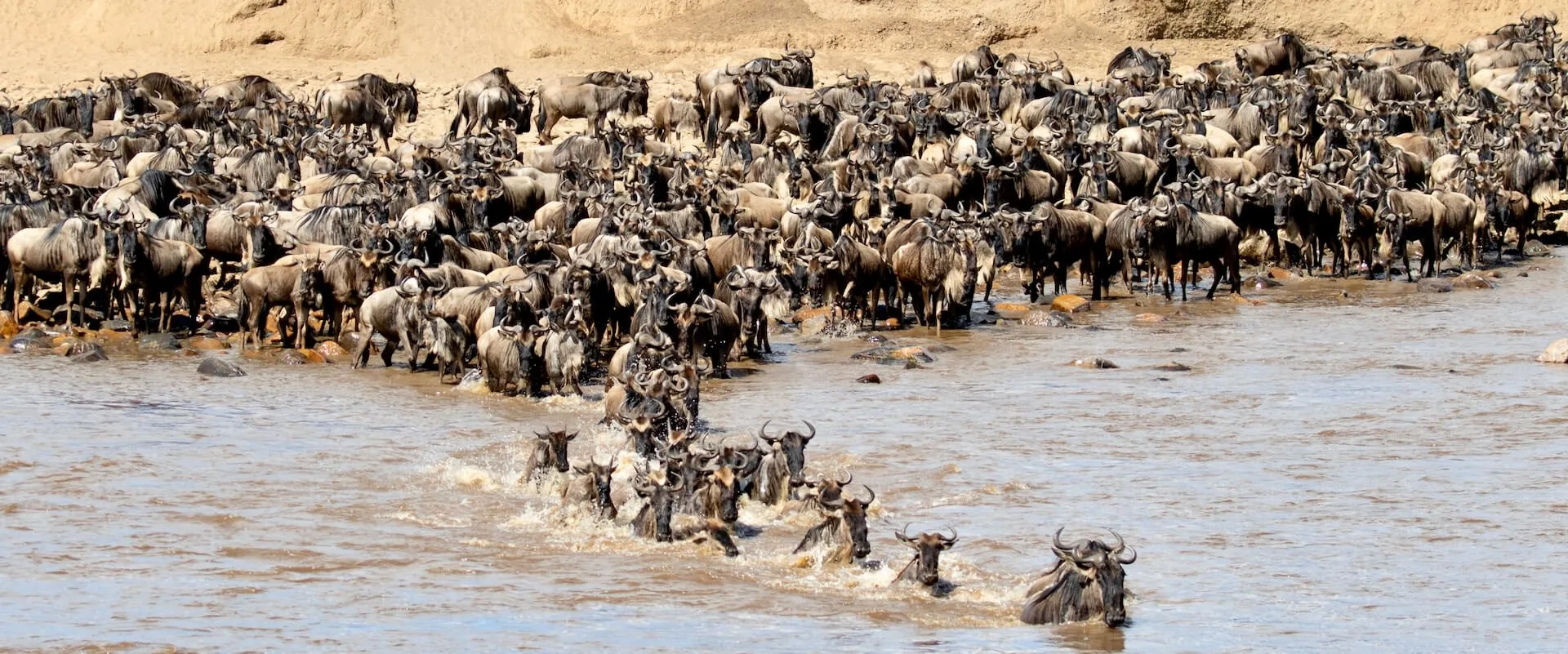
The Great Migration in Africa happens all year because the herds continuously circulate through the Serengeti–Mara ecosystem in…
Read article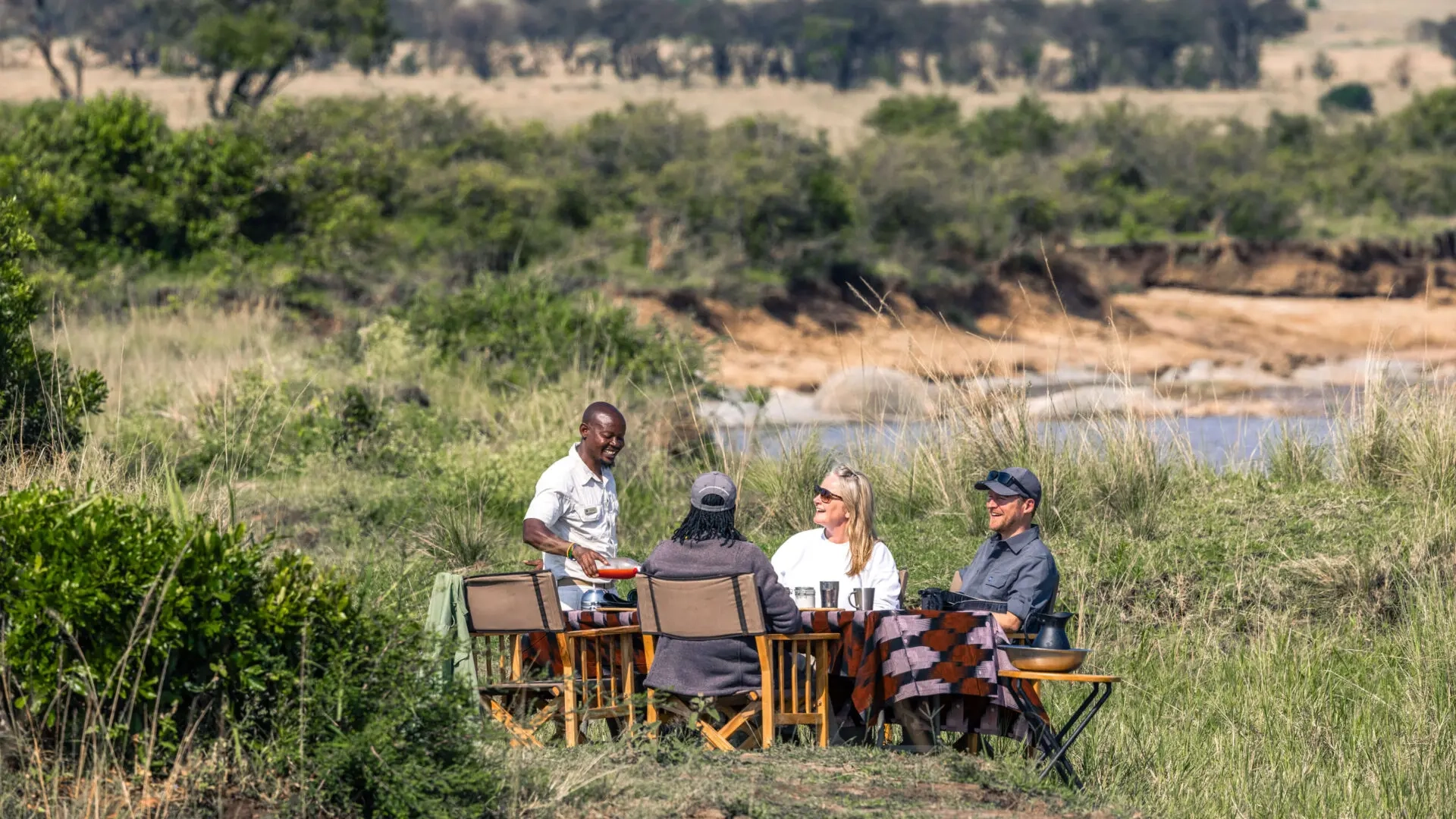
Definitive answer: A picnic lunch on safari is a packed or catered midday meal eaten at an approved…
Read article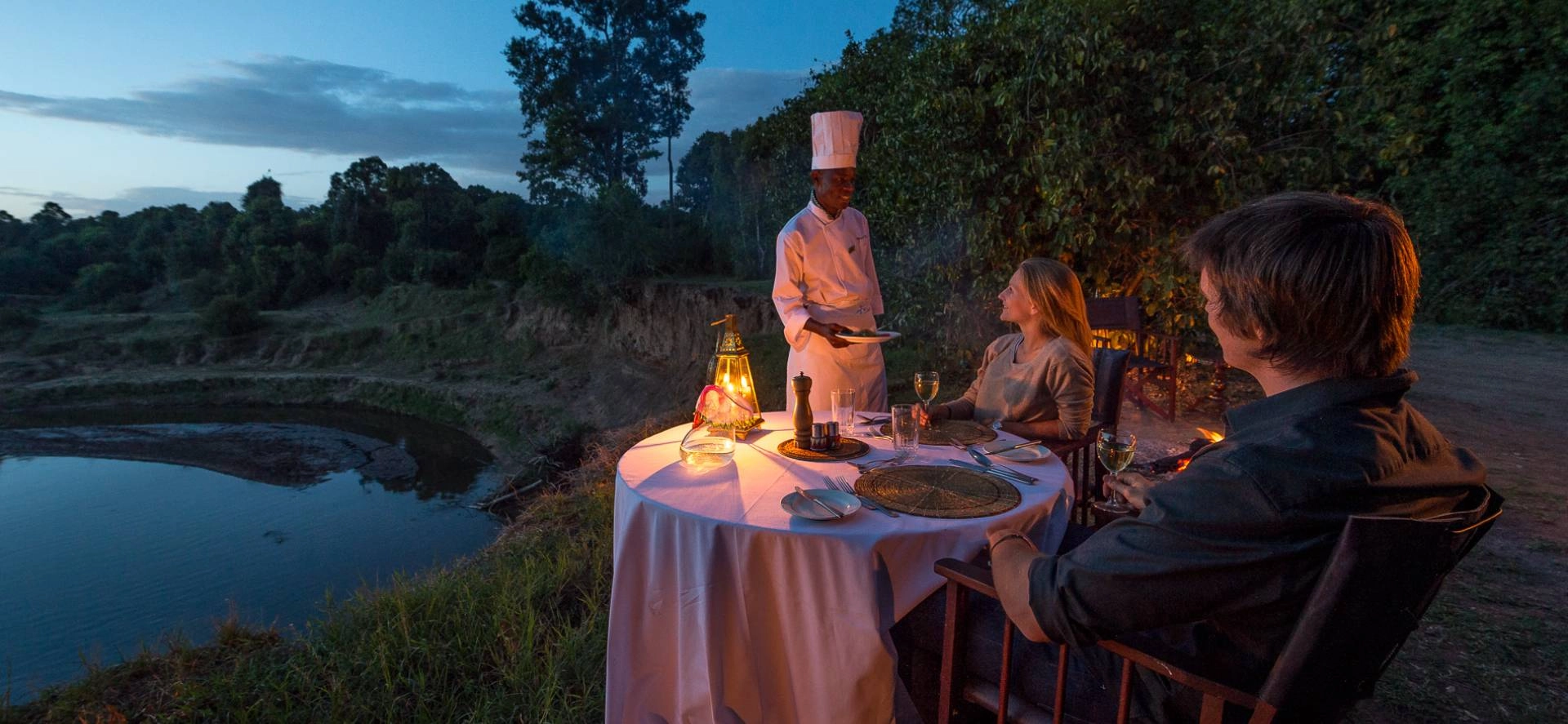
Definitive answer: A bush dinner is an outdoor evening meal arranged in a safe safari setting away from…
Read articleLet us take you closer to the wildlife, people and places that make Africa extraordinary.
Plan Your Safari Today