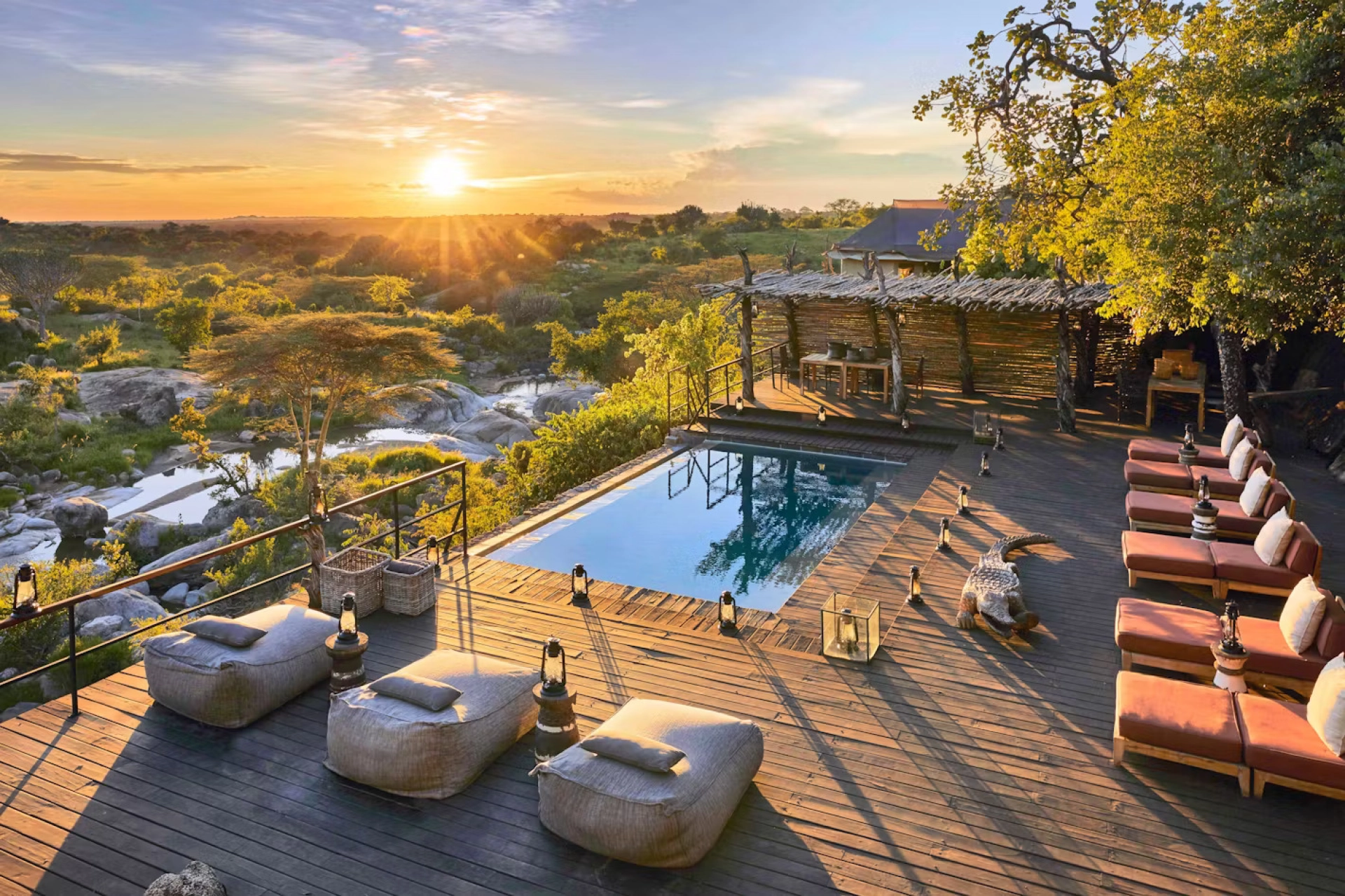
What should I look for when booking a luxury African safari?
When booking a luxury African safari, look beyond the room and compare the quality of guiding, wildlife location,…
Read article

Travel Guide
Planning a Kenya safari looks simple until you begin making actual decisions. Kenya has world-famous wildlife, an established safari industry, excellent lodges and tented camps, national parks with very different ecosystems, private and community conservancies, road…
Planning a Kenya safari looks simple until you begin making actual decisions. Kenya has world-famous wildlife, an established safari industry, excellent lodges and tented camps, national parks with very different ecosystems, private and community conservancies, road and fly-in safari options, and itineraries ranging from quick three-day wildlife trips to two-week journeys that cross much of the country. The abundance of choice is a strength, but it also creates one of the most common problems for first-time visitors: trying to include too much.
One useful perspective comes from African travel consultant Claire Monson, whose published account of a 12-day journey through Kenya described a route extending beyond the country’s most famous safari circuit. Her experience included Nairobi National Park, Amboseli, Lake Naivasha, Lake Nakuru, Samburu, Meru and other contrasting landscapes, and her broader recommendation was particularly interesting: travellers prepared to build a trip around more than the wildebeest migration can discover a quieter and extremely varied Kenya.
That principle is more important than copying any one person’s itinerary.
The best Kenya safari itinerary is not necessarily the one containing the largest number of national parks. It is the one in which every destination contributes something genuinely different. Amboseli should not be included simply because it is famous; it should be included because its wetlands, elephants and potential Kilimanjaro views add something that the Masai Mara does not. Samburu should not be added merely to increase the number of destinations; its arid northern landscape and species such as reticulated giraffes, Grevy’s zebras and gerenuks should fit the traveller’s interests. Lake Naivasha works particularly well when walking, boating or a break from conventional vehicle-based wildlife viewing matters. Meru can appeal to visitors who value wilderness and lower traffic more than a constant procession of safari vehicles.
These are the kinds of distinctions that turn generic safari planning into intelligent safari planning.
This detailed Kenya safari expert guide examines the lessons travellers can take from experienced travel advisors and repeated on-the-ground safari planning: how to choose parks, when to travel, how long to stay, where your money goes, when to drive and when to fly, how to balance famous destinations with quieter alternatives, how to select accommodation, and why the most expensive itinerary is not automatically the best one.
A common first-time planning mistake is beginning with a list of famous destinations.
A traveller reads about the Masai Mara, Amboseli, Samburu, Lake Nakuru, Tsavo, Ol Pejeta and perhaps Meru. Every place looks extraordinary, so all of them are placed into a ten-day itinerary. The result may look impressive on paper but can become an exhausting sequence of packing, checking out, driving, checking in and repeating the process.
A better approach is to begin with the experiences you value most.
If seeing large predators is the priority, the Masai Mara becomes extremely important. If elephants are the main fascination, Amboseli and parts of Tsavo deserve serious consideration. If the traveller is a photographer who wants distinctive species and a less familiar landscape, Samburu becomes much more attractive. If rhinoceros conservation is a major interest, a central Kenya conservancy can complement the national-park circuit. If the goal is a mixture of wildlife and physical activity, Lake Naivasha and Hell’s Gate National Park can break up several consecutive days of vehicle-based game viewing.
This experience-first method prevents an itinerary from becoming a collection of famous names without a clear purpose. It also improves value. Every park requires transportation, accommodation and often conservation or reserve fees. Adding a destination that contributes little new can increase the price while actually reducing the amount of quality wildlife-viewing time.
The phrase Kenya safari can accidentally suggest a single type of landscape: golden grass, acacia trees, lions and perhaps a hot-air balloon above the Masai Mara. That image is real, but it represents only part of Kenya. The country’s safari strength lies in ecological contrast.
Southern Kenya includes Amboseli’s wetlands and dry plains beneath the wider Kilimanjaro landscape. Southeastern Kenya contains the immense Tsavo ecosystem, where red earth, lava landscapes, woodland and river systems create an entirely different visual character. Central Kenya rises into cooler highlands around Mount Kenya and the Aberdares. Northern safari areas such as Samburu become progressively more arid and contain wildlife adapted to those conditions. The Rift Valley introduces lakes, escarpments and important bird habitats. Western Kenya eventually opens toward the Mara-Serengeti ecosystem.
A carefully planned Kenya wildlife safari can therefore feel like several journeys within one country. This is one reason a twelve-day itinerary with intelligently chosen contrasts may provide more satisfaction than a five-day trip focused exclusively on seeing the maximum number of animals.
No expert Kenya safari guide should minimise the importance of the Masai Mara National Reserve. It remains one of Africa’s great wildlife destinations. The reserve and surrounding conservancies support lions, leopards, cheetahs, elephants, buffaloes, giraffes, hyenas and enormous numbers of plains animals. During the appropriate migration period, wildebeest and zebras move through the wider Serengeti-Mara ecosystem, sometimes producing dramatic river crossings. But the Mara’s fame creates two planning problems. The first is the assumption that the Great Migration is the only reason to visit Kenya. The second is the assumption that every part of the Mara experience is identical. Neither is true.
Resident wildlife remains excellent outside the most famous migration months. Predators do not disappear when migrating wildebeest move elsewhere. Resident herbivores remain. Landscapes change with rainfall. Young animals, green-season photography and lower visitor pressure can make alternative periods extremely rewarding.
Likewise, the experience inside the main reserve can differ from staying within one of the surrounding conservancies. Vehicle density, activity rules, accommodation style and overall atmosphere vary. Travellers should therefore ask more precise questions than “Should I visit the Masai Mara?” They should ask when, where, for how many nights, and what kind of Mara experience they actually want.
The migration is spectacular, but peak demand creates consequences. Accommodation can become substantially more expensive. Popular properties may sell out well in advance. Vehicle numbers can increase around high-profile predator sightings and river-crossing areas. Flights and other logistics become more competitive.
For travellers whose dream is specifically to witness the migration, these compromises may be completely worthwhile. For someone whose goal is simply “excellent African wildlife,” however, there are compelling reasons to consider other periods. This distinction is one of the most useful Kenya safari planning tips. Do not pay a peak-season premium for an event that is not actually your priority.
A traveller fascinated by elephants and photography might derive greater satisfaction from spending longer in Amboseli and Samburu. Someone wanting a quieter safari might explore Meru and conservancies. A family travelling during school holidays may still choose the Mara but select accommodation and areas carefully to manage crowd levels. Safari planning improves once the traveller stops asking, “What is the most famous?” and begins asking, “What matters most to me?”
Amboseli National Park is often marketed through one iconic image: elephants beneath snow-capped Mount Kilimanjaro. That photograph has inspired generations of travellers. But it can also create unrealistic expectations. Kilimanjaro is across the border in Tanzania, and cloud can hide the mountain for long periods. A traveller might spend two nights in Amboseli and never see the summit completely clear. That does not make the safari unsuccessful. Amboseli is an exceptional elephant destination in its own right.
Underground water associated with the wider Kilimanjaro ecosystem supports wetlands that contrast dramatically with the surrounding dry landscape. Elephants move between feeding areas and water. Buffaloes, zebras, wildebeest, giraffes and numerous birds use the ecosystem. Predators occur as well. The important expert advice is therefore simple: book Amboseli for its ecosystem and elephants, and treat a clear Kilimanjaro view as a magnificent bonus rather than a guaranteed attraction. This small shift in expectations can dramatically improve traveller satisfaction.
One of the strongest lessons from less conventional Kenya itineraries is the value of travelling north. Samburu National Reserve introduces an environment unlike the Mara. The country becomes drier. The Ewaso Nyiro River becomes an ecological lifeline. Doum palms line sections of the river. Elephants use the water corridor. Leopards may patrol riverine woodland. Then there are the northern species. Grevy’s zebra has much narrower stripes than the familiar plains zebra. Reticulated giraffe displays an extraordinarily precise geometric coat. Gerenuk has an elongated neck and may rise onto its hind legs to browse. Beisa oryx is superbly adapted to arid conditions. The Somali ostrich adds another distinctive northern species.
Together, these animals are often promoted as the Samburu Special Five. The value of Samburu is not merely ticking those five animals off a list. It is seeing how wildlife changes as climate and habitat change. For travellers spending ten days or more in Kenya, that ecological contrast can make the overall journey much richer.
Meru National Park remains less prominent in international safari marketing than the Masai Mara or Amboseli. That can be an advantage. A less famous park may offer fewer lodge choices and require more deliberate logistics, but it can also provide a quieter safari experience. This raises an important question when planning off-the-beaten-track Kenya safaris: how much wildlife density are you willing to exchange for solitude?
There is no correct answer. A first-time traveller with five days may prefer a wildlife-dense circuit. Someone returning to Africa for a third safari may value driving for an hour without seeing another tourist vehicle. Meru can appeal particularly strongly to the second traveller. The broader lesson is that safari quality is not measured solely by the number of sightings per hour. Atmosphere, landscape, exclusivity, guiding and the ability to spend uninterrupted time at sightings also matter.
Nairobi is one of the few major world capitals with a substantial wildlife park immediately beside the city. That creates an unusual opportunity. Nairobi National Park can work particularly well on arrival or departure days when flight schedules make a longer transfer impractical. Current Kenya Wildlife Service information confirms that the park remains a fully managed protected area with formal entry arrangements, and current conservation fees vary according to visitor category.
The skyline visible from parts of the park creates one of Kenya’s most unusual photographic juxtapositions: wild animals against a modern city. It is not a replacement for the Mara, Amboseli or Samburu. It is a different experience. A well-designed itinerary uses Nairobi National Park strategically rather than treating Nairobi only as an airport.
Lake Nakuru has historically been famous for immense concentrations of flamingos. Older travel books and photographs sometimes create the expectation of an uninterrupted pink shoreline. Ecological conditions fluctuate. Water levels, food availability and broader Rift Valley changes influence flamingo distribution. Travellers should therefore avoid treating any specific historical concentration as guaranteed. Lake Nakuru remains valuable for much more than flamingos. The national park supports rhinoceroses, buffaloes, giraffes and other wildlife, while the lake and surrounding habitat support diverse birdlife. This is another expert planning principle: research the current ecological reality rather than booking solely from iconic photographs taken years ago. Wildlife destinations are living systems.
They change.
One of the most underestimated aspects of safari design is variety of activity. A traveller can love wildlife and still become tired after six consecutive days of sitting in a vehicle. Lake Naivasha can help change the rhythm. Depending on the itinerary, travellers can enjoy boating, birding and access to nearby walking or cycling opportunities. Hell’s Gate National Park is particularly unusual because permitted activities can provide a more active contrast with conventional game drives. Current KWS information continues to list the park under its formal conservation-fee system.
The psychological value of changing activity should not be underestimated. After walking or boating, returning to a safari vehicle the next morning feels fresh again. This is why the best Kenya safari itineraries are designed around rhythm, not merely geography.
There is no universal ideal length. A three- or four-day safari can work extremely well when attached to a business trip, beach holiday or longer African journey. The key is to keep the geographic area compact.
A seven-day itinerary provides much greater flexibility. Travellers can combine two or three ecosystems without excessive rushing. Ten to fourteen days allows Kenya to reveal its diversity properly. At that length, a traveller can combine the Mara with central or northern Kenya, add Amboseli, or build an alternative route focused on less crowded destinations. The critical rule is to count full safari days, not merely itinerary days.
If Day 1 is arrival, Day 2 involves a six-hour transfer, Day 3 is the only complete game-drive day and Day 4 is departure, a “four-day safari” may contain only one genuinely full wildlife-viewing day. This distinction matters enormously when comparing packages.
Accommodation is sold in nights, which can make itineraries appear longer than they feel. Suppose you arrive at a reserve at 4:00 p.m. on Monday and depart at 9:00 a.m. on Wednesday. You have stayed two nights. But you have experienced one full day. This is why three nights often represent the sweet spot for important destinations. You gain two complete days plus arrival and departure viewing opportunities. For the Masai Mara, Samburu or Amboseli, that additional night can significantly improve the experience, particularly when searching for elusive predators or waiting for favourable photography conditions.
This decision affects both price and character. A Kenya road safari provides continuity. Travellers watch the country change between destinations. They pass towns, agricultural areas, highlands and local communities. A private safari vehicle remains with them, creating flexibility. Road travel can also offer strong value for two or more travellers because the vehicle cost is shared.
The disadvantage is time. Kenyan road distances should not be evaluated from kilometres alone. Traffic, road condition, stops and access roads affect journey length. A fly-in Kenya safari compresses those transfers dramatically. Light aircraft can connect Nairobi with major safari areas, allowing travellers with limited time to spend more hours viewing wildlife. The trade-off is higher cost, stricter luggage limitations and less exposure to the country between reserves. Neither is automatically superior.
The best itineraries sometimes combine both. Drive where the journey adds value; fly where a long transfer would consume an entire day.
Travellers sometimes reduce the quotation by adding more road transfers. On paper, the safari becomes cheaper. In reality, they may sacrifice several full days of holiday time. If someone has flown internationally for ten hours or more to reach Kenya, using two entire days for avoidable transfers can represent poor value even if the monetary cost is lower. Safari value should therefore be measured in quality hours, not only dollars. A $300 saving is not automatically a saving if it removes an entire day from the wildlife experience you travelled to Africa to enjoy.
Safari prices vary enormously. Kenya Wildlife Service currently notes that safari cost depends on travel style and itinerary length, giving a broad indicative range rather than one fixed national price. It also emphasises that conservation fees, accommodation, meals and game-drive arrangements all contribute to the final cost. For travellers booking a customised private safari, the major cost components usually include the vehicle and professional driver-guide, fuel, accommodation, meals according to the booked meal plan, conservation or reserve fees, activities, domestic flights where included, and operational logistics.
The important point is that accommodation price is only one part of safari cost. This explains why replacing a mid-range lodge with a budget lodge does not necessarily reduce the entire quotation by the same percentage. Vehicle, fuel and park fees remain.
A private safari vehicle has operating costs whether it carries one traveller or four. When one person travels alone, that individual absorbs nearly the entire vehicle and guide cost. When four travellers share, the cost is distributed. This is why solo Kenya safaris often appear disproportionately expensive. It is also why small-group departures can deliver significant savings without necessarily reducing accommodation quality. For couples, private safari pricing often becomes much more attractive than it first appears because the main vehicle cost is already being shared by two. Families and groups of friends can achieve even stronger per-person value.
The phrase budget Kenya safari sometimes creates images of poor-quality guiding and uncomfortable accommodation. That does not need to be true. A well-designed budget safari saves money in areas that do not undermine the core wildlife experience. Accommodation might be outside the reserve rather than in a premium location. Rooms may be simpler. The vehicle may be shared. The itinerary may use road transfers rather than flights. But the animals are the same.
A lion does not behave differently because you slept in a $100 room rather than a $1,000 suite. The key is understanding where budget choices create genuine compromises. A cheap lodge located far from a park entrance may cost valuable game-drive time. An overcrowded vehicle can affect photography. An itinerary that drives excessive distances to save on flights can reduce enjoyment. Good budget planning is therefore selective rather than indiscriminate.
For many travellers, mid-range Kenya safaris occupy the most attractive balance. Accommodation is comfortable. Rooms or permanent tents are generally ensuite. Locations can be excellent. Meals are included according to the package. Safari time remains the priority. The traveller pays for comfort without necessarily paying for private plunge pools, extensive wine lists or highly elaborate room design. If wildlife is the primary objective, this category often provides excellent value.
Luxury safari pricing becomes worthwhile when the additional cost improves the experience rather than simply the room. A superb location can allow wildlife viewing directly from camp. A private conservancy may provide access to activities unavailable in some public reserves. Lower guest density can improve sightings. Highly personalised guiding can be valuable for photographers or specialist wildlife travellers. A fly-in location can eliminate a long transfer. These are meaningful upgrades. A larger bathroom alone may not be.
When comparing luxury Kenya safari lodges, ask what the higher rate buys outside the bedroom.
Accommodation receives enormous attention during booking because it is easy to compare photographs. Yet the guide may have a greater influence on the actual safari. An excellent guide understands animal behaviour, ecology, photography positioning, road networks and timing. They know when to stay. They know when to move. They interpret tracks.
They listen to alarm calls. They explain why elephants are behaving a certain way instead of simply announcing, “There are elephants.” A mediocre guide can make an extraordinary wildlife area feel ordinary. An excellent guide can make a quiet morning fascinating. When selecting a Kenya safari tour operator, guiding standards should therefore matter as much as lodge star ratings.
The vehicle becomes your mobile observation platform. You may spend six or eight hours inside it on a full safari day. Seat comfort matters. Window access matters. Roof design matters. Charging options can matter to photographers. Space matters even more. A vehicle technically capable of seating seven passengers may not provide an ideal photographic experience with seven adults all carrying large cameras. Before booking, ask whether the safari is private or shared and how many travellers are normally placed in the vehicle.
A beautiful lodge can still be the wrong lodge. Location affects when game drives can begin, how much time is spent reaching productive areas, and whether guests must comply with gate opening and closing schedules. In some destinations, staying outside the protected area provides excellent value. In others, the additional driving time may undermine a short stay.
This decision should be made destination by destination. There is no rule that “inside is always better” or “outside is always cheaper and therefore smarter.” The correct question is: what does this location do to my safari day?
Travel marketing often simplifies African seasons into two categories. Dry season equals excellent. Rainy season equals poor. Reality is more nuanced.
Dry periods often improve wildlife concentration around water and reduce vegetation density. Roads can be easier. These are genuine advantages. But greener periods bring dramatic skies, fresh vegetation, fewer vehicles in some destinations, bird activity and excellent photography. Rates may also be more attractive. Rain does not normally mean continuous rainfall every minute of every day. Patterns vary geographically and from year to year.
Climate variability makes exact predictions increasingly difficult. The best travel month depends on priorities.
Photographers should think carefully before automatically choosing the driest period. Dry-season wildlife concentrations are excellent, but dusty brown landscapes can become visually repetitive. After rainfall, the environment changes. Clouds create dramatic backgrounds. Grass becomes saturated green. Young animals may appear. Dust decreases. The contrast between animals and landscape can be extraordinary. For photographers who have already experienced classic peak-season safari conditions, a greener-season Kenya journey can produce a completely different portfolio.
The Great Wildebeest Migration is driven by ecology, rainfall and grazing. Animals do not consult tourism calendars. Broad seasonal patterns are well understood, but exact movement changes each year. River crossings are especially unpredictable. A herd may gather beside a river and refuse to cross for hours. It may move elsewhere. Crossings can happen before travellers arrive or after they leave. No responsible safari operator should guarantee a crossing on a particular day.
Instead, travellers should increase their probability by allocating enough time in the relevant ecosystem during the appropriate broad season.
This principle applies beyond migration crossings. Do not define success exclusively by seeing a leopard. Do not make the trip dependent on Kilimanjaro being cloud-free. Do not assume a rhino will stand beside the road. Wildlife tourism involves uncertainty. That uncertainty is not a flaw. It is one of the reasons a genuine safari remains exciting.
The most satisfying travellers arrive with priorities but retain curiosity about everything else.
Kenya is exceptionally well positioned for safari and beach holidays. After several early mornings and long game drives, the Indian Ocean provides a natural change of pace. Diani, Watamu and other coastal destinations can be combined with wildlife circuits. Tsavo works especially well geographically because it lies between Nairobi and the coast. Travellers can therefore build an itinerary that moves progressively rather than repeatedly returning to Nairobi. A classic structure might combine central or southern safari areas with Tsavo and then continue to the coast. Alternatively, domestic flights can connect the Mara and coastal areas.
For travellers whose wildlife ambitions extend beyond conventional savannah species, combining Kenya safari and Uganda gorilla trekking creates one of East Africa’s most complete journeys. Kenya provides lions, elephants, cheetahs, giraffes and classic plains wildlife. Uganda adds mountain gorillas in Bwindi Impenetrable National Park and chimpanzee trekking in Kibale National Park. Uganda can also contribute Queen Elizabeth National Park and Murchison Falls for additional savannah experiences.
The contrast between the Mara’s open grasslands and Bwindi’s dense rainforest is extraordinary.
A Kenya and Rwanda safari provides another strong combination. After Kenyan wildlife areas, travellers can fly to Kigali and continue toward Volcanoes National Park for mountain gorillas and golden monkeys. Rwanda’s relatively compact geography makes it particularly useful when time is limited. A traveller can experience a substantial Kenya safari followed by a short primate extension without adding another lengthy road circuit.
Safari clothing is simpler than many travellers imagine. Neutral, comfortable clothing works well. Layers matter because mornings can be cold and afternoons warm. A hat, sun protection, comfortable closed footwear and a light rain layer are useful. Binoculars are one of the best purchases a safari traveller can make. They transform distant wildlife and birding. Photographers should prioritise batteries and memory cards over unnecessary clothing. Luggage limitations become particularly important when using light aircraft.
Soft-sided bags are often much easier to manage than large rigid suitcases.
Warm clothing is one of the most frequent omissions. Kenya is equatorial, but altitude changes temperatures dramatically. Nairobi can be cool. Early morning drives can feel surprisingly cold in an open-roof vehicle. Highland areas may become chilly at night. A fleece or light insulated layer can be extremely valuable. Travellers also underestimate how useful binoculars are. Sharing one pair between several people quickly becomes frustrating when a leopard appears far away.
Medical advice should be personalised. Vaccination recommendations, malaria precautions and other health considerations depend on the traveller’s medical history and exact itinerary. Consult a qualified travel-health professional sufficiently early. Comprehensive travel insurance is equally important. Safari itineraries often reach remote areas where medical evacuation can be expensive. Insurance should be evaluated for medical coverage, cancellation, interruption and activities included in the trip.
Conservation fees are not static. Kenya introduced revised conservation-fee regulations effective from October 1, 2025, following a formal review process, illustrating why old blog posts and quotations should not be used as permanent pricing references. For package safaris, KWS notes that park entry charges are normally incorporated into the package by the tour operator. Independent visitors use the official payment system for applicable KWS parks. This is why a safari quote should specify what is included rather than merely displaying a total.
Two operators can quote different prices for itineraries that initially appear identical. Look deeper. Is one safari private and the other shared? Are park fees included? Are all meals included? What vehicle is used? Is airport transfer included? Are domestic flights included? Are drinks excluded? Is the accommodation actually inside the reserve or an hour away? Are activities such as boat trips or conservancy fees included? A lower headline price may simply exclude more items.
The correct comparison is total trip value, not the first number on the page.
Popular camps have limited rooms. Peak migration dates, Christmas, New Year, Easter and other high-demand periods can fill early. Families may face additional pressure because suitable family rooms are fewer than ordinary doubles. Booking early also improves routing flexibility. When a preferred property is full, the replacement may be geographically less convenient, affecting game-drive logistics. Early planning is therefore about more than securing a famous lodge. It helps preserve the integrity of the itinerary.
Travellers with flexible dates have a powerful advantage. Moving a safari by a few weeks can shift the trip into a shoulder season. Accommodation may become less expensive. Availability improves. Visitor density may decrease. The wildlife may still be excellent. Similarly, being flexible about lodge brand can produce savings without sacrificing location or comfort. Tell the safari planner which elements are non-negotiable and which can change. That allows them to optimise value.
Instead of asking only, “How much does it cost?”, ask: Why have you designed the itinerary this way? A knowledgeable planner should be able to explain every major decision. Why three nights in Samburu? Why drive this section? Why fly another? Why this lodge? Why visit this park in this season? Why skip another famous destination? If the itinerary cannot be explained logically, it may simply be assembled from a standard template.
Adventure in the Wild Safaris designs private Kenya safaris, small-group African safaris, family safaris, honeymoon safaris, photographic safaris and Kenya-Uganda-Rwanda combinations around the traveller rather than simply inserting clients into the longest possible list of parks. A first-time couple may benefit from the Masai Mara, Lake Nakuru and Amboseli. A repeat visitor might be better served by Samburu, Meru and a conservancy. A photographer may need longer stays and fewer destinations. A family may need shorter transfer days and carefully selected accommodation.
A traveller continuing to Uganda may benefit from an itinerary ending near a convenient regional flight rather than adding unnecessary backtracking. These decisions are where professional safari planning creates value.
The most useful lesson from experienced Kenya travel advisors is not a secret park, a particular lodge or a perfect month. It is
The best route depends on what you want to feel and see. Give important destinations enough time. Do not confuse more driving with more safari. Spend money where it improves wildlife access, guiding and time. Be sceptical of guarantees involving wild animals. Choose seasons according to your priorities rather than a generic “best time” chart. And remember that the moments you ultimately treasure may not be the ones you planned around. Perhaps it will be a lion at sunrise.
Perhaps a herd of elephants crossing the road. Perhaps a leopard finally emerging after an hour of waiting. Or perhaps it will be something far quieter: sitting beside an African landscape at dusk, with no need to move anywhere else. That is when a carefully planned Kenya safari stops feeling like an itinerary and starts feeling like Africa.
Get quick answers to the most common questions. If you still have questions, our safari experts are here to help.
For a focused single-area trip, three to four days can work. Seven days allows a much stronger multi-destination itinerary, while ten to fourteen days provides enough time to experience contrasting Kenyan ecosystems without rushing.
It is exceptional, but not mandatory. Travellers interested in elephants, northern species, conservation or quieter wilderness can build superb Kenya safaris around Amboseli, Samburu, Meru, Tsavo, Ol Pejeta and other areas.
There is no single best month for everyone. Dry periods often provide easier wildlife viewing, while greener seasons can deliver lower visitor density, excellent birding, beautiful landscapes and strong photographic conditions.
Very much so. Kenya has a mature tourism industry, diverse accommodation and some of Africa’s most celebrated wildlife areas.
Use the method that protects your safari time and budget. Road transfers add context and can offer good value; flights are worthwhile when they prevent an entire day being lost to a long transfer.
For couples, families and photographers, often yes. Private vehicles provide greater control over timing, sightings and stops. Small-group departures can be better value for solo travellers.
Yes. Combining Kenya with Uganda or Rwanda gorilla trekking is one of East Africa’s strongest multi-country safari options.
Our safari experts are here to help you plan your safari. Get personalized advice, the latest information and a free, no-obligation quote.
We typically reply within a few hours.

Share This Article
When booking a luxury African safari, look beyond the room and compare the quality of guiding, wildlife location,…
Read article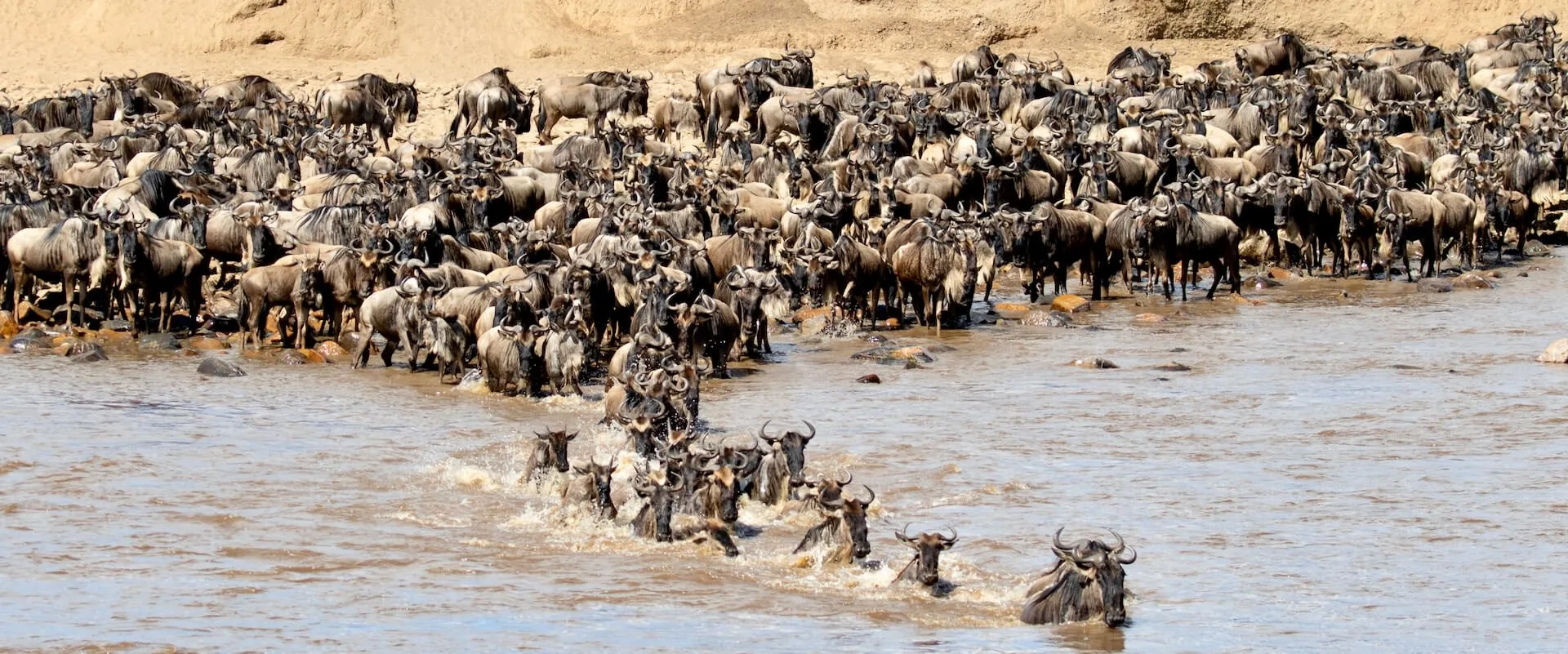
The Great Migration in Africa happens all year because the herds continuously circulate through the Serengeti–Mara ecosystem in…
Read article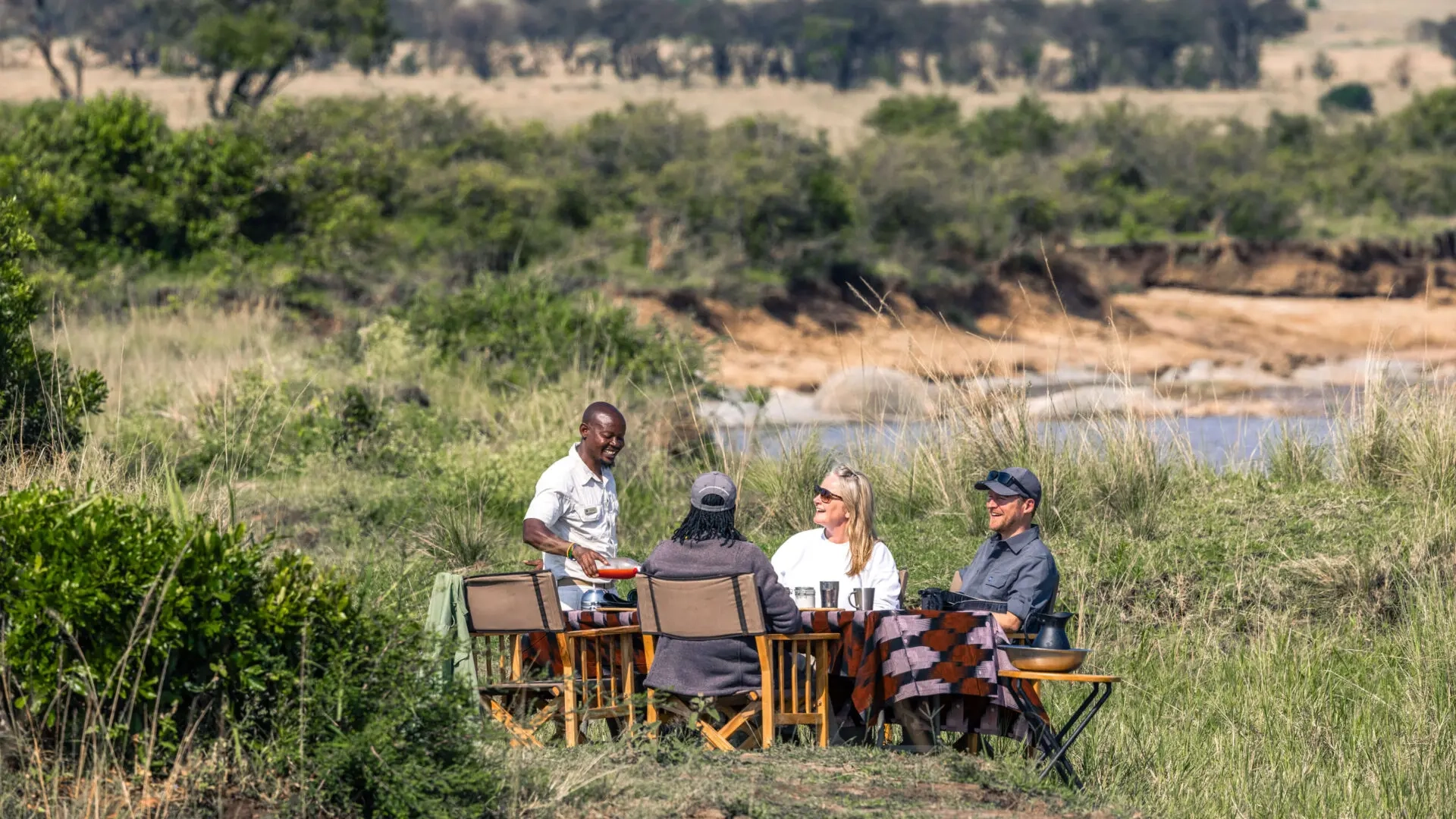
Definitive answer: A picnic lunch on safari is a packed or catered midday meal eaten at an approved…
Read article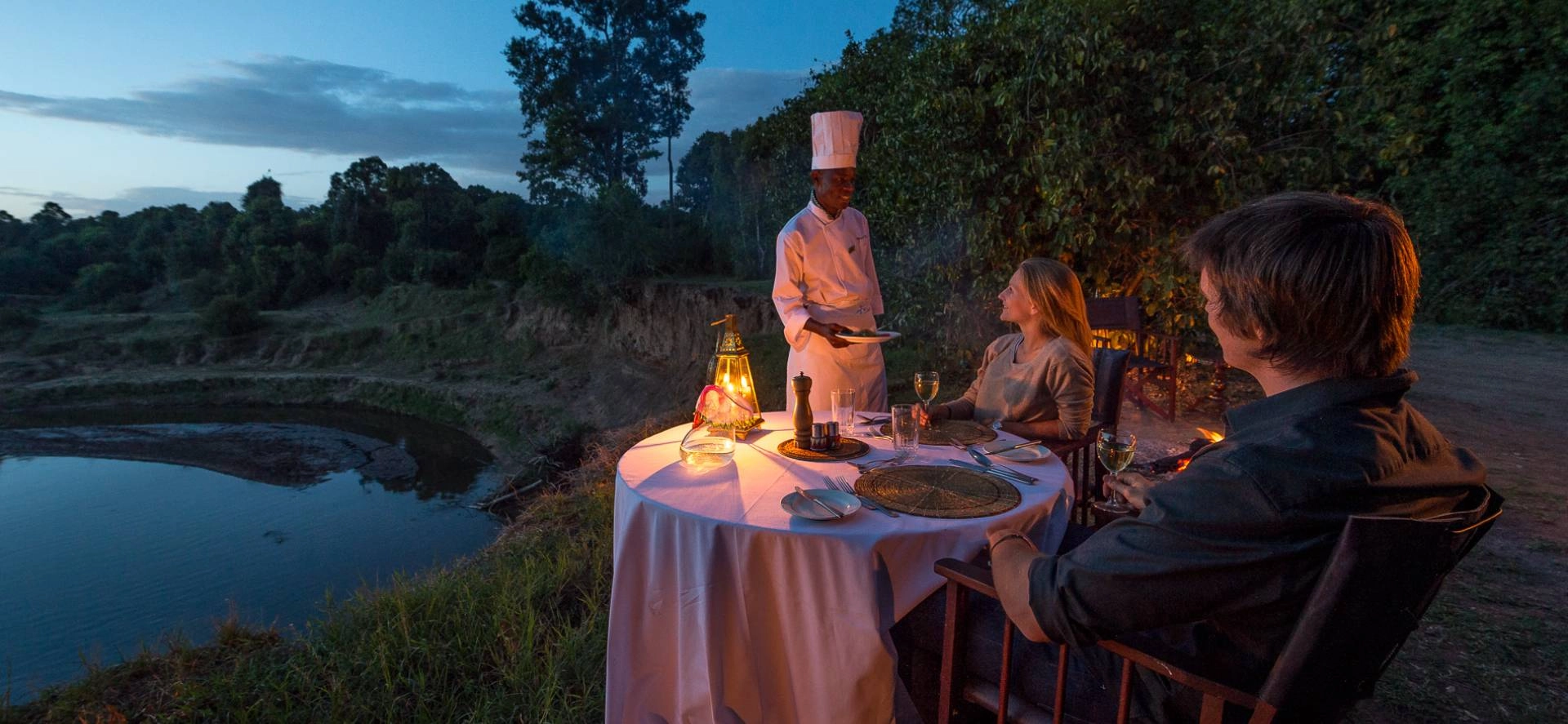
Definitive answer: A bush dinner is an outdoor evening meal arranged in a safe safari setting away from…
Read articleLet us take you closer to the wildlife, people and places that make Africa extraordinary.
Plan Your Safari Today