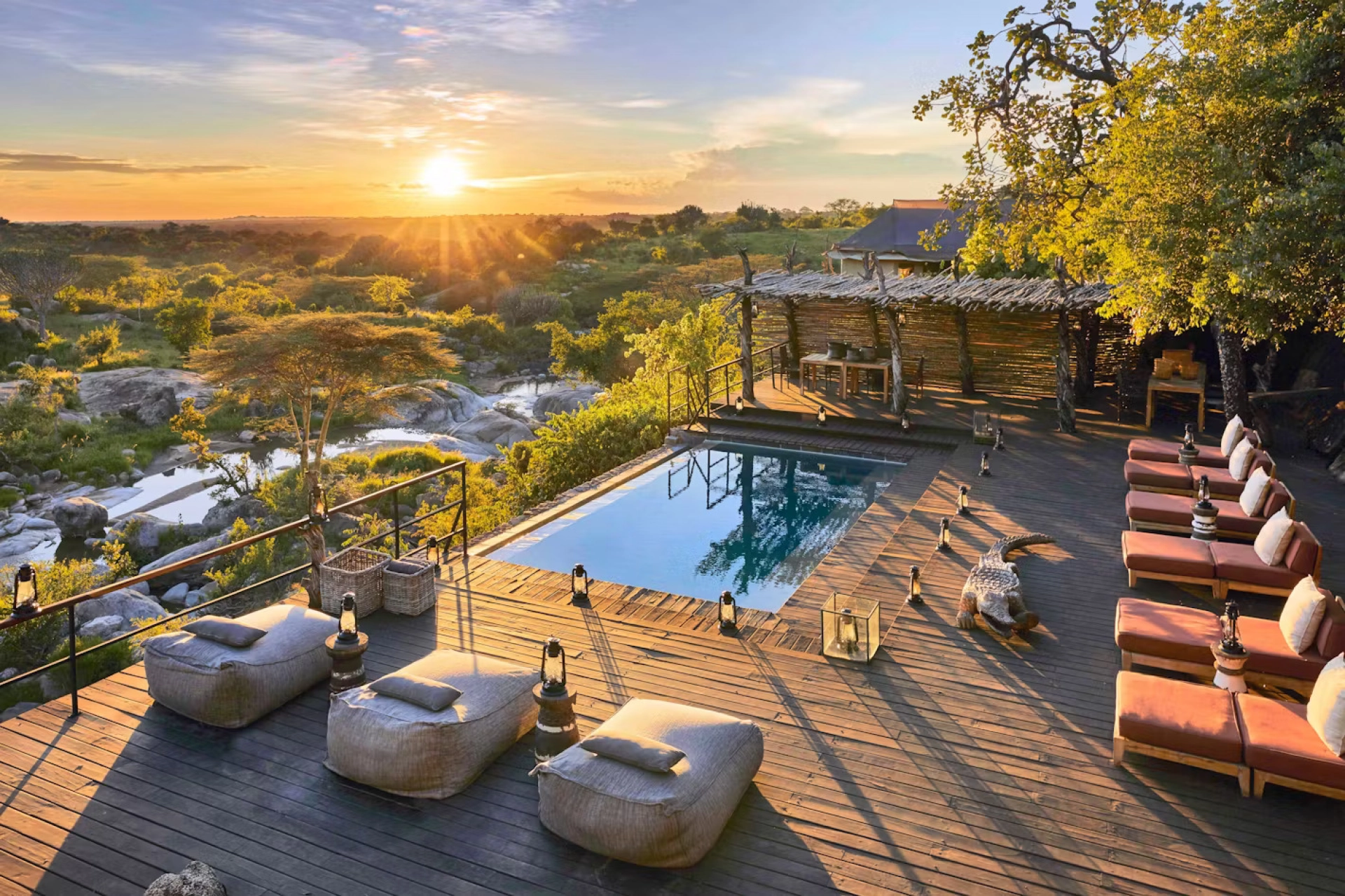
What should I look for when booking a luxury African safari?
When booking a luxury African safari, look beyond the room and compare the quality of guiding, wildlife location,…
Read article

Travel Guide
A Kenya safari is easy to imagine and surprisingly easy to plan badly. The country's wildlife reputation is so strong that first-time visitors often assume almost any itinerary will produce the safari they have dreamed about.…
A Kenya safari is easy to imagine and surprisingly easy to plan badly.
The country’s wildlife reputation is so strong that first-time visitors often assume almost any itinerary will produce the safari they have dreamed about. Kenya has lions, elephants, leopards, cheetahs, rhinos, giraffes, vast herds, dramatic landscapes, outstanding guides and one of the world’s most famous wildlife spectacles in the Great Migration. Surely, then, all that remains is to book a vehicle, select several parks and go.
That is where many safari mistakes begin.
A successful Kenya safari depends not simply on which animals live in the country, but on how the itinerary is designed around geography, season, time, accommodation, transport and the traveler’s priorities. Two visitors can travel to Kenya during the same month with similar budgets and return with completely different impressions because one itinerary allowed time to experience wildlife while the other spent half the holiday racing between parks.
The biggest mistake is often trying to see too much. Kenya’s map encourages ambition. Nairobi sits within reach of several safari regions. The Masai Mara is famous. Amboseli is famous. Samburu looks fascinating. Lake Nakuru offers rhinos. Tsavo is enormous. Laikipia has distinctive conservation experiences. Then there is Diani Beach, Watamu and Lamu on the coast. It is tempting to put all of them into one holiday. But safari is not improved simply by increasing the number of park names on the itinerary. It improves when you spend enough time in the right places.
This comprehensive guide examines the most important Kenya safari tips and mistakes, including how to choose parks, how many nights to spend in the Masai Mara, when the Great Migration matters, whether road or fly-in safaris make sense, how accommodation location affects game viewing, how to control costs and why slower itineraries often produce better wildlife experiences.
The most common Kenya safari planning error is creating an itinerary that looks impressive on paper but feels exhausting on the ground. A traveler with seven nights may try to include Amboseli, Lake Nakuru, Masai Mara and Samburu. Each destination is worthwhile. The problem is not the parks. The problem is the time required to move between them. Safari travel is not equivalent to moving between neighboring European cities on high-speed trains. Road journeys can take hours. Traffic affects departures from Nairobi. Road conditions vary.
Park entry and exit take time. Stopping for lunch takes time. The result can be an itinerary where every second day involves packing bags and driving. A better approach is to ask which wildlife experiences matter most and then select fewer destinations that deliver them.
Animals do not appear according to your schedule. A leopard may remain hidden during your first two drives and appear on the third. A cheetah may spend an afternoon sleeping before hunting the following morning. Elephants may arrive at a waterhole after you have been waiting for an hour. A lion pride may move into your area overnight. Time gives wildlife an opportunity to reveal itself. When you stay only one night, you may receive one afternoon game drive and one rushed morning drive before departure. Three nights provides several opportunities under different light and weather conditions.
For photographers, this difference is enormous.
The Masai Mara National Reserve and surrounding conservancies form one of Africa’s greatest wildlife ecosystems. It deserves time. Yet some itineraries include only one or two nights because the traveler wants to “fit in” more destinations. That approach misunderstands the Mara. The attraction is not merely checking lions, elephants and giraffes off a list. The Mara rewards observation.
Spend enough time and you begin seeing relationships between species and landscapes. You may watch a lion pride in the morning and return later to discover the cubs playing. You may find cheetahs resting before they become active. You may encounter hyenas around a den, elephants moving through a drainage line or vultures revealing a carcass in the distance.
Three nights is a much stronger starting point. Four nights can be excellent. Wildlife photographers and travelers visiting during migration periods may want even longer.
The Great Migration is an annual movement of wildebeest, zebra and other herbivores through the wider Serengeti-Mara ecosystem. It is not a Kenya-only event. For much of the year, the largest concentrations are in Tanzania. The herds move according to rainfall, grazing and ecological conditions rather than a human calendar. The Masai Mara generally becomes especially relevant during the part of the migration cycle when substantial herds move into the northern ecosystem, often associated with the famous Mara River crossings.
But exact timing varies. A river crossing cannot be scheduled for 10:00 on Tuesday. Travelers who book two nights expecting a guaranteed crossing are setting themselves up for disappointment.
River crossings are unpredictable. Wildebeest may gather near the river and wait. They may move away. They may cross somewhere inaccessible. They may cross before you arrive. A group may cross while another remains behind. Guides use experience and local information, but nobody controls the animals. This is why more nights increase opportunity. It is also why the Great Migration should be appreciated as an ecological phenomenon rather than reduced to one dramatic river photograph.
This is one of the most damaging misconceptions. The Masai Mara contains resident wildlife throughout the year. Lions do not disappear when the migration herds leave. Elephants remain. Giraffes remain. Leopards, cheetahs, hyenas and numerous antelope remain. Birdlife changes seasonally but remains rich. Outside peak migration periods, travelers may benefit from lower visitor numbers and different landscapes. The best time for a Kenya safari therefore depends on what you want, not merely whether wildebeest are crossing a river.
Safari quotations can look confusing because two operators may quote dramatically different prices for itineraries with similar names. The reason often lies in the details. Accommodation category matters. Park fees matter. Whether the safari is private or shared matters. Vehicle type matters. Internal flights matter. Location of accommodation matters. Meals and drinks matter. Activities matter. A low headline price can become poor value if the lodge is far outside the wildlife area and every game drive requires a long commute. A higher quotation may include a better-located camp, private vehicle and more park time.
Compare experiences, not only totals.
Where you sleep can influence the safari almost as much as which park you visit. A lodge located far outside a reserve may be less expensive, but the savings can come at the cost of wildlife time. Imagine leaving before sunrise and then spending an hour reaching the gate. That is an hour when predators may be active and light is beautiful.
The same issue appears in the evening if gate-closing rules require you to leave the wildlife area before sunset.
A well-located camp may therefore provide more useful safari hours. This does not mean every traveler needs an expensive property inside a reserve. It means location should be included in the value calculation.
The greater Mara ecosystem includes the national reserve and surrounding conservancies. The experiences differ. The reserve provides access to famous landscapes and important migration areas. Conservancies can offer lower vehicle densities in some circumstances and may permit activities not available in the same way within the reserve, depending on local rules. Some itineraries combine both. This can be excellent because travelers experience different management models and wildlife areas. When choosing accommodation, ask exactly where the property is located and what game-drive areas are included.
Hotel naming can be misleading. A property may use “Mara” in its marketing while being located some distance from the main reserve. This is not necessarily bad. Some excellent properties are located in conservancies or neighboring wildlife areas. The important thing is knowing where it actually is. Ask for the exact location. Ask which gate is used. Ask how long transfers take. Ask whether game drives occur in the reserve, conservancy or both. A safari should not contain geographic surprises after arrival.
Amboseli National Park is often treated as a quick one-night stop because it is relatively accessible from Nairobi. That can be a mistake. Amboseli is famous for elephants and for views toward Mount Kilimanjaro. The mountain itself is across the border in Tanzania, but the classic photographs of elephants beneath Kilimanjaro are often taken from Kenya.
Cloud conditions change constantly. You may arrive in the afternoon and see no mountain at all. Then, just after sunrise the following morning, the clouds may clear. Staying longer improves your chance of experiencing different conditions.
No safari operator can guarantee a clear view of Mount Kilimanjaro. Weather controls visibility. Early mornings can be particularly productive, but even then clouds may obscure the mountain. Treat Kilimanjaro as a spectacular bonus rather than a contractual safari sighting. Amboseli remains worthwhile without it because the elephant viewing and wetland ecosystems are exceptional.
Amboseli’s open landscapes can provide outstanding opportunities to observe elephants. Families move between feeding and water areas. Large individuals can be photographed against broad landscapes. The relatively open terrain often allows photographers to include habitat rather than filling every frame with an elephant’s head. This is one of the best places to practice environmental wildlife photography.
First-time Kenya itineraries frequently focus on the Mara and Amboseli. That is understandable. But Samburu National Reserve and the wider northern region provide a dramatically different safari. The landscape is drier and more rugged. The Ewaso Ng’iro River creates an important wildlife corridor. The region supports species associated with northern Kenya that are not commonly encountered in the Mara, including Grevy’s zebra, reticulated giraffe, gerenuk, Beisa oryx and Somali ostrich. For travelers interested in biodiversity, Samburu adds real value rather than simply repeating another savannah landscape.
A good safari itinerary should create contrast. Samburu plus the Mara does this extremely well. Northern Kenya provides arid landscapes and distinctive species. The Mara provides rolling grasslands and dense predator populations. The journey feels like movement between ecosystems rather than repetition. The main challenge is distance. Flying between regions can save substantial time on shorter itineraries.
Samburu is rewarding, but it is not next door to the Masai Mara. A road itinerary combining northern and southern Kenya requires realistic transfer planning. Travelers with limited time should consider flights or choose fewer parks. A destination is not good value if reaching it consumes a disproportionate part of the holiday.
Lake Nakuru National Park can be valuable for travelers interested in rhinos, birds and a compact wildlife environment. Historically, the lake became internationally famous for enormous flamingo concentrations. Flamingo numbers and distribution vary according to ecological conditions, water levels and food availability, so travelers should not assume they will encounter the historical scenes shown in old photographs. The park’s modern value extends far beyond flamingos. Rhino conservation is an important attraction. Its location can also fit naturally into some road itineraries between Nairobi and western safari regions.
Wildlife populations and lake conditions change. A destination should not be selected solely because of a decades-old photograph. If flamingos are your primary objective, ask for current information. Lake Nakuru can still provide excellent safari experiences, but expectations should reflect present conditions rather than historical tourism marketing.
Together, the Tsavo ecosystem covers an enormous area. Tsavo East is famous for broad landscapes and red-dust elephants, while Tsavo West offers varied terrain, volcanic landscapes and other ecological features. Tsavo is particularly interesting for travelers combining safari with the Kenyan coast. Its geographic position can make a Kenya safari and beach holiday more coherent.
Instead of flying from the Mara directly to Diani, travelers with sufficient time can create a road-based circuit through Amboseli and Tsavo before reaching the coast.
The Mara is exceptional. But “best” depends on the traveler. A family interested in elephants and shorter transfers may love Amboseli. A repeat visitor wanting unusual species may prefer Samburu. A conservation-focused traveler may prefer Laikipia. A traveler combining safari and beach may find Tsavo geographically convenient. A photographer seeking migration action may prioritize the Mara. A good safari consultant asks what you want to experience before recommending a route.
Laikipia offers a different approach to safari tourism. The region includes private and community conservancies where wildlife conservation, ranching and tourism interact. Depending on the property, travelers may experience activities beyond conventional game drives. The region is particularly interesting for repeat safari visitors, conservation-minded travelers and those seeking lower-density experiences. Laikipia can also provide opportunities involving rhinos and other conservation priorities.
The Big Five remain an important marketing concept, but they should not control the entire safari. Kenya’s wildlife is far richer.
Cheetahs are not Big Five animals. Neither are giraffes, zebras, hippos, crocodiles, hyenas or African wild dogs. Birdlife can be extraordinary. Gerenuk and Grevy’s zebra in northern Kenya can be more exciting to an experienced traveler than seeing another buffalo. The best safaris move beyond checklists.
The Big Five—lion, leopard, elephant, rhinoceros and buffalo—originated as a historical hunting term referring to animals considered dangerous to hunt on foot. It was never intended as a scientific ranking of Africa’s most interesting wildlife. Modern tourism has transformed the phrase into a photographic checklist. There is nothing wrong with wanting to see them.
The mistake is allowing that list to make you ignore everything else.
Safari vehicles sometimes receive information about an exciting animal elsewhere. The temptation is to leave immediately. This can produce a day spent racing from one reported sighting to another. Often the best behavior happens when you stay. A lion that appears asleep may begin hunting. An elephant herd may approach. Hyena cubs may emerge from a den. A leopard may descend from a tree. Wildlife photography and observation reward patience.
A great guide does far more than drive. The guide interprets tracks, weather, animal behavior, landscape and bird calls. They understand when to wait. They know how to position the vehicle without disturbing wildlife. They communicate with other guides while avoiding unnecessary crowding. They explain why an animal is behaving in a particular way. This interpretation can transform a sighting from “we saw a lion” into an understanding of lion ecology. When comparing safari operators, guide quality should matter.
Sometimes it does. Often it does not. A vehicle moving constantly may pass subtle behavior. A guide who understands an ecosystem may choose to wait at a productive location. Safari is not a mileage competition. The objective is meaningful wildlife time.
Early mornings are excellent because temperatures are cooler and many predators may still be active. Light is also beautiful for photography. Afternoon drives can become productive as temperatures fall toward sunset. Midday is often quieter, but important wildlife behavior can happen at any time. During a full-day game drive, staying inside the wildlife area can create opportunities that shorter scheduled drives miss.
A full-day drive can be extremely worthwhile, particularly when exploring distant sections of the ecosystem or searching for migration activity. It avoids returning to camp in the middle of the day. However, not every traveler wants ten hours in a vehicle. Families with young children may prefer shorter drives. Safari style should match the traveler.
Vehicle quality matters more than first-time travelers realize. A safari vehicle becomes your viewing platform for hours every day. Consider: window access; roof configuration; seating; legroom; charging; and luggage space. Private safaris provide greater control over seating and stopping. Shared safaris reduce cost. Neither is universally better.
A private Kenya safari costs more because the vehicle and guide are not shared across multiple bookings. The advantages include flexibility. You decide how long to remain at a sighting. Photography is easier. Families can adapt the schedule. Couples receive more privacy. A group safari reduces the per-person cost but requires compromise. If one traveler wants birds and another wants lions, the guide must balance priorities. For budget-conscious travelers, this trade-off can be worthwhile.
Wild animals do not know how much your room costs. A lion can walk beside a budget safari vehicle just as easily as beside a luxury vehicle. Budget primarily affects: accommodation; vehicle sharing; food; location; and service level. A well-designed budget safari with a strong guide can produce extraordinary wildlife experiences. The mistake is reducing cost so aggressively that the itinerary becomes inefficient or uncomfortable.
Do not save money by using an unreliable vehicle. Do not choose an inexperienced operator solely because the quote is cheapest. Do not select accommodation so far away that you lose hours of game viewing. Do not remove necessary park time. Save on room luxury before saving on the fundamental safari experience.
The cost of a Kenya safari depends on season, accommodation, park fees, transport style, number of travelers and whether the safari is private. Peak migration periods in the Mara can be expensive. Luxury conservancy camps can command premium rates. Domestic flights increase cost but save time. Traveling with two or more people reduces the per-person cost of private road transport because vehicle expenses are shared. For this reason, a quote should always be interpreted in context.
Park and conservancy fees can represent a meaningful part of safari cost. Ask whether they are included. An apparently inexpensive quote may exclude mandatory charges. A professional proposal should make inclusions and exclusions clear.
The cheapest month may not match your priorities. The most expensive month may not be necessary either. Kenya offers wildlife throughout the year. Shoulder seasons can provide excellent value. Green-season landscapes are beautiful and birding can be exceptional. The correct month balances: wildlife interests; weather; budget; visitor numbers; and travel style.
Drier periods are popular because wildlife can be easier to locate around water and vegetation may be less dense. Road conditions are generally more predictable. These advantages increase demand. However, popular months also bring higher prices and more vehicles in famous areas.
Rain transforms the landscape. Grass becomes green. Skies become dramatic. Young animals may be present. Birdlife can be outstanding. Photographers often appreciate the cleaner air and saturated colors. Rain can create muddy roads and logistical challenges, but green season should not automatically be dismissed.
Weather is not a safari operator’s product. Rain can occur during a generally dry period. Clouds can hide Kilimanjaro. A storm can interrupt a game drive. The best safari attitude allows the landscape to behave naturally. Some of the most dramatic wildlife photographs occur beneath storm clouds.
Modern smartphones are excellent. They can photograph landscapes, people and nearby animals. But wildlife is frequently distant. A lion may be 80 meters away. A leopard may be high in a tree. A cheetah may be across the plains. A dedicated camera with a telephoto lens provides dramatically better reach. Travelers serious about wildlife photography should plan accordingly.
The opposite problem also exists. Three bodies and six lenses can become exhausting. Dust increases lens-changing risk. Vehicle space is limited. Choose equipment you know how to use. A flexible telephoto zoom can cover much of a safari.
Dry-season Kenya can be dusty. Keep camera bags closed. Avoid unnecessary lens changes during dusty conditions. Carry a blower and appropriate cleaning equipment. Never aggressively wipe dust across a lens surface. A simple scarf or cloth can provide temporary protection when another vehicle passes.
Safari vehicles have limited luggage space. Domestic flights may impose baggage restrictions. You do not need formal evening clothing at most lodges. Laundry is available at many properties. Pack lightweight layers. Comfort matters more than fashion.
Neutral, comfortable clothing works well. Long sleeves provide sun and insect protection. A fleece or light jacket is useful during early morning drives. Do not assume equatorial Africa is always hot. Open vehicles before sunrise can feel cold.
Binoculars transform safari. They reveal distant cats, birds and behavior. Do not assume the guide’s binoculars are sufficient for an entire vehicle. If possible, each adult or couple should have access to a pair. A distant leopard becomes far more interesting when you can actually see its face.
Kenya is an exceptional birding country. Even travelers who do not consider themselves birders often become interested once a knowledgeable guide begins pointing out: eagles; hornbills; rollers; kingfishers; vultures; ostriches; and waterbirds. Birds fill the periods between famous mammal sightings. Ignoring them means ignoring a major part of the ecosystem.
Kenya’s people are not safari props. Cultural tourism should be approached respectfully. Maasai communities are internationally associated with Kenya, but Maasai life is more complex than the short staged village visits sometimes presented to tourists. Choose experiences that provide context and meaningful community benefit. Ask permission before photographing people. Understand that modern Maasai identity can incorporate pastoral traditions, education, technology, urban employment and business simultaneously.
Culture evolves.
Many travelers land in Nairobi, sleep and immediately leave. The city can add worthwhile experiences. Depending on interests and available time, Nairobi provides museums, restaurants, conservation attractions and a chance to understand modern urban Kenya. A city stay can also provide useful recovery time after an overnight international flight. Beginning a six-hour road transfer immediately after a long-haul arrival is not always wise.
Jet lag affects enjoyment. If the flight arrives late, spend the night. Sleep. Begin safari the next morning. A safari is expensive. Saving one hotel night only to spend the first game drive exhausted is false economy.
Kenya is excellent for families. Wildlife is visually engaging. Many lodges welcome children. However, long drives can become difficult. A family itinerary should contain fewer long transfer days and enough downtime. Private vehicles can be particularly useful because families control stops and drive duration.
A six-year-old may not enjoy a ten-hour full-day game drive. Shorter drives can produce a better family experience. A lodge with a pool can be extremely valuable. Include rest. Safari should create curiosity rather than exhaustion.
Older travelers can enjoy Kenya comfortably with thoughtful planning. Reduce unnecessarily long road transfers. Consider domestic flights. Select lodges with appropriate accessibility. Tell the operator about mobility requirements before booking. Do not wait until arrival to discover that a tent requires climbing a steep path.
Safari bookings involve significant prepaid costs. Flights can be delayed. Baggage can be lost. Illness can occur. Travel insurance appropriate for the itinerary is strongly recommended. Read the policy rather than purchasing based solely on price.
Travel health requirements depend on itinerary, nationality, medical history and current regulations. Seek advice from qualified travel-health professionals. Do this early enough that recommended vaccinations or medications can be arranged appropriately. Do not rely on social-media comments for medical decisions.
Malaria risk varies geographically. Professional medical advice is essential. Travelers may also reduce mosquito exposure through repellent, appropriate clothing and mosquito nets where supplied. Safari planning advice should complement rather than replace medical guidance.
Never feed monkeys, baboons or other wildlife. Feeding changes behavior and can make animals aggressive. It also creates conflict with humans. A monkey that steals food from tourists may appear funny until the behavior becomes dangerous. Keep food secured.
Safari animals are wild. Do not step outside for a photograph. Do not assume a lion is “far enough away.” Your guide understands where leaving the vehicle is permitted and safe. Follow instructions.
A good photograph does not require stressing the animal. Do not demand that your driver block a cheetah’s path or crowd an elephant. Respect park rules. Responsible safari guiding protects both wildlife and visitors.
Popular Kenya destinations can sometimes experience many vehicles around high-profile animals. Responsible guides should position thoughtfully and avoid blocking wildlife. Travelers can help by not demanding that their vehicle force its way into every sighting. Sometimes the better choice is to leave a crowded lion and search for something else.
Travelers particularly concerned about vehicle density can consider conservancy-based accommodation where appropriate. These areas may operate different visitor-management systems. They can complement rather than replace the national reserve. A mixed itinerary can provide the best of both.
After seven or ten active safari days, two nights at Diani may sound sufficient. In reality, arrival and departure reduce the usable time. You may receive one full beach day. If relaxation matters, allocate four or five nights. The coast should not feel like another transfer.
Diani Beach is one of Kenya’s easiest safari extensions. It provides white sand, resorts, restaurants and water activities. Domestic flights can connect the coast with Nairobi and safari regions. For first-time visitors, a Masai Mara and Diani combination is difficult to beat.
Watamu works particularly well for travelers interested in marine environments, snorkeling and a somewhat different coastal atmosphere. It can be combined with Malindi and cultural excursions.
Lamu suits travelers interested in history and Swahili culture. A Mara-Lamu combination feels dramatically varied. One half is dominated by wildlife. The other by dhows, coral-stone architecture and Indian Ocean history.
Kenya combines exceptionally well with Uganda gorilla trekking. A traveler can begin with Kenya’s savannah wildlife and then fly to Uganda for Bwindi Impenetrable National Park. This adds an experience Kenya cannot provide: trekking through rainforest to meet wild mountain gorillas. The contrast between Masai Mara plains and Bwindi forest makes the combination particularly powerful.
For travelers with approximately two weeks or more, an outstanding East African itinerary can combine: Kenya’s Masai Mara;
Uganda’s mountain gorillas; and an Indian Ocean beach. The beach could be in Kenya or Zanzibar depending on flight connections and preference. This type of journey provides three completely different ecosystems without requiring a huge number of safari parks.
Kenya and Tanzania share the Serengeti-Mara ecosystem. Combining them makes particular sense for travelers wanting a broader Great Migration journey. However, border and routing logistics need careful planning. Do not assume a safari vehicle can simply drive everywhere across the international boundary. Operators plan transfers according to border procedures, park rules and vehicle regulations.
They share wildlife and ecosystems but provide different routes, parks and travel experiences. The Serengeti is not simply a larger Masai Mara. Ngorongoro has no direct Kenyan equivalent. Samburu provides northern species not central to Tanzania’s classic northern circuit. Amboseli offers its distinctive Kilimanjaro landscapes. A multi-country safari should use each country’s strengths.
Seven to ten days works extremely well for many first-time visitors. Seven days requires discipline. Choose perhaps two or three complementary regions rather than five. Ten days provides more flexibility. Two weeks allows safari plus coast without rushing. Longer journeys can add northern Kenya, Uganda gorillas or Tanzania.
With one week, prioritize depth. For example, combine Amboseli with the Masai Mara, or Lake Nakuru with the Mara, depending on interests. Do not attempt to visit every famous park. A week spent observing wildlife is better than a week spent collecting park entrance stamps.
Ten days allows three safari regions comfortably if routing is sensible. Samburu, a Rift Valley stop and Masai Mara can work. Amboseli, Tsavo and coast can create another excellent route. The correct combination depends on wildlife priorities.
Two weeks provides room for a relaxed safari and meaningful beach extension. This is particularly suitable for honeymooners and families. You can spend several nights in each major wildlife area rather than constantly moving.
Do not simply request “a Kenya safari.” Explain priorities. Do you want photography? Big cats? Birding? Elephants? Migration? Rhinos? Culture? Luxury? Budget accommodation? Family-friendly lodges? Beach? Once those priorities are clear, itinerary design becomes far more precise.
Kenya makes travelers ambitious. The country contains so many famous destinations that the natural instinct is to fit as many as possible into one trip. Resist that instinct. The best Kenya safari is rarely the itinerary with the greatest number of national parks.
It is the itinerary that gives wildlife enough time. Three or four nights in the Masai Mara are more valuable than a rushed overnight visit. Two nights in Amboseli provide a better chance of experiencing its changing light and Kilimanjaro views than arriving one afternoon and leaving immediately after breakfast. Samburu deserves time to reveal its northern species.
The coast deserves enough nights to become relaxing. A good guide deserves enough freedom to wait when wildlife behavior becomes interesting. Safari quality grows from patience. That is the principle connecting almost every major Kenya safari tip and mistake in this guide. Do not chase a checklist. Do not choose accommodation only by room price. Do not assume migration means a guaranteed river crossing. Do not believe wildlife disappears outside peak season.
Do not ignore birds, hyenas or unfamiliar antelope because somebody told you only the Big Five matter. Do not force children into adult safari schedules. Do not race from sleeping lion to sleeping lion because another vehicle reported a leopard ten kilometers away. And above all, do not spend the holiday constantly moving simply because the map contains another famous park.
At Adventure in the Wild Safaris, Kenya itineraries can be designed around the traveler’s actual priorities, whether that means Masai Mara wildlife safaris, Amboseli elephant safaris, Samburu, the Great Migration, family travel, photography, honeymoon safaris or combinations with Uganda gorilla trekking, Tanzania and the East African coast. A great Kenya safari does not need to prove how much ground you covered. It should leave you remembering how long you watched an elephant family cross the plains, how the light changed around a cheetah before sunset, how hyenas called outside camp and how the landscape felt when the vehicle stopped and everyone became quiet.
Those are the experiences that survive long after the itinerary has been forgotten.
Get quick answers to the most common questions. If you still have questions, our safari experts are here to help.
Seven to ten days is excellent for a first safari. A shorter trip is possible, while two weeks allows more relaxed wildlife viewing and a beach extension.
Three nights is a strong minimum for many travelers. Four or more nights is excellent for wildlife enthusiasts, photographers and migration-season visitors.
The migration is a natural movement, and specific events such as river crossings cannot be guaranteed.
Absolutely. Resident wildlife remains excellent throughout the year.
They provide different experiences. The Mara is outstanding for predators and broad savannah wildlife, while Amboseli is particularly famous for elephants and Kilimanjaro views.
Yes, especially for travelers interested in northern Kenya’s landscapes and distinctive wildlife such as Grevy’s zebra, reticulated giraffe and gerenuk.
For photographers, families and travelers wanting schedule flexibility, a private vehicle can be extremely valuable.
Yes. Accommodation category, shared transport and season can reduce costs. However, avoid sacrificing vehicle reliability, guiding quality and useful park time merely to reach the lowest possible price.
Excellent. The country offers outstanding wildlife, established tourism infrastructure and a wide range of parks and accommodation.
Yes. Kenya combines naturally with Uganda or Rwanda for mountain gorilla trekking.
Yes. Diani, Watamu and Lamu are excellent Kenyan options, while Zanzibar can also be added through regional flights.
Trying to visit too many parks in too little time is among the most common mistakes.
It depends on time, budget and route. Road safaris provide landscape context and can cost less, while flights save substantial time over long distances.
Yes. They significantly improve wildlife and bird viewing.
No. Comfortable neutral-colored clothing, layers and practical footwear are more important than specialist safari brands.
No ethical operator can guarantee specific wild animal sightings or behaviors.
Our safari experts are here to help you plan your safari. Get personalized advice, the latest information and a free, no-obligation quote.
We typically reply within a few hours.

Share This Article
When booking a luxury African safari, look beyond the room and compare the quality of guiding, wildlife location,…
Read article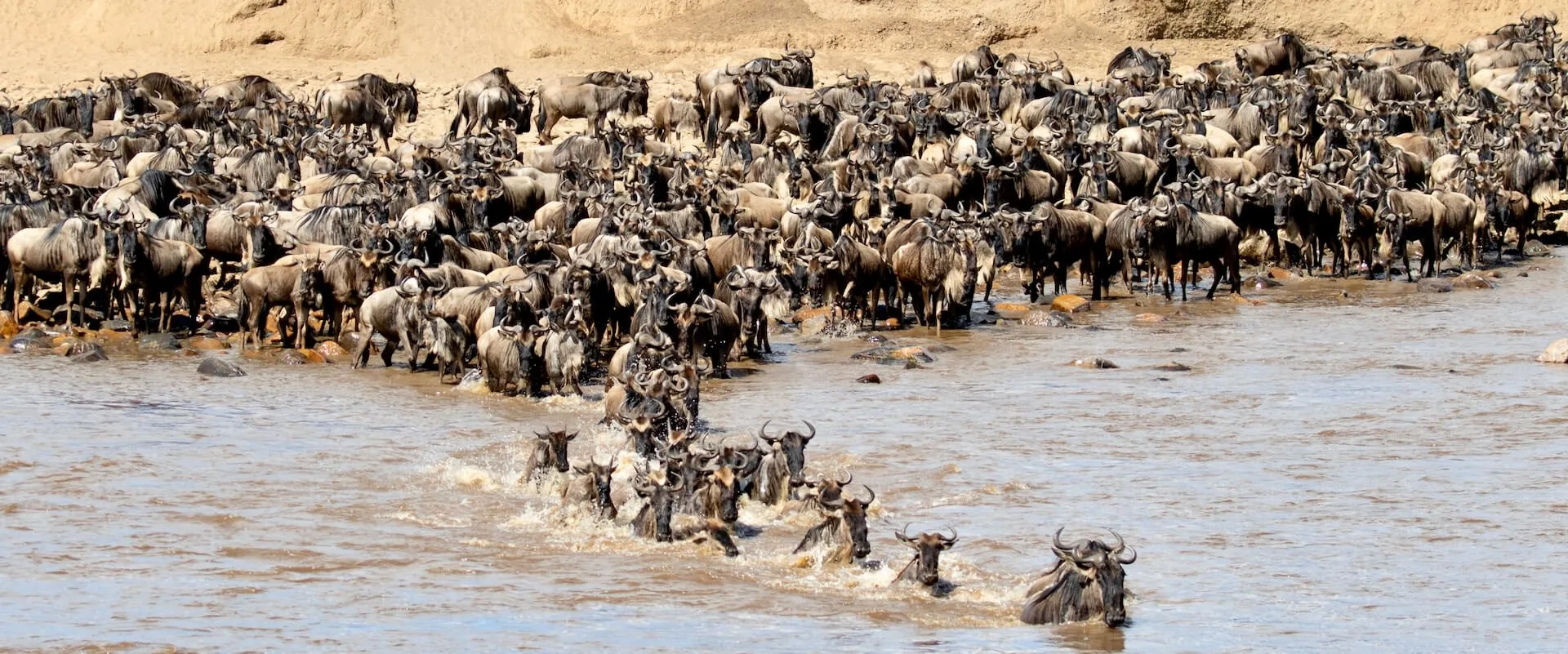
The Great Migration in Africa happens all year because the herds continuously circulate through the Serengeti–Mara ecosystem in…
Read article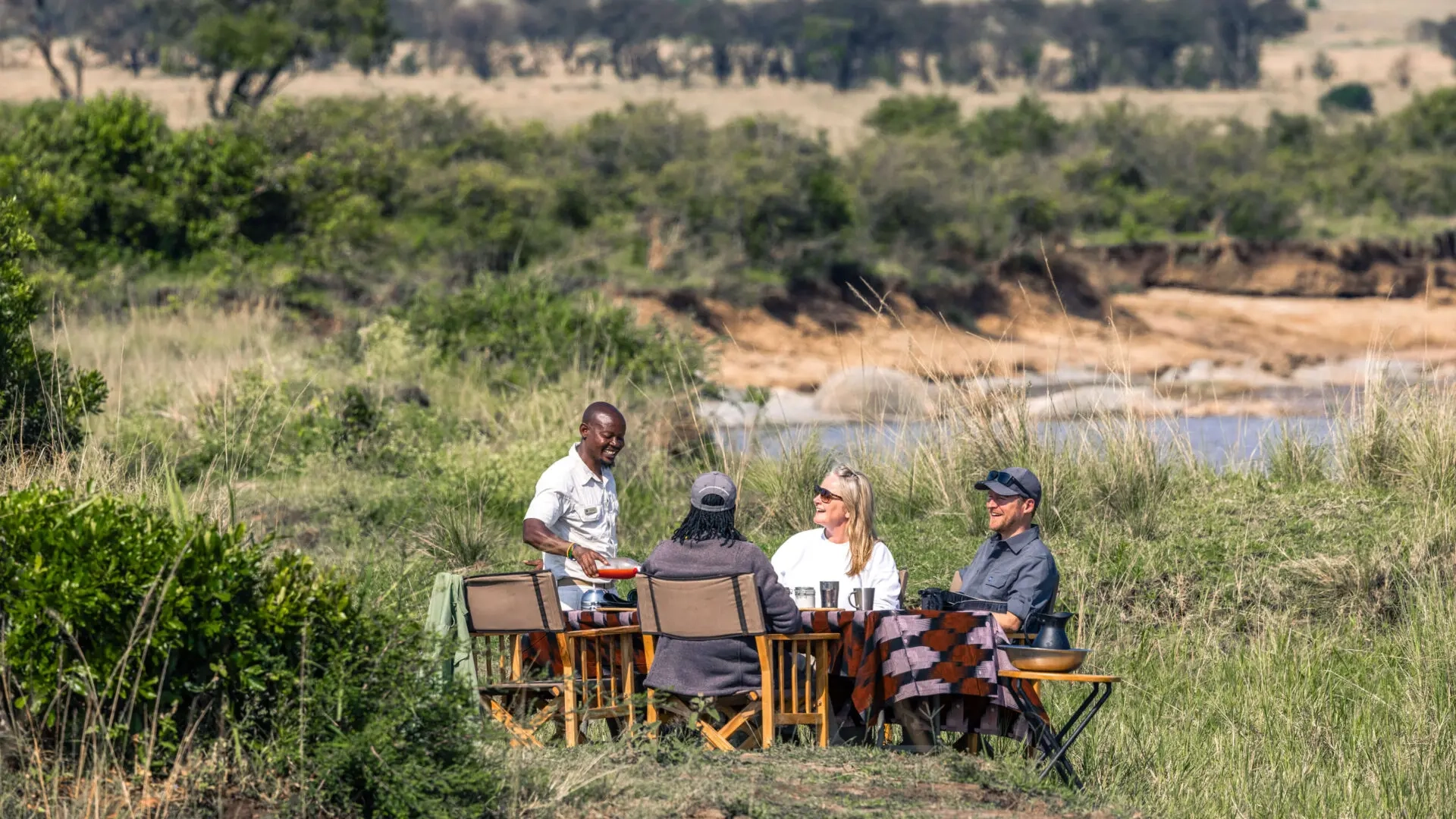
Definitive answer: A picnic lunch on safari is a packed or catered midday meal eaten at an approved…
Read article
Definitive answer: A bush dinner is an outdoor evening meal arranged in a safe safari setting away from…
Read articleLet us take you closer to the wildlife, people and places that make Africa extraordinary.
Plan Your Safari Today