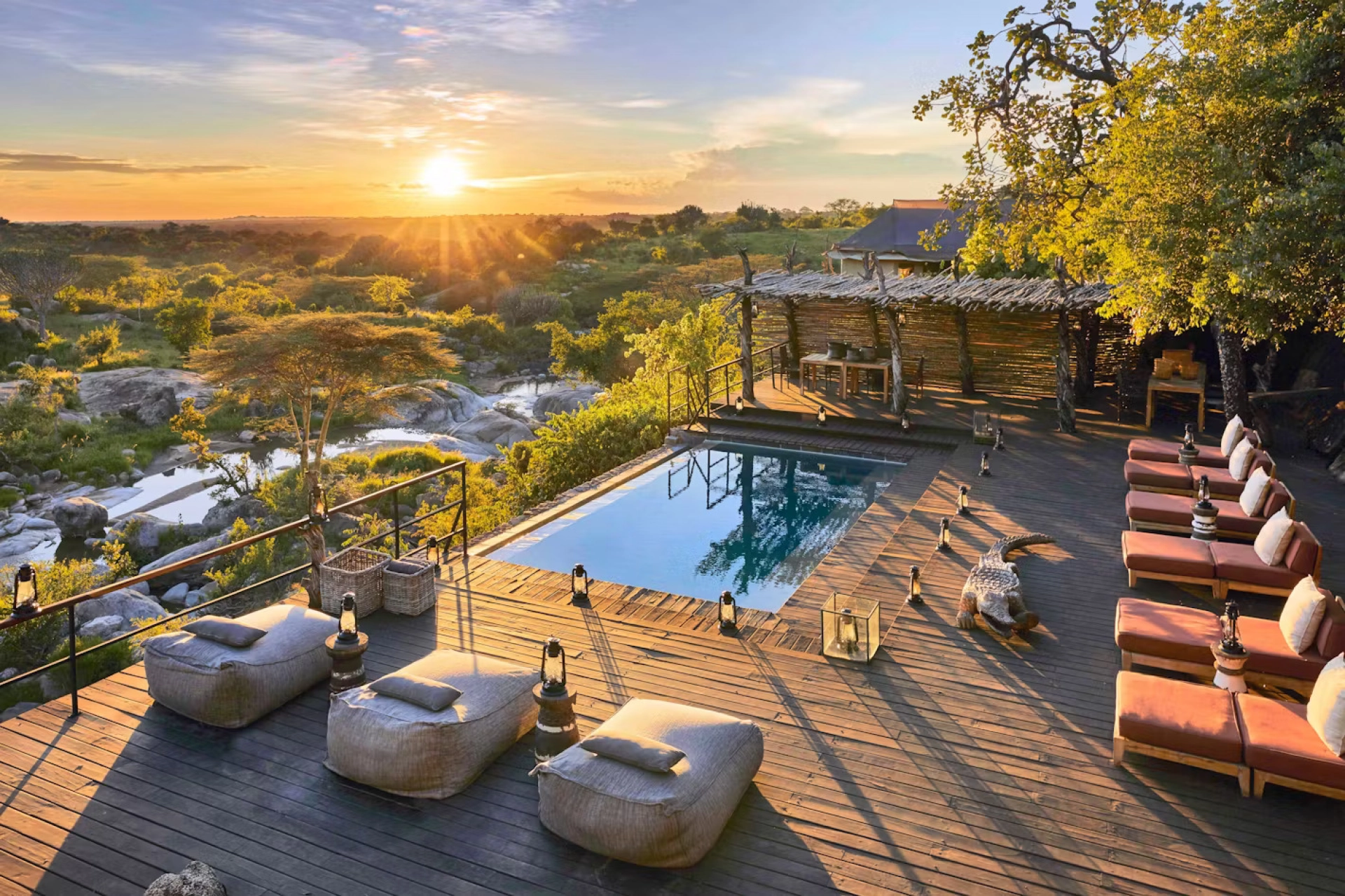
What should I look for when booking a luxury African safari?
When booking a luxury African safari, look beyond the room and compare the quality of guiding, wildlife location,…
Read article

Travel Guide
A Kenya and Tanzania safari is one of the classic African journeys. It can combine the predator-rich grasslands of the Masai Mara, the enormous Serengeti ecosystem, Ngorongoro Crater, elephant herds around Amboseli and Tarangire, Rift Valley…
A Kenya and Tanzania safari is one of the classic African journeys. It can combine the predator-rich grasslands of the Masai Mara, the enormous Serengeti ecosystem, Ngorongoro Crater, elephant herds around Amboseli and Tarangire, Rift Valley scenery, African cultures and, at the right time and place, stages of the Great Wildebeest Migration. It can also become expensive very quickly. Two international border systems, separate park-fee structures, private vehicles, specialist guides, conservation charges, accommodation, fuel and the distances between major wildlife areas all contribute to cost. Add premium migration-season camps, domestic flights or luxury lodges and the total can rise sharply.
Yet a memorable budget Kenya Tanzania safari is absolutely possible. The secret is understanding what the word “budget” should mean. It should not mean unsafe vehicles, rushed game drives, unreliable operators or poor-quality guiding. It should mean controlling accommodation cost, sharing transport where appropriate, travelling at intelligent times, reducing unnecessary transfers and selecting parks that deliver the strongest experience for the money.
Kenya Wildlife Service currently states that Kenya safari pricing varies according to safari style and itinerary length and gives a broad indicative range of roughly US$70–US$400 per person per night across different products, illustrating how misleading it can be to advertise one universal “budget safari per-day price.” Tanzania also maintains formal national-park tariffs through TANAPA, with park charges differing according to park, visitor category and other conditions. TANAPA currently lists individual tariff structures for Serengeti, Tarangire and its other national parks and notes that applicable fees include VAT according to the official schedule.
Therefore, travellers researching Kenya Tanzania safari cost 2027 should be cautious about old advertisements promising fixed daily prices. The actual cost depends on what is included. This guide explains how to build an affordable Kenya and Tanzania safari without sacrificing the wildlife experience, how the two countries compare, which parks deliver the best value, when to travel, how many days you need, when a border-crossing safari makes sense, how group departures reduce cost and how to compare quotations properly.
There is no universal winner. Both countries can be visited on budget, mid-range and luxury safaris. The final price depends more on itinerary structure than the country name. A five-day Kenya safari with shared transport and budget lodges may cost far less than a private luxury Tanzania safari. A Tanzania camping circuit may undercut a premium Masai Mara conservancy itinerary. A peak-season migration trip in either country can cost substantially more than travelling during a shoulder period. The more useful question is: Which country delivers the experiences you want with the least unnecessary movement and the right accommodation category?
A two-country safari sounds efficient because the Masai Mara and Serengeti form part of one connected wildlife ecosystem. But travellers cannot simply drive wherever the animals move. International immigration rules apply. Vehicles and guides may operate under country-specific arrangements. Border crossings require time. Routing can involve designated crossing points. Some itinerary designs create indirect transfers. This means a Kenya Tanzania combined safari must be structured carefully. If you only have six days, splitting them between both countries may create worse value than spending all six in one. With ten to fourteen days, the combination becomes far more compelling.
Seven days is possible but compressed. Ten days is much better. Twelve to fourteen days allows the itinerary to breathe. For a budget traveller, this matters because rushed itineraries are often surprisingly expensive. Every transfer requires fuel. Every new park may introduce another fee structure. Every one-night stay creates packing and logistical inefficiency. Longer stays in fewer places can actually improve the ratio between money spent and hours spent watching wildlife.
The Masai Mara National Reserve is central to many Kenya itineraries. Its open grasslands support lions, leopards, cheetahs, elephants, giraffes, buffaloes, spotted hyenas and extensive plains wildlife. During the appropriate period, migratory wildebeest and zebras enter the wider Mara ecosystem from Tanzania. For budget travellers, the key decision is where to stay. Premium camps inside highly sought-after areas can be expensive. More affordable camps outside the principal reserve or in surrounding areas may reduce accommodation cost. But location should be examined carefully. A cheap camp that requires a long daily transfer before wildlife viewing begins may not provide strong value.
Ask how far the property is from the relevant reserve entrance or game-viewing area. Ten minutes outside a gate can be perfectly practical. An hour outside the ecosystem is very different. Budget travellers sometimes save $30 or $40 on a room and then lose prime morning wildlife time every day. The better strategy is finding affordable accommodation with good safari access.
That depends entirely on your priorities. If witnessing mass wildebeest movements or hoping for a river crossing is the primary reason for travelling, migration-season pricing may be worthwhile. If you simply want excellent predators and classic East African scenery, travelling outside the most famous migration window can reduce cost. Resident wildlife remains. Lions do not follow every wildebeest into another country. Leopards remain territorial. Giraffes, elephants, buffaloes and antelopes remain. A traveller who does not specifically care about the migration should not automatically pay migration-season premiums.
The Great Migration follows rainfall and grazing. Broad seasonal patterns are predictable. Exact animal positions are not. River crossings cannot be scheduled. A herd can reach a river and wait for hours or days. It can change direction. Heavy rainfall can alter movement. A safari operator can place you in a strategically appropriate region, but nobody can guarantee a crossing at 10:00 a.m. on Tuesday. Budget travellers should remember this before paying large premiums for extremely short peak-season stays. More nights usually improve probability more effectively than a more expensive room.
Amboseli National Park can be a superb addition to a Kenya safari, particularly for travellers fascinated by elephants. Its wetlands support large mammals within a relatively compact landscape, while Mount Kilimanjaro provides an extraordinary background when atmospheric conditions permit clear views. Kenya Wildlife Service’s current fee schedule classifies Amboseli among its premium parks, illustrating why conservation fees need to be incorporated when comparing package costs. For budget itineraries, Amboseli works especially well when combined logically with Nairobi, Tsavo or border routes toward Tanzania.
Cloud can obscure the mountain. If your entire reason for adding Amboseli is one specific photograph, you risk disappointment. Choose the park because you value elephants, wetland ecology and the landscape. Treat a completely clear Kilimanjaro as a bonus. This mindset improves both itinerary quality and perceived value.
Lake Nakuru National Park can add rhinoceros sightings, Rift Valley scenery and birdlife to a Kenyan circuit. Current KWS tariffs place Lake Nakuru in the same premium-park category as Amboseli for relevant visitor categories. That makes itinerary discipline important. Do not add Lake Nakuru simply because every old Kenya itinerary includes it. Add it if rhinos, the Rift Valley or its location between other destinations contributes meaningfully to your route. Budget safaris become expensive when every optional destination is automatically included.
Nairobi National Park can be extremely useful for travellers with limited time. Instead of paying for another night deep inside a safari circuit, a visitor can sometimes use an arrival or departure day for a wildlife experience close to the capital. Current KWS tariffs maintain a separate urban-park category for Nairobi National Park. The park does not replace the Mara. Its value lies in efficiency.
The Serengeti is one of the world’s most celebrated wildlife ecosystems. Its scale is enormous. Depending on season and location, visitors may experience vast open plains, woodland, river systems and different concentrations of migratory and resident animals. For budget travellers, the park creates one major challenge: distance. Driving into and across the Serengeti takes time. Accommodation inside or near productive wildlife areas can also become expensive during high-demand periods. This is why itinerary design matters enormously.
One extra night in the Serengeti often provides better value than rushing onward to another park after only a brief stay.
Camping can significantly reduce accommodation cost. Tanzania has a long history of safari camping, ranging from very basic public campsites to mobile and more comfortable tented arrangements. Camping does not reduce every expense. TANAPA park charges still apply. Vehicle and guide costs remain. Fuel remains. But accommodation savings can be meaningful. For travellers comfortable with a more adventurous style, a budget camping safari in Tanzania can provide access to the same extraordinary wildlife landscapes used by expensive lodges.
The Ngorongoro Crater is one of northern Tanzania’s most concentrated wildlife destinations. Its geology creates a spectacular setting. Large mammals occupy the crater floor, and wildlife density can make game viewing highly productive. The challenge for budget itineraries is that Ngorongoro-related fees and accommodation logistics can materially affect cost. Should you skip it? Not automatically. The correct question is whether its distinct experience justifies the expense within your limited budget. For many first-time visitors, the answer is yes.
For a repeat traveller prioritising Serengeti migration photography, another Serengeti night may provide more value.
Tarangire National Park deserves much more attention from budget travellers. It is particularly famous for elephants and baobab-dotted landscapes. During drier periods, the Tarangire River becomes ecologically important and wildlife can concentrate strongly around remaining water. The park also lies reasonably within the northern Tanzania safari circuit. This geographic efficiency improves value. TANAPA continues to publish separate official tariffs for Tarangire under its national-park fee system.
Lake Manyara is historically famous for diverse habitats, birdlife and the long-running popular narrative of tree-climbing lions. But a budget itinerary should not include it automatically. If adding the park forces the safari to become rushed, Tarangire or another full day in the Serengeti may provide more value. This is an example of a broader budgeting rule:
Every park should justify its cost in time as well as money.
Both countries offer outstanding predator viewing. The Masai Mara is famous for lions, cheetahs and leopards. The Serengeti supports these predators across an immense ecosystem. Ngorongoro can provide particularly concentrated lion viewing. A budget traveller does not need both countries merely to see big cats. If the total trip is short, choose one excellent ecosystem and stay longer.
Amboseli is one of Kenya’s great elephant destinations. Tsavo also supports substantial elephant populations. In Tanzania, Tarangire is exceptional for elephants, particularly during appropriate seasonal conditions. A traveller whose primary interest is elephants can design a strong safari without paying migration premiums. This is exactly why travel priorities should be established before choosing destinations.
The migration moves between the wider Serengeti-Mara ecosystem according to seasonal ecological conditions. Tanzania hosts the animals for much of the annual cycle across different Serengeti regions. Kenya’s Mara becomes particularly important during part of the migration year. Rather than asking which country “owns” the migration, ask where the herds are broadly expected during your travel month.
Then understand that nature can deviate from averages.
A budget lodge safari offers a proper room or permanent tent, private or shared bathroom depending on category, and less daily camp setup. Camping reduces accommodation cost but demands greater tolerance for basic facilities. The price difference varies by destination. Some budget lodges outside parks are extremely competitive. In other areas, camping produces substantial savings. Ask for both versions of the same itinerary.
That creates an accurate comparison.
Suppose a budget camp is far outside the reserve, while a mid-range camp sits twenty minutes closer to the wildlife. The mid-range property costs more per night but adds an extra hour or more of effective safari time each day. Which is better value? Often the mid-range camp. Price should be measured against experience.
Small-group Kenya and Tanzania safaris are one of the most effective ways to reduce cost. Vehicle, guide and fuel expenses are shared. Solo travellers benefit most dramatically. A private safari costs more but provides complete control over timing. For couples, the difference may be smaller than expected because the vehicle is already shared by two people. For four to six friends travelling together, a private safari can become excellent value.
Do not select a group safari solely from the lowest price. Ask how many passengers are placed in the vehicle. A vehicle carrying too many photographers creates competition for windows and roof space. A slightly more expensive tour with fewer passengers can deliver much better wildlife viewing. This is particularly important for serious photographers.
Budget comparisons often focus entirely on accommodation. Yet you may spend more waking hours inside the safari vehicle than inside your room. Ask what vehicle is used. Is it designed for wildlife viewing? Does everyone have reasonable window access? Does the roof open? Is there charging capability? How much luggage space is available? A cheap safari with a poor vehicle becomes tiring quickly.
A guide can fundamentally change the trip. Excellent guides understand wildlife behaviour, park geography, tracking, photography positioning and timing. They know when an animal is likely to move. They can distinguish an alarm call from ordinary noise. They understand when a lion sighting is becoming stressful for the animal and when the vehicle should move. A strong guide turns safari from animal spotting into natural-history interpretation. A budget safari should reduce luxury before it reduces guiding quality.
Inside-park accommodation can be expensive. Outside-park accommodation is often cheaper. But the difference is not automatically a saving. If a lodge sits far from the gate, every morning begins with a transfer. Every evening ends early enough to leave before closing. Fuel consumption increases. Actual game-viewing hours decrease. This is why best-value Kenya Tanzania safari accommodation should be chosen geographically.
Travelling just outside peak months can reduce accommodation rates while preserving excellent wildlife. The ideal shoulder period differs by ecosystem. Ask the operator which dates offer the strongest balance between conditions and price. Do not simply ask for the “cheapest month.” The absolute cheapest period may have weather or road conditions you would dislike. The best value usually lies between the cheapest and most expensive extremes.
Green season can be spectacular. Fresh vegetation changes the landscape. Storm clouds improve photography. Migratory birds can increase diversity. Young animals may appear. Vehicle numbers may be lower. Rates may become more attractive. For travellers returning to Africa, these conditions can feel more interesting than the classic dusty dry-season landscape.
Rainy season does not necessarily mean twelve hours of rain every day. Patterns vary. Some storms are short and intense. Some days remain largely dry. Other periods can genuinely disrupt roads. The key is destination-specific advice. TANAPA issued a Serengeti rain advisory in February 2026, a reminder that seasonal conditions can have practical effects on road travel and safari operations and should be monitored rather than treated as a theoretical calendar entry.
Safari blogs remain online for years. Weather changes. Road conditions change. Park tariffs change. Border procedures can change. Accommodation opens and closes. This means a 2027 safari should be quoted from current supplier and conservation information, not from an old web article. The role of an evergreen guide is to explain the pricing structure. The actual quotation should be current.
Kenya Wildlife Service currently publishes formal conservation fees according to park category and visitor category. For example, its published fee table distinguishes premium parks such as Amboseli and Lake Nakuru from Nairobi National Park and other categories. Package travellers should check whether these charges are included. KWS explicitly states that for package tours, operators normally incorporate park entry fees into the total safari cost.
Tanzania National Parks maintains its own tariff system.
TANAPA currently lists individual park tariffs for Serengeti, Tarangire and other national parks and sets different categories for non-residents, expatriates and regional citizens. These fees form only part of a Tanzania quotation. Ngorongoro is administered separately from TANAPA national parks, adding another planning layer when the itinerary includes the crater. This is another reason simplistic “$150 per day” marketing can be misleading.
A daily price may exclude important components. It might be based on a large group. It may use camping. It might exclude certain park charges. It could apply only in a low season. It may use an old tariff structure. Or it may refer to one segment rather than the entire holiday. If a current operator can genuinely deliver the stated price with all important inclusions, excellent. But do not build a 2027 budget around a historical figure without obtaining a current written quotation.
Read the itinerary line by line. Are the same parks included? Are the same number of nights included? Is one safari private and the other shared? Are park fees included? What meals are included? Does the price include airport transfers? Which border crossing is used? Are domestic flights included? Which accommodation properties or categories are used? What vehicle carries the group? How many people share it? Are optional activities excluded? Only after these questions are answered can the prices be compared honestly.
A quotation excluding park fees, activities or certain transfers can look artificially attractive. Once those expenses are paid separately, the total may exceed a more comprehensive package. Travellers should therefore ask for an explicit included and excluded section. Safari pricing should not depend on surprises.
A combined safari requires immigration formalities. Exact border routing depends on the itinerary. The practical issue for budget travellers is time. A border day can consume hours that might otherwise be used for wildlife viewing. Design the route so the crossing moves the trip forward geographically rather than creating backtracking.
Entry requirements depend on nationality and can change. Travellers should always check official immigration information applicable to their passport close to travel. Do not rely entirely on old blog posts for visa requirements. Multi-country travellers should pay particular attention to whether they need separate authorisations for each country and whether passport validity and blank-page requirements are met.
Safari packages are frequently quoted in US dollars, especially for international travellers. Local incidental expenses may use Kenyan shillings or Tanzanian shillings. Payment methods vary by operator and supplier. Budget not only for the safari invoice but also bank-transfer charges, card fees where applicable, tips, visas, drinks and personal purchases.
Tipping is an additional expense that many first-time travellers forget. Practices vary according to safari company and destination. Ask your operator for a current tipping guideline rather than relying on rigid internet rules. Tips should recognise good service but should not become a source of confusion at the end of the trip.
Most organised safari packages include meals while staying in remote wildlife areas. Full board commonly makes sense because alternative restaurants do not exist inside parks. Budget camping tours may prepare meals from a mobile kitchen. Lodge safaris use the accommodation restaurant. Cities and arrival nights may have different meal plans. Check the itinerary rather than assuming every meal is included.
Ask whether safe drinking water is included and how it is provided. Refillable systems can reduce plastic waste. In remote areas, maintaining hydration is essential. Never reduce the travel budget by compromising safe drinking water.
Balloon safaris are a classic example of a high-cost optional activity. They can be magnificent. They are not mandatory. If the budget is limited, compare the cost of one balloon flight with another safari night. Which would you value more? There is no correct answer. The important thing is choosing consciously.
A balloon flight provides a unique aerial perspective and memorable experience. An extra night provides additional dawn and afternoon game drives and another chance of predator encounters. For a wildlife-focused budget traveller, the extra night may offer stronger value. For a honeymoon or once-in-a-lifetime celebration, the balloon could be the highlight. Budgeting is about priorities, not universal rules.
One-night stays make itineraries feel busy. You arrive. You unpack. You sleep. You repack.
You leave. The lodge itself barely matters because there is no time to enjoy it. Two- and three-night stays provide better rhythm and often reduce logistical inefficiency. A budget East Africa safari should prioritise time in wildlife areas rather than the number of accommodation names on the itinerary.
Arrival nights can be necessary. But if wildlife is the priority, avoid adding urban nights without a reason. On the other hand, do not design impossible transfers immediately after long international flights merely to save one hotel night. Arriving exhausted can affect the first safari days. Balance matters.
International airfare is usually separate from safari land pricing. This means the cheapest safari departure date is not automatically the cheapest overall trip. A shoulder-season lodge discount can be erased by expensive flights. Compare the complete journey before confirming dates.
For some itineraries, flying into one city and out of another can reduce backtracking. A combined Kenya-Tanzania trip might allow different arrival and departure gateways depending on airline schedules and route design. The airfare may cost somewhat more, but avoiding a long return transfer can improve overall value.
Nairobi is Kenya’s principal international gateway and an important starting point for Kenyan safari circuits. Arusha is the classic base for Tanzania’s northern circuit. A combined itinerary should move logically between these centres and wildlife areas. Repeatedly returning to both cities wastes time.
Couples often have a good balance of privacy and cost efficiency. Two people share the vehicle cost on a private departure. Rooms are naturally priced around double occupancy. A private safari may therefore be much more attainable than couples expect. Always compare private and small-group prices before assuming group travel is necessary.
Families can achieve excellent vehicle economics because several travellers share the same vehicle. However, room configuration becomes important. Family rooms can reduce accommodation costs compared with multiple separate rooms. Children’s rates may apply depending on age and supplier. Provide exact ages at quotation stage.
Solo travellers face the largest per-person cost challenge. A scheduled Kenya Tanzania group safari can make an enormous difference. Vehicle and guide costs are shared. Some operators may offer room-sharing options, though travellers who value privacy can pay a single supplement. The important thing is comparing the additional single cost before booking.
Photographers should be careful with very large groups. Saving money by filling every vehicle seat can significantly reduce shooting opportunities. Camera equipment occupies space. Everyone wants a good angle. For photography, a smaller shared vehicle can be worth the additional cost. A useful compromise is joining three or four other travellers rather than taking either a completely private vehicle or the cheapest maximum-capacity option.
Kenya offers camping opportunities ranging from basic campsites to permanent tented camps. A basic camping safari can reduce cost substantially. However, “camping” should be defined clearly. A dome tent and shared bathroom is entirely different from a permanent safari tent with a bed and ensuite shower. Ask for photographs and facility descriptions.
Tanzania is particularly well established for camping circuits. Public camping can provide affordable access to famous parks. Mobile camps can offer varying levels of comfort. The major fixed costs—vehicle, guide and conservation fees—remain. Camping primarily reduces the accommodation portion.
Some travellers assume the Serengeti is only for luxury clients. That is incorrect. The park can be experienced through different accommodation styles. The main challenge is creating enough time to justify the journey. A rushed one-night Serengeti visit is often poor value. If budget requires a compromise, stay simpler and stay longer.
The same applies to the Mara. Affordable camps exist. Shared safari departures reduce transport costs. Travel outside peak demand. The wildlife does not belong exclusively to luxury lodges.
With seven days, remain in Kenya rather than forcing a two-country itinerary. A strong route could combine a Rift Valley stop with the Masai Mara, or Amboseli with Tsavo, depending on interests. Seven days should provide depth rather than international complexity.
A seven-day Tanzania itinerary can focus on the northern circuit. Tarangire, Ngorongoro and Serengeti provide enormous diversity. Exact night allocation should reflect the season. Avoid inserting every available park simply because it fits geographically.
Ten days begins to make the two-country combination realistic. A focused Kenya segment can lead into northern Tanzania. The itinerary should minimise duplicated experiences and border inefficiency. For example, spending enough time in the Mara and Serengeti is more important than adding multiple brief stops.
Twelve to fourteen days is ideal for travellers wanting a genuine Kenya Tanzania safari package without rushing. The additional time allows different ecosystems to emerge.
You can experience Kenya’s Mara or Amboseli and Tanzania’s Serengeti, Ngorongoro and Tarangire while retaining rest and transfer margins. This is also a better length for photographers.
Travellers interested in primates can add Uganda gorilla trekking. This transforms the journey. Kenya and Tanzania provide open-plains wildlife. Uganda introduces rainforest and mountain gorillas. Kibale can add chimpanzees. The combination is more expensive than a two-country safari but provides far greater ecological diversity. For travellers whose dream includes both the Serengeti and mountain gorillas, it can represent exceptional value despite the higher total cost.
Another classic combination ends on the coast. After early morning game drives and dusty roads, Zanzibar provides a dramatic change of pace. The safari section should still be given enough time. Do not shorten the Serengeti to one night simply to add five beach nights unless the beach is the higher priority.
Kenya also offers Indian Ocean destinations such as Diani and Watamu. A traveller does not necessarily need Tanzania or Zanzibar for a safari-beach combination. Tsavo can integrate particularly well with the Kenyan coast. This may reduce cross-border complexity.
Yes, comprehensive travel insurance is strongly advisable. Safaris involve substantial prepaid costs and remote destinations. Medical evacuation can be expensive. Coverage should be appropriate to the itinerary. Do not choose a policy solely by lowest premium.
If travelling during migration periods, Christmas, New Year, Easter or school-holiday peaks, early booking improves accommodation choice. Budget properties often sell out first because demand is high. Waiting does not necessarily produce a bargain. It can leave only premium rooms.
Last-minute booking suits highly flexible travellers. If dates, accommodation and destinations can all change, operators may occasionally have space. But this approach is risky for a specific migration itinerary, family rooms or a tight international flight schedule. For most 2027 travellers, planning ahead provides more control.
Adventure in the Wild Safaris can design budget Kenya safaris, budget Tanzania safaris, Kenya-Tanzania combinations, small-group safaris, private safaris, family safaris and East Africa gorilla extensions according to a realistic target budget. The most useful information to provide when requesting a quotation is your travel month, exact number of travellers, children’s ages where relevant, preferred accommodation category, approximate number of days and the experiences that are genuinely essential. If the Great Migration is essential, say so. If you care more about elephants than migration, say so. If camping is acceptable, say so. If you need a private vehicle, say so.
If your budget has a hard maximum, communicate it. This allows the itinerary to be engineered intelligently rather than simply shortened until the price falls.
A successful budget Kenya Tanzania safari should leave you remembering wildlife, not compromises. You should remember lions in the morning light. Elephants moving across the plains. Giraffes above acacia trees. The enormous horizon of the Serengeti. The first view into Ngorongoro Crater. Hyenas calling at night. Wildebeest gathering in numbers that seem impossible. What you should not remember is spending half the trip driving simply because the cheapest itinerary included too many destinations. Saving money on safari is valuable. But saving the right money matters more. Choose simpler accommodation before reducing wildlife time.
Share a vehicle before choosing a poor guide. Travel outside peak demand before removing the destination you care about most. Stay longer in fewer places. Compare complete quotations. Treat old daily-price claims cautiously. Use current conservation fees. And remember that Kenya and Tanzania are not theme parks where every animal appears according to schedule. They are enormous living ecosystems. A well-designed budget safari gives you enough time to experience those ecosystems properly. That is the real objective. Not the lowest possible daily rate. Not the largest number of parks squeezed into ten days.
Not the cheapest room. The strongest African safari experience for the money you are comfortable spending. When that balance is achieved, a budget safari stops feeling like the cheaper version of Africa. It simply feels like a very good safari.
Get quick answers to the most common questions. If you still have questions, our safari experts are here to help.
There is no reliable universal daily figure. Kenya Wildlife Service currently gives a broad indicative Kenya safari range based on travel style and itinerary length, and Tanzania has separate official park tariffs. The actual combined cost depends on accommodation, group size, season, park fees, border routing and inclusions.
Certain large-group or basic camping products may approach low daily prices under specific conditions, but travellers should not assume that figure covers a complete current 2027 itinerary. Obtain a written quotation showing all park fees, accommodation, transport and activities.
Either can be cheaper depending on itinerary design. Group size, season and accommodation usually affect price more than simply choosing one country.
Camping is often among the lowest-cost accommodation styles, but vehicle, park and guide costs remain.
It can be during peak periods, but budget and mid-range accommodation exists. Location and season influence price strongly.
No. Camping and simpler tented accommodation allow more affordable Serengeti itineraries.
At least two to three nights is generally much more worthwhile than a rushed overnight stay. Longer can be justified during migration-focused trips.
For many first-time travellers, yes, because its scenery and concentrated wildlife are highly distinctive. Repeat travellers may allocate budget differently depending on their priorities.
You can reduce accommodation and transport costs, but peak migration areas naturally generate demand. Travelling in a group and using simpler accommodation are among the best strategies.
Yes. Uganda or Rwanda can be added for mountain gorilla trekking.
Our safari experts are here to help you plan your safari. Get personalized advice, the latest information and a free, no-obligation quote.
We typically reply within a few hours.

Share This Article
When booking a luxury African safari, look beyond the room and compare the quality of guiding, wildlife location,…
Read article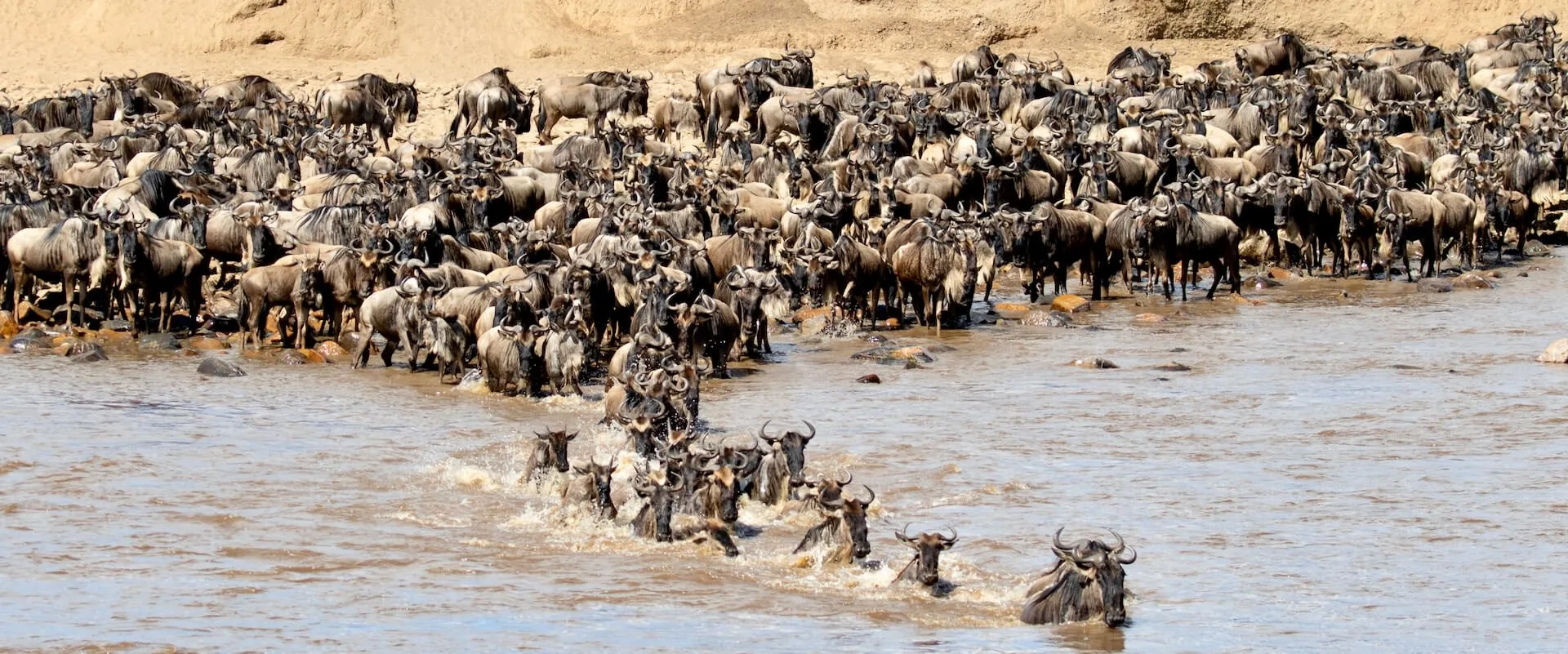
The Great Migration in Africa happens all year because the herds continuously circulate through the Serengeti–Mara ecosystem in…
Read article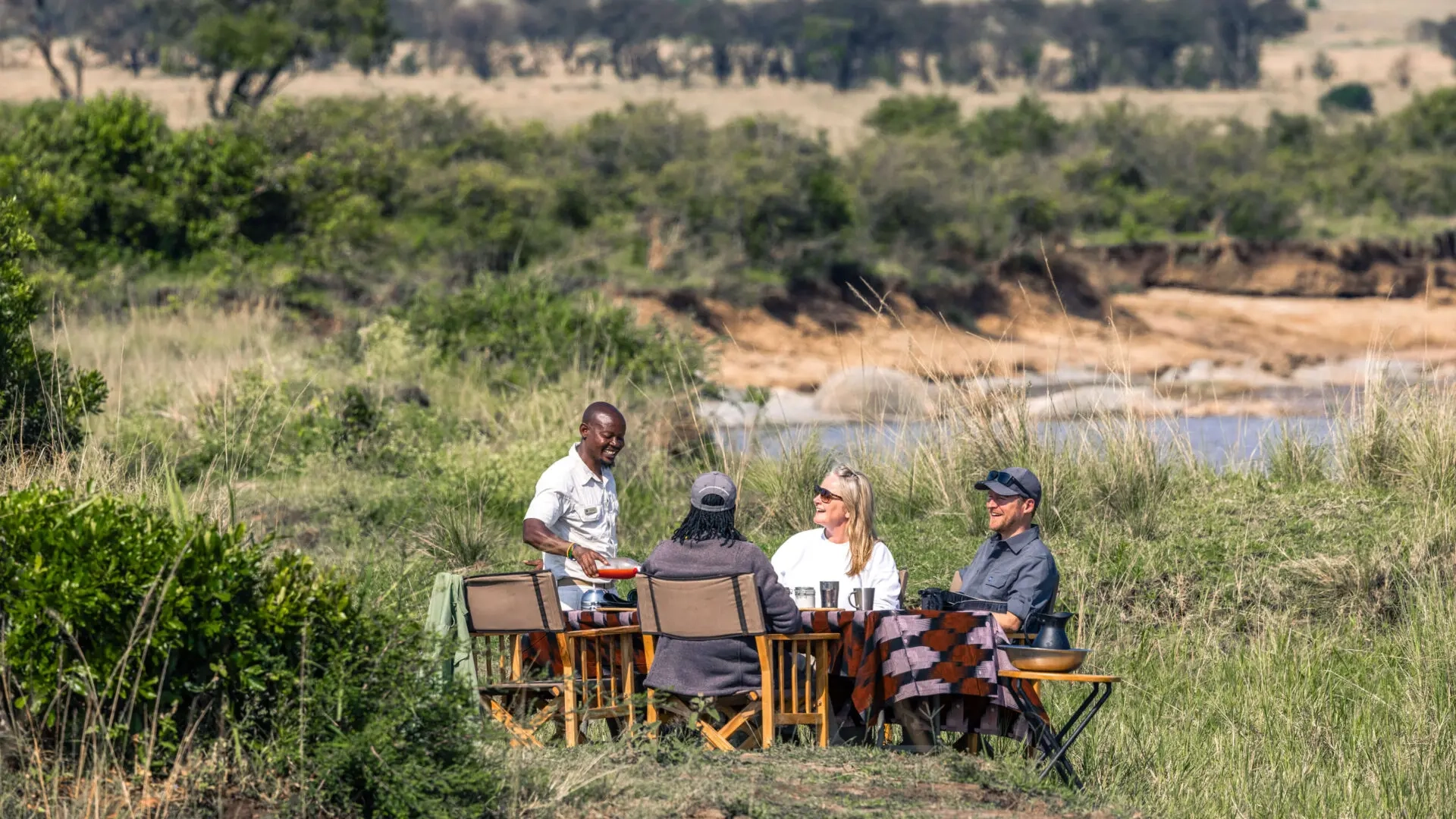
Definitive answer: A picnic lunch on safari is a packed or catered midday meal eaten at an approved…
Read article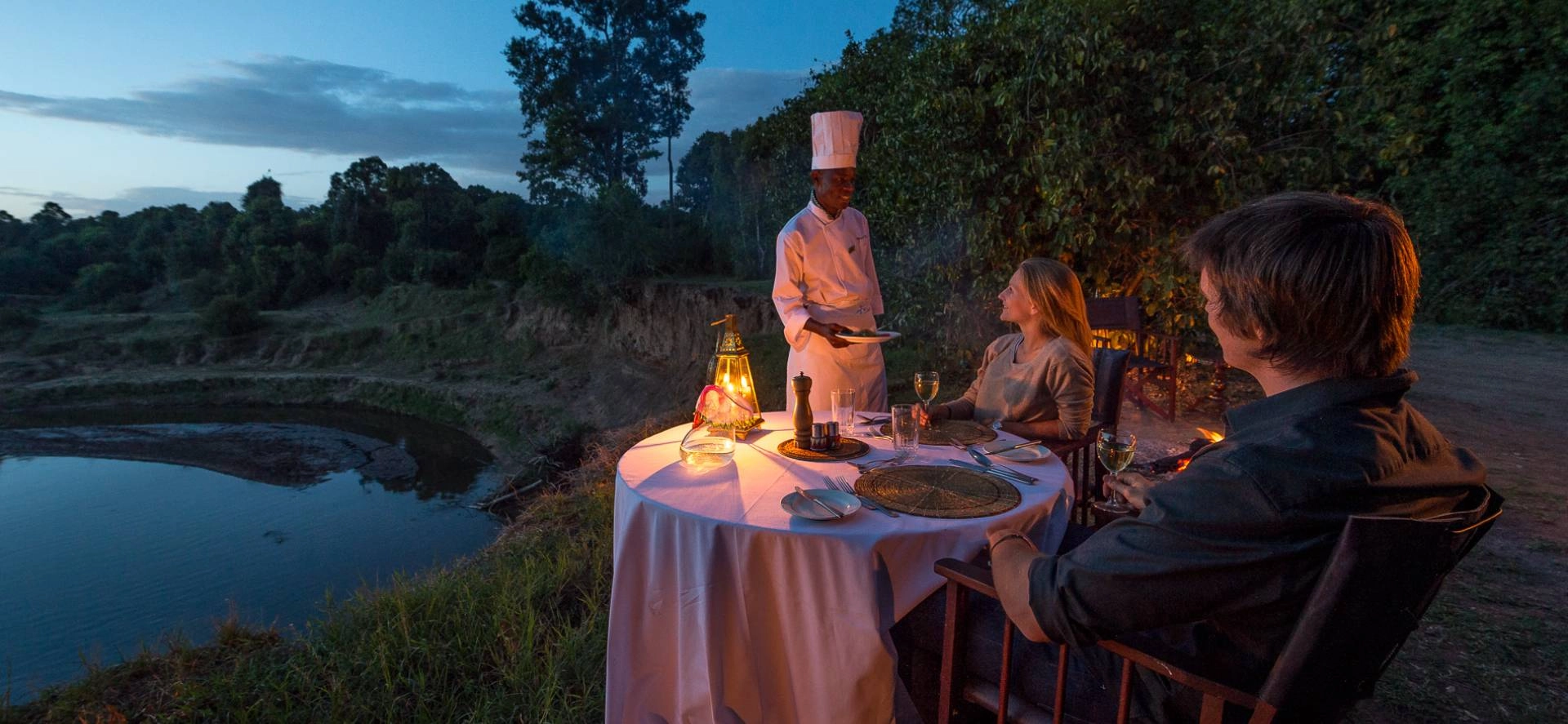
Definitive answer: A bush dinner is an outdoor evening meal arranged in a safe safari setting away from…
Read articleLet us take you closer to the wildlife, people and places that make Africa extraordinary.
Plan Your Safari Today