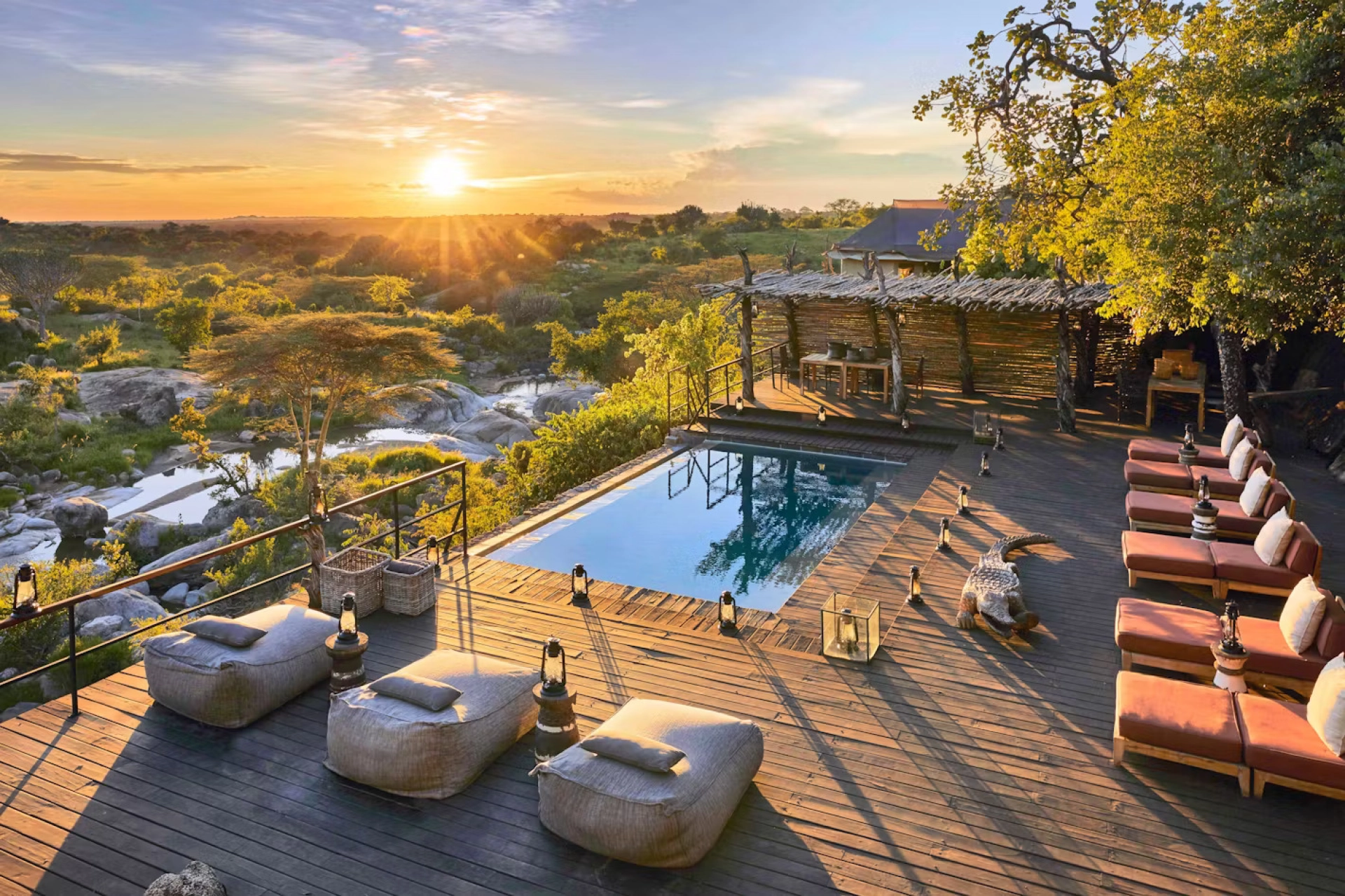
What should I look for when booking a luxury African safari?
When booking a luxury African safari, look beyond the room and compare the quality of guiding, wildlife location,…
Read article

Travel Guide
Kruger National Park is not a destination where you simply arrive, take one game drive, photograph an elephant and leave. Its enormous size, extraordinary wildlife diversity, changing landscapes, river systems, historic sites, birdlife and variety of…
Kruger National Park is not a destination where you simply arrive, take one game drive, photograph an elephant and leave. Its enormous size, extraordinary wildlife diversity, changing landscapes, river systems, historic sites, birdlife and variety of safari activities mean that travelers could spend a week exploring the park and still experience only a fraction of what it offers. The best-known Kruger National Park attractions are undoubtedly its animals. Kruger is one of Africa’s great Big Five safari destinations and supports populations of lions, leopards, elephants, buffaloes and rhinos alongside cheetahs, African wild dogs, hyenas, giraffes, zebras, hippos, crocodiles, antelopes and hundreds of bird species.
But wildlife viewing is only the beginning. Visitors can take guided morning drives, sunset drives and night drives, explore independently on self-drive safaris, join guided wilderness walks, photograph wildlife around rivers and waterholes, search for rare birds, visit archaeological sites and spend quiet hours simply observing the African bush. One of Kruger’s greatest strengths is that it can accommodate very different travel styles. First-time safari visitors can join guided activities and concentrate on seeing iconic wildlife.
Experienced safari travelers can explore remote northern regions. Birders can dedicate days to specialist habitats. Photographers can revisit productive areas at different times of day. Families can create flexible self-drive itineraries. Luxury travelers can combine the national park with private reserves in the broader Greater Kruger ecosystem. This guide explores the best things to do in Kruger National Park, including wildlife experiences, scenic attractions, activities, safari planning strategies and the quieter details that often become the most memorable parts of a Kruger safari.
The classic game drive remains the foundation of almost every Kruger safari. Traveling slowly through the park provides opportunities to observe animals within natural habitats. The experience is very different from driving quickly between attractions. Successful game viewing requires patience. A shape beneath a tree may become a lion. Movement in the grass might reveal a leopard. Bird alarm calls can indicate a predator. A group of stationary vehicles may suggest an important sighting, but some of the best encounters happen when you are completely alone.
Potential sightings include elephants, giraffes, zebras, wildebeest, buffaloes, lions, leopards, rhinos, cheetahs, hyenas and African wild dogs. Smaller species are equally fascinating. Jackals, mongooses, honey badgers, warthogs and numerous antelope species add variety. Reptiles become more visible in warm conditions. Birdlife is present everywhere. No two drives are identical. That unpredictability is the essence of safari.
Kruger is internationally famous as a Big Five safari destination. The traditional Big Five are lion, leopard, elephant, buffalo and rhino. The term originated from historical hunting terminology, but today it is used primarily in wildlife tourism. Seeing all five can be exciting, particularly for first-time visitors. However, treating the safari only as a Big Five checklist can cause travelers to overlook extraordinary behavior and less famous species. A leopard sighting may last three minutes.
Watching elephants interact around water for an hour can reveal far more about animal behavior. The best guides encourage visitors to appreciate the entire ecosystem.
Elephants are among Kruger’s most impressive residents. The park’s rivers, dams and waterholes can produce remarkable elephant encounters. A herd arriving at water is not simply coming to drink. Elephants may bathe, spray mud, play, communicate and interact socially. Young calves remain close to adults. Teenage animals may test boundaries. Large bulls can appear alone. During dry periods, reliable water sources become particularly important. Spending time near a productive waterhole can be one of the most rewarding things to do in Kruger.
The secret is patience. Do not automatically leave after taking one photograph. Observe what happens next.
Lions are often most active during cooler periods. Early morning therefore provides excellent opportunities. A pride may be walking along a road after hunting during the night. Males may roar before sunrise. Females may move cubs between locations. Later, as temperatures rise, lions often settle into shade and can remain inactive for hours. This is one reason experienced safari travelers prioritize early departures. The alarm clock may ring painfully early, but sunrise in the African bush is one of Kruger’s essential experiences.
Leopards are among Kruger’s most desired sightings. They are also masters of concealment. A leopard can disappear into vegetation only meters from a road. Riverine habitats and areas with large trees can be productive because leopards use cover and may rest above ground. Guides look for clues. Impala alarm calls can reveal predator presence. Tracks provide information. Other vehicles may report sightings where communication systems permit. But leopard encounters still involve luck.
This uncertainty makes every sighting memorable.
African wild dogs are one of the continent’s most endangered large carnivores. Seeing a pack in Kruger can become a safari highlight. Wild dogs are energetic, social and highly mobile. Unlike lions that may spend much of the day resting, wild dogs can suddenly begin traveling at speed. Their cooperative hunting strategy is fascinating to observe. Because packs can cover large distances, they are difficult to predict. Travelers should never expect a guaranteed sighting.
Spending more days in the park increases opportunities.
Self-driving is one of Kruger’s great attractions, but joining a professional guided drive adds another dimension. Guides understand tracks, habitats and animal behavior. They can identify distant calls and interpret signs that inexperienced visitors may completely overlook. Sunrise drives enter the landscape during one of the most active wildlife periods. Depending on park activity schedules and regulations, guided drives may also operate during hours when ordinary visitor movement is restricted.
This creates opportunities to experience the bush under different conditions.
Late afternoon transforms Kruger. Heat begins to fade. Animals become more active. Light turns golden. Predators may start moving after hours of rest. A sunset drive allows travelers to experience the transition between day and night. Diurnal birds settle. Nocturnal species emerge. Sounds change. For photographers, the final hour of daylight can produce some of the best images of the safari.
Nighttime reveals an entirely different Kruger. Animals that remain hidden during the day become active. Guides use spotlights carefully to search for nocturnal wildlife. Potential sightings vary enormously and may include predators, smaller mammals, owls and other night-active species. Even when large mammals are scarce, the atmosphere itself is memorable. The darkness beyond the vehicle feels completely different from daytime safari. Night drives should always be undertaken through authorized activities and according to park rules.
Visitors cannot simply drive around independently after normal gate restrictions.
A walking safari in Kruger National Park changes your relationship with the environment. Inside a vehicle, visitors naturally focus on large animals. On foot, small details become important. Tracks in sand tell stories. Dung reveals which species recently passed. Plants, insects, birds and wind direction become meaningful. Professional armed guides lead walks according to strict safety procedures. The purpose is not to approach dangerous wildlife as closely as possible. It is to understand the bush at ground level.
A footprint that would be invisible from a vehicle suddenly becomes fascinating.
Travelers seeking a deeper walking experience can investigate Kruger’s wilderness trail opportunities where available. These experiences move beyond a short morning walk and focus on immersion in less-developed areas. The emphasis is often on ecology, tracking, landscape and the experience of being away from busy roads. Availability can be limited, and physical requirements vary. Such activities should be booked well in advance. For experienced safari travelers, wilderness trails can reveal a side of Kruger that ordinary game drives cannot.
Kruger is one of Africa’s best destinations for self-drive safari travel. Visitors can rent a vehicle and explore the park’s road network independently. This creates enormous freedom. You decide when to stop. You can spend an hour with elephants. You can wait beside a waterhole. You can choose a quiet secondary road rather than following other vehicles. Self-driving can also reduce costs compared with fully guided private safari packages.
Finding wildlife is a skill. Professional guides understand tracks, animal behavior and habitat. A first-time visitor may drive past a leopard that an experienced guide notices immediately. The best compromise for many travelers is combining self-drive days with guided activities. This provides both independence and professional interpretation.
Southern Kruger is popular because it combines accessibility with productive wildlife habitats. Several major rivers and varied vegetation support diverse wildlife. Predators are an important attraction. The south can also feel busier than remote northern regions, particularly around famous sightings and peak travel periods. First-time visitors often appreciate southern Kruger because wildlife opportunities are strong and infrastructure is convenient. Repeat visitors may gradually explore farther north.
Central Kruger contains extensive grassland and woodland habitats. The region supports significant populations of grazing animals and predators. Open landscapes can make wildlife easier to see than in extremely dense bush. Lion sightings are an important attraction. The central region can be excellent for travelers wanting classic savannah game viewing. Staying several nights allows you to explore different roads rather than simply transferring through.
Northern Kruger attracts travelers for very different reasons. Visitor numbers can be lower. The atmosphere often feels more remote. Birdlife becomes particularly important. Large river systems and distinctive vegetation create habitats not found in exactly the same form farther south. Travelers whose only goal is rapidly accumulating Big Five sightings may initially favor southern regions. Birders, experienced safari travelers and visitors who value solitude may fall in love with the north.
The far north is one of Kruger’s most distinctive environments. The Pafuri area is renowned among birders and repeat visitors. Riverine forests, baobabs and northern species create an atmosphere that differs markedly from southern Kruger. This is the kind of destination that demonstrates why Kruger should not be treated as one uniform landscape. Traveling from south to north is almost like moving through several different parks.
Birding deserves far more attention than it often receives. Kruger supports hundreds of bird species. Even travelers who arrive with little interest in birds often become fascinated after several days. Large species such as eagles, vultures, hornbills and storks are immediately impressive. Smaller colorful species gradually become addictive to identify. Summer brings migrant species and intense breeding activity. Northern Kruger is especially famous for birding. A pair of binoculars can transform the safari.
Without them, travelers miss an enormous part of the ecosystem.
Birds of prey are among the most exciting species to identify. Eagles scan landscapes from high perches. Vultures gather around carcasses and play essential ecological roles. Smaller raptors hunt insects, reptiles and rodents. Learning to recognize several common raptors gives game drives another dimension. A bird circling in the distance may also provide clues about wildlife activity below.
Kruger is one of Africa’s great wildlife photography destinations. Its road network allows photographers to revisit productive areas repeatedly. Elephants, predators, birds and landscapes provide endless subjects. Morning and evening light is particularly attractive. Dry season provides open vegetation and warm tones. Green season provides rich backgrounds and dramatic skies.
Do not spend the entire safari looking through the camera. Observe behavior first. Predict where the animal may move. Use a beanbag or stable support where practical. Protect equipment from dust. Carry spare batteries and memory cards. And remember that a photograph of interesting behavior is often stronger than a technically perfect portrait of an inactive animal.
One of the simplest Kruger activities is also one of the best. Stop. Turn off the engine where appropriate. Wait. Waterholes can attract an extraordinary sequence of wildlife. Impala may arrive first. Birds gather around the edges. Zebras approach cautiously. Elephants can suddenly appear. Predators may be watching nearby. Safari travelers often make the mistake of constantly driving in search of something better. Sometimes the best strategy is allowing wildlife to come to you.
The Sabie River and surrounding habitats are among Kruger’s important wildlife areas. Permanent water supports a rich ecosystem. Elephants, hippos, crocodiles and numerous bird species can be associated with river environments. Predators also use riverine vegetation. Scenic viewpoints and bridges can provide opportunities to stop and scan the landscape. Never look only at the road ahead. Wildlife may be below bridges, along banks or resting beneath vegetation.
Kruger’s rivers and dams support hippos and crocodiles. Hippos spend much of the day in water and often become more active on land after dark. Crocodiles can be deceptively difficult to notice when lying motionless along banks. Both species remind visitors that Kruger’s aquatic habitats are as important as its savannahs. Approach designated viewing points according to park safety rules. Never leave vehicles in unauthorized areas or approach water edges carelessly.
Not every Kruger attraction needs to involve a famous animal. The park contains viewpoints where visitors can appreciate rivers, plains and distant landscapes. These stops provide a chance to slow down. After hours concentrating intensely on roadside vegetation, looking across a wide landscape can be refreshing. Viewpoints are also excellent for scanning for elephants, giraffes and birds. Only leave vehicles at officially designated areas where permitted.
Kruger’s picnic areas are part of the classic self-drive experience. They allow travelers to stop for meals, stretch their legs and take a break from driving. Some have attractive settings and become memorable parts of the day. Wildlife safety remains important. Never feed animals. Baboons and monkeys can become problematic when they associate people with food. Keep food secure and follow site instructions.
Kruger’s rest camps are more than places to sleep. They form part of the park’s culture. Some overlook rivers or wildlife areas. Others provide convenient access to productive road networks. Staying inside the park allows travelers to position themselves for early departures. This can be a major advantage. Rather than spending valuable morning wildlife time entering from outside, you begin already within the protected area.
Kruger is not only a wildlife destination. The landscape contains archaeological and historical sites reflecting human occupation over long periods. Learning about this history adds depth to the safari. Southern Africa’s protected areas were not empty landscapes before modern conservation. People lived, traded and moved through these regions for centuries. Understanding this human history provides a more complete picture of the park.
Thulamela is an important archaeological site in northern Kruger associated with a sophisticated pre-colonial settlement. It provides evidence of regional trade, social organization and metalworking. The site challenges simplistic ideas that protected landscapes existed without significant human history. Access arrangements can change, so travelers should confirm current visitor options before building the site into an itinerary. For travelers interested in archaeology and African history, it adds a fascinating dimension to northern Kruger.
Historical sites around the park reveal layers of trade and settlement. The Albasini Ruins are associated with nineteenth-century trading history. Such attractions are easily overlooked because visitors focus so intensely on wildlife. Yet they help explain how people interacted with the wider region before the modern national park developed.
Kruger is one of Africa’s most important conservation landscapes. Managing such an enormous ecosystem involves complicated questions about wildlife populations, water, fire, disease, tourism and human-wildlife relationships. Rhino conservation is particularly important. Poaching has placed enormous pressure on rhino populations across parts of Africa. Visitors should respect restrictions on sensitive information. Do not publicly share precise real-time locations of vulnerable wildlife if doing so could create conservation risks.
You do not need to become a professional tracker to start recognizing signs. Fresh elephant dung suggests animals may be nearby. Large cat tracks can reveal movement along sandy roads. Broken vegetation may indicate elephants. Alarm calls from antelope or monkeys can signal predators. Learning these clues transforms safari from passive sightseeing into active interpretation. A professional guide can teach you to notice details that initially appear meaningless.
Some of Kruger’s best moments happen when nothing dramatic is visible. Turn off the engine. Listen. Bird calls fill the background. Francolins call from vegetation. Insects become audible. A distant lion may roar. Impala alarm calls can suddenly change the atmosphere. Modern life is filled with constant artificial noise. Kruger’s soundscape is one of its underrated attractions.
Sunrise is worth waking up for even without a major wildlife sighting. The landscape changes rapidly. Cool blue light becomes gold. Bird activity increases. Mist may hang above rivers during suitable conditions. Animals emerge from the darkness. The first hour after departure often feels full of possibility. For many repeat safari travelers, this atmosphere becomes as important as individual species.
Evening light transforms the bush. Dust in the atmosphere can create deep orange colors. Giraffes and elephants become silhouettes. Birds move toward roosts. Predators begin waking. Stopping at an appropriate location to appreciate sunset provides a moment to absorb the scale of the landscape. Where park regulations require visitors to reach camp before gates close, always allow sufficient travel time. Never speed because you stayed too long at a sighting.
The dry winter months provide some of the easiest game viewing. Vegetation thins. Temporary water disappears. Animals become increasingly dependent on rivers and waterholes. This concentrates wildlife. The downside is that landscapes can become brown and dusty. Early mornings may also be surprisingly cold. For first-time visitors primarily focused on large mammals, the dry season is extremely attractive.
Summer rains transform the park. Vegetation becomes lush. Migratory birds arrive. Young animals appear. Storm clouds create dramatic photography. Wildlife may be more dispersed because water is widely available. Dense vegetation can also make predators harder to see. Yet the ecological richness of summer makes it one of the most fascinating times for experienced safari travelers.
Seasonal breeding patterns vary among species, but the greener months can provide opportunities to see young animals. Newborn impalas, zebras and other herbivores add energy to the landscape. Predators also respond to changes in prey availability. Watching mothers protect young animals reveals behaviors that are not always obvious during other seasons.
Do not allow lions and elephants to dominate every game drive. Kruger contains an extraordinary variety of smaller species. Dwarf mongooses, tortoises, monitor lizards, squirrels, chameleons, insects and frogs all contribute to the ecosystem. Guides often use the concept of smaller “fives” and other playful wildlife categories to encourage visitors to look beyond large mammals. Children especially enjoy these discoveries.
Spotted hyenas are fascinating predators and scavengers. Their social structure is complex. They live in clans dominated by females and communicate using a wide range of vocalizations. Hyenas are often unfairly portrayed simply as scavengers. In reality, they are capable hunters. Watching hyenas interact around dens or move through the landscape can become one of Kruger’s most educational wildlife experiences.
Giraffes are common enough that travelers sometimes stop appreciating them after several days. This is a mistake. Watch how they feed. Observe males interacting. Notice how they approach water cautiously. Study the way oxpeckers move across their bodies. A giraffe crossing a road in morning light is one of Africa’s classic scenes, no matter how many you have already seen.
Perhaps the most important Kruger attraction is time itself. Every additional day increases opportunities. A three-night safari may reveal lions and elephants. A five-night safari might add leopard and wild dogs. A week allows you to explore different ecosystems. But the real advantage is not simply accumulating species. Longer stays allow the park’s rhythm to become familiar. You stop panicking when one drive is quiet because you know the next can be extraordinary.
That mindset is when safari becomes genuinely enjoyable.
Kruger is excellent for first-time visitors because infrastructure is strong and wildlife diversity is exceptional. You can choose guided safaris if you want expert support. You can self-drive if independence matters. Accommodation exists across multiple price categories. The park can also be combined with Johannesburg, Cape Town, Panorama Route or Victoria Falls. This flexibility makes Kruger one of Africa’s easiest major safari destinations to incorporate into a broader vacation.
Families should plan game drives according to children’s ages. Long hours inside vehicles can become tiring. Shorter drives, picnic stops and lodge downtime help. Some guided activities have minimum-age requirements. Private safari vehicles can provide more flexibility. Children often become fascinated by animal tracks, dung, insects and smaller wildlife, so safari does not need to focus exclusively on predators.
Couples can combine wildlife with luxury accommodation in the Greater Kruger region. Private reserves may provide intimate lodges, premium dining and guided game drives. A Kruger honeymoon can then continue to Cape Town, Mauritius or another beach destination. The strongest itineraries avoid excessive lodge changes. Three or four nights in one excellent safari area generally feels more romantic than packing every morning.
Kruger can be surprisingly accessible compared with some fully inclusive African safari destinations. Self-drive travel and public rest camps allow travelers to control expenses. Buying food and using self-catering facilities can reduce meal costs. The park’s road network eliminates the absolute need for private guides. However, adding at least one guided drive can substantially improve the experience. Budget travel should reduce unnecessary luxury rather than reducing time in the park.
At the other end of the spectrum, the Greater Kruger ecosystem includes some of Africa’s renowned private safari lodges. Luxury experiences can involve exceptional accommodation, professional guides, trackers, premium dining and small-group or private game drives. The wildlife remains the central attraction. Luxury simply changes the level of comfort and exclusivity around it.
These terms are related but not identical. Kruger National Park is the national park itself. The Greater Kruger concept generally includes surrounding private reserves and conservation areas connected ecologically to the larger system. Some private reserves share unfenced boundaries with Kruger, allowing wildlife to move across broader landscapes. Safari rules and experiences differ. Kruger itself is particularly strong for self-drive travel. Private reserves emphasize guided lodge-based safaris. Combining the two can provide the best of both styles.
The Panorama Route provides an excellent scenic extension. Dramatic escarpments, viewpoints and geological formations contrast with the wildlife-focused safari. Travelers arriving or departing overland can incorporate the route depending on logistics. This makes the journey toward Kruger part of the experience rather than simply a transfer.
A Kruger and Cape Town holiday is one of South Africa’s classic combinations. Spend several days on safari, then fly to Cape Town for Table Mountain, beaches, the Cape Peninsula, restaurants and the Winelands. The contrast is exceptional. Kruger provides wilderness. Cape Town provides urban and coastal experiences. For first-time visitors to South Africa, this combination gives a remarkably broad introduction to the country.
Travelers with additional time can continue toward Victoria Falls. This creates a strong southern African itinerary combining wildlife and one of the continent’s great natural landmarks. Regional flights may make the route practical. Additional Botswana safari destinations can also be incorporated for travelers with two or more weeks.
Three nights is a useful minimum. Four or five nights is much better. Seven nights is excellent for travelers who genuinely love wildlife. If your trip is longer, consider changing regions rather than staying at exactly the same camp for the entire period. For example, divide time between southern and central Kruger or combine the national park with a private reserve. This adds variety without rushing.
Bring lightweight neutral clothing, comfortable closed shoes, sunscreen, a hat and binoculars. Warm layers are essential during winter mornings. Summer travelers should pack rain protection and breathable clothing. Camera users should carry sufficient memory and batteries. Insect repellent is useful. Travelers should obtain current professional medical advice regarding malaria precautions for the Kruger region.
Kruger rewards travelers who build enough time into their itinerary. A rushed two-night stay may produce excellent wildlife, but a longer visit allows you to experience different habitats and safari activities. A South Africa journey can combine Kruger National Park, Greater Kruger private reserves, the Panorama Route and Cape Town. Travelers with more time can add Victoria Falls or other southern African destinations. At Adventure in the Wild Safaris, we encourage travelers to think beyond the Big Five checklist.
Choose the safari according to what interests you. Birders should explore northern habitats. Photographers need time and repeated drives. Families need flexible pacing. First-time visitors may benefit from combining guided and self-drive activities. Luxury travelers may combine Kruger with a private reserve. There is no single correct way to experience this enormous ecosystem.
The greatest Kruger National Park attractions are not individual landmarks. They are experiences. It is the silence before sunrise when a lion roars somewhere beyond the road. It is the moment an elephant herd appears unexpectedly from the trees. It is watching a leopard disappear so completely into vegetation that you wonder how you ever saw it. It is waiting beside a waterhole until zebras, impalas and elephants gradually arrive.
It is discovering that after three days you suddenly recognize bird calls you had never noticed before. It is learning to read tracks. It is understanding that hyenas are sophisticated predators rather than cartoon villains. It is realizing that a quiet game drive can become extraordinary around the next bend. Game drives, bush walks, birding, photography, night drives, archaeological sites and scenic routes all contribute to the Kruger experience. But the most important thing you can bring is time.
Slow down. Look carefully. Listen. Allow the bush to reveal itself rather than racing between reported sightings. That is when Kruger becomes more than a place where you saw the Big Five. It becomes an ecosystem you begin to understand—and one of the African wilderness experiences you are most likely to want to return to.
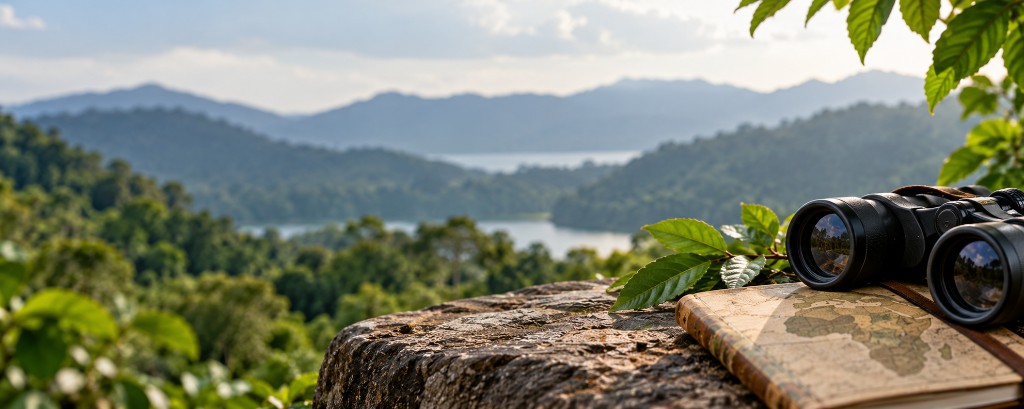
Get quick answers to the most common questions. If you still have questions, our safari experts are here to help.
Game drives, self-drive safaris, guided sunrise and sunset drives, authorized night drives, bush walks, birdwatching, photography and waterhole observation are among the best activities.
Kruger is famous for exceptional wildlife diversity and opportunities to see the Big Five.
All Big Five species occur in the broader Kruger ecosystem, although individual sightings are never guaranteed.
Yes. Kruger is one of Africa’s most accessible major parks for self-drive safari travel.
Yes. Professional guides provide tracking skills, wildlife knowledge and interpretation that greatly enhance the experience.
Guided walking activities are available under controlled conditions. Visitors must never walk freely in wildlife areas unless specifically permitted.
Authorized guided night drives are available in certain contexts. Independent visitors must follow park gate and driving regulations.
There is no universal best area. Southern Kruger is popular for wildlife and accessibility, central regions provide strong game viewing, and northern Kruger is excellent for birding and quieter wilderness.
Four to five nights works extremely well for most visitors. A week allows deeper exploration.
Yes, but activity restrictions and long game drives should be considered according to age.
Absolutely. Wildlife diversity, accessible roads, rivers, waterholes and varied seasonal conditions make it an excellent photography destination.
Dry winter months generally provide easier wildlife viewing, while the green summer season offers lush scenery, migrant birds and young animals.
The Kruger region can carry malaria risk. Obtain current professional travel-health advice before departure.
Our safari experts are here to help you plan your safari. Get personalized advice, the latest information and a free, no-obligation quote.
We typically reply within a few hours.

Share This Article
When booking a luxury African safari, look beyond the room and compare the quality of guiding, wildlife location,…
Read article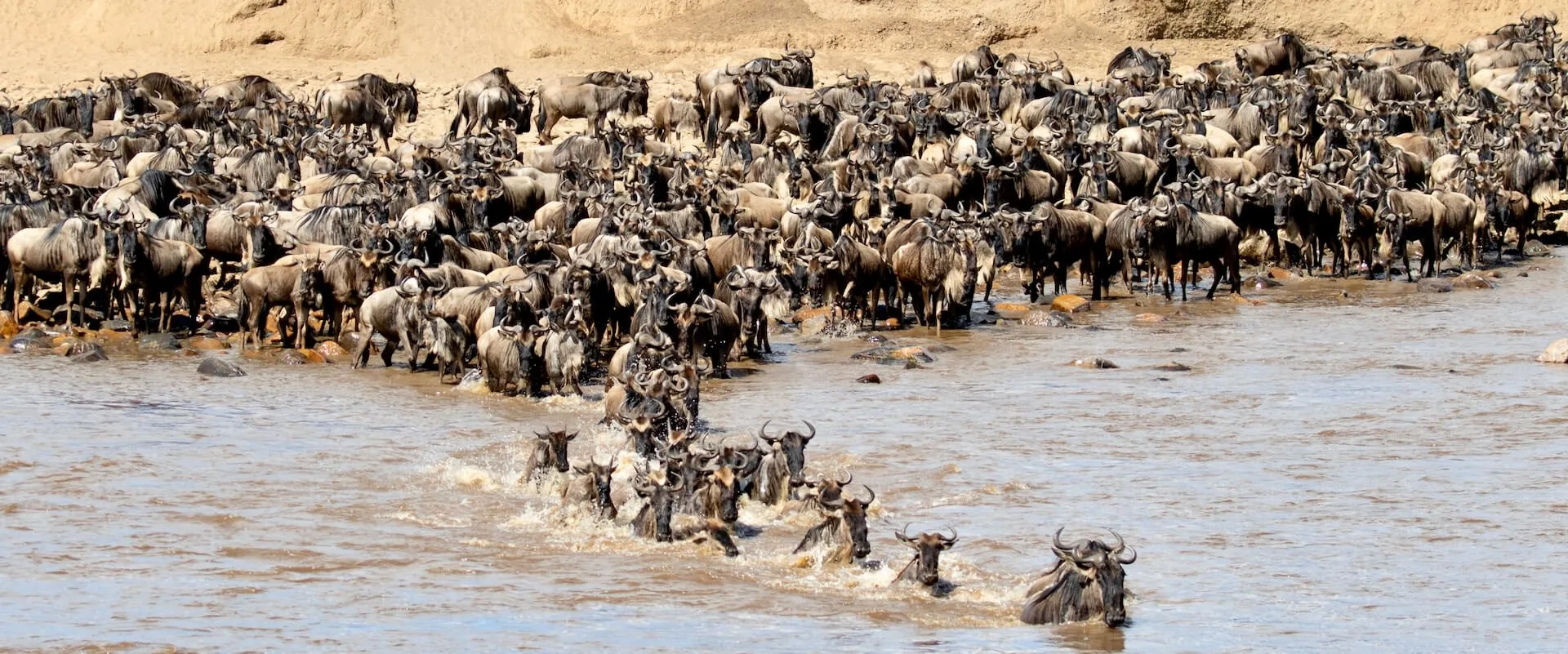
The Great Migration in Africa happens all year because the herds continuously circulate through the Serengeti–Mara ecosystem in…
Read article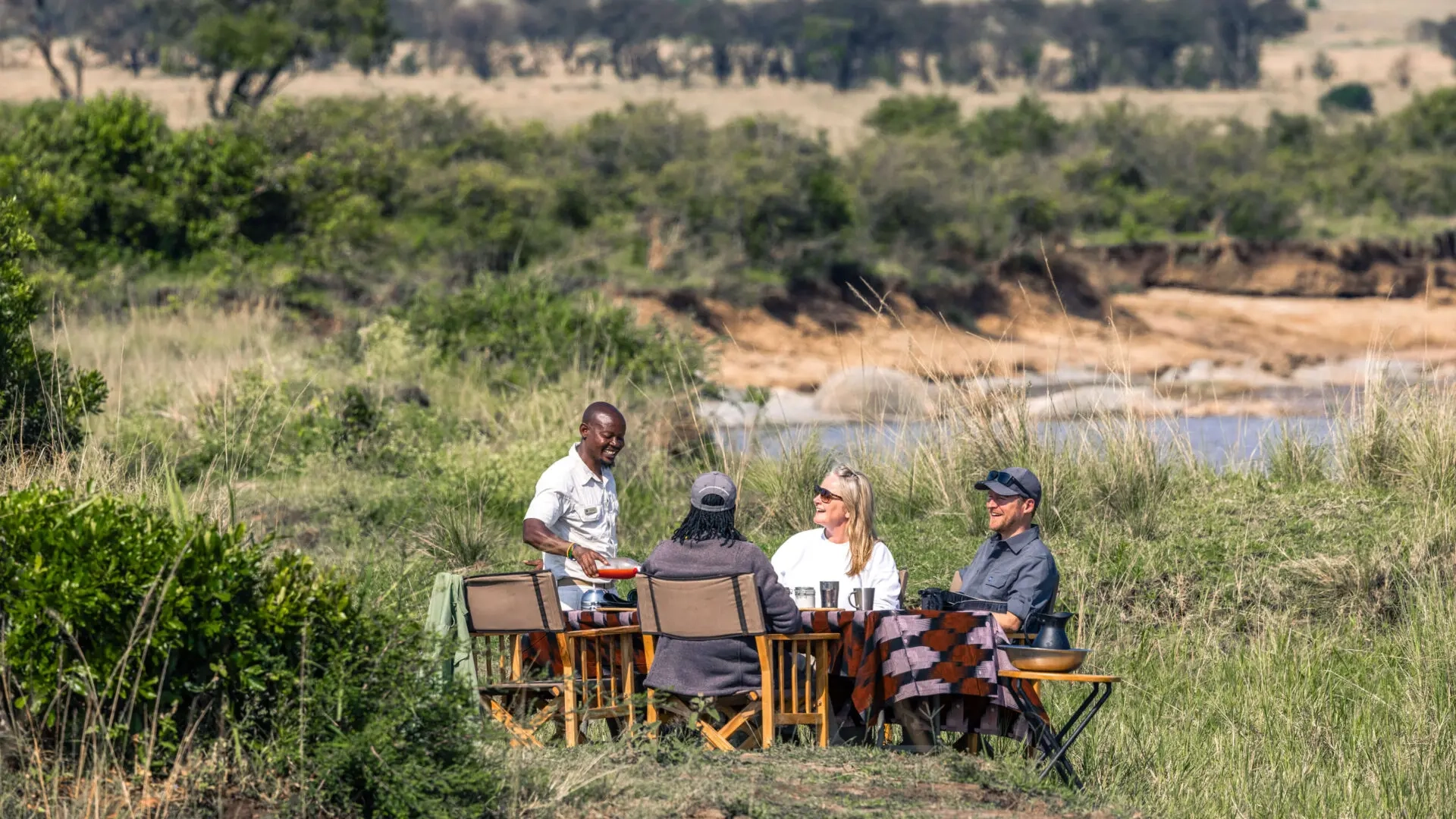
Definitive answer: A picnic lunch on safari is a packed or catered midday meal eaten at an approved…
Read article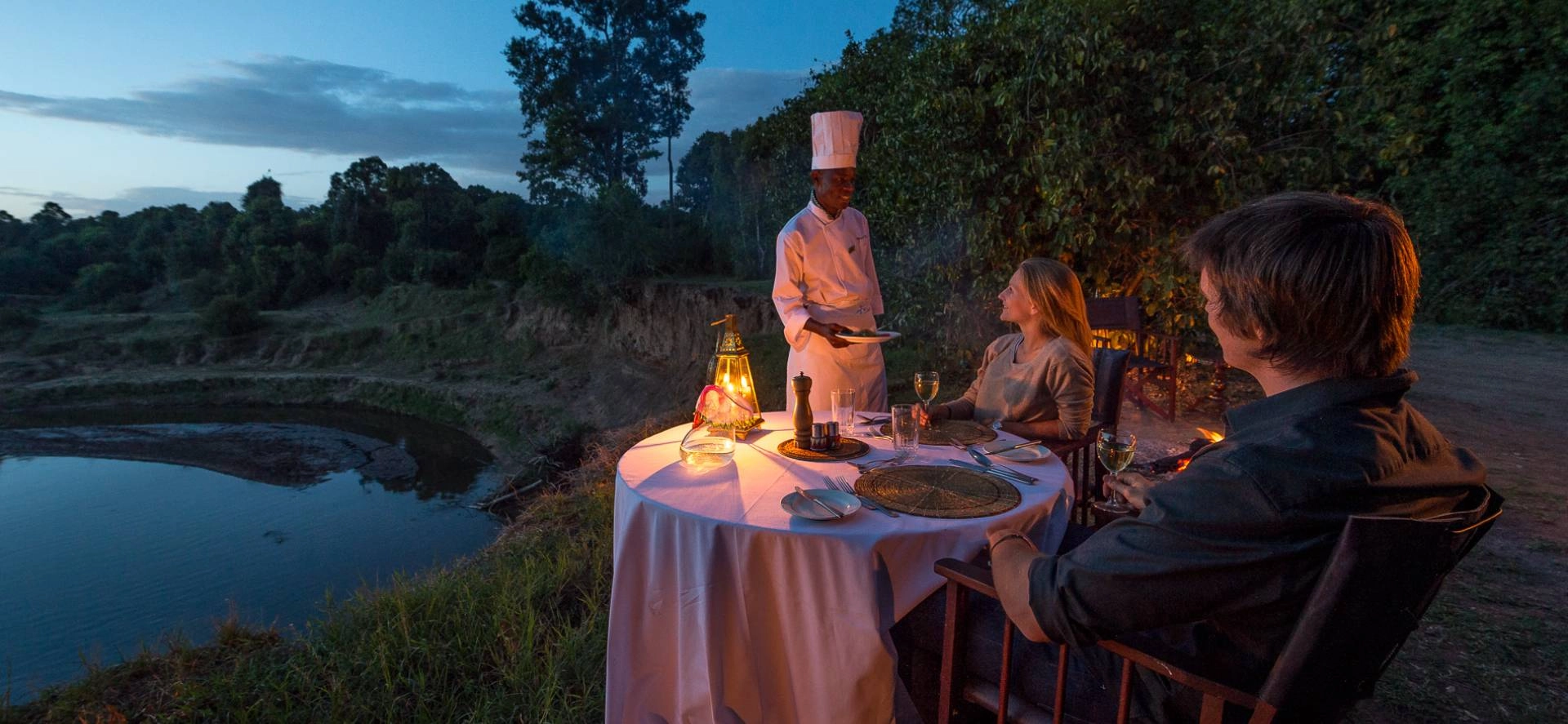
Definitive answer: A bush dinner is an outdoor evening meal arranged in a safe safari setting away from…
Read articleLet us take you closer to the wildlife, people and places that make Africa extraordinary.
Plan Your Safari Today