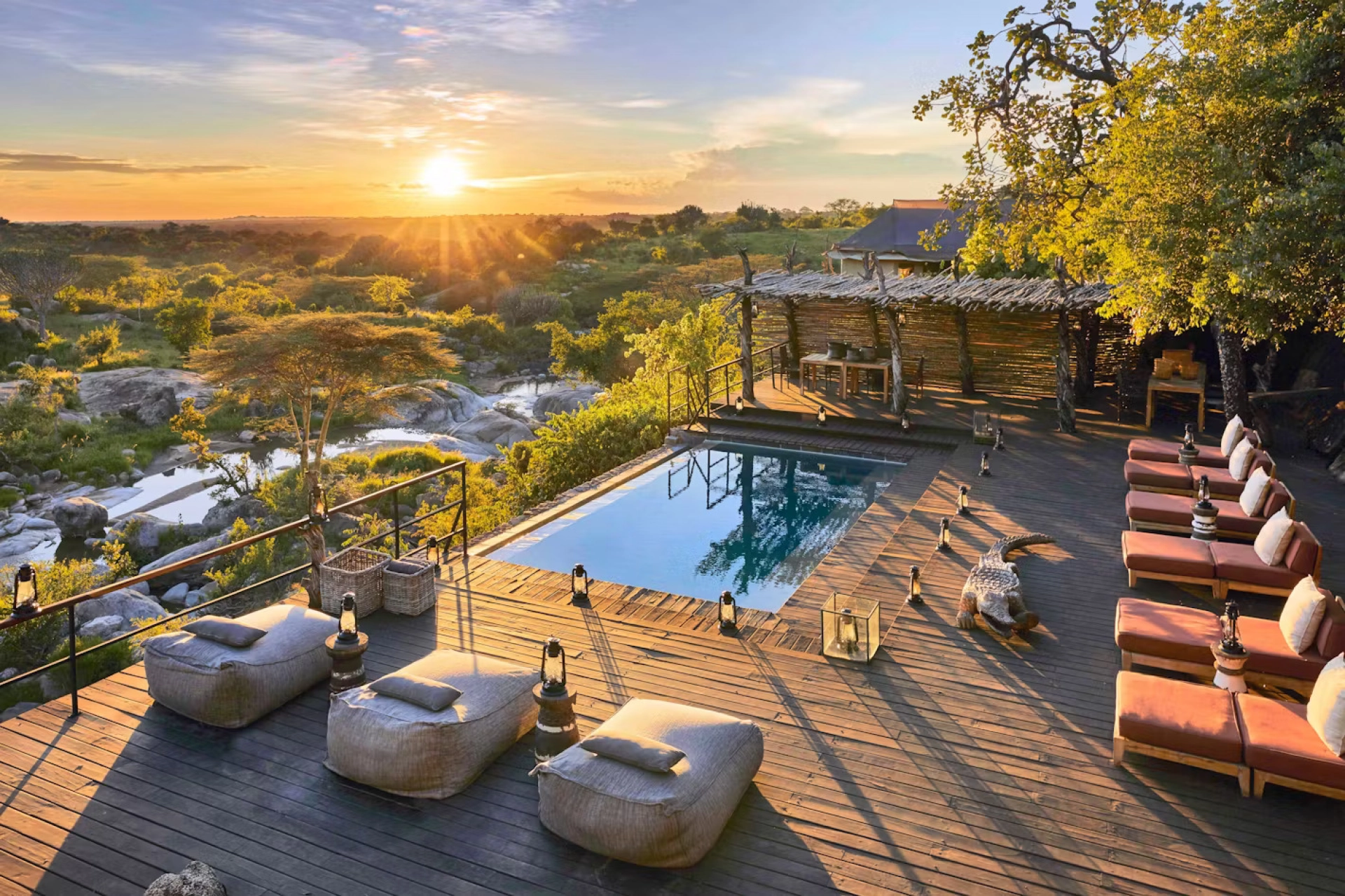
What should I look for when booking a luxury African safari?
When booking a luxury African safari, look beyond the room and compare the quality of guiding, wildlife location,…
Read article

Travel Guide
Kruger's strength comes from its combination of habitat diversity, excellent road access and abundant wildlife. Birdwatching in Kruger National Park Many African birding destinations require highly specialised itineraries focused almost entirely on birds. Kruger offers a…
Kruger’s strength comes from its combination of habitat diversity, excellent road access and abundant wildlife.
Many African birding destinations require highly specialised itineraries focused almost entirely on birds. Kruger offers a rare balance. You can spend the morning searching for raptors and woodland species and still encounter elephants, giraffes, zebra or lions along the same road. This makes a Kruger safari for birders particularly useful for mixed-interest groups. One traveller can focus on bird photography. Another may care more about mammals. Both can enjoy the same game drive.
The park’s accessibility also helps. A large network of public roads allows birders to move slowly through different habitats, stop when safe and legal, and spend time around productive dams, river crossings and rest camps. Self-drive travellers have considerable flexibility. Guided safari vehicles add the advantage of local knowledge and experienced guides who recognise calls, movement and habitat patterns.
A mammal-focused game drive often involves scanning long distances.
Birding requires a different type of attention. You begin looking at individual trees. Dead branches matter because raptors use them as lookout points. Flowering trees attract sunbirds. Open grassland may produce bustards and korhaans. Riverine vegetation can hide kingfishers, storks and herons. A patch of disturbed ground near a buffalo herd might attract oxpeckers and insect-eating birds. Even elephant dung can create feeding opportunities for insects and, consequently, birds. The longer you watch, the more connected the ecosystem becomes.
A Kruger birdwatching safari therefore teaches visitors to interpret habitat rather than simply search for individual animals.
South African birders sometimes refer to a group of highly desirable large species as Kruger’s Big Six birds.
These are traditionally the martial eagle, lappet-faced vulture, saddle-billed stork, ground hornbill, kori bustard and Pel’s fishing owl. They are not necessarily the rarest birds in the park, but their size, ecological importance and visual impact have made them iconic. Finding all six can provide birders with an entertaining safari challenge.
The martial eagle is one of Africa’s largest and most powerful eagles. Adults can appear imposing even from a considerable distance. They hunt mammals, birds and reptiles and typically use high trees or other elevated positions for resting and scanning. When driving through suitable open woodland, check large exposed branches carefully. A dark shape initially dismissed as another raptor can reveal the unmistakable size and posture of a martial eagle.
Because large eagles require extensive territories, every sighting feels significant.
The lappet-faced vulture is one of Africa’s most impressive scavengers. Its large body, bare head and powerful bill allow it to open tough sections of carcasses that smaller vultures may struggle to access. Vultures play a critical ecological role. By rapidly consuming dead animals, they help remove carcasses that might otherwise become sources of disease. Seeing several vulture species gathered around a kill provides an opportunity to observe hierarchy and feeding competition.
The lappet-faced vulture often commands space through sheer size.
Few African birds are as striking as the saddle-billed stork. Its enormous black-and-white body, long red-and-black bill and colourful facial markings make it instantly recognisable. These storks are associated with rivers, pools, dams and wetlands. They feed on fish, frogs and other aquatic prey. Searching along river systems in Kruger can produce excellent sightings, particularly where shallow water and exposed banks create feeding opportunities.
The southern ground hornbill is one of Kruger’s most charismatic birds. These enormous terrestrial hornbills spend much of their time walking across the ground in family groups while hunting insects, reptiles and small vertebrates. Their deep booming calls can carry considerable distances. Because breeding is slow and suitable nesting sites are limited, the species is of conservation concern. Finding a group crossing the road can easily become one of the highlights of an entire safari.
The kori bustard is among the heaviest flying birds in the world. It inhabits open grassland and savannah, moving slowly through vegetation while searching for insects, seeds and small animals. Males can perform dramatic breeding displays, inflating their necks and appearing substantially larger. Their size makes them relatively easy to notice once birders begin checking open plains.
For many serious birders, Pel’s fishing owl is the most difficult and exciting member of the Big Six. This large orange-brown owl is associated with mature riverine habitat and dependable water systems. Unlike typical owls specialising in terrestrial prey, Pel’s fishing owls feed largely on fish and aquatic animals. They are generally elusive. Finding one usually requires knowledge of suitable habitat, patience and considerable luck. For dedicated birders, a successful sighting can justify an entire northern Kruger excursion.
Southern Kruger is often the busiest part of the national park because it lies relatively close to major gateways and contains productive wildlife habitat.
For birders, it remains excellent. The region contains woodland, river systems, rocky areas, dams and open patches. Species diversity can be high, and birding can be combined easily with strong mammal viewing. Common colourful species such as lilac-breasted rollers, hornbills and bee-eaters provide constant interest, while raptors and larger birds reward careful scanning. River crossings deserve particularly slow attention. Stop where regulations allow and scan every level. Check the water for kingfishers and herons.
Look along banks for lapwings and storks. Scan dead trees for fish eagles. Then look higher into the canopy for smaller species. A ten-minute birding stop can reveal far more diversity than a quick drive across the same bridge.
Central sections of Kruger include extensive savannah and grassland environments.
These more open habitats are excellent for large terrestrial birds and raptors. Bustards, korhaans and secretary birds may occur. Raptors use isolated trees and prominent perches. Vultures can sometimes be detected by watching the sky rather than the ground. This is an important birding technique. If several vultures are dropping rapidly from altitude, they may be responding to a carcass. Aerial activity can therefore reveal mammal events. Similarly, oxpeckers can help locate large mammals.
Birding and mammal tracking begin reinforcing each other.
Many serious birders consider northern Kruger especially rewarding. The habitat changes noticeably. Mopane woodland becomes extensive. Large river systems and riparian forest introduce species less easily found farther south. Bird diversity can be exceptional, while vehicle numbers are usually lower than in the most popular southern regions. Areas around Punda Maria and Pafuri have earned particularly strong reputations among birdwatchers. For travellers specifically planning a South Africa birding safari, allocating several nights to the north can dramatically increase the range of species encountered.
The far north around Pafuri feels distinctly different from central and southern Kruger. Large trees line watercourses. Dense riverine forest creates shade and structural complexity. The region lies close to ecological transition zones where tropical influences become stronger. This produces species combinations that make northern Kruger special. Birding slowly through these habitats can reveal bee-eaters, kingfishers, flycatchers, storks, raptors and numerous woodland specialists. Experienced guides often recognise birds first by sound.
Learning even a few calls dramatically improves bird detection. A species can remain hidden in thick vegetation while calling repeatedly only metres away.
Mopane dominates huge parts of northern Kruger. At first glance, repetitive woodland can seem less productive than open plains. Birders quickly learn otherwise. Woodland species use different vegetation levels. Some feed close to the ground. Others move through the mid-canopy. Raptors watch from exposed branches. Mixed feeding flocks may pass through suddenly and then disappear. The key is slowing down. Driving rapidly through woodland can make the habitat appear empty.
Stopping beside active trees reveals life.
Birds of prey are among the greatest attractions of a Kruger birding safari. Eagles, vultures, hawks, kestrels and other raptors occupy different ecological niches. Large eagles may hunt mammals and birds. Snake eagles specialise heavily in reptiles. Fish eagles dominate suitable aquatic environments. Smaller raptors target insects and rodents. Learning silhouette shapes improves identification. Long wings, broad tails, wing angles and flight patterns all provide clues. Perched birds may be easier, but distance and harsh light can still make identification challenging.
This is where binoculars and photographic equipment become invaluable.
The call of the African fish eagle is one of the defining sounds of African waterways. Kruger’s rivers and larger dams offer numerous opportunities to encounter the species. Adults are particularly striking with their white heads, dark bodies and chestnut colouring. Fish form an important part of the diet, although the birds can also take other prey and scavenge. Watching a fish eagle launch from a tree, descend toward water and emerge with a fish provides one of the great classic birding moments of an African safari.
The bateleur is one of Kruger’s most recognisable raptors in flight. Its short tail and characteristic wing shape make identification easier once birders become familiar with the silhouette. Bateleurs spend substantial time soaring while searching for food. Juveniles look very different from adults, which can initially confuse new birders. Learning age-related plumage variation becomes part of the fun.
Kruger supports several vulture species. These birds are essential to healthy ecosystems. Their ability to locate carcasses rapidly and consume them efficiently reduces biological waste and can help limit disease transmission. Unfortunately, vultures across Africa face serious threats, including poisoning, habitat change and collisions with infrastructure. Seeing vultures on safari is therefore both exciting and sobering. Birders should resist the temptation to think only about attractive species. Scavengers perform some of the ecosystem’s most important work.
Hornbills are among the most entertaining birds for first-time visitors. Several species occur in Kruger, ranging from smaller hornbills to the massive southern ground hornbill. Their large bills and distinctive calls make them relatively easy to recognise. Hornbill breeding biology is fascinating. In many arboreal species, the female enters a tree cavity and becomes largely sealed inside during nesting, leaving a narrow opening through which the male provides food. This extraordinary strategy helps protect eggs and chicks.
Learning such behaviour turns a common roadside bird into something much more interesting.
Kruger is not only about rare target species. Some of its most memorable birds are common. The lilac-breasted roller frequently becomes a favourite among first-time safari travellers. Its mixture of blue, green, lilac and brown creates extraordinary colour. European and other migratory rollers may also be present seasonally. Bee-eaters provide another splash of colour. They are agile aerial hunters, capturing insects in flight and returning to exposed perches. Photographers can spend considerable time waiting for take-off and landing sequences.
Kruger’s waterways support several kingfisher species with very different feeding strategies. Not all kingfishers eat primarily fish. Some specialise heavily in insects and small terrestrial prey. Others are associated strongly with rivers and pools. This diversity surprises many beginning birders. Watching a kingfisher repeatedly return to the same perch can create excellent photographic opportunities. Patience is usually more productive than trying to chase the bird.
Wetlands and river systems produce numerous wading birds. Storks patrol shallow water and open ground. Herons wait almost motionless before striking prey. Egrets may follow large mammals where disturbed insects provide food. Saddle-billed storks remain among the most visually dramatic. During summer, seasonal changes can increase wetland activity and attract migrant species.
Oxpeckers offer one of Kruger’s clearest examples of interaction between birds and mammals. These birds often feed on ticks and other material found on large mammals such as buffalo, giraffes and rhinos. From a distance, oxpecker activity can draw attention to animals concealed by vegetation. Birders therefore sometimes find mammals before mammal-focused travellers do. Watching an oxpecker move across a giraffe’s neck or buffalo’s back provides an excellent opportunity to discuss ecological relationships.
For bird diversity, summer can be outstanding. Seasonal migrants arrive. Many resident species enter breeding plumage. Birdsong increases. Insect abundance provides feeding opportunities. The landscape becomes greener after rain. Photographers gain dramatic backgrounds and stormy skies. Summer also brings challenges. Temperatures can be high. Vegetation becomes denser, making some mammals harder to see. Rain may affect roads or game-drive comfort. For dedicated birders, however, the increased diversity can outweigh these disadvantages.
Winter offers a different experience. Vegetation tends to become drier and more open. Temperatures are generally cooler. Mammals often concentrate more strongly around water. Some migratory birds are absent, so the overall species list may be lower than in summer. Yet birding remains rewarding. Raptors, hornbills, ground birds, vultures, waterbirds and numerous residents remain present. Winter can therefore be an ideal compromise for mixed birding and mammal-focused groups.
The first hours after sunrise are particularly productive. Birds begin feeding after the night. Calls increase. Temperatures remain comfortable. Raptors may wait for warming air before becoming more active, while smaller species are already moving through vegetation. Open your vehicle windows where permitted and listen. Birding by sound can dramatically increase the number of species detected. Even travellers unfamiliar with calls can begin recognising repeated patterns after several days.
Kruger rest camps should not be treated only as places to sleep. They can provide surprisingly productive birding. Large trees attract woodland species. Artificial water sources may bring birds closer. Gardens can create concentrated feeding opportunities. Some species become accustomed to human activity and are therefore easier to observe. An hour walking quietly around a camp can produce dozens of species without starting the vehicle. Always respect camp regulations and remain inside approved areas.
Water is one of the most productive places to spend time. Do not arrive, scan quickly and leave. Wait. Bird activity changes constantly. A kingfisher may arrive after ten minutes. Storks move between shallows. Raptors come to drink. Sandgrouse may appear. Mammals approach, bringing oxpeckers and disturbing insects. The longer you remain, the more ecological interactions become visible.
Bird photography requires different equipment and technique from photographing elephants or lions. Small birds demand reach. A telephoto lens is extremely useful. Fast shutter speeds help freeze birds in flight. Continuous autofocus improves success with moving subjects. But equipment is only part of the process. Understanding behaviour is more important. A bee-eater repeatedly returning to the same branch provides predictable movement. A kingfisher watching water may eventually dive. A raptor leaning forward may be preparing to launch.
Anticipating behaviour produces better photographs than reacting after movement has already begun.
Every serious Kruger birdwatching trip should include binoculars. Even travellers carrying expensive camera equipment benefit enormously. Binoculars are faster. They provide a wider field of view. They allow you to observe behaviour without constantly concentrating on photographs. A good safari guide will often use binoculars continuously. For families, giving teenagers their own binoculars can transform their involvement in the safari.
A regional field guide helps confirm species. Bird identification apps can add calls, distribution information and photographs. However, use technology carefully. Do not become so focused on screens that you stop observing the actual bird. Playback of bird calls should also be used responsibly. Repeatedly playing calls can disturb territorial birds and alter natural behaviour. Professional birding guides generally understand when playback is appropriate or should be avoided.
Birdwatchers should follow the same principles as responsible wildlife photographers. Do not approach nests too closely. Never disturb nesting birds for photographs. Do not pressure guides to drive off approved routes where prohibited. Keep noise low. Avoid excessive call playback. Allow other visitors space at productive sightings. The photograph is never more important than the bird’s wellbeing.
The beauty of Kruger is that you do not need to choose. A morning focused on birding may produce elephants. While watching vultures, you might discover a lion kill. Searching for river birds could lead to hippos or crocodiles. A hornbill may draw your attention to a leopard moving beneath the tree. The distinction between “bird safari” and “wildlife safari” gradually disappears. Everything is connected.
A short three-day safari can be rewarding, but serious birders should consider at least five to seven nights. Longer stays allow movement between different ecological regions. Travelling from southern Kruger toward the far north creates particularly strong habitat diversity. Ten days or more can produce an impressive species list while allowing time to stop rather than rush. Birding benefits from slow travel. A twenty-kilometre morning drive may be more productive than racing one hundred kilometres.
Instead of trying to visit every road, choose several contrasting habitats. Spend time around rivers. Explore open grasslands. Drive woodland roads slowly. Visit dams. Walk through rest camps. Include northern Kruger if possible. Start early. Pause frequently. Listen. This approach creates a richer birding experience than constantly chasing reports of individual rare species.
You do not need to arrive as an expert. Kruger is one of the best places to become interested in birds because many species are large, colourful and relatively easy to observe. Start with obvious groups. Hornbills. Eagles. Storks. Kingfishers. Rollers. Vultures. Over several days, identification begins becoming intuitive. A bird that seemed impossible to recognise on day one may become familiar by day four. This progression is part of the enjoyment.
Experienced birders can pursue habitat specialists, seasonal migrants and difficult northern species. A specialist guide can significantly improve results. Good guides know calls, reliable habitat, flowering cycles, water conditions and seasonal movements. They also understand that birders may happily spend forty minutes searching for a small species while conventional safari groups would become impatient. Choosing the right guide therefore matters.
South Africa offers extraordinary birding diversity beyond Kruger. A longer itinerary can combine the park with mountain, wetland, coastal and grassland habitats. Cape Town and the Western Cape introduce a completely different avifauna. KwaZulu-Natal provides exceptional wetland and forest birding. The Drakensberg can add mountain species. For dedicated birders, South Africa can therefore support a multi-week journey across radically different ecosystems.
The greatest benefit of birding is not the species list. It removes dead time. On a mammal-only safari, travellers may feel disappointed when lions are not found. Birders almost never experience an empty game drive. Something is always happening. A drongo is hawking insects. A hornbill crosses the road. Vultures circle. A kingfisher calls. A sunbird feeds. A raptor scans the plain. Birding teaches patience and attention. Those qualities ultimately improve every aspect of safari.
A first-time visitor may enter Kruger asking, “Where are the lions?” A birder enters asking hundreds of questions. What is calling in that tree? Why are the vultures descending? Which eagle is perched ahead? What moved beside the river? Are those oxpeckers following buffalo? What bird is displaying over the grass? By the end of the safari, even travellers who originally cared little about birds often begin asking the same questions.
That is the magic of a Kruger National Park safari for birders. Birdwatching does not distract from the Big Five. It expands the safari. The landscape becomes more detailed. The quieter moments become interesting. And every kilometre offers another possibility.
Adventure in the Wild Safaris can help combine South African wildlife destinations with broader African journeys, including East African safaris, gorilla trekking and specialist wildlife experiences. For travellers interested in birds as well as mammals, we can design itineraries that allow enough time in each habitat rather than rushing between parks.
Yes. Kruger is one of southern Africa’s leading birdwatching destinations and supports more than 500 recorded bird species across diverse habitats.
The traditional Big Six are the martial eagle, lappet-faced vulture, saddle-billed stork, southern ground hornbill, kori bustard and Pel’s fishing owl.
Summer generally provides the greatest bird diversity because seasonal migrants arrive and breeding activity increases. Winter remains excellent for resident species and can offer easier mammal viewing.
Excellent birding occurs throughout the park, but northern areas around Punda Maria and Pafuri are particularly popular with serious birders.
Yes. Kruger is exceptionally well suited to self-drive birding because of its extensive public road network. Guided trips can nevertheless improve identification and help locate specialist species.
Binoculars are highly recommended even if you carry a camera. They allow faster identification and better observation of distant or small birds.
It is possible in suitable northern riverine habitat, but Pel’s fishing owl is elusive and sightings should never be guaranteed.
Yes. Eagles, vultures and other birds of prey are an important part of Kruger’s avifauna and can be encountered across multiple habitats.
Absolutely. One of Kruger’s greatest strengths is that birding and mammal watching happen simultaneously.
Five to seven nights provides a good introduction, while ten days or longer allows birders to explore more ecological zones and reach the far north without rushing.

Share This Article
When booking a luxury African safari, look beyond the room and compare the quality of guiding, wildlife location,…
Read article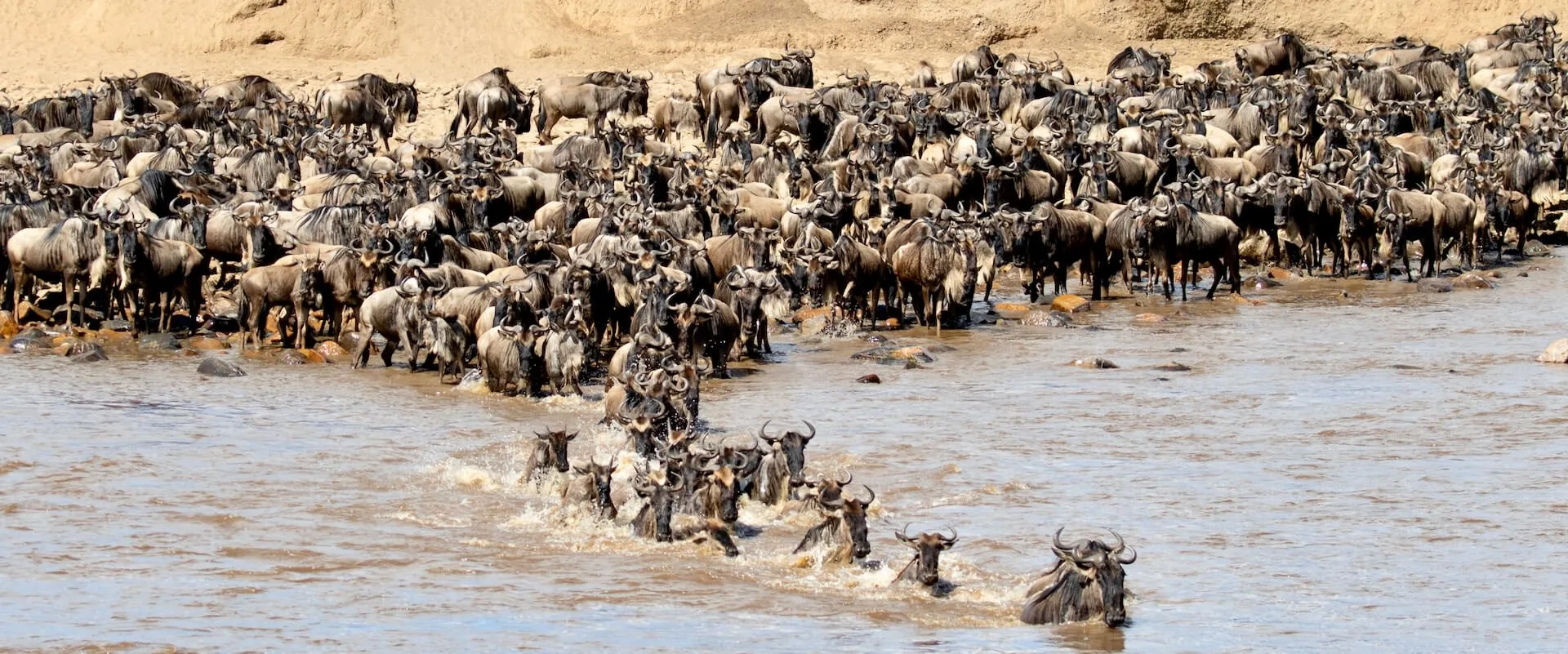
The Great Migration in Africa happens all year because the herds continuously circulate through the Serengeti–Mara ecosystem in…
Read article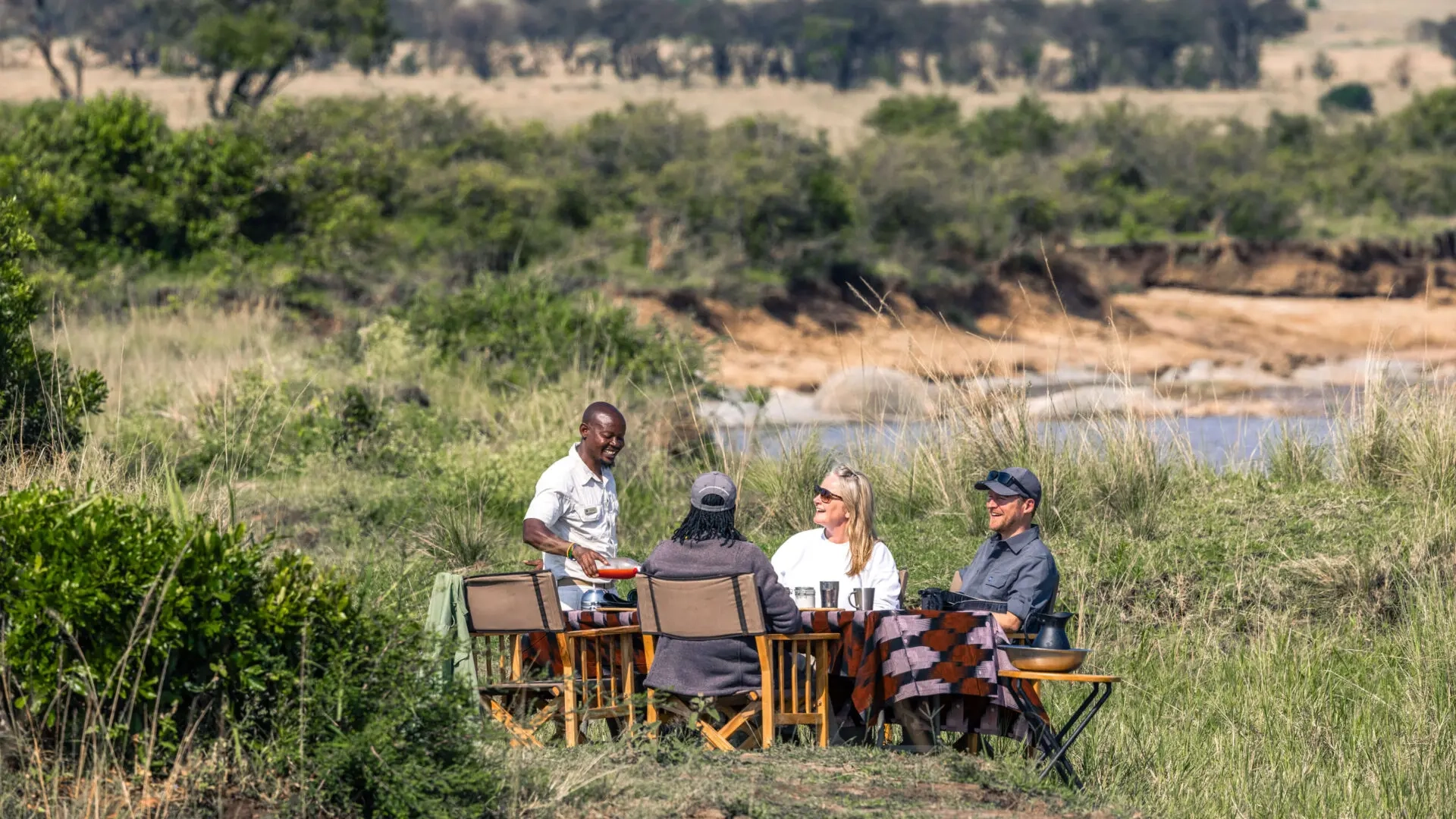
Definitive answer: A picnic lunch on safari is a packed or catered midday meal eaten at an approved…
Read article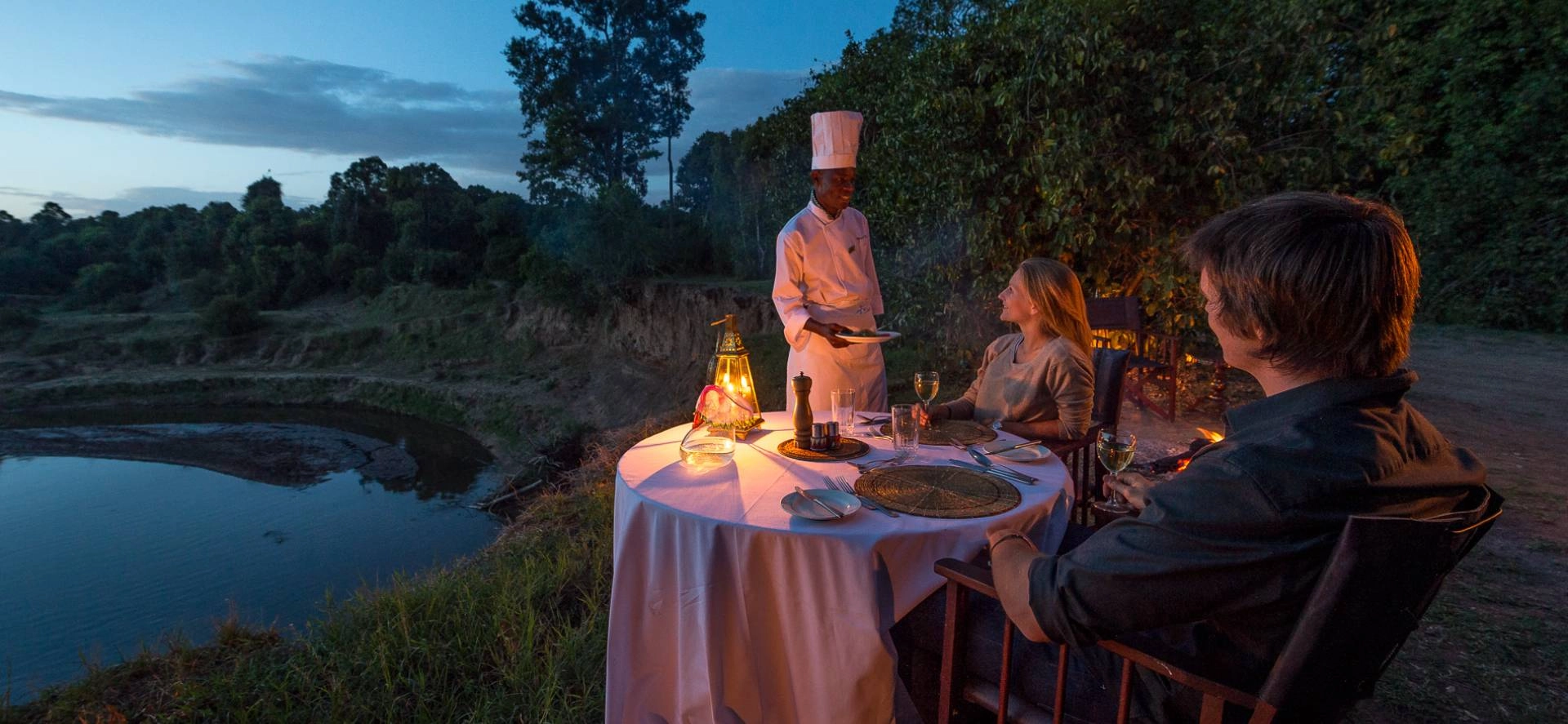
Definitive answer: A bush dinner is an outdoor evening meal arranged in a safe safari setting away from…
Read articleLet us take you closer to the wildlife, people and places that make Africa extraordinary.
Plan Your Safari Today