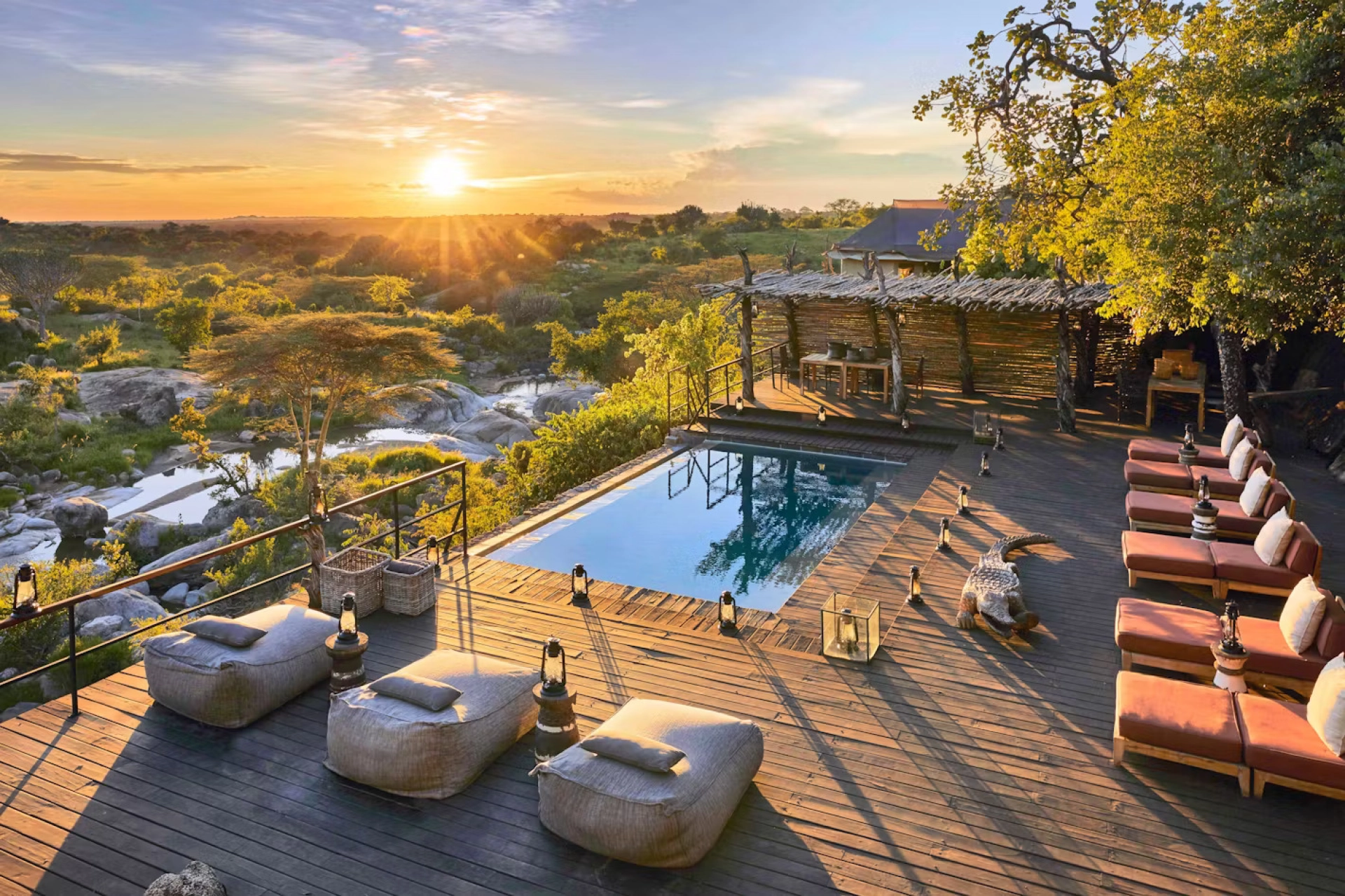
What should I look for when booking a luxury African safari?
When booking a luxury African safari, look beyond the room and compare the quality of guiding, wildlife location,…
Read article

Travel Guide
There are many excellent photographic safari destinations in Africa, but Kruger National Park offers a particularly appealing combination of wildlife diversity, road access and independence. Wildlife in Kruger National Park The park is enormous. Different regions…
There are many excellent photographic safari destinations in Africa, but Kruger National Park offers a particularly appealing combination of wildlife diversity, road access and independence.
The park is enormous. Different regions contain different vegetation communities, geological features, rivers and wildlife distributions. This variety means photographers can create substantially different images during one journey. The open savannah around parts of central Kruger provides opportunities for environmental wildlife photographs. Southern river systems can produce excellent predator encounters. Northern mopane country introduces different colours and compositions. Riverine forests offer shade, birds and more intimate scenes. Waterholes create opportunities for interaction between species.
The road network is another major advantage. Independent visitors can explore using their own vehicles, choosing when to stop and how long to remain at sightings. For photographers, that freedom is extremely valuable.
A Kruger self-drive safari gives photographers control over pace.
If a lion is sleeping in poor light, you can decide whether to wait. If elephants are approaching a waterhole, there is no need to leave because somebody else wants breakfast. If a small bird lands beautifully beside the road, you can stop even if nobody else considers it important. This independence encourages observation. You begin learning particular roads. You notice which waterholes were productive yesterday. You recognise favourite viewpoints.
You understand where morning light falls. After several days, the park stops feeling like an unknown map and starts becoming a landscape you can read. That is one reason repeat Kruger visitors become so attached to the park.
Photography forces you to pay attention.
Without a camera, you might simply notice that several elephants are feeding. Through photography, you begin looking at spacing between individuals. You notice the calf hidden beneath its mother’s body. You see dust hanging in the air. You wait for one elephant to lift its trunk. You become conscious of the background. A branch growing from behind an animal’s head suddenly matters. Light matters. Direction matters. Behaviour matters. In this way, photography can deepen rather than distract from safari—provided the camera does not become more important than the wildlife itself.
Lions are among Kruger’s most sought-after photographic subjects.
They are also among the easiest animals to photograph badly. The reason is simple. Lions sleep a great deal. Finding a pride is exciting, but the resulting images may show nothing more than several tawny bodies lying in grass. Patience changes everything. A sleeping lion eventually moves. One individual rolls over. A cub approaches its mother. Two adults greet each other. A male raises his head. A lioness notices prey.
The pride begins walking. These moments create photographs with meaning.
When lions are relaxed and there is no pressure to leave, observe rather than immediately moving to the next sighting.
Watch their ears. Look at where they are staring. Listen for calls. Notice whether other pride members are approaching. If a lion repeatedly watches something outside your field of view, there may be another animal nearby. Behaviour often gives advance warning of photographic opportunities. A yawn may precede standing. Stretching can precede movement. Social contact may follow when pride members reunite. Anticipation is one of the most valuable safari-photography skills.
A close lion portrait can be powerful. Eyes, whiskers, scars and facial details reveal character. But do not photograph only close-ups. Zoom out. Include the grassland. Show the road disappearing behind the animal. Frame the lion beneath a tree. Use distant animals to communicate scale. A photograph of a lion occupying only a small part of the frame can sometimes say more about Africa than a perfect headshot. It shows where the animal lives.
For many travellers, a Kruger leopard sighting becomes one of the most memorable experiences of the journey. Leopards are solitary, secretive and exceptionally well camouflaged. They may be resting on branches, moving through riverine woodland or walking through grass only a short distance from the road. Finding one can require patience and luck. That difficulty gives leopard photographs emotional value. The picture becomes evidence of a moment that might easily never have happened.
A leopard resting in a tree is a classic safari image. Before pressing the shutter repeatedly, examine the composition. Where are the branches? Can you move slightly forward or backward legally and safely to create a cleaner view? Is the tail visible? Is the animal looking toward the light? Could foliage frame the leopard naturally? Do not assume branches ruin a photograph. Leopards live in complex environments. Leaves and branches can create a sense of secrecy that suits the animal perfectly.
When a leopard descends from a tree or begins walking, the photographic challenge changes instantly. Shutter speed becomes critical. Autofocus needs to track movement. The animal may disappear behind vegetation within seconds. This is not the time to start changing numerous settings. Prepare while the animal is still stationary. Increase shutter speed. Check ISO. Choose continuous autofocus. Then watch. The more familiar you are with your camera before safari, the less likely you are to miss the moment.
Few animals offer as much photographic variety as elephants. A close bull produces dramatic detail. A breeding herd tells a social story. A tiny calf provides emotion. An elephant beneath a large tree creates scale. Dust bathing creates atmosphere. Water creates reflections and movement. Backlighting transforms ears and dust. Silhouettes at sunset simplify the animal into an instantly recognisable shape. Because elephants are encountered relatively frequently in Kruger, photographers can become selective.
You do not need to photograph every elephant. Wait for excellent situations.
Observing elephant behaviour improves photography. Breeding herds are generally organised around related females and young animals. Calves remain close to mothers and other adults. When crossing roads, adults may position themselves protectively. At water, young elephants often become playful. These behaviours create photographic narratives. A sequence showing a calf approaching water, slipping into mud and being surrounded by adults tells far more than a single portrait.
Elephant photography must always respect the animal’s comfort. Do not ask drivers to crowd individuals. Never
African buffalo can be magnificent photographic subjects. Old bulls often have deeply textured faces, scarred bodies and massive horn bosses. A portrait in soft morning light can communicate enormous character. Large herds offer completely different opportunities. Hundreds of bodies create repetition. Dust rises around moving animals. Calves remain surrounded by adults. Oxpeckers move across backs. Predators may watch from nearby. Buffalo demonstrate why photographers should look beyond the most glamorous species.
A rhino photograph carries additional significance because these animals remain under severe conservation pressure. Rather than treating rhinos merely as another Big Five tick, photography can communicate vulnerability, habitat and conservation importance. Wide images work particularly well. Show the rhino within the bushveld. Include an oxpecker. Photograph a mother and calf where appropriate. Avoid publishing sensitive real-time location information. Wildlife photography should never compromise wildlife security.
African wild dogs are among the most exciting animals to photograph in Kruger. A pack can change from sleeping to intense activity within moments. Individuals greet each other enthusiastically. Young animals chase and wrestle. Adults focus before hunting. Then the entire pack may move rapidly away. Photographers need to anticipate this transition. If wild dogs are beginning to wake, prepare for movement before it happens.
Wild dogs rarely move slowly once active. Use sufficiently fast shutter speeds. Continuous autofocus helps. Burst mode can capture sequences, but do not rely on hundreds of random frames. Watch behaviour. A dog approaching another pack member may trigger a greeting. A focused pack may suddenly begin running. Young animals often play. Predictable behaviour creates stronger images.
Cheetahs occur in Kruger but can be more difficult to find than in some open East African ecosystems. Suitable open habitat provides the best opportunities. Photographically, the surrounding landscape is part of the story. A cheetah sitting upright on open ground, scanning for prey, communicates the animal’s hunting strategy. Long legs. Small head. Deep chest. Open horizon. Everything about the image explains speed and vision.
Spotted hyenas deserve much more photographic attention than they often receive. They are intelligent predators living in sophisticated social groups. Around den sites, cubs provide wonderful behavioural opportunities. Adults greet each other. Individuals patrol roads at dawn. Their spotted coats work beautifully in warm early light. Photographing hyenas well can help challenge the outdated image of them as ugly scavengers.
Giraffes are ideal subjects for environmental photography. Their height connects them naturally with trees and horizons. A giraffe beside an acacia-like silhouette immediately creates a sense of African landscape. Try vertical compositions. Photograph reflections where water is available. Look for interaction between individuals. Oxpeckers add detail. Do not always fill the frame. The relationship between giraffe and landscape is often more interesting than the animal alone.
Zebra are another species photographers often stop appreciating because they become familiar. Their stripes offer endless compositional possibilities. Groups create overlapping patterns. Faces appear between bodies. Foals have softer markings. Dust reduces contrast. Backlighting creates graphic outlines. Try converting some zebra photographs to monochrome during editing. Their pattern naturally suits black-and-white interpretation.
Impalas may be among the most frequently encountered mammals in parts of Kruger. That abundance makes them excellent photography subjects. You can afford to wait for perfect light. Males fighting during the rut create action. Females and young create gentler scenes. Alarm behaviour can indicate predators. Oxpeckers add interaction. A common animal doing something interesting almost always produces a better photograph than a rare animal doing nothing.
Warthogs rarely look elegant, which makes them wonderful photographic subjects. They kneel while grazing. They trot with tails raised. Young piglets follow adults. Their faces contain extraordinary texture. When startled, they may run toward burrows and enter backwards so the tusks remain facing outward. Behaviour gives photographs personality. Safari storytelling should include humour as well as drama.
Hippos are strongly associated with Kruger’s rivers and larger water bodies. During daytime they often remain largely submerged. That does not mean there is nothing to photograph. Look for reflections. Watch interaction. Wait for animals to emerge. A wide open-mouth display creates drama, although it is often a social or aggressive signal rather than a simple yawn. Early and late light can create beautiful water colour.
Crocodiles reward patience. An apparently motionless animal may suddenly enter the water. Individuals interact around carcasses. Large crocodiles resting on banks create prehistoric-looking compositions. Use vegetation and water to frame them. Reflections can add symmetry. Never attempt to obtain low-angle photographs by leaving designated safe areas.
Baboons and vervet monkeys provide some of the best behavioural photography in Kruger. Grooming. Playing. Feeding. Conflict. Maternal care. Curiosity. Social relationships are constantly visible. Young baboons are particularly expressive. Spend time watching rather than waiting only for large predators. A half-hour with a baboon troop can produce an entire photographic story.
Kruger supports extraordinary bird diversity. Even travellers who do not consider themselves birders often return home fascinated by rollers, bee-eaters, hornbills, eagles, vultures and kingfishers. Bird photography introduces technical challenges but also fills the quieter periods between mammal sightings. A lilac-breasted roller perched in perfect light can become one of the most colourful photographs of the journey. A martial eagle provides power. A southern ground hornbill gives character. Vultures tell a conservation story.
Birds broaden the safari.
Birds in flight require preparation. Use a fast shutter speed. Continuous autofocus helps track movement. Give the bird space within the frame to fly into. Watch repeated behaviour. Bee-eaters often return to favourite perches. Kingfishers may dive repeatedly. Raptors circle on thermals. Learning patterns is more effective than reacting randomly.
Kruger is not only about large mammals. Tortoises. Lizards. Dung beetles. Spiders. Butterflies. Interesting plants. Tracks. Animal skulls. Textures. These details help build a complete photographic narrative. A dung beetle pushing a ball across the road may seem insignificant compared with a lion, yet it reveals an essential ecological process.
Early morning and late afternoon are often the most attractive times for wildlife photography. Low-angle sunlight creates warmth. Texture becomes visible. Long shadows add depth. Dust glows. Eyes catch light. The same elephant photographed at midday and shortly after sunrise can look completely different. Photographers should therefore be ready when camp gates open. The best light disappears quickly.
Midday light can be difficult, but wildlife does not stop existing. Look for animals in shade. Photograph behaviour. Concentrate on birds. Use high-contrast conditions creatively. Visit water. Experiment with details. Clouds can suddenly soften light. Some extraordinary sightings happen precisely when photographers assume conditions are poor.
Backlighting is one of the most effective ways to make ordinary scenes dramatic. An elephant spraying dust with the sun behind it creates glowing particles. Giraffe hairs become rim-lit. Grass shines. Animal silhouettes become graphic. Exposure can be challenging, but digital cameras allow experimentation. Do not always position yourself with the sun directly behind your vehicle.
Summer rain changes Kruger completely. Green vegetation replaces dry tones. Dark storm clouds create dramatic backgrounds. Animals appear saturated in colour. Wet roads reflect light. Bird activity increases. Rain itself can become part of the image. Photograph an elephant beneath heavy clouds. Capture raindrops on an impala’s coat. Show lions looking thoroughly uncomfortable in a downpour. Weather creates atmosphere.
Dry-season dust can be inconvenient for equipment but beautiful in photographs. Moving buffalo create clouds. Elephants throw dust over themselves. Vehicles illuminate particles in low sunlight. Backlit dust creates depth and mood. Protect cameras carefully, but do not wish the dust away. It is part of the landscape.
There is no perfect safari camera. The best equipment is equipment you understand. A telephoto zoom is extremely useful because wildlife distances change constantly. Long lenses help with birds and distant predators. A second camera with a wider lens can be valuable when elephants approach close or landscapes suddenly become dramatic. Changing lenses repeatedly in dusty conditions is inconvenient. Two camera bodies solve this problem but add cost and weight.
No single setting works for every situation. Stationary animals allow slower shutter speeds. Moving wildlife requires faster speeds. Birds in flight need considerably more speed. Auto ISO can be useful when light changes rapidly. Continuous autofocus suits movement. A single focus point or small focus area helps when branches interfere. The most important preparation happens before Africa. Practice changing settings until the process becomes automatic.
Vehicles are surprisingly effective photographic hides. Animals often respond less strongly to a vehicle than to a person on foot. Keep movements smooth. Avoid slamming doors. Rest long lenses on beanbags where appropriate. Do not extend your body from the vehicle in unsafe ways. The animal should determine the encounter.
For serious photography, seating matters. If several photographers share one vehicle, establish expectations. Rotate positions if necessary. Avoid leaning across somebody else’s view. At a sighting, think about where the animal might move rather than only where it is currently standing. A few metres of vehicle positioning can transform a background.
Images often become more intimate when the camera is close to the animal’s eye level. Inside a standard vehicle, this is not always possible. Use dips in roads and changes in terrain. Photograph animals standing on raised ground. At waterholes with designated hides, lower perspectives can be particularly effective. Never compromise safety or park rules for a low-angle photograph.
For most wildlife portraits, sharp eyes are crucial. Viewers connect immediately with gaze. Modern eye-detection autofocus can help, but vegetation and multiple animals can confuse systems. Check where the camera is focusing. If necessary, choose a smaller autofocus area. With groups, decide which animal is the main subject.
When an animal is looking or walking toward one side of the frame, leave space in that direction. This creates visual balance. A leopard walking toward the edge of a tightly cropped image can feel uncomfortable. Space implies movement. Rules can be broken, but understanding them first improves consistency.
Imagine an elephant at a waterhole. A close portrait shows the elephant. A wider image showing zebra waiting behind it tells a story about hierarchy and water. A photograph of dust and approaching clouds adds environmental context. A calf struggling to use its trunk adds behaviour. Photography becomes more powerful when the viewer understands what is happening.
A safari trip report becomes much stronger when photographs are organised into sequences. Lioness approaches cub. Cub responds. They touch noses. The pride begins moving. Four photographs tell the story. The same applies to elephants entering water, wild dogs greeting or birds hunting. Think like a visual storyteller.
If every photograph is a lion, leopard, elephant or rhino, the final collection may not reflect what Kruger actually felt like. Photograph roads. Camp signs. Sunrise. Picnic stops. Birds. Trees. Rivers. Rain. Your vehicle. Binoculars on the dashboard. These contextual photographs restore memories years later.
Southern Kruger contains some of the park’s most productive wildlife areas. Rivers and mixed woodland create strong photographic opportunities. Vehicle traffic can be higher, especially around popular camps and predator sightings. Photographers should use this strategically. Explore quieter secondary roads. Spend time at water. Do not automatically join every cluster of vehicles. Sometimes the best sighting is somewhere else entirely.
Central regions offer broader savannah landscapes and large herbivore populations. This can be excellent country for lions, elephants, giraffes and birds of prey. Open habitat also makes environmental photography easier. Instead of fighting vegetation, use the horizon. Include sky. Show herds. Photograph scale.
Northern Kruger attracts fewer visitors and offers different habitats. Mopane woodland dominates large areas. Riverine environments become particularly important. Birding can be exceptional. Large mammals may require more searching in some areas, but the sense of wilderness is stronger. For repeat visitors such as experienced independent travellers, northern Kruger can be especially rewarding because the safari becomes less about maximising sightings and more about exploring habitat.
Pafuri and surrounding far-northern areas introduce some of Kruger’s most distinctive scenery. Large trees, rivers and tropical influences create photographic opportunities unlike the southern park. Birders particularly value this region. Landscape photographers should also slow down. The beauty lies as much in trees, river systems and atmosphere as in individual mammals.
Waterholes are natural stages. Arrive and wait. Elephants may dominate initially. Impala gather cautiously. Zebra approach. Giraffes spread their legs awkwardly to drink. Birds arrive. Predators may appear. Instead of chasing wildlife across kilometres of road, sometimes the best strategy is to allow wildlife to come to you.
Experienced visitors photograph differently. They become less concerned about quantity. They delete fewer moments by rushing. They wait longer. They understand that another lion photograph is unnecessary unless the situation is special. This creates a more relaxed safari. And paradoxically, relaxing often produces better images.
Some moments should simply be watched. If elephants surround the vehicle, take a few photographs and then look. Listen. Notice the sound of breathing. Watch the calf. Feel the scale. A memory does not need a thousand frames. Photography should preserve safari, not prevent you from experiencing it.
After the journey, avoid trying to process thousands of images immediately. First create backups. Then select. Look for storytelling value. Remove obvious duplicates. Choose the strongest frame from similar sequences. Editing should enhance what was present, not transform wildlife into something artificial. Avoid excessive saturation and unrealistic manipulation. Natural colour generally ages better.
Create folders by date or location. Add keywords. Record species. Maintain backups in more than one place. A large Kruger trip can generate thousands of photographs. Without organisation, finding a specific leopard encounter years later becomes frustrating. Metadata turns a photographic archive into something useful.
A good safari album should have rhythm. Begin with landscape. Introduce common wildlife. Add details. Build toward major predator encounters. Include people and travel moments. Finish with sunset or departure. This structure allows somebody who was not present to understand the journey. It also mirrors how memories work.
Wildlife welfare always comes first. Do not make noises to obtain eye contact. Do not block animals. Respect speed limits. Stay on permitted roads. Never leave vehicles except in designated areas. Do not publish sensitive rhino information. And do not use prohibited equipment or activities simply because they promise dramatic images. The best wildlife photographers are observers, not directors.
The real strength of traveller photographs is not perfection. It is perspective. They show what ordinary independent visitors can encounter by travelling slowly, observing carefully and returning to a wildlife destination with curiosity. A professional film crew may spend weeks waiting for one dramatic sequence. Safari travellers experience something different. Their photographs record the journey as it actually happened. A giraffe beside the road. An elephant family. A bird in morning light.
A predator encountered unexpectedly. A landscape at sunset. Together, those photographs become personal history.
No two Kruger safaris are identical. Rain changes vegetation. Fire reshapes habitat. Animals move. Water conditions change. Predator territories shift. Roads that seemed quiet on one trip can become extraordinary on another. That unpredictability makes repeat travel worthwhile. You never finish Kruger. You simply experience another version of it.
The best Kruger safari wildlife photos do more than prove an animal was seen. They preserve anticipation. Light. Behaviour. Landscape. Emotion. A photograph of a lion may remind you of three hours spent searching. An elephant photograph may recall complete silence inside the vehicle. A blurry wild-dog frame may matter more than a technically perfect portrait because it captures the instant the pack began hunting. That is what makes safari photography personal.
It does not need to win a competition. It needs to bring the bush back.
Adventure in the Wild Safaris designs tailor-made wildlife journeys for photographers, couples, families and repeat safari travellers. A South African photographic safari can also be combined with Uganda gorilla trekking, chimpanzee tracking, the Masai Mara in Kenya, Rwanda or Tanzania’s Serengeti for an exceptionally varied African photography journey.
Yes. Kruger’s extensive road network, varied habitats and exceptional wildlife diversity make it one of Africa’s most accessible photographic safari destinations.
Lion, leopard, elephant, rhino and buffalo all occur in Kruger, although sightings are never guaranteed.
Yes. Self-driving allows photographers to control their own pace and spend longer at sightings that interest them.
A telephoto zoom is highly versatile. Longer focal lengths help with birds and distant animals, while a second wider lens is useful for landscapes and close elephants.
Early morning and late afternoon usually provide warmer, softer light. Cloudy conditions can also be excellent for wildlife portraits.
Absolutely. Impalas, giraffes, zebra, baboons and warthogs often provide outstanding behavioural and compositional opportunities.
Both have advantages. Winter often improves visibility and concentrates animals near water, while summer brings green landscapes, dramatic weather, breeding activity and excellent birdlife.
Unauthorised drone use is prohibited in South African national parks. Always follow current SANParks regulations.
Avoid sharing sensitive real-time location information for rhinos.
Seven to ten days is excellent for many photographers, while longer stays allow slower exploration of different ecological regions.

Share This Article
When booking a luxury African safari, look beyond the room and compare the quality of guiding, wildlife location,…
Read article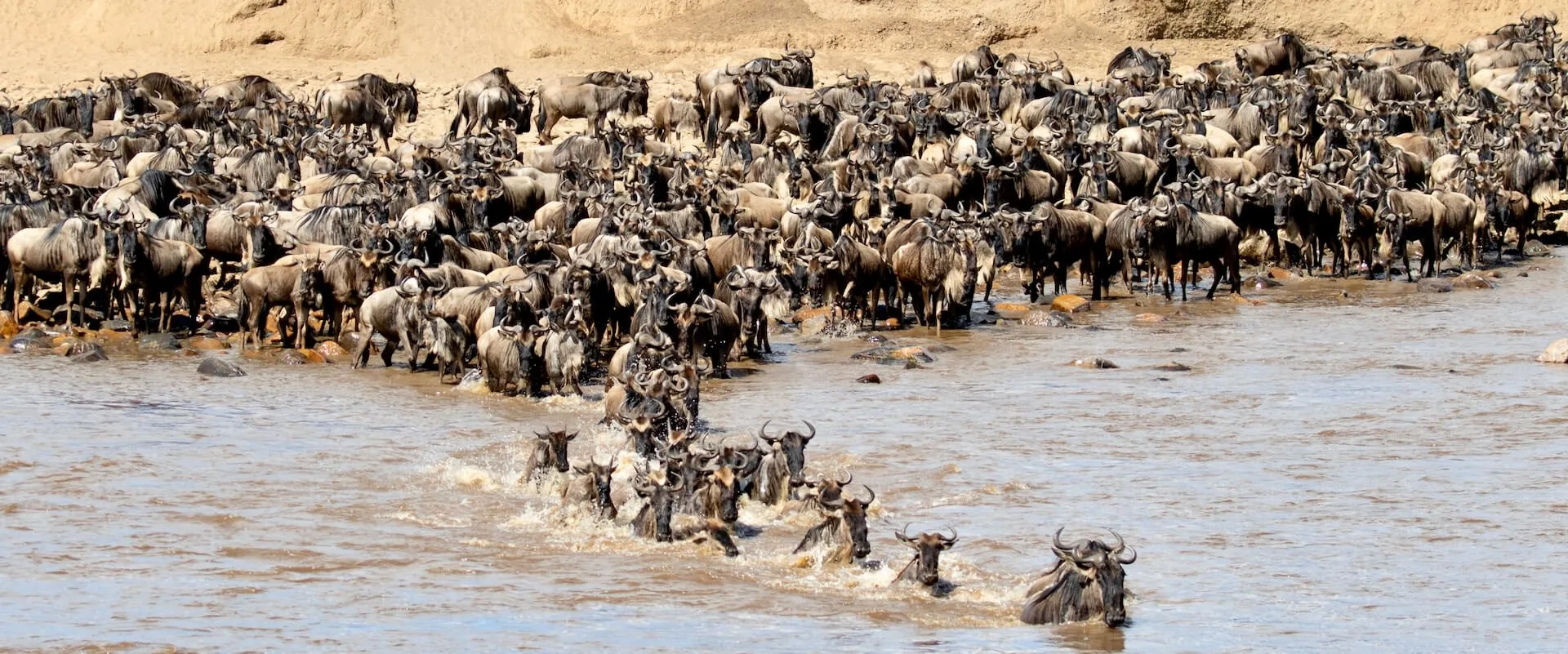
The Great Migration in Africa happens all year because the herds continuously circulate through the Serengeti–Mara ecosystem in…
Read article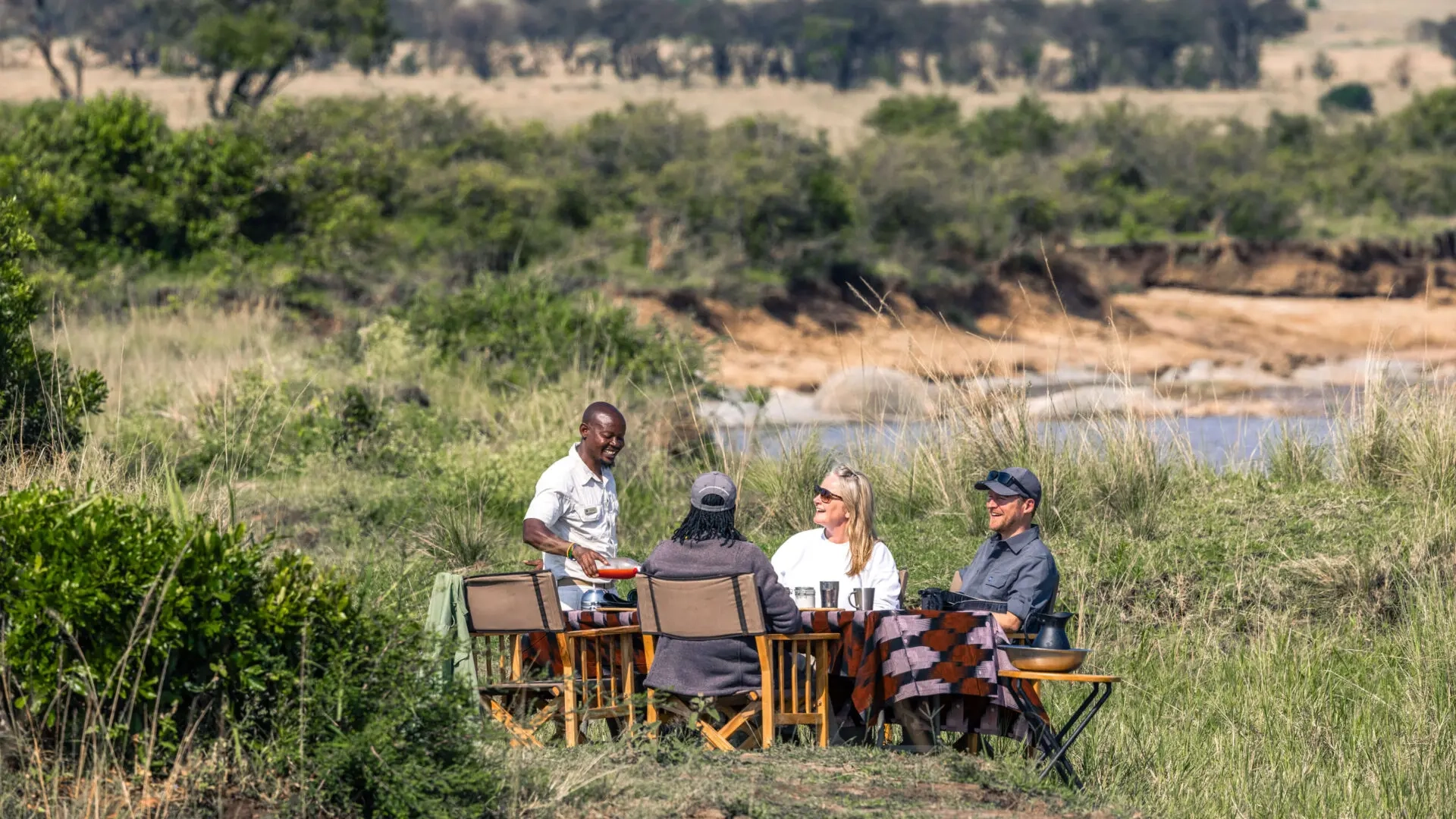
Definitive answer: A picnic lunch on safari is a packed or catered midday meal eaten at an approved…
Read article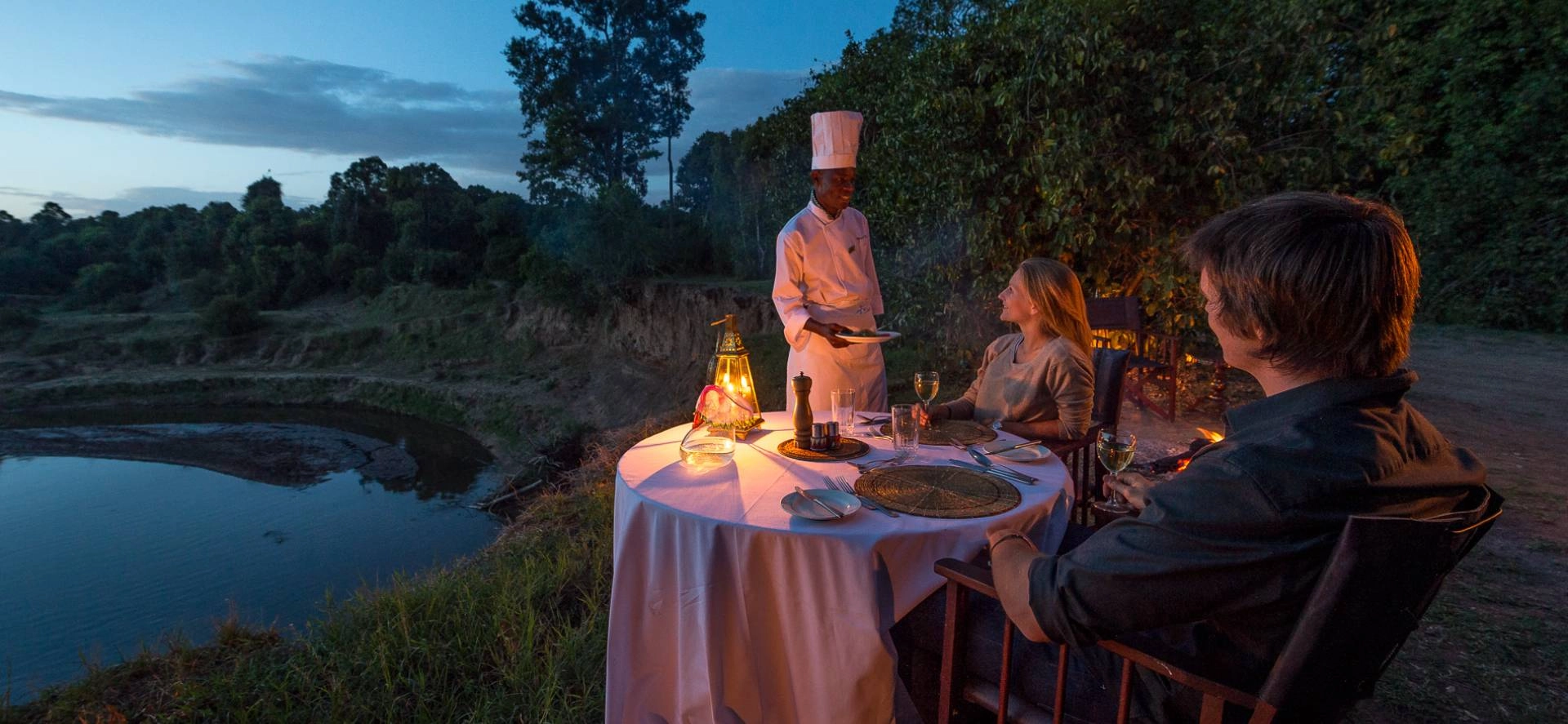
Definitive answer: A bush dinner is an outdoor evening meal arranged in a safe safari setting away from…
Read articleLet us take you closer to the wildlife, people and places that make Africa extraordinary.
Plan Your Safari Today