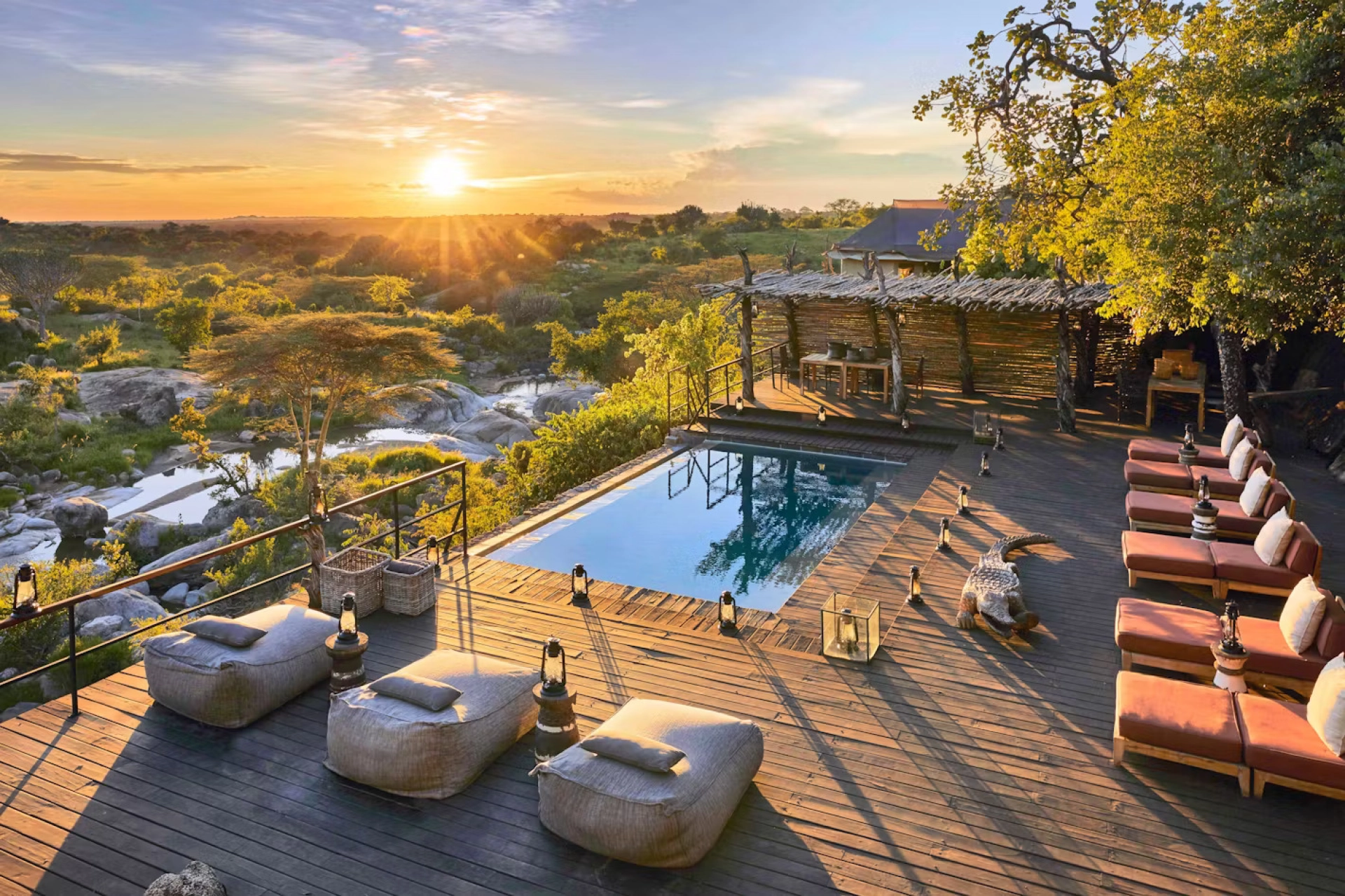
What should I look for when booking a luxury African safari?
When booking a luxury African safari, look beyond the room and compare the quality of guiding, wildlife location,…
Read article

Travel Guide
There is something uniquely exciting about returning to a wilderness you already know. On a first safari, almost everything is new. Every impala beside the road demands attention, every distant shape raises the possibility of a…
There is something uniquely exciting about returning to a wilderness you already know. On a first safari, almost everything is new. Every impala beside the road demands attention, every distant shape raises the possibility of a predator, and every bend in the track seems capable of producing the sighting of a lifetime. Returning to Kruger National Park, however, creates a different kind of anticipation. You understand enough about the landscape to know how unpredictable it can be.
That unpredictability lies at the heart of a great Kruger safari.
For experienced independent travellers Wendy and Peter from Belgium, another journey into South Africa’s legendary national park was never simply about ticking animals off a checklist. They had visited the region before. They understood that a safari cannot be scripted. Yet, as happens with almost every traveller heading into one of Africa’s greatest wildlife reserves, one question inevitably appeared before departure:
Would they see the Big Five in Kruger National Park? Lion. Leopard. Elephant. Rhino. Buffalo. These five animals have become symbols of the modern African safari, and Kruger is rightly regarded as one of the best destinations in Africa for encountering them. Yet reducing Kruger to five species misses much of what makes this enormous protected landscape extraordinary. This first part of our Kruger safari series explores the anticipation before the journey, the realities of searching for the Kruger Big Five, and why an independent safari can be rewarding even when wildlife refuses to follow the itinerary.
Located in northeastern South Africa, Kruger National Park protects an immense area of Lowveld wilderness along the borders with Mozambique and Zimbabwe. Together with adjoining private reserves and transfrontier conservation areas, the broader ecosystem forms one of Africa’s most important wildlife landscapes.
For safari travellers, Kruger’s appeal comes from an unusual combination of accessibility and genuine wilderness. Visitors can explore large parts of the park along an extensive network of roads. Accommodation ranges from established rest camps to private concessions and luxury lodges. At the same time, the park remains large enough for wildlife encounters to feel spontaneous rather than staged. A Kruger National Park safari can produce extraordinary sightings, but nothing is guaranteed.
A leopard may appear beside the road for several seconds before disappearing into dense bush. A lion pride can spend much of the day hidden in tall grass. Elephants may suddenly emerge from woodland, while buffalo can appear as a seemingly endless dark mass moving across the landscape. This uncertainty is precisely what makes safari exciting. For Wendy and Peter, their previous African travel experience meant they understood that wildlife watching rewards patience. Instead of approaching the park with a rigid checklist, they prepared to observe whatever Kruger offered.
The experience of a safari begins long before the first game drive.
Planning a Kruger safari in South Africa involves deciding where to enter the park, how many nights to spend inside it, which camps or lodges to use, what regions to explore and whether to travel independently or with a professional guide. Kruger is enormous. Trying to cover too much ground can easily turn a wildlife holiday into a long-distance driving exercise. Experienced visitors often understand that slower is better. Instead of constantly moving between distant camps, spending additional time within a smaller region allows travellers to learn the landscape. You begin recognising waterholes, river crossings, open plains and woodland sections where animals have previously appeared.
Patterns gradually emerge. A stretch of road that appears empty at midday might become remarkably active shortly after sunrise. A riverbed that looks quiet from a distance may conceal elephants, waterbuck, crocodiles or a leopard resting beneath vegetation. This is one reason independent Kruger safaris attract repeat visitors. Every drive becomes an exploration.
The phrase Big Five safari is deeply embedded in African tourism.
Historically, the term referred to five animals considered particularly dangerous for hunters to pursue on foot: lion, leopard, elephant, rhinoceros and African buffalo. Today, thankfully, most visitors encounter them through cameras, binoculars and responsible wildlife tourism. Kruger supports populations of all five. That does not mean seeing them all is automatic. Elephants may be relatively easy to encounter in many parts of the park, but leopards can remain elusive despite being present. Lions may spend hours sleeping far from the road. Rhinos are increasingly protected through conservation measures, and sightings should always be treated sensitively.
This creates one of the classic safari dilemmas. Should you actively chase the Big Five, or simply allow the safari to unfold naturally? For many experienced travellers, the second approach ultimately produces the richer experience.
Few animals generate excitement quite like an African lion.
The possibility of encountering a pride is enough to have safari travellers scanning every patch of shade beneath acacia trees. Kruger’s lions inhabit a range of environments, although open savannah, river systems and areas supporting abundant prey can provide particularly productive viewing. Early mornings are often excellent for predator sightings because temperatures are cooler and lions may still be active after the night. Tracks can provide clues. So can the behaviour of prey species.
Impala staring fixedly toward a thicket may have detected something. Alarm calls from monkeys or antelope can indicate the presence of a predator. Vultures gathering in trees can occasionally signal a carcass nearby. Learning to interpret these details transforms a Kruger game drive from simply driving around into genuine wildlife observation.
If lions inspire excitement, leopards inspire obsession.
A leopard sighting in Kruger National Park is often among the most memorable moments of an African safari. Leopards are secretive, beautifully camouflaged and largely solitary. They can disappear into vegetation with astonishing ease. Riverine woodland and areas with large trees can be productive places to search. Leopards sometimes rest on branches, particularly when they have carried prey into a tree. Yet even experienced guides can spend days without finding one.
This uncertainty makes every sighting valuable. Instead of assuming that visiting a famous wildlife reserve guarantees a leopard encounter, travellers should appreciate just how extraordinary it is to watch one of Africa’s most elusive predators behaving naturally.
Elephants provide a completely different type of safari experience. An adult African elephant standing beside a vehicle demonstrates the true scale of Africa’s largest terrestrial mammal. Kruger supports significant elephant populations, and sightings can occur throughout many areas of the park. Water plays an important role in elephant movements. During warmer conditions, family groups frequently visit rivers, dams and waterholes. Watching elephants at water can be fascinating. Calves may splash enthusiastically while adults drink, spray water over themselves or coat their skin with mud. Social interactions become easier to observe when a herd slows down.
Elephants also remind visitors of the importance of respectful safari behaviour. Vehicles should give them space, especially around breeding herds and young calves. Responsible wildlife viewing means allowing animals to choose whether to approach, cross the road or move away.
A lone buffalo bull can look intimidating. A herd containing hundreds of animals is unforgettable. African buffalo in Kruger frequently gather around water sources and productive grazing areas. Their dark bodies, heavy horns and deliberate movements make them one of the park’s most impressive large mammals. Buffalo are also ecologically important prey for lions. Where large herds occur, predators may not be far away. For photographers, buffalo offer excellent opportunities for environmental images. Instead of concentrating only on portraits, including dust, grassland, woodland or other herd members can communicate the scale of the encounter.
Seeing a rhinoceros in the wild is increasingly emotional. Kruger has historically been one of Africa’s most important rhino strongholds, but poaching has placed enormous pressure on populations. For this reason, responsible safari travellers should avoid publicly sharing precise rhino locations. A photograph can be shared without revealing where it was taken. This simple practice reflects a broader principle of responsible safari tourism in South Africa: wildlife experiences should contribute to conservation rather than create additional risks.
Seeing a rhino is therefore about far more than completing a Big Five checklist. It is an encounter with an animal at the centre of one of Africa’s most important conservation challenges.
One of the greatest lessons of any Kruger wildlife safari is that concentrating exclusively on the Big Five can cause travellers to overlook remarkable animals. Kruger is home to an extraordinary variety of mammals. Giraffes move elegantly between trees. Zebras gather on open plains. Hippos dominate rivers and pools. Warthogs trot through grasslands with their tails raised like small antennae. Then there are wild dogs. The African wild dog is one of the continent’s most endangered carnivores and can be far more difficult to encounter than most Big Five species.
A pack moving along a Kruger road can therefore become the highlight of an entire safari. Cheetahs are another coveted sighting. Although generally associated with more open habitat, these exceptionally fast predators occur within the greater Kruger ecosystem and provide unforgettable viewing when encountered. Hyenas deserve equal attention. Often misunderstood, spotted hyenas are sophisticated social predators with complex clan structures. Even the smaller animals matter. Mongooses, jackals, dwarf mongooses, civets and genets contribute to the ecological complexity of the park.
Kruger is not only a destination for mammal enthusiasts. It is also one of southern Africa’s great birding areas. A dedicated Kruger birding safari can produce an extraordinary variety of species, from enormous raptors to brilliantly coloured bee-eaters. Hornbills are frequently encountered beside roads. Eagles survey the landscape from prominent branches. Vultures circle high above the savannah while kingfishers patrol rivers and wetlands. Birding changes the rhythm of a safari.
When large mammals disappear during the warmer middle hours of the day, birds remain active and provide endless subjects for observation and photography. This is particularly useful for repeat visitors. Once the pressure to see the famous mammals fades, Kruger reveals another layer of biodiversity.
Photography plays an important role in Wendy and Peter’s travels. Kruger offers excellent opportunities because visitors may encounter wildlife at close range from vehicles. Yet successful Kruger wildlife photography requires more than owning a long lens. Patience matters. Animal behaviour matters. Light matters. Early mornings and late afternoons often provide softer light, while midday conditions can create harsh shadows and strong contrast. Understanding behaviour helps photographers anticipate moments. An elephant approaching water may begin spraying itself. A lion lifting its head may suddenly stand. A leopard watching impala may shift position.
Instead of continuously taking photographs, experienced wildlife photographers learn to wait. The best images often occur during a brief moment when behaviour, light and composition align.
First safaris are unforgettable because everything feels extraordinary. Repeat safaris can become even richer because travellers begin noticing details. Instead of asking only, “What animal is that?” they start asking different questions. Why is it behaving that way? What is it watching? Why are the impala alarm calling? Why are vultures gathering? Why are elephants moving toward the river? Safari gradually becomes less about collecting sightings and more about understanding ecosystems.
This is one reason people return repeatedly to Kruger National Park. The landscape never offers exactly the same experience twice.
Kruger is particularly famous for self-drive safaris, but guided game drives also have significant advantages. Independent travellers enjoy flexibility. You can stop when you want, spend longer photographing a particular animal and choose your own route. Professional guides bring specialist knowledge. They understand animal behaviour, recognise tracks, identify birds and interpret subtle signs that inexperienced visitors may overlook. For first-time African safari travellers, guided activities can provide an excellent introduction.
Experienced travellers may enjoy combining both approaches. A guided drive can deepen understanding of the ecosystem, while independent exploration provides freedom.
Kruger can be visited throughout the year, but conditions change significantly with the seasons. The drier months generally produce thinner vegetation and concentrate animals around dependable water sources, often making wildlife easier to locate. The greener season transforms the landscape. Summer rainfall creates lush vegetation, dramatic skies and abundant birdlife. Many animals give birth during productive periods, creating opportunities to observe young wildlife. Photographers may particularly appreciate the saturated landscapes and stormy skies.
There is therefore no single universal best time to visit Kruger National Park. The right season depends on priorities. Travellers primarily interested in easier large-mammal viewing may favour drier conditions, while birders and photographers seeking greener scenery may prefer the wet season.
Trying to experience Kruger in one or two hurried days rarely does justice to the park. Wildlife sightings depend heavily on chance. Spending additional nights provides more opportunities to experience different habitats, weather conditions and animal movements. For many travellers, four to seven nights creates a much more satisfying Kruger safari itinerary. Longer stays allow mornings to begin slowly. There is less pressure to race between sightings. If one drive is quiet, another may be extraordinary.
That flexibility is one of the greatest luxuries on safari.
Some of the most memorable safari moments occur when nothing dramatic appears to be happening. Sitting beside a waterhole may initially seem uneventful. Then impala arrive. A warthog approaches cautiously. Birds gather at the edge. Elephants appear from the woodland. Suddenly, the location becomes a theatre of interactions. Travellers who constantly drive in search of lions can easily miss these experiences. Kruger rewards patience.
Every visitor has a responsibility to protect the wilderness they have travelled to experience. Vehicles should respect speed limits and road rules. Animals should never be pressured or surrounded simply to obtain photographs. Noise should be minimised. Wildlife should never be fed. Sensitive sightings, particularly involving rhinos, should be handled responsibly. Choosing reputable safari operators, guides and accommodations can also help ensure tourism supports conservation and local employment. A responsible Kruger safari should leave wildlife undisturbed while contributing economically to the protection of the ecosystem.
Kruger works exceptionally well within a broader South Africa safari itinerary. Travellers may combine wildlife viewing with Johannesburg, Cape Town, the Panorama Route or other southern African destinations. For visitors planning a larger African journey, South Africa can also be paired with Botswana, Namibia, Zimbabwe, Zambia or East Africa. This allows travellers to compare dramatically different ecosystems. The wooded landscapes of Kruger feel very different from Botswana’s Okavango Delta, Namibia’s deserts or the vast grasslands associated with Kenya safaris and Tanzania safaris.
Those looking for primates can extend an African holiday into Uganda or Rwanda for gorilla trekking, creating a remarkable contrast between classic savannah wildlife viewing and rainforest encounters with mountain gorillas.
So, does a successful Kruger safari depend on seeing all five? Not really. The Big Five remain exciting, and encountering all of them is undeniably special. But the true value of safari comes from being immersed in a functioning wild ecosystem. A leopard disappearing into woodland can be unforgettable. So can a herd of elephants crossing a river. But equally memorable may be watching a hornbill catching insects, giraffes moving through golden evening light or hyenas interacting beside the road.
Experienced safari travellers gradually understand that there are no “ordinary” sightings. Every encounter provides another piece of the ecological story.
For Wendy and Peter, anticipation was part of the experience. Returning to Kruger meant returning to uncertainty. They could prepare routes, cameras and accommodation. They could study maps and remember productive areas from previous journeys. What they could not control was wildlife. That is exactly how a safari should be. Would the lions appear? Would a leopard cross their path? Would elephants dominate the day’s sightings? Would the Kruger Big Five cooperate?
Or would entirely different animals become the stars of the journey? Those questions followed them through the park gates. And as every experienced safari traveller knows, the answers can change around the very next corner.
A successful Kruger National Park safari begins with realistic expectations. Allow enough time. Explore slowly. Wake early. Keep binoculars within reach. Listen to alarm calls. Look into trees as well as across grasslands. Pay attention to birds and smaller animals. Most importantly, resist the temptation to judge the quality of the day according to how many famous animals you have photographed. Africa’s wilderness is not a zoo. Its unpredictability is its greatest attraction.
Whether you encounter all of the Big Five in Kruger or only a few, the park offers something far more valuable: the opportunity to spend time inside one of the world’s great wildlife ecosystems. For travellers who approach it with curiosity rather than a checklist, Kruger National Park has an extraordinary ability to make every safari feel different. And for Wendy and Peter, this was only the beginning. Their journey would continue with changing landscapes, unexpected encounters, wildlife photography and the inevitable comparison every repeat visitor makes:
How different would Kruger be this time?
A Kruger safari in South Africa is ultimately not about completing a wildlife checklist. It is about waking before sunrise and wondering what the bush will reveal. It is about scanning riverbeds, listening for alarm calls, watching elephants disappear into woodland and discovering that a seemingly empty road can suddenly produce one of the most memorable wildlife encounters of your life. The Big Five may provide the headline. But Kruger’s real story is much larger.
For independent travellers like Wendy and Peter, that unpredictability is exactly what keeps Africa calling them back.
Get quick answers to the most common questions. If you still have questions, our safari experts are here to help.
Yes. Kruger National Park is home to lion, leopard, African elephant, rhinoceros and African buffalo, making it one of Africa’s best-known Big Five safari destinations. However, sightings are never guaranteed because these are wild animals moving through a vast natural ecosystem.
Yes. A Kruger safari is an excellent introduction to African wildlife because the park supports exceptional biodiversity, has an extensive road network and offers accommodation across several price levels.
Yes. Kruger is one of Africa’s most famous self-drive safari destinations. Visitors can explore designated roads independently, although guided game drives are highly recommended for travellers who want professional wildlife interpretation.
A stay of approximately four to seven nights gives travellers substantially more opportunities for wildlife sightings than a very short visit. Longer stays also allow you to explore different habitats without rushing.
Kruger supports giraffes, zebras, hippos, crocodiles, cheetahs, African wild dogs, spotted hyenas, numerous antelope species, primates and an exceptional diversity of birds.
Yes. Kruger wildlife photography can be excellent because many animals are accustomed to vehicles and can sometimes be observed at close range. Early mornings and late afternoons often provide attractive light.
No. No responsible safari operator should guarantee sightings of specific wild animals. The unpredictability of wildlife is an essential part of an authentic African safari experience.
Absolutely. Seasonal changes, animal movements, weather and chance mean that no two Kruger safaris are identical. Repeat visitors often appreciate animal behaviour and the wider ecosystem even more than they did during their first visit.
Our safari experts are here to help you plan your safari. Get personalized advice, the latest information and a free, no-obligation quote.
We typically reply within a few hours.

Share This Article
When booking a luxury African safari, look beyond the room and compare the quality of guiding, wildlife location,…
Read article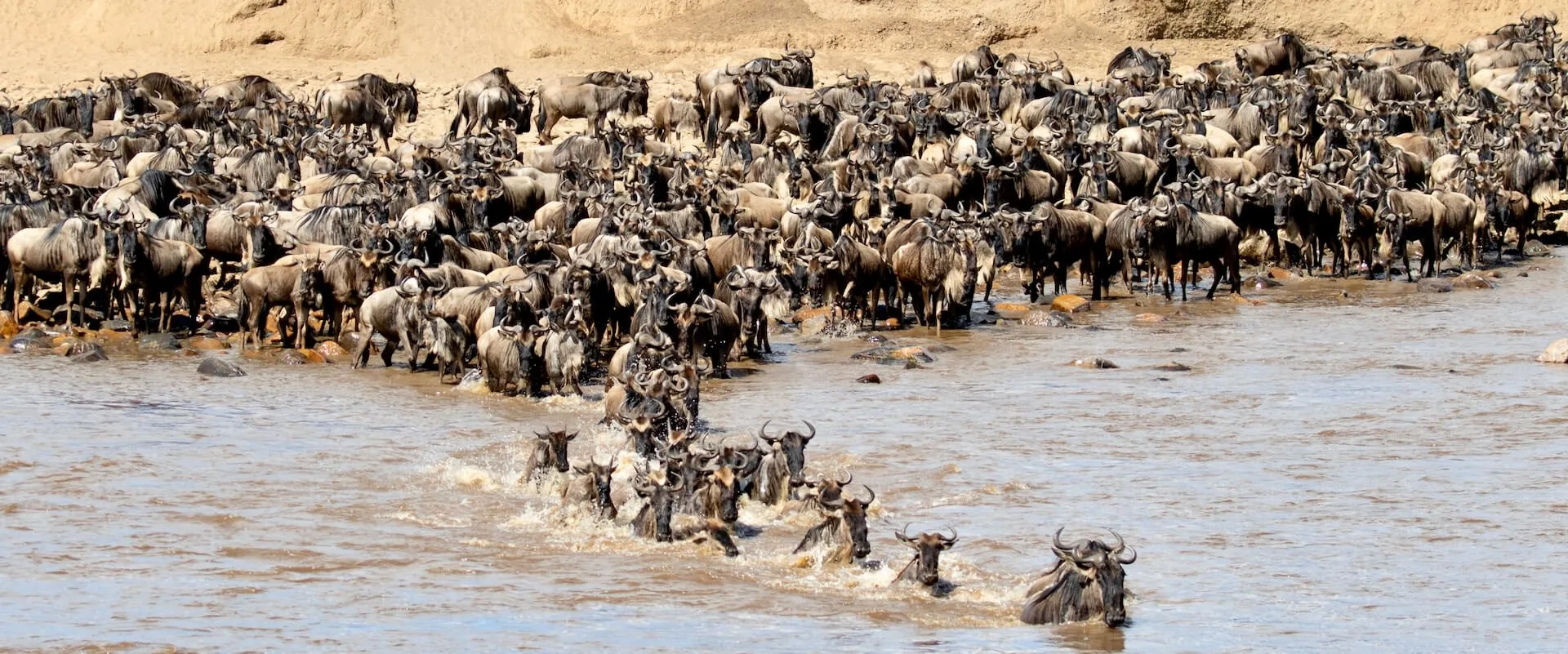
The Great Migration in Africa happens all year because the herds continuously circulate through the Serengeti–Mara ecosystem in…
Read article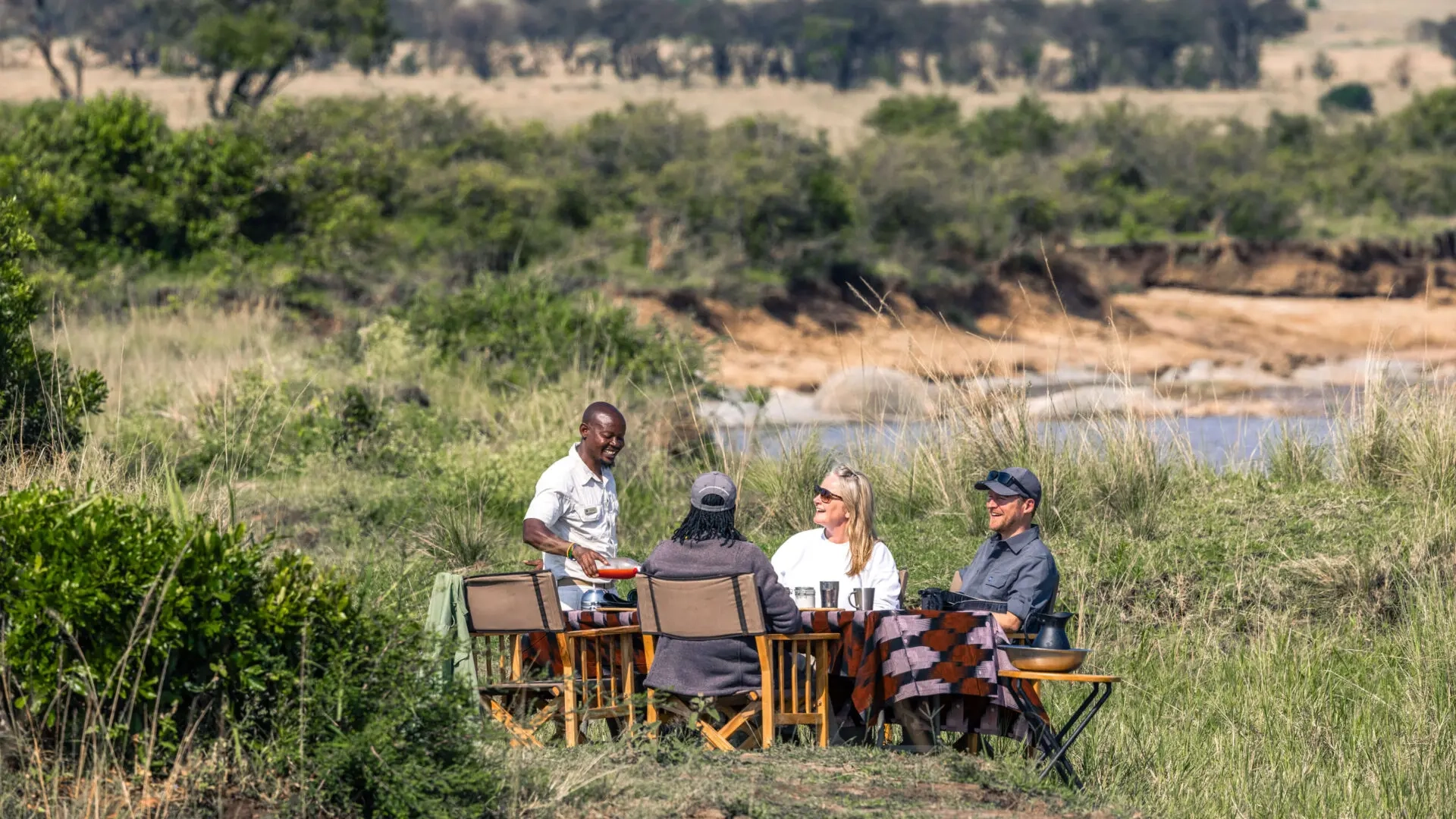
Definitive answer: A picnic lunch on safari is a packed or catered midday meal eaten at an approved…
Read article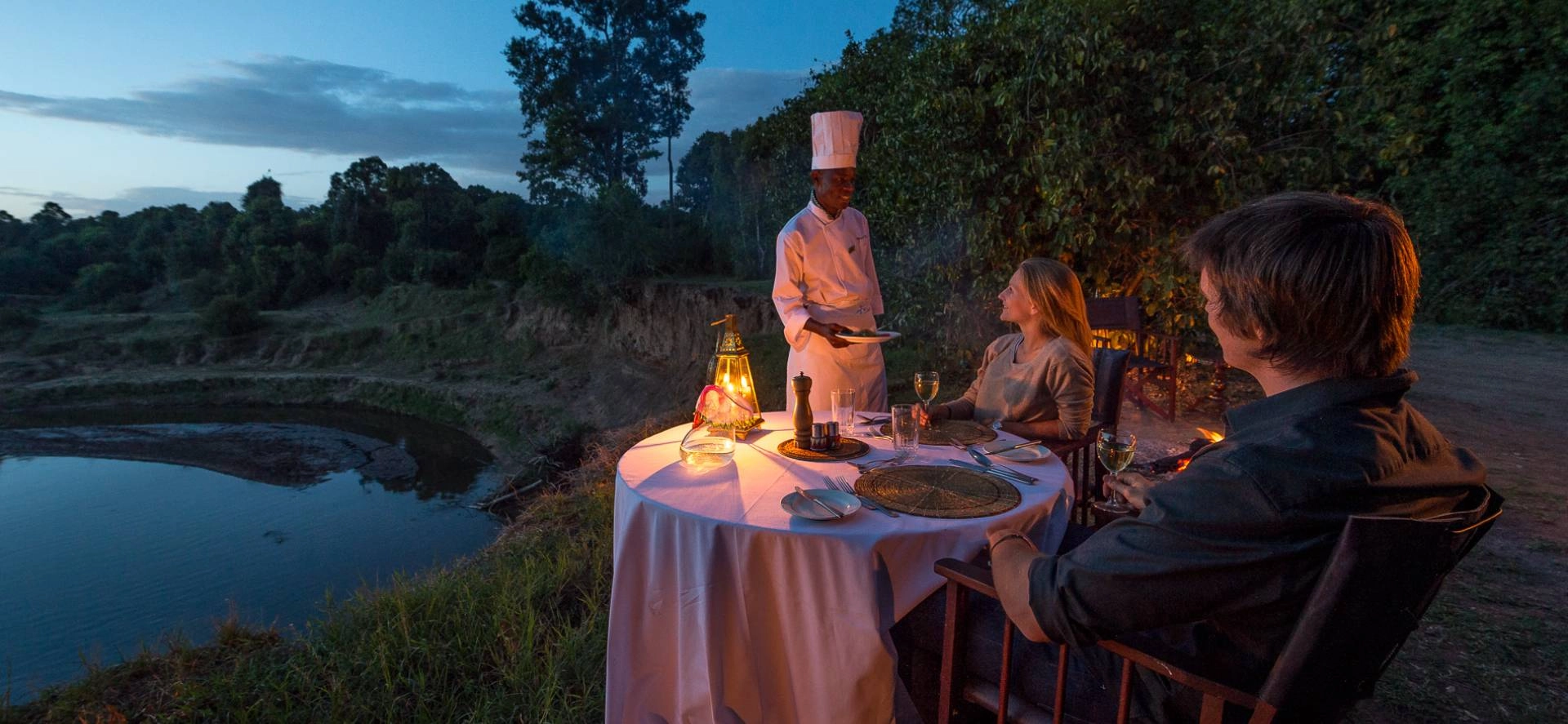
Definitive answer: A bush dinner is an outdoor evening meal arranged in a safe safari setting away from…
Read articleLet us take you closer to the wildlife, people and places that make Africa extraordinary.
Plan Your Safari Today