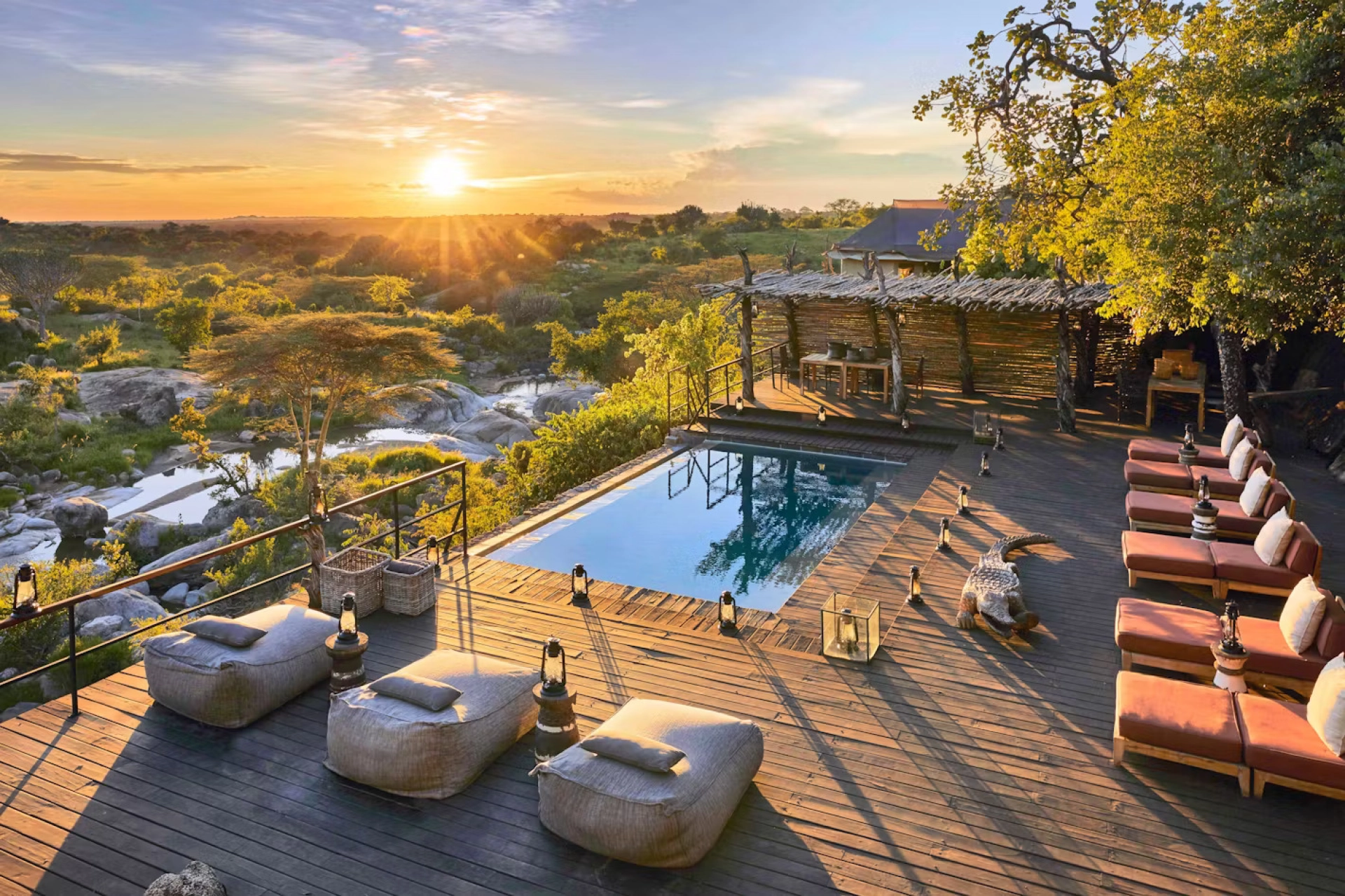
What should I look for when booking a luxury African safari?
When booking a luxury African safari, look beyond the room and compare the quality of guiding, wildlife location,…
Read article

Travel Guide
The first African safari often revolves around achievement. Lions in Kruger National Park Have we seen lions? Have we found a leopard? Where are the elephants? Will we see a rhino? How many Big Five animals…
The first African safari often revolves around achievement.
Have we seen lions? Have we found a leopard? Where are the elephants? Will we see a rhino? How many Big Five animals remain? This checklist creates excitement, and there is nothing wrong with it. Seeing iconic African wildlife for the first time is extraordinary. But repeat visitors often begin travelling differently. They know that elephants will probably appear eventually. They understand that lions sleep for long periods. They no longer panic when a morning drive begins quietly.
Instead, they notice details. A fresh leopard track. The smell of wild basil after rain. Vultures descending. A herd of impala staring toward the same patch of grass. The sound of a distant lion before sunrise. The repeat safari becomes less about collecting species and more about reading the landscape.
Visitors sometimes think of national parks as stable spaces where wildlife simply remains protected inside fixed boundaries.
Ecosystems are much more dynamic. Rainfall influences vegetation. Vegetation influences herbivores. Herbivore distribution affects predators. Fire changes plant structure. Water availability changes movement. Disease can affect populations. Competition changes behaviour. Human management decisions also influence the landscape. This means the Kruger you visit in one year can differ substantially from the Kruger encountered several years later.
Rain is one of the strongest drivers of change.
After good rains, the bush becomes green. Temporary pans fill. Grass grows. Insects emerge. Bird activity increases. Herbivores gain access to widespread food and water. Animals no longer need to concentrate around permanent rivers and artificial water sources. This can make wildlife more difficult to find from roads. Yet the landscape becomes visually spectacular.
During dry periods, the opposite happens.
Grass becomes sparse. Leaves fall from some trees. Visibility improves. Temporary water disappears. Animals become increasingly dependent on reliable rivers, dams and waterholes. Game viewing can therefore become more predictable. Elephants gather around water. Buffalo move between feeding and drinking areas. Predators know prey must eventually approach dependable water. For photographers and first-time safari travellers, this concentration can be extremely rewarding. But “better wildlife viewing” does not mean the ecosystem itself is better.
Dry seasons are demanding periods for animals.
Kruger’s warmer, wetter months transform the park.
The colours become richer. Grass grows tall. Trees carry leaves. Migratory birds increase diversity. Many animals give birth. Insects become abundant. Storms build dramatic skies. This can be an extraordinary period for travellers interested in birding, photography and young animals. The trade-off is visibility. A leopard can disappear into green vegetation almost instantly. Lions may be concealed by tall grass. Water is more widely available, so animals may be dispersed.
Experienced visitors often enjoy precisely this challenge.
The cooler dry season is popular for good reason. Mornings can be cold, but daytime conditions are often comfortable. Vegetation becomes thinner. Wildlife may concentrate more strongly near dependable water. Roadside visibility improves. This can create excellent conditions for classic game viewing. Winter light can also be beautiful. Dust and dry grass produce warm tones around sunrise and sunset. Yet repeat travellers may eventually want to experience both seasons because each reveals different ecological stories.
One of Kruger’s great lessons is that there is no permanently “good” road. A route can feel empty one morning and extraordinary the next. Yesterday, nothing happened. Today, lions killed a buffalo beside the road. Tomorrow, the carcass attracts hyenas and vultures. Several days later, only bones remain. Wildlife is constantly moving. This is why experienced travellers resist declaring a route unproductive after one drive.
Repeat safari visitors often begin noticing tracks. Large lion prints are relatively easy to recognise once learned. Leopard tracks differ subtly. Hyena spoor has another shape. Elephant tracks can be enormous. Freshness matters. Sharp edges suggest recent passage. Wind and traffic gradually soften impressions. Professional guides develop this skill far beyond what occasional visitors can achieve, but even basic tracking knowledge transforms self-drive safari. A road is no longer empty.
It contains evidence.
Animals constantly communicate information. Impala snort sharply when they detect predators. Baboons can become extremely vocal. Monkeys react. Birds may mob snakes or raptors. Experienced safari travellers learn to listen. A sudden alarm call may be more useful than driving another ten kilometres. Stop. Look in the direction the animals are facing. Scan carefully. Something may be there.
Giraffes have exceptional height and vision. When several individuals stare fixedly in one direction, safari guides pay attention. They may have detected lions or another predator. Their body language becomes information. This is one of the pleasures of repeat safari travel. Animals begin helping you find other animals.
Vultures circling high overhead may simply be using thermals. Vultures descending rapidly toward one location deserve closer attention. There could be a carcass. A predator might still be nearby. Observing the sky therefore becomes part of game viewing. Experienced travellers scan upward as well as sideways.
On a first safari, finding a lion feels like success. Later, behaviour becomes the goal. Is the lion hunting? Resting after feeding? Calling? Searching for pride members? Watching buffalo? Following a lioness? The same applies to leopards. A leopard resting in a tree is beautiful. A leopard actively stalking prey reveals far more about its ecology. Understanding behaviour makes every encounter richer.
There is a moment in many repeat safari journeys when travellers drive past sleeping lions. This would have seemed impossible on the first trip. But experience teaches a simple lesson. A sleeping lion can remain asleep for hours. Meanwhile, something extraordinary may be happening elsewhere. This does not mean lions become boring. It means the quality of observation becomes more important than species prestige.
First-time visitors are overwhelmed by elephant size. Repeat visitors become fascinated by social behaviour. Which female is leading? Where are the calves? How do adults position themselves around young animals? What vocalisations are occurring? Why did the herd suddenly stop? How are they reacting to the vehicle? Elephants become individual social animals rather than simply large photographic subjects.
Waterholes reveal elephant relationships beautifully. Dominant individuals may control access. Young elephants play. Calves learn to use their trunks. Adults drink enormous quantities. Mud becomes sunscreen and insect protection. Different herds may meet. Tension or greeting follows. Spending an hour at water can teach more than several rushed elephant sightings.
Large buffalo herds create another layer of safari complexity. Individuals vary in age and condition. Calves remain protected. Older bulls may separate into smaller groups. Lions assess herd vulnerability. Oxpeckers move among animals. Mud and water influence behaviour. Once you stop viewing buffalo solely as one member of the Big Five, they become far more interesting.
Repeat visitors frequently develop an obsession with African wild dogs. Why? Because encounters are unpredictable and dynamic. A lion may sleep all morning. Wild dogs rarely waste time once active. The pack greets. Moves. Hunts. Communicates. Plays. Disappears. Their enormous home ranges make them difficult to locate consistently. Every sighting feels fortunate.
Hyenas undergo a similar transformation in traveller perception. Many first-time visitors initially see them as unattractive scavengers. Observation changes this. Hyenas hunt. They maintain complex social hierarchies. Females dominate clans. Cubs interact around dens. Individuals communicate through scent and vocalisation. They compete intensely with lions. A repeat safari often produces a new appreciation for species initially overlooked.
This is perhaps the most predictable transformation. First safari: “Another bird.” Third safari: “Stop! Was that a martial eagle?” Once large mammals become familiar, birds open an entirely new safari world. Kruger supports extraordinary avian diversity. Rollers. Hornbills. Bee-eaters. Kingfishers. Eagles. Vultures. Owls. Storks. Bustards. Small woodland birds. The safari becomes interesting every minute.
A mammal-focused visitor can drive for an hour and believe nothing happened. A birder sees constant activity. This changes the emotional rhythm of safari. You no longer need predators to make a morning successful. A rare raptor can become the highlight. A beautiful kingfisher is worth stopping for. A flock moving through woodland creates excitement. Birding makes repeat safaris almost infinitely renewable.
Kruger contains distinctive trees that shape habitat. Baobabs. Mopane. Marula. Fever trees. Knob thorns. Riparian giants. Learning trees helps explain wildlife distribution. Elephants feed differently according to vegetation. Giraffes browse selectively. Bird species respond to habitat structure. Leopards choose particular resting places. The ecosystem becomes more understandable when plants are no longer just “bush.”
First-time visitors sometimes find dense mopane frustrating because visibility can be limited. Repeat visitors often appreciate it differently. Mopane supports specialised wildlife and creates distinctive scenery. Elephants are strongly associated with these northern landscapes. Bird communities change. Seasonal leaf colour transforms the view. The habitat teaches patience.
Kruger’s major rivers are much more than scenic viewpoints. They provide water, vegetation and movement corridors. Riverine woodland supports species that may be uncommon in drier surrounding habitats. Leopards often favour these environments. Elephants move along rivers. Birdlife increases. Hippos and crocodiles add aquatic dimensions. Experienced visitors slow down at bridges and viewpoints.
First-time visitors often arrive at a waterhole, look around and leave if no major animal is visible. Experienced travellers wait. Waterholes change minute by minute. Birds arrive. Impala approach nervously. Zebra wait. Giraffes appear. Elephants may arrive suddenly and dominate the entire scene. Predators sometimes use nearby cover. Waiting allows the ecosystem to come to you.
One of the biggest differences between first and repeat safaris is comfort with silence. New visitors often feel something should constantly happen. Experienced travellers understand that waiting is part of safari. Turn off the engine. Listen. Wind. Birds. Insects. Distant alarm calls. Breaking branches. Sometimes sound reveals wildlife before sight does.
Early departures can feel difficult on the first few days. Repeat visitors know what is at stake. The first light is beautiful. Temperatures are cooler. Predators may still be active. Nocturnal animals are returning to cover. Birdsong begins. Roads are quieter. Even when major wildlife does not appear, sunrise in the bush is an experience in itself.
Some travellers return to camp during midday. Others stay out. Both approaches can work. Midday heat reduces activity for many species, but wildlife remains unpredictable. Elephants visit water. Birds continue moving. A leopard may appear. Lions occasionally change position. Cloud cover can transform conditions. Experienced travellers choose according to weather, fatigue and local knowledge rather than rigid rules.
Late afternoon brings renewed energy. Temperatures fall. Shadows lengthen. Herbivores become active. Predators may begin waking. Photographic light improves. There is also a psychological intensity because gate-closing time approaches. You cannot simply keep following an animal indefinitely. The road home becomes part of the adventure.
Once camp gates close, the landscape belongs increasingly to nocturnal wildlife. Hyenas move. Lions call. Owls become active. Small nocturnal mammals emerge. Visitors staying inside camps can still experience the bush through sound. A lion roaring outside camp at night creates a very different relationship with wildlife from seeing the same animal in daylight. Guided night drives, where available, reveal another Kruger.
Repeat travel also changes because memories overlap. You drive past a junction and remember elephants from a previous trip. A waterhole recalls a leopard. A camp reminds you of a storm. The park develops personal geography. Certain places become meaningful even when no wildlife is present. This is why people describe themselves as “returning to Kruger” rather than simply visiting again.
First-time safari marketing can create unrealistic expectations. Documentaries compress months of filming into one hour. Social media shows only exceptional moments. Real safari includes quiet periods. Repeat travellers understand this. They stop measuring success by constant drama. A morning with no cats can still be excellent. This reduction in expectation paradoxically increases enjoyment.
The Big Five remain extraordinary animals. But repeat travellers begin questioning why five species should dominate safari. What about wild dogs? Cheetahs? Ground hornbills? Honey badgers? Pangolins? Aardvarks? African wild cats? Owls? Rare antelope? The more you learn, the longer the wildlife wish list becomes.
A mongoose crossing the road may once have been ignored. Later trips produce questions. Which mongoose species? Where does it live? What does it eat? Why is it active now? This curiosity is the hallmark of experienced safari travel. Knowledge creates interest.
Crocodiles are obvious. Smaller reptiles require attention. Monitor lizards. Tortoises. Snakes. Agamas. Geckos. Season and temperature influence activity. A snake crossing the road can become a major sighting precisely because such encounters are unpredictable.
Summer brings an explosion of insect life. Butterflies. Beetles. Termites. Dragonflies. Moths. These creatures support birds, reptiles and mammals. Termite emergences can trigger feeding frenzies. Suddenly, something travellers previously considered annoying becomes part of understanding the ecosystem.
Fire is natural in savannah ecosystems. Recently burned areas may initially look devastated. Soon, fresh growth appears. Herbivores are attracted to nutritious shoots. Predator visibility may improve. Different sections of Kruger therefore look radically different depending on recent fire history. Repeat visitors witness this cycle over time.
Not every ecological change is visually beautiful. Drought creates hardship. Animals weaken. Water disappears. Vegetation declines. Mortality increases. Safari visitors may witness difficult scenes. These experiences remind us that protected wilderness is not a theme park. Nature includes scarcity and death.
First-time visitors often hope to see a kill. Actually witnessing one can be emotionally complicated. Predators need to eat. Prey animals struggle to survive. There are no villains. Repeat safari experience often produces greater acceptance of this reality. Instead of cheering for one side, you observe the ecological process.
The first trip produces thousands of photographs. Every animal is photographed. Later trips become more selective. Light matters more. Background matters. Behaviour matters. You may watch an animal without taking a single frame because the photographic situation is poor. Then, when conditions become exceptional, you are ready. Quantity declines. Quality improves.
Repeat photographers rediscover common species. Impala in perfect light. Zebra patterns. Giraffe silhouettes. Warthog behaviour. Baboons grooming. Elephants at water. Because these animals are encountered frequently, photographers can wait for excellent situations rather than accepting ordinary ones.
At first, the camera points almost exclusively at wildlife. Later, photographers begin recording Kruger itself. Roads. Rivers. Storm clouds. Trees. Sunrise. Dust. Fire. Mountains. Mopane. Landscape photographs often age beautifully because they preserve atmosphere.
Dry-season photographs contain warm earth tones, sparse vegetation and dust. Green-season images contain saturated foliage, dramatic skies and young animals. Neither is objectively better. They tell different stories. Repeat visits during contrasting seasons create a much more complete photographic record.
Experience improves self-drive safari enormously. Travellers learn distances between camps. They understand how long wildlife stops consume. They stop creating unrealistic daily routes. They know when to turn around. They recognise useful roads. They understand gate times. Less mental energy goes into logistics, leaving more attention for wildlife.
New visitors often try to cover enormous distances. More road equals more wildlife, right? Not necessarily. Experienced visitors learn that slow driving is often more productive. Tracks become visible. Small animals are noticed. Birds appear. Movement in vegetation is easier to detect. A short road driven carefully can produce more than a long route covered quickly.
There is no shame in driving the same road repeatedly. If habitat is good, return. Predators move. Carcasses attract scavengers. Waterholes change. A quiet road yesterday can be extraordinary today. Safari rewards repetition.
Information from other travellers can be useful. But constantly chasing reports can become exhausting. By the time you arrive, the leopard may have disappeared. Meanwhile, you drove past numerous opportunities. Experienced travellers use information selectively. They trust their own search. Finding wildlife yourself provides particular satisfaction.
Large predator sightings can create congestion. Sometimes joining is worthwhile. Sometimes it is not. If the animal is hidden and dozens of vehicles are competing for position, leave. The park is enormous. Another experience awaits. Repeat visitors understand there is no need to “win” a sighting.
Different camps provide access to different habitats. Choosing accommodation is therefore not merely a logistical decision. It shapes wildlife experience. Southern camps may provide productive predator country. Central locations access open savannah. Northern camps open routes into mopane and tropical river systems. A multi-camp itinerary can reveal Kruger’s ecological diversity.
Moving every night seems efficient on paper. In reality, constant packing reduces safari time. Staying two or three nights in each region allows exploration. You learn nearby roads. You can revisit waterholes. You stop worrying about reaching the next camp. Slow itineraries generally suit repeat travellers particularly well.
The south is popular because wildlife viewing can be excellent. Rivers, woodland and high prey densities create productive predator habitat. It can also be busy. Experienced visitors learn to balance famous routes with quieter alternatives. Early starts help. Secondary roads can be rewarding.
Central Kruger provides broad landscapes, substantial herbivore populations and excellent predator potential. The openness makes scanning easier. Large herds and raptors can be particularly rewarding. Photographers appreciate the wider backgrounds.
The north offers fewer vehicles and a stronger wilderness atmosphere. Wildlife may sometimes require more work. That is precisely the attraction. Mopane, large rivers, elephants and excellent birding create a different safari identity. Repeat visitors often find themselves increasingly drawn north.
Pafuri and Punda Maria regions are particularly valued by birders. The landscape becomes more tropical. Riverine forests create habitat diversity. Large trees dominate certain areas. The safari pace naturally slows. For travellers who have already experienced classic southern Kruger, the far north can feel like discovering another park.
Birding may be the single best way to keep Kruger endlessly interesting. More than 500 bird species have been recorded in the park. Even experienced birders continue finding new targets. Summer migrants change the list. Different habitats produce different communities. The search never really ends.
Birders can create a new challenge around Kruger’s famous Big Six: southern ground hornbill, kori bustard, martial eagle, lappet-faced vulture, saddle-billed stork, and Pel’s fishing owl. Suddenly, the Big Five mammals are only one of several safari objectives.
Repeat visitors often become more interested in conservation. Why are rhino locations sensitive? Why are vultures declining? How does fire management work? How does drought influence elephants? What happens outside park boundaries? Safari evolves into ecological curiosity. This is a positive progression. Tourism is most meaningful when visitors understand what is required to protect the wildlife they enjoy.
Kruger is not a landscape without human history. Archaeological and cultural sites reveal long interaction between people and the Lowveld. Repeat travellers who have already focused heavily on wildlife may begin exploring this deeper history. It broadens understanding of the park beyond conservation established in the modern era.
Experience should increase responsibility. Speeding reduces wildlife observation and creates danger. Leaving vehicles illegally risks lives. Blocking animals causes stress. Litter damages habitat. Unauthorised drones disturb wildlife and other visitors. Good safari behaviour protects both animals and the quality of everybody’s experience.
Kruger lies within a malaria-risk region. Travellers should seek current professional medical advice appropriate to their personal circumstances and travel dates. Repeat visitors should not become complacent simply because previous trips were trouble-free. Health planning remains part of responsible travel.
Patience may be the greatest skill Kruger teaches. You cannot control wildlife. You cannot order a leopard. You cannot schedule lions. You cannot guarantee wild dogs. You can only put yourself in good habitat, observe carefully and wait. Modern life rarely rewards this kind of patience. Safari does.
Sometimes nothing obvious happens. The road is quiet. The heat builds. No predators appear. This is still part of safari. Look at trees. Listen to birds. Stop beside water. Watch insects. Enjoy the landscape. The idea that every minute must deliver excitement is incompatible with wilderness.
This is the other Kruger pattern. Hours of quiet. Then impala alarm. A leopard crosses. Elephants appear. Wild dogs race past. Vultures descend. The day suddenly becomes unforgettable. You could not have scheduled any of it. That unpredictability is addictive.
Some travellers wonder why anyone would visit the same national park repeatedly when Africa contains so many destinations. Because a wildlife destination is not a monument. You do not “see” it once. Kruger is alive. Returning in another season, another year or another region produces another experience. The place may be geographically familiar while the safari remains new.
Travellers familiar with Kruger may eventually want to compare it with East Africa. The Masai Mara and Serengeti introduce larger open grasslands and migration systems. Uganda adds mountain gorillas and chimpanzees. Rwanda combines primates with Akagera’s savannah. Each ecosystem teaches something different. Experienced African travellers increasingly appreciate contrast rather than searching for one “best” safari.
A particularly strong multi-country journey combines a South Africa safari with gorilla trekking in Uganda. Kruger provides self-drive or guided Big Five viewing. Bwindi introduces rainforest trekking and intimate mountain-gorilla encounters. The contrast is enormous. Open safari vehicle versus walking. Savannah versus rainforest. Big cats versus primates. Together they demonstrate Africa’s ecological diversity.
Kruger also combines well with Kenya or Tanzania for travellers interested in comparing safari systems. The Masai Mara and Serengeti provide migration landscapes and open-plains predator viewing. Kruger offers different vegetation, excellent infrastructure and self-drive possibilities. Neither replaces the other. They complement each other.
Experienced travellers often stay longer rather than shorter. Seven days provides a strong safari. Ten to fourteen days allows much slower exploration. Longer stays make northern regions practical. There is less pressure to maximise every drive. Rest days become possible. The safari becomes a temporary lifestyle rather than a rushed holiday.
Do not attempt to recreate the previous trip. If you saw an extraordinary leopard at a particular waterhole three years ago, returning there does not recreate the moment. Wildlife has moved. Instead, allow the new journey to develop its own identity. Maybe this will be the wild-dog trip. The birding trip. The elephant trip. The green-season trip. The quiet northern trip. Difference is the point.
The Belgian travellers’ return to Kruger illustrates something experienced safari visitors understand instinctively: You can travel the same roads without having the same safari. A familiar waterhole may be empty. A road that produced lions last time may produce nothing. Then a route you nearly skipped provides the best leopard sighting of your life. Rain transforms the vegetation. Young animals appear. Birds migrate. Predators move. And your own interests evolve.
That is why repeat safari travel is not repetition. It is comparison. You begin seeing ecological change. You understand behaviour better. You appreciate common species. You become comfortable with quiet. You stop demanding that wildlife perform. And gradually, safari becomes less about what you managed to see and more about how deeply you managed to observe. That may be the greatest reason to return to Kruger National Park. Not because you expect it to be the same.
Because you know it won’t be.
Adventure in the Wild Safaris creates tailor-made African wildlife journeys for first-time and repeat safari travellers. A Kruger safari can be combined with Uganda gorilla trekking, Rwanda, Kenya’s Masai Mara, Tanzania’s Serengeti or other African destinations to create contrasting wildlife experiences rather than repeating the same safari style.
Absolutely. Seasonal conditions, rainfall, animal movement, habitat and personal interests make every Kruger journey different.
Travellers who previously visited during the dry season may particularly enjoy returning during the green season, and vice versa, because the landscape and wildlife experience change substantially.
Dry-season conditions often improve visibility and concentrate animals around dependable water, making conventional game viewing easier.
Yes. Summer provides green landscapes, young animals, dramatic storms, insects and particularly rich birdlife.
Yes. Northern and far-northern Kruger offer different vegetation, excellent birding and generally lower visitor densities than popular southern regions.
Kruger is particularly well suited to self-driving, and experienced visitors often appreciate the freedom to choose their own pace and routes.
Only if you want to. Repeat safaris become much richer when attention expands to birds, smaller mammals, behaviour, plants and landscapes.
Seven to ten days provides a good experience, while ten to fourteen days or longer allows slower exploration of multiple regions.
Yes. Combining Kruger with Uganda’s Bwindi Impenetrable National Park creates an outstanding savannah-and-rainforest wildlife journey.
Rainfall, vegetation, water availability, fire, animal movement, breeding patterns and other ecological processes continually reshape the safari experience.

Share This Article
When booking a luxury African safari, look beyond the room and compare the quality of guiding, wildlife location,…
Read article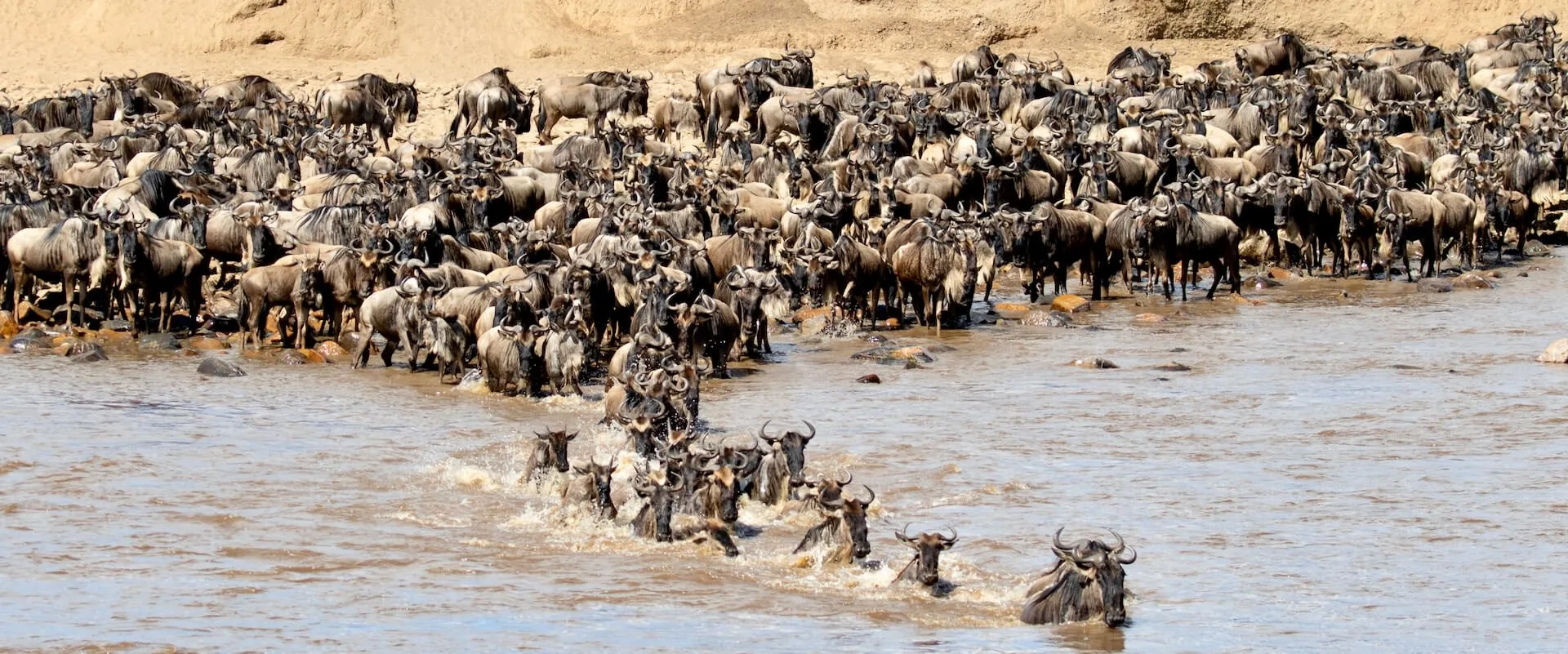
The Great Migration in Africa happens all year because the herds continuously circulate through the Serengeti–Mara ecosystem in…
Read article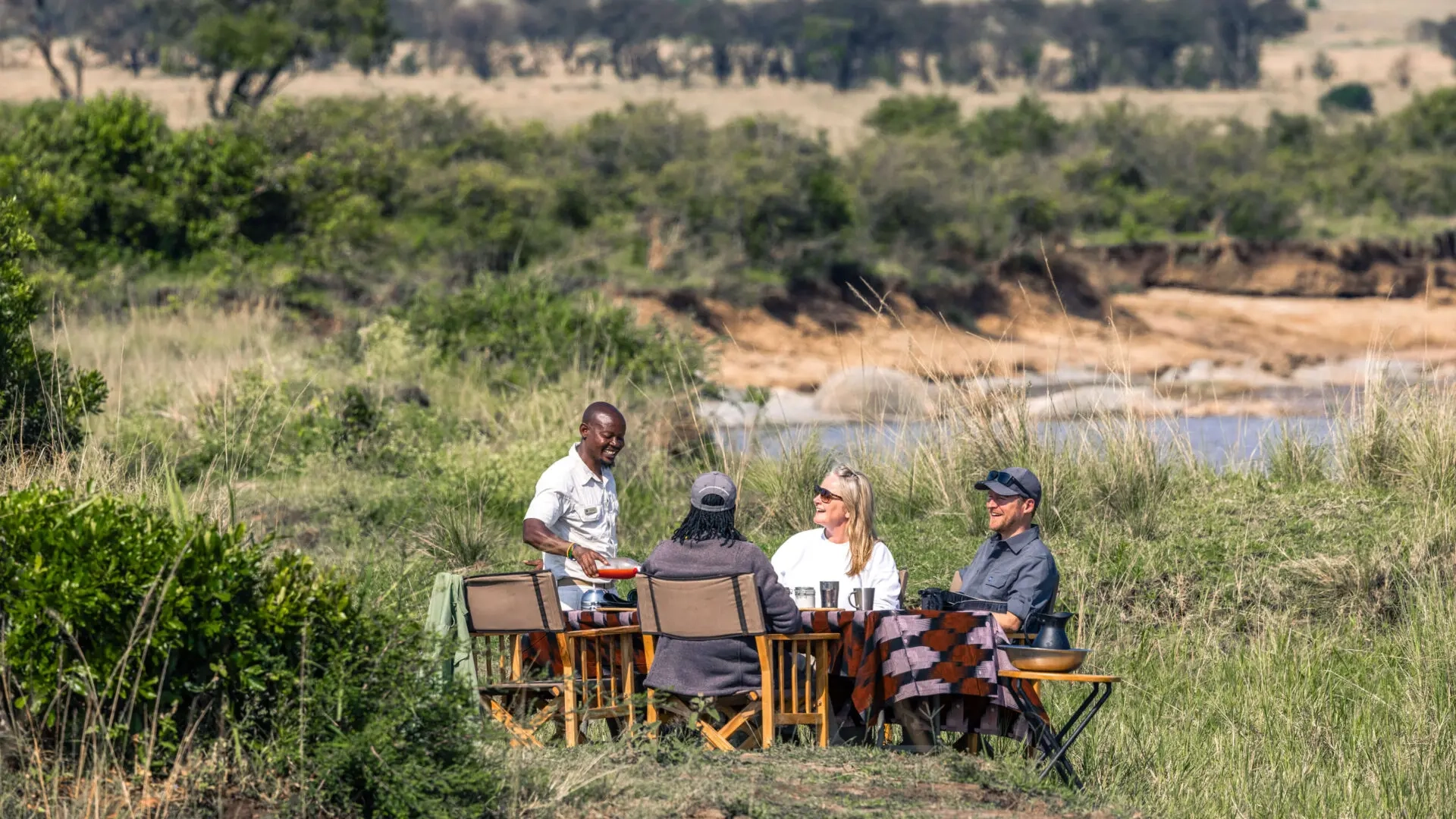
Definitive answer: A picnic lunch on safari is a packed or catered midday meal eaten at an approved…
Read article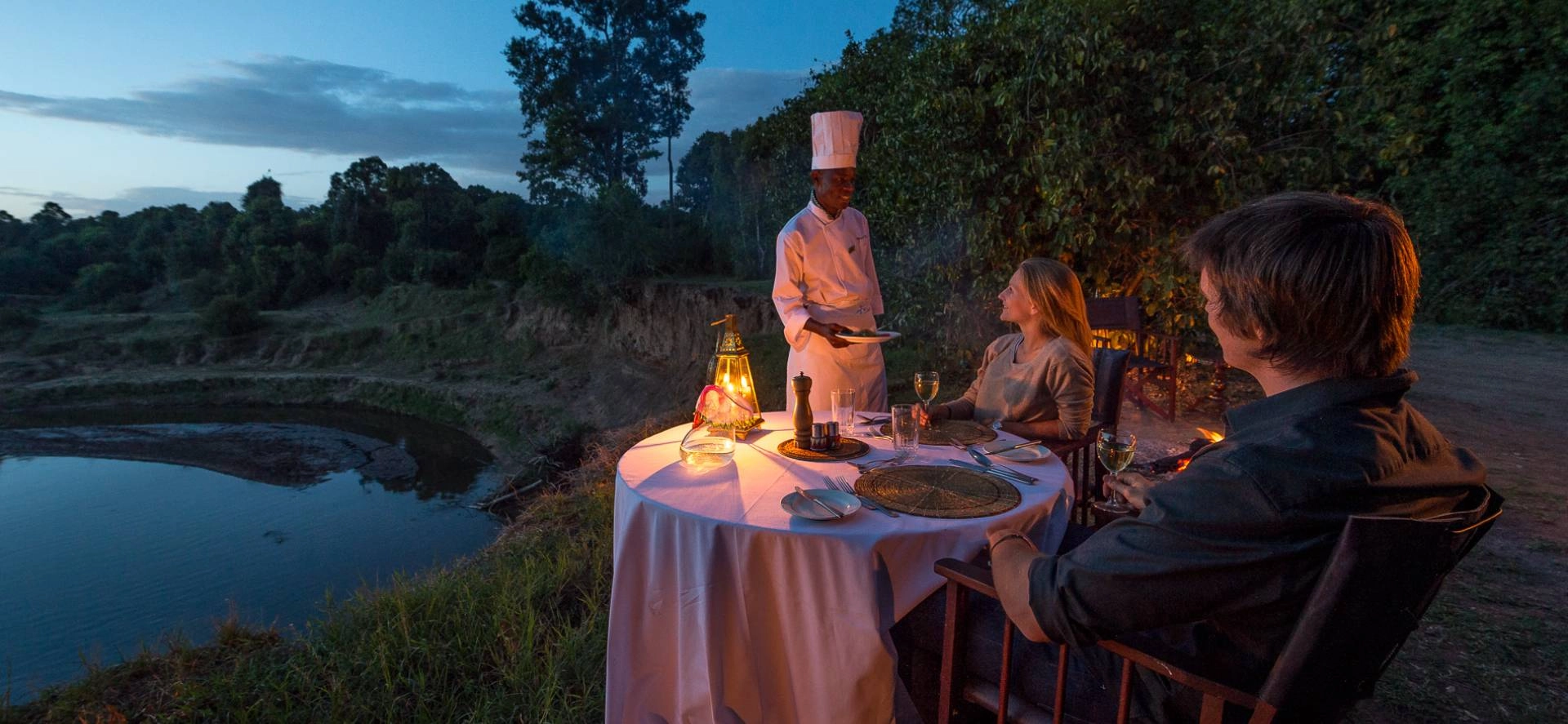
Definitive answer: A bush dinner is an outdoor evening meal arranged in a safe safari setting away from…
Read articleLet us take you closer to the wildlife, people and places that make Africa extraordinary.
Plan Your Safari Today