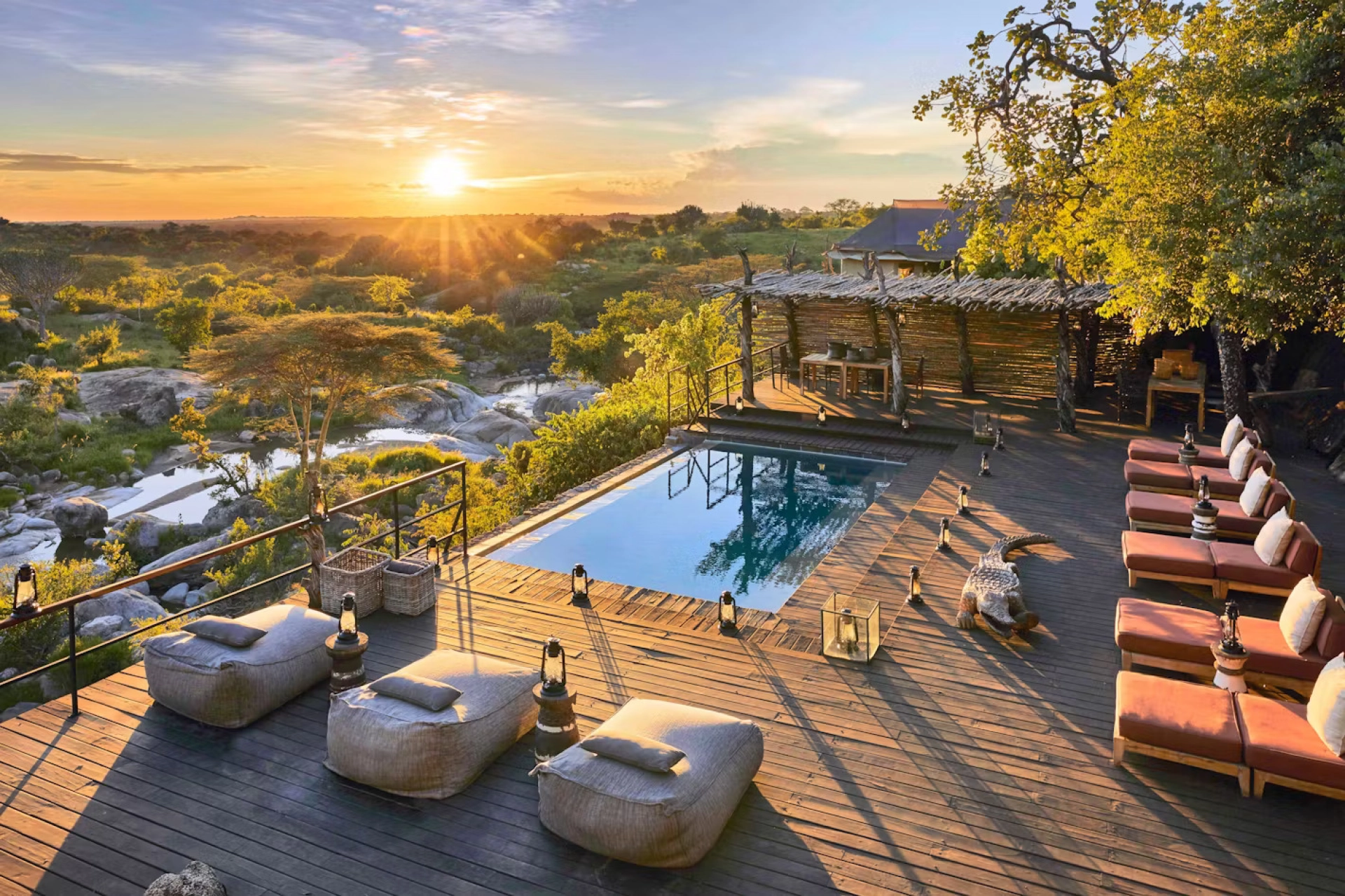
What should I look for when booking a luxury African safari?
When booking a luxury African safari, look beyond the room and compare the quality of guiding, wildlife location,…
Read article

Travel Guide
Kruger National Park covers an enormous area of northeastern South Africa. Wildlife in Kruger National Park Its scale allows visitors to experience different vegetation types, river systems and wildlife communities during one journey. Southern Kruger can…
Kruger National Park covers an enormous area of northeastern South Africa.
Its scale allows visitors to experience different vegetation types, river systems and wildlife communities during one journey. Southern Kruger can provide excellent predator viewing. Central regions contain broad savannahs and substantial herbivore populations. Northern Kruger becomes increasingly dominated by mopane woodland and more tropical riverine environments. This ecological variety means a long Kruger safari itinerary rarely feels repetitive. Even common animals appear differently in different surroundings. An elephant herd crossing an open plain produces one type of photograph.
The same animals feeding beneath tall riverine trees create another. Lions lying in dry winter grass feel completely different from lions surrounded by green summer vegetation. Light, weather, season and animal behaviour continually change the scene.
First-time safari travellers often arrive with a mental checklist.
Lion. Leopard. Elephant. Rhino. Buffalo. Cheetah. Wild dog. Giraffe. Zebra. The checklist is understandable. But after several days, the quality of an encounter becomes more important than the species itself. You might see twenty elephants. Then, on the final afternoon, a breeding herd approaches a waterhole. Adults form a protective circle around small calves. Young animals splash at the edge. A matriarch waits before leading the group back into woodland.
That one observation can become more memorable than all previous elephant sightings combined. Experienced safari travellers therefore learn to slow down. When an animal is doing something interesting, stay. The next sighting may not be better.
Lions remain among the animals most visitors hope to encounter.
Kruger supports a substantial lion population across suitable habitats, but finding them still requires patience. Early mornings can be productive because lions may remain active after hunting during the cooler night. Tracks on roads provide clues. Alarm calls from prey species can reveal nearby predators. Vultures may indicate a carcass. Other vehicles sometimes provide information, but independent searching can be particularly satisfying.
Sleeping lions create relatively easy photographs, although the images can become repetitive.
Behaviour creates stronger pictures. Wait for yawning. Watch interactions between cubs. Observe greeting behaviour. Look for eye contact. A lioness scanning potential prey is usually more compelling than another image of a sleeping animal. Light matters enormously. Harsh midday sunlight creates strong shadows. Morning and late-afternoon light can reveal texture in fur and produce warmer backgrounds. When a lion begins moving, prepare before it reaches the ideal position. Set a sufficiently fast shutter speed.
Choose autofocus settings for movement. Then watch behaviour rather than constantly checking the camera screen.
Leopards are among Kruger’s most exciting animals because they are elusive, beautiful and highly adaptable.
They use riverine vegetation, rocky terrain and woodland. Sometimes they rest in trees. At other times they walk beside roads and disappear within seconds. A leopard can be close enough to hear yet remain invisible. This makes every sighting feel earned.
Experienced guides use more than luck. Impala alarm calls can be important. Baboons may react strongly. Fresh tracks on sandy roads reveal recent movement. A carcass stored in a tree is an obvious sign of leopard activity. Even then, the animal may be hidden nearby. Patience becomes essential.
Do not assume that a clear full-body view is required for a strong photograph. Partial concealment can create atmosphere. A leopard’s face framed by branches communicates its secretive nature. An animal walking through shadow can be more evocative than one sitting perfectly exposed. Expose carefully for the face and eyes. If vegetation interferes with autofocus, single-point or smaller focus areas can help. When the animal begins moving, photography becomes secondary to predicting its route.
Elephants are often among the most consistently impressive animals on a Kruger wildlife safari. Their size is obvious, but behaviour becomes increasingly fascinating over repeated encounters. Family groups are typically led by experienced females. Calves remain protected. Young males interact playfully. Adults communicate through sound, touch, scent and low-frequency vibrations. Watching a herd for half an hour reveals far more than taking one photograph and moving on.
Responsible guides pay close attention to behaviour. Ear position. Head posture. Trunk movement. Body orientation. Distance. These clues help determine whether an elephant is relaxed, curious or uncomfortable. Visitors should never pressure a driver to approach too closely. The goal is not to create an artificial confrontation. The best elephant encounters happen when animals choose how close they want to be.
Elephants offer opportunities for both portraits and environmental photographs. Close-ups reveal eyelashes, skin texture and trunk detail. Wider compositions show scale. A tiny elephant beneath a massive tree can communicate more about Kruger than a frame filled entirely with grey skin. Dust is particularly photogenic. When elephants throw soil over their backs, backlighting can transform dust clouds into glowing shapes.
Buffalo may initially seem less exciting than lions or leopards. Spend time with them and that changes. Large herds create constant interaction. Calves move between adults. Oxpeckers feed across their backs. Bulls stare heavily toward vehicles. Mud coats their horns and skin. Buffalo are powerful animals deserving substantial space.
Lions sometimes target buffalo, creating some of the most dramatic predator-prey interactions in Kruger. However, visitors should not approach every buffalo herd expecting a hunt. Most safari time consists of normal behaviour. Feeding. Resting. Moving toward water. Social interaction. Photographing everyday behaviour often produces a more complete wildlife story than constantly seeking conflict.
Rhino sightings remain particularly meaningful because of the severe conservation pressures these animals have faced. Kruger has historically supported important rhino populations, making every encounter an opportunity to reflect on conservation rather than simply add another Big Five species to a list. Visitors should be cautious about sharing sensitive real-time location information for rhinos. Responsible tourism sometimes requires keeping exact details private.
Rhinos are often photographed poorly because visitors focus entirely on the horn. Try environmental compositions. Include the woodland. Capture dust. Look for oxpeckers. Photograph interaction between mother and calf where appropriate. Give the animal room within the frame. The image then communicates habitat rather than simply anatomy.
For many repeat Kruger visitors, African wild dogs become more desirable than any Big Five animal. They are energetic, social and unpredictable. Packs can cover substantial distances quickly. Finding them may require luck, but when encountered they often provide fascinating behaviour. Pack members greet enthusiastically. Young animals play. Adults coordinate movement. Before a hunt, activity can change dramatically.
Use faster shutter speeds than you might for resting lions. Wild dogs move constantly. Continuous autofocus and burst shooting can help. But do not simply hold down the shutter button. Anticipate. When two dogs approach each other, prepare for interaction. When the pack begins focusing in one direction, hunting behaviour may follow. When pups emerge, watch for play. Behaviour produces stronger photographs than random movement.
Cheetahs occur in Kruger but are generally less frequently encountered than lions. They favour suitable open country where visibility supports their hunting strategy. A cheetah sitting upright and scanning grassland can be an extraordinary photographic subject. Its posture tells a story. It is looking. Evaluating. Waiting. The stillness may end with explosive speed.
Giraffes are so familiar from photographs that travellers sometimes underestimate how extraordinary they are. Seeing one in the wild changes that. Their scale becomes obvious. Their movement appears almost slow-motion. Long necks provide access to vegetation unavailable to most herbivores. Giraffes can also become useful predator indicators. When several individuals stop feeding and stare in the same direction, guides often investigate. They may be watching a lion or another threat.
Zebras are perfect subjects for experimenting with composition. Their stripes create bold patterns. Groups produce layers of black and white. Close crops can become almost abstract. Young zebra foals provide softer patterns than adults. Backlighting creates interesting silhouettes. Safari photography improves when you stop thinking only about species rarity and start thinking about shape, light and behaviour.
Impalas are among the most common antelope in many parts of Kruger. First-time visitors photograph every individual. After several days, vehicles may drive past without slowing. This is a mistake. Common species offer some of the best behavioural photography. Rutting males fight. Females care for young. Animals react to predators. Oxpeckers feed. Herds create beautiful repetition and pattern. Because you encounter impalas often, you can wait for exceptional light rather than photographing every ordinary sighting.
Spotted hyenas are among Africa’s most misunderstood predators. Their social systems are complex. They hunt successfully. They care for cubs communally around den sites. They compete intensely with lions. A hyena photographed at dawn can be one of the strongest images from a safari.
Where regulations and responsible viewing allow, known den areas can provide excellent opportunities to observe social behaviour. Young cubs emerge cautiously. Adults arrive and leave. Greetings can be noisy. The den becomes a centre of clan activity. Visitors should remain quiet and respect distance, particularly where young animals are present.
Warthogs provide personality. They kneel while feeding. They trot away with tails raised. Piglets follow adults in small groups. They reverse into burrows so their tusks face outward toward danger. Photographically, warthogs are particularly rewarding when observed at eye level from suitable legal positions. Their expressive faces and comical movement make excellent storytelling subjects.
Hippos spend substantial daytime periods in water but frequently emerge after dark to graze. River viewpoints can produce excellent observation. Listen to vocalisations. Watch territorial interactions. Photograph yawning displays carefully; what looks like a yawn can be an aggressive signal exposing enormous canine teeth. Hippos are extremely dangerous on land, so visitors must never approach them outside protected viewing situations.
Nile crocodiles can appear motionless for extraordinary periods. Patience may reveal sudden action. A crocodile entering water. A territorial display. Feeding. Interaction around a carcass. Photographs benefit from low-angle perspectives where safe and available from bridges or designated viewpoints.
Primates provide some of Kruger’s richest behavioural encounters. Baboons live in complex social groups. Youngsters play. Adults groom. Dominant individuals intervene in disputes. For photographers, a troop can provide more variety than a sleeping predator. Vervet monkeys are equally expressive. Watch hands, faces and interactions. Do not feed primates. Feeding encourages dangerous habituation and can ultimately lead to animals being destroyed.
A strong Kruger wildlife photography trip should never ignore birds. Lilac-breasted rollers provide brilliant colour. Eagles offer power. Vultures reveal ecosystem function. Kingfishers create action. Ground hornbills bring character. Bee-eaters are ideal flight-photography subjects. Bird photography also fills time between mammal encounters. A safari becomes far more productive when the camera does not remain idle while predators sleep.
Some travellers return from Kruger with thousands of animal photographs and almost no pictures showing where those animals lived. Include landscapes. Roads disappearing through woodland. Rivers. Storm clouds. Dry winter grass. Mopane leaves. Sunset silhouettes. Dust. A complete safari story needs context. Years later, landscape photographs may trigger stronger memories than another close-up of a lion.
Morning is often the most beautiful part of a safari day. Temperatures are cooler. Predators may still be active. Birds begin calling. Low sunlight creates texture. Mist occasionally transforms river systems. Photographers should prepare equipment before leaving camp. Wildlife does not wait while batteries are inserted and settings adjusted. Have a camera ready.
Harsh midday light receives a bad reputation, but it should not automatically end photography. Use strong light creatively. Look for high-contrast scenes. Photograph animals in shade. Focus on details. Try birds in flight. Use midday for behaviour rather than perfect portraits. Cloud cover can transform the situation instantly. In summer, dramatic storms can produce extraordinary light.
Late afternoon brings another period of excellent light and increasing animal activity. Herbivores move toward water. Predators may begin stirring. Nocturnal species prepare for darkness. Golden light produces warmer tones. But photographers need to watch exposure as light disappears. Raise ISO when necessary. A sharp image with moderate noise is generally more useful than a blurred photograph created by using a shutter speed that was too slow.
Kruger is one of Africa’s great self-drive safari destinations. Self-driving allows photographers to determine their own pace. You can spend an hour with one elephant herd. You can return repeatedly to a productive waterhole. You can ignore crowded sightings and explore quieter roads. However, the driver has responsibilities. Safety comes before photography. Traffic rules matter. Parking should not block other vehicles. Roadside animals must be given space. One person should never attempt complicated photography while actively driving.
Guided drives provide professional wildlife knowledge and allow every passenger to focus on observation. Guides know roads, habitats and animal behaviour. They often notice tracks visitors miss. Elevated safari vehicles can provide better visibility. Morning and night drives may also extend wildlife viewing beyond standard self-drive hours, depending on park arrangements. For serious photographers, combining self-drive flexibility with selected guided excursions can work extremely well.
Wildlife photography rewards waiting. Modern visitors often feel pressure to keep moving because another sighting might be better. But some of the best safari sequences happen after other vehicles leave. A sleeping leopard wakes. Elephants approach. Lions begin greeting. A bird finally takes flight. The longer you observe an animal, the more likely meaningful behaviour becomes. Patience also reduces stress. Safari is not a race.
Sharpness matters. Light matters. Composition matters. But storytelling matters most. A technically perfect photograph of a sleeping lion may be less memorable than a slightly imperfect frame showing a cub interacting with its mother. Look for relationships. Animal and habitat. Predator and prey. Mother and young. Bird and mammal. Light and dust. A great safari photograph communicates something beyond identification.
No photograph justifies stressing wildlife. Do not encourage drivers to approach too closely. Do not make loud noises to force an animal to look toward the camera. Do not block movement routes. Never bait wildlife. Avoid disturbing nesting birds. Do not pressure animals around water during extreme heat. Ethical photography frequently requires accepting a less perfect image. The animal’s welfare matters more than social-media engagement.
Popular Kruger areas can produce traffic around predators. Drivers should approach calmly. Do not block roads. Allow other visitors opportunities. If the sighting becomes chaotic, consider leaving. Some of the most rewarding photographs may come several kilometres farther along the road where nobody else has stopped. Crowds can make travellers forget that wildlife viewing is not competitive.
Safari vehicles limit movement, but they also act as excellent mobile hides. Animals often tolerate vehicles better than people on foot. Rest the lens securely where possible. Beanbags can help. Avoid placing lenses against surfaces transferring vibration. Keep equipment accessible. Do not constantly change lenses in dusty conditions. If travelling with several photographers, communicate before a sighting becomes intense. Everybody deserves viewing space.
There is no single ideal lens. A moderate telephoto zoom is extremely versatile. Longer lenses help with birds and distant predators. A wider lens is valuable for landscapes and elephants approaching close to the vehicle. Carrying two camera bodies can reduce lens changes, though this increases weight and cost. Whatever equipment you use, familiarity matters more than specifications. Know how to change focus modes, shutter speed and exposure without searching through menus.
Modern smartphones can produce excellent wide-angle safari images. They are particularly useful for landscapes, video and animals close to the vehicle. Digital zoom should be used cautiously because image quality declines. Never extend arms outside vehicles toward dangerous wildlife simply to make an animal appear larger. Sometimes the best smartphone video is a wide environmental sequence showing the animal within the landscape.
Technical skill gets the camera ready. Behavioural understanding tells you when to press the shutter. A lion looking repeatedly toward a pride member may initiate contact. An elephant calf moving toward water may begin playing. A bird defecating often takes flight moments later. A cheetah staring intensely may start stalking. A leopard descending a tree shifts its body before movement. The more safari experience you gain, the more predictable certain behaviours become.
This increases photographic success dramatically.
Do not think only in terms of one perfect image. A series can tell a stronger story. Elephants approach water. They drink. A calf enters. Adults spray themselves. The herd leaves. Five photographs showing this sequence communicate behaviour far better than one isolated frame. Trip reports benefit enormously from such photographic storytelling.
Photographs record visual moments, but a simple journal preserves details the camera cannot capture. Where was the sighting? What time? What happened? What did the guide explain? What sounds were present? What surprised you? Years later, notes can restore context to thousands of images stored on a hard drive. For serious photographers, recording locations and behaviours also helps organise archives.
Kruger gives travellers a level of independence uncommon in many major African safari destinations. Visitors can stay in park camps. Drive their own vehicle. Choose routes each morning. Stop when they want. Explore slowly. That freedom makes repeat trips particularly attractive. No two days need follow the same plan. You can revisit a productive road. Change direction because of weather. Spend a morning focused on birds. Drive toward a favourite waterhole.
Kruger becomes less like a one-time attraction and more like a landscape travellers gradually learn.
On the first trip, everything is new. You photograph every giraffe. Every elephant causes excitement. Every antelope requires identification. By the second or third safari, priorities change. You become selective. Instead of asking whether you saw a leopard, you remember how the leopard behaved. Instead of counting elephants, you begin recognising family dynamics. Birds become more interesting. Trees become familiar. Road names carry memories. This is why experienced travellers return repeatedly.
Wildlife destinations are never truly finished.
Driving farther does not guarantee seeing more. Some travellers spend entire days racing between reported predator sightings. They may technically see many animals but observe little behaviour. A slower approach often produces deeper encounters. Choose productive habitat. Stop. Scan. Listen. Let animals come to you. This philosophy is particularly effective for photography.
Rain transforms Kruger. Dust disappears. Vegetation becomes saturated with colour. Animals darken when wet. Clouds create soft light. Puddles produce reflections. Photographers should protect equipment but embrace changing weather. A dramatic storm behind elephants can become far more memorable than another cloudless afternoon. Dry conditions offer different possibilities. Dust glows in backlight. Sparse vegetation improves visibility. Animals gather around water. Every season provides photographic opportunities.
Every photograph of a rhino, elephant, vulture or wild dog exists because habitat remains protected. Safari tourism therefore has a direct relationship with conservation. Park fees contribute to protected-area management. Tourism creates employment. Wildlife carries economic value. But tourism also creates impacts. Traffic, waste, water consumption and irresponsible behaviour can damage the environments visitors value. Responsible safari travel means recognising both sides.
A leopard is exciting because it is difficult to find. But rarity should not determine emotional value. A common giraffe walking through sunrise can become the photograph of the trip. A warthog family may produce the funniest moment. A roller catching an insect can create the most technically impressive image. Elephants interacting can become the memory everybody discusses years later. The best sighting is often the one that makes you stop thinking about the next sighting.
Travellers interested in photography should avoid excessive daily driving. Changing camps every night creates logistical pressure. Staying two or three nights in one region provides time to understand local roads and revisit productive areas. A longer itinerary can move gradually from south to north or vice versa. This gives changing vegetation and species distribution time to become noticeable. Serious photographers may want seven to ten days or longer.
Private reserves adjoining the national park can complement a self-drive Kruger trip. They often provide guided open-vehicle safaris, trackers and different driving practices. Depending on the reserve, night drives and closer tracking opportunities may be possible. A combined itinerary offers independence inside the national park and more intensive guided wildlife viewing in private reserves.
South Africa makes it easy to combine safari with completely different experiences. After Kruger, travellers can fly to Cape Town for mountains, coastal scenery, restaurants, wine regions and marine wildlife. For photographers, the contrast is excellent. One memory card may contain lions and elephants. The next contains Table Mountain, penguins and Atlantic coastlines.
Kruger can work extremely well for families, especially those with older children. Self-driving allows flexible daily schedules. Rest camps provide breaks. Wildlife is varied. Children can use binoculars, keep species lists and help scan the bush. Parents should avoid overscheduling. A full-day drive every day may exhaust younger travellers. Shorter outings with rest periods can produce a better family safari.
Couples often appreciate the independence of Kruger. There is something particularly enjoyable about choosing a road at sunrise without knowing what will happen. A quiet waterhole. A picnic stop. An unexpected leopard. A sunset drive. The unpredictability becomes part of the shared experience.
A wildlife photograph freezes one fraction of a second. Safari exists around it. Before the picture, there was anticipation. Afterward, the animal moved. The sun changed. Another sound appeared. The road continued. That is why the best Kruger safari photographs function as memory triggers rather than trophies. One image can restore an entire morning. The smell of dust. The cold air through an open window. The excitement of fresh tracks.
The voice of a guide. The moment somebody whispered, “There.” Years later, that experience remains. And ultimately, this is why travellers keep returning to Kruger. It is not simply because there are lions, elephants and leopards. It is because every trip produces different stories.
Adventure in the Wild Safaris creates tailor-made wildlife journeys across Africa, including photographic safaris, Big Five trips and combinations with East Africa’s mountain gorillas and chimpanzees. Travellers can combine South African wildlife destinations with Kenya, Uganda, Rwanda or Tanzania to photograph completely different ecosystems and species within one African journey.
Impala, elephants, giraffes, zebra and buffalo are regularly encountered in suitable areas. Predator sightings are more unpredictable and require patience.
Yes. Kruger supports lion, leopard, elephant, rhino and buffalo, although no specific safari can guarantee every species.
Lions occur across much of the park, with distribution influenced by prey, habitat and water. Southern and central regions can be especially productive, but daily movements are unpredictable.
Kruger contains leopards, but they are solitary and secretive. Riverine woodland and suitable prey-rich areas can provide good opportunities.
Yes. Excellent road access, habitat diversity, abundant wildlife and self-drive flexibility make Kruger one of Africa’s strongest wildlife-photography destinations.
No. Smartphones and compact cameras can capture excellent safari memories. Dedicated telephoto equipment becomes more useful for birds, distant wildlife and serious photography.
A telephoto zoom provides excellent flexibility. Longer lenses benefit birds and distant animals, while a wider lens is useful for landscapes and animals close to the vehicle.
Yes. Self-driving provides exceptional control over pace and allows photographers to remain at productive sightings for extended periods.
Early morning and late afternoon generally provide the softest and warmest light, although wildlife behaviour can create worthwhile photography throughout the day.
Seven to ten days provides a strong photography safari, while longer stays allow photographers to explore multiple ecological regions more slowly.
Birds, common antelope, reptiles, landscapes, trees, tracks, weather, animal interactions and smaller mammals can produce some of the most memorable images.
Avoid sharing sensitive real-time rhino location information. Responsible wildlife photography should always prioritise animal security and conservation.

Share This Article
When booking a luxury African safari, look beyond the room and compare the quality of guiding, wildlife location,…
Read article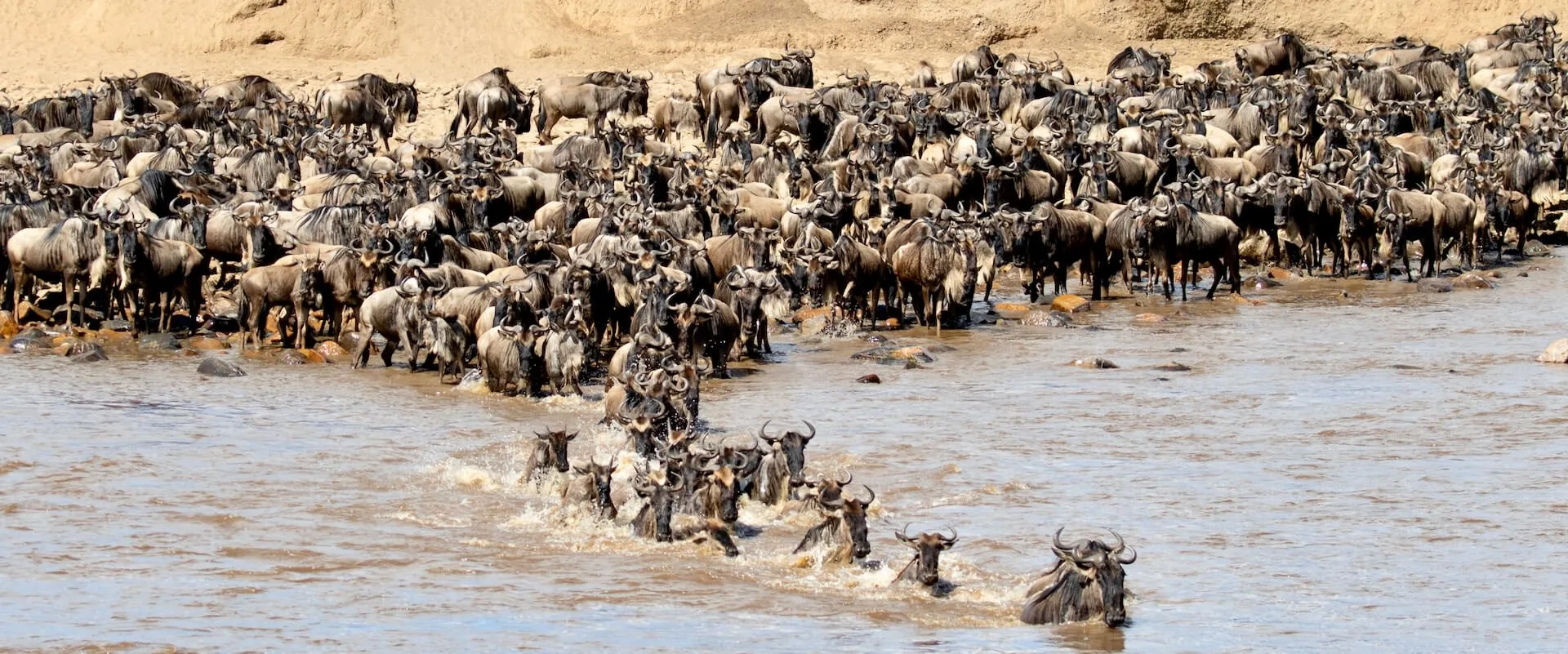
The Great Migration in Africa happens all year because the herds continuously circulate through the Serengeti–Mara ecosystem in…
Read article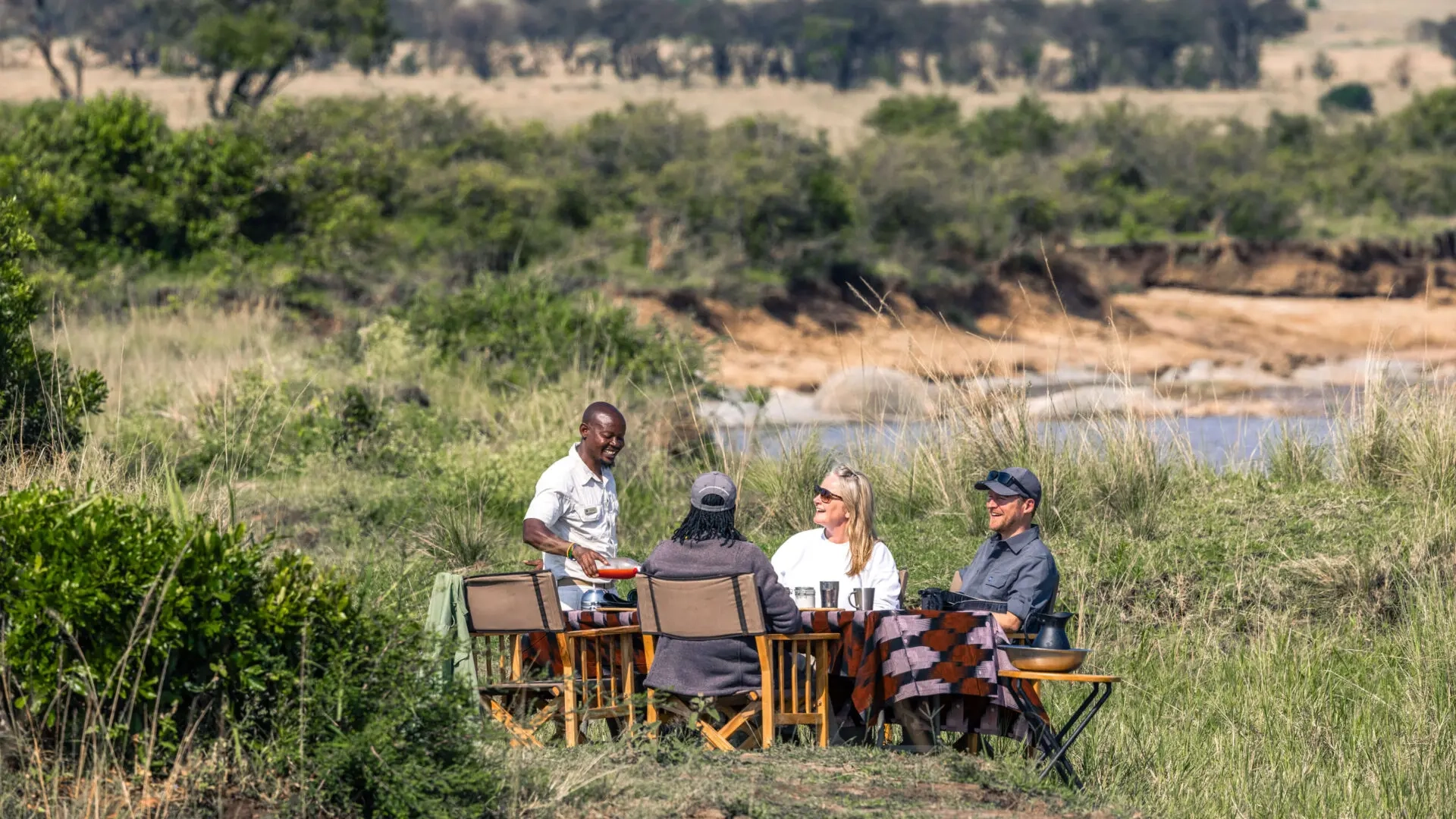
Definitive answer: A picnic lunch on safari is a packed or catered midday meal eaten at an approved…
Read article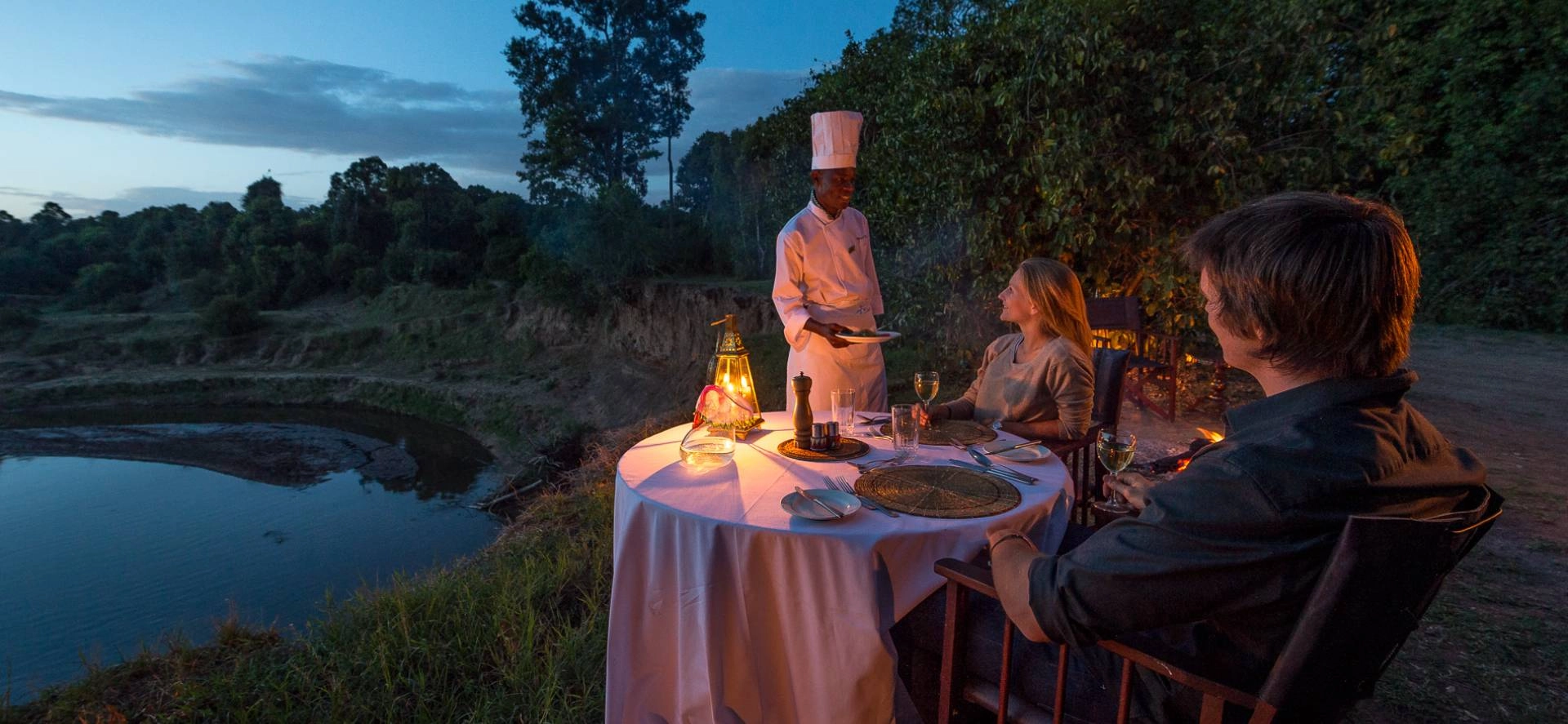
Definitive answer: A bush dinner is an outdoor evening meal arranged in a safe safari setting away from…
Read articleLet us take you closer to the wildlife, people and places that make Africa extraordinary.
Plan Your Safari Today