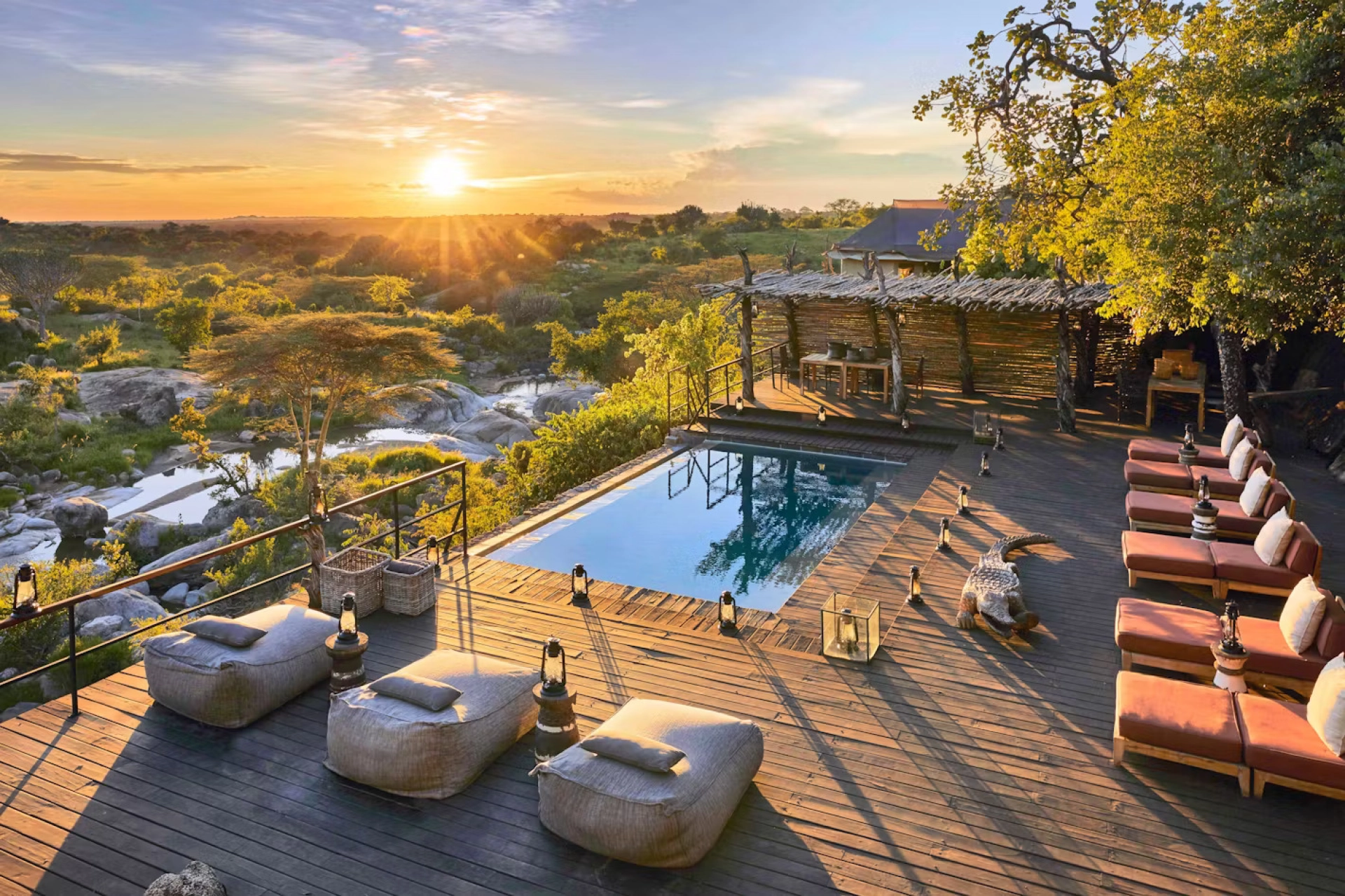
What should I look for when booking a luxury African safari?
When booking a luxury African safari, look beyond the room and compare the quality of guiding, wildlife location,…
Read article

Travel Guide
Choosing between a Kruger vs Okavango Delta safari is difficult because these are not simply two versions of the same African wildlife experience. They represent two very different approaches to safari. Kruger National Park and the…
Choosing between a Kruger vs Okavango Delta safari is difficult because these are not simply two versions of the same African wildlife experience. They represent two very different approaches to safari. Kruger National Park and the surrounding private reserves in South Africa offer exceptional Big Five viewing, extensive road networks, a broad range of accommodation and relatively straightforward access. The region can work for everyone from independent self-drive travellers to guests staying at exclusive private lodges.
Botswana’s Okavango Delta, by contrast, is a vast wetland wilderness shaped by seasonal floodwaters. Safari activities can include traditional game drives, boating and mokoro excursions, while many camps are reached by light aircraft. The experience often feels remote, intimate and highly connected to the natural landscape.
Neither destination is automatically better. The right choice depends on your priorities. If you want maximum flexibility, strong Big Five opportunities and accommodation across several price categories, Kruger may be the better fit. If you prioritise remoteness, water-based safari experiences, smaller camps and a wilderness atmosphere, the Okavango Delta may justify its generally higher cost.
This detailed Kruger vs Okavango Delta comparison examines wildlife, landscapes, safari activities, costs, accommodation, accessibility, photography, seasonality and overall experience to help you decide.
Located in northeastern South Africa, Kruger National Park is one of Africa’s best-known protected areas. The park covers an enormous area and contains a remarkable variety of habitats. Travellers often imagine Kruger as one uniform landscape, but the ecosystem changes considerably as you travel through different regions. Woodlands, river systems, open areas and vegetation types support different wildlife concentrations.
Kruger is particularly famous for the Big Five: lion, leopard, elephant, buffalo and rhinoceros. The park also supports cheetahs, African wild dogs, giraffes, zebras, hippos, crocodiles, hyenas, numerous antelope species and an outstanding diversity of birds. One of Kruger’s greatest strengths is accessibility. Visitors can experience the park through organised private safaris, lodge-based game drives or self-drive trips.
That flexibility makes Kruger unusual among major African safari destinations.
The Okavango Delta in Botswana is one of Africa’s most unusual ecosystems. Instead of flowing into an ocean, water from the Okavango River spreads across the Kalahari basin, creating a complex network of channels, floodplains, lagoons, islands and seasonal wetlands. This creates an extraordinary wildlife habitat. Depending on location and season, visitors may encounter elephants, buffaloes, lions, leopards, African wild dogs, hippos, crocodiles, giraffes, antelopes and abundant birdlife.
What makes an Okavango Delta safari especially distinctive is the relationship between wildlife and water. You may watch elephants moving through shallow floodplains, travel silently through channels in a mokoro or observe hippos from a boat. The landscape itself becomes as important as the animals.
The most important distinction is safari style. Kruger is primarily a road-based wildlife destination. The Okavango combines land and water. In Kruger, your day may revolve around morning and afternoon game drives, although walking safaris are available in certain areas and through private reserves.
In the Okavango, activities can include game drives, boating, mokoro excursions and guided walks depending on the camp, water level and concession. This difference has a major impact on how the destinations feel. Kruger can provide intense wildlife viewing and excellent predator encounters. The Delta can provide a more immersive sense of moving through an ecosystem.
Both destinations have outstanding wildlife. However, the answer depends on what you want to see.
For travellers whose priority is completing a Big Five safari, Kruger and the adjoining private reserves are particularly strong. Lion, elephant and buffalo sightings can be excellent. Leopard viewing can also be outstanding, especially in certain private reserves in the Greater Kruger ecosystem. Rhino populations make the broader Kruger region particularly significant, although conservation challenges mean detailed location information is handled carefully.
The Okavango also supports excellent populations of major predators and large mammals, but wildlife composition varies between concessions and habitats. If your entire safari objective is simply to maximise opportunities for seeing the classic Big Five, Greater Kruger often has an advantage.
Both areas can provide opportunities to see African wild dogs, one of the continent’s most endangered and exciting predators. Botswana has long been recognised as an important wild-dog stronghold. Watching a pack interact or begin a hunt can become one of the highlights of an Okavango safari. Kruger also supports wild dogs, though sightings remain unpredictable because packs range across large territories.
Both destinations are excellent for elephants. The Okavango creates particularly memorable elephant encounters because water is such a central part of the environment. Watching elephants cross floodplains, feed on islands or move through channels provides a distinctly Botswanan experience. Kruger likewise has substantial elephant populations and frequent viewing opportunities.
Leopard sightings are never guaranteed, but some private reserves in the Greater Kruger area, particularly those with generations of careful guiding and habituated vehicle presence, have earned outstanding reputations for leopard viewing. The Delta also supports leopards and can provide superb sightings. For travellers strongly focused on big cats, the specific reserve or concession matters more than simply choosing South Africa or Botswana.
This is where the two destinations differ dramatically.
Kruger contains classic bushveld scenery. Depending on the region, you may drive through mopane woodland, riverine forest, open plains and mixed savannah. Rivers attract wildlife and create productive game-viewing corridors. The landscape often feels recognisably “African safari” in the traditional sense: dusty tracks, bush, waterholes and animals emerging from woodland.
The Okavango is visually unique. Floodwaters spread through a semi-arid environment, creating green islands and channels surrounded by otherwise dry landscapes. Reeds move in the wind. Water lilies appear on quiet lagoons. Elephants wade between islands. Hippos occupy deeper channels. From a light aircraft, the Delta becomes a mosaic of waterways, animal trails and islands. For travellers prioritising landscape beauty and an environment that feels unlike almost anywhere else, the Okavango Delta has a major advantage.
Kruger excels at traditional game drives. The road network makes it possible to explore large areas, and private reserves can offer off-road driving in appropriate circumstances, increasing the ability of guides to approach certain wildlife sightings. The Okavango offers greater activity variety.
A mokoro safari is one of Botswana’s signature experiences. A mokoro is a traditional-style narrow canoe used to travel through shallow Delta channels. Modern tourism operations often use durable alternatives to traditional wooden construction for conservation reasons. The experience is quiet and slow. Instead of searching for lions at speed, you begin noticing smaller details: frogs, dragonflies, reeds, water lilies and birds. Mokoro excursions are not primarily about getting close to dangerous animals. They are about experiencing the wetland at water level.
Where channels are deep enough, motorboat excursions may also be offered. These can be excellent for birding, hippos, crocodiles and animals approaching the water.
Some Okavango camps offer guided walking experiences. Walking changes your relationship with the landscape because attention shifts toward tracks, plants, insects and signs that may be ignored from a vehicle. Activities depend on the camp, concession, season and water conditions, so travellers should never assume that every Delta camp offers every activity.
Any Kruger vs Okavango Delta safari comparison should distinguish Kruger National Park itself from the private reserves adjoining it. The Greater Kruger ecosystem includes several private reserves associated with high-end safari lodges. These can provide a very different experience from self-driving inside the national park. Private reserves generally operate guided safari vehicles and may allow controlled off-road approaches to wildlife under appropriate conditions.
Vehicle numbers at sightings may also be managed. Morning and evening game drives can extend into darkness, providing opportunities to search for nocturnal wildlife. Luxury lodges in these reserves can rival Botswana’s best camps in service and guiding quality. Therefore, a fair comparison is not simply “Kruger National Park versus luxury Okavango.” Travellers should compare similar safari categories.
This is one of the biggest practical differences. Kruger is accessible to independent visitors and can become busy around major wildlife sightings, particularly on popular roads and during holiday periods. That does not mean every part of Kruger feels crowded. The park is enormous, and experienced travellers can explore quieter areas. Private Greater Kruger reserves generally provide more controlled vehicle density.
The Okavango’s tourism model often emphasises lower-volume, higher-value tourism. Many camps operate in private concessions where access is restricted to guests staying within the area. As a result, wildlife sightings can feel considerably more private. For travellers who strongly dislike seeing multiple vehicles, carefully selected Okavango private concessions have an advantage.
Cost is often the decisive factor. In general, Kruger provides a much wider pricing range. Travellers can self-drive and stay in relatively affordable accommodation, choose comfortable mid-range packages or spend heavily on luxury private reserves. The Okavango tends to be more expensive. Why?
Remote camps require complex logistics. Supplies may need to be transported over long distances or flown in. Many travellers move between camps by light aircraft. Camps often accommodate relatively small numbers of guests. Private concession fees and high staff-to-guest ratios also influence prices. This means a luxury Okavango Delta safari can become one of the more expensive safari experiences in Africa. However, price should be evaluated against what is included. Some high-end Botswana rates include accommodation, meals, local drinks, safari activities, guiding and airstrip transfers.
Always compare complete packages rather than nightly room rates.
Kruger wins clearly. South Africa provides numerous ways to control costs. Self-drive visitors can rent a vehicle, use national park rest camps and purchase meals independently. Organised budget Kruger safaris are also widely available. Travellers who do not want to self-drive can choose small-group tours or lodge packages. The Okavango does have less expensive options, particularly around certain access points and camps outside the most exclusive fly-in concessions, but it generally cannot match Kruger’s budget flexibility. If safari cost is a major concern, Kruger offers far more possibilities.
This comparison becomes much closer. Both destinations contain world-class luxury lodges. Greater Kruger properties can offer private plunge pools, outstanding cuisine, spacious suites, expert guides and highly personalised service. Botswana’s premium Delta camps add remoteness. Flying into a tiny airstrip and transferring to a camp surrounded by wilderness creates a powerful feeling of exclusivity. Luxury travellers seeking maximum wilderness immersion may prefer the Okavango. Travellers prioritising luxurious accommodation combined with exceptional predator viewing may find the Greater Kruger equally compelling.
Kruger is easier for many international travellers. Visitors commonly fly into Johannesburg and connect to regional airports or travel overland. Depending on itinerary and lodge location, several airports can provide access to different parts of the Greater Kruger region. Self-driving is also possible. The Okavango normally requires more logistical coordination. Many itineraries begin through Maun, Botswana’s principal gateway to the Delta. Travellers may then board light aircraft for short flights to remote airstrips. This is part of the experience, but it can increase both cost and complexity.
Travellers nervous about small aircraft should discuss routing options with their safari specialist before booking.
The Kruger region provides almost every imaginable accommodation category. There are campsites, rest camps, guesthouses, mid-range lodges and ultra-luxury safari properties. This diversity makes the region suitable for travellers with very different budgets.
Delta camps tend to emphasise immersion in the environment. Many use elevated wooden walkways and tented suites. Some camps are surrounded by seasonal water. Wildlife may move through camp, and guests may require staff escorts after dark. The experience can feel wonderfully remote. Even luxury camps generally try to maintain a strong visual connection with the wilderness.
Both destinations are exceptional. Kruger can be excellent for close wildlife photography, especially in private reserves where guides may have greater flexibility in positioning vehicles. Predator photography can be outstanding. The Okavango offers greater environmental diversity. Animals moving through water create unusual compositions. Aerial flights provide another perspective. Reflections, channels and open floodplains produce photographs that immediately communicate a sense of place. Serious photographers should consider vehicle configuration. Ask whether safari vehicles have multiple guests sharing rows, whether private vehicles are available and whether camps cater specifically to photographers.
Both destinations are superb for African birding safaris. Kruger’s varied habitats support an impressive bird list, making it attractive to both serious birders and general safari travellers. The Okavango’s wetlands add spectacular aquatic birdlife. Herons, egrets, kingfishers, storks, raptors and many other species can be encountered. Water-based activities provide a particularly enjoyable way to observe birds. If birding is a major priority, the best destination may depend on season and the specific habitats included in your itinerary.
Kruger can be visited throughout the year. The drier months are popular for wildlife viewing because vegetation can become thinner and animals concentrate around reliable water sources. Cooler morning temperatures can also make game drives comfortable. The greener season transforms the landscape. Summer rainfall brings lush vegetation, dramatic skies and abundant young animals. Birding can be exceptional, particularly with the presence of seasonal migrants. Photography during the green season can be beautiful. There is therefore no universally bad time to visit.
The Delta has an unusual seasonal rhythm because local rainfall and floodwaters arriving from Angola interact in complex ways. Water levels can rise during Botswana’s dry season. This creates the famous flooded landscapes associated with the Okavango. However, conditions vary geographically.
Some camps have permanent water while others depend more heavily on seasonal flooding. Travellers interested specifically in mokoro and boating activities should select camps and travel periods carefully. Do not assume that “Okavango Delta” automatically means deep water outside every camp throughout the year. A knowledgeable safari planner should match the camp to your priorities.
Kruger can be particularly practical for families. The wide accommodation range and easier road access provide flexibility. Families can choose private vehicles, family suites and itineraries that avoid unnecessary small-aircraft transfers. Botswana can also provide extraordinary family safaris, but some camps have minimum-age restrictions for particular activities. Mokoro excursions and walking safaris may have age requirements. Families should therefore check policies carefully before booking. For families with older children or teenagers who appreciate wilderness, an Okavango safari can be exceptional.
Both destinations work beautifully for honeymoons. Greater Kruger offers luxurious lodges, private dining, romantic suites and excellent wildlife. It can also combine easily with Cape Town, the Winelands or Indian Ocean destinations. The Okavango offers a stronger feeling of isolation. Small camps, scenic flights, waterways and remote wilderness make it particularly attractive to honeymooners seeking privacy. Couples with sufficient budget could combine both. A South Africa and Botswana safari honeymoon can include Greater Kruger for intensive Big Five viewing followed by the Okavango for a slower, water-oriented wilderness experience.
For many first-time visitors, Kruger is easier. Accessibility, pricing flexibility and excellent wildlife make it a reliable introduction to safari. Travellers can experience the Big Five without committing to the logistical complexity and cost associated with some Botswana itineraries. However, a first safari does not need to be the easiest safari. Travellers who have always dreamed of the Okavango and can accommodate the cost should not feel they must “graduate” from Kruger first. The Delta can be an extraordinary first African safari.
The Greater Kruger ecosystem is renowned for predators. Certain private reserves have especially strong reputations for leopards. Lions are widespread. Cheetahs occur but are more dependent on suitable open habitat. The Okavango also provides excellent predator viewing. Lions, leopards and African wild dogs can be major highlights. Because concessions differ considerably, choosing the right area matters. Someone specifically interested in predators should ask about recent general wildlife patterns and habitat rather than simply booking any camp with “Okavango” in its name.
Kruger National Park has public roads used by independent visitors and guided vehicles. In private reserves, open safari vehicles are standard at many lodges. Botswana camps also commonly use open vehicles. One advantage of private concessions is that guides may have more flexibility regarding routes, off-road driving and night activities, depending on local regulations. The quality of your vehicle setup matters enormously for photography. A lower-priced safari where every guest has a clear view can be more enjoyable than an expensive safari with poor seating arrangements.
Night drives reveal an entirely different ecosystem. Nocturnal species become active, and guides use spotlights carefully to search for animals. Private reserves around Kruger often include evening drives that continue after sunset. Many Botswana private concessions can also offer night drives. Activities vary by protected-area regulations. National parks and private concessions may operate under different rules, so check what your specific lodge includes.
Walking is not about approaching lions for photographs. A good African walking safari focuses on understanding the ecosystem at ground level. Guides interpret tracks, dung, plants, insects, bird calls and animal behaviour. Both Greater Kruger and the Okavango offer walking opportunities in appropriate areas. The experience depends heavily on guide quality. Travellers interested in walking should specifically request properties with strong walking programmes rather than assuming every lodge offers the same experience.
You do not necessarily have to choose. Travellers with sufficient time and budget can combine South Africa and Botswana. This creates an outstanding safari contrast. Begin with the Greater Kruger ecosystem for intensive vehicle-based Big Five viewing. Then fly to Botswana for the Okavango’s waterways, mokoro excursions and private concessions. A combined itinerary might require around ten to fourteen days depending on routing. Adding Victoria Falls can create an even broader Southern African journey.
Travellers seeking Africa’s greatest wildlife contrasts can go further. A Southern African safari can be combined with gorilla trekking in Uganda or Rwanda. Imagine beginning with leopards and lions in Kruger, travelling through the waterways of the Okavango and later entering the rainforest to encounter a family of mountain gorillas. These experiences are radically different.
Uganda offers trekking in Bwindi Impenetrable National Park and Mgahinga Gorilla National Park. Rwanda offers gorilla trekking in Volcanoes National Park. A multi-region African journey requires additional flights and a larger budget, but it can create an exceptional once-in-a-lifetime itinerary.
Both destinations exist within complex conservation landscapes. Safari tourism can generate revenue for protected areas, conservation programmes and employment. Botswana’s lower-volume tourism model has often emphasised higher-value travel in sensitive wilderness areas. South Africa combines national parks, private reserves and conservation initiatives operating under different models. Travellers can contribute positively by selecting responsible operators and lodges, respecting wildlife regulations and avoiding activities that encourage unethical animal interaction. Never pressure a guide to approach wildlife too closely for a photograph. The quality of a safari should not be measured by how close a vehicle can get.
Before selecting either destination, ask your safari operator: What wildlife is most important to me? Do I want traditional game drives or varied land-and-water activities? How important is exclusivity? What is my realistic total budget? Do I enjoy flying in small aircraft? Do I want luxury or simply comfortable accommodation? Am I interested in photography? Do I want walking safaris? Will children be travelling? Do I want to combine safari with Cape Town, Victoria Falls, gorilla trekking or a beach holiday?
The answers often make the Kruger-versus-Okavango decision much easier.
Choose Kruger or the Greater Kruger ecosystem if your priorities include excellent Big Five opportunities, flexible accommodation, easier access and the ability to control your budget. Kruger is particularly suitable for: first-time safari travellers; families; Big Five enthusiasts; travellers seeking strong leopard opportunities; self-drive visitors; budget-conscious safari travellers; luxury travellers wanting premium private reserves; travellers combining safari with Cape Town. Its greatest strength is versatility.
Choose the Okavango Delta if you prioritise wilderness, exclusivity, water-based safari activities and unusual landscapes. The Delta is especially suitable for: honeymooners; experienced safari travellers; luxury travellers; wildlife photographers; birdwatchers; travellers interested in mokoro excursions; people seeking smaller camps; travellers who value remoteness over easy accessibility. Its greatest strength is uniqueness. There are many excellent African wildlife areas. There is only one Okavango Delta.
If your main objective is Big Five wildlife at a more flexible price, Kruger is probably the stronger choice. If your priority is a remote, exclusive wilderness safari combining land and water, the Okavango Delta is difficult to beat. If budget matters substantially, choose Kruger. If landscape uniqueness matters more than cost, lean toward the Okavango.
If you want self-driving, choose Kruger. If you dream about mokoro excursions, choose the Delta. If you want luxury, both can be exceptional. If you want predators, both can deliver outstanding encounters when the correct reserve or concession is selected. This is why asking whether Kruger or the Okavango is “better” can be misleading. They excel at different things.
The Kruger vs Okavango Delta safari debate does not have a universal winner. Kruger is one of Africa’s most versatile safari destinations. It combines impressive biodiversity, strong Big Five viewing, accessible infrastructure and accommodation ranging from simple camps to some of the continent’s finest private lodges. The Okavango Delta offers something fundamentally different. It is a wilderness defined by water. Its channels, islands, floodplains and lagoons create an environment where the journey itself becomes part of the wildlife experience. Travelling by mokoro beneath an enormous African sky can be as memorable as seeing a lion.
For a first safari with a moderate budget, Kruger National Park and Greater Kruger are extremely difficult to beat. For travellers who have the budget and prioritise exclusivity and unusual wilderness landscapes, the Okavango Delta is extraordinary. For travellers who do not want to compromise, combining them creates one of Southern Africa’s strongest safari itineraries.
Adventure in the Wild Safaris can help travellers build tailor-made African journeys around wildlife priorities, available travel time, preferred accommodation and budget. Your ideal trip might focus on a classic Big Five safari, combine South Africa and Botswana, add Victoria Falls, or continue to East Africa for gorilla trekking in Uganda and Rwanda. The best safari is not necessarily the destination with the highest lodge price or the longest wildlife list. It is the journey that matches the experience you want. Kruger provides accessibility, variety and exceptional wildlife. The Okavango provides water, wilderness and exclusivity.
Understanding that difference is the key to choosing between two of Africa’s most remarkable safari destinations.

Share This Article
When booking a luxury African safari, look beyond the room and compare the quality of guiding, wildlife location,…
Read article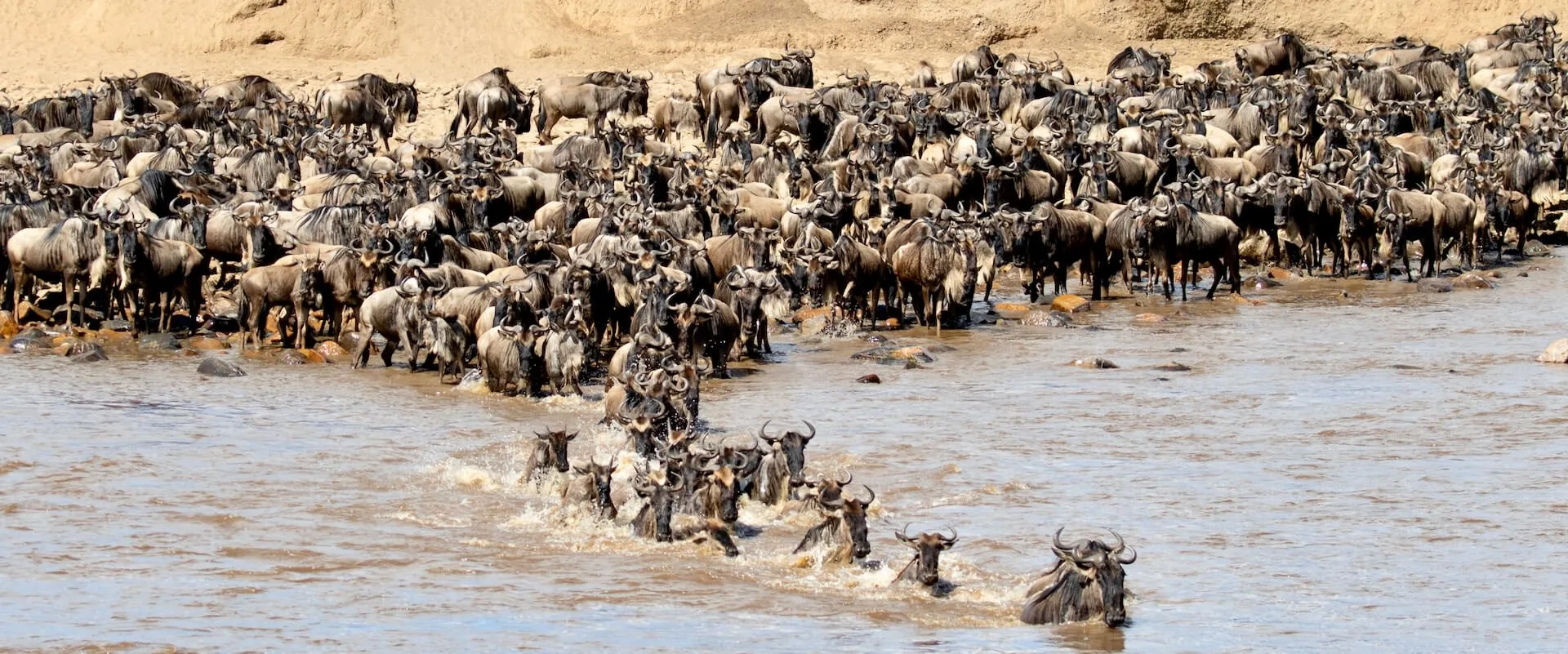
The Great Migration in Africa happens all year because the herds continuously circulate through the Serengeti–Mara ecosystem in…
Read article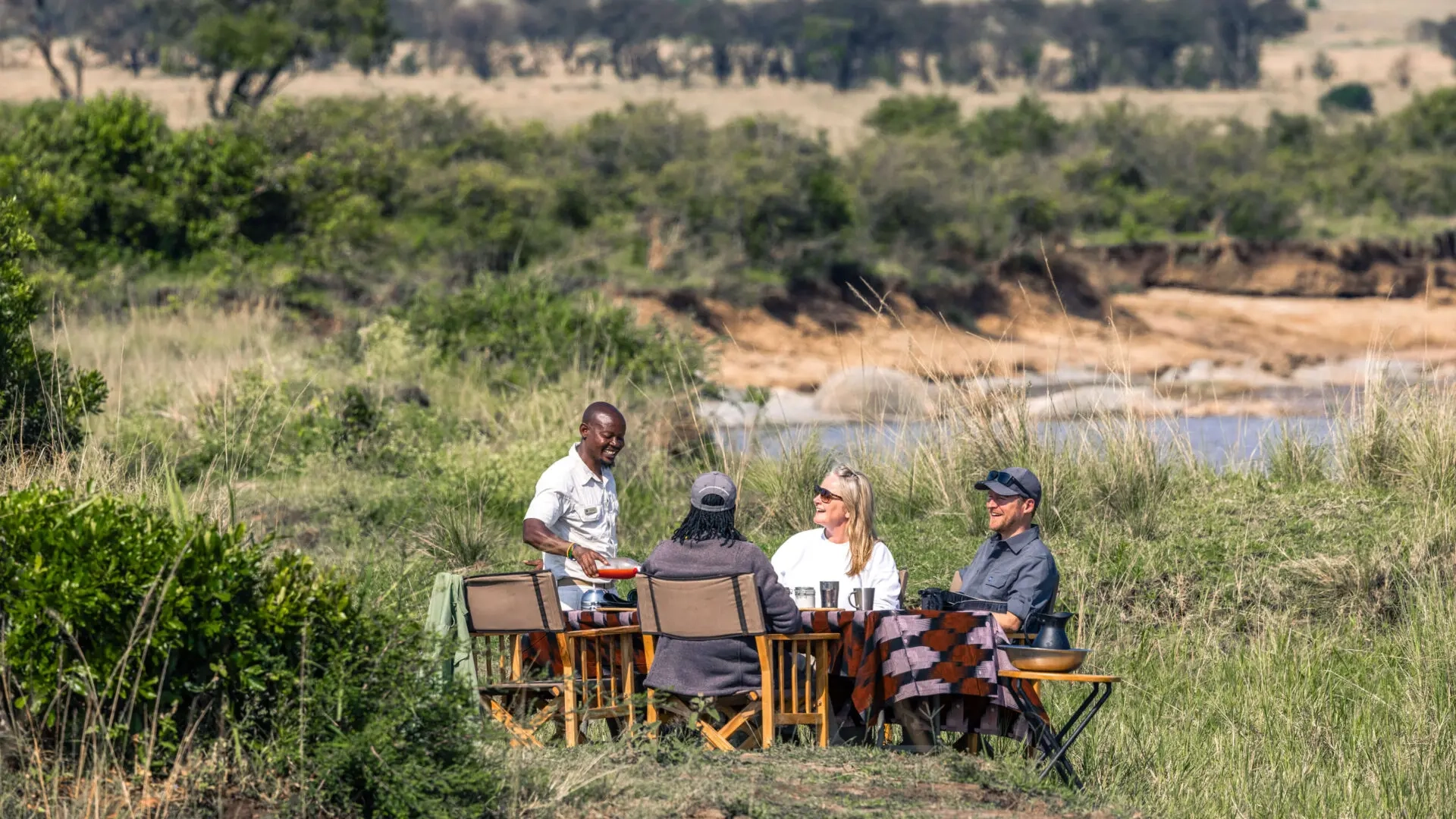
Definitive answer: A picnic lunch on safari is a packed or catered midday meal eaten at an approved…
Read article
Definitive answer: A bush dinner is an outdoor evening meal arranged in a safe safari setting away from…
Read articleLet us take you closer to the wildlife, people and places that make Africa extraordinary.
Plan Your Safari Today