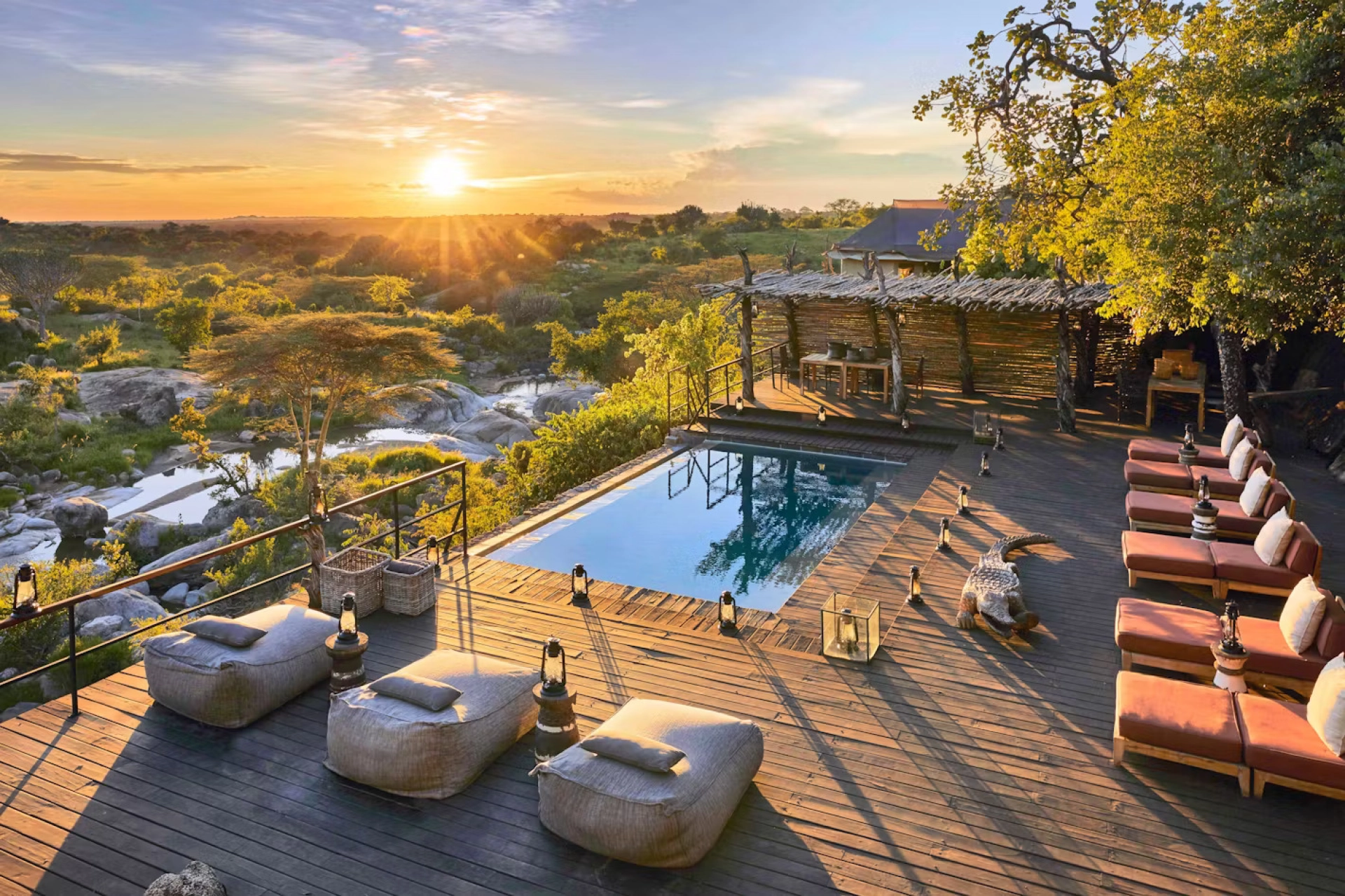
What should I look for when booking a luxury African safari?
When booking a luxury African safari, look beyond the room and compare the quality of guiding, wildlife location,…
Read article

Travel Guide
Choosing between Kruger National Park and Sabi Sands is one of the most important decisions travelers make when planning a South African safari. At first glance, the choice seems straightforward. Kruger is a huge national park…
Choosing between Kruger National Park and Sabi Sands is one of the most important decisions travelers make when planning a South African safari. At first glance, the choice seems straightforward. Kruger is a huge national park famous around the world for elephants, lions, leopards, buffaloes, rhinoceroses and remarkable biodiversity. Sabi Sands is an exclusive collection of private reserves beside Kruger, internationally renowned for exceptional guiding, close predator encounters, sophisticated lodges and some of Africa’s most celebrated leopard viewing.
But describing them as completely separate safari destinations is misleading. Ecologically, Kruger and Sabi Sands form part of the same Greater Kruger wildlife system. Sabi Sand shares an open boundary with Kruger, allowing animals to move through the broader ecosystem rather than being permanently confined to the private reserve. Sources for the reserve describe a roughly 50-kilometer unfenced boundary connecting Sabi Sand with Kruger. A leopard seen inside Sabi Sands may move through a completely different area later.
Elephants roam across large territories. Wild dogs can cover enormous distances. Lions establish territories according to ecological conditions rather than tourism boundaries. The fundamental difference between a Kruger safari and a Sabi Sands safari is therefore not necessarily which animals exist. It is how you experience them. Kruger provides enormous scale, independence, affordability and an extraordinary feeling of exploring one of Africa’s great national parks. Sabi Sands provides a more exclusive, highly guided and often more intimate wildlife experience.
For many travelers, the strongest answer is not choosing one. It is combining both.
Kruger National Park is the centerpiece of South Africa’s wildlife tourism. The park stretches across northeastern South Africa and protects a huge range of habitats. Woodlands, rivers, rocky outcrops, grasslands and mopane-dominated northern landscapes support exceptional biodiversity. Kruger is famous for the Big Five, but its ecological richness goes far beyond them. Elephants, lions, leopards, buffaloes and rhinoceroses share the landscape with giraffes, zebras, wildebeest, kudu, waterbuck, impala, hippos, crocodiles, spotted hyenas, cheetahs, African wild dogs and many smaller mammals.
Birdlife is extraordinary. For visitors interested in reptiles, trees, insects and ecology, the park offers almost endless possibilities. The enormous scale is part of the attraction. Driving through Kruger feels like traveling through a landscape rather than simply visiting a wildlife enclosure.
The Sabi Sand Nature Reserve, usually called Sabi Sands, lies beside Kruger National Park in South Africa’s Mpumalanga region. It consists of privately managed conservation land containing a number of famous safari properties and concessions. The reserve is particularly associated with high-quality luxury lodges and intensive guided wildlife viewing. A major ecological advantage is its connection with Greater Kruger. The open boundary allows wildlife to move naturally between the private reserve and national park.
This means travelers are not viewing a completely separate population of captive animals. They are experiencing wildlife within the same larger conservation landscape.
Think of Kruger as an enormous public national park. Think of Sabi Sands as a private safari environment connected ecologically with that same wilderness. Inside Kruger, visitors can self-drive. They follow public park roads and national park rules. Accommodation ranges from relatively inexpensive rest camps to more premium options. Day visitors are also allowed, subject to visitor limits and park procedures. Sabi Sands operates differently. The classic experience involves staying at a lodge and joining professionally guided game drives.
Self-driving wildlife routes through the reserve are not offered in the same way as Kruger. Safari activities are primarily conducted by lodge guides within the private reserve and concession system. The result is a safari that feels more curated and personalized.
Both protect outstanding wildlife. Because they belong to the same broader ecosystem, much of the large mammal diversity overlaps. You can encounter the Big Five in both. The difference is often the probability, intimacy and style of sightings. Kruger contains an extraordinary amount of wildlife but also enormous space. You may enjoy incredible sightings throughout the day. You may also drive for long periods through quieter areas. Sabi Sands is smaller and safari guides operate intensively within familiar territories.
Guides know where certain individual leopards are frequently encountered. They recognize lion prides. Trackers interpret footprints, alarm calls and other signs. Radio communication between guides can help locate important wildlife while responsible lodge systems often control vehicle numbers at sightings. This can increase the likelihood of consistently productive game drives.
For many travelers, the biggest argument in favor of Sabi Sands is the leopard. Leopards occur widely in Kruger. Excellent sightings are absolutely possible. Yet these cats are secretive, solitary and beautifully camouflaged. Finding one independently can require enormous luck. Sabi Sands is internationally famous for leopard safaris. Its long history of professionally guided wildlife viewing has allowed generations of leopards to become relatively relaxed around safari vehicles. Guides often know individual cats, their territories and sometimes their family histories.
The reserve itself highlights its reputation for frequent leopard encounters, something widely associated with Sabi Sands safari travel. This does not make leopard sightings guaranteed. No ethical safari should guarantee a wild animal. But travelers whose greatest safari ambition is watching and photographing leopards should place Sabi Sands extremely high on their list.
Both areas provide excellent lion possibilities. Kruger supports numerous prides across suitable habitat. Finding lions independently can be extremely exciting. A cluster of stationary vehicles beside a road may provide the first clue. At other times, travelers discover lions completely alone. The thrill of finding your own sighting is one of self-driving’s great pleasures. Sabi Sands provides a different experience. Professional guides know local territories and pride movements. Trackers can follow signs invisible to an untrained visitor.
When lions move away from conventional roads, private-reserve operating rules may sometimes provide greater flexibility in approaching appropriate sightings than visitors have on Kruger’s public roads. This can produce intimate encounters.
Kruger and the broader Greater Kruger ecosystem remain important rhinoceros landscapes. Conservation challenges mean detailed location information is understandably sensitive. Sabi Sands also protects rhinos within the shared ecosystem. Safari travelers should appreciate the conservation context around these animals. Rhino poaching has placed enormous pressure on wildlife authorities and private conservation organizations. For responsible visitors, seeing a rhinoceros should be about far more than completing a Big Five checklist. It represents an encounter with an animal whose continued survival requires significant conservation investment.
Elephants are encountered throughout much of Greater Kruger. In Kruger, the enormous landscapes allow visitors to experience elephants in many ecological contexts. You may see a breeding herd crossing a road, bulls feeding beside a river or animals gathering near water. The scale of Kruger can make these encounters particularly atmospheric. Sabi Sands also provides beautiful elephant sightings. Smaller safari groups and professional guiding allow visitors to spend time interpreting social behavior.
Guides understand when elephants are comfortable and when vehicles should provide additional space. For first-time visitors, observing these interactions with an experienced guide adds significant educational value.
Both Kruger and Sabi Sands offer possibilities for seeing African wild dogs.
Wild dogs are highly mobile. Their packs may cover large areas, meaning even experienced guides cannot predict exactly where they will appear. A sighting is often one of the most exciting moments of a safari. Unlike lions that may spend long hours sleeping, wild dogs can suddenly become extremely energetic. Pack greetings, social interaction and hunting behavior are fascinating to observe. Because Sabi Sands connects with the greater ecosystem, wild dogs can move across reserve boundaries naturally.
Cheetahs occur within the Greater Kruger region but can be more difficult to find than lions or leopards. They generally favor more open areas where they can use speed effectively. Travelers particularly focused on cheetahs may want to discuss destination choice with their safari planner rather than assuming either Kruger or Sabi Sands will automatically produce sightings. This illustrates an important principle. No individual safari area is best for every species.
If you dream of driving yourself through an African national park, Kruger is the obvious choice. Kruger has an extensive road network and nine main entrance gates. SANParks confirms that the national access roads to those gates are tarred, making the park comparatively accessible for independent travelers. Self-driving provides freedom. You choose when to leave camp. You decide which road to explore. You can spend an hour watching elephants or ten minutes photographing a bird.
You experience the excitement of finding wildlife yourself. For many safari enthusiasts, this independence becomes addictive.
Freedom comes with responsibility. You must navigate. You must understand gate-closing times. You must search for animals without a professional tracker. You need patience. You also need realistic expectations regarding distance. SANParks specifically advises visitors not to attempt to cover too much ground in Kruger, noting that slow travel and regular stopping often produce better results than racing through large distances. This is excellent safari advice. Kruger rewards patience.
Sabi Sands does not operate as a conventional self-drive wildlife destination. Travelers generally arrive at their lodge and participate in professionally guided activities. Information for Sabi Sand visitors specifically notes that game drives are conducted by professional guides rather than visitors independently self-driving through the reserve. Guests arriving by private vehicle may drive to their lodge through the appropriate access arrangements, but that should not be confused with exploring Sabi Sands independently as you would explore Kruger.
For some travelers this is a disadvantage. For others it is one of Sabi Sands’ greatest strengths. You can stop thinking about navigation and devote your full attention to wildlife.
This is where Sabi Sands often justifies its higher cost. Professional safari guides do far more than identify animals. They explain behavior. Why did those impalas suddenly stop feeding? Why is a kudu staring in one direction? Why are birds making alarm calls? What created that track? How old is it? Where might the animal have gone? A skilled tracker sees information in sand and vegetation that most travelers would completely overlook.
Tracks, broken branches, dung, scent marking and alarm calls build a story. Following that story until a leopard appears is completely different from simply receiving a GPS location. The learning experience becomes part of the safari.
Kruger visitors normally remain on designated public roads. Whether self-driving or joining scheduled activities, road rules protect the environment and wildlife. Sabi Sands operates under private-reserve management systems. Guided safari vehicles can sometimes have more flexibility in how sightings are approached, depending on specific reserve and concession regulations. This can be especially useful for predators. However, off-road access should never be interpreted as permission to chase animals. Responsible guides consider vegetation damage, animal behavior and the quality of the sighting.
The advantage is the possibility of obtaining a clearer viewing angle without dozens of public vehicles surrounding the same animal.
Busy Kruger sightings can attract substantial traffic. A leopard beside one of the park’s major roads may quickly result in numerous vehicles. Drivers position themselves according to available space. For some visitors, this is frustrating. For others, it is simply part of visiting a popular public national park. Sabi Sands lodges and concessions commonly manage wildlife sightings more tightly. The exact procedure varies, but limiting the number of vehicles around sensitive sightings helps preserve both guest experience and wildlife comfort.
This is one of the strongest reasons photographers and luxury travelers choose private reserves.
Kruger is enormous, so saying it is “crowded” oversimplifies the situation. Some southern areas receive considerable traffic. Popular roads near major camps can become busy. Public holidays can also increase visitation significantly. SANParks operates daily thresholds for day visitors, and when these thresholds are reached, entry can become restricted to people with confirmed accommodation or advance arrangements. Other sections of Kruger feel remarkably quiet. Travel north and the atmosphere can change substantially.
Visitors willing to explore less famous regions often experience long stretches of road with little traffic.
Accommodation variety is one of Kruger’s greatest advantages.
Budget-conscious travelers can stay at national park rest camps. Facilities vary but provide access to the wildlife ecosystem without luxury safari prices. This makes Kruger one of Africa’s most accessible major safari destinations. Mid-range travelers can stay in lodges outside or around the park and enter for game drives. More exclusive concession-style experiences are also available in certain settings. SANParks notes that many rest camps provide retail facilities and restaurants, although standard accommodation tariffs do not necessarily include meals.
This flexibility allows travelers to design safari budgets very differently.
Sabi Sands is much more strongly associated with luxury lodges. Properties can include spacious suites, plunge pools, fine dining, premium game drives, highly personalized service and beautiful wilderness settings. Some lodges are internationally famous. Others are smaller and less widely known while still providing excellent guiding. The safari package commonly includes meals and wildlife activities, though precise inclusions vary by lodge. This explains why comparing a Sabi Sands nightly rate directly with a simple Kruger rest-camp room is misleading.
You are purchasing fundamentally different products.
Kruger can be dramatically cheaper. A traveler renting a standard vehicle, staying in relatively affordable accommodation and self-driving can enjoy outstanding wildlife at a fraction of premium lodge prices. Sabi Sands generally occupies the mid-range-to-luxury end of the market, with many properties positioned firmly in luxury territory. Rates often include accommodation, meals and guided game drives. Some include additional beverages or other services. The important question is not simply which costs less.
It is what you value. If you enjoy independence and finding wildlife yourself, paying substantially more for a private lodge may not be necessary. If you have only three safari nights and want highly skilled professionals maximizing each game drive, the Sabi Sands premium can make sense.
Kruger is one of Africa’s best options for travelers who want a high-quality wildlife experience without a luxury budget. The animals are not more impressive because you paid more for your room. A leopard walking beside the road is the same wild leopard whether you sleep in simple accommodation or a private villa. Budget travelers should therefore prioritize location, sufficient safari time and realistic routing. A seven-night affordable Kruger safari may provide more wildlife depth than two nights at an expensive private lodge.
For luxury safari travelers, Sabi Sands is exceptionally difficult to beat. The strongest lodges combine outstanding wildlife with excellent hospitality. Morning game drives are followed by breakfast. Afternoons provide time to relax. Late-day drives continue into the evening when nocturnal predators become active. Dinner may be served beneath the stars or in atmospheric lodge settings. Yet the greatest luxury is often not the room. It is time, expertise and access.
A superb guide who understands an individual leopard’s territory may create a memory far more valuable than expensive furnishings.
Kruger dining depends heavily on accommodation style. Self-drive guests may use camp restaurants, purchase supplies or prepare some meals themselves. This flexibility helps control costs. Sabi Sands lodges tend to provide a more complete hospitality experience. Meals may be a major part of the stay. For honeymooners or travelers celebrating a milestone, this all-inclusive feeling can be attractive. Safari becomes effortless. There is no grocery shopping, route planning or daily decision-making.
Both are excellent but suit different photography styles. Kruger offers tremendous diversity. Self-driving photographers can remain at a sighting as long as road rules and circumstances allow. You can choose your own schedule and explore slowly. The disadvantage is vehicle positioning. You cannot leave roads to improve your angle. Another vehicle may block the best view. Sabi Sands can provide greater positioning flexibility under guide supervision. Lower vehicle numbers at sightings and the possibility of carefully approaching wildlife away from public roads can produce exceptional photographic opportunities.
A private safari vehicle makes the experience even better. Photographers can ask guides to prioritize light, behavior and positioning rather than rushing between Big Five sightings.
This deserves special attention. For photographers dreaming about African leopard photography, Sabi Sands is among the most celebrated safari destinations on the continent. Because guides know many resident individuals, travelers may spend extended periods following natural behavior. A leopard may rest in a tree, patrol territory, feed, scent-mark or interact with cubs. Repeat sightings of the same individual can build a deeper understanding of its life. Kruger can produce equally spectacular individual moments.
But Sabi Sands generally offers greater consistency.
Kruger is fantastic for birding. Its vast habitat diversity supports an enormous number of species. Self-driving allows serious birders to move extremely slowly without worrying about other guests who want to search exclusively for lions. You can stop for every roller, hornbill, eagle, kingfisher or lapwing. Sabi Sands also provides excellent birding. Professional guides can be outstanding birders themselves. The key difference is social dynamics. If you are sharing a vehicle with guests focused entirely on Big Five mammals, birding priorities may receive less time.
Private vehicles solve this problem.
Both Kruger and private Greater Kruger areas can provide opportunities for guided walking experiences under appropriate conditions.
Walking completely changes the safari perspective. Large mammals become only part of the story. Tracks, plants, insects, dung, birds and wind direction suddenly become fascinating. A guided bush walk teaches travelers how much information exists in a landscape that seems empty from a vehicle. Specific walking options should be confirmed with the chosen lodge or park program.
Night changes the African bush. Animals rarely encountered during daytime may become active. Predators move. Nocturnal species emerge. Kruger offers guided night-drive opportunities through official programs in certain contexts. Visitors cannot simply self-drive after public gate-closing times. Sabi Sands routinely incorporates late-afternoon and evening periods into many lodge safari schedules. Guides use spotlights responsibly to search for nocturnal wildlife. For guests wanting a seamless combination of daylight and after-dark safari experiences, Sabi Sands often has an advantage.
Both are excellent. A first-time traveler who values independence and affordability will probably love Kruger. There is genuine excitement in driving around a bend and finding your first wild elephant without anyone telling you it is there. A traveler who feels overwhelmed by self-driving, animal identification and navigation may enjoy Sabi Sands more. Professional guides handle everything. The visitor simply experiences the safari. For travelers with enough budget and time, combining the two creates perhaps the best first safari of all.
Kruger is highly flexible for families. Parents can self-drive, stop when children become restless and choose accommodation according to budget. However, young children sometimes struggle with very long game drives. Sabi Sands can provide excellent family safari experiences, but individual lodge age policies vary. Some properties specialize in families. Others emphasize quiet adult luxury. Certain safari activities may have minimum-age restrictions. Families should therefore choose the specific lodge carefully rather than assuming all Sabi Sands properties operate identically.
Sabi Sands is especially strong for honeymooners. Private suites, intimate dining and professional guiding create a romantic atmosphere without requiring couples to manage logistics. Combining Sabi Sands with Cape Town and the Cape Winelands creates one of South Africa’s classic honeymoon journeys. Kruger can also provide a wonderful honeymoon, especially for adventurous couples who enjoy road trips and independent travel. The right choice depends on whether the couple imagines safari as an expedition or a luxurious retreat.
Solo travelers need to consider pricing carefully. Private safari lodges may apply single supplements. Kruger can be more economical, especially for independent travelers comfortable renting a vehicle. However, Sabi Sands has an advantage socially. Shared lodge game drives and communal meals can create opportunities to meet other guests naturally. Solo travelers should compare the total experience rather than simply room cost.
Kruger and Sabi Sands can both be reached from Johannesburg through a combination of road transfers and flights. Sabi Sand visitor information describes road access from Johannesburg as roughly 450 kilometers depending on the specific lodge and route, and airports such as Hoedspruit and Skukuza can also play an important role in safari logistics. Travelers should not simply enter “Sabi Sands” into navigation and assume every lodge uses the same access gate.
The reserve has multiple access points and the most appropriate route depends on the specific property.
Ecologically the two areas share an open wildlife boundary, but tourist-road access does not mean visitors can simply drive across that unfenced boundary. Guests traveling between Kruger and Sabi Sands normally need to exit through the relevant public route and then enter Sabi Sand through an authorized access gate. Visitor information specifically notes that normal guest vehicle access between the reserves uses designated gates rather than crossing the wildlife boundary directly.
This is important when calculating transfer times. On a map, your Kruger camp and Sabi Sands lodge may appear close. Actual driving logistics can require a much longer route.
Because both destinations occupy the same broad region, seasonal patterns are similar. The dry season is popular for wildlife viewing. Vegetation becomes thinner and animals increasingly use dependable water sources. Cool mornings can make open safari vehicles surprisingly cold. Travelers should carry warm layers. Summer rains bring a dramatic transformation. Landscapes become green. Migratory birds arrive. Young animals appear. Storm clouds create spectacular photographic conditions. Wildlife does not disappear during the green season.
It simply becomes a different safari.
The dry months tend to make wildlife easier to locate because vegetation is less dense.
Water becomes increasingly important. Photographers benefit from clearer sight lines. Morning temperatures can be cold, especially while moving in open vehicles. Sabi Sands information commonly identifies autumn and winter as especially popular because bush density decreases and wildlife concentrates increasingly around water.
The wet season is underappreciated. Landscapes become beautiful. Birding improves dramatically. Many species give birth. Photography can benefit from rich vegetation and dramatic skies. There may also be fewer visitors during some periods. Travelers whose expectations extend beyond Big Five checklists may find green-season safaris extremely rewarding.
The Greater Kruger region lies within a malaria-risk area. Risk varies according to season and circumstances. Travelers should obtain appropriate professional medical advice before departure rather than relying on safari blogs for individualized health recommendations. Preventive measures against mosquito bites are sensible regardless. Use repellent, wear appropriate clothing when mosquitoes are active and follow lodge guidance.
The open relationship between private reserves and the national park demonstrates an important conservation principle. Wildlife benefits from space. Removing internal barriers allows animals to move across larger landscapes. Sabi Sand sources highlight the unfenced boundary with Kruger as one of the reserve’s defining conservation characteristics. Private tourism revenue can also contribute significantly to habitat protection and anti-poaching programs. National parks provide conservation at enormous scale. Rather than viewing public and private conservation models as competitors, Greater Kruger demonstrates how they can contribute to one larger ecosystem.
For many travelers, this is the ideal solution. Begin inside Kruger. Spend several days self-driving or exploring with a guide. Learn the landscapes. Enjoy the independence of finding wildlife yourself. Then move to Sabi Sands. Hand the driving to professional guides. Experience intensive morning and evening game drives. Search for leopards. Relax between activities. The contrast makes both safari styles more interesting. You appreciate Sabi Sands’ guiding more because you understand how difficult finding wildlife can be.
You appreciate Kruger’s freedom more after experiencing the structured lodge routine.
A seven-day safari could include four nights around Kruger followed by three nights in Sabi Sands. The Kruger portion allows several full days exploring wildlife habitats. Avoid changing camps every night. Two bases are generally enough for a short itinerary. Then transfer to Sabi Sands for the final portion. Arrive early enough to participate in the afternoon drive. Over the next two full days, join morning and afternoon or evening safari activities.
This gives travelers several opportunities to encounter predators and other wildlife. On the final day, complete the morning activity before transferring toward the appropriate airport or next destination where timing allows.
A Kruger safari combines beautifully with Cape Town. After several days surrounded by wildlife, fly south to experience Table Mountain, the Cape Peninsula, restaurants, beaches and the Cape Winelands. This creates enormous variety within one country. A ten-to-fourteen-day South Africa holiday can comfortably combine safari and Cape Town when flights are scheduled intelligently.
Travelers with more time can continue north toward Victoria Falls. This adds one of Africa’s great natural landmarks to the safari. From Victoria Falls, itineraries can continue into Zimbabwe’s Hwange National Park or Botswana’s Chobe region. A longer Southern Africa journey can therefore move from South African predators to the Zambezi River and huge elephant populations farther north.
An even greater contrast comes from combining South Africa with Uganda gorilla trekking. Kruger and Sabi Sands provide classic vehicle-based Big Five safaris. Bwindi Impenetrable National Park provides dense rainforest and mountain gorillas. The wildlife experiences could hardly be more different. One involves driving across savannah and woodland. The other requires hiking on foot through tropical forest. A South Africa and Uganda safari therefore gives wildlife enthusiasts two of the continent’s defining experiences.
For a traveler with only three safari nights and a flexible budget, Sabi Sands may provide the stronger concentrated wildlife experience.
Professional guides maximize available safari time. Accommodation, meals and activities are organized. There is little logistical distraction. For budget travelers, however, three nights in Kruger can still be extraordinary. The critical thing is choosing a sensible location and avoiding long daily transfers.
With seven nights, combine them. Spend several nights in Kruger and several in Sabi Sands. This provides both independence and guided luxury. Wildlife sightings become more diverse simply because you spend more time in the ecosystem.
Both provide opportunities to see the Big Five. Sabi Sands may provide more consistent professionally guided searching within a compact area. Kruger provides enormous populations spread across a much larger landscape. No ethical operator can guarantee all five. Wildlife movements remain unpredictable.
For most travelers, Sabi Sands. Its leopard-viewing reputation is one of the strongest in Africa. Kruger can provide fantastic leopard sightings, but finding these secretive cats independently is generally less predictable.
Kruger. Self-driving and affordable national-park accommodation make it possible to control expenses very effectively.
Sabi Sands. Its private lodges specialize in highly personalized safari hospitality.
This depends on how you define adventure. Self-driving through Kruger and discovering wildlife independently feels adventurous. Following fresh leopard tracks with a professional tracker in Sabi Sands feels adventurous in a completely different way.
At Adventure in the Wild Safaris, we believe safari destination comparisons should lead to better itinerary decisions rather than simplistic claims that one place is always superior. Kruger and Sabi Sands suit different travelers. Understanding the difference allows you to select the safari style that matches your expectations. For travelers planning broader African journeys, South Africa can also be combined with Uganda gorilla trekking, Rwanda gorilla safaris, Kenya, Tanzania, Victoria Falls, Botswana and other major destinations.
The key is allowing enough time. Africa should not become a race between airports.
Choose Kruger National Park when you want freedom. Choose it when self-driving excites you. Choose it when you want to explore an enormous national park at your own pace. Choose it when budget matters. Choose it when finding your own lion beside a quiet road sounds more rewarding than being guided directly toward one. Choose Sabi Sands when you want expertise. Choose it when leopard viewing is a major priority.
Choose it when you want professional guides and trackers doing the searching. Choose it when luxury accommodation and a carefully managed safari schedule appeal to you. Choose it when three exceptional days matter more than seven inexpensive ones. But if time and budget allow, combine Kruger and Sabi Sands. The two experiences complement each other remarkably well. Spend several days discovering how difficult wildlife tracking can be when you are responsible for finding animals yourself.
Then sit beside a professional tracker while they interpret marks in the dust that you would never have noticed. Experience Kruger’s vast road network and sense of independence. Then experience Sabi Sands’ intimate predator encounters and private-lodge hospitality. Together, they reveal two different but equally compelling ways to experience the Greater Kruger ecosystem—one of the greatest wildlife regions in Africa.
Get quick answers to the most common questions. If you still have questions, our safari experts are here to help.
Sabi Sands is not administered as part of Kruger National Park, but it forms part of the broader Greater Kruger ecosystem and shares an unfenced wildlife boundary with Kruger.
Yes. The open ecological boundary allows wildlife to move across the broader ecosystem.
It depends on your priorities. Sabi Sands is excellent for professionally guided, exclusive wildlife experiences, while Kruger is outstanding for scale, self-driving, affordability and independent exploration.
Sabi Sands has one of Africa’s strongest reputations for leopard viewing and is particularly popular with travelers and photographers focused on these cats.
Visitors do not explore Sabi Sands through independent self-drive game viewing in the way they can inside Kruger. Safari game drives are conducted through lodge and reserve guiding systems.
Yes. Kruger is one of Africa’s most established self-drive safari destinations.
Kruger can be much cheaper, particularly for self-drive visitors staying in national-park accommodation. Sabi Sands predominantly offers lodge-based guided safari packages.
Sabi Sands is particularly strong for luxury honeymoons, but adventurous couples may prefer combining several nights in Kruger with a shorter luxury stay in Sabi Sands.
Sabi Sands often provides excellent predator positioning and professionally guided wildlife tracking, while Kruger provides freedom, enormous habitat diversity and the ability for self-driving photographers to spend significant time at sightings.
Three nights is a good starting point because it normally provides several morning and afternoon safari opportunities. Four nights provides an even better chance to experience a range of wildlife behavior.
At least four nights is useful for a first visit. A week allows a much deeper exploration.
Yes. This is arguably one of the best South African safari combinations.
No. Although wildlife moves across the open ecological boundary, visitors use designated reserve and national-park access routes when transferring between the two.
Many main rest camps have retail and restaurant facilities, although meals are generally separate from basic accommodation rates.
Some popular southern roads and major sightings can become busy, particularly around high-demand periods. The park is enormous, however, and quieter areas are available.
Vehicle numbers are generally much lower than on popular public Kruger roads, contributing to a more exclusive safari atmosphere.
Potential sightings include lion, leopard, elephant, buffalo, rhino, giraffe, zebra, hyena, wild dog, antelopes and numerous smaller species.
Both are year-round destinations. Dry periods can provide easier wildlife visibility, while the greener summer season offers beautiful vegetation, young animals and excellent birding.
Yes. This is one of South Africa’s strongest luxury holiday combinations.
Yes. A multi-country journey combining a Kruger safari and Bwindi gorilla trekking provides an exceptional contrast between savannah and rainforest wildlife.
Our safari experts are here to help you plan your safari. Get personalized advice, the latest information and a free, no-obligation quote.
We typically reply within a few hours.

Share This Article
When booking a luxury African safari, look beyond the room and compare the quality of guiding, wildlife location,…
Read article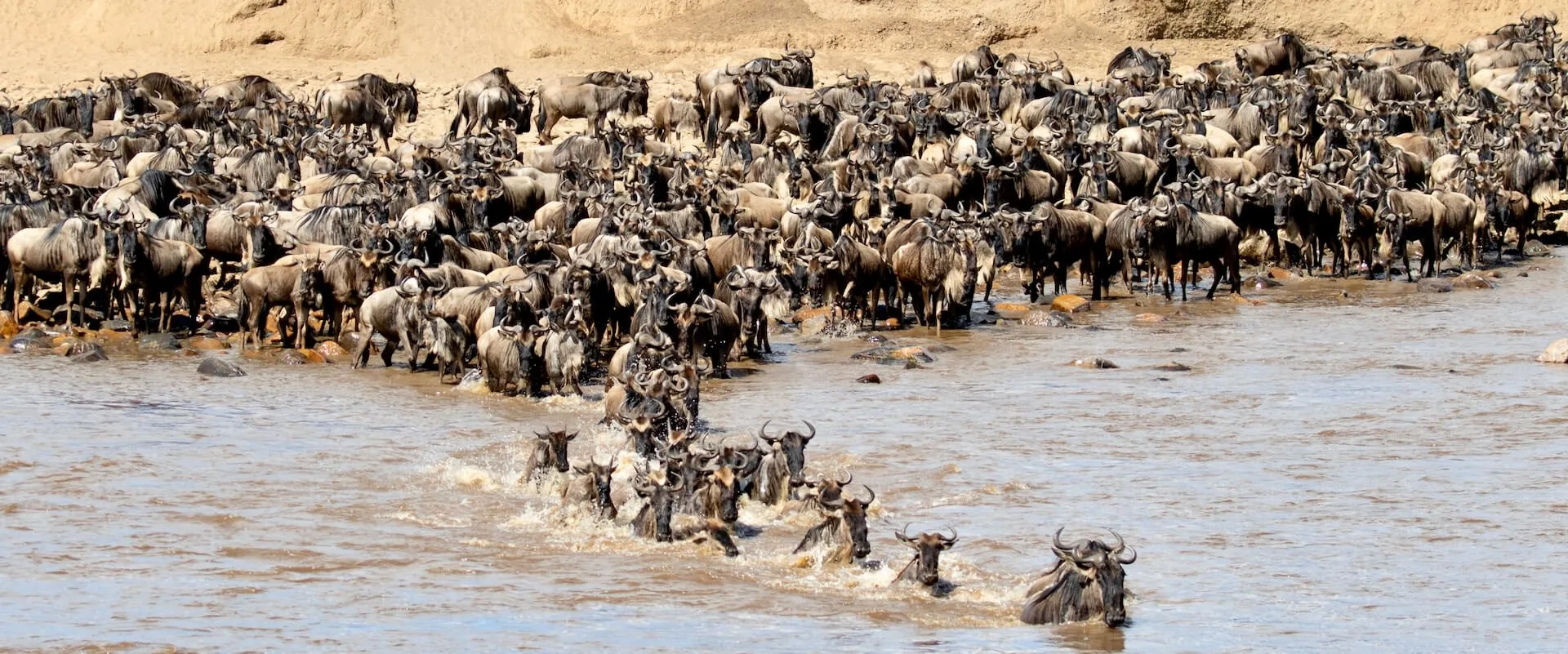
The Great Migration in Africa happens all year because the herds continuously circulate through the Serengeti–Mara ecosystem in…
Read article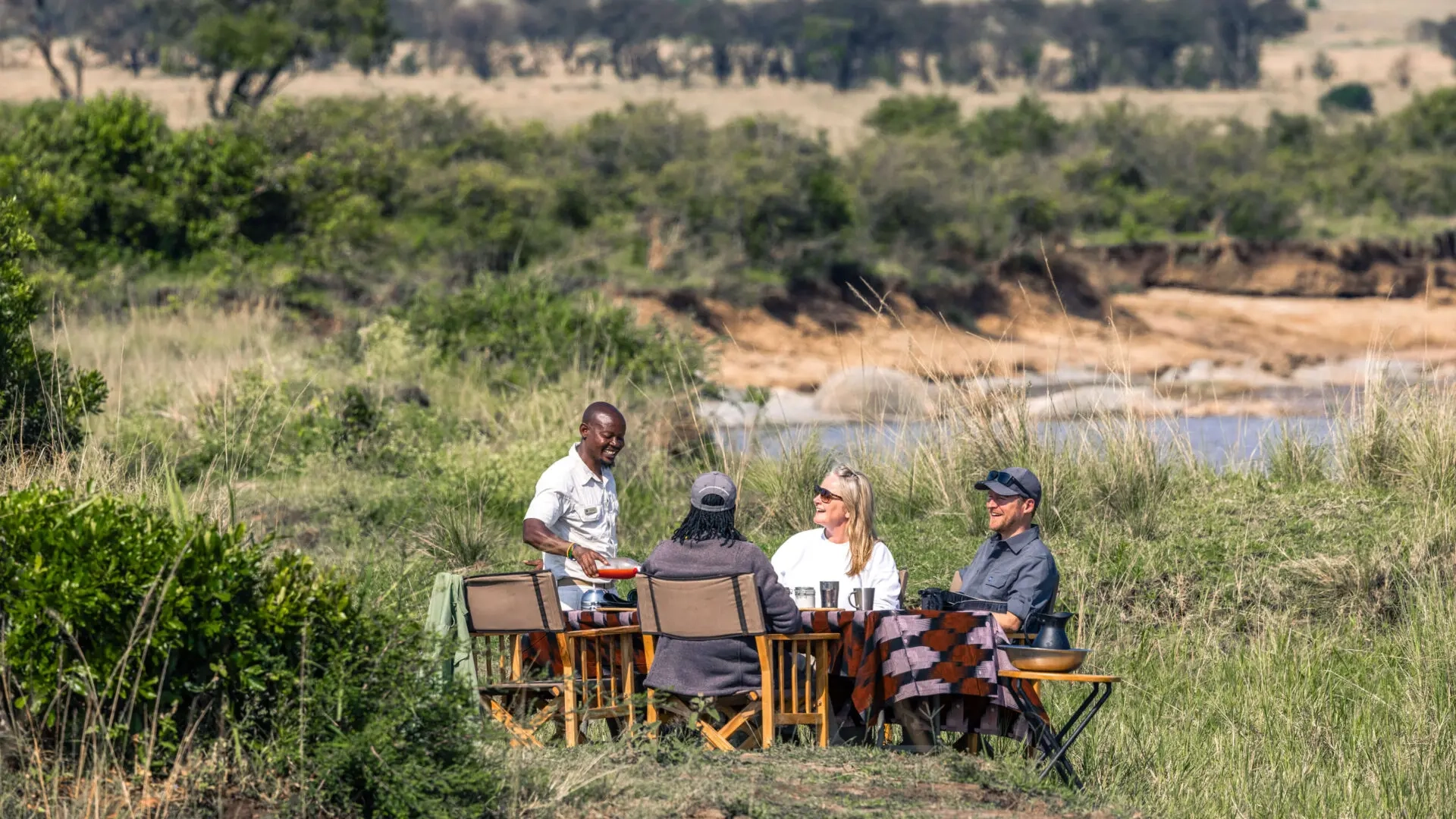
Definitive answer: A picnic lunch on safari is a packed or catered midday meal eaten at an approved…
Read article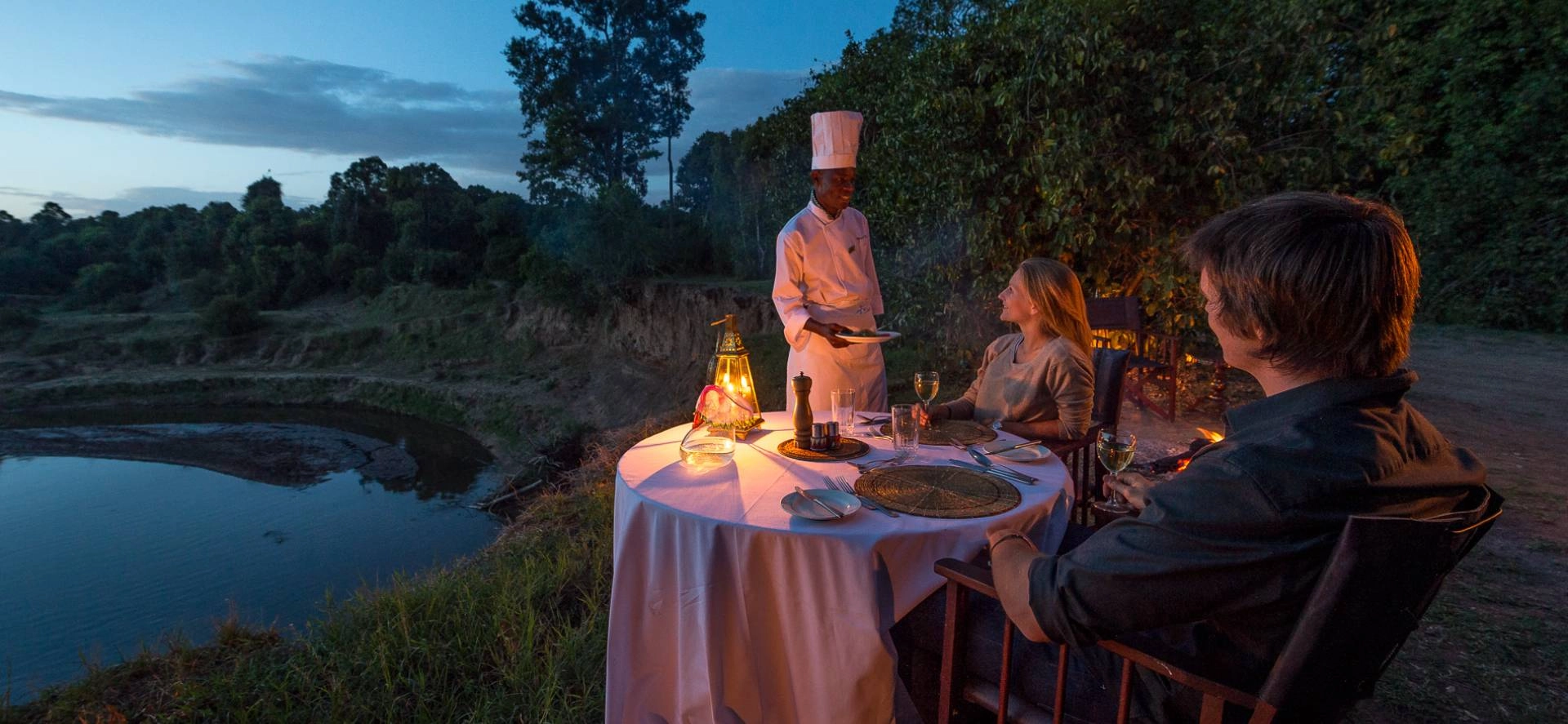
Definitive answer: A bush dinner is an outdoor evening meal arranged in a safe safari setting away from…
Read articleLet us take you closer to the wildlife, people and places that make Africa extraordinary.
Plan Your Safari Today