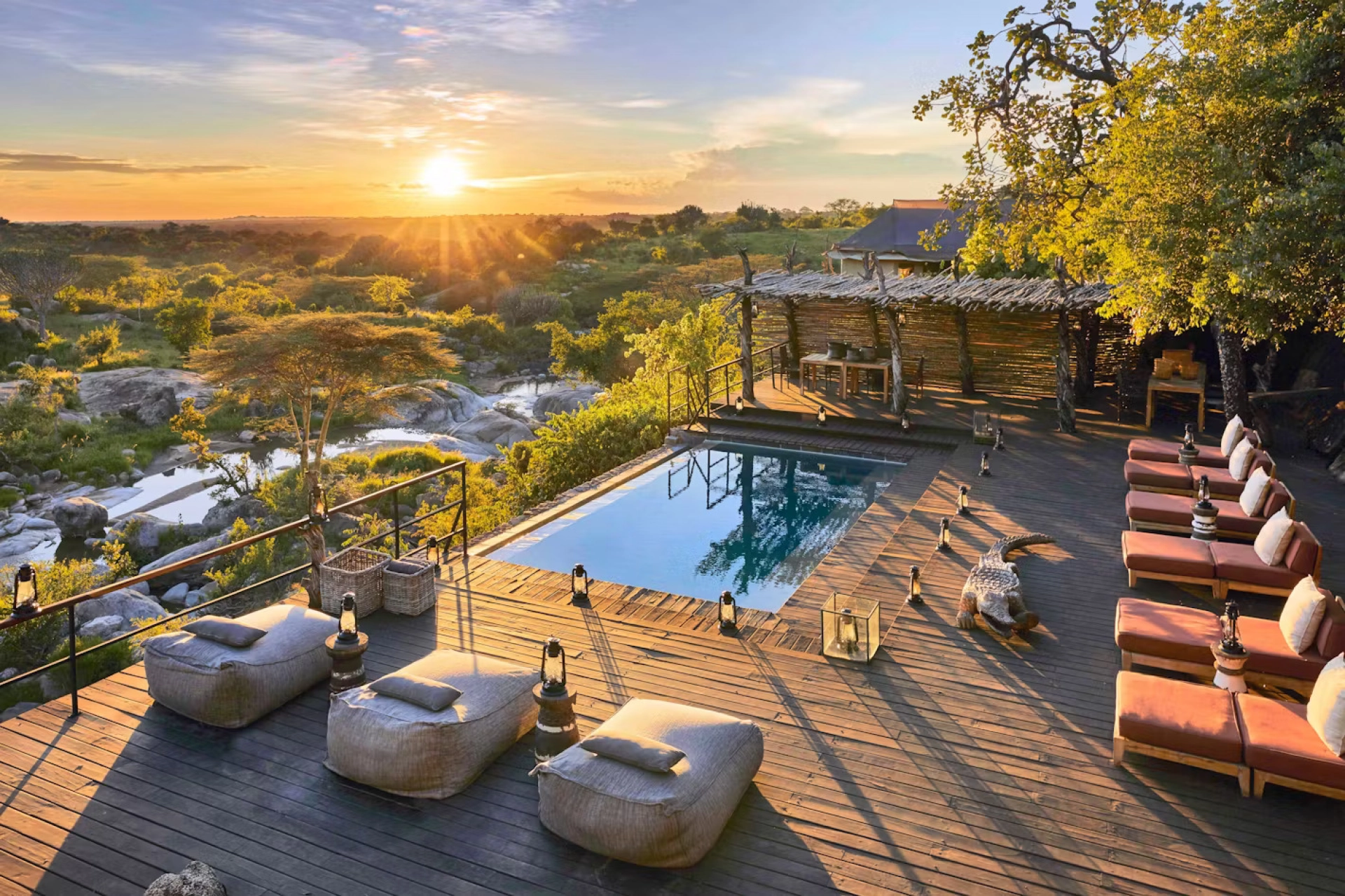
What should I look for when booking a luxury African safari?
When booking a luxury African safari, look beyond the room and compare the quality of guiding, wildlife location,…
Read article

Travel Guide
Few comparisons generate as much debate among safari travellers as Kruger vs Serengeti. Both names are legendary. South Africa's Kruger National Park is one of the continent's most famous Big Five wildlife destinations, while Tanzania's Serengeti…
Few comparisons generate as much debate among safari travellers as Kruger vs Serengeti. Both names are legendary. South Africa’s Kruger National Park is one of the continent’s most famous Big Five wildlife destinations, while Tanzania’s Serengeti National Park represents the classic image of vast African grasslands filled with wildebeest, zebras, lions and other wildlife. If you can visit both, there is little reason to choose. They offer different experiences and together demonstrate the extraordinary diversity of African safari landscapes.
But most travellers have limited time and budgets. That leads to the obvious question: Kruger or Serengeti—which offers the best safari? The answer depends on what “best” means to you. If your priority is seeing the traditional African Big Five within a highly developed safari destination offering everything from self-drive options to ultra-luxury private reserves, Greater Kruger is extremely difficult to beat. If your dream is to experience vast open landscapes, enormous concentrations of grazing animals, predator-prey interactions and the Great Wildebeest Migration, Serengeti has an advantage that Kruger simply cannot reproduce.
Cost, accommodation, accessibility, landscapes, vehicle rules and the style of wildlife viewing are also very different. This detailed Kruger vs Serengeti comparison examines those differences so that you can choose the safari that best matches your expectations.
Kruger lies in northeastern South Africa and forms the core of a much larger wildlife ecosystem that includes adjoining private reserves. The region supports the Big Five—lion, leopard, elephant, rhinoceros and African buffalo—along with cheetahs, wild dogs, giraffes, zebras, hippos and hundreds of bird species. The Serengeti lies primarily in northern Tanzania and forms part of the wider Serengeti-Mara ecosystem extending into Kenya. It is globally famous for the Great Migration, when huge numbers of wildebeest, zebras and other herbivores move through the ecosystem.
Both are world-class. But they deliver safari in different ways.
Both protected areas are enormous by conventional tourism standards. Kruger stretches across a vast section of northeastern South Africa, while Serengeti protects an immense landscape in northern Tanzania. Comparing official park areas alone does not fully explain the safari experience. The Greater Kruger ecosystem includes private reserves that share open ecological boundaries with the national park in important areas, expanding the wildlife landscape beyond Kruger’s administrative boundaries. Similarly, Serengeti is part of a much larger ecosystem incorporating conservation areas and Kenya’s Masai Mara.
From a visitor’s perspective, what matters is not simply which park has more square kilometres. It is how that space influences wildlife distribution, scenery, driving distances and the feeling of wilderness.
This is one of the biggest differences. The Serengeti is famous for enormous open grasslands. In certain areas, the horizon appears almost limitless. These landscapes are particularly spectacular when covered by large herds of wildebeest and zebras. Kruger contains a much greater mixture of woodland, bushveld, riverine habitat and open areas. This vegetation can sometimes make animals more difficult to spot, particularly when conditions are green and dense. But it also creates a different kind of safari.
A leopard may suddenly appear from woodland. Elephants may emerge onto the road only metres from the vehicle. Wildlife sightings can feel intimate and unpredictable. Travellers who imagine Africa as endless golden plains may prefer Serengeti. Travellers who enjoy varied vegetation and searching through bush may love Kruger.
For travellers whose principal objective is specifically seeing the Big Five in Africa, Greater Kruger has a compelling reputation. Lion, leopard, elephant, buffalo and rhino all occur within the wider ecosystem. Some private reserves are particularly well known for high-quality leopard viewing. Experienced trackers and guides in private reserves can produce exceptional sightings. The Serengeti is extraordinary for lions, leopards, elephants and buffaloes. However, travellers focused specifically on completing the traditional Big Five checklist need to understand that rhino viewing can be much more limited and geographically specific.
Therefore, if your definition of the best Big Five safari in Africa is simply maximising the possibility of seeing all five traditional species within one safari region, Kruger may have the advantage. But that is only one measure of safari quality.
Both destinations offer excellent lion viewing. Serengeti’s open landscapes can make lions easier to observe from a distance. Prides may rest on open plains, hunt grazing animals or gather around kills. The abundance of prey supports an important predator population. Kruger also provides superb lion sightings. The more wooded landscape can create exciting encounters when lions suddenly appear beside roads or riverbeds.
Private Greater Kruger reserves can add another dimension because skilled trackers may locate predators using tracks and other signs. There is no simple winner. Serengeti may provide the more iconic open-plains lion scenery, while Kruger can provide extremely intimate encounters.
Leopards occur in both ecosystems, but parts of Greater Kruger are internationally renowned for leopard viewing. Private reserves bordering Kruger have long histories of identifying and monitoring individual leopards. Experienced guides and trackers may understand particular territories and behaviour exceptionally well. This does not mean a leopard sighting is guaranteed. Wildlife is wild. But travellers who place leopard high on their priority list may find the Greater Kruger ecosystem particularly attractive.
Serengeti also supports leopards, often associated with rocky kopjes, woodland and riverine areas. Seeing one resting in an acacia tree remains a classic East African safari experience.
Both destinations support elephants. Kruger’s elephants are encountered across a variety of habitats, and sightings can be frequent in appropriate areas. Watching elephants cross a road, feed beside a river or gather around water is one of the park’s great experiences. The Serengeti also supports elephants, particularly in certain habitats. However, if elephants are your overriding priority, it is worth remembering that Africa has other destinations particularly famous for them.
Amboseli National Park in Kenya and Chobe National Park in Botswana are two obvious examples.
Rhino is the species that most clearly affects the Big Five comparison. Greater Kruger remains one of Africa’s important rhino landscapes, despite the enormous conservation challenges created by poaching. Visitors may have opportunities to see rhinos, although sightings vary. In the Serengeti ecosystem, rhinos are far less straightforward to encounter and are concentrated in protected areas where conservation efforts are intensive. Therefore, travellers whose goal is explicitly a Big Five safari rather than a broader wildlife experience may find Kruger more suitable.
African buffaloes occur in both destinations. Kruger may produce sightings of large herds around rivers and productive habitats. Serengeti buffaloes also inhabit suitable areas throughout the ecosystem. Both destinations provide excellent opportunities to observe these formidable animals.
There is no meaningful competition in this category. Kruger does not have an equivalent to the Great Wildebeest Migration. The Serengeti-Mara ecosystem hosts one of the largest terrestrial wildlife movements on Earth. Huge numbers of wildebeest move through the ecosystem accompanied by zebras and other herbivores. Predators follow the opportunities created by this abundance.
The dramatic Mara River crossings shown in documentaries are only one part of the annual cycle. In southern areas, the calving period can create extraordinary scenes as large numbers of wildebeest give birth. As environmental conditions change, herds gradually move through central and western areas before many reach northern Serengeti. Rainfall influences timing. For this reason, nobody should treat migration as though wildlife follows a fixed appointment calendar. A knowledgeable safari operator chooses the region and accommodation according to likely herd movements during the intended travel period.
If witnessing the Great Migration in Tanzania is your primary objective, choose Serengeti.
Both ecosystems support impressive wildlife diversity. Kruger contains a remarkable number of mammal and bird species across varied habitats. The park’s north and south can feel surprisingly different. Serengeti’s ecological drama comes partly from the extraordinary abundance of grazing animals and the predators associated with them. Cheetahs are particularly well suited to open East African plains. Spotted hyenas are widespread. Large wildebeest and zebra herds can create a scale of wildlife viewing that is difficult to replicate elsewhere.
Kruger may feel more varied at a habitat level. Serengeti may feel more spectacular at the landscape and herd level.
Cheetahs rely heavily on visibility and open terrain. The Serengeti’s grasslands therefore provide ideal conditions in many areas. Travellers may observe cheetahs scanning plains from elevated positions or following prey through open habitat. Kruger also supports cheetahs, but sightings can be less predictable and habitat varies.
For travellers particularly passionate about cheetahs, Serengeti is generally an excellent choice.
Greater Kruger is an important destination for African wild dogs, although these highly mobile predators are never easy to guarantee. Wild dogs live in packs and may cover substantial distances. Seeing them hunt or interact socially can become one of a safari’s most memorable experiences. The Serengeti ecosystem also supports extraordinary carnivore diversity, but Greater Kruger is often particularly appealing to safari enthusiasts hoping to find wild dogs.
The wildlife lists only tell part of the story. A Kruger safari and Serengeti safari often feel fundamentally different. In Serengeti, visitors frequently spend long periods driving across vast open landscapes. The horizon itself becomes part of the experience. You may watch a herd approaching from a considerable distance. Dust rises behind migrating animals. Predators are framed against grasslands and enormous skies. In Kruger, vegetation frequently creates a more enclosed experience.
Wildlife can suddenly appear around a bend. Tracks, alarm calls and subtle signs may become especially important. Both styles are rewarding. The better one depends on personal preference.
One of Kruger’s major advantages is the extensive network of private reserves and concessions associated with the wider ecosystem. Many high-end properties offer guided morning and afternoon drives in open safari vehicles. Trackers may work alongside guides to locate animals. Depending on reserve rules and conditions, vehicles may have greater flexibility in approaching certain sightings than visitors driving independently on public roads. Luxury lodges often provide highly personalised service, excellent dining and intimate accommodation.
This creates a very different experience from self-driving inside Kruger National Park. When comparing prices, travellers should therefore distinguish between Kruger National Park safari and a Greater Kruger private reserve safari. They are not identical products.
Serengeti accommodation also varies enormously. Permanent lodges operate in established areas. Tented camps provide a closer connection to the landscape. Mobile or semi-mobile migration camps may reposition seasonally to remain strategically located near likely herd movements. This can create an extraordinary safari atmosphere. At night, guests may hear lions, hyenas or other wildlife from camp. The experience feels deeply connected to the surrounding ecosystem.
Kruger is one of Africa’s premier destinations for independent self-drive safari. Its road network, rest camps and tourism infrastructure make it possible for visitors to explore substantial parts of the park without a private professional guide. For experienced independent travellers, this can reduce costs and provide considerable freedom. The Serengeti is very different. Although technically possible under appropriate arrangements, most international visitors experience Serengeti with professional safari guides and organised vehicles.
Distances, road conditions and logistical considerations make guided safari the normal approach. If self-drive safari in Africa is central to your plans, Kruger is generally the easier choice.
Both destinations have outstanding guides. In Greater Kruger’s private reserves, the guide-and-tracker system can create a particularly detailed wildlife-tracking experience. In Tanzania, experienced guides develop exceptional knowledge of Serengeti geography, animal behaviour and seasonal migration movements. Guide quality can influence a safari almost as much as the destination. A brilliant guide can transform an ordinary sighting into a lesson about ecology and behaviour. A poorly matched guide can make even an extraordinary destination feel routine.
Travellers should therefore evaluate the quality of the safari operator rather than comparing parks alone.
Both destinations can become busy. Kruger’s public roads may experience traffic around popular sightings, especially in accessible southern areas. A lion or leopard near a major road can attract numerous vehicles. Serengeti can also experience vehicle concentrations around high-profile predator sightings and during famous migration events. Popular river-crossing areas may become particularly busy during peak periods.
The solution in either destination is careful planning. In Greater Kruger, private reserves can provide a more controlled vehicle environment. In Serengeti, choosing less congested regions and camps away from major hubs can improve the wilderness experience. No major safari destination can promise complete solitude during peak season.
Wildlife photographers may prefer different destinations depending on their style. Serengeti’s open landscapes make it easier to photograph animals against clean backgrounds. Cheetahs, lions and migrating herds can be framed against dramatic skies. Dust, storms and huge horizons add visual scale. Kruger’s vegetation creates more complex compositions. Leopards in trees, elephants among woodland and predators moving through bush can produce intimate images. Private reserve vehicles may also provide excellent positioning for photography, depending on reserve regulations and wildlife behaviour.
For wide environmental photography, Serengeti is exceptional. For close predator encounters, parts of Greater Kruger are equally compelling.
Both destinations are excellent for birding. Kruger’s habitat diversity supports a remarkable variety of species. Rivers, woodland, grasslands and seasonal environments create numerous niches. The Serengeti ecosystem also provides excellent birdlife, including raptors, vultures, bustards, secretary birds and many smaller species. Birdwatchers should avoid treating safari as exclusively mammal-focused. Once the major mammals have been seen, birding can add an entirely new layer to every game drive.
There is no single price because both destinations support multiple travel styles. However, Kruger generally offers a wider range of budget structures. Independent travellers can self-drive and use national park accommodation. Midrange guided options are available. At the opposite extreme, private Greater Kruger lodges can cost substantial amounts per night. Serengeti safaris usually require organised transport, professional guides, park-related fees and accommodation. Distances can increase fuel and vehicle costs. Fly-in safaris add further expense.
Luxury camps can be very expensive. Therefore, travellers comparing Kruger vs Serengeti safari costs need to compare equivalent products. A self-drive Kruger holiday should not be compared directly with a private luxury Serengeti fly-in safari.
Kruger offers everything from practical national park camps to some of Africa’s most luxurious private safari lodges. This diversity makes the destination accessible to a wide range of travellers. Serengeti also offers multiple accommodation categories, but the safari style generally remains more dependent on organised guiding. Tented camps are particularly popular. Sleeping in a comfortable canvas room while hearing wildlife outside can provide the quintessential East African safari atmosphere. Travellers who prioritise sophisticated luxury may be delighted by either destination.
Those prioritising budget flexibility may find Kruger easier.
Kruger is relatively straightforward to combine with other South African attractions. Visitors commonly connect through Johannesburg and then travel by road or domestic flight toward safari regions. Several airports serve the wider area. This makes a Kruger and Cape Town safari holiday relatively easy to organise. South Africa’s broader transport infrastructure also appeals to independent travellers.
Many northern Tanzania safaris begin around Arusha. Travellers may drive through the northern circuit, often combining Serengeti with Ngorongoro and Tarangire. Another option is to use scheduled or charter flights to airstrips within the Serengeti. Fly-in arrangements save time but increase costs. The overland journey, meanwhile, allows visitors to experience multiple landscapes and destinations.
One major advantage of choosing Tanzania is that Serengeti can be combined naturally with Ngorongoro Crater. The crater offers concentrated wildlife viewing within a spectacular volcanic landscape. Adding Tarangire National Park creates an even more diverse northern Tanzania safari.
Afterwards, visitors can fly to Zanzibar. This means Serengeti should not always be evaluated in isolation. The complete Tanzania safari circuit is one of its strongest advantages.
Kruger’s equivalent strength is its relationship with South Africa’s broader tourism offering. After safari, visitors can fly to Cape Town. There they can hike Table Mountain, visit the Cape Peninsula, explore the Winelands and enjoy restaurants and beaches. A longer journey can incorporate the Garden Route. For travellers wanting a varied holiday rather than safari alone, Kruger and Cape Town is one of Africa’s strongest combinations.
Both destinations can work well for families, but the exact age of the children matters. Kruger’s infrastructure and broad accommodation selection can make planning relatively straightforward. South Africa also has safari destinations outside Greater Kruger that families may consider depending on health and logistical priorities. Serengeti can be extraordinary for older children fascinated by wildlife. Seeing enormous herds and predators in open landscapes is highly engaging. However, overland transfers can be long.
Families should select accommodation strategically and avoid overly ambitious itineraries.
Both are superb honeymoon destinations. Greater Kruger’s private lodges specialise in intimate luxury. Private decks, plunge pools, excellent food and highly personalised game drives make the region extremely attractive to couples. Serengeti provides a more romantic “Out of Africa” atmosphere, particularly in intimate tented camps overlooking open wilderness. A Serengeti honeymoon safari can also finish in Zanzibar. A Kruger honeymoon safari can continue to Cape Town and the Winelands. The better option depends on what you want after the wildlife portion.
Kruger can be visited throughout the year. Drier periods often provide excellent wildlife viewing because vegetation becomes less dense and animals may gather around water. Cooler mornings can make game drives comfortable, although early starts may require warm clothing. The greener summer period produces lush landscapes and excellent birdlife, including seasonal migrants. Young animals and dramatic thunderstorms can add photographic interest. There is therefore no universally bad time.
Serengeti is also a year-round safari destination. The key question is whether you are planning around the migration. Different regions become particularly important at different times. Southern areas are associated with the calving season. Herds later move through other sections of the ecosystem. Northern Serengeti becomes important when many animals approach river-crossing areas. Because rainfall varies, exact migration timing is never guaranteed. A well-planned Great Migration safari chooses accommodation based on seasonal patterns while maintaining realistic expectations about wild animals.
First-time travellers can have extraordinary experiences in either destination. Choose Kruger if you value Big Five viewing, accommodation diversity, the possibility of self-driving, excellent private reserves and easy combination with Cape Town. Choose Serengeti if your mental image of safari involves endless plains, huge herds, cheetahs, lions and the Great Migration. Neither choice is wrong. They simply represent two different versions of African safari.
Yes, but doing so requires additional flights and sufficient time. For travellers with a long itinerary and substantial budget, combining Tanzania and South Africa can be spectacular. However, most visitors would gain more from exploring one region properly rather than rushing between the two. An alternative is to combine Serengeti with Uganda or Rwanda. For example, a traveller could experience mountain gorilla trekking in Uganda followed by Serengeti and Ngorongoro.
This creates an extraordinary contrast between rainforest primates and open savannah wildlife. Similarly, Kruger can be combined with Botswana, Victoria Falls or other Southern African destinations.
Kruger and Serengeti are not the only contenders for the best safari in Africa. Uganda offers an experience neither can reproduce: the opportunity to combine traditional savannah wildlife with mountain gorilla and chimpanzee trekking. Kenya’s Masai Mara shares the wider migration ecosystem with Serengeti and provides exceptional predator viewing.
Botswana’s Okavango Delta offers a completely different wetland wilderness. Zambia specialises in walking safari traditions. Zimbabwe offers excellent guiding and wild landscapes. The “best safari” therefore depends on the experience being measured.
If your sole objective is seeing all members of the Big Five, Greater Kruger generally has the stronger case because of its rhino populations and excellent opportunities for lion, leopard, elephant and buffalo sightings. If your objective is the greatest overall spectacle of large herbivore movement and predator-rich open plains, Serengeti has the advantage. This distinction matters. The Big Five is only one safari concept. Seeing five named species does not automatically make one safari better than another.
For wide landscapes and iconic East African scenes, Serengeti is difficult to beat. The open plains create excellent visibility and uncluttered backgrounds. For close predator encounters, particularly leopard photography in certain private reserves, Greater Kruger can be exceptional. Serious photographers should choose based on desired subjects rather than simply the park’s fame.
Kruger offers greater flexibility at the lower end of the budget because self-drive travel and national park accommodation can substantially reduce costs. At luxury level, both destinations can be expensive. Serengeti costs reflect park fees, long-distance logistics, professional guiding and remote accommodation. Value should therefore be measured against experience. A more expensive Serengeti safari may be worthwhile for someone whose lifelong dream is witnessing the Great Migration. A self-drive Kruger holiday may offer extraordinary value to an independent wildlife enthusiast.
There is no absolute winner in the Kruger vs Serengeti debate. For the traditional Big Five safari, Greater Kruger arguably has the advantage. Its combination of lion, leopard, elephant, buffalo and rhino, together with excellent private reserves, professional tracking, broad accommodation options and self-drive possibilities, makes it one of Africa’s most complete safari ecosystems. For sheer wildlife spectacle, Serengeti is almost impossible to rival. The sight of thousands of wildebeest stretching toward the horizon, lions watching grazing herds, cheetahs scanning open plains and storm clouds building above endless grassland represents the classic East African safari at its most dramatic.
So the decision becomes simple. Choose Kruger if you prioritise the Big Five, leopard viewing, safari flexibility, private reserves, self-driving and combining wildlife with Cape Town. Choose Serengeti if you prioritise the Great Migration, enormous herds, open landscapes, cheetahs and combining safari with Ngorongoro and Zanzibar. And if you want something completely different, consider combining an East African savannah safari with gorilla trekking in Uganda.
The question should not only be Kruger vs Serengeti—which is better? A better question is: what kind of African experience do you want? If your dream is the Great Wildebeest Migration, Serengeti belongs near the top of your itinerary. If your priority is a dedicated Big Five safari, Greater Kruger deserves serious consideration. If you want mountain gorillas, chimpanzees and traditional wildlife in one journey, Uganda offers an entirely different safari experience.
And if you have enough time, Africa does not force you to choose only one ecosystem. Adventure in the Wild Safaris designs customised African safari itineraries, including Uganda gorilla safaris, East African wildlife journeys and multi-destination adventures. A carefully planned itinerary can combine Bwindi gorilla trekking with Serengeti, add the Masai Mara, include Ngorongoro or extend a wider African journey into Southern Africa. Kruger and Serengeti are both extraordinary. The best safari is ultimately the one built around the wildlife, landscapes and experiences that matter most to you.
Get quick answers to the most common questions. If you still have questions, our safari experts are here to help.
Not universally. Serengeti is better for the Great Migration and vast open-plains scenery. Kruger can be better for a dedicated Big Five safari, self-driving and accommodation diversity.
Both support enormous wildlife diversity. Serengeti is particularly famous for huge concentrations of migratory herbivores, while Kruger supports diverse wildlife across varied habitats.
Both are excellent. Serengeti offers iconic open-plains lion sightings, while Kruger provides outstanding lion encounters across bushveld habitats.
Both contain leopards, but parts of the Greater Kruger private reserve ecosystem are particularly famous for high-quality leopard sightings.
Greater Kruger generally offers stronger opportunities for travellers hoping to include rhino in a Big Five safari, although wildlife sightings can never be guaranteed.
Serengeti’s open landscapes make it particularly well suited to cheetahs.
No. The famous Great Wildebeest Migration takes place in the Serengeti-Mara ecosystem of Tanzania and Kenya.
Kruger can be considerably cheaper when using self-drive travel and national park accommodation. Luxury Greater Kruger safaris, however, can be as expensive as premium Serengeti trips.
Most international visitors explore Serengeti with professional safari guides. Kruger has a much more established and accessible self-drive safari culture.
Both are outstanding. Serengeti combines naturally with Zanzibar, while Greater Kruger combines beautifully with Cape Town and the Winelands.
Both can be excellent. Choose according to your priorities: Big Five flexibility and South African infrastructure for Kruger; Great Migration, open landscapes and classic East African scenery for Serengeti.
Several days are recommended because the ecosystem is enormous. Four to five nights can provide a strong introduction, while longer stays allow visitors to explore more slowly.
At least three to four nights can provide a rewarding experience, but longer stays are advisable when exploring multiple Serengeti regions or following seasonal migration patterns.
Our safari experts are here to help you plan your safari. Get personalized advice, the latest information and a free, no-obligation quote.
We typically reply within a few hours.

Share This Article
When booking a luxury African safari, look beyond the room and compare the quality of guiding, wildlife location,…
Read article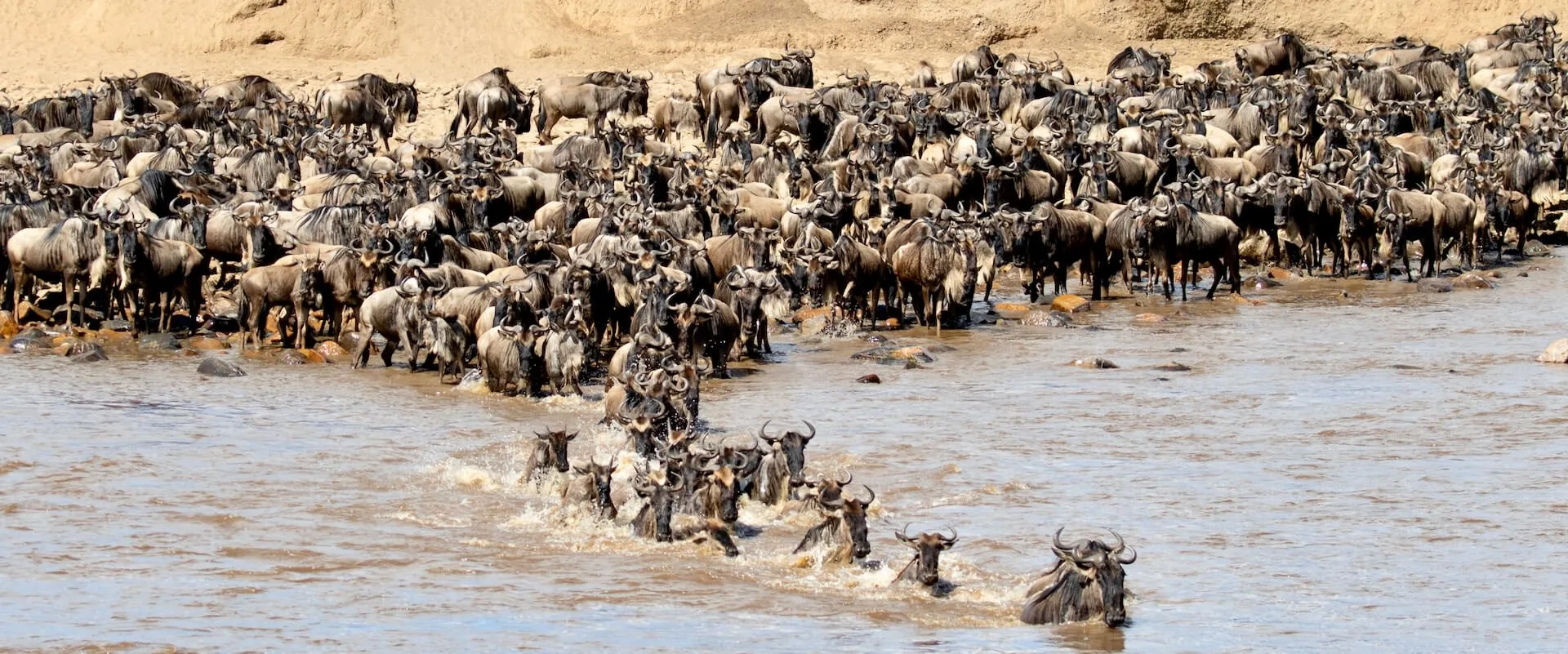
The Great Migration in Africa happens all year because the herds continuously circulate through the Serengeti–Mara ecosystem in…
Read article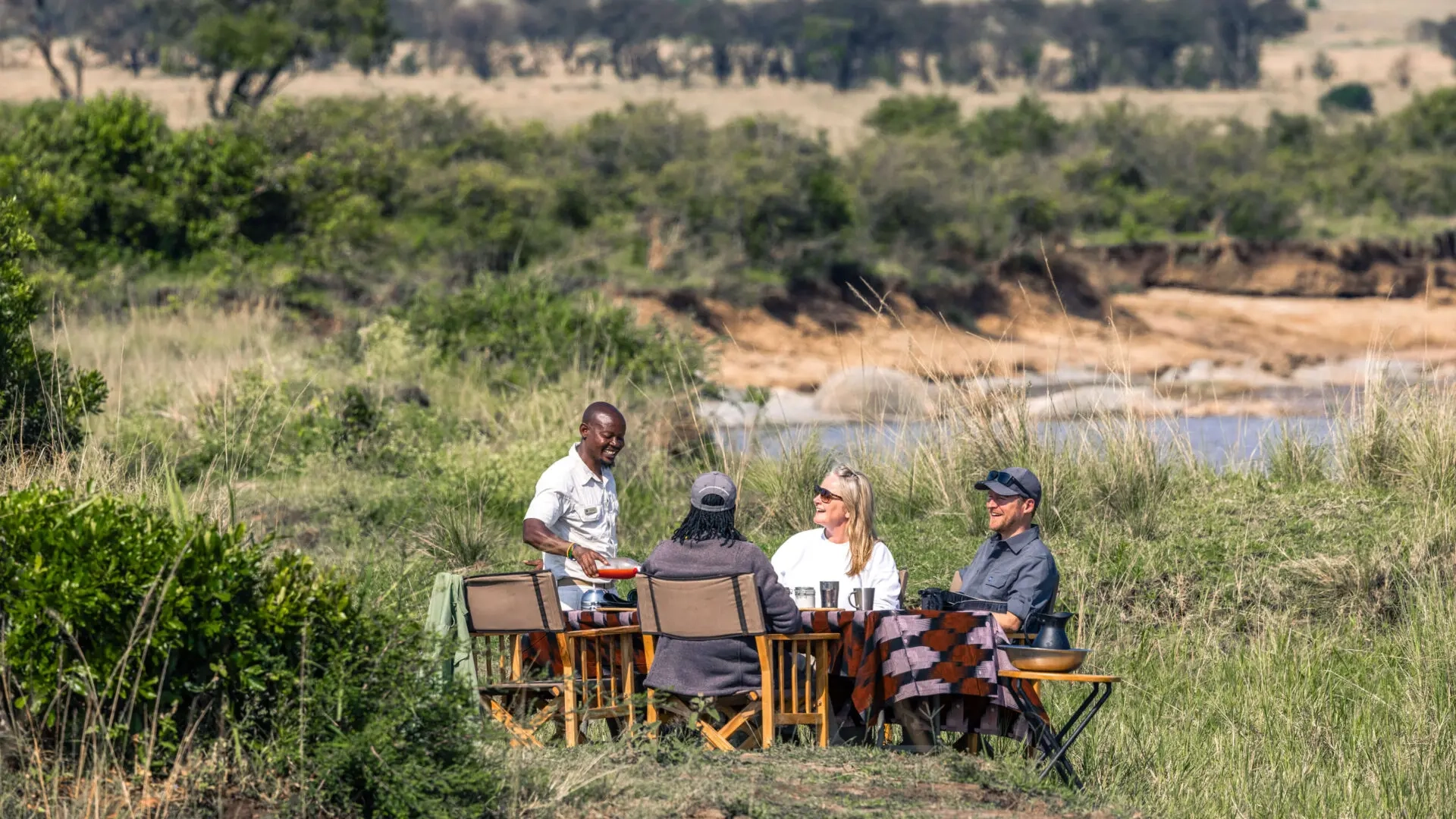
Definitive answer: A picnic lunch on safari is a packed or catered midday meal eaten at an approved…
Read article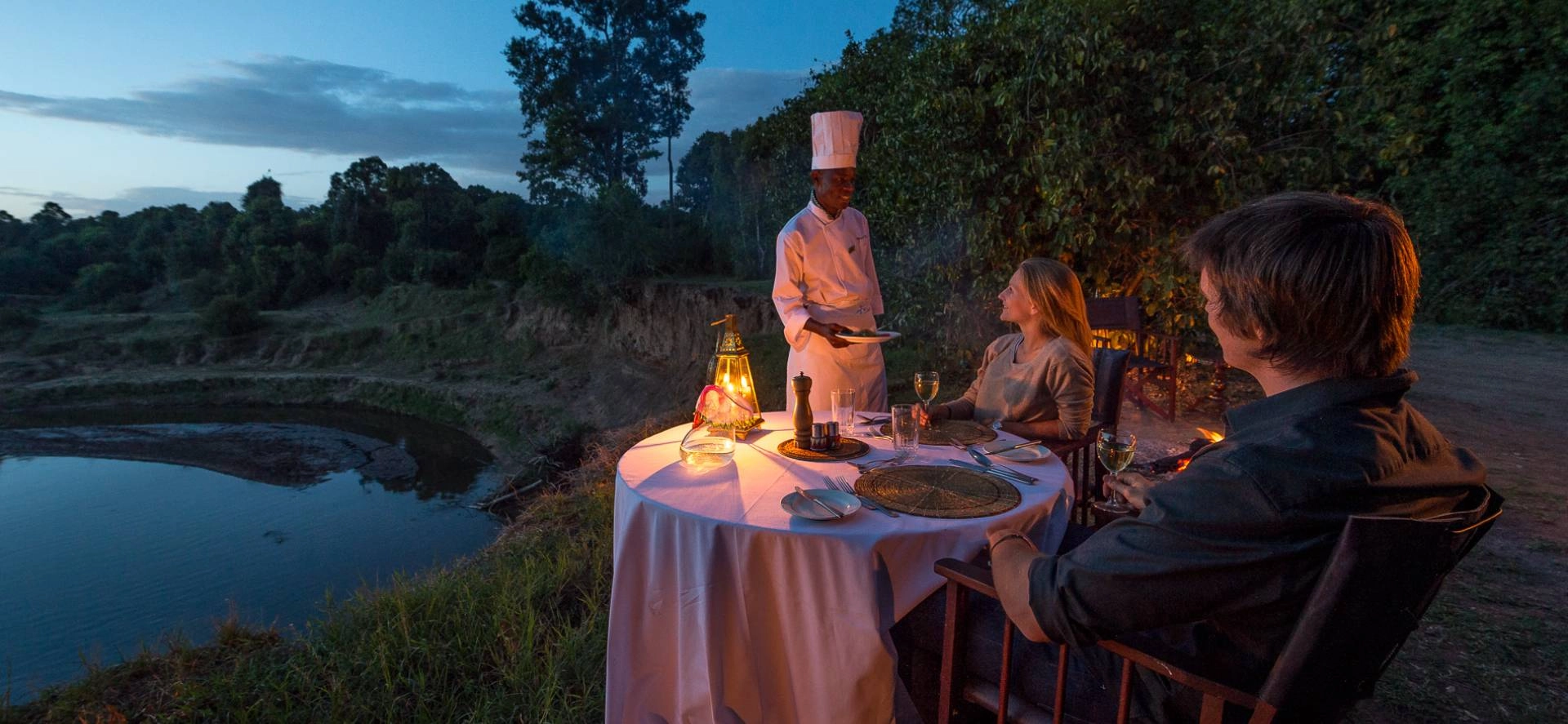
Definitive answer: A bush dinner is an outdoor evening meal arranged in a safe safari setting away from…
Read articleLet us take you closer to the wildlife, people and places that make Africa extraordinary.
Plan Your Safari Today