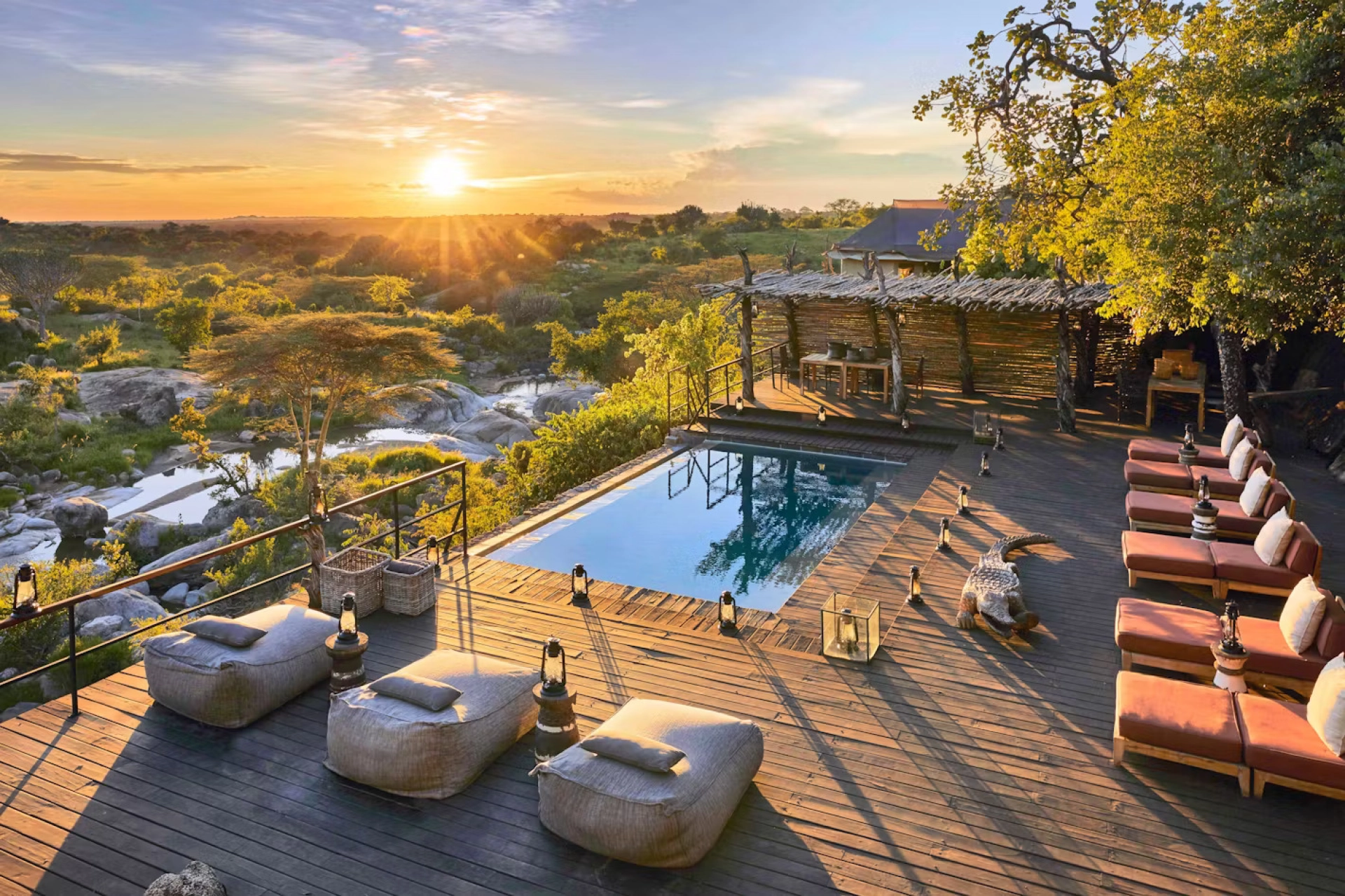
What should I look for when booking a luxury African safari?
When booking a luxury African safari, look beyond the room and compare the quality of guiding, wildlife location,…
Read article

Travel Guide
Planning an African safari has always involved more than deciding which national parks to visit. Entry requirements change, airlines introduce new connections, conservation authorities revise policies, gorilla and chimpanzee permits sell out, tourism infrastructure improves, and…
Planning an African safari has always involved more than deciding which national parks to visit. Entry requirements change, airlines introduce new connections, conservation authorities revise policies, gorilla and chimpanzee permits sell out, tourism infrastructure improves, and destinations continually evolve. That makes keeping track of the latest African safari news and Africa travel updates an important part of planning a successful journey.
For travelers considering Uganda, Rwanda, Kenya, Tanzania, South Africa, Botswana, Namibia, Zambia, Zimbabwe or another African safari destination in 2026 and beyond, the encouraging news is that Africa remains extraordinarily accessible. The continent offers everything from affordable road-based safaris and scheduled small-group departures to private fly-in safaris, luxury lodges, gorilla trekking expeditions and multi-country wildlife journeys.
At the same time, travelers should avoid relying on old blog posts, screenshots or social-media advice for practical information. Visa rules, electronic travel authorizations, national park fees, gorilla permit regulations, airline schedules and border procedures can change. Information that was correct when a traveler visited two or three years ago may no longer apply. This updated Africa travel guide brings together the issues that matter most when planning a modern safari, with particular attention to East African safaris, gorilla trekking, Kenya and Tanzania wildlife tours, safari entry requirements, conservation travel and multi-country African adventures.
Africa’s safari industry continues to become more diverse. Twenty years ago, many first-time travelers imagined an African safari primarily as a luxury experience reserved for wealthy visitors staying in remote lodges. That style of travel certainly still exists, and Africa contains some of the finest safari camps in the world, but it represents only one part of the industry. Travelers can now choose among private safaris, budget camping safaris, midrange lodge safaris, fly-in safaris, self-drive safaris, photographic safaris, family safaris, honeymoon trips, primate trekking expeditions, birding tours and cultural journeys.
East Africa remains especially attractive because several very different experiences can be combined within relatively short distances. A traveler can track mountain gorillas in Uganda, walk through rainforest in search of chimpanzees, watch lions on the savannah, cruise beneath Murchison Falls and then continue to Kenya or Tanzania for the Great Migration. Southern Africa offers a different travel style. South Africa’s road network makes independent travel unusually straightforward, while Botswana’s Okavango Delta specializes in low-density wilderness experiences. Zambia is famous for walking safaris, Zimbabwe combines outstanding wildlife with Victoria Falls, and Namibia offers exceptional desert landscapes.
The central safari-planning question is therefore no longer simply, “Where should I go in Africa?” A better question is: What kind of African experience do I want?
One of the most important practical developments for visitors to Kenya in recent years has been the move to an Electronic Travel Authorization, commonly called the Kenya eTA. Travelers should check whether they require authorization before departure rather than relying on old information referring to traditional tourist visas.
Kenya’s official eTA platform currently states that foreign visitors generally need approved electronic travel authorization before travel, while citizens of East African Community partner states and some other categories are exempt. The official system also lists requirements such as a passport valid for at least six months after the intended arrival date, travel details and accommodation information.
This is particularly important for travelers booking a Kenya safari to the Masai Mara, Amboseli, Samburu, Lake Nakuru or Tsavo. Do not wait until airport check-in to discover that travel authorization was required. Requirements should be verified through the official Kenyan immigration platform shortly before travel because immigration policies can change.
Beyond entry formalities, Kenya remains one of Africa’s most compelling wildlife destinations. The Masai Mara National Reserve continues to dominate international safari interest because of its predators, open plains and connection with the Serengeti ecosystem. However, Kenya offers much more than the Mara. Amboseli National Park is famous for elephants and views toward Mount Kilimanjaro. Samburu National Reserve and neighboring northern reserves introduce travelers to arid scenery and wildlife such as reticulated giraffes, Grevy’s zebras and gerenuk.
Lake Nakuru National Park is valuable for rhino viewing and birdlife. Tsavo East and Tsavo West form one of Kenya’s largest wilderness regions. Private and community conservancies have also become increasingly important within Kenya’s safari landscape. These conservancies often limit vehicle numbers, support local communities and provide activities such as walking safaris and night drives that may not be possible within some national reserves. For travelers comparing a traditional reserve with a private conservancy, the strongest itinerary may include both.
Tanzania remains one of Africa’s premier safari destinations. Its Northern Safari Circuit, centered around Serengeti National Park, Ngorongoro Conservation Area, Tarangire National Park and Lake Manyara, remains among the world’s greatest wildlife journeys. International travelers should check current Tanzanian immigration requirements before departure. Tanzania’s official immigration guidance continues to provide an online visa framework, including an ordinary visa category for many tourists and different requirements depending on nationality. Travelers should use official immigration sources because visa blogs and third-party websites can remain online long after regulations have changed.
The Serengeti understandably receives enormous attention. Its ecosystem supports vast numbers of herbivores and predators and is central to the Great Wildebeest Migration. However, travelers planning a Tanzania safari should avoid treating the country as if the Serengeti were its only major attraction. Tarangire National Park can offer exceptional elephant viewing, particularly during the dry season. The Ngorongoro Crater supports dense concentrations of wildlife in a spectacular volcanic landscape. Southern Tanzania offers enormous wilderness areas that receive fewer visitors than the northern circuit.
And Zanzibar creates an easy safari and beach combination. For travelers with sufficient time, combining multiple habitats generally creates a richer safari than racing directly to the Serengeti and back.
One of the most persistent problems in African safari marketing is the impression that the Great Wildebeest Migration follows an exact calendar.
It does not. The migration is an enormous natural movement influenced principally by rainfall, grazing conditions and water availability. The broad seasonal pattern is relatively predictable, but exact herd locations can shift. River crossings are even less predictable. A traveler may arrive when thousands of wildebeest gather near a river yet wait hours or days before animals decide to cross. Another traveler may encounter a dramatic crossing unexpectedly. For this reason, no responsible safari operator should guarantee a Mara River crossing on a particular day.
Instead, travelers should plan enough time in the migration region and select accommodation positioned appropriately for the general seasonal movement. The best Serengeti migration safari is built around probabilities rather than promises.
Uganda has moved steadily into the mainstream of African safari planning. Historically, many international travelers associated East African safari primarily with Kenya and Tanzania. Today, Uganda increasingly attracts visitors seeking an itinerary that combines mountain gorillas, chimpanzees, traditional game drives, boat safaris, birding and cultural experiences. The country’s biggest tourism draw remains mountain gorilla trekking in Bwindi Impenetrable National Park and Mgahinga Gorilla National Park. Bwindi alone contains multiple trekking sectors, including Buhoma, Ruhija, Rushaga and Nkuringo.
Choosing the right sector matters because it influences accommodation, road transfers and how the gorilla experience fits into the wider itinerary. Travelers arriving from Kigali, for example, may prefer southern Bwindi sectors for logistical reasons, while travelers moving through Queen Elizabeth National Park may use a different route. The best choice is therefore not simply the sector described as “most popular.” It is the sector that works best within the complete safari.
A gorilla trekking permit is not simply a national park entrance ticket. Visitor numbers are controlled because tourism must be balanced with the welfare of endangered mountain gorillas. This means permit availability can become one of the biggest constraints when planning a Uganda or Rwanda itinerary. Travelers considering gorilla trekking during popular travel months should reserve well ahead. This is particularly important for private groups that need several permits on the same date.
A couple has more flexibility than a group of eight or ten travelers. If gorilla trekking is the primary reason for the journey, the safest approach is usually to secure the trekking date before purchasing a complex sequence of non-refundable internal flights or accommodation.
A major evolution in Uganda’s tourism positioning is the growing recognition that Uganda is not simply a gorilla destination. A well-planned Uganda safari can include several very different ecosystems.
Kibale National Park is one of Africa’s best-known chimpanzee trekking destinations. The forest supports an extraordinary diversity of primates, and chimpanzee tracking offers a very different encounter from gorilla trekking. Chimpanzees are often more active and vocal. Visitors may hear calls echoing through the forest before seeing the animals. A Uganda primate safari combining Kibale and Bwindi therefore gives travelers the opportunity to encounter both chimpanzees and mountain gorillas.
Queen Elizabeth National Park provides classic savannah wildlife alongside crater landscapes, wetlands and the Kazinga Channel. Game drives can reveal elephants, buffalo, antelopes, lions and other wildlife. The boat cruise along the Kazinga Channel is particularly rewarding because it allows travelers to observe hippos, crocodiles, elephants, buffalo and prolific birdlife around the water.
Murchison Falls National Park combines savannah wildlife with one of the Nile’s most dramatic geological features. The river is forced through a narrow gorge before exploding downstream. Game drives and Nile boat trips provide complementary perspectives. Travelers can also combine the wider Murchison region with primate activities in nearby forest areas, depending on the chosen itinerary and current operations.
Lake Mburo is particularly useful in road itineraries between western Uganda and Entebbe or Kampala. The park offers wildlife viewing in a smaller landscape and is known for activities that can include walking and horseback experiences in appropriate areas.
For travelers with more time, Kidepo Valley National Park provides one of Uganda’s most remote safari experiences. Its broad savannahs, mountain backdrops and northeastern location make it feel dramatically different from the country’s southwestern gorilla route.
Rwanda has built one of Africa’s most recognizable high-end tourism brands. The country’s most famous experience remains mountain gorilla trekking in Volcanoes National Park, but Rwanda also offers strong alternatives for travelers who want a broader safari.
Akagera National Park provides savannah wildlife and gives visitors the opportunity to combine traditional game viewing with gorilla trekking in a compact country. This combination is particularly attractive for travelers with limited time. A Rwanda itinerary can move from Kigali to Akagera, continue west or north through scenic countryside and eventually reach the Volcanoes National Park region. Rwanda also combines naturally with Uganda. Some travelers arrive at Kigali International Airport and cross into southwestern Uganda for gorilla trekking because Kigali can be geographically convenient for certain Bwindi sectors.
Others combine Rwanda’s gorillas with Uganda’s chimpanzees or savannah parks. The most efficient route depends on border procedures, permit availability and the final itinerary.
The question “Should I trek gorillas in Uganda or Rwanda?” remains one of the most common safari-planning questions. There is no universally correct answer. Rwanda is exceptionally convenient for travelers prioritizing shorter road transfers between Kigali and Volcanoes National Park. Uganda offers a wider range of gorilla trekking sectors and makes it easy to combine gorillas with a longer wildlife and primate circuit. Travelers should compare: total safari cost, not just the permit;
travel time; accommodation preferences; other activities; number of safari days; and whether the itinerary is a standalone gorilla trip or part of a broader East African journey. A traveler spending only a few days in the region may reach a different decision from someone planning a two-week Uganda wildlife safari.
One of the strongest developments in modern safari planning is the popularity of multi-country African itineraries. Improved regional flight connections and established border routes make it possible to combine experiences that would once have been marketed separately. A traveler can begin in Uganda with gorilla trekking, fly or travel onward to Kenya for the Masai Mara and then continue to Zanzibar. Another itinerary can link Rwanda, Uganda and Tanzania. These journeys make particular sense for long-haul travelers from Europe, North America, Asia and Australia who want to maximize the value of international airfare.
However, multi-country safaris should be designed carefully. Crossing borders every two days creates unnecessary fatigue. The goal should be diversity without constant packing and driving.
Flight logistics can dramatically affect safari quality. A theoretically cheaper international ticket may create awkward overnight connections or require unnecessary backtracking. When comparing safari routes, travelers should think beyond the airfare price and consider the complete journey. East African hubs such as Nairobi, Entebbe, Kigali, Addis Ababa and Dar es Salaam provide useful regional connectivity. Johannesburg remains an important gateway for southern Africa. Smaller regional airports also allow travelers to reach safari areas without spending entire days on the road.
In some destinations, fly-in safaris are part of the experience rather than merely transportation. Botswana’s Okavango Delta is a classic example, where light aircraft connect remote camps across wetland landscapes.
South Africa continues to be one of the easiest countries for first-time safari travelers. Kruger National Park offers an enormous range of accommodation and allows self-drive travel. Private reserves within the Greater Kruger ecosystem provide more exclusive game viewing, professional ranger-and-tracker teams and luxury lodge experiences. This range makes South Africa unusually flexible. Budget-conscious travelers can stay in national park rest camps. Midrange travelers can combine guided drives with comfortable lodges.
Luxury travelers can choose private reserves famous for leopard sightings and personalized service. South Africa also makes it easy to combine safari with Cape Town, the Winelands, Garden Route and Indian Ocean coast.
Botswana’s tourism identity remains strongly linked to low-density wilderness. The Okavango Delta is one of Africa’s most unusual ecosystems: an inland delta where seasonal floodwaters spread across the Kalahari landscape rather than reaching the sea. UNESCO describes the Okavango as a largely intact wetland system whose flood pulse arrives during Botswana’s dry season, creating extraordinary ecological conditions for wildlife. The Delta is particularly attractive to travelers seeking an immersive safari rather than a checklist-driven experience.
Mokoro excursions, boating, game drives and walking may all form part of a Botswana itinerary depending on water levels, concession and camp. Botswana is also famous for elephant populations around Chobe National Park. Combining Chobe with Victoria Falls is one of southern Africa’s most popular regional safari routes.
Victoria Falls is one of Africa’s most recognizable natural landmarks and an excellent anchor for a multi-country itinerary. Zimbabwe and Zambia both provide access to the waterfall region. From Victoria Falls, travelers can continue toward Botswana’s Chobe National Park, Hwange National Park in Zimbabwe or deeper into Zambia. Zambia’s safari identity is particularly associated with walking safaris, especially in South Luangwa. Zimbabwe offers excellent wilderness experiences in Hwange and Mana Pools.
Rather than treating Victoria Falls as an isolated two-night stop, travelers can use it as part of a broader southern African safari circuit.
Travelers comparing safari quotations often wonder why two itineraries covering apparently similar destinations can have dramatically different prices. Safari prices are influenced by much more than hotel category. Major cost drivers include: park and conservation fees; gorilla or chimpanzee permits; vehicle type; private versus shared transportation; internal flights; distance between destinations; number of travelers; season; location of accommodation; meal arrangements; and whether activities are private or shared. A cheap itinerary is not automatically good value.
For example, accommodation far outside a national park may reduce the nightly room cost but require long daily transfers, reducing actual wildlife-viewing time. Similarly, a quotation that excludes mandatory park fees may appear inexpensive until those charges are added later. Travelers should compare inclusions carefully.
Scheduled group safaris remain valuable for budget-conscious travelers and solo visitors who want to share transportation costs. However, private safaris provide far more flexibility. A private vehicle allows travelers to spend longer at sightings, depart according to their own schedule and adjust the pace of the itinerary. This can be particularly useful for photographers, families, honeymooners and travelers with specific wildlife interests. Neither approach is universally superior. The right choice depends on budget and travel style.
A safari vehicle is not simply transportation between lodges. On many East African safaris, guests spend several hours each day inside the vehicle. Comfort, window access, suspension, seating arrangement, roof configuration and driver-guide quality can significantly affect the experience. Travelers should therefore ask what type of vehicle will be used. A well-maintained 4×4 safari Land Cruiser with a pop-up roof is particularly valuable for wildlife viewing in East Africa. Every traveler should ideally have good window access on private safari itineraries.
Beautiful accommodation improves a holiday, but the guide often determines the quality of the actual safari.
A knowledgeable guide does much more than identify animals. Good guides interpret tracks, alarm calls, habitat, bird behavior, predator movements and relationships between species. They understand how to position a vehicle without disturbing wildlife. They also manage logistics, communicate with lodge staff and adapt itineraries when conditions change. Travelers comparing safari companies should therefore look beyond accommodation photographs and ask about guiding standards.
Tourism and conservation are deeply interconnected. National park entrance fees, gorilla permits, concession charges and lodge employment all contribute to the economic framework supporting protected areas. This does not mean tourism automatically produces conservation benefits. Poorly managed tourism can disturb wildlife and damage habitats. Responsible operators should respect park rules, avoid crowding animals and work with accommodations that take conservation seriously. Rhinos remain particularly sensitive. Travelers should never publicly share precise rhino locations.
Likewise, gorilla trekking regulations exist because habituated primates remain vulnerable to disturbance and disease. Following guide instructions is part of responsible travel.
“Sustainable,” “eco-friendly” and “responsible” have become common tourism marketing terms. Travelers should look beyond labels. Meaningful conservation indicators include local employment, community benefit-sharing, waste management, reduced single-use plastics, responsible water use and genuine support for conservation programs. Small camps are not automatically sustainable, and luxury lodges are not automatically environmentally harmful. What matters is how properties operate.
Travelers should obtain current professional medical advice before an African safari. Health recommendations vary depending on destination, length of stay, season, traveler age and individual medical history. Potential considerations can include malaria prevention, routine vaccinations and destination-specific entry requirements. Because recommendations change, old internet forum posts should never replace professional advice. Travel insurance is also important. A strong policy should reflect the value of the safari and any non-refundable components such as permits and flights.
Travelers participating in trekking or adventure activities should verify that their policy covers those activities.
Gorilla permits and certain safari services may involve restrictive cancellation terms because operators must pay government authorities or suppliers in advance. If a traveler becomes ill immediately before departure, the safari company may not be able to recover all of those costs. Travel insurance therefore provides an important layer of protection. Travelers should understand exactly what circumstances their policy covers. “Cancel for any reason” and conventional cancellation insurance are not the same product.
Safari travel has always been seasonal, but travelers should avoid overly simplistic descriptions such as “dry season equals good” and “rainy season equals bad.” Weather patterns influence roads, vegetation, animal distribution and photography. The green season can be beautiful. Landscapes become lush, migratory birds arrive and many animals give birth. Rates can also be more attractive. The dry season frequently produces easier wildlife visibility as animals concentrate near permanent water sources.
Neither season is universally best. The ideal timing depends on the destination and travel priorities.
Birding is one of the most underrated areas of African safari travel. Uganda is particularly attractive because its geographic position brings together East African savannah, central African forest and Albertine Rift habitats. Kenya, Tanzania, Botswana and South Africa also offer extraordinary bird diversity. Even travelers who do not identify as birdwatchers often become interested once a skilled guide begins revealing bee-eaters, kingfishers, hornbills, eagles, turacos and cranes.
A birding component can be incorporated into almost any safari without turning the entire itinerary into a specialist expedition.
Africa can be an outstanding family destination. Modern safari planning increasingly recognizes that children and adults may need different pacing. Family-friendly lodges may offer shorter activities, nature programs and flexible meal arrangements. Private vehicles are especially useful because parents are not dependent on the schedules of other guests. However, age restrictions may apply to activities such as gorilla trekking, chimpanzee trekking or certain walking safaris. Families should confirm these before booking.
Solo travelers do not need to postpone Africa until they find a travel companion. Scheduled group safaris can reduce single-traveler costs. Some properties waive or reduce single supplements during selected periods. Private safaris remain possible for solo travelers who value flexibility, although costs are naturally higher because vehicle expenses are not shared. Joining scheduled activities at lodges can also provide social interaction without requiring an entirely group-based itinerary.
Modern camera equipment and smartphones have made wildlife photography accessible to almost everyone. But serious wildlife photography benefits from careful safari design. Photographers should prioritize vehicle space, good guide communication and sufficient time at sightings. Racing between parks every day works poorly for photography. A slower itinerary often produces better results. Private vehicles are valuable because photographers can ask the guide to position for light and background rather than following a fixed group schedule.
One of the biggest safari-planning mistakes is trying to visit too many destinations. Travel maps can be misleading. A distance that appears short may involve slow roads, border crossings or park tracks. Spending one night in each lodge creates a journey dominated by packing and transfers. A better itinerary balances variety with depth. Three nights in a productive safari destination often provides more value than three separate one-night stops. The same applies to gorilla trekking.
If budget and schedule allow, spending additional time in the region creates flexibility and lets travelers appreciate the forest landscape rather than arriving immediately before the trek and leaving straight afterward.
Africa’s safari offering is broader than ever. Travelers can combine Big Five wildlife, mountain gorillas, chimpanzees, the Great Migration, wetlands, desert landscapes, beaches and cultural experiences within journeys tailored to very different budgets. Technology has simplified many planning processes. Electronic authorizations, online permit systems, regional flights and modern communication make safari logistics easier than they once were. Yet the essence of safari remains unchanged. The most memorable moments are still deeply analog: hearing lions call before sunrise, watching elephants cross a dirt road, sitting quietly as a gorilla feeds in dense forest or watching the sun disappear behind an acacia-covered horizon.
The most important safari planning principle is simple: verify time-sensitive information before travel. Check entry requirements through official government sources. Confirm permit availability before booking important non-refundable services. Ask exactly what is included in your safari price. Understand transfer times. Choose accommodation according to location as well as comfort. And select an operator capable of explaining why an itinerary has been designed in a particular way. The latest African safari news and Africa travel updates may change the practical details of a journey, but Africa’s underlying appeal remains remarkably constant.
Its wildlife, landscapes and cultures continue to offer experiences difficult to match anywhere else. At Adventure in the Wild Safaris, we arrange customized Uganda gorilla safaris, Rwanda gorilla trekking trips, Kenya wildlife safaris, Tanzania safari holidays and multi-country African adventures. Whether your priority is the Great Migration, mountain gorillas, chimpanzees, Big Five wildlife, birding or a carefully balanced combination of them all, good planning is what turns an ambitious African travel idea into a smooth and memorable journey.

Share This Article
When booking a luxury African safari, look beyond the room and compare the quality of guiding, wildlife location,…
Read article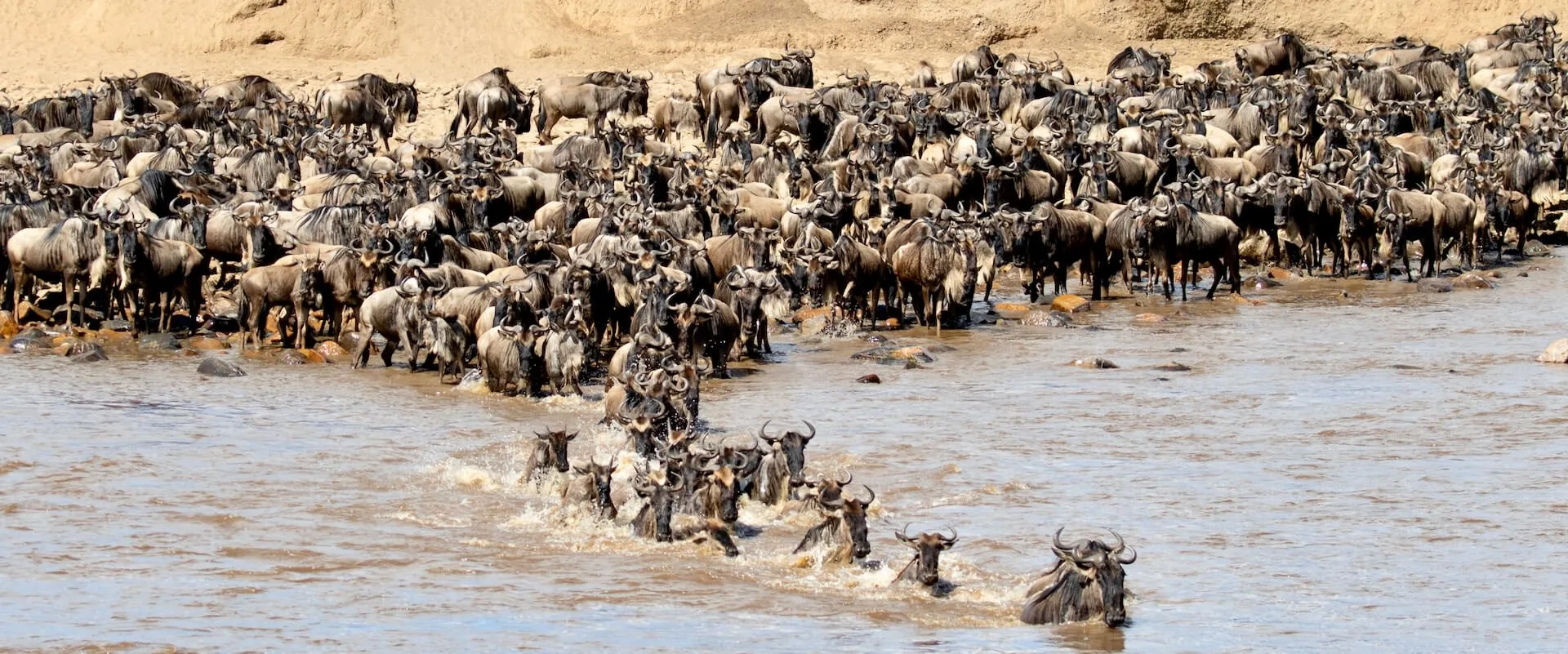
The Great Migration in Africa happens all year because the herds continuously circulate through the Serengeti–Mara ecosystem in…
Read article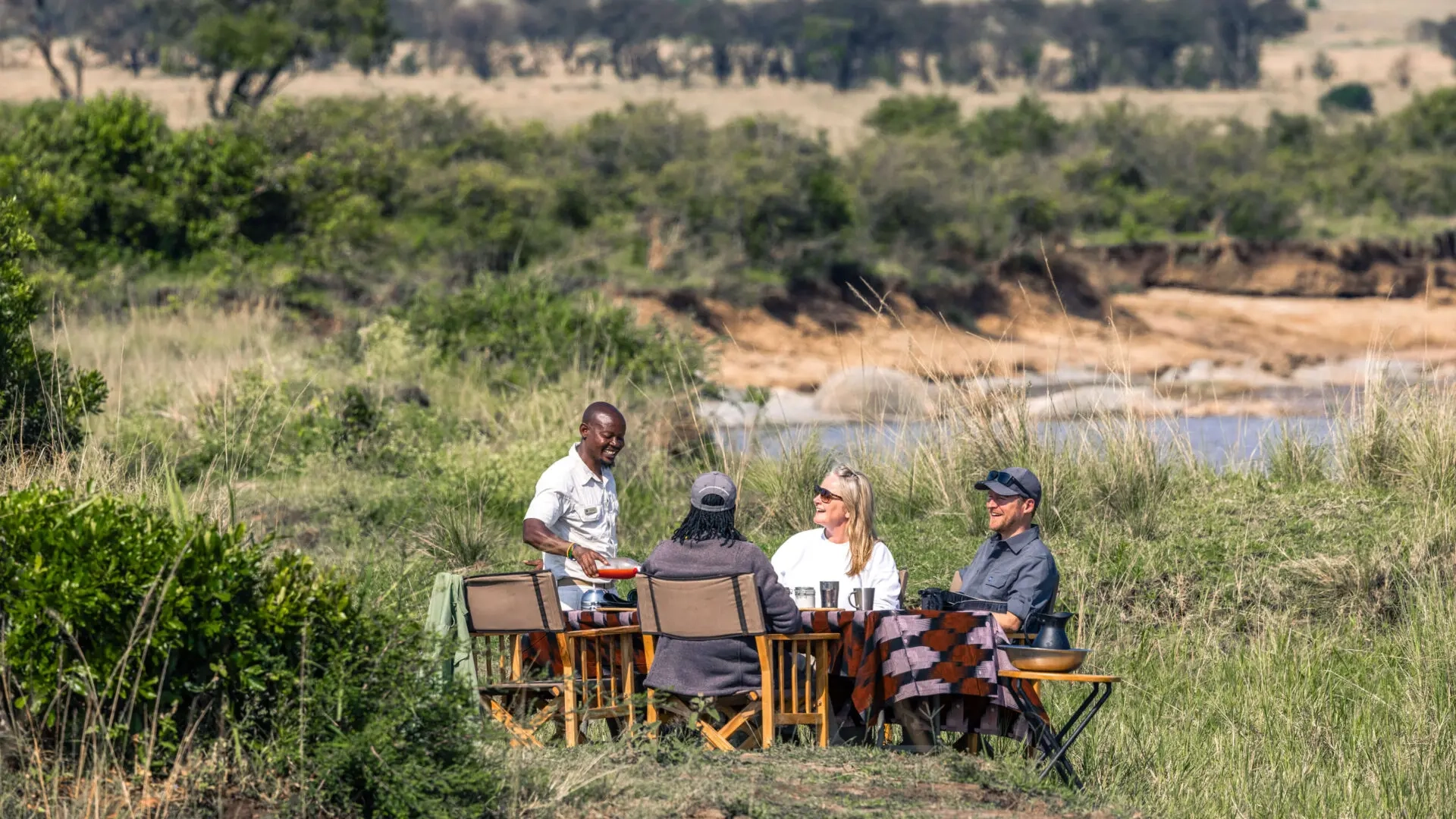
Definitive answer: A picnic lunch on safari is a packed or catered midday meal eaten at an approved…
Read article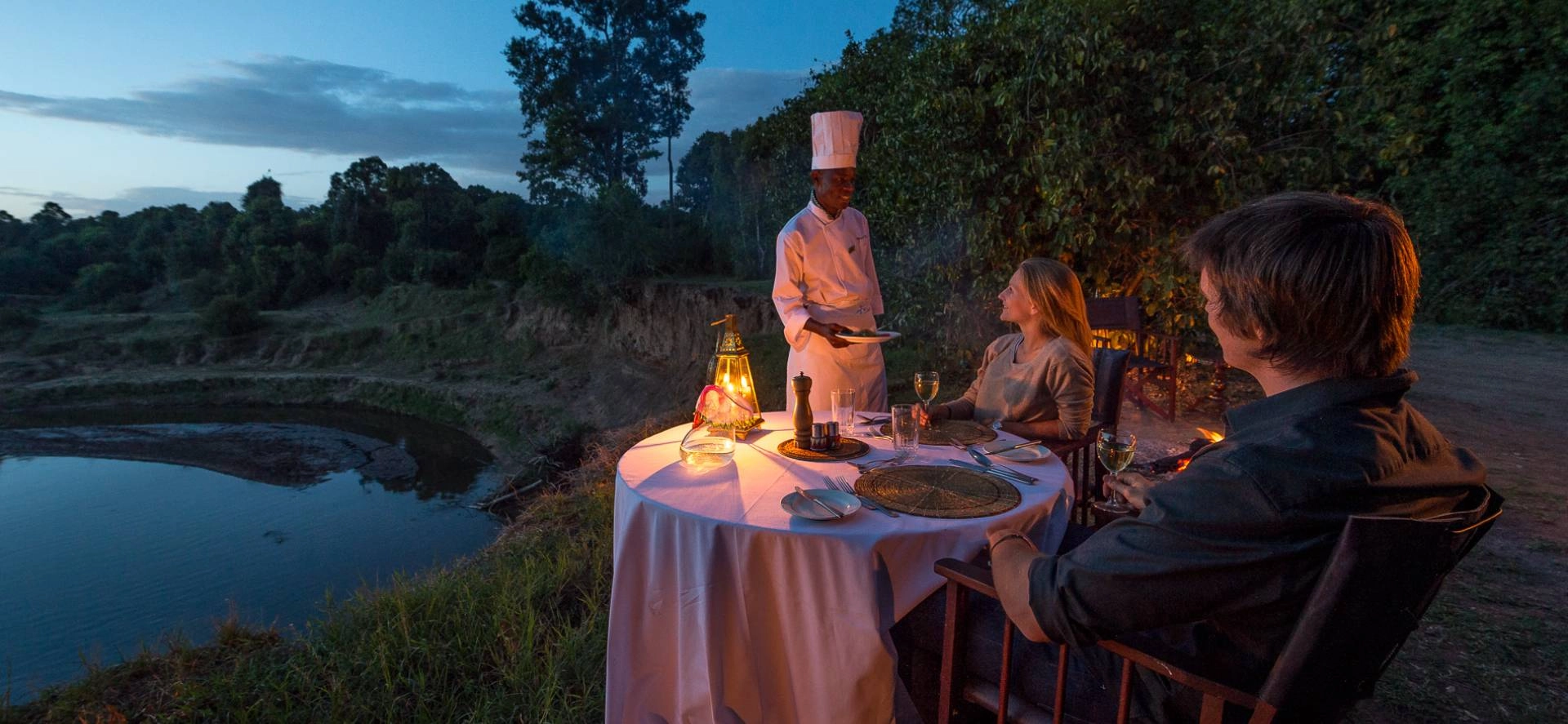
Definitive answer: A bush dinner is an outdoor evening meal arranged in a safe safari setting away from…
Read articleLet us take you closer to the wildlife, people and places that make Africa extraordinary.
Plan Your Safari Today