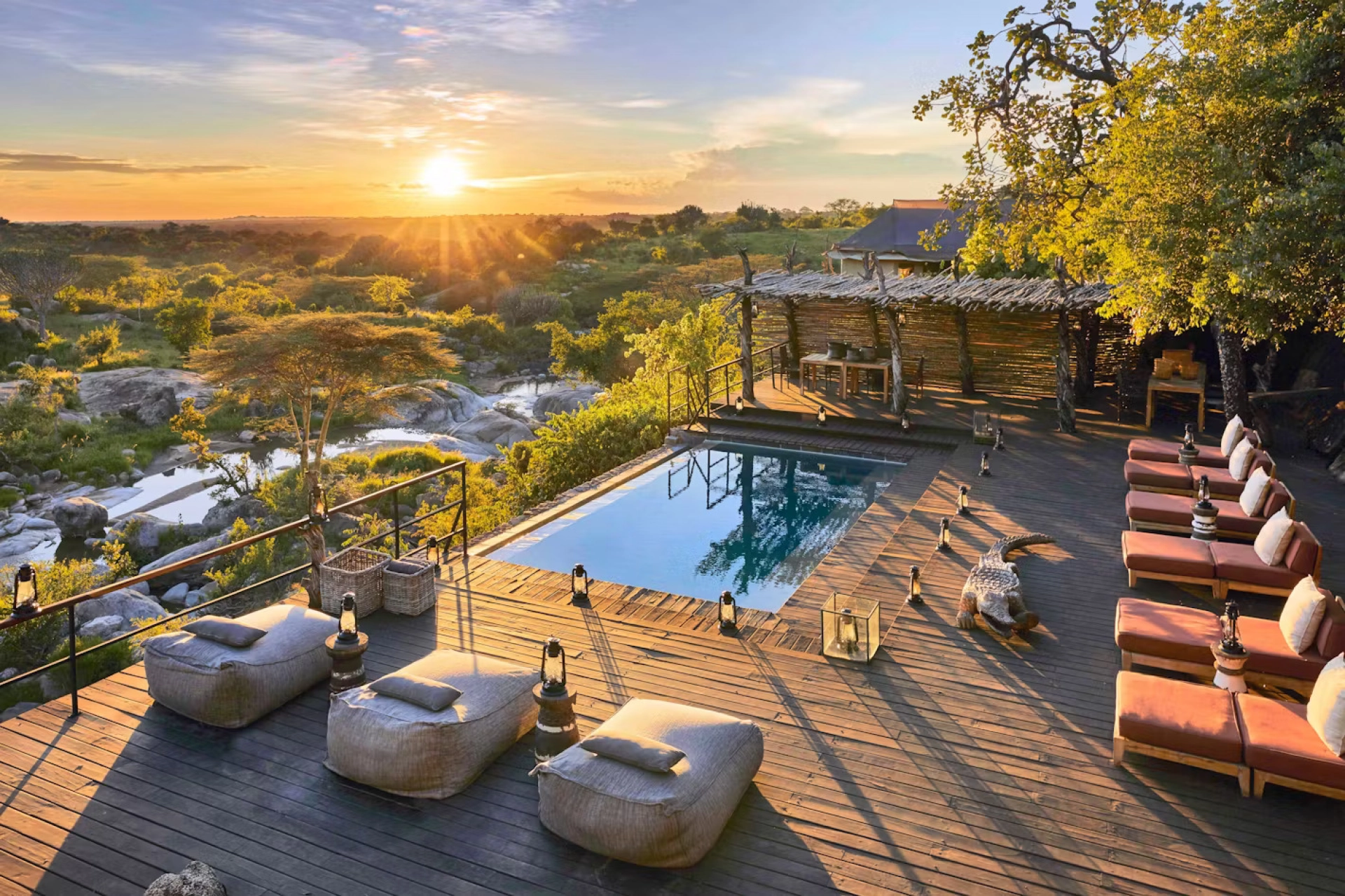
What should I look for when booking a luxury African safari?
When booking a luxury African safari, look beyond the room and compare the quality of guiding, wildlife location,…
Read article

Travel Guide
Seeing the Big Five in Africa remains one of the most recognizable ambitions associated with an African safari. Lions resting beneath acacia trees, elephants crossing open savannah, buffalo herds moving toward water, a leopard appearing from…
Seeing the Big Five in Africa remains one of the most recognizable ambitions associated with an African safari. Lions resting beneath acacia trees, elephants crossing open savannah, buffalo herds moving toward water, a leopard appearing from woodland and the rare sight of a rhinoceros can turn an ordinary wildlife holiday into a collection of unforgettable encounters.
But does spending considerably more money on a luxury African safari actually increase your chances of seeing the Big Five? Or can a carefully planned budget African safari deliver essentially the same wildlife? The short answer is that wild animals do not know how much you paid for your lodge.
A lion does not move closer because you are staying in a luxury suite. A leopard does not select its territory according to the price of nearby accommodation. An elephant herd can cross the road in front of a budget safari vehicle just as easily as it can cross in front of a premium 4×4.
However, money can buy factors that indirectly influence wildlife viewing. It can buy more time. It can buy better lodge locations. It can buy private vehicles. It can buy experienced specialist guides. It can reduce long transfers. It can provide access to private concessions and conservancies. It can allow you to remain with a leopard while other guests return to camp. That is why the real comparison between a luxury safari vs budget safari is much more interesting than simply comparing hotel rooms.
The African Big Five are: African lion African leopard African elephant rhinoceros and African buffalo. The term originated during the hunting era and referred to animals considered particularly difficult and dangerous to hunt on foot. Today, the phrase has largely been transformed within photographic tourism. For modern safari travelers, “seeing the Big Five” normally means observing and photographing these animals in the wild.
The Big Five were not selected because they were Africa’s largest animals. If size determined membership, giraffes and hippopotamuses would be obvious candidates. The historical term developed around hunting difficulty and danger rather than physical size, beauty, rarity or modern conservation importance.
For the same reason. Hippos are extremely powerful animals and can be dangerous, particularly around water and when their movement is obstructed, but they were not included in the historical Big Five classification.
Again, the term is historical rather than a ranking of Africa’s most exciting wildlife. For many travelers, seeing a cheetah hunt may actually be more memorable than completing a Big Five checklist. This is one reason experienced safari travelers eventually stop treating the Big Five as the only measure of safari success.
Yes. A budget safari in the correct wildlife destination can provide outstanding Big Five sightings. A luxury safari can provide exactly the same species. The principal differences are usually: comfort; exclusivity; vehicle arrangements; location; guiding ratios; activities; flexibility; and service. The wildlife itself remains wild.
No. No ethical safari operator should guarantee wild animal sightings. Even in outstanding Big Five destinations, leopards can remain hidden. Rhinos may be localized. Lions can move outside the area you are exploring. Elephants can disperse. Weather can alter animal behavior. Luxury improves circumstances. It does not control nature.
Absolutely. The key is selecting a destination with strong populations of the target species and spending sufficient time there. A traveler staying in modest accommodation near a wildlife-rich protected area can have exceptional sightings. In fact, a carefully designed budget safari can outperform an expensive itinerary that spends too much time transferring between luxury lodges.
This misconception is understandable. Luxury safari marketing often uses extraordinary wildlife photography. The natural assumption is that expensive camps possess extraordinary wildlife. Sometimes they do occupy exceptional wildlife areas. But the relationship is not automatic. A $1,000-per-night room cannot manufacture a leopard. A simple tent beside an excellent ecosystem may provide much stronger wildlife viewing than an elaborate suite in a less productive area. When planning a Big Five safari in Africa, geography comes first.
Luxury safari pricing can purchase meaningful advantages. These may include: a camp inside or very close to a prime wildlife area; fewer guests per vehicle; private game drives; highly experienced guides; larger rooms; premium food and drinks; personalized service; scheduled or charter flights; laundry; private plunge pools; spa facilities; and greater overall convenience. But not every traveler values these benefits equally.
“Budget safari” should not mean unsafe vehicles, poor guiding or impossible itineraries. A well-designed affordable African safari saves money through sensible compromises. These can include: simpler accommodation; shared vehicles; road transfers; larger camps; fewer luxury extras; and travel outside the highest-demand season.
The core wildlife experience should remain protected.
These are not necessarily the same thing. A budget safari is
Three areas deserve protection: guiding vehicle reliability and time in the wildlife area. A simple room is manageable. A weak guide can affect every game drive. An unreliable vehicle can disrupt the trip. A rushed itinerary can turn your holiday into a sequence of highways and hotel check-ins.
Indirectly. Location matters more than marble bathrooms. Imagine two lodges. The first is comfortable but simple and located close to the principal wildlife area. The second is luxurious but requires a long drive before every game drive. The cheaper lodge may actually provide more wildlife time. When comparing safari accommodation, ask where it is, not only what it looks like.
Accommodation inside protected areas can reduce travel time. Properties outside can offer lower prices and excellent value. Neither is universally better. The correct choice depends on: park-entry arrangements; gate-opening times; distance; road conditions; and activity schedule.
One genuine advantage of some luxury safaris is access to private concessions or conservancies. Depending on the destination and regulations, these areas may provide: lower vehicle density; night drives; walking safaris; off-road viewing; and more flexible activity schedules. This can substantially change the safari experience.
Not necessarily. Some are exceptional. Others are valuable primarily because they provide exclusivity and different activities. The best safari may combine a major national park with a conservancy.
This is one of the most important differences between luxury and budget safari travel. A shared vehicle requires compromise. If one guest wants lions and another wants birds, the guide must balance interests. A private vehicle allows the itinerary to revolve around you.
Wildlife photography requires patience. A leopard may be sleeping when you arrive. Thirty minutes later it may stand. An hour later it may descend the tree. With a private vehicle, you can wait. With a shared vehicle, other guests may want to leave. This flexibility can matter more than the luxury level of the room.
Not automatically. Excellent guides work across price categories. However, premium camps may invest heavily in specialist guiding and staff training. Some luxury properties also maintain low guest-to-guide ratios. When choosing an operator, ask about guide experience rather than assuming price guarantees quality.
A professional guide does much more than drive. They interpret: tracks; alarm calls; territorial behavior; weather; bird calls; predator movement; animal body language; and habitat. They also understand positioning. A good guide anticipates where an elephant might cross instead of simply following it from behind.
South Africa is one of the easiest destinations for travelers strongly focused on completing the Big Five. Kruger National Park and surrounding private reserves contain important populations of classic safari wildlife. Travel styles range from self-drive and affordable rest camps to some of Africa’s most exclusive private lodges. This makes South Africa particularly useful for comparing luxury and budget safari models.
Budget travelers can explore Kruger through self-drive or organized road safaris. Accommodation ranges widely. The extensive road network makes the park relatively accessible. With enough time, wildlife viewing can be excellent.
Private reserves bordering the greater Kruger ecosystem are famous for premium safari experiences. Depending on the reserve, advantages can include: small vehicles; off-road tracking;
night drives; specialist guides and trackers; and highly personalized accommodation. For travelers whose priority is intensive Big Five viewing with high comfort, this can be compelling.
Kenya is another major Big Five destination. The Masai Mara is particularly famous for lions, leopards and buffaloes, while elephants are widespread in several Kenyan ecosystems. Rhinos are more localized and should not be assumed to occur in every safari area. A broader Kenya itinerary can increase wildlife diversity.
Kenya has a strong tradition of road-based safaris. Shared safari vehicles and mid-range camps can keep costs manageable. A carefully planned Masai Mara budget safari can still provide extraordinary predator encounters.
Luxury Kenya itineraries often use: small tented camps; conservancies; fly-in transfers; private vehicles; and premium wildlife locations. The principal benefit is usually convenience and exclusivity rather than fundamentally different animals.
Tanzania offers some of Africa’s most famous wildlife ecosystems. The Serengeti National Park is renowned for lions, leopards and vast herbivore populations. The Ngorongoro ecosystem provides high wildlife density and important opportunities to encounter several Big Five species. Tarangire adds exceptional elephant viewing.
Budget travelers can use road-based circuits and simpler lodges or camps. Group departures can divide vehicle costs. The northern circuit is particularly suitable because several major destinations can be linked overland.
Luxury travelers can use fly-in camps, premium Serengeti locations and private vehicles. During a Great Migration safari, mobility and camp location can be particularly valuable because herd distribution changes seasonally.
Botswana is often associated with lower-volume, higher-value tourism. The Okavango Delta and surrounding ecosystems provide exceptional wildlife experiences. Chobe is famous for elephants. However, travelers should choose exact regions according to species priorities rather than assuming every Botswana destination offers identical Big Five opportunities.
No. Botswana does have expensive premium safari products, particularly fly-in Delta camps. But more affordable travel is possible through mobile camping, overland itineraries and strategic use of gateway towns.
Zimbabwe deserves much more attention than it sometimes receives. Hwange National Park is famous for elephants and broad wildlife diversity. Other protected landscapes add different species and safari styles. Zimbabwe also combines naturally with Victoria Falls.
Zambia is famous for wilderness and walking safaris. South Luangwa is particularly celebrated for leopard viewing. The country appeals strongly to travelers who value guiding and wild landscapes rather than simply checking five species from a list.
Uganda offers a different wildlife proposition. Savannah destinations such as Queen Elizabeth National Park and Murchison Falls National Park support lions, leopards, elephants and buffaloes, although individual sightings vary. Uganda’s greatest strength is that savannah wildlife can be combined with mountain gorilla trekking and chimpanzee trekking. That creates a broader wildlife experience than a Big Five checklist alone.
A classic safari vehicle places you beside elephants and lions. A gorilla trek takes you into rainforest on foot. Chimpanzee tracking introduces another primate ecosystem. A boat safari on the Nile or Kazinga Channel provides wildlife from water level. Few destinations combine so many fundamentally different wildlife experiences within one trip.
Travelers specifically pursuing a Big Five checklist in Uganda should understand that rhino viewing is a specialized component rather than something to expect casually on a standard game drive in the country’s main savannah parks. Current routing and rhino-viewing arrangements should always be confirmed when planning.
Namibia is more famous for landscapes, desert wildlife and Etosha National Park than for the conventional luxury Big Five narrative. Etosha can provide outstanding wildlife, including elephants, lions and rhinos. Its waterhole-based viewing creates a distinctive safari style.
During dry periods, animals can concentrate around waterholes. This allows travelers to wait rather than constantly search. Some accommodation areas provide waterhole viewing beyond normal game-drive hours. For patient wildlife observers, this can be exceptional.
Time is perhaps the most underestimated safari luxury. A budget traveler who spends four nights in one excellent park may see more than a luxury traveler spending one night each in four destinations. Every transfer consumes time. Every flight requires logistics. Every hotel change requires packing. Wildlife rewards patience.
Three days can produce excellent wildlife but leaves little margin for elusive species. Five to seven safari days provides much better opportunities. Ten days allows travelers to explore multiple ecosystems. If seeing all five matters strongly, tell your safari planner so the itinerary can prioritize suitable habitats.
It can be. In a high-density wildlife destination, three days may produce extraordinary sightings. But no operator can responsibly promise all five.
Usually. More game drives mean more opportunities. Weather changes. Animals move. A leopard hidden on Monday may be walking beside the road on Wednesday.
Sometimes. But avoid turning the trip into a species chase. Two well-selected wildlife areas are often better than five rushed parks.
Food quality can differ significantly. Luxury camps may offer multi-course meals, premium drinks and private dining. Budget lodges usually provide simpler buffet or set-menu meals. For most travelers, food quality influences comfort but not wildlife viewing.
Luxury camps may include: large tented suites; private decks; plunge pools; outdoor showers;
premium linens; air conditioning in some locations; and personalized service. These can be wonderful after a long game drive. But they should be treated as accommodation benefits rather than wildlife guarantees.
Budget accommodation may be: simple tents; basic lodges; guesthouses; or permanent camps. Ensuite bathrooms and comfortable beds are available at many affordable properties. “Budget” does not automatically mean camping on the ground.
Camping can create an immersive wilderness experience. You hear animals at night. You feel connected to the landscape. Mobile camping can also access remote areas. Some travelers consider this more authentic than a luxury lodge. Others value comfort. Neither preference is more legitimate.
A “tent” in Africa can mean something entirely different from a camping tent. Luxury safari tents may contain: full bathrooms; king-size beds; furniture; electricity; private decks; and sometimes pools. Canvas simply maintains a stronger connection with the surrounding environment.
Budget safaris often use shared vehicles. This is where group size matters. A vehicle with six guests who each have good visibility can provide excellent value. A vehicle packed beyond comfortable viewing capacity can damage the experience. Ask before booking.
Luxury safaris may use: private Land Cruisers; open-sided vehicles; fly-in transfers; charter aircraft; and boats. Convenience improves significantly. But again, a lion remains the same lion.
Flying saves time. Road travel saves money. For short luxury itineraries, flying can maximize wildlife hours. For longer budget journeys, road transfers may make more financial sense.
Yes. Overland travel reveals: towns; farmland; mountains; villages; and changing landscapes. Some travelers enjoy understanding how ecosystems connect. Others simply want to reach the wildlife area quickly.
Sometimes. Private concessions and exclusive conservancies can restrict vehicle numbers. But staying at an expensive lodge near a busy public wildlife area does not automatically eliminate other vehicles. Ask exactly where game drives occur.
A leopard beside a popular road can attract many vehicles. This can affect: photography; noise; positioning; and atmosphere. Lower-density areas can therefore provide a qualitatively different experience even when the species are identical.
These are different safari objectives. A Great Migration safari focuses on the movement of wildebeest and zebras through the Serengeti-Mara ecosystem. A Big Five safari focuses on five historically defined species. You can pursue both, but itinerary timing and geography should reflect which matters most.
Potentially, yes. The Serengeti-Mara ecosystem supports several Big Five species. However, migration planning should not be reduced to a Big Five checklist. The spectacle lies in the movement of huge herbivore populations and the predator-prey relationships surrounding them.
Luxury can be particularly useful here because mobile or strategically located camps can follow seasonal wildlife concentrations. Fly-in access can reduce long transfers. Private vehicles provide patience around river areas and predators.
A budget migration safari is entirely possible. The key is choosing the correct region for your travel dates. Spending money on the right location is more important than spending it on room luxury.
Gorilla trekking provides an excellent illustration of why safari price and wildlife encounter are not always directly connected. Travelers staying at different lodge categories may participate in the same regulated trekking system and visit habituated gorilla groups according to official allocation procedures. The gorilla does not know whether you slept in a budget guesthouse or luxury forest lodge. Luxury improves everything around the trek.
The core wildlife encounter remains governed by conservation rules.
This is one of Africa’s strongest wildlife combinations. A traveler can begin with Kenya or Tanzania safari, then fly toward Uganda for Bwindi gorilla trekking. Alternatively, Uganda itself can combine savannah wildlife with primates. The result moves beyond the traditional Big Five toward a much broader African wildlife journey.
Often. Honeymooners may place greater value on: privacy; romantic dining; beautiful rooms; fly-in transfers; and personalized service. If budget allows, premium accommodation can significantly improve the overall holiday.
Not necessarily, but many adventure travelers prefer spending less on accommodation and more on activities. For example, money saved on a luxury room could fund: another safari day; gorilla trekking; chimpanzee trekking; a balloon safari; or an additional destination.
Families often benefit from private vehicles more than luxury rooms. Children may become tired during long game drives. A private vehicle allows the family to return early. Family rooms and swimming pools can also be valuable. Spend strategically.
Photographers should prioritize: private vehicle; excellent guide; correct wildlife location; sufficient days; and vehicle configuration. These matter more than luxury toiletries.
Birders also benefit enormously from private guiding. A shared vehicle focused entirely on lions may move past dozens of interesting bird species. Tell your operator if birding matters.
Traveling outside peak season can significantly improve value. The green season in Africa can offer: lower accommodation prices; fewer vehicles; dramatic clouds; lush vegetation; migratory birds; and young animals. Wildlife may be more dispersed in some ecosystems, but the experience can be beautiful.
Dry periods often produce predictable wildlife concentration around water. Road conditions can be easier. Demand increases. Popular camps fill quickly. The result can be higher rates.
The weeks between major seasonal peaks can provide excellent value. Wildlife remains strong. Crowds may decrease. Rates can improve. Exact timing differs by destination.
Do not compare only the final price. Compare: number of nights; specific lodges; room category; park fees; vehicle type; private or shared game drives; meal plan; drinks; domestic flights; airport transfers; activities; and taxes. A cheaper quote may simply exclude more.
Potential additional expenses include: visas; tips; drinks; laundry; optional activities; balloon flights; single supplements; travel insurance; international flights; and payment charges. Request a clear inclusion and exclusion list.
Solo travelers can face additional accommodation charges because rooms are commonly priced around double occupancy. Joining group departures can help reduce other costs.
Luxury pricing does not necessarily include gratuities. Ask for current guidance. Do not assume an expensive package means every staff-related cost has been prepaid.
The same principle applies. Budget travelers should include reasonable gratuities within their planning rather than discovering them at the end.
In destinations such as South Africa and Namibia, self-drive safari can be practical. This can reduce costs substantially. However, a professional guide offers expertise that independent travelers may lack.
Self-drive provides freedom. Guided safari provides interpretation.
A guide may notice tracks you never see, hear an alarm call you do not recognize and understand why a herd suddenly changes direction. First-time visitors often gain considerably from professional guiding.
Never pressure guides to: drive off-road illegally; crowd animals; block their movement; approach dangerously close; or disturb hunting behavior. A photograph is not more important than animal welfare.
Checklists can cause travelers to ignore extraordinary experiences. You might spend an hour searching for a sleeping lion while passing: a cheetah; a herd of giraffes; a martial eagle; a jackal hunt; or elephants interacting with calves. Safari becomes richer when curiosity replaces obsession.
The Little Five is a playful naming concept inspired by the Big Five, applying similar names to smaller animals. It reminds travelers that Africa’s ecosystems are far more complex than five large mammals.
Another informal safari grouping includes animals traditionally considered less glamorous. These playful lists can make game drives entertaining, but they have no formal ecological meaning.
If your only question is: “Which one sees the better lion?” Neither. The lion is the same. If your question becomes: “Which one gives me more privacy, better flexibility, a private guide, a beautiful room and easier transfers?” Luxury can clearly win. If your question becomes: “Which one allows me to experience Africa’s wildlife while controlling my total travel cost?” Budget can win. The smartest safari traveler spends money where it changes the experience. Pay for the right destination.
Pay for sufficient days. Pay for a reliable vehicle. Pay for an excellent guide. Pay for the correct seasonal location. Then decide how much additional comfort matters.
At Adventure in the Wild Safaris, we can design wildlife journeys across East and Southern Africa combining classic Big Five safari destinations with some of the continent’s most distinctive experiences. Your itinerary might combine the Masai Mara and gorilla trekking in Uganda. It might combine the Serengeti and Bwindi Impenetrable National Park. It could link Victoria Falls and Botswana. Or it could focus entirely on Uganda, combining Murchison Falls National Park, Queen Elizabeth National Park, Kibale National Park and Bwindi.
Budget travelers can prioritize excellent wildlife locations and practical accommodation. Mid-range travelers can combine comfort with value. Luxury travelers can add fly-in transfers, exclusive camps and private experiences. The important thing is that your safari budget should support your wildlife goals rather than distract from them. Because after the room has been forgotten, you are unlikely to remember whether your bathroom had marble. You will remember the leopard descending from the tree. You will remember the elephants surrounding the vehicle. You will remember the lion calling before sunrise.
And you will remember the first moment you realized that seeing the Big Five in Africa was only the beginning of what safari had to offer.
Get quick answers to the most common questions. If you still have questions, our safari experts are here to help.
Not automatically. Luxury can improve location, guiding, exclusivity and flexibility, but animals remain wild.
Yes.
South Africa, Kenya, Tanzania and several other countries provide excellent opportunities. The best choice depends on budget and broader wildlife interests.
Yes. The greater Kruger ecosystem is one of Africa’s best-known Big Five destinations.
Yes, although rhinos are much more localized than many other species.
The Serengeti ecosystem offers excellent wildlife, including several Big Five species, but sightings are never guaranteed.
It is possible in some high-density areas but should never be expected.
Possible, but not guaranteed.
Five to seven days provides much better flexibility.
This varies by destination. Leopards and rhinos can be particularly challenging because of behavior and distribution.
They are elusive and often difficult to locate even where populations are healthy.
Rhino conservation remains a major concern, with status differing between species and populations.
No. Both black and white rhinos are generally grayish. Their common names do not describe a simple color difference.
White rhinos generally have broad, square lips suited to grazing. Black rhinos have more hooked, prehensile lips suited to browsing.
African buffalo are powerful wild animals and should always be treated with respect.
They can be. Guides interpret behavior and maintain appropriate distance.
Wild animals are inherently capable of dangerous behavior. Guests should remain inside vehicles and follow guide instructions.
Only where specifically authorized.
Sometimes, but not always. Confirm before booking.
Some can be. Ask how many passengers will share the vehicle.
Vehicle requirements depend on destination, route and season.
Some are. Others are outside or in private concessions.
Many are, but affordable options can also exist within or close to wildlife areas.
It can be extremely valuable when time is limited.
Usually, particularly for groups sharing vehicle costs.
Choose private travel if flexibility, photography or family pacing matters.
Yes, especially for solo travelers and budget-conscious guests.
Yes, with age-appropriate safari planning.
Absolutely. Big Five safari and gorilla trekking is one of Africa’s greatest wildlife combinations.
Yes. Uganda combines savannah game viewing with mountain gorillas, chimpanzees, boat safaris and outstanding birdlife.
Yes. A Masai Mara and Bwindi gorilla safari is an excellent combination.
Yes. The Serengeti and Uganda gorilla trekking combination is particularly strong.
Yes. Southern African itineraries can combine wildlife areas with Victoria Falls.
Yes. Tanzania is particularly convenient for a safari and Zanzibar beach holiday.
Not necessarily. Good budget and mid-range accommodation can be comfortable and ensuite.
It is worth it when the additional services, exclusivity and comfort matter to you.
For many travelers, a well-designed mid-range African safari provides the strongest balance between cost and comfort.
Our safari experts are here to help you plan your safari. Get personalized advice, the latest information and a free, no-obligation quote.
We typically reply within a few hours.

Share This Article
When booking a luxury African safari, look beyond the room and compare the quality of guiding, wildlife location,…
Read article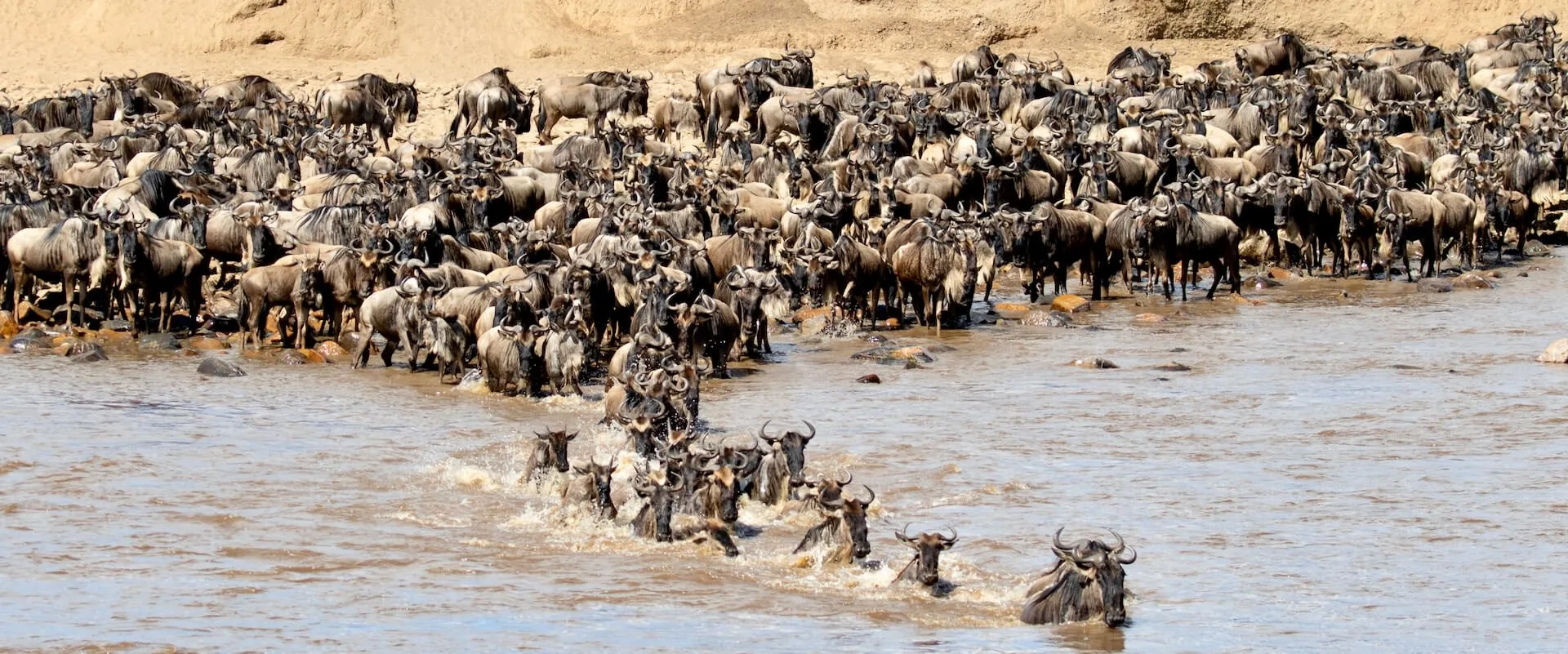
The Great Migration in Africa happens all year because the herds continuously circulate through the Serengeti–Mara ecosystem in…
Read article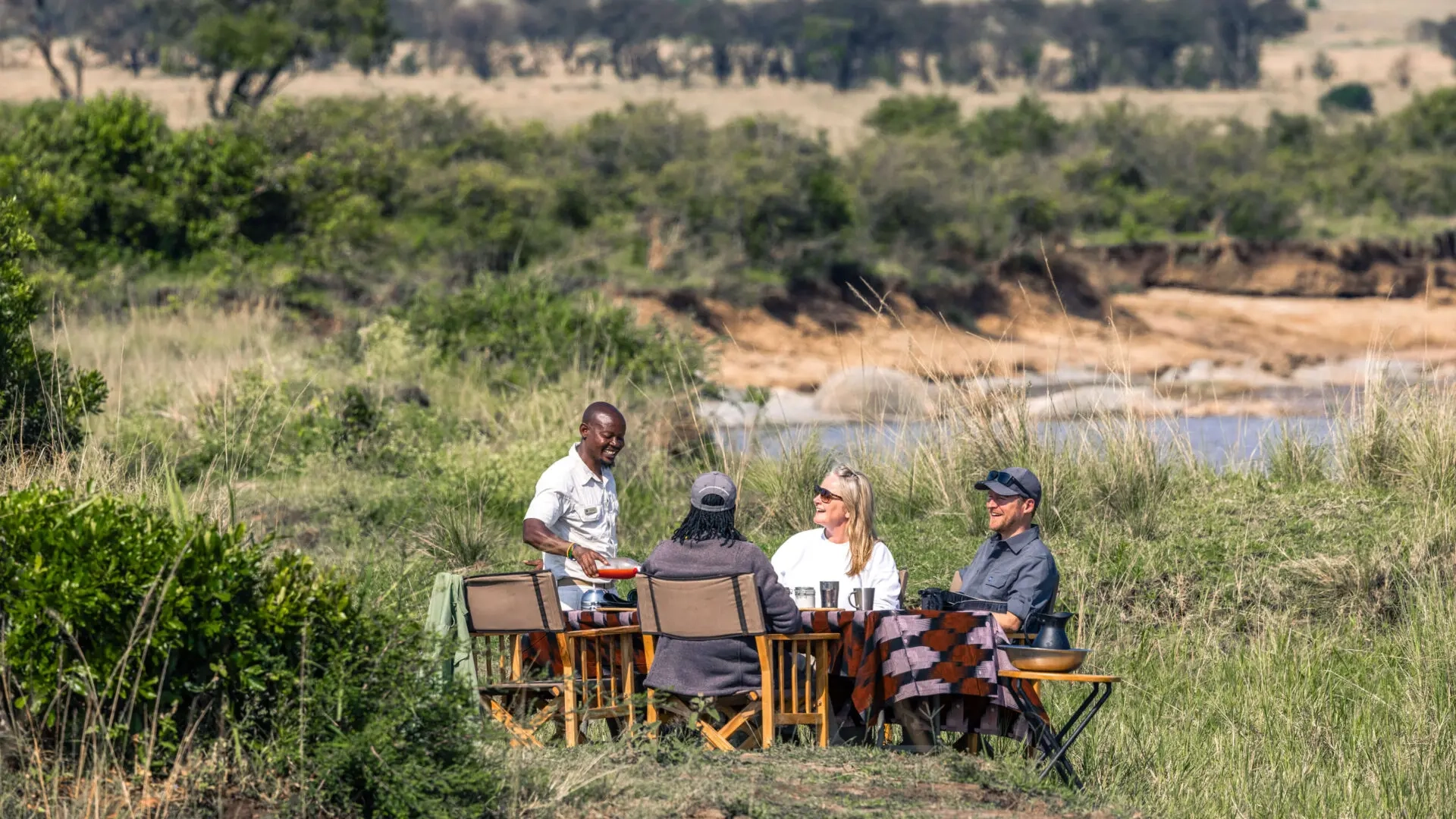
Definitive answer: A picnic lunch on safari is a packed or catered midday meal eaten at an approved…
Read article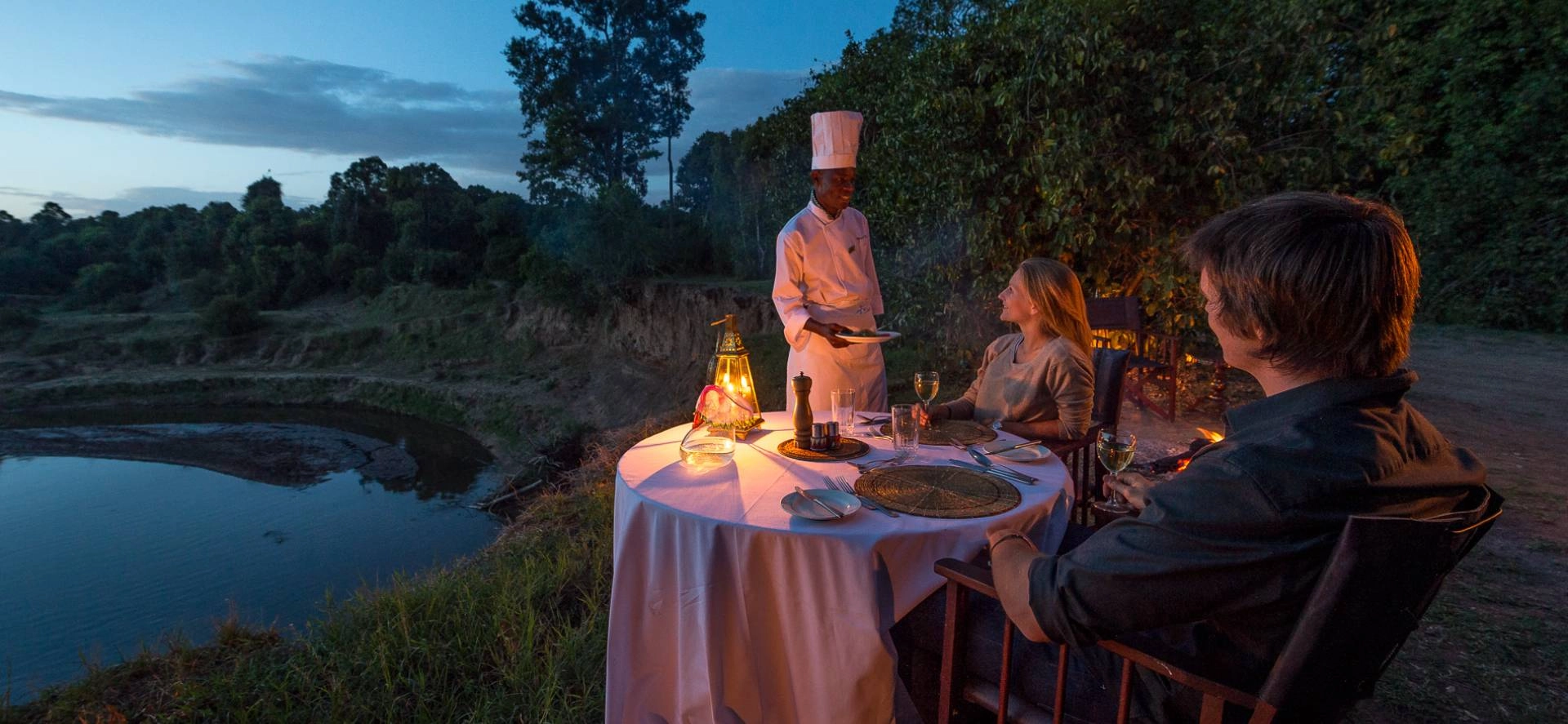
Definitive answer: A bush dinner is an outdoor evening meal arranged in a safe safari setting away from…
Read articleLet us take you closer to the wildlife, people and places that make Africa extraordinary.
Plan Your Safari Today