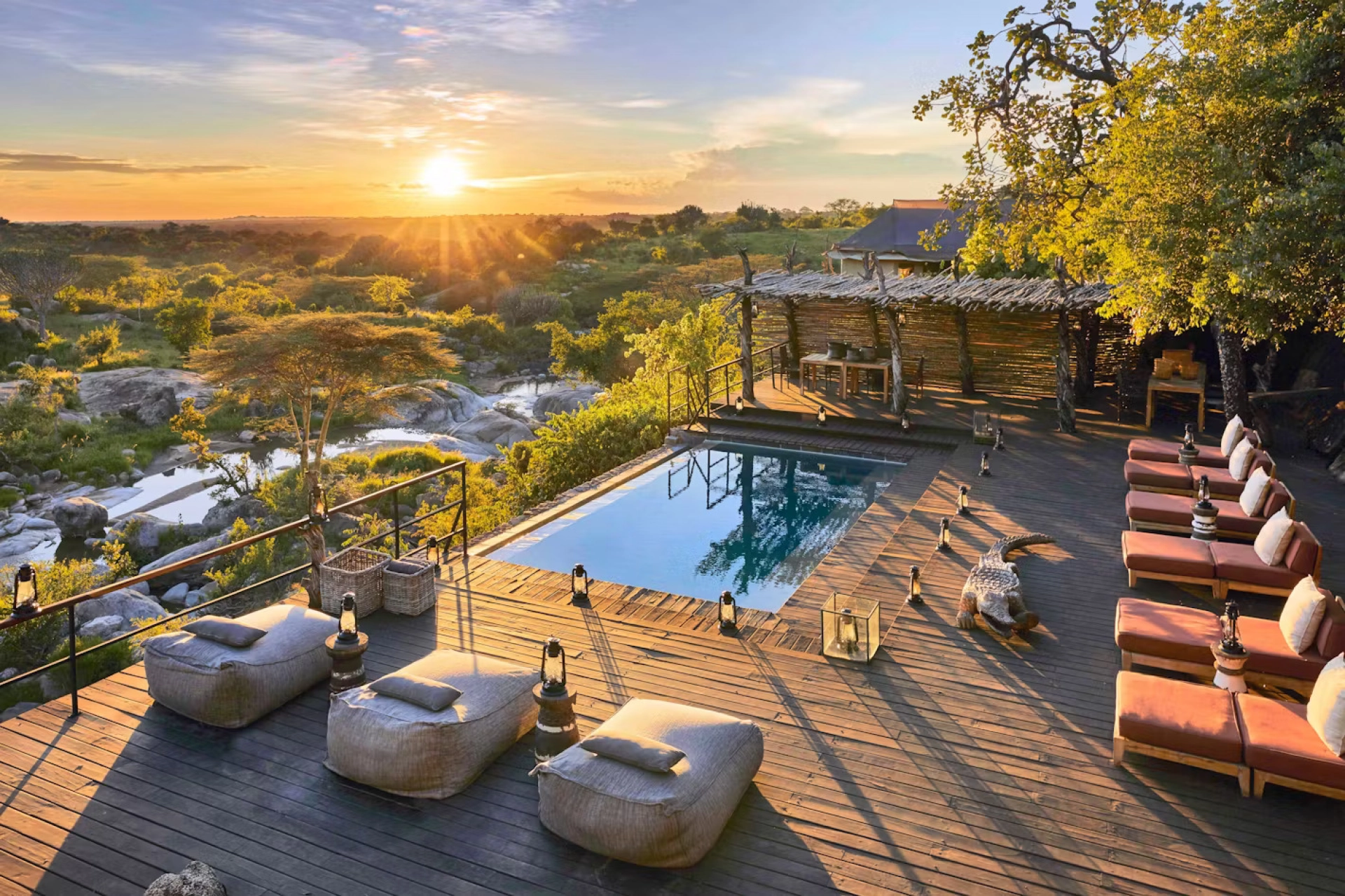
What should I look for when booking a luxury African safari?
When booking a luxury African safari, look beyond the room and compare the quality of guiding, wildlife location,…
Read article

Travel Guide
Madagascar is unlike almost anywhere else in Africa. Although it lies only a few hundred kilometers from the African mainland across the Mozambique Channel, millions of years of isolation have created an extraordinary world of animals,…
Madagascar is unlike almost anywhere else in Africa. Although it lies only a few hundred kilometers from the African mainland across the Mozambique Channel, millions of years of isolation have created an extraordinary world of animals, plants, landscapes and cultures that travelers cannot experience anywhere else.
A Madagascar safari is therefore very different from a traditional safari in Kenya, Tanzania, Uganda, Botswana or South Africa. Travelers do not generally come to Madagascar primarily for lions, elephants, buffaloes, rhinos or large herds of grazing animals. Instead, the island rewards visitors with lemurs leaping through rainforest canopies, chameleons hiding among leaves, bizarre baobab trees rising over dry western landscapes, dramatic limestone pinnacles, tropical beaches, coral reefs and forests filled with endemic wildlife.
Madagascar’s eastern rainforests are internationally significant for their exceptional biodiversity and high levels of endemism. UNESCO’s Rainforests of the Atsinanana World Heritage property represents important remaining examples of these eastern forests and the rare species they protect. The challenge is deciding where to go on safari in Madagascar. Madagascar is enormous. Roads can be slow, domestic travel takes time and the island contains several dramatically different ecological regions. Trying to see everything in one short holiday usually creates an exhausting itinerary.
A better approach is to understand the main Madagascar safari regions, choose the wildlife and landscapes that matter most to you and then design a route around them. This detailed guide explores Madagascar region by region, explaining the best national parks, wildlife experiences, landscapes and beach extensions to consider when planning a Madagascar holiday.
The word safari usually creates images of open savannahs and large mammals, but Madagascar expands the meaning of an African wildlife journey. The island’s greatest attraction is endemism—species that evolved in isolation and occur naturally nowhere else. Lemurs are the obvious example. Madagascar is the only place where travelers can experience the extraordinary diversity of wild lemurs in their native habitats. Different regions support different species. The haunting call of an indri in eastern rainforest creates a completely different experience from watching ring-tailed lemurs move across the rocky landscapes of the south.
Madagascar is equally famous for reptiles and amphibians. Colorful chameleons, leaf-tailed geckos, frogs and snakes occupy forests ranging from humid eastern rainforest to dry western woodland. Botany is equally extraordinary. Baobabs, spiny forests, orchids, palms and numerous endemic plants create landscapes that often feel almost prehistoric. For travelers interested in African wildlife photography, birding, primates, reptiles, botany and conservation, Madagascar can be one of the richest destinations on the continent.
Madagascar’s geography can broadly be understood through several travel regions:
Each area deserves careful consideration.
For first-time visitors interested primarily in lemurs, eastern Madagascar is one of the most important regions to include. Moist winds from the Indian Ocean create humid forests along the eastern escarpment. These forests support an extraordinary concentration of wildlife. The easiest introduction is usually the Andasibe area.
Located within practical driving distance of Antananarivo, Andasibe-Mantadia is one of Madagascar’s most accessible rainforest destinations. Its star attraction is the indri. The indri is the largest living lemur and one of Madagascar’s most distinctive animals. Its powerful calls travel through the forest, often creating an unforgettable soundtrack at dawn. Seeing an indri family moving through the canopy is one of the signature experiences of a Madagascar wildlife safari. Andasibe is also home to several other lemurs, chameleons, frogs, insects and forest birds.
Guided forest walks usually provide the best wildlife encounters because experienced local guides can identify calls, movement and camouflage that visitors might otherwise miss. Night walks can reveal an entirely different side of the forest, including nocturnal lemurs, chameleons and frogs. For travelers with limited time, Andasibe is one of the easiest destinations to combine with Antananarivo.
Andasibe is particularly suitable for: First-time Madagascar visitors, wildlife photographers, lemur enthusiasts, families, birders and travelers with relatively short itineraries. It is also a useful introduction before continuing deeper into Madagascar.
Farther south in the eastern rainforest belt lies Ranomafana National Park, another major destination for wildlife enthusiasts. The park is characterized by steep forested slopes, streams and humid mountain rainforest. Ranomafana became internationally famous following the discovery of the golden bamboo lemur in the 1980s, helping drive conservation attention toward the region. Today it remains one of Madagascar’s most important lemur trekking destinations. Forest walks can be physically demanding because trails may involve steep slopes, mud and humid conditions. However, the rewards can be exceptional.
Travelers may encounter several lemur species as well as birds, reptiles, frogs and endemic plants. Ranomafana works especially well as part of a longer overland route through Madagascar’s central and southern regions.
Madagascar’s remaining eastern forests are enormously important because of the concentration of species found nowhere else. UNESCO describes the Rainforests of the Atsinanana as globally outstanding for biodiversity and exceptional endemism, with the serial property encompassing important protected forests along eastern Madagascar. Visitors should therefore see their Madagascar safari not simply as wildlife viewing, but as an opportunity to support responsible tourism associated with protected landscapes and local communities. Selecting responsible accommodation, using trained local guides and respecting national park regulations can help tourism provide economic reasons to conserve remaining forest habitats.
Most international travelers begin or finish their Madagascar journey in Antananarivo, commonly called Tana. Madagascar’s capital sits in the central highlands and provides the main gateway to the country’s safari regions. Many visitors initially view Antananarivo simply as a transit point, but the central highlands offer important cultural context. Rice fields, traditional villages, terraced hills and historic towns reveal a completely different side of Madagascar from the island’s wildlife reserves.
Antananarivo is Madagascar’s political, cultural and economic center. The city spreads across hills and contains markets, historic buildings, viewpoints and neighborhoods representing different periods of Malagasy history. Travelers with sufficient time may explore cultural attractions before beginning their wildlife itinerary. Nearby, the Royal Hill of Ambohimanga is an important cultural site associated with Malagasy royal history and identity and is recognized as a UNESCO World Heritage Site. Including cultural experiences creates a more complete understanding of Madagascar beyond wildlife.
South of Antananarivo lies Antsirabe, a highland city known for cooler temperatures, colonial-era architecture and agricultural surroundings. The route between Antananarivo and Antsirabe is also useful for observing everyday rural life. Antsirabe often forms part of overland itineraries continuing toward Ranomafana, Isalo and the southwest. The highlands help connect Madagascar’s major ecological regions and are therefore much more than a simple transit corridor.
Southern Madagascar offers some of the island’s most unusual landscapes. Rainfall decreases significantly, producing dry forests and bizarre vegetation dominated in places by thorny plants, succulents and species adapted to extreme conditions. This is the region many travelers associate with ring-tailed lemurs.
Isalo National Park is one of Madagascar’s most visually dramatic destinations. Unlike the dense eastern rainforest, Isalo is characterized by sandstone formations, valleys, grasslands, canyons and natural pools. The scenery often becomes the primary attraction. Hiking routes lead through rocky landscapes to viewpoints and swimming locations. Wildlife is still present, including lemurs and birds, but travelers should visit Isalo expecting a landscape-focused experience rather than dense rainforest wildlife encounters. Sunset can be particularly beautiful as changing light transforms the sandstone formations.
For active travelers, Isalo deserves a strong position on a southern Madagascar safari itinerary.
The community-managed Anja Reserve is a popular destination for observing ring-tailed lemurs among granite formations and forest. Although relatively small compared with national parks, Anja demonstrates how community-based conservation can become part of a Madagascar itinerary. Ring-tailed lemurs are among Madagascar’s most recognizable species, with their black-and-white striped tails and highly social behavior. Photographers particularly enjoy observing these lemurs at relatively close range while respecting guide instructions.
Farther south, reserves such as Berenty have long been associated with ring-tailed lemurs and sifakas. The dry forest environment creates easier visibility than dense rainforest, allowing travelers to observe behavior that can be difficult to see elsewhere. Southern Madagascar also introduces visitors to fascinating dry-zone vegetation.
One of Madagascar’s strangest ecosystems is the spiny forest. Towering octopus-like plants, thorny shrubs, succulents and baobabs form landscapes that look unlike conventional African woodland. Many plants are highly adapted to low rainfall. For botanically minded travelers, this ecosystem can be every bit as exciting as the lemurs. Night excursions may reveal additional nocturnal wildlife.
Western Madagascar is dramatically different from the humid east. Dry deciduous forests, massive baobabs and extraordinary limestone formations dominate some of the region’s most famous destinations. This is essential territory for travelers seeking iconic Madagascar landscape photography.
The Avenue of the Baobabs near Morondava is one of Madagascar’s most recognizable landscapes. Huge baobab trees line a dirt road across an open agricultural landscape. Sunrise and sunset produce particularly dramatic photography as silhouettes form against the sky. The experience is not a traditional wildlife safari, but few first-time visitors regret seeing these extraordinary trees. Baobabs have become visual symbols of Madagascar and represent the island’s remarkable botanical evolution.
Near Morondava, Kirindy Forest protects dry deciduous habitat supporting several fascinating animals. The region is particularly famous for the fossa, Madagascar’s largest native carnivorous mammal. Fossa sightings remain unpredictable, but Kirindy provides one of the better opportunities to search for this elusive predator. Lemurs, reptiles, birds and nocturnal wildlife add to the experience. Combining Kirindy with the Avenue of the Baobabs creates an excellent western Madagascar wildlife and landscape itinerary.
Among Madagascar’s most extraordinary landscapes is Tsingy de Bemaraha. The word tsingy is often used to describe sharp limestone pinnacles created by erosion. The result is a dramatic stone landscape filled with razor-like formations, caves, canyons and forest pockets. Exploring the Tsingy can involve challenging walking routes, ladders, bridges and harness-assisted sections depending on the circuit. This is not a casual sightseeing stop. Travel logistics can also be demanding, particularly because road conditions vary significantly with season.
Yet adventurous travelers often consider Tsingy one of the highlights of Madagascar. UNESCO currently lists the western protected landscapes of Madagascar within the country’s natural World Heritage properties, reflecting their exceptional ecological and geological importance.
Northern Madagascar offers another combination of wildlife, dramatic landscapes and beach access. Travelers interested in combining Madagascar safari and beach holidays should pay close attention to this region.
Near Antsiranana in northern Madagascar, Montagne d’Ambre National Park protects montane rainforest within a volcanic landscape. Waterfalls, crater lakes and dense forest distinguish the region from the drier surrounding areas. The park supports lemurs, chameleons and numerous other endemic species. The cooler, greener environment can come as a surprise after exploring dry western landscapes.
Ankarana contains limestone formations, caves, dry forest and tsingy landscapes. It provides adventurous hiking opportunities alongside wildlife. Visitors may encounter lemurs and reptiles while exploring a landscape shaped by limestone erosion. For travelers unable to reach remote Tsingy de Bemaraha, northern limestone reserves can provide an alternative introduction to Madagascar’s remarkable karst landscapes.
Off northwestern Madagascar lies Nosy Be, the country’s best-known beach destination. Nosy Be is particularly useful as the final chapter of an adventurous Madagascar safari. After long drives, forest treks and national park visits, travelers can slow down beside warm Indian Ocean water. Diving, snorkeling, sailing and island excursions are popular. Nearby islands expand the possibilities. Nosy Komba combines village life and forest experiences, while Nosy Tanikely is known for marine activities.
Spectacular Nosy Iranja is famous for a sandbar connecting island sections during favorable tides. The north therefore offers one of Madagascar’s strongest wildlife and beach combinations.
Travelers seeking genuinely remote experiences should look toward northeastern Madagascar. This region receives substantial rainfall and contains some of the island’s richest rainforest. Access can be complicated, but the rewards are significant.
Masoala National Park represents Madagascar at its wildest. Rainforest-covered mountains descend toward the sea, creating an extraordinary interface between terrestrial and marine ecosystems. Wildlife includes lemurs, birds, reptiles and numerous endemic species. Masoala is ideal for serious wildlife enthusiasts willing to accept more complicated logistics. Travel here can involve flights, boat transfers and weather-dependent journeys. The isolation is part of the attraction. Rather than encountering large groups of tourists, visitors experience one of Africa’s more remote rainforest environments.
Off Madagascar’s eastern coast lies Île Sainte-Marie, another attractive beach extension. The island combines tropical scenery with history and marine experiences. Seasonally, humpback whales migrate through waters around Madagascar, and Sainte-Marie has become particularly associated with whale watching. As with all wildlife experiences, sightings cannot be guaranteed. The island offers a calmer conclusion after rainforest exploration in eastern Madagascar.
Travelers often ask where they should go to see the best lemurs in Madagascar. There is no single answer because different regions support different species. For indri, Andasibe is the obvious choice. For rainforest lemur diversity, Ranomafana is highly rewarding. For ring-tailed lemurs, southern destinations such as Anja and other dry-zone reserves can be excellent. For remote rainforest species, Masoala and northeastern Madagascar are compelling. Serious primate enthusiasts should therefore visit more than one ecosystem.
A Madagascar itinerary combining eastern rainforest with southern or western dry forest provides far more species diversity than remaining in one region.
Madagascar is a paradise for reptile enthusiasts. Chameleons occur across several regions, although species vary according to habitat. Rainforest destinations such as Andasibe and Ranomafana can be excellent. Night walks are particularly rewarding because guides can locate sleeping chameleons on vegetation. Leaf-tailed geckos can be exceptionally difficult to spot without an experienced guide due to their remarkable camouflage. For specialist wildlife photography, it is worth informing your guide in advance about specific interests.
Madagascar has numerous endemic bird species, making it one of Africa’s most distinctive birding destinations. Birders often design itineraries around multiple habitats. Eastern rainforest provides one group of specialties, dry southwestern landscapes another, while wetlands and coastal environments add additional species. A dedicated Madagascar birding safari should generally be longer than a standard wildlife tour because birders need time in several ecosystems. Experienced bird guides are especially valuable.
For a traditional tropical beach extension, Nosy Be and surrounding islands are among the most accessible choices. Île Sainte-Marie offers another atmospheric option. The southwestern coastline also contains attractive beach destinations, while Madagascar’s broader coast is filled with remote stretches of sand that see relatively few international visitors. Travelers should choose based on logistics as much as beauty. A spectacular beach requiring several difficult travel days may not be worthwhile on a short itinerary.
Combining wildlife with beaches is one of the best ways to experience Madagascar. A typical itinerary might begin in Antananarivo, continue east to Andasibe for indri trekking and then fly or travel toward Nosy Be. A longer journey may travel south through the highlands, Ranomafana and Isalo before ending on the southwest coast. Adventure travelers could combine western Madagascar, the Tsingy and Baobabs with additional coastal time. The key is avoiding unnecessary backtracking.
Madagascar’s distances are significant, so itinerary design matters enormously.
For a meaningful first visit, around 10 to 14 days in Madagascar allows travelers to experience several contrasting environments without rushing excessively. A week can still work if the itinerary focuses on one region. For example, Antananarivo, Andasibe and a beach extension can form a shorter itinerary. Travelers who want eastern rainforest, southern landscapes, western baobabs and beaches should consider two to three weeks or longer. Madagascar rewards slow travel. Attempting to include every famous national park in a short vacation often results in too much time spent moving between destinations.
The best time for a Madagascar safari depends on the regions being visited. Broadly, the cooler and drier months are popular for travel because road conditions and trekking can be easier. However, wildlife activity, whale migrations, birding and photography interests may favor particular periods. The wet season can make some routes extremely difficult, particularly in remote western areas. Certain roads and protected areas may become inaccessible. Travelers planning Tsingy de Bemaraha or other difficult overland destinations should therefore pay particular attention to seasonal access.
Accommodation varies enormously. Major destinations such as Andasibe and Nosy Be offer choices ranging from relatively simple lodges to luxury properties. Remote parks may provide more basic accommodation. Travelers should not judge a Madagascar itinerary solely by hotel star ratings. Location, access, guide quality and proximity to wildlife areas are often more important than conventional luxury. An intimate eco-lodge beside a rainforest may produce a much richer safari experience than a sophisticated hotel requiring long daily transfers.
A Madagascar safari can range from adventurous budget travel to high-end private journeys. Costs are influenced by domestic flights, private vehicles, park guides, accommodation standards and the remoteness of the itinerary. Long overland journeys may look inexpensive initially but can require substantial vehicle time. Remote regions requiring flights or boats increase costs quickly. Private guiding is often worthwhile because Madagascar wildlife can be extremely difficult to locate without local expertise.
Madagascar can be an excellent first African destination, but travelers should understand what they are choosing. If your dream is seeing lions, elephants, giraffes and zebras across open savannahs, Kenya, Tanzania, Uganda or South Africa may better match your expectations. If you are fascinated by biodiversity, lemurs, unusual landscapes, reptiles, forests and evolutionary history, Madagascar may be one of the best destinations in Africa. It can also be combined with a traditional mainland safari.
One exciting possibility is combining Madagascar with Uganda, Rwanda, Kenya or Tanzania. Travelers could begin with gorilla trekking in Uganda, continue through Queen Elizabeth National Park or Murchison Falls and then fly onward to Madagascar. Another itinerary might combine Tanzania’s Serengeti and Ngorongoro Crater with Madagascar’s lemurs and beaches. This produces two completely different wildlife experiences within one African journey. A gorilla trekking and Madagascar safari is especially interesting for serious primate enthusiasts.
Mountain gorillas, chimpanzees and lemurs represent completely different branches of primate evolution and occupy dramatically different environments.
Madagascar’s biodiversity faces serious conservation pressures. Responsible tourism can support guides, communities, protected areas and conservation-focused businesses. Visitors should remain on designated trails, never feed wildlife and avoid purchasing products derived from protected animals or illegally harvested forest materials. Choose operators who work with licensed guides and legitimate protected areas. Respect local communities and ask permission before photographing individuals. Wildlife tourism has greatest value when local communities receive meaningful economic benefits from conservation.
For first-time lemur encounters, consider Andasibe. For rainforest biodiversity, include Ranomafana. For dramatic hiking landscapes, visit Isalo. For ring-tailed lemurs, explore southern Madagascar. For baobabs and dry forest, choose Morondava and western Madagascar. For adventure and geological landscapes, consider Tsingy de Bemaraha. For remote rainforest, look toward Masoala. For beaches and marine activities, choose Nosy Be, Sainte-Marie or other coastal destinations. For the richest journey, combine at least two contrasting ecosystems.
Madagascar is not a destination to rush. Its magic lies in contrast. One day you may wake to the haunting calls of indri in a misty rainforest. Days later you could be hiking through sandstone canyons, photographing ring-tailed lemurs, standing beneath enormous baobabs or snorkeling in warm Indian Ocean water. That diversity is what makes the different Madagascar safari regions so important. There is no single Madagascar experience. There are rainforests, highlands, dry forests, spiny deserts, limestone wildernesses, tropical islands and culturally distinct communities spread across an enormous country.
The best Madagascar itinerary therefore begins by deciding what matters most to you. At Adventure in the Wild Safaris, Madagascar can also be incorporated into a wider African journey combining Uganda gorilla trekking, Rwanda, Kenya, Tanzania, South Africa or Indian Ocean beach destinations. Whether your priority is lemurs, bird watching, photography, rainforest trekking, beaches or a complete Madagascar wildlife safari, carefully choosing the right regions will determine the quality of the journey.
And for travelers willing to explore slowly, Madagascar remains one of Africa’s most extraordinary wildlife destinations.

Share This Article
When booking a luxury African safari, look beyond the room and compare the quality of guiding, wildlife location,…
Read article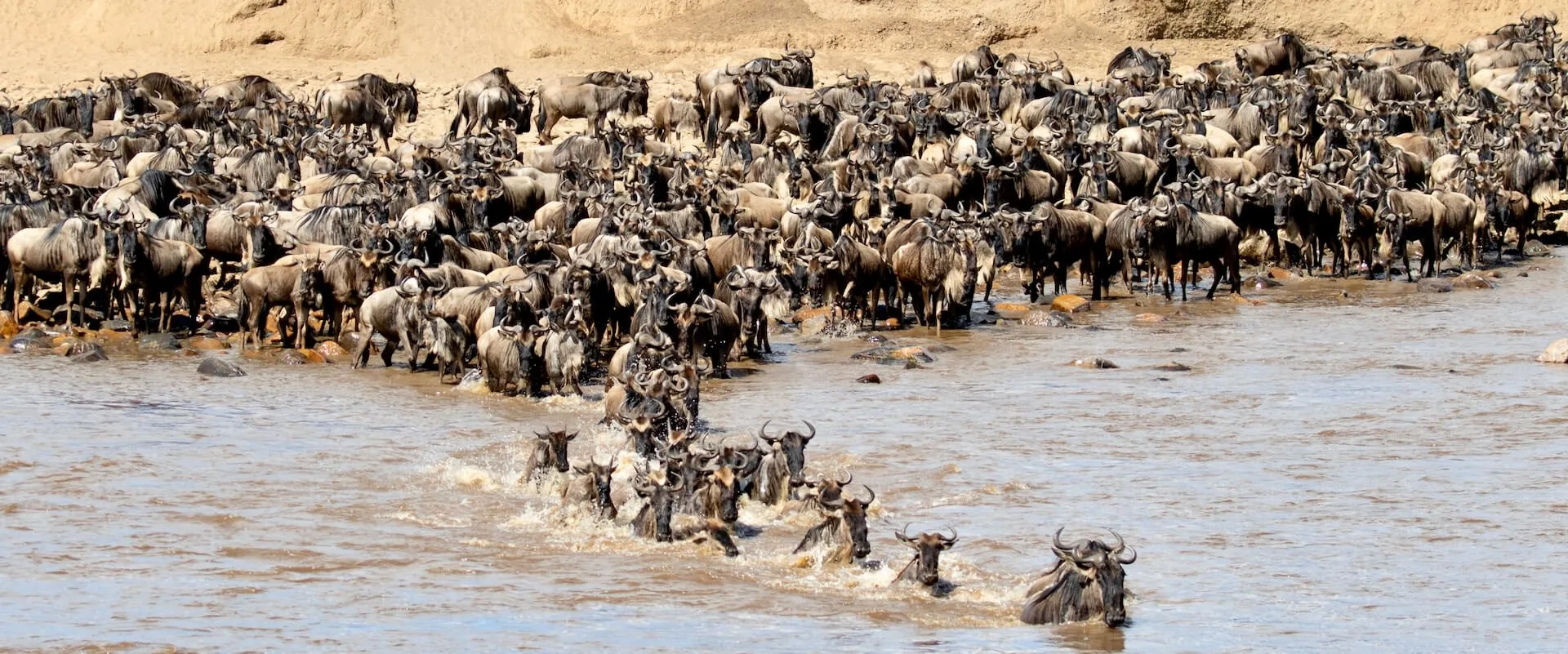
The Great Migration in Africa happens all year because the herds continuously circulate through the Serengeti–Mara ecosystem in…
Read article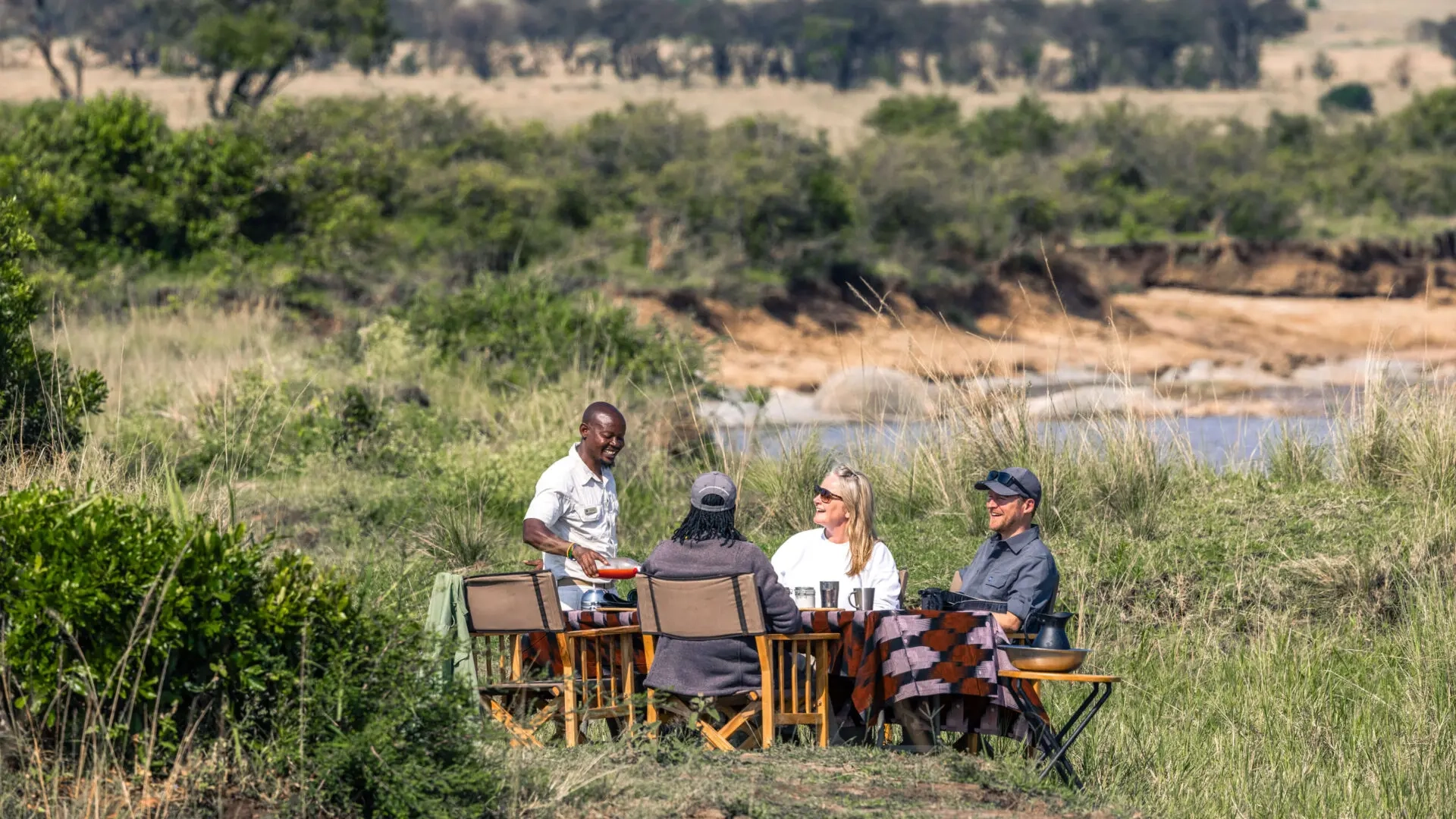
Definitive answer: A picnic lunch on safari is a packed or catered midday meal eaten at an approved…
Read article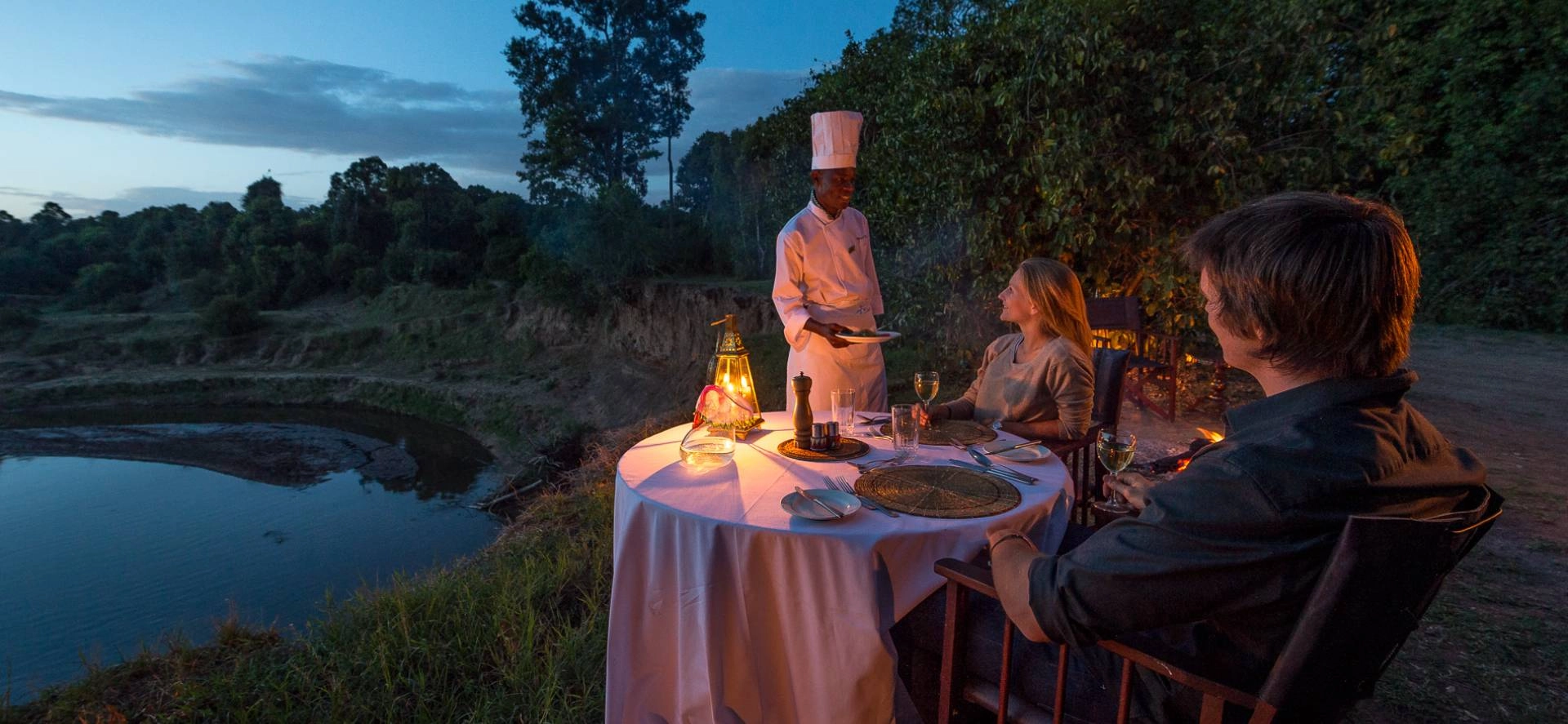
Definitive answer: A bush dinner is an outdoor evening meal arranged in a safe safari setting away from…
Read articleLet us take you closer to the wildlife, people and places that make Africa extraordinary.
Plan Your Safari Today