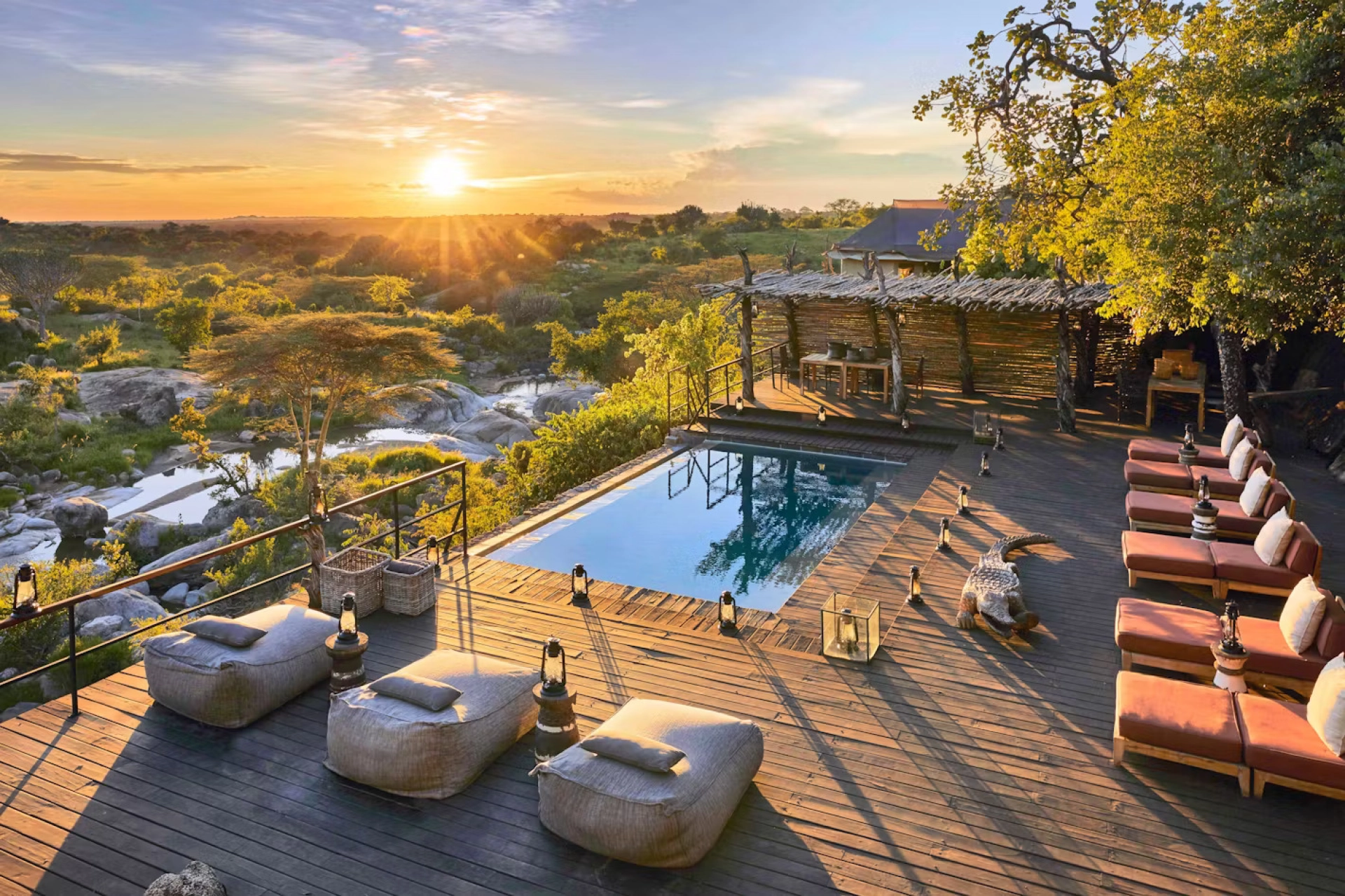
What should I look for when booking a luxury African safari?
When booking a luxury African safari, look beyond the room and compare the quality of guiding, wildlife location,…
Read article

Travel Guide
For travelers planning an African safari, malaria is often one of the first health concerns to arise. Parents may worry about taking young children into malaria-risk regions. Pregnant travelers may need specialized medical advice. Some visitors…
For travelers planning an African safari, malaria is often one of the first health concerns to arise. Parents may worry about taking young children into malaria-risk regions. Pregnant travelers may need specialized medical advice. Some visitors cannot take particular preventive medicines, while others simply prefer an itinerary where malaria risk is significantly lower. The good news is that South Africa offers some of the continent’s best opportunities for a malaria-free safari.
Several wildlife regions outside the country’s recognized malaria-risk zones provide excellent game viewing, including areas where travelers can potentially encounter lions, elephants, buffaloes, rhinos and leopards. This means families, honeymooners, older travelers and first-time safari visitors can experience a genuine African wildlife holiday without automatically traveling to the Kruger region. South Africa’s malaria-free game reserves range from accessible parks near Johannesburg to luxury private reserves in the Eastern Cape and wildlife areas that combine easily with Cape Town and the Garden Route.
Some provide guided Big Five safaris. Others work well for self-drive travelers. Several are particularly strong for families because they combine malaria-free geography with shorter transfers, child-friendly accommodation and flexible safari activities. However, it is important to understand what “malaria-free” actually means. Health classifications can change, and no article should replace medical advice. Travelers should always check current official health guidance and discuss their itinerary with a qualified travel-health professional before departure.
With that important principle in mind, this guide explores some of South Africa’s best malaria-free safari regions and explains how to choose the right destination.
The most obvious reason is peace of mind. Malaria is transmitted by infected mosquitoes, and some of Africa’s best-known safari areas lie within zones where preventative measures may be recommended. South Africa is unusual because excellent wildlife reserves also exist in regions where malaria is not typically considered a significant travel risk. That opens safari travel to a much wider range of visitors. Families with young children are one of the biggest groups interested in malaria-free travel.
Parents may already be managing long-haul flights, unfamiliar food, changes in sleeping schedules and outdoor activities. Removing one health concern can simplify the trip. Travelers who have had previous difficulties with antimalarial medication may also prefer malaria-free destinations. And for first-time visitors who feel anxious about tropical health issues, a malaria-free reserve can make Africa feel significantly more approachable.
No. This distinction is important. A malaria-free safari area can still have mosquitoes. The term relates to malaria transmission risk, not the complete absence of insects. Mosquito activity varies with temperature, rainfall, standing water and local ecology. Even in places where malaria is not considered a meaningful risk, bites can be uncomfortable. Visitors should still pack insect repellent and use common-sense precautions. Long sleeves and trousers in the evening can help.
Accommodation may provide screens, nets or other insect-control measures depending on property design.
South Africa combines extraordinary ecological diversity with strong tourism infrastructure. Major international airports connect Johannesburg and Cape Town with global destinations. Domestic flights link additional regions. Road infrastructure makes many reserves accessible. Accommodation ranges from simple guesthouses and self-drive camps to exclusive private safari lodges. Most importantly, safari can be combined easily with non-wildlife attractions. A traveler might spend four nights in a malaria-free Eastern Cape reserve before driving the Garden Route and finishing in Cape Town.
Another could fly into Johannesburg, visit Madikwe Game Reserve, then continue elsewhere in southern Africa. This makes malaria-free safari travel particularly suitable for visitors who want wildlife to be one part of a broader South African vacation.
It is important not to treat South Africa as one uniform health zone. Some parts of northeastern South Africa, including areas associated with the greater Kruger region, can have malaria risk. Other regions, including many reserves in the Eastern Cape, North West Province and additional areas, are widely promoted as malaria-free safari destinations. Travel-health advice can change. Seasonal factors may also influence risk assessments. Therefore, before traveling, confirm the current status of every region on your itinerary using reputable medical and official sources.
Never assume that because one South African safari is malaria-free, every safari in the country is.
Madikwe Game Reserve is one of the best-known malaria-free safari destinations in South Africa. Located in the country’s North West Province near the Botswana border, Madikwe offers a large wilderness environment and strong wildlife viewing. The reserve is especially attractive to travelers who want the traditional luxury lodge safari experience without choosing a malaria-risk region. Madikwe supports a wide variety of mammals and predators. Lions, elephants, buffaloes, rhinos and leopards occur in the broader ecosystem.
African wild dogs are another major attraction. Wild dogs are among Africa’s most fascinating predators. Their highly social behavior, cooperative hunting and energetic movement make them exceptional animals to encounter.
Many Madikwe lodges cater specifically to families. Depending on the property, facilities may include family suites, children’s programs, flexible meal arrangements and specialized activities. The malaria-free location is an additional advantage. Parents should still check lodge-specific minimum ages for game drives. Some properties may restrict very young children from standard shared drives for safety and comfort reasons. Private vehicles may provide greater flexibility.
Madikwe is equally attractive for couples. Luxury lodges can provide private decks, excellent dining and intimate safari experiences. Because the reserve is associated primarily with guided lodge-based tourism rather than mass self-drive traffic, certain areas can feel exclusive. This makes it a strong alternative to better-known safari regions.
Pilanesberg National Park is another important malaria-free safari option. Its accessibility from Johannesburg makes it particularly useful for travelers with limited time. The park lies within an ancient volcanic landscape. Hills, valleys and open areas create a visually distinctive environment. Pilanesberg supports a broad range of African wildlife and can provide Big Five opportunities. It is well suited to travelers who want a short safari extension before or after business, city travel or another South African itinerary.
Not every visitor has a week available for wildlife. A two- or three-night Pilanesberg stay can provide a genuine safari experience without requiring extensive domestic flights. This makes it attractive for stopovers and first-time visitors. Travelers can choose guided activities or, depending on the itinerary and park rules, experience aspects of the region independently.
The Eastern Cape contains some of South Africa’s strongest malaria-free private reserves. This region has become particularly popular with travelers combining safari with Cape Town and the Garden Route. Private reserves offer guided game drives, quality lodges and opportunities to encounter major African wildlife. The Eastern Cape’s greatest logistical advantage is its position within a broader tourism circuit. Instead of flying across the country solely for safari, travelers can incorporate wildlife into a road trip.
For example, a South Africa itinerary might begin in Cape Town, continue through coastal destinations along the Garden Route and end with several nights in an Eastern Cape game reserve. This is exceptionally convenient for families, honeymooners and first-time visitors.
Addo Elephant National Park is one of South Africa’s most famous Eastern Cape wildlife destinations. As its name suggests, elephants are a central attraction. The protected area has grown significantly from its original purpose of protecting a small surviving elephant population. Today, visitors can experience a far more diverse wildlife ecosystem. Addo can work particularly well for self-drive travelers. The road network allows visitors to explore at their own pace, stopping at wildlife sightings and water sources.
Guided activities can also be incorporated.
Private safari lodges can be expensive. Addo provides opportunities for travelers who want wildlife without necessarily booking a high-end all-inclusive lodge. Accommodation can be chosen according to budget, and self-driving can substantially reduce safari costs. This makes Addo particularly appealing to independent travelers exploring South Africa by rental car.
The Eastern Cape is also home to a number of renowned private reserves, including Shamwari. Private-reserve safaris differ from public self-drive parks. Guests generally stay at a lodge and join professional guided game drives. The emphasis is often on personalized service, wildlife interpretation and high-quality accommodation. For honeymooners or travelers celebrating a special occasion, this style of safari can be extremely rewarding. The malaria-free setting adds another advantage.
Amakhala is another Eastern Cape malaria-free safari destination. The reserve offers guided wildlife experiences and a range of accommodation styles. Its position makes it suitable for combination trips with Addo, Port Elizabeth/Gqeberha and the Garden Route. Travelers researching Eastern Cape safaris should compare not only nightly rates but also what is included. Some safari lodges include game drives and meals as part of the stay. Others may structure rates differently.
Always compare complete costs.
Kwandwe offers another premium malaria-free safari experience in the Eastern Cape. The region’s private reserves are particularly attractive to travelers who want professionally guided game drives and luxurious accommodation without traveling to northeastern South Africa. A private reserve can also provide a more structured safari experience than self-driving. Guides and trackers understand local animal territories and movement patterns, which can significantly improve game viewing.
Kariega is part of the broader Eastern Cape safari landscape and can be incorporated into South African itineraries combining coast, wildlife and scenic road travel. Like other private reserves, it appeals to travelers wanting guided activities and lodge-based hospitality. Different reserves have different characteristics, so it is worth comparing ecosystem size, lodge style, family policies and the safari experience rather than selecting solely on price.
Travelers interested in unusual landscapes should also consider the Karoo. The Karoo offers enormous skies, mountains, semi-arid landscapes and a very different atmosphere from Kruger’s bushveld. Conservation-focused properties in the region have restored wildlife to former agricultural land. This creates an interesting safari experience for repeat visitors who want something beyond the conventional woodland-and-savannah image of South Africa. The Karoo can also be appealing to photographers because of its wide landscapes and dramatic light.
Many travelers specifically want a malaria-free Big Five safari. The traditional Big Five are: lion, leopard, elephant, rhino, and buffalo. Several South African malaria-free reserves contain all five species or provide opportunities to encounter them. However, wildlife sightings are never guaranteed. Leopards are particularly elusive in many ecosystems. The phrase “Big Five reserve” should therefore mean the species occur there, not that every traveler will see all five during a two-night stay.
For better wildlife opportunities, allow enough time. Three nights should often be considered a practical minimum for a private reserve. Four nights provides more opportunities and a more relaxed rhythm.
South Africa is arguably one of the strongest countries for a family safari in Africa. Malaria-free reserves strengthen that position. Children can experience elephants, giraffes, zebras and predators without parents necessarily needing to plan around malaria medication. However, family safari planning involves more than health.
Young children often struggle with long road transfers. Choose reserves that can be reached conveniently from airports or incorporated logically into your route.
A three-hour game drive may feel magical to adults and exhausting to a four-year-old. Some family-oriented lodges provide shorter children’s activities or private vehicle options.
Look for family rooms, interconnecting rooms or suites. Swimming pools can also be useful during downtime, subject to appropriate supervision.
Children with limited diets may benefit from lodges that offer flexible meal choices. Discuss dietary requirements before arrival.
Safari lodges are located in wild environments. Children should understand that animals may move around unfenced properties. Parents must follow lodge instructions carefully.
Pregnancy changes travel-health considerations significantly. While choosing a malaria-free area may reduce one particular concern, pregnancy can influence many other aspects of safari travel. Long flights, road conditions, heat, dehydration, access to medical facilities and travel insurance should all be considered. Pregnant travelers should obtain individualized medical advice before booking. A travel blog cannot determine whether safari travel is appropriate for a particular pregnancy.
Older travelers may appreciate South Africa’s accessible safari infrastructure. Private lodges can provide comfortable rooms, quality food and guided game drives without strenuous walking. Malaria-free regions also reduce the need to consider antimalarial medication solely because of the safari destination. However, mobility requirements should be discussed before booking. Safari vehicles can be relatively high off the ground. Some lodges have stairs or uneven pathways. The best operators can help match accommodation to specific accessibility needs.
South Africa is an excellent honeymoon destination because safari can be combined easily with urban, coastal and wine-country experiences. A couple might spend several nights in a private Eastern Cape game reserve, then continue toward Cape Town. Another itinerary could combine Madikwe with luxury hotels elsewhere in South Africa. The advantage of a malaria-free honeymoon is simplicity. Couples can focus on wildlife, accommodation and romantic experiences without making the entire route dependent on malaria-risk considerations.
Travelers frequently search for a malaria-free safari near Cape Town. It is important to distinguish between convenient safari-style reserves and the larger wilderness environments found farther away. Several wildlife reserves are accessible from Cape Town by road, but the safari experience varies significantly. Some are relatively small and should not automatically be compared with enormous ecosystems such as Kruger. Travelers with sufficient time may achieve a stronger overall experience by flying or driving toward the Eastern Cape.
The Garden Route can turn this transfer into part of the holiday.
This is one of South Africa’s most logical malaria-free itineraries. Begin in Cape Town. Explore Table Mountain, the Cape Peninsula, restaurants, beaches and nearby wine regions. Then travel east along the Garden Route. Stops can include coastal towns, forests and outdoor activities. Finish with three or four nights at an Eastern Cape game reserve. This produces a vacation with enormous variety. It also works exceptionally well for families because children are not spending the entire journey inside safari vehicles.
The Garden Route is not itself a conventional Big Five safari destination. Its importance lies in how easily it connects scenic South African travel with Eastern Cape wildlife. Travelers can enjoy coastlines, forests, hiking, lagoons and adventure activities before finishing the trip with safari. For couples, families and independent drivers, this is one of the country’s most attractive combinations.
Both regions offer malaria-free wildlife experiences, but they fit different itineraries. Madikwe works extremely well with Johannesburg arrivals. The Eastern Cape fits naturally with Cape Town and the Garden Route. Travelers whose international flights arrive in Johannesburg may find Madikwe more convenient. Travelers spending significant time in the Cape may find Eastern Cape reserves more logical. Wildlife interests, lodge style and budget should then determine the final choice.
Pilanesberg generally appeals to travelers seeking accessibility and potentially more affordable options. Madikwe often attracts visitors seeking a more exclusive private-lodge experience. Both are malaria-free safari options in the broader northwestern part of South Africa. A short itinerary from Johannesburg may favor Pilanesberg. A multi-night lodge safari may make Madikwe more attractive.
The question is not simply which is “better.” Kruger is a vast ecosystem and one of Africa’s great wildlife destinations. The Eastern Cape’s strongest advantage is malaria-free safari travel combined with Cape routes. For wildlife enthusiasts whose only priority is the scale of the ecosystem, Kruger may be more attractive. For families or travelers wanting a malaria-free itinerary, the Eastern Cape can be ideal. South Africa is large enough that both experiences should be evaluated according to individual priorities.
There is no single season covering every malaria-free safari region. The Eastern Cape has different climatic influences from Madikwe. Pilanesberg and the Karoo also have their own seasonal patterns. As a general safari principle, dry periods can improve wildlife visibility as vegetation thins and animals gather around water. Green periods can provide lush scenery, active birdlife and young animals. Before choosing dates, evaluate the specific reserve rather than applying Kruger’s climate assumptions to all of South Africa.
Depending on the reserve, wildlife may include: lions, elephants, rhinos, buffaloes, leopards, cheetahs, giraffes, zebras, wildebeest, hippos, antelopes, hyenas and African wild dogs. Birdlife can also be excellent. Different reserves contain different species. Do not assume that because an animal occurs in South Africa it exists in every reserve. If there is a particular species you strongly want to see, mention it when planning the safari.
Two nights is possible but short. Three nights provides significantly more game drives. Four nights is excellent for many visitors. Each additional drive creates new possibilities. The wildlife you miss one morning may appear the following afternoon. More time also removes pressure. Instead of treating every drive as a competition to see the Big Five, you can enjoy birdlife, smaller animals, landscapes and behavior.
Morning drives often begin early. Predators may remain active from nighttime hunting. Cool temperatures encourage wildlife movement. Light is excellent for photography. Even in malaria-free regions, mornings may be chilly depending on season. Pack warm layers.
Late afternoons are another important safari period. As temperatures fall, wildlife activity increases. Predators begin moving. Herbivores approach water. Private reserves may continue into darkness depending on regulations and lodge operations. Nighttime can reveal nocturnal species that daytime visitors rarely encounter.
This depends on reserve. Private game reserves typically emphasize guided drives. National parks such as Addo can offer strong self-drive opportunities. Guided safaris have major advantages. Professional guides know animal territories, tracks and behavior. They communicate with other guides and understand where recent sightings have occurred. Self-drive provides flexibility and can lower costs. Some travelers combine both.
A malaria-free safari does not automatically mean luxury prices. Travelers can reduce costs by choosing public protected areas such as Addo, using self-drive options and staying outside premium lodges. Pilanesberg may also provide a range of accommodation. Travel during lower-demand periods can improve value. Families should compare the total cost of private versus shared activities. Sometimes a family suite and private vehicle appear expensive initially but become competitive when calculated per person.
South Africa also has exceptional luxury malaria-free lodges. These properties may include: premium accommodation, all meals, guided game drives, high staff-to-guest ratios, private decks, swimming pools, spa treatments, and personalized service. Luxury is not essential for a great safari, but it can transform the trip for honeymoons and special occasions.
Pack for safari conditions, not just malaria status. Useful items include lightweight neutral clothing, warm layers for morning drives, sunscreen, sunglasses, a hat, comfortable footwear, binoculars and camera equipment. Insect repellent is still useful because malaria-free does not mean mosquito-free. A lightweight rain jacket may be appropriate depending on season. Avoid bringing excessive luggage if domestic flights are part of the itinerary.
Yes. Mosquitoes can occur outside malaria-risk zones. Other biting insects may also be present. Repellent improves comfort even where malaria is not a concern. Wearing long sleeves and trousers around dawn and dusk can also help.
This is a medical decision that should be made with qualified professional advice. If an itinerary is genuinely confined to recognized malaria-free areas, preventative medication may not be recommended solely for malaria. However, travelers sometimes transit through or add other destinations without realizing those areas have different risk classifications. Your complete route matters. Discuss every destination with a travel-health professional.
Kruger should not generally be described as one of South Africa’s malaria-free safari regions. Travelers visiting Kruger should obtain current health advice. Risk levels and medical recommendations can change. Those who specifically want to avoid malaria-risk areas should focus on recognized malaria-free safari regions elsewhere in the country.
Neither choice is automatically superior. Some of Africa’s greatest wildlife ecosystems exist in malaria-risk areas. The Serengeti, parts of southern Africa and many East African destinations provide extraordinary experiences. Millions of travelers visit such destinations using appropriate health precautions. A malaria-free safari is simply an alternative. For some visitors, it is the correct one. The decision should reflect health circumstances, family composition, destination priorities and professional medical advice.
Whether the reserve is malaria-free or not, responsible safari behavior remains essential. Do not pressure guides to approach animals too closely. Avoid shouting or making noises to attract wildlife. Do not feed animals. Respect reserve rules. Safari vehicles should not surround animals excessively or block natural movement. Choose wildlife operators and reserves that take conservation seriously. Tourism revenue can contribute significantly to habitat protection and local employment when managed well.
A short malaria-free holiday can combine city experiences and wildlife. Spend several days exploring Cape Town before flying or traveling toward the Eastern Cape for a three-night safari. Alternatively, arrive in Johannesburg and continue toward Madikwe for a dedicated lodge safari. For families, allow recovery time after the international flight before beginning long road transfers.
Ten days creates a better balance. Spend four nights in Cape Town. Continue along part of the Garden Route. Finish with three nights in an Eastern Cape private game reserve. This itinerary combines urban attractions, coastline, scenic driving and wildlife without trying to see the entire country.
Two weeks allows a much deeper journey. Travelers can include Cape Town, the Winelands, Garden Route, coastal experiences and four nights on safari. This is particularly suitable for families because safari is balanced with other activities. Children experience wildlife without spending fourteen consecutive days on game drives.
At Adventure in the Wild Safaris, we can help travelers compare safari regions according to wildlife interests, travel style and broader African itinerary. South Africa’s malaria-free destinations can form a standalone holiday or become part of a larger journey. A South African safari might be combined with Cape Town and the Garden Route. More adventurous travelers may continue toward Victoria Falls or additional southern African destinations. The most important thing is choosing a route that matches your actual priorities.
A family may value malaria-free geography and short transfers. A honeymoon couple may prioritize a private luxury lodge. A photographer may prioritize wildlife density and landscape. A budget traveler may prefer Addo and self-drive travel. There is no single correct safari for everyone.
A malaria-free South African safari allows travelers to experience some of Africa’s most exciting wildlife while removing one common concern from the planning process. Madikwe offers a high-quality lodge safari and excellent wildlife. Pilanesberg provides accessibility from Johannesburg. The Eastern Cape combines beautifully with Cape Town and the Garden Route. Addo offers particularly strong opportunities for independent and budget-conscious travelers. Private Eastern Cape reserves provide comfortable guided Big Five safaris for families, couples and honeymooners.
The key is understanding that malaria-free does not mean insect-free, risk-free or preparation-free. Travelers should still use repellent, follow lodge instructions, obtain appropriate travel insurance and seek current professional medical advice. But for visitors who want to avoid recognized malaria-risk safari regions, South Africa provides an exceptional range of alternatives. You can still watch elephants gathering near water. You can still search for lions before sunrise. You can still follow rhino tracks through the bush, photograph giraffes against the evening sky and listen to nocturnal sounds outside your lodge.
The essence of an African safari remains completely intact. The difference is simply that South Africa gives you more choices about where that safari happens.
Get quick answers to the most common questions. If you still have questions, our safari experts are here to help.
Yes. South Africa has several established safari regions outside the country’s main malaria-risk zones. Always verify current health guidance before travel.
Madikwe and the Eastern Cape reserves are among the best-known options. The right choice depends on route, budget, family needs and preferred safari style.
Madikwe is widely promoted as a malaria-free safari destination. Travelers should nevertheless verify current health information before travel.
Pilanesberg is commonly included among South Africa’s malaria-free safari areas. Confirm current official travel-health advice before departure.
Addo in the Eastern Cape is widely regarded as a malaria-free safari destination.
No. The Kruger region can carry malaria risk, and travelers should obtain current medical advice.
Yes. This is one reason many families choose regions such as the Eastern Cape, Madikwe and Pilanesberg.
Yes. Several malaria-free reserves contain Big Five wildlife, although no individual sighting is guaranteed.
They range from affordable self-drive options to ultra-luxury private lodges. South Africa offers choices across many budgets.
Yes. Combining Cape Town, the Garden Route and an Eastern Cape safari is one of South Africa’s best malaria-free holiday itineraries.
Three to four nights provides a strong experience for most travelers. Longer stays increase wildlife opportunities.
Yes. Malaria-free does not mean mosquito-free, so repellent and normal bite precautions remain useful.
Yes. A qualified travel-health professional can advise based on your complete itinerary, personal medical history and current health information.
Our safari experts are here to help you plan your safari. Get personalized advice, the latest information and a free, no-obligation quote.
We typically reply within a few hours.

Share This Article
When booking a luxury African safari, look beyond the room and compare the quality of guiding, wildlife location,…
Read article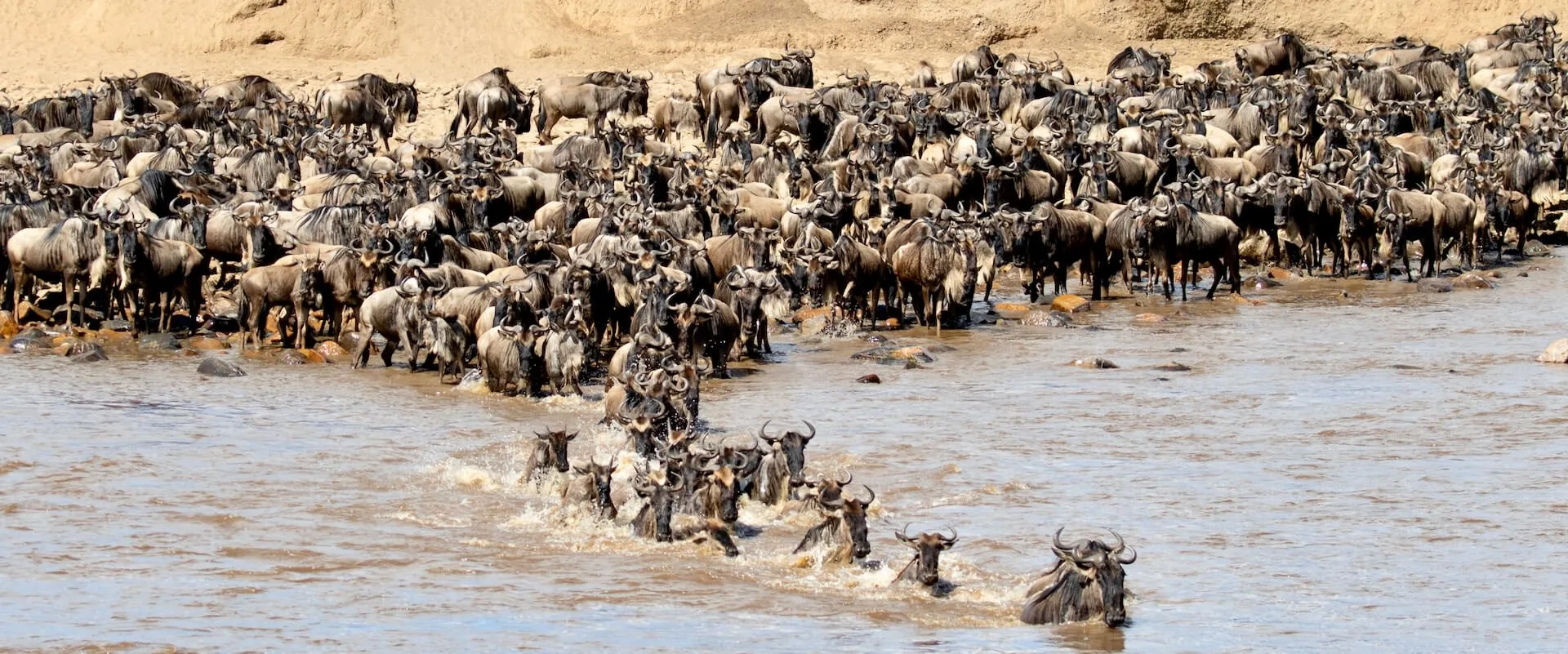
The Great Migration in Africa happens all year because the herds continuously circulate through the Serengeti–Mara ecosystem in…
Read article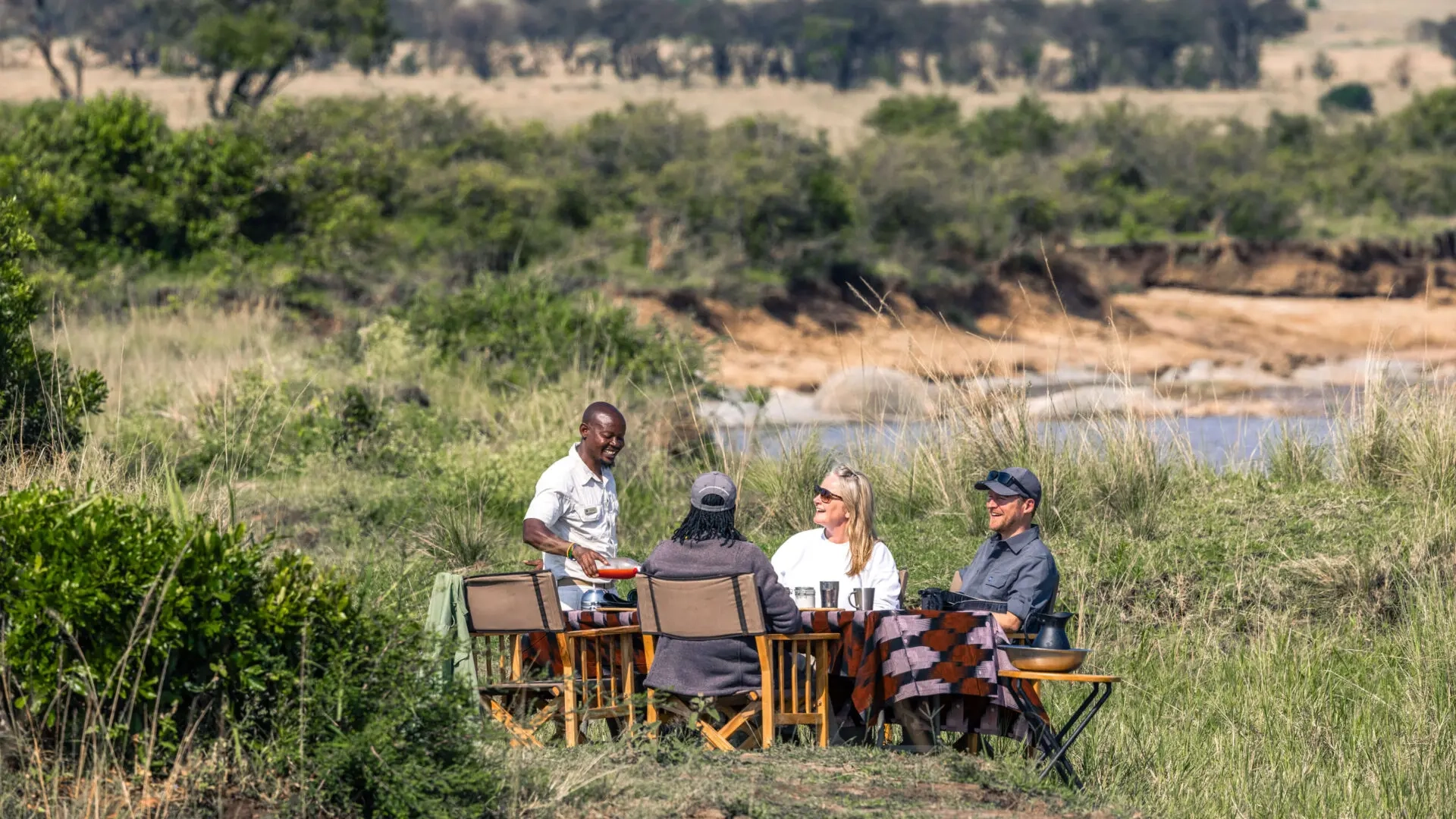
Definitive answer: A picnic lunch on safari is a packed or catered midday meal eaten at an approved…
Read article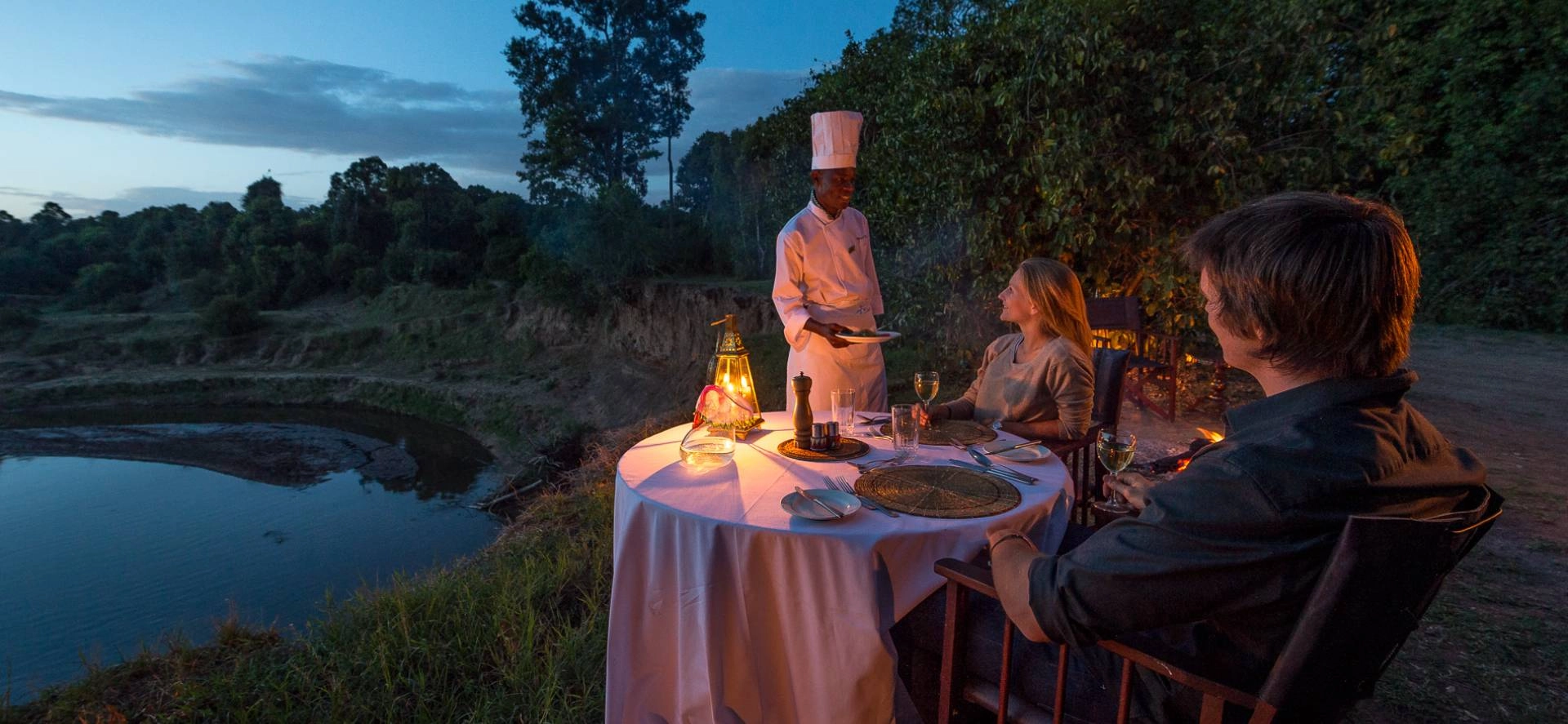
Definitive answer: A bush dinner is an outdoor evening meal arranged in a safe safari setting away from…
Read articleLet us take you closer to the wildlife, people and places that make Africa extraordinary.
Plan Your Safari Today